• Training
    • Injury Prevention
    • Training Tips
  • How To
    • Bike Fit
    • Gear
  • Nutrition
    • Nutrition Tips
    • Weight Loss
  • Repair
  • Reviews
  • Stories
    • Funny Stories
    • Jokes
    • Quotes
    • Videos
    • Funny Videos

I Love Bicycling

I Love Bicycling is a website that is geared towards cycling for beginners with road cycling tips, training articles, nutrition tips, weight loss, how to’s and bike repair articles.

Stories

  • Funny Stories
  • Jokes
  • Reviews
  • News

Get on Your Bike!

December 22, 2014 by Lee Agur

In the Beginning. . . .
Get on your bikeThey say that “Necessity is the mother of invention” (although that’s not quite how ‘the Chef’ in “Lock, Stock & Two Smoking Barrels” described it. . . . . ) however, I digress.

I had been unemployed for a year after completing a diploma in visual arts & finally scored a job at Brisbane airport, which required working the most diabolical shift-hours I have ever known. It also required travelling 25klms each way, which is a neat trick when you don’t own a car. My art teacher, Dave, an avid cyclist, not only told me to “ride a bike” but very kindly loaned me his mountain bike in order to do so.

I hadn’t ridden a bike for something like 20 years, so it was with equal parts enthusiasm & trepidation that I set off for a ‘test-run’. That first ride to the airport took me an hour and a quarter: I wondered if I might die & was any job worth it. From zero kilometres for 20 years to 250klms per week.  It made me hurt in places & in ways I had never imagined !  When the people I worked with found out I was riding a bike to & from the airport, at all hours of the day and night, they not only dubbed me ‘Bicycle-Bob’, but laughed & declared I would not last a month. But I persevered.

Three months later, Dave got his mountain-bike back & I upgraded to a flat-bar road bike. Which I thought was some kind of wonderful, that’s a fact. I was, undeniably, thoroughly enjoying myself & not just because I had an income. I was surprisingly fit & simply loving riding empty roads & bike-paths at 2 & 3 o’clock in the morning (or not so empty roads at midday: stupid bloody shiftwork !) As an aside, my personal track-record on the Boondal Wetlands bike-path is 16 spider-webs in the face in one trip; a ‘delight’ you simply cannot experience in a car.

After another few months, Dave introduced me to clip-in shoes. He did warn me that I would hate him for it, (for not having told me about them sooner) & he was right.The difference it made was quite remarkable: not only do you not LOSE any power on the up-stroke, you GAIN it ! And, just for good measure, once you are familiar with it, you can isolate different muscle-groups so that when the ‘up-stroke muscles’ are working, the ‘down-stroke muscles’ can have a rest & flush a bit of lactic acid away. The upshot of which is, you can ride stronger for longer.

And then there’s the DOWN-side: for all this joy, there IS  a corresponding bummer: guaranteed. You WILL fail to UN-clip: almost inevitably in front of lots of people. You may wish the Earth would swallow you whole: you may believe embarrassment to be terminal: neither of these things will happen. You will hurt yourself to a greater or lesser degree: maybe a bruise & a bit of bark off: maybe a dislocated shoulder: maybe you’ll get a grass-stain on your shirt. That’s in the lap of the gods. Do not be deterred by this: it shouldn’t happen more than a couple of times.

Six months later: with a respectable tax-refund to splurge & insane urges to also ride on my days off, I lashed out & bought a carbon-fibre road race bike. OMG ! Now it was Dave’s turn to hate me: ah, jealousy. . . . . .

At this point, what had started as a poor-man’s-means-to-commute had evolved into something of an obsession & I found myself riding 40klms to Dave’s place so we could then ‘go for a ride’, generally over Mt. Mee & wherever else took our fancy. Several ales after which I would curse his name as I left his place to ride home. Can’t recommend that, to be honest. I mean, riding a bike half-cut is just plain stupid & dangerous. It also HURTS SO MUCH, having ridden 80 or 100klms, then sitting for an hour or so (& consequently seizing-up) before getting back on the bike for the ride home. Just DON’T do that: OK ?

I have ridden through floods & baking heat; I have crashed; I have sworn at punctures &   revelled in miraculous views. I have made friends who share the Joy of good health & positive energy ( & the occasional beer. ) I have scared the shirt off me (to put it politely) whilst screaming downhill at 80kph: I have busted-a-gut to get my butt UP those very same hills. Two years after getting on my bike for the first time in 20 years, I was doing the commute in 35mins. Quite simply; it is THE best addiction one could possibly have. So, if you are even idly contemplating the possibility of taking up cycling, there is only one thing for me to say: get on your bike!
Did You Check Your Tire?

December 19, 2014 by David N. Stiles

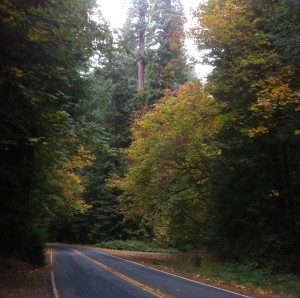
When I was 19 I moved to Marin County California to be a professional sailor (not like the Navy). I raced and maintained sailboats, and also coached. One day while crossing the Richmond bridge I rear-ended the person in front of me. My little white Subaru wagon was probably one of the first casualties of the war on texting while driving. Any-who, with the flick of my thumb I was forced into the world of bicycle commuting. I began cycling more and more on my orange Trek 1000 and finally thought of myself as somewhere between Kevin Bacon in Quicksilver and Lance. I had been mountain biking since I was 11 and even worked in a bike shop for a summer, but this was my first real experience spending a lot of time on a road bike.Marin County

One day I was out on a 40 miler with my friend Charlie. We were about 10 miles from home descending into Mill Valley when I hit a big pot hole and blew out my front tire. I quickly pulled over and yanked out my flat kit.

As professional sailing pays about as much as professional roller derby, I had taken a job at REI to subsidize my biking habit by way of shop discounts. Needless to say I had a sweet repair setup. A patch kit, a tube, a few Co2 cartridges and a multi tool all bundled up in a tiny saddle bag. I carried two extra tubes in my jersey because I believe in over preparation and redundancy. Also, I had no option other than to bike everywhere I went. In my mind, a multi-puncture day could, theoretically, leave my 140 pound, spandex clad, frame “clippity clopping” through The Tenderloin at midnight. So, I carried a bunch of tubes.

In a jiffy I used a lever to unseat the tire and took out the tube to have a look. Two flat holes where the rim had compressed the tube against the edge of the pothole – a pinch flat or a “snake bite” as some call it. I put a new tube in, reseated the tire, used a Co2 shooter to fill it up, then packed up my kit.

Charlie and I jumped on our bikes and continued riding down the hill. I began building speed, feeling the warm California sun on my face. Charlie passed me and smiled just as my tire blew out again. Pow! “What the screw?” We had made it all of 90 seconds down the road.

“That sucks” Charlie says to me. I pulled out a second tube and went to work. Charlie spoke up again, “Did you check your tire?” Now, as a mountain biker I knew about pinch flats, but a hole in the sidewall was almost unheard of on a big 2 inch wide tire. What I took away from the comment was “Is there a thorn in it?”  What he meant, however, was “Is your tire cut and causing the tube to fail with 110 pounds of pressure in it?”  I said “Yeah, there’s nothing in it” and went about my business speedily putting the other tube in.

Charlie was pretty convinced something was wrong with my tire but for some reason he let me bulldoze him into submission. “I CHECKED THE TIRE THERE’S NOTHING WRONG!” I fumed. I believe I uttered this exact phrase when I used his first and then his second spare tube in a fury of cursing and anger. By the time I needed his first spare we were at the bottom of the hill on the main road that would take us from Mill Valley back to Tiburon. Still only half a mile from the pothole.

You know they say when people get lost in the woods and die it’s not because of one mistake, it’s because of a series of bad decisions. After the 5th flat Charlie, in his ever calm and wonderful personality, expressed the desire to ride home and grab the car so he could come pick me up. I agreed and let him go but I was determined to beat this stupid bike. Having gone through all my new tubes (and Charlie’s), I patched the slice in the side of one of the old ones. The gash seemed to have appeared to come from nowhere. I was puzzled by the nature of the repeated flats but gave it little thought as I began pumping; my Co2 supply was long gone at this point as well.

After the second patched tube blew I shouted out loud “Screw it.” I had made the decision to ride the last 9.5 miles home on the rim and tire. I stomped on the pedals as the air was rushing out. For those of you who are experienced please don’t judge, I was new to cycling, dumb and full of piss and vinegar. For those of you that are new to cycling, do not EVER try to ride on a busy two lane road with a flat front tire. You will surely end up laying on the ground in a heap staring at the tread of a taxi’s tire about to crush your face.

Anyway, the cab narrowly missed my head and I conceded to the gods of bicycling. “I know you’re trying to teach me something boys but I haven’t the foggiest idea as to what.” Being 20, I didn’t know when to stop and just let things go, or to think for that matter. I pulled off my shoes and began walking toward home.

About 20 minutes later Charlie showed up and we tossed my bike in the car. I told him about my attempt to ride on the flat tire and he laughed. He suggested I have a good look at the tire when I got home. “Yeah, maybe you’re right”. Later that night I found the gash in the sidewall. Seemed like an awful lot to go through just to learn about sidewall gashes but at that time in my life I had a habit of doing everything the hard way.

Bell or Yell?

December 18, 2014 by Aaron Robson

bell or yellSafety is a big issue in cycling, and rightly so. Any sport where you are regularly zooming along at 30+ mph in the midst of giant four-wheeled hunks of metal with only a few scraps of lycra and foam to protect you is going to have serious discussions about how to stay safe.
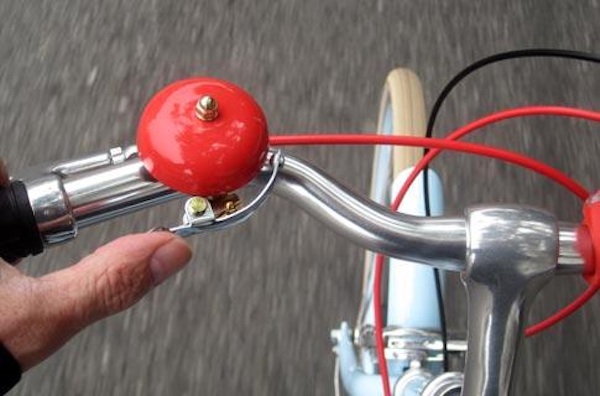
One of the questions I hear talked about frequently is the best etiquette to use when passing other cyclists or pedestrians (or cars?) on your bike. The question is, bell or yell? Ring your bell when passing someone, or shout out ‘On your left!’. There isn’t one ‘right’ way of doing things, but here are some arguments why you might use one or the other.

Why Bell?

In favour of the bell ring, is a very loud, distinctive noise that can be easily heard over city background noise. You can ring it repeatedly very quickly, and (with the right bell) it can be heard from very far away. Unfortunately, there are still people that have no idea what a bell means, and will turn directly into your path on hearing a bell. And on crowded trails with a lot of bell ringing, people might tune the noise out, or be unsure where it is coming from.

Why Yell?

The advantage of a shout is that it can convey more information than a bell ring – the fact that you are indeed passing, which side you are going to pass on, or any other pertinent nuggets (i.e. GET OUT OF THE WAY!!!). People are more likely to hear and respond to a human voice than a mechanical bell. A shout though, doesn’t have the same range as a bell, and people with headphones on are less likely to hear it. Sometimes people might hear it too late.

What’s Best?

In reality, the debate shouldn’t be asking either bell or yell – but rather, when is it appropriate to use one or the other before passing traffic. I personally always have a bell on my bike – and I will ring it if people don’t appear to react to a shout, or there is a lot of background noise from cars, etc. Often, though, I won’t use either (sacrilege, to some people, I know) because I think it is safer. If I have a lot of room to pass, alerting people might only cause them to move into my path, instead of continuing on as is. Ultimately, neither a bell nor yell is a substitute for cautious riding, and anticipating the stupid things people around you might do. Safe riding!

Penne: A Review of Bamboo Bicycle Frames

December 15, 2014 by David N. Stiles

Bamboo Bike Review

The first time I met Penne I was dumbfounded by her raw beauty. I didn’t know her name at the time but I was mesmerized. Little did I know she would become such a large part of my life. She arrived on a Thursday afternoon. The doorbell rang and I rushed from the garage where my workshop is, flung open the the front door and yelled thank you to the delivery man who had dropped her off.  “I can’t wait to get into this box,” I said as I picked her up and headed back to the garage.

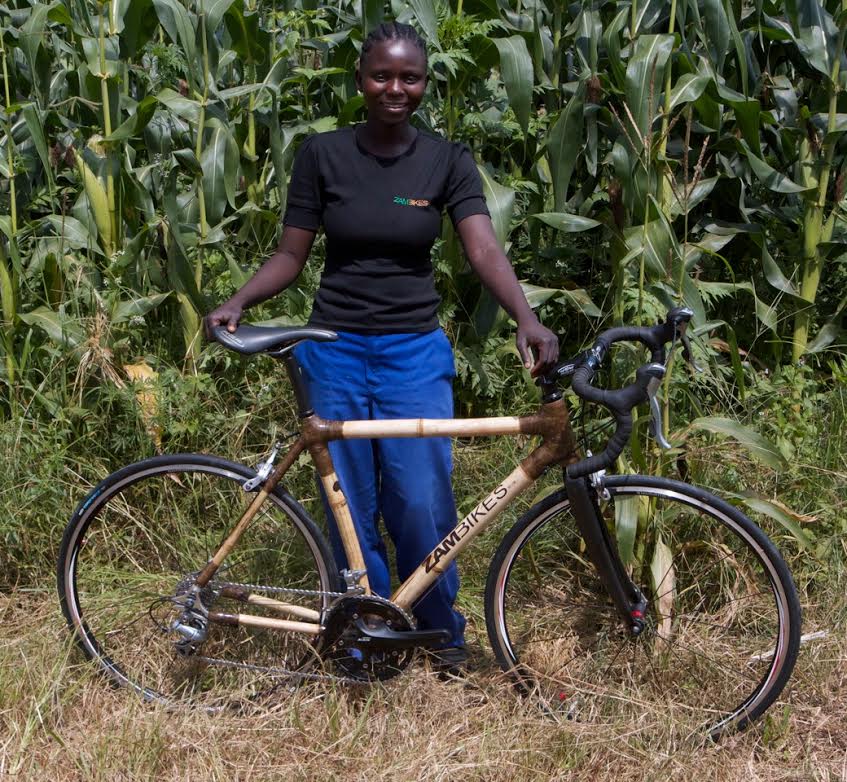
She had been shipped from Zambikes in Zambia and was part of The Bamboo Cycle, my investigation into philanthropy and riding a bamboo tandem from Banff, Canada to the border of Mexico with Hammer* strapped to the back seat.

Inside the standard sized bike box I found a large bag made from dyed fabric. A drawstring held the end closed. It was clearly handmade and, in my opinion, a nice touch from the manufacturer. I opened the bag to find a hemp-wrapped steer tube staring at me. I pull the frame out of the bag and was immediately struck by her sleek lines.

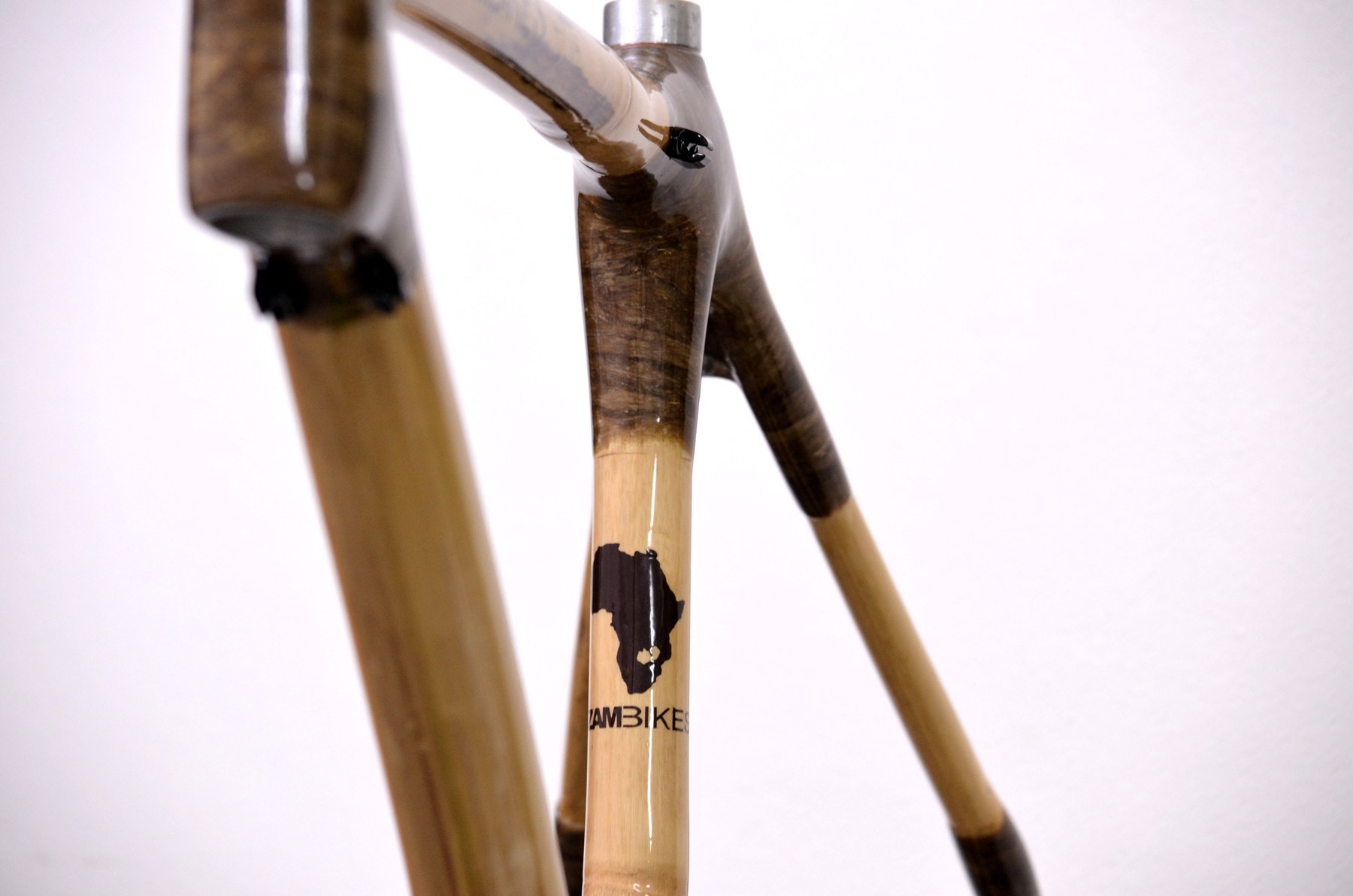
Zambikes FrameShe wasn’t perfectly symmetrical and had a few bumps in places I didn’t expect.  She was unique to say the least. Her seat tube was curved to follow the arc of the rear wheel.  Her builder had stenciled his or her first initial and surname onto the chain stay. She was a bit overweight, about four lbs when she was stripped naked but what a damn good looking bike.

There are a couple types of bamboo frames. The first is bamboo tubes that are connected by metal joints. Essentially these bikes are regular steel or aluminum bike frames with a chunk of bamboo for tubes.

The second type is almost entirely bamboo. The tubes are cut, mitered together and glued to five bits or metal: steer tube, bottom bracket, seat tube and two dropouts. Once they are all glued together, long strips of hemp fiber are dipped into epoxy and wrapped around the joints to provide the strength from the joints. This is how Penne was made.

It took me two weeks to source all the parts I needed from eBay. I would strip nearly all the components from my current road bike to build her. However, I needed an English threaded bottom bracket, an inch and an eighth fork and headset, and a new stem.

Once everything had arrived, I began the process of building her. Now, one thing you should know when building up a bamboo bicycle is, regardless of what the builder says, DO NOT drill into any of the tubes. If you do, you run the risk of splitting the bamboo and/or getting moisture inside the frame which will ruin it.

For me, that meant I had to attach my water bottle cages with zip ties and had to make a custom shim for my front derailleur clamp. I also had to rig a cable stop for my front derailleur which wasn’t terribly difficult. Obviously if you purchase a bamboo frame from a builder in Africa, you can bring it to your local shop to have it built up.  Just be sure to read my article about how to sweet talk you local shop mechanic before you bring it in.

It was a Tuesday morning when she was all tuned up and ready to go. I tossed on some bike gear and headed for the garage with a stupid grin on my face. I put a couple water bottles full of Spiz** on her and headed down the driveway.

Bamboo frames are touted as the “most comfortable frames you can buy.”  They are compared in weight to steel and in vibration dampening to carbon fiber, both of which they surpass. However, nothing is ever said about their noodle-like floppiness that had me screaming as I took the first corner on her.  I mean they are straight up wobbly!

It took me a solid 45 minutes to get up the courage to go faster than 15 mph. When I pushed on the pedals, I could see the bottom bracket deflecting from left to right. I could initiate a turn by applying opposite torque into the handlebars and deflecting the steer tube a few degrees left or right.  And when I did corner, it felt like the front wheel leaned over first and the rear would follow a second or two later.

I had been gripping the bars so hard that my arms were sore for two days after that first ride. It took a couple days, a call to Zambikes and a whole lot of Zoloft to get up the courage to go back out on her. I was convinced that I was given a defective frame but Vaughn insisted that it was normal and I should not worry. So I loaded her up again and said to myself “If I’m going to die, I might as well die by a shard of bamboo lacerating my femoral artery.”

About ten miles into the ride, I decided to take her mountain biking on the local disc golf course, 23c tires and all. I figured if I couldn’t break her by bunny hopping roots and rocks then she would be ok at highway speed. I darted off the road and onto the trail. I rode her through the woods for about ten minutes listening for cracks, creaks and pops but I heard not a whisper from her. She rode fine and was actually quite smooth on the trail, for a road bike that is.

I finished my ride on the road at top speed and she handled beautifully. Don’t get me wrong, she was loose as all hell but she was smooth on the bumps and got more and more stable with speed.Penne Loaded for Touring

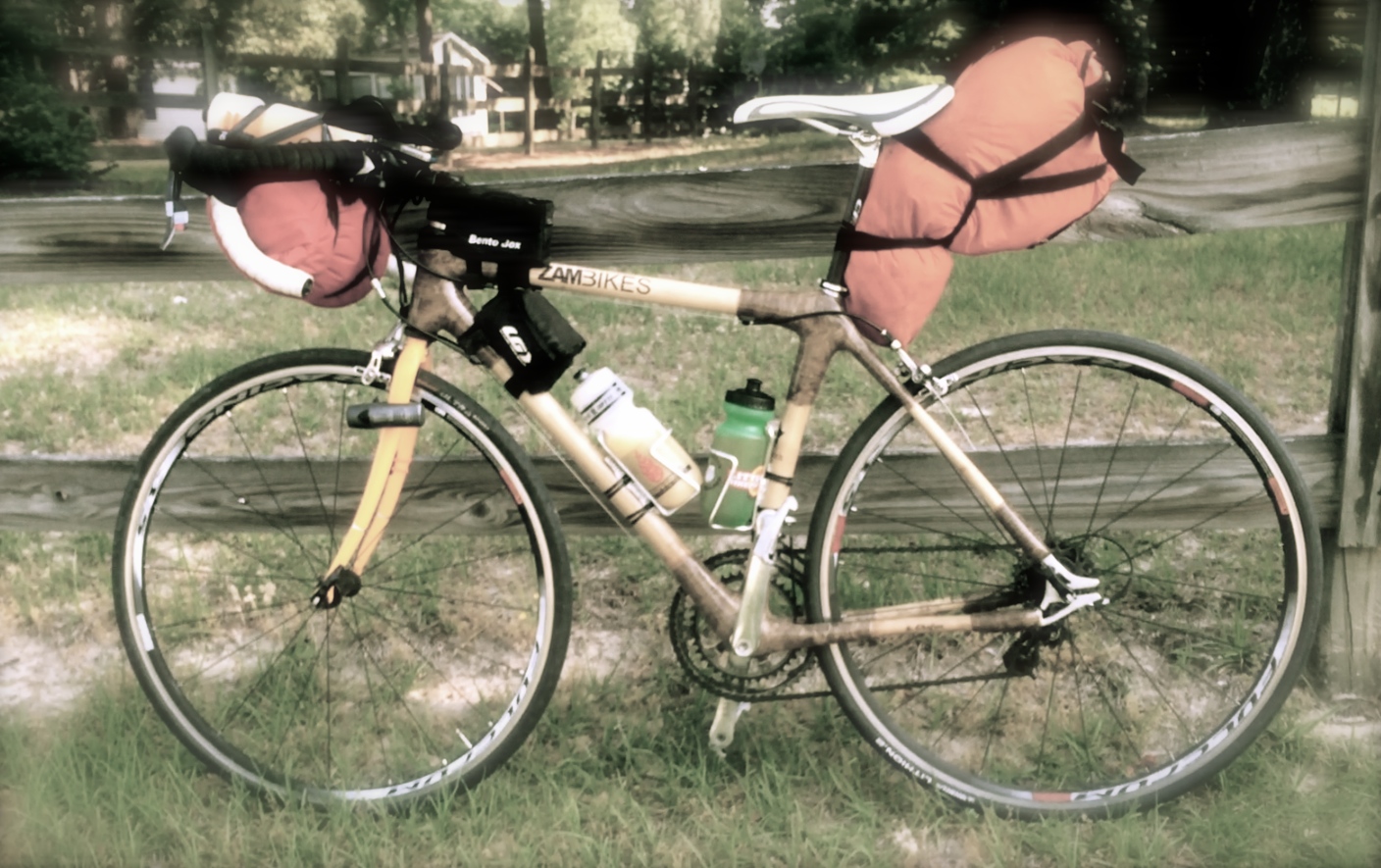
A month later, I loaded her up for a 375 mile ride to the coast for Memorial Day weekend. I put a dry bag under her handlebars with my sleep system and I strapped another modified dry bag to her seat with extra clothes and a bag of Spiz. That with a couple Bento Boxes on her frame and we were off for the weekend.  She had about 35 extra pounds on her; everything we needed for 750 miles in four days. You can read the details of this trip here, but all in all Penne was the best part of that godforsaken weekend.

I put about 4,000 miles on Penne this past summer and I can honestly say she is the most comfortable bike I have ever ridden. She is in no way stiff or snappy but she has a certain quality about her that is really great. She is very comfortable to ride and sturdy, even though she doesn’t feel like it.  She dives into corners with a little pressure on her inside handlebar or an unexpected sneeze so I would recommend not riding with a head cold. She is super good-looking and will attract attention amongst cyclists and ordinary citizens alike.

Zambikes

In conclusion, if you’re not a hard core racer or a wannabe hard core racer and you prefer a comfortable ride while attracting a lot of attention you should look into a bamboo bicycle.  Oh yeah, did I mention that if you buy a bike from Zambikes in Africa, you are employing and helping to feed villagers in Zambia? Yeah, that’s right.  Zambikes is a pretty kick ass company. They sell bamboo frames on the global market and the profits go toward building life-saving “Zambulances” that are towed behind bicycles in the African bush and save thousands of lives every year.

Personally I think the market for a bamboo is mostly commuter bikes, both geared and single speeds as well as hardtail mountain bikes for people in the market for something unique and fun. I’m not sure there are too many roadies out there willing to add a few pounds and lose some responsiveness. I guess there have to be a few more people out there like me though.

Footnotes:

*The Hammer is a person, a Canadian ultra cyclist named Jason Lane to be precise. He holds the Canadian record in the Race Across America and is the subject of a cycling documentary – The Hammer is due to be released in June of 2015.

**Spiz is a liquid nutrition designed for cyclists. It is really amazing I use it all the time and can’t even think of riding with anything else in my bottle.


Best Bike Brands

November 28, 2014 by Lee Agur

Best Bike Brands

Everyone keeps asking what are the best bike brands? There is no one answer fits all. It depends what kind of cycling you are doing! Road biking, Mountain biking, commuting, triathlon, cross? Nevertheless, I do pick my favourite bike brands based on the type of cycling I am doing.

Truthfully, if you want to find the best bike you should decide on your price range first, then determine what kind of qualities you value most ie. ride feel (comfort, stiffness, handling) then look at which bike brands offer models of bikes that fit your criteria. That being said, there are industry leaders in certain categories but realize that by blindly selecting one model of a bike brand over another it is a style choice and not a performance choice.

Best Road Bike Brands

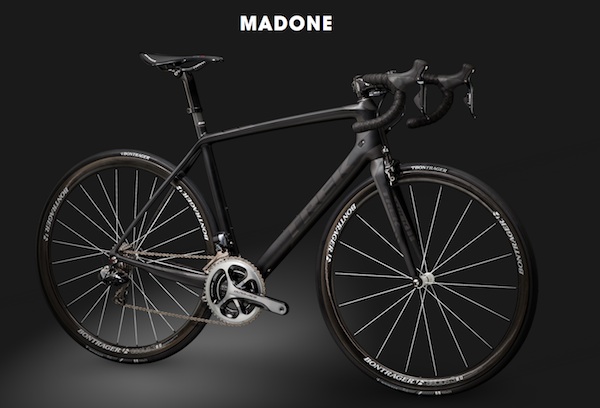
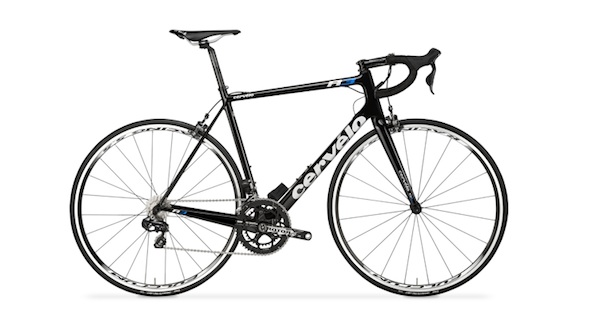
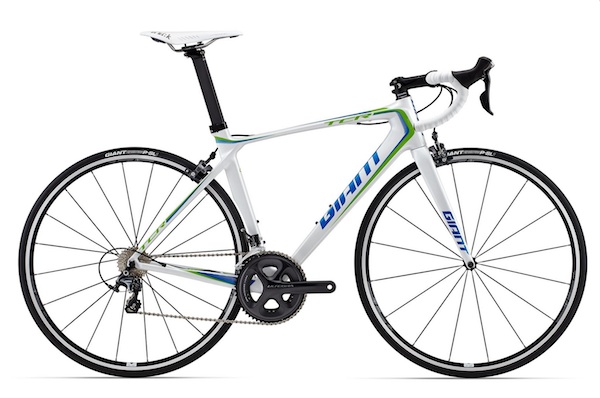
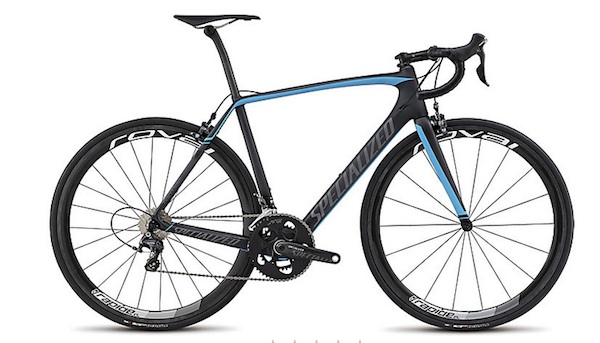
Selecting the best road bike brand is no easy task. There are thousands of models to choose from and price point is an incredibly important variable. Below is a list of the best mid range to high end bike brands on the market with a picture of one of their bikes. If you are looking for the best entry level road bikes then here they are: The Best Road Bikes Under $1000.

Trek

best bike brand

Cervelo

best bike brands

Giant

best bike brands

Specialized

best bike brands

Cannondale

best bike brand

What about you? Do you agree that these are the top 5 best bike brands? What is your favourite?

Best Mountain Bike Brands

What kind of mountain biking you anticipate on doing is the most important factor in the best brand to buy! Are you into cross country (XC), Trail/Enduro, All Mountain or Downhill (DH)? No matter what kind of riding you are doing here are the top 5 mountain bike brands:

Specialized

best bike brands

Santa Cruz

best bike brands for mountain bikers

Trek

best bike brand is trek

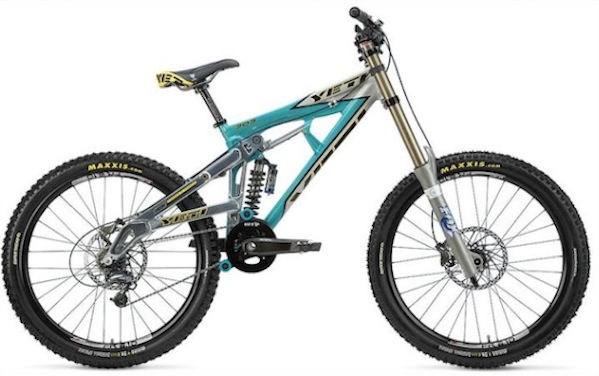
Yeti

Amazing Bike Brand

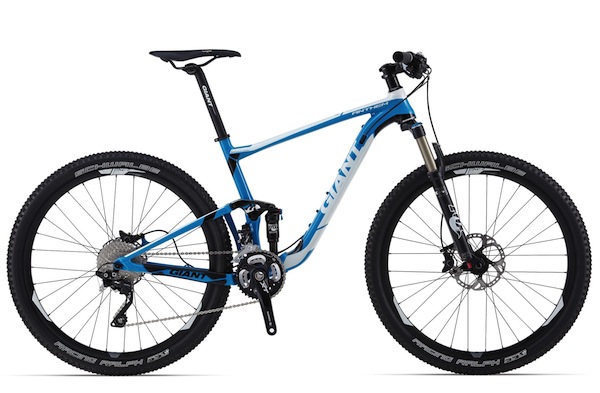
Giant

best bike brands

What is your favourite mountain bike brand?

Best Triathlon Bike Brands

For the best bike brands in the triathlon series I refer to Kona. As you may or may not know Kona is home to the Ironman World Championships and is arguably composed of the most well informed riders on the planet.

Cervelo

Cervelo continues to dominate the triathlon field at Kona or at any triathlon generally representing double or more of it’s closest competitor. Cervelo’s triathlon P series has a fantastic combination of aerodynamics, comfort and speed.

Trek

In 2009 Trek came out with the Speed Concept and blew everyone’s mind on how sleek the ride looked with all of its components so perfectly integrated. Many of the triathlon bikes these days have adopted Treks style. In the popularity contest, Trek is the second most popular bike ridden at Ironmans.

Specialized

Specialized now has the SHIV which is boasted to be stiff and amazing in cross-winds. It doesn’t hurt that Tony Martin won the UCI Time Trial World Championships on it back in 2013.

Felt

Felt has a wide range of triathlon bikes that appeal to the beginner all the way up to the elite. Felt is continually rising in popularity in the triathlon world.

BMC

Rounding up the top 5 in the best triathlon bike brands is BMC. The timemachine has become a very successful bike since 2011 and 2012 when Cadel Evans road to Tour de France Victory and Andrea Raelert established a new world record over the Ironman distance.

Which bike brands do you think are the best? Share them in the comment section below.

Best Road Bike Under 1000

November 16, 2014 by Lee Agur

Best Road Bike Under 1000

So you are looking for the best road bike under $1000! Here are the top 5:

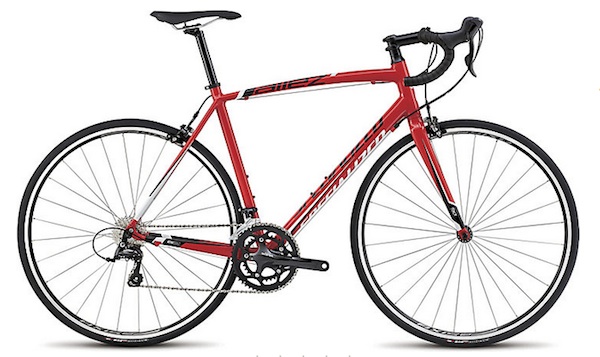
Specialized Allez Sport

best road bike under 1000 specialized allez

The specialized allez sports comfortable yet fast geometry combined with its great handling make it the best bike under $1000. To get the most bang for your buck you want something comfortable enough to ride on but stiff enough to go fast.; the specialized allez sport is the best combination of these two qualities.

The A1 premium aluminum frame is even good enough quality to race on! The power transfer is amazing and the handling is responsive. If you are looking for the fastest bike of the bunch but still comfortable… the specialized allez is your best bet.


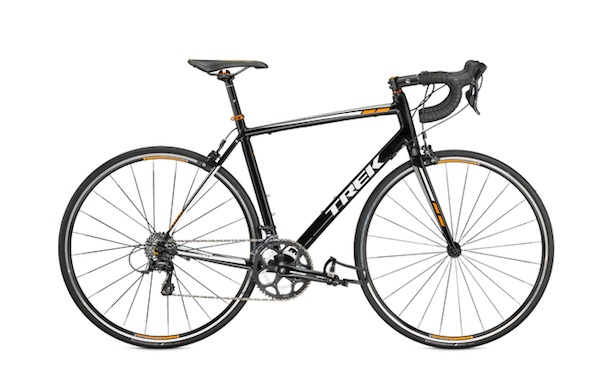
Trek Madone 1.2

Best Road Bike under 1000 - Trek 1.2
If you are a brand new rider the Trek Madone 1.2 may be a better option for you. It is extremely comfortable, but more importantly it handles very well at slow speeds. The geometry is extremely relaxed positioning you more upright, great for comfort, terrible for handling at high speeds. If you are looking to really up the pace (racing for instance) then stay away from this bike as the frame is not stiff enough and steering at high speeds is sluggish.


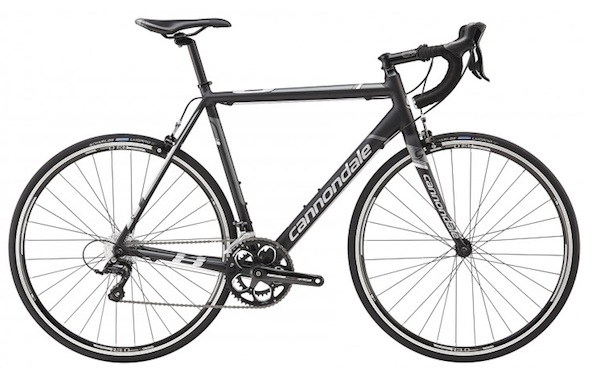
Cannondale CAAD8 Sora 7

Best Road Bike Under 1000 - CAAD8 Sora 7The cannondale CAAD8 Sora 7 is a great compromise between comfort and race geometry. This is a great all around bike under $1000.


Felt F85

Best Road Bike for under 1000 Felt F85

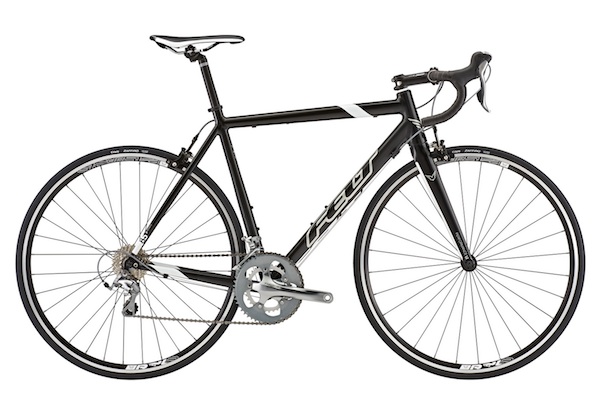
The felt F85 is the most responsive bike in the under 1000 category meaning it is the stiffest and most race ready bike, if you aren’t looking to race then this bike may not be the best pick. It may be a little rough on anything but smooth pavement and make for an unenjoyable ride. What adds to the uncomfortable ride is the short head tube which may put you in an overly aggressive position.


KHS Flite 450

Best Road Bike Under 1000 - KHS Flite 450
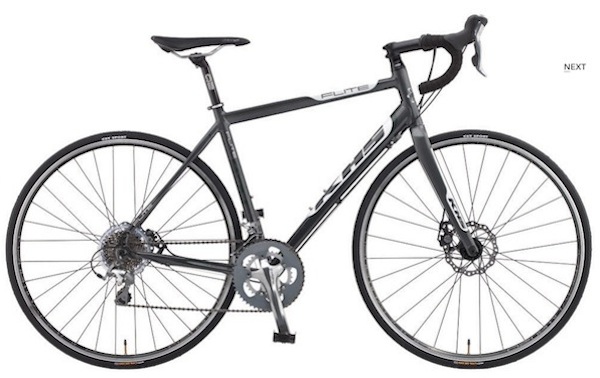
Looking to climb steep mountains? The KHS Flite 450 may be for you. With extremely low gears of 34:34 you can conquer nearly any steep grade. The Flite 450 also has a very wide tire 26c making it nice and smooth combined with its relaxed geometry. The less than stiff frame adds to the soft ride.

Cycling Races – Level Up Your Cycling Fan-ness

November 6, 2014 by Aaron Robson

Cycling Races

cycling races

In July, as the Tour de France hits TV screens across the country, it seems like everyone in America is a fan of cycling. Even without the appeal of Lance and his American domination of the race, the coverage here creates countless new fans of the sport as they watch the best cyclists in the world duke it out on the roads of France. But if you want to up your cycling game, there is a whole lot more to the world of professional cycling than just the Tour. Here is a list of the next biggest events in cycling to fulfill your endless need for cycling!


The Spring Classics

The classics are the first major events on the professional cycling calendar, and offer some of the most exciting racing. There are 8 races, 5 of which are often referred to as ‘Monuments’, due to their historical prestige. Each race is a long one-day race, taking anywhere from 5-8 hours to complete. Milan-San Remo is the first race, and also the longest at almost 300 km. Since it is so early in the season, it often puts riders through some crazy spring weather. Next up are the Cobbled Classics, headlined by the Tour of Flanders and Paris-Roubaix – a series of races on the punishing cobbled roads of northern France and Belgium.  The Spring Classics finish off with the Ardennes races; most notably Liege-Bastonge-Liege, a grueling race famous for its short, very steep climbs that pile up in the closing kilometers of the race.

Giro d’Italia

The Giro is the first of the three ‘Grand Tours’ – the longest and arguably most prestigious races in cycling. The climbs featured are often much steeper than those in the Tour, and especially in recent years, organizers have displayed a willingness to experiment with radical routes to give spectators an exciting race. The roads in the Italian Alps and the Dolomites are generally narrower and of poorer quality than those featured in the Tour, which can make for some interesting mountain descents. Weather often plays a big part in the mountains too – most famously in 1988, when Andy Hampsten rode through a blizzard over the highest pass in the race to take the leader’s jersey. Given the willlingness of the Giro to add new and exciting elements, it is surely a race to watch in the future.

Vuelta a Espana

The last of the grand tours, the Vuelta has been overshadowed recently by the Tour and the Giro, but organizers have been working hard to change this. As with the Giro, they have taken to adding more and more extreme climbs to shake up the race and inject excitment. It is also a race to watch for up and coming stars, since many riders who have already competed in the Tour or the Giro do not compete. Chris Froome, winner of the 2013 Tour de France first burst onto the cycling scene at the Vuelta. Last year, there was particular interest from North America, as Chris Horner rode to a surprising victory, becoming the first American to win the race, and also the oldest Grand Tour winner, at the age of 41.

World Championships

Held near the end of the road biking season, the UCI Road World Championships determine the best road cyclist in the world, and the right to wear the famous rainbow jersey in the upcoming racing season. The location and course of the race changes from year to year, which makes this race the most unpredicatable of the major cycling races. Depending on the course, the race might end up in a mass sprint, a long breakaway, or be decided by punishing climbs. The race is also traditonally a circuit race, which is great for spectators, as they get the chance to see their favorite riders multiple times in the race.

Cyclocross

If eight months of cycling isn’t enough for you, then cyclocross is there to fill the gap. Starting early in the year, it is a great appetizer to get your cycling enthusiam going after the down months of November and December. Cyclocross races are a hybrid between mountain biking and road racing – the bikes used resemble modified road bikes, but the race courses tackle dirt, grass, sand and mud in a circuit-style race. Races are often close and exciting, and full of spills and impressive bike handling ability.


Hopefully I’ve given you enough here to keep your appetite for cycling whetted year round. Coverage of these races used to be very hard to find, but with the surge in popularity of various streaming video services, a quick Google search will often point you to live coverage of all of these races. Just remember to get on your bike and imitate what you’ve just been glued to a computer screen watching for hours!


All You Need to Know About Cassettes

November 4, 2014 by Aaron Robson

All You Need to Know About Cassettes

all you need to know about cassettesWe previously discussed the pros and cons of three different types of cranks – standard, compact and triple (see his post here). Cranks are really only half the story though. The cassette you choose also has a huge impact on how your bike performs. Choose wrong and you might find yourself struggling to turn the pedals over on your local hill climb. In this post, I will tell you everything you need to know about gear ratios and cassettes and how to choose the right one for your ride.
Gear Ratios and Mechanical Advantage

First, some background information to put this all in context. The reason we have different types of cranks and cassettes on our bikes is to allow for different gear ratios. A gear ratio is essentially a measurement of the mechanical advantage provided by your drivetrain. Mechanical advantage allows us to turn a relatively constant force (our legs) into either higher speeds (on the flats and going downhill) or less effort (going uphill). Each front chainring and rear cog gives you a different gear ratio. Big in the front, small in the back? Going for speed. Small front, big back? That’ll get you up your hill. Seems simple, right?

What Really Matters?

There are three important things you need to consider when pairing a cassette with your chosen crank: the lowest ratio, the highest ratio, and the spacing between ratios. The lowest ratio is your struggling-to-get-to-the-top-of-this-damn-mountain gear. Pick something that isn’t low enough, and you might be walking your bike up. Lower ratios are also friendlier to your knees on long climbs, and less fatiguing. Of the three considerations, the low ratio is the most important to get right.

The high ratio – your super-speed gear – is much less important unless you are racing. On big hills, you can simply tuck and coast at about the same speed as you would reach pedaling due to aerodynamics. On the flats, unless you find yourself regularly reaching 40+ mph, you aren’t going to need a higher gear than any standard setup will give you.

Compromises…

At this point you might be thinking, ‘Great, just give me a super low gear, nice normal high gear, and we are all set, right?’ Unfortunately, there are compromises, and they come in the form of the spacing between gear ratios. Since current bikes are limited to 10 or 11 cogs on the rear cassette, choosing a wider range is automatically going to give you larger jumps between each ratio. This gets very frustrating when you happen to be going a speed that falls perfectly between two gears – in the lower gear, you feel like your legs are spinning too fast, but in the higher one, you are struggling to turn the pedals at a normal rate.

So What’s Best For Me?

What you choose will depend on the kind of riding you do. Mostly flat? Pick a cassette with a narrow range, like a 12-23 (12 teeth on the smallest, 23 on the biggest). This will give you the most flexibility to find exactly the right gear, and will also shift the smoothest. Rolling hills, but nothing too steep or long? A medium range like 11-25 or 12-26 will make it a little easier on the ups without sacrificing a lot of gear choices. If you happen to live somewhere with proper hills (mountains, some might say), then you are going to need a serious low gear; 28, 30 or even 32. Some mountain bike cassettes will even get you a 35-tooth large cog. The downside to this choice will be having some bigger jumps in gears in between the 11 or 12 tooth high gear and your giant low gear.

There are a couple of ways of getting around this issue. You can use a triple crank, and pair it with a narrower range cassette. The extra small front chain ring (granny gear) lets you have a smaller big cog (narrower range) on the back and maintain the same gear ratio. If you aren’t a fan of the triple front crank, you might consider buying more than one cassette – a wide range one for the times when you expect to be riding big hills, and a medium or small range one for the rest of your riding.

Hopefully now you know everything you need to know to set up your drive train just right! Happy riding!

10 Reasons to Commute to Work on Bike

October 28, 2014 by Aaron Robson

10 Reasons to Commute to Work on Bike

commute to work on bike

Biking to work is more popular than ever before in North America, but in case you need a little extra motivation, here are 10 reasons to reach for your bike lock instead of the car keys as you leave for work in the morning.

Better substitute for coffee

There is nothing quite like a morning ride to blow out the cobwebs and get your mind and body going in the morning. It also gives you some precious time to let your mind wander between the hectic morning routine at your house, and the inevitable pile of messages waiting to be answered when you arrive at work.

Multitasking your daily exercise

Everyone knows that a little exercise every day has huge health benefits, but many of us struggle to find the time to get to the gym, or just lack the motivation to go after a long day at work. Commuting is what I like to call efficient exercise – sure it might take you a little longer than it would to drive (or maybe not, depending on how bad traffic is), but it provides an easy way to get some exercise in, without needing to work up the motivation and block out the time for a gym visit.

Boost your mood

I can’t count the number of times that I have woken up grouchy and grumpy, only to be all smiles at work after twenty minutes on the bike. Exercise releases endorphins, the natural ‘feel-good’ chemicals that our body produces, and morning is the best time to start them flowing.

Save on gas and parking

On the practical side of things, biking to work can save you a decent chunk of change, especially if you work downtown in a big city. If your work doesn’t offer free parking (and many companies are moving towards this as a means of encouraging other methods of transportation) parking fees can be hundreds of dollars a month, on top of $$$ for gas. That will buy you a new bike each year if you want, or give you a nice stash of beer money if that is more your preference.

Do your part to reduce congestion

Traffic in cities seems to get worse and worse every year, as growth rates outpace our ability to build new roads. We are also running out of space to put these roads in the densely populated urban cores. Alternative means of transportation are the best way of reducing congestion and improving air quality, and there is no better option than commuting to work on a bike.

Get back in touch with your surroundings

In a car, you get whisked along in an isolated, air conditioned bubble, largely cut off from the sights, sounds and smells around you. Biking puts you smack in the middle of all of it, and gives you a chance to connect with your environment – something experts say contributes to overall well-being and happiness.

Show off your new bod

You’ve been riding seriously for a few months now. The pounds falling off, and your body no longer fills the round hole in the sofa it once occupied every night. Maybe you want to show off a little bit – it’s only natural. There’s no better way to display the fruits of your labour than a long walk through the office in your bike gear. Sure you will get a few stares, but really – they are just jealous!

An excuse to buy another bicycle

Following the rule that the correct number of bicycles to own is one more than the number you already have, commuting to work gives you the perfect opportunity to add to your stable of rides. Perhaps a nice custom made steel frame, properly equipped with matching metal fenders, racks and and old-school leather saddle…

Prius owners can no longer brag about their MPG

55 miles per gallon is pretty good, but nothing compares to a bicycle in terms of energy-efficient transportation. It is a little tricky to compare since humans don’t run on premium unleaded, but studies that have compared the energy use per person per mile for bikes and other means of transport have always put bikes at the very top – anywhere from 10 to 100 times more efficient than even a fuel-efficient hybrid.

The opposite sex likes it

There is no denying it – green is in right now, and I’m not talking about the dark leafy shade of that new shirt you just bought. Environmentalism has taken off, particularly amongst the hip, young, educated people that dominate the social scene in most major cities in North America, and bike riding has goes hand in hand with it. Taking your bike straight from work to happy hour might not just help save the planet, but your love life too!


Compact Cranks vs Standard Cranks vs Triple Cranks

October 13, 2014 by Lee Agur

Compact Cranks vs Standard Cranks vs Triple Cranks

Compact cranks vs standard cranks vs triple cranks. What is the real difference between compact cranks vs standard cranks vs triple cranks… What are the Pros and Cons of each?What is the real difference between compact cranks vs standard cranks vs triple cranks… What are the Pros and Cons of each?

For simplicity and comparison sake we have assumed that the rear cassette is the same.

Standard Cranks

General

  • The most common standard cranks are 53 teeth on the large chain ring and 39 teeth on the small chain ring – though other options do exist.

Pros

  • Best for flat and undulating terrain
  • Most efficient at same speed because a standard crank uses a larger front chain ring and larger rear cog meaning there is less friction due to the chain going around a larger circle
  • Best if you are trying to go fast down a hill as you have a higher top gear

Cons

  • The most difficult to get up hills
  • Often have to change the front chain ring at the same time as the rear cassette effectively yanking the chain in different directions at the same time straining it a bit more
  • People get sucked into standard cranks because of ego, they do not want to admit they need a compact. Don’t be that guy/girl.

Compact Cranks

General

  • The most common compact cranks are 50 teeth on the large chain ring and 34 teeth on the small chain ring – though other options do exist.

Pros

  • Compacts may get you up that hill that defeated you last time if switching from standard cranks
  • Best used for hilly terrain
  • Can keep your legs fresher as you keep a higher cadence going uphill instead of grinding it out

Cons

  • Your top gear is slightly smaller; therefore, you are not able to go quite as fast down hills (only important if racing)
  • Less efficient than standard cranks as there is slightly more friction with the chain
  • Drop chain off front derailleur more often under power due to a larger jump from big ring to smaller ring
  • Not as easy to get up hills as triple cranks

Triple Cranks

General

  • The most common triple cranks are 50 teeth on the large chain ring, 39 teeth on the middle chain ring and 30 teeth on the small chain ring – though other options do exist.

Pros

  • Easiest option for going uphill as they have the lowest gear ratio
  • Still have a high gear ratio to be able to go fast
  • Most options for gear ratios

Cons

  • Easier to get up hills than double cranks
  • Constantly using front derailleur and changing gears
  • Can’t use all of the gears and beginners have a harder time using the gears properly without creating a lot of chain rub
  • Least efficient crank set in terms of friction
  • Some people believe that triple cranks as more finicky to adjust and maintain
  • Many gear ratios are overlaps

Recommendation

If you are a strong rider and/or you do not plan to go up steep grades very often then standard cranks are likely your best bet.

If you are a casual rider and/or you want to do hill climbing then consider a compact.

If you are a weaker rider and/or you plan to tour with weight and do hill climbs then consider triple cranks.

Traditionally, entry level road bikes come with a compact or a triple and high end bikes come with a standard or a compact and this is done for good reason as you develop as a rider then you can build up to a standard crank.

Additionally, it is cheaper and easier to change your rear cassette than to change your cranks; therefore, if you find you need a couple extra gears try to go to a larger rear cassette. ie. You currently have a rear cassette that is 12 – 25 purchase one that is 12 – 28. See if that is enough before changing cranks all together.

For the record I use compact cranks, I believe I am a strong rider but I LOVE hills and need a couple easier gears for the steep stuff.

What do you use? Why?

« Previous Page
Next Page »
  • Facebook
  • Tumblr
  • Twitter

Latest Articles

JOIN Cycling: A New Training Platform for Cyclists

May 27, 2024 By Eric Lister

cold exposure

The Benefits of Cold Exposure for Cycling & Life

June 13, 2023 By Eric Lister

hill climb

The Ultimate Hill Climb Training Guide

May 31, 2023 By Eric Lister

shoulder pain cycling

How to Treat & Avoid Shoulder Pain While Cycling

April 12, 2023 By Eric Lister

psoas stretch

The Importance of the Psoas Stretch for Cyclists

April 6, 2023 By Eric Lister

cycling neck pain

The Ultimate Guide to Cycling Neck Pain: Causes and Solutions

March 21, 2023 By Eric Lister

Useful Info

  • Contact
  • Finally, A Global Cycling Club That Is Focused On Community And Love Of Cycling!
  • Privacy Policy
  • Share Your Story!
  • Terms And Conditions Of Use
  • Welcome to I Love Bicycling
  • What Happened When I Stretched Every Day For a Month

Recent Posts

  • JOIN Cycling: A New Training Platform for Cyclists
  • How to Hang Bikes in Your Garage: 4 Inexpensive Options
  • Gravel Bike Vs. Road Bike: Which One Is Better For You?
  • The 6 Types of Mountain Bikes & How to Choose the Best One for You
  • What Is a Touring Bike Good For? 5 Benefits We Know You’ll Love

Search I Love Bicycling

Connect with Us

  • Facebook
  • RSS
  • Tumblr
  • Twitter

Copyright © 2026 · Magazine Pro Theme on Genesis Framework · WordPress · Log in