• Training
    • Injury Prevention
    • Training Tips
  • How To
    • Bike Fit
    • Gear
  • Nutrition
    • Nutrition Tips
    • Weight Loss
  • Repair
  • Reviews
  • Stories
    • Funny Stories
    • Jokes
    • Quotes
    • Videos
    • Funny Videos

I Love Bicycling

I Love Bicycling is a website that is geared towards cycling for beginners with road cycling tips, training articles, nutrition tips, weight loss, how to’s and bike repair articles.

Training

  • Injury Prevention
  • Training Tips
  • Training Camps

Drafting in Cycling – Part of Your Training?

January 2, 2016 by Adam Farabaugh

drafting in cycling

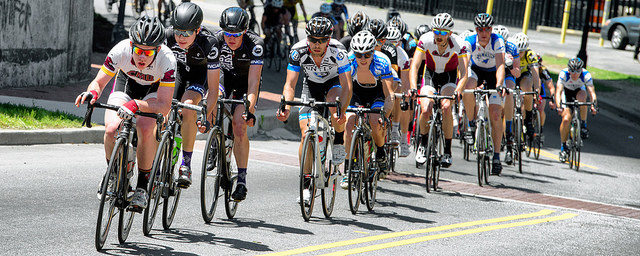
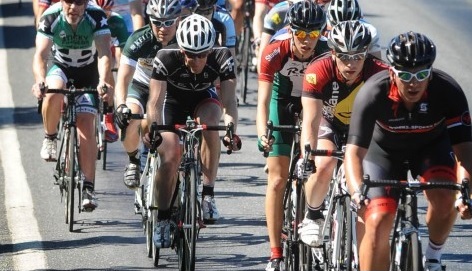
Drafting in cycling is one of the many benefits to riding in a group. You can go faster than you would otherwise on your own with much less effort. You get the rush from the speed as well as the motivation from all the other riders around you. Some riders do nothing but group rides where they consistently get a draft while other riders ride on their own or with one or two others all the time. In terms of what’s more fun; that’s your personal preference. But what will make you a better and faster cyclist? A combination of the two with a healthy dose of group rides where drafting is aplenty.

Drafting in Cycling – What it does Physiologically

You may think that all sitting on a wheel does for you is to allow you to pedal easier. While this is true under certain circumstances, such as sitting on a wheel for an endurance or easy ride, you can also ride much harder while drafting when the group is going full-tilt. You will have more periods of time where you are soft pedaling or coasting but that will then be followed with pedaling harder than you otherwise would. If you have a power meter, your power profile will look like your heart beat profile; spiky up followed by spiky down. If you have been riding on your own a lot and then hit up a local group ride or race, you will be able to tell that your legs aren’t used to the high/low effort. In addition to the spiky profile, you will also most likely be spinning at a higher cadence.

The more you ride in a group the more your muscles are going to get used to this type of riding. In addition to getting used to it, you are also going to generate more speed in your legs. You legs will simply be used to pedaling faster. When riding on your own, this translates to faster speeds. Your muscles adapt to the load that they’re placed under. If you ride at a steady effort all day, then your legs will get really good at that but when you try and go harder, your legs aren’t used to the effort and can’t do it again and again. Building the muscle fibers to be able to handle the up and down efforts will help your cycling all around.

Drafting in Cycling – What it does Psychologically

Drafting in cycling on group rides or in races also plays tricks on your mind. Have you ever gone out and ridden on your own, perhaps to a group ride, and felt like you couldn’t push yourself? And then when you get on a group ride, you feel like superman or superwoman? This is because 90% of riding is mental. Your brain tells your body what to do and your brain tells you how your legs feel. The other people in the group along with the speed and rush, gives your brain an added jolt of adrenaline and epinephrine which gives you an extra edge along with feeling good mentally. This psychological switch when you’re riding in a group is very difficult to simulate on your own. Up-beat music can get you part way but riding with others will always bring out your best performance.

Drafting in Cycling – How often Should you Include it in your Training?

Because drafting in cycling has such a large psychological and psychological affect on your body, it is recommended that you incorporate it into your riding at least once a week and up to three times a week if you are really looking to excel in group rides and races. If you are training more seriously and doing intervals, they have an important place, but in-conjunction with group rides. You are going to push yourself harder and go deeper than you ever would be able to on your own during intervals regardless of how mentally tough you are. Simply when you start to get tired your body no longer wants to push as hard as it’s capable of but on a group ride you will make yourself go cross-eyed even when you’re past being kaput.

While riding on your own can improve metal toughness and the ability to push through on your own, riding in a group brings out what you never knew was there. Riding around other people in such close proximity at high, adrenaline inducing speeds, allows you to push harder than you ever thought possible. Taking advantage of training on your own while in conjunction with group rides at the right times, even if your particular event is done solo, can bring additional benefits to your training.
Breaking a Collarbone – What to Do

January 2, 2016 by Wade Shaddy

Breaking a Collar Bone What to Do

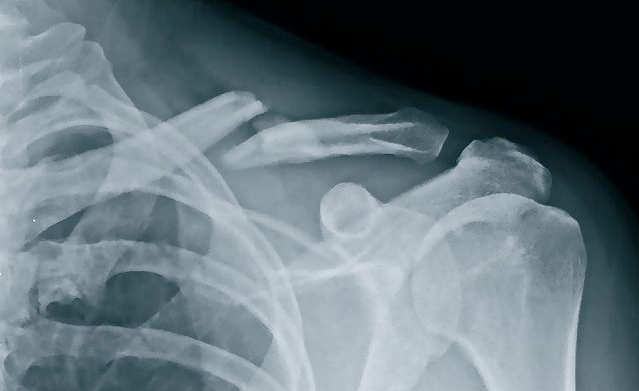
Clavicle fractures – also known as broken collarbones – are very familiar to cyclists, but the collarbone isn’t really in your neck. It’s one of two long, thin bones that connect the breastbone to your shoulder blades. The bones act as an attachment point of several muscles. Keeping them in one piece is sometimes difficult for cyclists.

The Common Crash

The bike crash is a perfect example of how and why cyclists break collarbones. There’s that natural tendency to break the fall from a crash by putting your arm out. The arm sends the force of the impact up your arm to the collarbone and snap. If you don’t put your arm out, and have your hands on the bars, your shoulder contacts the pavement hard, resulting in the same thing, a fractured clavicle.

How to Know

X-rays are the only sure way to discern if you’ve broken your collarbone, but there are other ways to figure it out for yourself. Right after a crash, if you notice that the weight of your arm is causing excruciating pain to your shoulder, and you immediately grasp your forearm in an attempt to relieve the weight of your arm because of pain — you might have broken your collarbone. Watch for it when other riders go down. If you see someone clutching their arm after a crash, it’s a symptom that their collarbone could be in trouble.

Keep Riding?

Some cyclists can still ride with a broken collarbone. Tyler Hamilton is a perfect example, he rode the 2003 Tour de France with a fractured collarbone, seemingly in denial of the pain. Thanks to adequate taping, and not to mention bravery, he stayed in the race. It’s not recommended to keep riding with a broken collarbone.

Signs of a Mild Broken Collarbone

Look for a few indicators that are similar with most collarbone issues.

  • Pain and swelling
  • Trouble moving your arm
  • Sagging shoulder
  • Grinding sound when you move your arm
  • Bulging around your shoulder

Signs of a Serious Break

  • Tingling in your arms or shoulders, numbness
  • Deformed or odd-looking shape

Collateral Damage

Broken collarbones are one thing, but they go hand in hand with other possible injuries. It is extremely important to check for collateral damage to the lungs, the surrounding tissues and muscles, joint separations and other bone fractures such as the ribs. That’s one reason why you should always get it checked out by a health care professional.

Surgery Option

The medical approach — to operate or not — of the cyclist with a broken collarbone should be on an individualized basis. Things to consider are fracture type and severity, age, activity level, personal preferences, and don’t forget insurance and monetary concerns in the decision-making process. The desire for decreased pain and faster return to cycling might also come into play when concerning surgery.

Surgery Risks

The decision to operate on a broken collarbone should also be in light of the risk. Infections, collateral injury to surrounding tissue, risks of anesthesia, and if you get hardware added, the eventual need for it’s removal, resulting in still more surgery. The general rule of thumb is that: If there’s no displacement — meaning the bone is broken but still in the right place — then surgery isn’t typically necessary. If the bone is broken and in pieces, then surgery is typically needed.

Take it Personal

Each operative case should be approached on a personal basis. Poor surgical candidates might, in most cases, be better served with a non-operative approach. It’s a decision between you and your orthopaedic surgeon that should not be taken lightly.

To Feel Better

Ice packs can help to relieve pain. Make a homemade ice pack with ice in a zip lock bag with cloth around it. Don’t skip this step and put the bag of ice directly on your skin. This can injure your skin, always wrap a cloth around it.

Ice Schedule

Apply the ice for about 20 minutes each hour while awake. After the first day, ice the area every 3 or 4 hours for 20 minutes at a time for at least 2 days or longer. Over the counter pain relievers can be used, but only under the care of your personal physician. If you have high blood pressure, heart disease or stomach ulcers for example, they can cause problems such as bleeding, bleeding can also occur if you take medications within 24 hours of your injury. It’s not advisable to take anything within 24 hours unless directed to do so by a  health care professional. After that, if you need a stronger medication to relieve pain, consult with your personal doctor.

The Sling

You will need to wear a sling or wrap while your collarbone is healing to keep your collarbone in the right position. The sling also prevents you from moving your arm, which you will already know by now, is painful. Once you can move your arm without excessive pain, you can start easy exercises to increase the strength and movement in your arm. When you get to this point, you will be able to wear your sling less.

Activity and Recovery

Build your strength back slowly after you restart any activity. If your collarbone begins to hurt, stop and rest. It’s advisable to avoid placing stress on your arm, and avoid contact sports for a month after collarbones have healed.

When to Call the Dr.

Call your doctor if you have concerns about how your collarbone is healing. Certain symptoms should result in an immediate call:

  • Your arm becomes numb, or has pins and needles feeling.
  • The pain isn’t diminished with pain medicine
  • Fingers turn blue, black, white or pale
  • Trouble moving fingers
  • Bone is coming out of the skin…duh

Collarbone Break Healing Time

Recovery is dependent on the injury and the medical support. Most cyclists report that they were able to resume riding on an indoor trainer one week after surgery, and outdoor cycling after four weeks.

Generally speaking bones heal within 6 weeks of breaking and collarbones are no different. You will be back to 90% at 6 weeks and it will take another month or so until you are full confident again. If you have any pain after 6 weeks, you need to get get checked again.

Do not try and do too much too soon, especially in the first few days of healing as the bone is setting. What are a few days or weeks in a lifetime?

In the meantime ride safe and have fun. Try not to break your collarbone cycling.

Why I am a Faster Cyclist Than You

January 1, 2016 by Wade Shaddy

faster cyclist

You just got passed, again, by the same faster cyclist. It’s growing old. And even though you train, it keeps happening. You corner the guy at the local watering hole, and ask him.

What’s the Deal?

“Why are you a faster cyclist than I am?” You say to him. “I train all the time, and you blow past me like I’m a kid on a Huffy.” He just smiles, not condescending at all. I realize he’s really a cool dude.

“Why am I a faster cyclist than you? He says back to me. “Maybe my bike is faster. Maybe I ride harder or more often. Maybe I’m genetically faster than you are. Maybe it’s because of my mother.” He adds.

Always Someone Faster

It’s the oldest question in the book for cyclists. Most, if not all cyclists battle with it occasionally. But remember that there will always be a faster cyclist than you. It’s a throw-back to a simpler time, when the fastest gun in the West was always brought down by someone faster. Maybe you’re not the fastest cyclist out there, but remember, the slower you are now, the faster you get faster.

The Gene Pool

Don’t beat yourself up when someone passes you, or continually passes you. The reason why you’re slower than any given cyclists is not always your fault. Simple genetics are probably the biggest reason. You may have not been born with a circulatory system that can process oxygen at the same rate as that cyclist that constantly passes you.

Training and DNA

Take a close look at professional cyclists. Their muscles will tell you one way they achieved their elite status. Endless hours of training and commitment to cycling played a big role in building the body that got them to the podium. Take an even closer look scientifically and you’ll see something embedded in the genetic DNA of these cyclists that’s just as important as their years of training.

Be Your Best

So how do you determine if you have genetics for cycling faster? By pushing yourself. Live clean, train hard and smart. Be your best. Don’t expect it to be obvious right away. Give it a couple of years at least. If you truly have superior genetics, it will be obvious at some point. If not, you’re in great shape, get to have a blast riding your bike and performing at the best of your abilities.

Not Limited to Genetics

You might ask the question that’s hounded professional and amateur cyclists alike; “Even though I’m not gifted with superior genetics, can I train to get faster?” The answer is YES. Most cyclists, particularly at the amateur level, never reach their genetic potential. Even some of the gifted cyclists fall short for various reasons, and less gifted athletes who trained and stuck it out end up getting faster.

The Mom Connection

If your father was a genetically gifted cyclists, don’t assume that you will be. Mitochondria are your cell’s power producers. They also affect your growth, development, overall health and performance on the bike. The thing is, mitochondria are inherited only in the maternal ova and not in sperm. This means that a large percentage of your cycling performance is directly related to your mother, not your father.

The Muscle Angle

The human body produces two types of muscle fibers: slow-twitch and fast-twitch. Fast-twitch fibers contract faster with more force than slow-twitch but they also fatigue more quickly. Endurance athletes have a greater proportion of slow-twitch fibers. Sprinters or faster cyclists have more fast-twitch. This is another example of why you get passed on the bike. It depends on the quantity or type of muscles you have. And no matter how hard you train, muscles cannot be converted from one type to another.

Natural Oxygen Uptake

Another reason why you are not as fast as that other guy has everything to do with oxygen. Cycling language typically refers to it as VO2 max, or the maximum volume of oxygen that can be inhaled and absorbed and processed by your body. Vo2 max can be measured on a bell curve. So in a given population, some cyclists will have  have dramatically better VO2 scores than others.

How to Boost VO2

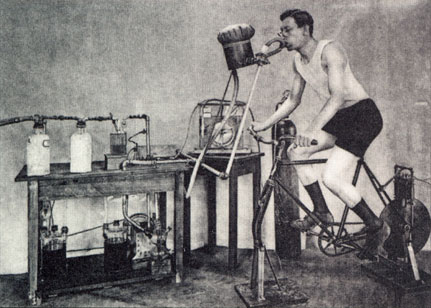
Measuring your oxygen capacity, or VO2 max, requires being hooked up to a gas analyser, which can be expensive and time-consuming. But professional cyclists agree that you can improve your Vo2 max through simple interval training.

Beat the Faster Cyclist

With all that being said, it’s impossible to recreate your gene pool without genetic manipulation. And yes, it’s happening. But there are proven ways to get faster on your bike without risking a science experiment gone bad.

Interval Training

Intervals are your best shot at getting faster. Interval training is in direct proportion to speed because you’re constantly challenging it. Interval training is all over the place, with different ranges, times and outcomes. Keep it simple enough so that you can stick with it.

Simple Drill

Warm up for 15-minutes at a steady pace, then ride for another 15 minutes at a slightly harder pace, but not so hard that you can’t carry on a conversation. Next, do five intervals of three to five minutes as hard as you can go while keeping in mind that you have more of them after. Take a recovery period of three to five minutes and finish with a 10-minute cool-down. Once you’ve gotten used to the intervals, continue your improvement by increasing the number of intervals, increase the length, and or reduce the time you spend in recovery between them.

Tips to Get Faster

  • There are no real shortcuts to becoming faster, you just have to ride. Don’t assume that you’ll get faster overnight. Expect two good seasons in the saddle, look back and you’ll realize you’re faster.
  •  Coasting wastes time. If you can’t get out of the habit, try riding a fixed gear bike for a while. You will stop coasting immediately.
  •  Cadence should feel natural. Don’t speed up and slow down. Keep it steady. This includes using your shifters constantly if you need to. Try to find a comfortable gear, if it’s not working, shift to another. Constant clicking is a sign of faster riders.
  • Some cyclists consider random bursts of effort to be heroic acts of bravery. But they’re unproductive. It’s is much more efficient to calculate the timing of your efforts with calculated precision.
  • Join a club or group ride. Let the faster riders push you to go faster. Nothing is more motivating.
  • Get more comfortable on your bike.  Feeling safe and comfortable is a real barrier to speed. Master the basic skills, get comfortable and you’ll pick up speed.
  • Think about your position, aerodynamics is extremely important. You want a flat back with a long and low reach to the handlebars. Try to avoid a hunched or arched back. Keep your shoulders tucked in and make sure your head is in line with your back.
  • Nothing will make you faster than the right bike. Spend as much as you can afford. Get a professional to help you get the fit right and if that’s a bit too much for you right now consult this article to get your position as good as you can on your own. just get out there.

Blood Doping 101

December 30, 2015 by Wade Shaddy

blood doping

Blood doping became widespread in the cycling culture in the 1990’s and 2000’s. But the practice of enhancing cycling performance through artificial means is as old as competitive sport itself. Blood doping is controversial, and justly so. It’s full of risk.

Not Just Professionals

According to a recent report made public by the Cycling Independent Reform Commission (CIRC,) doping in cycling remains widespread in contemporary cycling culture. The report goes on to suggest that today’s cyclists are experimenting with a range of substances that are becoming more sophisticated and those who participate in doping continue to contrive different methods of doping that are more difficult to detect and it’s not restricted to professional cyclists.

Easy Access

According to the UCI (The Union Cycliste Internationale), the world governing body of cycling, the prevalence of doping in amateur cyclists is a result of an easy access to drugs via gyms and the internet, the reduction in costs for substances, a wealth of knowledge in methods of administration, and a lack of funding for regular testing at the amateur level.

No War on Drugs

The lack of a “war on drugs” is one of the reasons blood doping has become mainstream is it’s classification. “Drug trafficking” is generally thought of as coke, heroin and other mind altering drugs. But the kind of drug trafficking at work in blood doping is far different. The sale and distribution of blood doping drugs is considered a pharmaceutical crime, and is handled by a different branch of law enforcement, one that doesn’t have the same “war on drugs,” stigma attached to it, although it is increasing.

Not Illegal

For the most part, doping drugs aren’t illegal to possess or consume but that doesn’t mean they’re safe. Most often, the drugs are classified as medicine; the most famous example being testosterone, which is used for specific symptoms, illnesses and diseases in a highly-regulated setting.

Men and Women

While cycling is the most publicized doping scene, the issue stretches way beyond cycling to gyms, marathons, and even high school track meets. However, the report concludes that doping in women’s cycling is not as widespread and systematic as it is in men’s cycling. This is likely because less money is available in women’s road racing. But it’s logical to assume that when women’s cycling develops to a status comparable to men’s, it will likely include the same widespread issues with blood doping.

Why Dope

During rigorous cycling, approximately 90 percent of your oxygen is sent to the muscles. The remainder is sent to the brain, heart, and gut. When the body has fully optimized the available oxygen supply, one way to improve performance is to dope.

What is Blood Doping

The World Anti-Doping Agency (WADA) has defined blood doping as; “The misuse of techniques or substances to increase one’s red blood cell mass, allowing the body to transport more oxygen to muscles for the purpose of increased stamina and performance.”

Blurred Distinction

Here’s where it gets off track. “blood doping,” and “doping” in general are two different approaches, but “blood doping,” has become the overall blanket description that is commonly used to describe all the techniques to enhance cycling performance.

Blood Doping

“Blood Doping,” is actually a drug-free way to increase the number of red blood cells in the body. Sometimes referred to as blood boosting, it effectively increases endurance beyond a natural level. Blood doping or boosting, is accomplished when cyclists transfuse themselves with either their own blood or someone else’s blood.

Autologous Transfusion

When using their own blood, or an autologous transfusion, a cyclist withdraws blood following a time of rest to ensure there is a maximum amount of oxygen-rich cells in the blood. It is then stored for a period of time and re-transfused at some point prior to competition or at a critical juncture in the race or ride.

Homologous Transfusion

The risks increase if using blood from a donor source, which is known as a homologous transfusion The risks include rejection of the blood or getting an infection with a disease such as hepatitis. There is no viable test to detect blood doping of this type, though tests can sometimes show an unnatural level of mature blood cells.

Performance Enhancing Drugs

Performance-enhancing drugs (or PEDs) are another blood doping technique used to fortify blood. PED’s have the ability to considerably improve athletic performance by fortifying the blood. Blood doping drugs however can be dangerous and deadly.

Hormone EPO

Erythropoetin (EPO) is a  hormone that regulates the volume and number of red blood cells and is involved in the wound healing process. EPO can be used therapeutically for helping with anemia caused by chronic kidney disease or certain types of blood cancer. EPO increases an oxygen uptake. This allows athletes to boost endurance beyond that provided by training as well as assist in muscle recovery. EPO is injected into the bloodstream.

Testosterone

Testosterone is a naturally occurring steroid hormone. Its primary functions include development of the sexual organs in men, as well as the growth of body hair and increased muscle and bone mass. Testosterone is used to treat delayed puberty, some types of impotence, as replacement therapy for middle aged men, and some types of infection or other muscle-wasting diseases. It increases bone growth and muscle mass to enhance strength and endurance. It can be administered in a number of ways including injection, pills and application via creams or gels. It is firmly on the World Anti-Doping Agency prohibited substance list.

Cortisone

Cortisone is another naturally occurring steroid hormone. Along with adrenaline, it is produced by the body when it is under stress. Cortisone helps the body prepare for a fight or flight response by increasing blood pressure but its affects are short term. It is also on the World Anti-Doping Agency prohibited substance list.

Growth Hormone

Growth Hormone is produced by the body to encourage cell growth and reproduction. It also has a role in a number of other developmental and maintenance factors in the body such as  increasing muscle mass and strengthening bone, breaking down fats, increasing the development of proteins, and aids in recovery. It is also on the prohibited list.

The Future of Doping

The next step forward in terms of cheating in endurance competition and cycling is likely to come from the genetic arena. These practices may already be in use along with micro-dosing which is doing one of the above methods but in amounts low enough to not be detected. Fortunately the testing is improving along with the methods to test and the penalties that result from a positive test. Furthermore, the culture of cycling is changing for the better where doping is no longer an accepted part of competition.

Why We’re Telling you This

Doping is not just an issue relating to health and ethics but is also relevant in the culture, profitability, and sustainability of the sport as a whole. Cycling is doing more than most other sports to combat this problem and is targeting it from the top level down to the grassroots such as in the US where lower level amateurs have the possibility of being tested this year. Doping in sport takes away its credibility and draw from sponsors which is where the majority of funding for professional racing comes from. The more people that know not only that there is an issue with doping in cycling but also what it is exactly that riders are doing, the more pressure that is placed on the sport from all directions to minimize these practices to create a more sustainable sport over the long term.

What You Can Do

This depends on where you’re at in the sport but nearly everyone that rides comes across younger riders in the sport. Give them positive support and that the only way to do anything in life is to do it in a way that they can live with the rest of their life and look anyone in the eye and tell them the truth. Furthermore, the health effects of doping can be astronomical, from cancer causing to even death. It is never worth it to try and cheat to get ahead. Do the hard work and your or their rewards will be achieved with dignity and will be something to be proud of.

Altitude 101- How Cycling at Altitude Can Help You

December 29, 2015 by Wade Shaddy

altitude 101

Altitude training is one way to look beyond your typical routine to improve cycling performance. Unlike other performance enhancing methods which are banned in most countries, it’s perfectly legal — with the exception of Italy. Altitude training increases the body’s production of red blood cells. Many professional cyclists have no problem admitting that they use altitude training- unless they’re in Italy — and don’t feel that it violates doping laws.

The Basic Theory

The theory behind altitude training is basic: Exposing a cyclist to a low oxygen environment (a mountain top or simulated altitude room such as a high-tech tent) allows the body to adapt to the stress by becoming more efficient at transporting and using the available oxygen. It includes, among other advantages, stronger circulatory and respiratory muscles, and more red blood cells.

Aerobic Capacity

Cycling in general is an endurance sport with a high dependency on the aerobic, oxygen dependent, energy systems. Your capacity to process oxygen is a deciding factor in cycling performance as it basically helps you to have more endurance at higher speeds.

Mountain Stages and Rides

Altitude training improves the amount of oxygen delivered to muscles by increasing red blood cells and in the process you have an immediate advantage in cycling performance. Being acclimatized to altitude helps performance when your ride takes you into mountains whether in a race or a high-alpine ride.

Not New

The application of altitude training to improve cycling performance is not new. It’s been used by cyclists for more than 40 years. Altitude training came of age during the 1968 Olympics in Mexico City, which is 7,382-feet above sea level. The significantly higher location, with thinner air than the majority of competitor countries, was the catalyst that brought altitude training to fruition worldwide.

Routine Program

Although trainers and athletes might not have been able to explain back then why altitude training worked, they knew it was true. It was proven to make them perform better. With this in mind, altitude training has become a key factor in cycling training programs for high level riders. Altitude training is now regarded as an integral part of an elite athlete’s preparation. It’s a perfect example of coaching surpassing research.

Elite or Amateur

Whether it be elite cyclists preparing for a major competition, or the average cyclist acclimatizing for strenuous rides at a higher elevation, cyclists from around the world are using altitude training more than ever before because it works.

Oxygen and Altitude

Generally speaking, when you take a breath of air at sea level, you will have more oxygen in your lungs than at altitude. As altitude increases, the atmospheric pressure that forces air into your lungs decreases resulting in less oxygen being up taken by the lungs. The effects to your body when riding at altitude are higher heart rate and less power. Because you’re getting less oxygen to your muscles, your body increases it’s heart rate to help bring in more oxygen, which in turn means you reach your maximum output quicker. Altitude also makes it harder to recover from maximum effort.

Live High, Ride Low

There are many studies supporting the concept of living high and training low. Typically, athletes live and sleep at moderate altitudes to acclimatize their bodies. For example: a cyclists living and training in Denver, about 5,130-feet, or one mile above sea level, has a distinct advantage while riding in Seattle, at sea level because of the fact that he or she is trained for cycling in much thinner air, with less oxygen.

Live High, Train Low

It is nearly impossible to train at the same intensity in higher elevations, as when training at sea level because the maximum output of your body is impossible to reach. Therefore athletes living at altitude typically train at lower intensity while high and go to a lower elevation to perform their high intensity training. This is commonly done by living in the mountains and commuting to lower altitudes for training sessions. However, this is impractical for most cyclists. Only a low percentage of the total athletic population has the resources to live high and train low, or even to simply live high for several weeks.

Before Beginning Training

Altitude training requires a well-developed base fitness level, and overall good health. It’s difficult to build a base fitness level at higher altitudes, so going into altitude training with an accomplished base is highly recommended. Appropriate levels of iron in the blood is also important. Iron is one of the building blocks of the red blood cells of which you will hopefully produce in abundance during altitude training.

Training Camps

Some professional or serious cyclists take part in specific altitude training camps when training for races or endurance rides. By spending time at higher altitudes they increase their red blood cells, allowing them to make longer and harder efforts not only at high altitudes but lower ones as well. Again, training camps are impractical for most cyclists, but there are ways around it.

Acclimate Yourself

Setting aside the altitude training regimen, many cyclists simply acclimatize, which is simply staying at the altitude where you plan on racing or riding in preparation the event. Many racers arrive at the race site well in advance to help acclimate to the altitude. By spending extra time at altitude, racers have time to build more red blood cells and become more acclimated, which in turn leads to a lower drop off rate in power when racing.

How Much

Some athletes in studies didn’t improve their performance by living at altitude but statistics suggests that it’s true for the majority of athletes. Research indicates that you need about four weeks living at about 7,000-feet to get the maximum benefit but shorter periods can still be beneficial.

The Downside

But too much of a good thing is not always the best. Cyclists and trainers conclude that three or four weeks at altitude is enough. Any longer than that and cyclist run the risk of muscle loss from riding at lower power outputs and decreased recovery.

Recovery

Recovery is important at altitude. Overall recovery is slower so nutritional measures that include hydration and rest become even more important to enhance recovery. Some cyclists lose their appetite at altitude. Dehydration is also not uncommon. Frequent weighing should be part of the monitoring process.

Get High

Setting aside the scientific data and stats, it won’t hurt you to experiment with altitude training if you have the means. Go ahead and get high. As it is with everything else, approach it with an open mind, and do it in moderation especially at first. Worst case; you’re going to do some amazing riding in some high mountains.

To Draft Or Not To Draft While Training For Triathlon

December 28, 2015 by Dyani Herrera

to draft or not to draft

Have you ever finished a group ride with the thought “Wow! I just finished riding at X mph! I can’t believe I could ride that fast!” However, this thought is quickly overshadowed by the realization that you achieved this high speed by the draft in cycling while behind someone else throughout the ride. This leaves the question to draft or not to draft in your training for triathlons?

From the moment I picked up cycling I’ve always enjoyed training alone or with a partner, rather than participating frequently in group rides. Many times when I’m out on my rides I’ve watched cycling groups that contained roadies and triathletes. It made me ponder the topic of drafting while training, especially from a triathlete’s perspective where drafting is not legal in most races. Although there are some perks to drafting when in a group of similar fitness level, I firmly believe training without drafting is more beneficial in the world of triathlon. There are several advantages one may experience with this training philosophy that will aid in making you a better cyclist overall.

To Draft or Not to Draft – Train Like you Race

If you’re used to drafting as a triathlete and have little experience pulling yourself, you’ll face a rude awakening on race day when you have to maintain a legal distance between yourself and the cyclist in front of you. In non-drafting races it’s better to train learning how to pull so you can become used to different cycling situations that could alter your speed. When riding without drafting you’re forced to learn when to change gears, how to approach hilly terrain, and the elements. Training in this manner will also make you stronger physically because you’ve faced all the elements and terrain ALONE during training, pushing your body to adapt. Additionally, your leg muscles will adjust to pulling and thus, become more efficient as well as powerful.

Conversely, as a roadie who participates in draft-legal races, it is beneficial to have a few training sessions a week where you’re pulling the whole time. If you grow accustomed to riding by yourself and reap the aforementioned benefits, then it’ll make you that much stronger when drafting on race day. You’ll have an edge over the other cyclists who have trained only drafting in groups with intermittent pulling.

Making Adjustments 

When you’re drafting behind others, you’re forced to follow whatever the riders ahead of you do with the added benefit of increased speed. In doing this, it hinders you from truly experiencing the elements of headwind, tailwind, extreme temperatures, etc. Each element and terrain calls for a specific adjustment in gears. When facing a headwind you learn to play with your gears, downshift, and switch to high cadence. In contrast, when experiencing a tailwind, you learn to shift into the big chain ring and take full advantage of the added help from nature. These changes also apply to riding on flat versus hilly terrain. You also learn which gear to use in each situation according to your fitness level rather than another riders. Through trial and error you can find the gear that allows you to stay at a high pace but not explode during a race. Essentially, finding that “sweet spot” in each of these situations can best be discovered when training alone or leading the pack. It will make you a more knowledgeable cyclist and build confidence in your riding skills instead of a false sense of ability.

Mental Toughness

One of my favorite elements of riding alone includes the benefit of building mental toughness. Facing all the challenges of the road solo enables you to build mental folders that you pull from when suffering during training sessions. You don’t have a partner yelling words of encouragement or pushing you beyond your limits, it’s only you and the pain just as it would be on race day. These sessions aid in building confidence and positive self-talk which are vital to success. They also force you to be accountable for reaching your own goals within that training session. These are the sessions that help you realize all the success you aspire for is within you, and not dependent on anyone else, therefore a stronger work ethic is created as well. Consequently, you slowly begin to prove all those negative thoughts wrong that trick you into thinking you can’t achieve this goal. As a result, you’re faced with a level of strength you likely didn’t realize you possessed.

So to answer the question, to draft or not to draft in training for triathlons; each of us have different goals we’d like to achieve within the cycling. We can use strategies, advice, and tactics from others to become a stronger, overall cyclist. I don’t believe there is only one right way to train. Each type of training serves their purpose and yields a particular advantage. It is crucial to incorporate a variety of training sessions to your program.

Lactate Threshold and VO2 Max – Increasing Race Pace

December 10, 2015 by Dyani Herrera

LT pic

Typically, athletes try to find external factors to manipulate performance and neglect to consider what is occurring at a physiological level.

There are two main topics that are crucial for endurance athletes such as cyclists: lactate threshold and aerobic capacity. Lactate threshold (LT) occurs when lactate acid accumulates at a faster rate than the body is able to flush out during intense exercise. During endurance activities, once glycogen stores are depleted the body must rely on other energy systems for conversions of glucose to fuel the activity, and this process releases lactic acid as a by-product. Lactic acid acts as a hindrance during activity because once levels become too high, muscles quickly fatigue.

Aerobic capacity also known as VO2 Max can be described as the body’s ability to consume oxygen during intense exercise, in other words respiratory endurance. Research in endurance athletes has demonstrated that high lactate threshold directly correlates with increased aerobic performance. An athlete that possesses a high lactate threshold will have a faster race pace. There are several factors, which can improve lactate threshold as well as VO2 max.

Congenital Factors

There are role players that are not within our control such as gender, age, and genetics. It has been shown that VO2 max capability has a relationship with genetics. Hence, an athlete typically has a predetermined range of VO2 max capability they can achieve through training and despite efforts cannot increase the value. However, an athlete can increase the percentage of VO2 max at which they could perform, but that will be discussed further on. Elite males have a higher VO2 max capability when compared to elite female endurance athletes, but surprisingly it is only by a 10% marginal difference. Increasing age has shown to play a factor in reaching higher levels of VO2 max capability, but can be negated with consistent training.

External/Acquired Factors

It is encouraging to know that with certain manipulations to our training we can improve our Lactate Threshold and VO2 Max values. The purpose of increasing lactate threshold is to be able to perform at a higher level, with less lactic acid buildup, thus less fatigue, which directly increases our aerobic capacity/VO2 max. For instance, prior to training interventions a cyclist was able to perform at 40% of their VO2 max, but after 2 months of training was able to increase to 50% of their VO2 max; therefore, performing the same amount of work with less effort. Consistent training allows the body to adapt and consequently more work is required to reach our Lactate Threshold.

Increases in VO2 max and Lactate Threshold are seen quicker in athletes who were former sedentary individuals instead of those who were active prior to picking up cycling. Additionally, it has been shown that the highest VO2 max an athlete is capable of is acquired after 8-18 months of consistent endurance training, but percentages within that capability can be continuously improved. During these months the respiratory system adapts and improves, lactate threshold levels increase, and efficiency of energy systems is improved.

However, studies in endurance athletes such as cyclists, runners, and swimmers has demonstrated that very specific training must be completed to acquire these gains. Increases to VO2 Max and Lactate Threshold levels are best achieved through interval training or tempo sessions. In which the body is performing at sub-maximal levels for shorter periods of time. Interval training should include longer work intervals and very short rest intervals so the body is forced to continue working hard even when it has not fully recuperated from the previous bout of exercise. The former type of training forces an athlete to rely more heavily on their respiratory system and not depend as much on their glycolytic system. The glycolytic system converts glucose into energy to fuel our activity, but this process releases lactic acid thus, reaching our Lactate Threshold levels quicker than we’d like.

Furthermore, strength training has also shown its benefits in endurance athletes. By completing a strength training regimen we can create muscle hypertrophy. Increasing the size of our muscles causes increased cross sectionals of our slow-twitch muscle fibers, mitochondria, and muscle recruitment. By having increased muscle recruitment in essence we have more “helpers” completing the same amount of work with less fatigue. Consequently, this increases our race pace and the amount of time we can sustain it. Additionally, it trains our neurological system to cause this increase in muscle recruitment and to become more efficient with our reliance on energy systems. Lastly, it has also been shown that in order for aerobic system improvements to be made, a total of 5,000-6,000 calories a week must be burned during training. These values can differ depending on the background of the cyclist whether they were athletes prior to cycling or sedentary.

Off-Season Adjustments

It is important to note, that highly conditioned athletes cannot completely take a hiatus from cycling during the off-season. Of all the physiological gains earned such as strength, power, muscular endurance, and cardiovascular endurance, the latter is the easiest and fastest to lose. Therefore, if training completely ceases it will become more difficult to recover those gains in VO2 max and Lactate Threshold when the season commences. In order for a cyclist to maintain their VO2 max gains, it is recommended they complete 3 training sessions a week at 70% of their VO2 max. Also, these training sessions must be sport specific in order to maintain these levels. As an added benefit, cross training can be completed in addition to those 3 sessions during the off season.

Biking at Night – Light Up!

December 3, 2015 by Wade Shaddy

Biking at Night - Safety First!Without the right attitude and gear, biking at night can be terrifying and dangerous. Even with the right stuff, night riding is intimidating until you get used to it. But there’s another world out there at night, all alone with the scent, the sounds and your thoughts. Don’t miss out on it.

Gear is Everything

Most of your day-only glasses wont work at night, don’t even try to use them, they’re too dark. Clear is the best choice. If you don’t have a pair of clear cycling glasses, try a cheap pair of clear safety glasses. You can pick them up anywhere. Safety glasses also offer better shielding from the wind, most of them have some type of side protection. Don’t worry too much about how you look, but if you’re self-conscious about it, designer safety glasses are available too.

Bike Reflectors

If you ride a high end road or mountain bike, and even though it’s prohibited by most law, the mechanic at the shop you bought it from probably removed all of the reflectors long before you bought it. If he didn’t it’s likely that you removed them yourself, or they broke off at some point and you didn’t replace them. Get new reflectors.

The Law Says

According to the United States Consumer Product Safety Commission, bicycles sold in the United States are required to have a red rear-facing reflector; a colorless front-facing reflector; and amber or essentially colorless pedal reflectors. Bicycles are also required to have spoke-mounted side reflectors that are amber or essentially colorless for the front wheel and red or essentially colorless for the rear wheel.

More Visibility

It’s been argued that you’re actually more visible to cars at night — when properly adorned with lights and reflectors. Cars aren’t looking for bikes during the day, but they can’t ignore a well-lit bike, flashing red, reflecting their own headlights on the road in front of them.

Essential Lights

The more lights the better. The more power the better. Most jurisdictions have laws governing the use of lights on bikes at night, and it’s a given you can’t ride without them. Most cycling advocates agree that the minimum standards set by law concerning adding lights to bikes are not stringent enough. Beefing up your bike with extra lights is always recommended. Here is a list of what we think are the best bike lights on the market.

Red Blinking

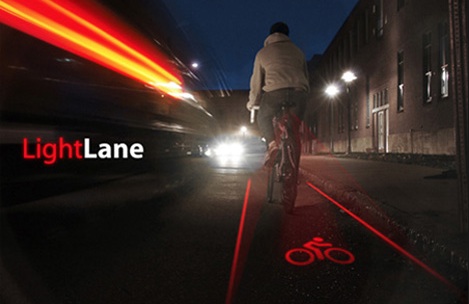
A rear red light is essential, particularly one that blinks. A blinking red light is more likely to get the attention of traffic that might not spot you otherwise. Blinking red lights have exploded in popularity, because they work. Some have reflective qualities and can double as the rear reflector required by law.

White Headlights

All types of cycling specific headlights are on the market, including strobes. Some argue that strobes are too bright and can blind anyone but the cyclist. But they do offer extra safety and are hard to miss. For extra points, get a second light for your helmet, which allows you to see wherever you look — although really, it’s as much about being seen as it is being able to see.

Choices Abound

The choices of a headlight for your bike are almost overwhelming, with choices ranging from about $20, to $400.  Things to consider besides cost is battery life, battery placement on the frame — some of them have external batteries — and what type of riding you’re going to do at night. Some mountain bike lights are powerful enough to blind you. Others provide only enough light so that motorists see you. You can use anything you want, but go with the best one you can afford. Generally, if you want to be able to see you where you a biking at night you need a minimum of 600 lumens.

Reflective Tape

If adding all those reflectors seems a bit much, consider adding reflective tape to your bike. Reflective tape is available in bike shops in various forms. Some of it is pre-cut, and designed to be applied specific parts of the bike or your apparel. Add it to moving parts such as pedals, the inside of the rims, the pedals or even the heels of your shoe. Moving parts catch light better than frames.

Apparel is Everywhere

High quality reflective gear makes you a lot more visible. It not only works at night, but even during the day. Bike shops have cycling vests starting at about $10 to $15. When you hear or see the lights of a vehicle approaching from the rear, sit up into a vertical position, it makes your reflective gear more noticeable.

Preventative Measures

If it looks like a car doesn’t see you, hop off your bike and onto the sidewalk or ditch. Don’t chance it. Give yourself a little space between yourself and the curb. That gives you some room to move over in case you discover a large vehicle is bearing down on you. It’s a hard concept to perceive at first, but ride as if you were invisible. In other words, ride in such a way that cars won’t hit you — even if they don’t see you. 

Reaction Time

A big, powerful light might shoot a decent beam 50-75 feet or more, and that’s fine until you start moving. At 30 miles-per-hour, an average cyclist requires about a half a second to react. At 30 miles-per-hour, you’ve already gone about 20 feet by the time you have time to react. With only 50 feet of illuminated pavement in front of you, it leaves little margin for error at 30 miles-per-hour.

Slow Down

Regardless of what light you have, slow down to increase your reaction time and margin for error. Constant vigilance is important. Small pebbles can become tire bouncing boulders, dark spots on the pavement can be dips or potholes. Shadows can be dogs, cats or other creatures of the night.

The Right Bike

If you can’t bear the thought of crashing your $3,000 road bike at night, consider a different bike. The right bike for night riding is one that is the safest. An older road bike, fatter-than-normal tires, is a good choice. Mountain bikes have the necessary stability to stay rubber-side down if you hit rocks or gravel. But there’s no reason why you cant ride your baby at night either, it’s just a personal choice, but you know how skittish horses are, road bikes are just like that when surprised.

Sports Hematuria

December 3, 2015 by Dyani Herrera

Sports HematuriaSome of us have had that amazing workout, where we’ve challenged ourselves by increasing the volume or intensity of our rides and come out victorious. Then, as the day passes and we use the restroom we realize that we have blood in our urine. Alarmed, we begin to assess ourselves for any signs or symptoms we may have missed leading up to this event. However, this pathology is common in endurance athletes and typically presents itself with no symptoms. Research has shown this usually happens when either the duration or intensity of a workout has increased significantly. In addition, in a sport such as cycling, cyclocross, or mountain biking the genitourinary area can be affected due to the constant pounding on our saddle during our rides.
Causes of Sports Hemturia:

Besides having an intense workout this can also occur when the bladder has not been emptied prior to the workout. By exercising on a full bladder we can cause mild internal bruising that would lead to hematuria. Dehydration can also be a leading factor, which many of us may experience during the hotter months of the year if we don’t properly hydrate throughout our rides. Additionally, not riding off the saddle in warranted situations during mountain biking or refusing to wear padded shorts can cause trauma to the genitourinary area. Also, experiencing a hard crash, can make someone susceptible to direct trauma to the kidneys.

Signs & Symptoms:

Typically, this condition presents itself asymptomatically if there is no pre-existing condition of urinary track diseases. Blood is visible upon urination after a difficult workout. Signs and symptoms that warrant concern and immediate evaluation by a physician include blood clots, painful urination, and prolonged pain in the pelvic area. If any of these are experienced a urine specimen will be collected by the physician for further evaluation of creatine levels or presence of bacteria. In extreme cases a pelvic ultrasound may also be requested.

Typically, sports hematuria resolves within 72 hours and has no associated symptoms of pain. Should this condition occur, rest is paramount to allow swelling and bruising to resolve. If exercise continues during this period, more trauma can be caused. Ensure to drink plenty of fluids and avoid prolonged periods without voiding the bladder. If hematuria doesn’t resolve within 72 hours make sure to seek a physician and rule out a more serious condition.

How to Prevent Cramps Cycling

November 30, 2015 by Adam Farabaugh

Preventing cramps in cycling can be a challenge as there is no definitive “do this and you’ll be cured”. Cramps are an interesting issue as given the fact that nearly everyone has had them at some point in some way or another, scientific research has not directly pinpointed a cause and effect to them. There are factors that make their occurrence more likely as well as things you can do to help avoid them and to deal with them.

How to Prevent Cramps Cycling

What is a Cramp

Exercise Associated Muscle Cramps (EAMC) are involuntary contractions of the muscle that can range from slight spasms to severe. The range as to which these can occur range from slight where you can ride through them, to severe where you can no longer pedal. They can be an individual muscle or a group of muscles and are typically the ones that are weaker and not ready for the effort that they are put under.

What Causes Cramps

The exact cause of cramping is not known but varying factors can increase their likelihood. Often times a combination of factors can cause a higher severity of cramps.

  • One of the factors that can increase the likelihood of cramping is dehydration as well as low electrolyte levels. Electrolytes are what transmit the signals from your brain to your muscles telling them to fire. Having imbalanced levels of hydration and electrolytes at the cellular level can play a role in why your muscle spasms.
  • A second factor to cramping is how the muscle is utilized. If the muscle is not in its ideal position to contract and relax it can be overstressed resulting in cramping. This often results when the position on the bike puts added stress on your quads, hamstrings or calves.
  • The biggest contributor to muscle cramping while cycling is riding at an intensity or duration that your body is not yet ready for. In the simplest sense, your muscle fatigues and can no longer properly fire and thus cramping results. The above two factors, hydration and fit, directly influence how quickly a muscle fatigues.

How to Prevent Cramps

Once you get a muscle cramp they’re difficult to come back from. The key is to try and avoid them in the first place. Based on what can contribute to them, fixing those issues is going to bring the biggest relief.

  • Before you can start riding more or hydrating better, you need to make sure that you have a good fit on the bike and are getting what you should out of each and every muscle. If you’ve had cramps in the past, take note of where they occurred. This is likely the result of your position on the bike being a little bit off which puts added stress on that area. Stretching that area can help, but the majority of the time that is just trying to fix the symptoms, not addressing the original cause of the cramp in the first place. For example, if you get cramps in your quads your saddle could be a bit low or your hamstrings may be a bit week thus placing more stress on your quads. Stretching the quad can help it but the cause of the problem isn’t necessarily in the quad. Getting an expert fit can help ensure that you’re getting the most out of your position or you can do it yourself with some expert guidance: (“How to Do a Proper Bike Fit“)
  • The biggest influence on when cramps occur in a ride and the severity is how fit you are for the riding that you’re doing. The stronger you are and the more endurance you have, the less likely you will be to cramp. The muscle simply doesn’t reach its point of failure and can keep firing as it normally would. The best way to increase overall fitness is to simply ride more. On top of this, riding at higher intensities, particularly up climbs where you are using slightly different muscles, can put added stress on your muscles which in conjunction with recovery produces stronger muscles with increased endurance.
  • Now that you have a proper fit on the bike and have the fitness level for the rides and races you are looking to do, you need to make sure you hydrate well with liquids and make sure that there are adequate levels of electrolytes in your drink for the conditions that you are riding in. In addition to having the right levels of hydration and electrolytes, consume enough carbohydrates before and during the ride. With most other areas of scientific research surrounding cramping, there is not a definitive study that says that adequate carbohydrate intake reduces or eliminates cramping. Cramping most often occurs as a result of muscle fatigue which can be exacerbated by not having enough energy supplied to the muscle. Having an adequate amount of carbs, in theory and seemingly practice, allows the muscle to continue firing as it should without cramping.

Cramping is a big issue that nearly all cyclists experience but is still not fully understood. As with a lot of things in cycling, everyone is different so you may find that some things cause you to cramp while other help cramping.

Follow these general approaches to solving your cramping issues in conjunction with your own trial and error. When you do in fact cramp, make a note of it, where in your leg you cramp as well as the factors surrounding it such as ride length, conditions, what you ate or didn’t eat before and during your ride. This will help to better understand your body and how it reacts to certain things. In addition to this, by simply riding more and/or with more quality riding, meaning focused climbs or intervals at higher intensities, the occurrence of cramps should diminish.

« Previous Page
Next Page »
  • Facebook
  • Tumblr
  • Twitter

Latest Articles

JOIN Cycling: A New Training Platform for Cyclists

May 27, 2024 By Eric Lister

cold exposure

The Benefits of Cold Exposure for Cycling & Life

June 13, 2023 By Eric Lister

hill climb

The Ultimate Hill Climb Training Guide

May 31, 2023 By Eric Lister

shoulder pain cycling

How to Treat & Avoid Shoulder Pain While Cycling

April 12, 2023 By Eric Lister

psoas stretch

The Importance of the Psoas Stretch for Cyclists

April 6, 2023 By Eric Lister

cycling neck pain

The Ultimate Guide to Cycling Neck Pain: Causes and Solutions

March 21, 2023 By Eric Lister

Useful Info

  • Contact
  • Finally, A Global Cycling Club That Is Focused On Community And Love Of Cycling!
  • Privacy Policy
  • Share Your Story!
  • Terms And Conditions Of Use
  • Welcome to I Love Bicycling
  • What Happened When I Stretched Every Day For a Month

Recent Posts

  • JOIN Cycling: A New Training Platform for Cyclists
  • How to Hang Bikes in Your Garage: 4 Inexpensive Options
  • Gravel Bike Vs. Road Bike: Which One Is Better For You?
  • The 6 Types of Mountain Bikes & How to Choose the Best One for You
  • What Is a Touring Bike Good For? 5 Benefits We Know You’ll Love

Search I Love Bicycling

Connect with Us

  • Facebook
  • RSS
  • Tumblr
  • Twitter

Copyright © 2026 · Magazine Pro Theme on Genesis Framework · WordPress · Log in