• Training
    • Injury Prevention
    • Training Tips
  • How To
    • Bike Fit
    • Gear
  • Nutrition
    • Nutrition Tips
    • Weight Loss
  • Repair
  • Reviews
  • Stories
    • Funny Stories
    • Jokes
    • Quotes
    • Videos
    • Funny Videos

I Love Bicycling

I Love Bicycling is a website that is geared towards cycling for beginners with road cycling tips, training articles, nutrition tips, weight loss, how to’s and bike repair articles.

Training

  • Injury Prevention
  • Training Tips
  • Training Camps

Foot Pain While Cycling – The Cure

September 24, 2016 by Josh Friedman

foot-pain-while-cycling

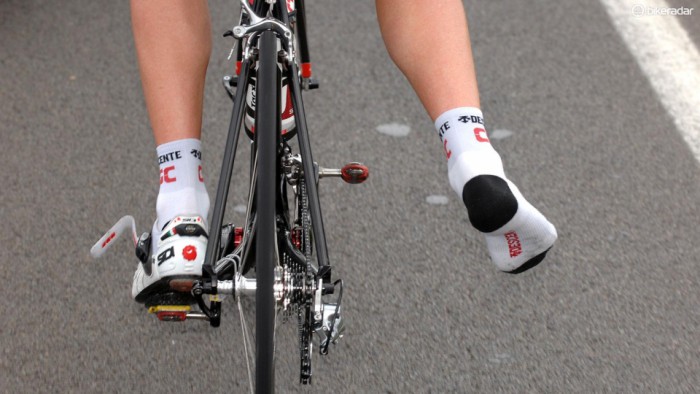
Feet transmit all of the power from your body to the pedals. If they hurt, your performance will diminish. The harder you push on the pedals, the more your feet will hurt, further diminishing the power you have worked so hard to gain. There are a lot of variables that can cause foot pain while cycling. Test them out to see why you have pain and how you can cure it.

Nerves

Much like hands, feet have a series of nerves that branch off to terminate at the toes. Impinging these nerves can lead to numbness and foot pain. The mechanism of the impingement is slightly different from hands, though. In the hands, it usually occurs before the nerves split off to the fingers near the heel of the palm, or even further up towards the elbow. In the foot, it often occurs inside the shoe, which places pressure on sensitive nerves.

Heat and Swelling

Heat can cause swelling of the feet. Your body’s response to heat is to send blood to extremities with higher surface to volume area to dump heat as quickly as possible. Swollen feet can also be a result of dehydration, as when blood thickens and it has difficulty traveling back up the legs in the pedaling position. This swelling can cause pressure points in your shoes that are not normally there. Staying hydrated will keep your blood flowing freely and keep you cooler because you will have enough fluid to keep sweating adequately. Your feet will thank you.

Shoe Fit Contributing to Foot Pain While Cycling

Shoe fit is the most important variable to avoid foot pain while cycling. A pair of shoes that fit you correctly will feel as though they are not there; you should forget about your shoes while riding. Getting fit for the right shoes goes a long way towards comfort. Take your time when trying shoes, feeling out any potential pressure points. Do not buy shoes because they are on sale. You will pay later with pain and when you buy another pair of shoes that does not hurt.

If you have feet that are not the normal range, it is worth seeking out proper fitting shoes instead of trying to alter a more common shoe. There are even custom cycling shoe companies that will accommodate your feet. It may be a high up front cost but in the long run (with diligent care of the shoes) it will be worth it.

Pedals

Spending long hours in the saddle requires a pedal that provides adequate support for your foot. Road pedals have a large platform to spread the pedal pressure across a wider area of your foot. Smaller mountain bike pedals generally do not provide that support and can cause hot spots on the bottom of your feet. These smaller pedals, in conjunction with a sole that is not very stiff may lead to hot spots. If you do need to ride mountain bike pedals for long hours, consider stiffer soled shoes to minimize hot spots. A carbon sole is the way to go here.

Cleat Placement

Correct cleat placement, just like the correct shoe, will let you forget that they are even there. Placing the cleats poorly can lead to uncomfortable foot position and can cause pain in nerves from pressure points or strain from improper twisting of the foot. Take the time to dial in your cleat placement; it is well worth it for the comfort it will provide.

Once you have that cleat position perfect, you will want to keep it that way every time you change your cleats. Outline your old cleats with a marker before you remove it. When you put the new one on, you will be able to place it within the outline of old cleat, saving the time of dialing in and experimenting with the position again.

Bike Fit

Bike fit, like cleat placement, can avoid or alleviate strain on your feet. A good bike fitting session will look at all aspects of your fit, including the aforementioned shoe fit and cleat placement. As you have read in other articles, a bike fit will go a long way to improving your comfort and performance. This holds true all the way down to your feet.

Socks

Socks may be the most overlooked element of the foot pain complex. You want a sock that does not bunch up or is too bulky so that it creates pressure points in an otherwise fine shoe. They should keep your feet at the right temperature too. If they are too hot, it could lead to more swelling, exacerbated pressure points and chafing. Feet that are too cold start to hurt from the onset of frostnip and frostbite.

Keep Your Feet and Yourself Happy

If your feet are comfortable you are more likely to have a great ride. Take care of your foot pain while cycling and the only pain you will feel is your legs suffering to get up the climbs faster than you ever have before.
Epic Bike Rides – What Makes Them Epic and A Few Notables

September 22, 2016 by Josh Friedman

epic bike rides

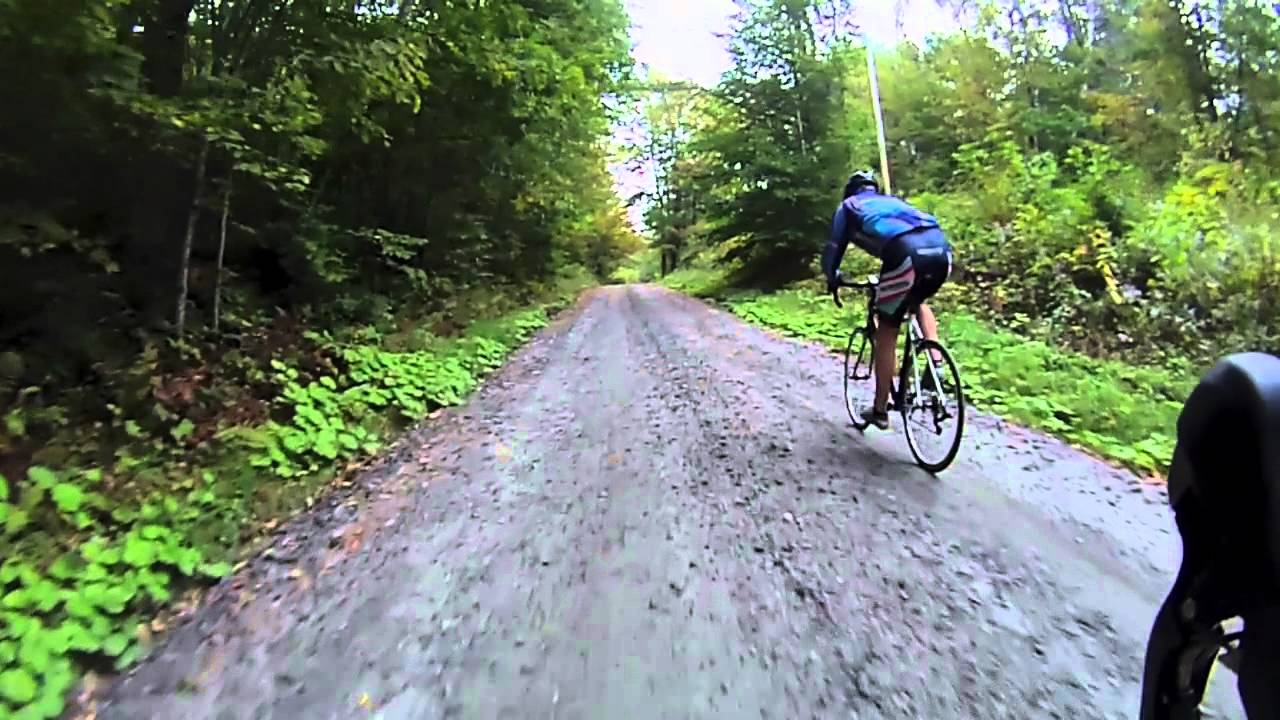
Even though epic is an overused word that people throw around to describe rather pedestrian situations, you can still have epic bike rides. You should also understand that one person’s epic ride could be another person’s average day in the saddle. Some combination of ride conditions that are outside the ordinary will determine if your ride meets the esteemed and venerable title of “epic bike ride”. And despite what certain cycling clothing companies want you to think, wearing their clothing will not make the ride epic. Only the ride makes the ride epic.

Weather

It is easy to go for a ride when it is nice out. It is not as easy to go for a ride when conditions are not ideal, but you are prepared. It is least easy when you set out on a ride when it is fine, only to have the weather turn and you are stuck in an unexpected deluge/blizzard/heat wave/cold snap/gale force wind. Generally you are unprepared and have to suffer the whole way home. Weather is often one of the contributors to an epic bike ride.

Terrain

Terrain dictates your ride. Should you do a hilly or flat ride today? How about by the beach (and the wind)? Maybe into the mountains? An overload of one feature can contribute to an epic bike ride. Three mountain passes in one day? That could be part of an epic bike ride. A flat ride with a headwind for three straight hours? That could also be part of an epic bike ride. A road washed out and now the pavement is gone? Yes, probably a large contribution to an epic bike ride.

Duration

Going way beyond your normal time on the bike can contribute the level of epic in your day. Maybe the longest ride you have done in the last year was four hours. Sure, an eight hour ride is a great idea! It will probably be epic, leading you to the failings of the next topic, nutrition.

Nutrition

You are likely to bonk/crack/get the hunger knock on an epic ride, especially if it goes beyond your normal duration. Of all the epic conditions listed here, this is the easiest to avoid and the most likely to happen. Stay fed and hydrated so you can remember your epic ride and not have to suffer unnecessarily. The ride itself should provide plenty of suffering.

Mishaps

Something is going to break… sometime. One flat on a ride does not contribute to making a ride epic. But four flats (fixed with spare tubes, patches and a frame pump; CO2 is not helping here) and a broken chain (that you repaired because you were prepared) can send you on your way to an epic bike ride. If you know you are going to have a long day in the saddle, make sure you bike is dialed in. Again, conditions of weather, terrain and duration should take care of most of the epicness.

Fitness/Physical Condition

You signed up for a big ride a few months ago, but you did not train properly. You are going to do it anyway, what could go wrong? You are going to have a rough day in the saddle. It is all in the name of a good story; at least some good will come of it.

Sometimes You Are the Hammer, Sometimes You Are the Nail

Hey, look, that kid that just spent the year racing in Belgium showed up on the ride. The casual pace you were hoping for turned into a lined-out frantic attempt to stay in contact with the group. You are at the limits of your fitness, pedaling squares trying to not get dropped like a rock twenty miles from home. Those twenty miles would be so slow and lonely. Hang on! Either way, it could help your ride be epic.

Navigation

That road looked interesting, so you took it. Now you are hopelessly lost and nothing is familiar. Your two hour ride clicks over to four hours. Will you ever get home? Most likely, yes, but with less dignity, destroyed legs, and a story.

Epic Bike Rides to Try

Dirty Kanza 200

The Dirty Kanza 200 is a two hundred mile race in central Kansas. That is two centuries, without stopping. Do you think Kansas is flat? You are wrong. Remember the Wizard of Oz and the tornado? It is windy too. Plus there is not much pavement on this ride. You are responsible for yourself too. There is no outside support.

Belgian Waffle Ride

The BWR is another mixed terrain ride over a long distance. It is in southern California in April, so for riders coming from colder parts of the country, the heat could prove to be a challenge. Again, come prepared to support yourself and probably get your legs torn off.

Out Your Own Door

There are probably lots of places close by to your own home that you have never explored. Plan a really long day to check them out. This is a recurring theme; be prepared for the conditions you might encounter. And bring friends for an extra level of fun (or to commiserate with about your shared misery).

Arbiter of Epicness

Only you can be the arbiter of your own epicness. Be wary of attaching the title of epic bike rides too frequently; it diminishes the meaning of the word. Now go for a epic bike ride that will make a great story.

Handlebar Palsy – AKA Cyclist’s Palsy

September 1, 2016 by Josh Friedman

handlebar palsy4

Numb hands can ruin a ride, both because of the discomfort and the lack of control. A common and preventable cause of numb hands is cyclist’s palsy, also commonly known as handlebar palsy. It is the result of too much pressure on the ulnar or median nerve where they enter the hand from the wrist. Knowing its cause will send you on your way to finding solutions that work for your own handlebar palsy.

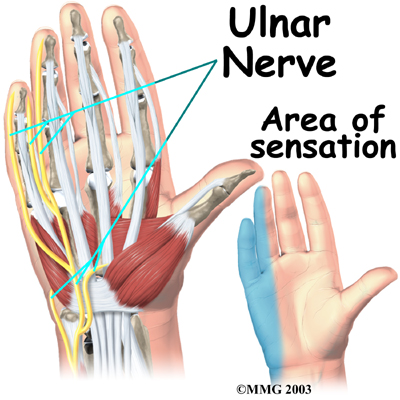
Where Hand Meets Handlebarulnar nerve

The ulnar nerve enters the hand at the wrist at the heel of the palm opposite the thumb. That pad on the heel is often where the hand rests on the handlebar. Inside that pad is the ulnar nerve, running through the Guyon canal and compressed by the bones of the wrist and hand. Enough pressure, and your pinky and ring finger go numb. More than enough pressure can lead to a fully numb hand.

The median nerve enters the hand at the wrist between the ulnar nerve and the base of the thumb through the carpal tunnel. Too much pressure here and you will feel your index and middle fingers go numb. The numbness can occur in conjunction with ulnar nerve numbness.

Solutions to Handlebar Palsy

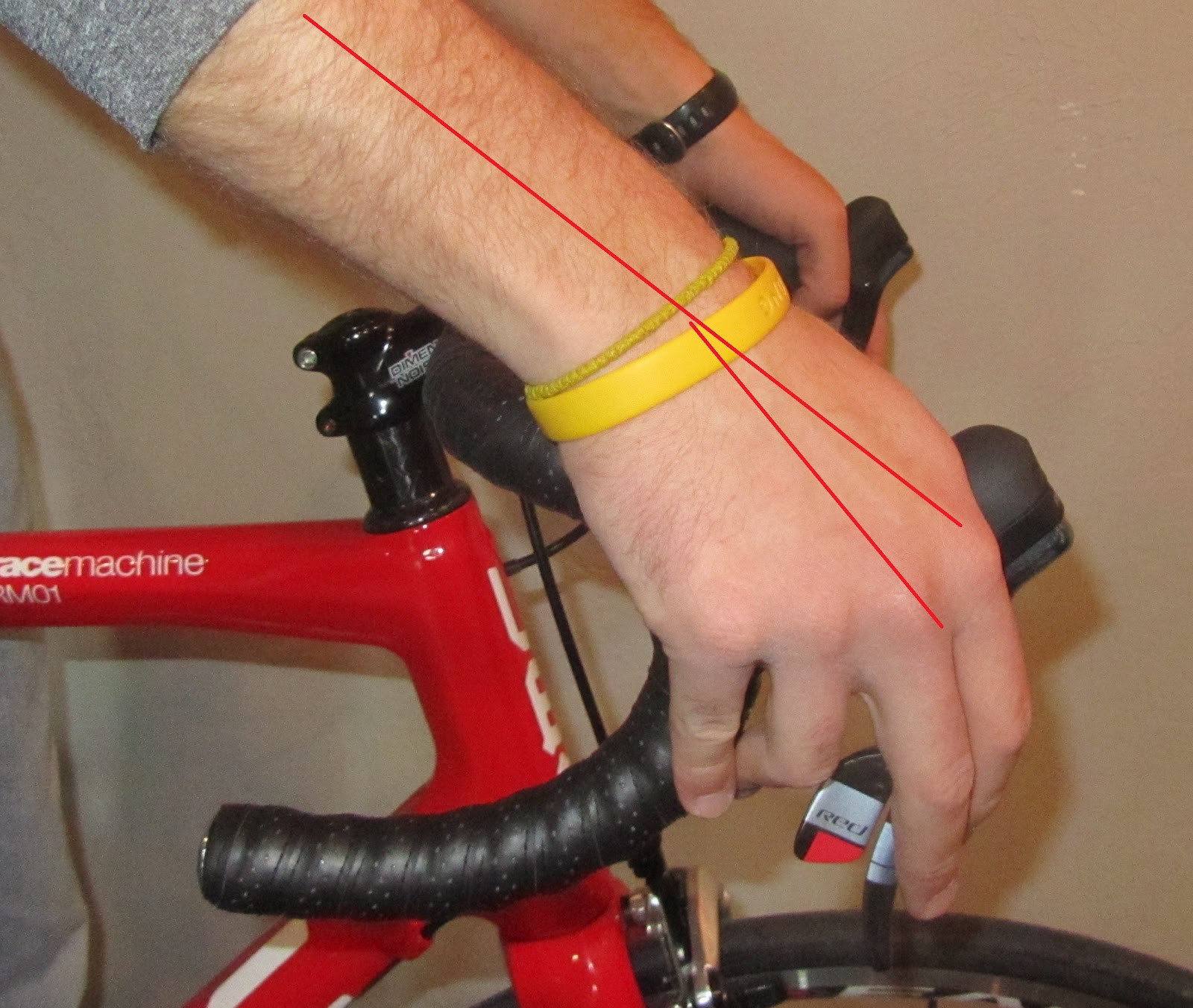
Ensuring your hands contact your bars at an angle that allows your wrist to lay naturally is ideal. Any hyperextension of the wrist puts additional pressure on the nerves entering your hands. Resting your hands on the handlebar with as little bend as possible at the wrist lets the nerves lay unimpeded into your palms.

Changing positions on your handlebars during the course of a ride can alleviate symptoms of handlebar palsy. On a road bike with drop bars, if you feel numbness coming on, move to a different position that takes pressure off of the heel of your palm. On a flat bar bike it is a bit more difficult because there are more limited positions. If you often have handlebar palsy and frequently ride a flat bar bike, consider adding bar ends for an additional position. Remember to position them correctly. Perpendicular to the ground is not correct; The should face forward at an angle that allows your wrists to rest naturally.

Padding your hands will also help relieve handlebar palsy. This can either be done with padded bar, doubled up bar tape, gel pads under the bar or padded gloves. Try gloves on first to make sure they fit comfortably; too loose and they will cause blisters, too tight and they can cause even more numbness. Some overly padded gloves can also cause numbness by concentrating pressure on extra large pads.

Moving your saddle down and back can also relieve pressure on your hands. Beware that other positional problems may arise if you go this route. Whatever changes you make, do them incrementally.

If these solutions do not work, seek out a bike fit expert to examine your position. Additionally, you may want to seek out a health professional to determine exactly what is happening in your nerves. They can give you exercises to relieve abused nerves.

The Nerve

Understanding the nerves that cause handlebar palsy will give you a better idea of what causes it and how you can fix it. These simple fixes are effective and easy to try out. If the problem persists, go to a professional for an objective and knowledgeable view so you can keep riding in complete control.

Joint Issues And Cycling As You Age

August 31, 2016 by Josh Friedman


Cycling is generally gentle on your joints. It is a low impact activity, but sometimes the repetitive motion can cause or aggravate joint issues – most commonly tendonitis, arthritis and postural imbalances. As you age, the chances of developing increases because of increased wear and tear on your body. Avoiding or mitigating the effects of joint issues will lead to more enjoyable pain free miles.

joint issues

What is a Joint?

A joint is point where two bones meet for the purpose of allowing the body to move. There are some places in the body where bones meet but do not move – the different joints in the skull, for example. But most of the places bones meet are meant to move, and it is not just bone at that meeting point. There are also ligaments and tendons that move the joint and cartilage that cushions the joint.

Joint Pain

Joint pain occurs when one of the four elements of a joint fails at its job – bone, ligament, tendon, or cartilage. When a bone fails, it is usually the result of an impact, whether it is from too many or one dramatic impact. It is more commonly called a break. When a ligament hurts, it is usually from a tear or rupture. This can happen on the bike from a fall or a really bad bike fit. Tendons are most often painful from tendinitis or inflammation of the tendon. This is frequently the result of overuse, and again, a really bad bike fit. Finally, worn out cartilage lessens the cushion between bones in a joint, which allows bone on bone contact. This is arthritis.

Arthritis is common as people age because of wear and tear on joints. Additionally, ligaments and tendons become more rigid and brittle, limiting a joints range of motion. Keeping that range of motion as high as possible depends on being active throughout life.

Cycling and Joints

If you have developed joint pain while you ride, you must determine if that pain is from riding itself or if it is another injury exacerbated by riding.

  • Does the joint hurt off of the bike? During what activities?
  • When did the pain start?
  • What motions cause the pain? What makes it feel better?
  • Are there any injuries or conditions that lead to the pain?

Out of the four structures in a joint, tendons and cartilage are the most likely culprits for pain. The most likely joint for pain in cycling is the knee, often the result of poor bike fit or overuse. Cycling is generally recommended for those with bad knees from arthritis, as it allows you to exercise without the impact. But if your bike fit is poor, arthritic knees can flare up.

Keep Moving

Joints that keep moving stay healthier. As long as the volume or intensity (which can increase with training) is low enough to avoid tendinitis, staying fit will help keep joints in good condition. Find movements for all of your joints that will allow them to move and have a reduced impact.

Yoga will do the trick as long as you are not extended past your range of flexibility. Your joints are in motion and you are strengthening your muscles, which will be an additional aid in supporting your joints. Yoga will also help keep your flexibility up.

Weight lifting, as long as it does not cause pain and it is done with the right form, will also keep your joints healthy while strengthening the tissue around them. You do not need to push big weight; high repetitions at low weight is great for keeping your joints healthy.

Swimming and other water activities are also great for getting over joint pain. The buoyancy of water takes the load off of joints while allowing them to move. This is a great rehabilitation activity.

Bike Fit…Again

A proper bike fit is a key to being able to enjoy long days on the bike. It will ensure that your body is positioned optimally for your muscles to do the work while your joints can move freely, avoiding any unnecessary friction. Your body changes from time to time too; you can gain or lose fitness and flexibility over time. From time to time, you need to update your bike fit too.

Take Care of Yourself

The better you take care of yourself, the less likely you will be to succumb to joint issues and you will also age better. Your joints will maintain their flexibility and soft tissue better, keeping you on the bike longer and doing other things you love to do.

Tingling In Hands While Riding

August 29, 2016 by Josh Friedman

tingling hands1

Tingling in hands while riding is quite common and also quite mysterious to a lot of riders. It can be an uncomfortable situation; you have reduced sensation of feeling on the handlebars, making it harder to control the bike, shift gears, and brake even which can be dangerous. It can happen anytime, but most frequently when you are in an aggressive position. That also happens to be the time when you need the best touch on the controls. Understanding what causes it will put you on the road to reducing or curing the tingling.

The Basics

Most of the time, tingling in hands on the bike happens because there is a muscle that is impinging a nerve. The position on the bike puts the body in a position that is not natural, and while we try to make it as natural as possible, it will never be as easy on the body as standing upright or lying down. At a few critical points, muscles crowd in on the space of nerves that run to the hands, reducing their function. The result is tingling.

The Specifics

There are four different places that are common of nerve impingement for cyclists. Remember this is not a replacement for seeing a medical professional; if the symptoms are too much to bear, get a physical examination.

Thoracic Outlet Syndrome

Thoracic outlet syndrome is when the anterior and middle scalenes, muscles on the side of the neck, impinge the brachial plexus, a complex of nerves that run in between the two muscles, from where they branch out to other areas, including down to the hands. This is common for cyclists because of the head position on the bike; body forward with the head tilted back. It strains the scalenes against the brachial plexus, impairing nerve function. Craig Abrams, a doctor of chiropractics that specializes in athletes, especially cyclists, says, “Numbness in your hand is neck dysfunction until proven otherwise.” Look for the upstream cause, like an impingement up around the neck.

An Additional Pinch Point on the Brachial Plexus

The meeting point of the pectoral and acromium process is also a point that can impinge the brachial plexus while riding. Both of these situations are symptoms of upper cross syndrome, where the pecs and scalenes are facilitated (overused) and the lower trapezius and lower cervical flexors are inhibited (not allowed to fully extend). The result is pressure on nerves that are not used to pressure.

Lower Arm Nerve Impingement

While thoracic outlet syndrome is the most common cause of tingling in hands while riding, there is one other common position on the bike that impinges nerves. The pronation of the arm to reach the handlebar can cause pressure on the radial groove at the back of your elbow – your funny bone. Everyone knows that when you hit your funny bone, it is not very funny. While it is not an impact that hits the nerve, the low level pressure will give you a funny bone-like sensation.

The Pronator Teres

The pronator teres, the muscle that runs from the elbow across the arm, and across the ulnar nerve, can cause tingling in hands. This is the muscle that rotates the lower arm. It is always engaged on the bike, as long as your hands are on the handlebars. If you are gripping the bars exceptionally hard, say when riding hard or across bumpy terrain, it will contract that much more which then can result in the tingling. This is exceptionally true if you don’t have a good hand position on the bike, say with your wrists at a kinked angle instead of straight.

How To Fix Tingling in Hands on the Bike

Like most causes of chronic pain, tingling in hands can hugely benefit from a proper bike fit. Getting as much pressure off of overworked muscles that are impinging nerves can reduce or eliminate tingling. But the natural position on the bike is not the natural human position. Bike fit sometimes can only go so far.

Dr. Abrams says, ” What you do off the bike greatly impacts how you feel on the bike. Any good training program must require off the bike work, not just a rest day, not just spinning the legs out. It requires true active recovery.” What this means is that you should be exercising the muscles that are taking the daily abuse on the bike. Engaging in a core program will help both facilitated and inhibited muscles deal with the loads you place on them and help support your body properly, both on the bike and off.

Proper posture off the bike helps too. Sometimes you maintain elements of your on-the-bike position while off the bike, maintaining a low level of impingement on delicate nerves. By holding your body properly, it can ease the impingement.

Like most cures, there is no silver bullet. A combination of efforts will bring more feeling and comfort to your rides. Be diligent in your work to eliminate tingling in your hands. It can be a stubborn problem. Once you get control of it, your rides will be more pleasant.

Knee Pain Causes When Cycling

August 27, 2016 by Josh Friedman


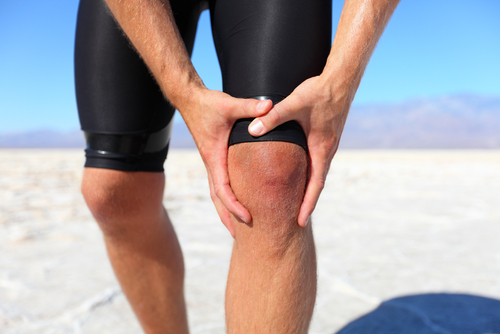
Cycling is relatively easy on your knees. There is no impact and you move the joint, keeping it in good condition. It is refuge for athletes that developed bad knees in other sports. That said, you still have to be careful with your knees and listen to them when cycling as knee pain causes can range from bike fit to previous issues.

knee pain causes

Preventative Knee Care

As always, avoiding injury is the best way to deal with any potential injuries. Despite the large load knees carry, they are fragile if used improperly. For starters, they only bend on one plane, and with a limited range. Try not to strain ligaments by twisting your knees or spending extended time at the limits of flexion or extension. Think of standing with knees locked or squatting like a baseball catcher giving signs before the pitcher delivers.

Second, they do not have very much insulation. When you are riding and it is fifty to sixty degrees Fahrenheit or below, cover them. You can cover them with knee warmers, leg warmers, or tights. You should also do a warmup before going into any big efforts to get maximal blood flow to warm your knees. Embrocation will not help; it only gives the illusion of feeling warm. It does this by irritating the skin and bringing blood to the surface. There is no temperature change at the crucial ligaments.

Bike fit is important to ensure knees track on the correct plane without any undue strain. There are many factors of bike fit that can impact knees – seat height, seat fore-aft position, sit bone support of the saddle, leg length discrepancy, cleat position, and cleat float. Small changes in these positions can influence how your knees feel while riding. The right position will put your body in the right position to produce power and keep your body in proper alignment.

Knee Pain Causes

Knee pain causes can strike a lot of people at different times. If you have chronic pain that makes riding unenjoyable, you need to figure out what is causing your pain. Craig Abrams, DC says, “Knee pain comes from hip and glute dysfunction until proven otherwise.” Think of the placement of the knees in body, and think of your body as a funnel. Any movement up above your knees will eventually have an effect on your knees and the biggest influencers are the large complex of bone and muscle at your hips and glutes. Bike fit and core strength are therefore the two biggest influences on knee pain while cycling.

Below are the easier problems to diagnose. If your pain continues after making the recommended adjustments, seek out a professional to examine your knee. Remember that you not only have to examine the pain at the immediate area of the knee, but also your overall fitness, core and otherwise, and also bike fit.

Pain on the Outside of the Knee

Pain on the outside of the knee is often the result of a saddle that is too high. It is the result of overextending the ligaments on the outside of the knee. The fix is easy; lower your saddle. Do it incrementally. Dramatic changes can result in other problems arising. Think about what caused the pain here. It is not the knee itself, but your hip position relative to your knee.

Pain on the Inside of the Knee

As you may have guessed, pain on the inside of the knee is often the result of a saddle that is too low. It requires more force from the complex of ligaments on the inside than they should be putting out, causing pain. The same applies from pain on the outside of the knee, but in reverse. Again, raise your saddle incrementally to control for any other issues that you may otherwise cause.

Pain on the Front of the Knee

Pain on the front of the knee is often tendonitis from doing too many or hard miles when your body is not prepared for them. The solution is dial back the volume and intensity until the pain subsides. Additionally, ride at lower force and higher cadence to reduce strain on the knee. The preventative measure is to gradually build to your fitness to get to a place where you can comfortably do big volume and intensity. Additionally, if your saddle is too low and/or too far forward, it can cause strain and thus pain at the front of the knee. Raise your saddle incrementally and also move it back if it’s too far forward. (See the Seat Setback section in How to Do a Proper Bike Fit)

Pain on the Back of the Knee

Pain behind the knee is often the result of your saddle being too high. This causes the back of your leg to have to over extend and when under pressure from trying to pedal, a lot of strain is placed up and down the back of your leg with the key pain point often being right behind the knee. Lower your saddle so you are not reaching for your pedals. Your legs should never be straight at the bottom of the pedal stroke.

Stay Away from Knee Pain Causes!

Knees are delicate and you should treat them accordingly. They do a huge amount of work that you may take for granted when they are healthy. If they suffer an injury, you will really know it. Preventative measures like regular stretching are best to stave off injury, but one day your knees may succumb. If they do, be prepared beforehand so you remedy the injury in the early stages.

Cycling And Brain Function – How It Helps

August 2, 2016 by Corey Davis

cycling and brain function

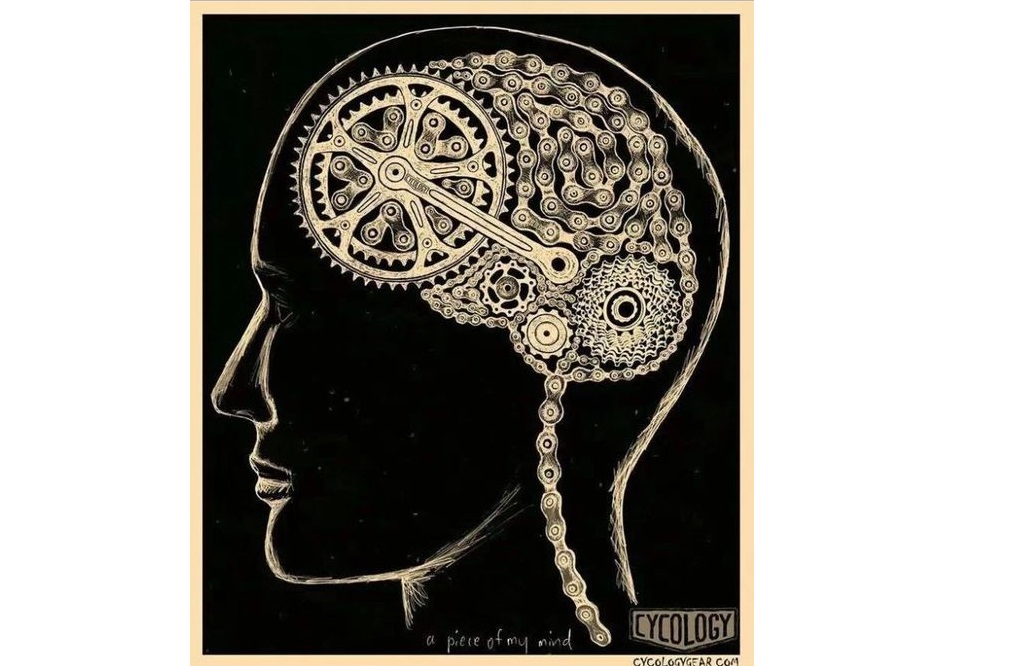
Bicycling regularly offers many physical health benefits, but did you know cycling and brain function are closely related. Exercise in general has many anti-aging benefits such as keeping the ability to quickly recall complex visual tasks along with the reduction of stress and anxiety. Is there a point where too much cycling can have a negative effect on the brain though? Much of this will be explained belowbut unfortunately there is a deficit of information on this subject due to a lack of funding and large pharmaceutical companies getting in the way.

More Than Physical Benefits

Cycling obviously increases your body’s cardiovascular and muscular systems but did you know it has a positive effect on your brain too? Research for cycling and brain function has indicated that people have been able to reduce or eliminate various amounts stress and anxiety through exercise. This in turn has helped individuals decrease the amount of medications they take for these problems which leads to a healthier overall lifestyle. The physical exertion and increased heart rate not only help the brain deal with complex task, but can help with long term memory. With exercise, the hippocampus also grows just like other muscles in an individuals body. This muscle is in charge of long term and spatial memory; in this instince, size really does matter.

Cycling and Brain Function – The Actual Science

How is cycling and brain function actually improved through exercise? “When you pedal, you also force more nerve cells to fire. As these neurons light up, they intensify the creation of proteins like brain-derived neurotropic factor (BDNF) and a compound called noggin, which promote the formation of new brain cells (Yeager 2014)”. Simply put, you are actually building your brain’s muscles, just like your leg muscles while cycling. During this process the body is releasing neurotransmitters as well which increases the brain speed to handle complex tasks. As you get older, these networks grow weaker but exercise helps to restore them.  Dr. Arthur Kramer, of the University of Illinois at Urbana-Champaign states “Our research finds that after only three months, people who exercised had the brain volume of those three years younger”. After cycling the brain releases endorphins and lowers cortisol levels, this is the “high” many endurance athletes experience after completing there workout.

More is Always Better, Or Is It?

So if normal daily cycling and brain function is increased considerably, Tour de France riders must be geniuses…not exactly.  Experiments have shown that more intense cycling, such as interval training or completing a century can actually decrease memory and information processing for the short term. “Too little and your brain doesn’t get what it needs to work optimally. Too much and your body has sapped the glucose and other resources it needs, so it’s hindered until it recovers.” Says Dr. Christie, Canadian neuroscientist. Finding the sweet spot can be tough to find and will be different for everyone but most of the time it ranges from 30-60 minutes. This is also a solid amount of time to enjoy the ride and improve your mood before starting to feel like you are doing actual work.

More Research Needed!

Research was being conducted in the 1970’s as attention deficit disorder was rising. Soon after, research declined, probably for a lack of funding due to large pharmaceutical companies. With such vast and enormous health benefits cycling can provide it may be difficult to convince companies to invest in research to learn more about the benefits cycling and brain function can have. What if cycling daily could prevent an individual from developing Parkinson’s or Alzheimer’sWould people look at how they spent there time differently? Maybe people would consider commuting to work or dedicating an hour a day to cycling. This iturn would not only help their individual health, but also help improve the impacts we have on the environment and encourage others to participate. In the meantime we will just have wait for more studies. But while you wait,enjoy the ride!

Reference:

Yeager, S. “How Cycling Makes You Smarter and Happier.” Bicycling. N.p., 2014. Web. 31 July 2016.

http://www.citylab.com/commute/2013/02/why-we-need-more-research-cycling-and-brain-science/4624/

http://www.bicycling.com/training/fitness/your-brain-bicycling

http://www.shape.com/fitness/cardio/brain-science-biking

http://www.bicycling.com/training/mental-health/your-brain-cycling

https://www.psychologytoday.com/blog/fulfillment-any-age/201207/bicycle-your-way-better-brain-health-0 

How To Improve Your Fitness Without Training More

August 1, 2016 by Josh Friedman

Achieving better fitness with a limited schedule can be difficult. To get stronger within your time constraints, you must be exacting in your methods of both training and recovery. This is the best way to make the most of your time and effort.

How To Improve Your Fitness Without Training More

Riding Hard

There is no sense in riding easy if you have only a few days per week to ride to improve your fitness. Three very hard days on the bike should get you passable fitness to get you through your local group rides. More than three very hard days on the bike could burn you out if you do not get a week of recovery every four weeks or so. A very hard day means blindingly hard, so hard that you probably want to quit, have tunnel vision or maybe even release your bowels in your chamois. If you have never tested this dark, dark place, now is the time to try it.

Specific IntervalsHow To Improve Your Fitness Without Training More

Set out with a plan of specific intervals for your extra hard days. This way you cannot cheat or have the power fall off by the end of the ride, or if you do cheat, you will know it was blatant. High intensity interval training has proven to be quite effective in increasing fitness with short workouts. Remember the last paragraph; you must be prepared to really slay it on the bike to make the most of these workouts. Start with small sessions once or twice a week and build up.

Sleep

Without sleep, all of your hard training, all of the hours you suffered on the bike are for nought. Sleep is when you make your real gains. It is when your body compensates for the training stress you put it through and adapts to the load. It is always incredibly important, but if you are burning the candle at both ends with work, family and other obligations on top of training, quality (and large quantities) of sleep will keep you afloat in all aspects of life and let you make fitness gains.

Nutrition

Again, with the focused approach that is necessary when you are short on hours, your nutrition needs to be completely dialed too. You will not be doing huge volume, so you do not need large quantities of food, but you need to make sure you are getting the highest quality food. Good nutrition will fuel your workouts to the best of your ability along with fueling proper recovery.

When you are pulled in many directions, it is easy to fall into a routine of quick and dirty food. If you want those fitness gains bad enough, you will need to figure out a way to get the best nutrition possible. It will make every pedal stroke that much better and mean that much more in the long run.

Drink lots of water (with electrolytes, not purified water, whether it is distilled or reverse osmosis) to keep your blood viscous and flowing. It will deliver nutrients to your muscles more freely and keep your heart’s work to a minimum.

Cross TrainingHow To Improve Your Fitness Without Training More

With limited time, sometimes a full training ride is difficult to squeeze in. On those days, cross training may be a quick way to maintain fitness that you are trying to hold onto or increase. If you can keep it cycling specific, whether it is in the weight room, skating or nordic skiing, that is great. If you have other activities that fit into your schedule, like running, that is fine too, although it will not have as much of a positive impact on your cycling musculature.

Recover Hard

Recovery should be happening whenever you are not training, although that is probably a stretch when you have a busy life. When you are recovering, do it full on. Get your feet up, keep hydrated, eat well and keep the external stress down. An additional recovery tactic is compression gear. You can wear it when you are at work under your normal work clothes.

Do it Full-on

If your time is limited and you want to make fitness gains, everything you do has to be full-on: your riding, your sleep, your nutrition and your recovery. Make it a routine that works and you will make the most of your time.

Alcohol And Training And Its Effects On Recovery

July 30, 2016 by Josh Friedman

alcohol and training

After a hard day on the bike, you feel like you can reward yourself with a beer (or three). You are a little dehydrated from the ride and a little hungry, although you feel great. What effect does alcohol and training have on your body? What does it do to your recovery? And how will it affect your ride the next day?

Alcohol and Training Basics

The cognitive effects of alcohol are well known to everyone: impairment of coordination, decision making and sensory perception. Beyond the cognitive effects, there are other effects that alter metabolism, muscle function, thermoregulation, cardiovascular function, and neurological function.

Metabolism

Alcoholic beverages have calories that your body uses for energy, but they also alter your metabolic processes. It impairs glycogen synthesis, blocking your muscles from their energy source. Insulin production increases, further inhibiting glycogen synthesis and storage.

Muscle Function

With less accessible glycogen, muscles have less available energy. Additionally, alcohol and cramping have a correlation although the exact mechanism is unclear, although dehydration associated with alcohol may play a role.

Thermoregulation

Alcohol is a diuretic, forcing the body to urinate out excess fluid. It is also a vasodilator, leading to increased fluid loss through evaporation. A night of drinking is usually a sweaty night. Less fluid leads to increased cardiovascular effort and decreased evaporative cooling. This leads to an elevated core temperature.

Cardiovascular Function

The dehydration leads to lower blood volume, higher viscosity, and more effort for the heart. This leads to less efficient delivery of oxygen to the muscular system and decreased performance ensues.

Neurological Function

Alcohol is a depressant, leading to slower cognitive ability. It impairs absorption of B vitamins, which are critical to neurological function, along with zinc, which is critical to immune support. It also impairs sleep quality, a critical time for the body to repair itself.

Performance Effects of Alcohol

Small amounts of alcohol have limited affect on aerobic performance. Over the threshold results in a more dramatic decrease in aerobic performance. In an endurance sport like cycling, any small loss of aerobic performance leads to big losses out on the road.

Larger performance losses occur through inhibiting the regular thermoregulatory processes. A higher core temperature leads to greater loss of fluids through sweating. Less available blood volume because of sweating causes higher cardiac stress and effort. This results in decreased efficiency due to less oxygen getting to the muscles and higher energy requirements to keep the blood flowing.

Lower available glycogen means less energy for the muscles. This leads to less time to exhaustion and when you do ingest more carbohydrates, the synthesis to usable adenosine triphosphate, or ATP, the fuel for your muscles is inhibited.

Recovery Effects of Alcohol

The biggest recovery effects of alcohol and training are through disturbed sleep. Limiting sleep limits the time that your body can repair itself and perform important brain functions. When you sleep, your body produces human growth hormone (HGH), a powerful chemical that promotes cell growth and regeneration. Without HGH, your body would begin to fall apart because no repair processes would occur.

All of the effects of alcohol on performance also come into play for recovery. Your body is not working optimally, leading to diminished performance in all of the body systems – dehydration, compromised delivery of glycogen, an overtaxed cardiovascular system all lead to poor recovery.

This leads into training the next day. A hangover still exhibits symptoms of your body working sub-optimally. Your body is still recovering from the effects of you essentially poisoning it. One night of five drinks can lead to three days of recovery for your body from the drinking.

You Are Human

Humans drink alcohol; it can be social, it can be for the taste. Consider the effects of alcohol and training and what effects it will have on you and your riding goals. Remember that unless you are on the razor’s edge of cycling performance, an alcoholic drink will not make or break your season. Go enjoy yourself, but not too much. Your riding requires it. You enjoy that too.

Pedal Away The Pounds E-Book – Just Released

July 17, 2016 by Adam Farabaugh

facebook

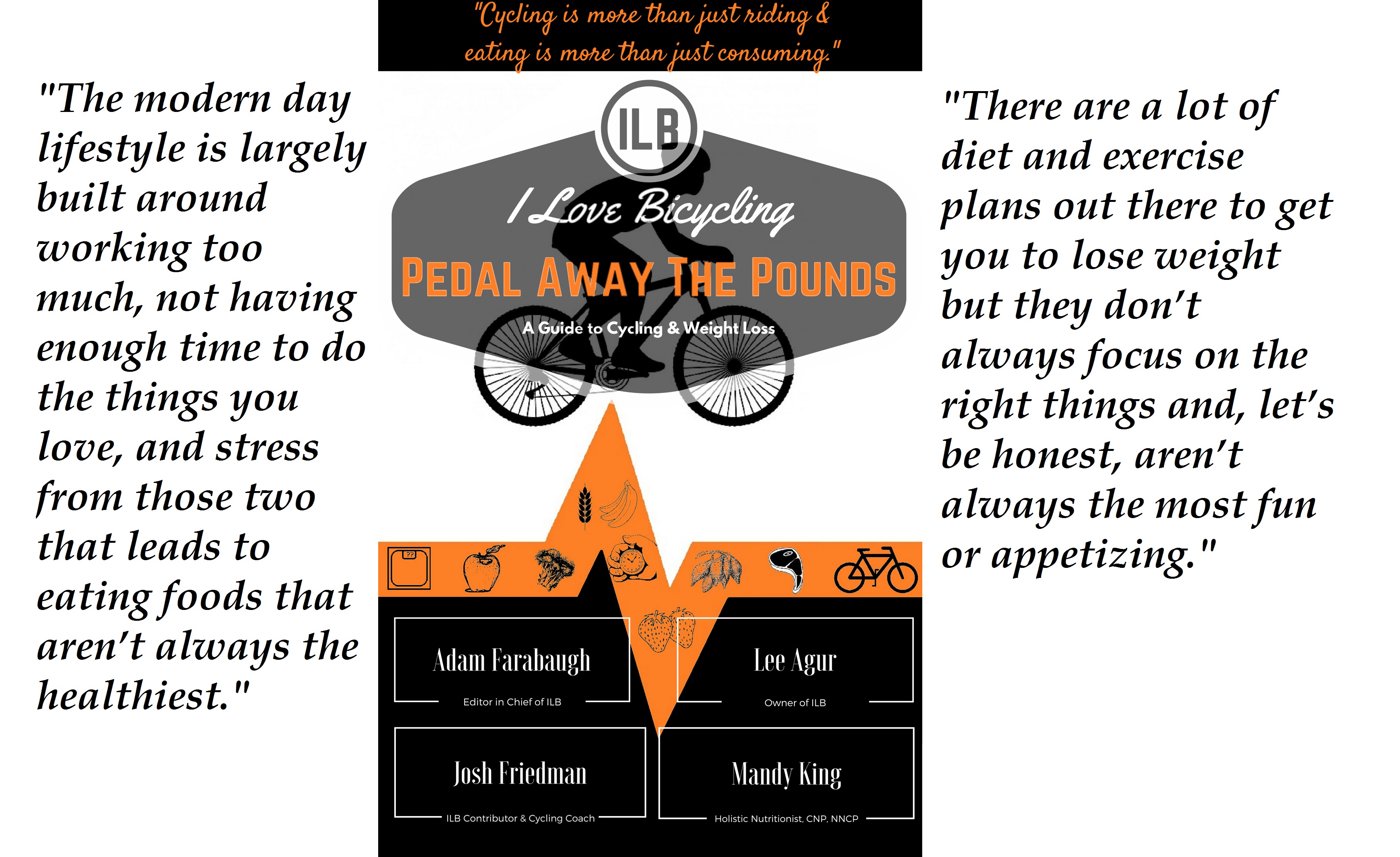
The modern day lifestyle is largely built around working too much, not having enough time to do the things you love, and stress from those two that leads to eating foods that aren’t always the healthiest. All of this on top of not exercising as much is just about the perfect recipe for being heavier than you otherwise would like to be.

There are a lot of diet and exercise plans out there to get you to lose weight but they don’t always focus on the right things and, let’s be honest, aren’t always the most fun or appetizing. The key to losing weight and keeping it off is to do it in a way that is fun, manageable, as well as tasty. This approach then isn’t something you just do for a period of time and go back to what you were doing originally. It is an approach that creates a healthy, balanced lifestyle that leaves you feeling great, doing the things you love, with the body you want.

Riding a bike is one of the best ways to increase your activity level and lose weight for a number of reasons:

  • It is soft on your joints (a potential issue if you’re carrying a few extra pounds).
  • Gets your heart rate up.
  • Can promote muscle growth.
  • Overall is just fun to do because you’re traveling at speed covering more ground exploring more places.
  • Additionally, it is also something you can easily do with others which has even more benefits.

Combining the benefits of riding a bike with eating the right foods at the right time will give you the body you want as being active and eating certain types of foods was what nature intended and have you ever seen a fat wild animal?

In our Pedal Away The Pounds – A Guide to Cycling & Weight Loss E-Book we will give you the tools you need to first ride a bike whether you’re a first timer or have ridden before on a regular basis.We will then get into the basics of food and why you should know what things are and how your body reacts to them. Following this is a detailed look at exactly what we should be eating and how to prepare it as well as shop for it. Then we get into what to eat surrounding your ride because you can’t exactly have a full-course meal while out on a ride. This then leads us into alternative ways of eating and why they are good or bad. Summing up the book is then a chapter on the little things that contribute to your weight; things like sleep and addiction. Accompanying this book is also an 8-week training plan to get you rolling on the bike and burning more calories.

We hope you embrace our approach to weight loss and that it’s not just something you do for a set period of time but rather as a way to adjust your lifestyle permanently toward that of a healthy, enjoyable, productive lifestyle.

Where to Buy The Pedal Away The Pounds E-Book

Buy Button Image

33% Off The Cover Price Discount Code

Used discount code: startnow (all lowercase, all one word) to save 33% off the cover price of Pedal Away The Pounds through Sunday, July 24th.

« Previous Page
Next Page »
  • Facebook
  • Tumblr
  • Twitter

Latest Articles

JOIN Cycling: A New Training Platform for Cyclists

May 27, 2024 By Eric Lister

cold exposure

The Benefits of Cold Exposure for Cycling & Life

June 13, 2023 By Eric Lister

hill climb

The Ultimate Hill Climb Training Guide

May 31, 2023 By Eric Lister

shoulder pain cycling

How to Treat & Avoid Shoulder Pain While Cycling

April 12, 2023 By Eric Lister

psoas stretch

The Importance of the Psoas Stretch for Cyclists

April 6, 2023 By Eric Lister

cycling neck pain

The Ultimate Guide to Cycling Neck Pain: Causes and Solutions

March 21, 2023 By Eric Lister

Useful Info

  • Contact
  • Finally, A Global Cycling Club That Is Focused On Community And Love Of Cycling!
  • Privacy Policy
  • Share Your Story!
  • Terms And Conditions Of Use
  • Welcome to I Love Bicycling
  • What Happened When I Stretched Every Day For a Month

Recent Posts

  • JOIN Cycling: A New Training Platform for Cyclists
  • How to Hang Bikes in Your Garage: 4 Inexpensive Options
  • Gravel Bike Vs. Road Bike: Which One Is Better For You?
  • The 6 Types of Mountain Bikes & How to Choose the Best One for You
  • What Is a Touring Bike Good For? 5 Benefits We Know You’ll Love

Search I Love Bicycling

Connect with Us

  • Facebook
  • RSS
  • Tumblr
  • Twitter

Copyright © 2026 · Magazine Pro Theme on Genesis Framework · WordPress · Log in