• Training
    • Injury Prevention
    • Training Tips
  • How To
    • Bike Fit
    • Gear
  • Nutrition
    • Nutrition Tips
    • Weight Loss
  • Repair
  • Reviews
  • Stories
    • Funny Stories
    • Jokes
    • Quotes
    • Videos
    • Funny Videos

I Love Bicycling

I Love Bicycling is a website that is geared towards cycling for beginners with road cycling tips, training articles, nutrition tips, weight loss, how to’s and bike repair articles.

Training

  • Injury Prevention
  • Training Tips
  • Training Camps

Don’t Get Dropped! The Importance of Aerobic Threshold Training

April 17, 2017 by Jem Arnold

Don't Get Dropped Aerobic Threshold

It never feels good to get dropped. The 1, 2, or 3-minute high intensity efforts always feel the hardest as you’re stomping up a climb, or trying to follow the wheel of an attack. But the issue might be more with the 10, 20, or 30-minutes before you got dropped if you were riding too far above your Aerobic threshold. The counter-intuitive answer to being able to ride harder, can sometimes be to ride easier.


Balancing Energy Systems

We’re not talking Functional Threshold Power (FTP) here, but a similar threshold at lower intensity that is arguably just as important. Training terms can be confusingly similar.

Your Aerobic Threshold is the highest point at which you’re primarily using your aerobic energy system. It uses Oxygen to generate power without accumulating any lactate byproduct that results in rapid fatigue. Most riding depends on Aerobic Metabolism for low intensity, long duration power. You should feel like you can sustain the workload for a few hours.

Higher intensity efforts such as short punchey climbs, sprints, and attacks require ANaerobic metabolism: high intensity, short duration power above your aerobic threshold. ANaerobic metabolism fatigues quickly and needs to recover before repeated efforts. You can think of your anaerobic energy system as a battery that only has a few minutes of explosive energy contained within it. The battery drains as you ride above your aerobic threshold, and replenishes as you ride below your aerobic threshold.

The threshold between these two metabolic energy systems doesn’t act like a light switch, either on or off. Instead both energy systems work in coordination to meet the required power output at any given moment. So although you’ll always be using some amount of anaerobic energy, if you can ride under your aerobic threshold, you’ll be able to save your anaerobic energy reserves for high intensity efforts when they are required.  
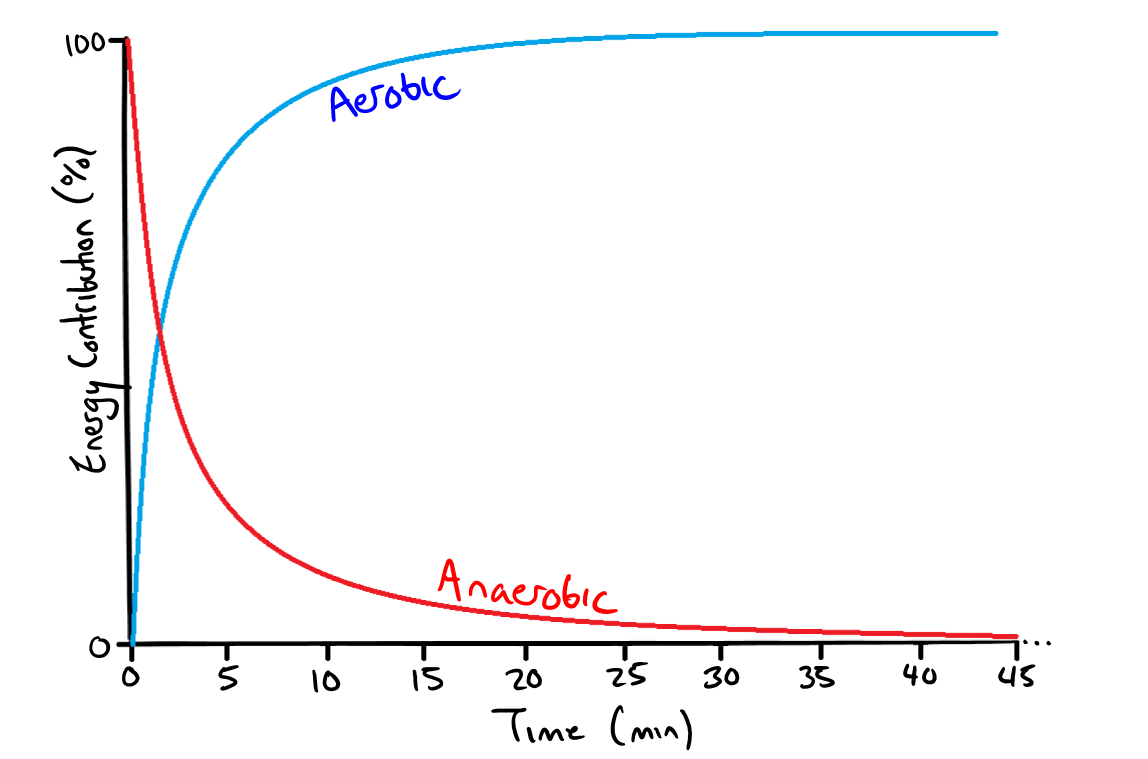
Relative contribution of each energy system to power output over a given duration


If the pace of the group is above your aerobic threshold, you’ll need to recruit more and more anaerobic energy just to keep up. You might be able to keep in touch with the group for a while, until someone attacks or you hit a climb. Then you’ll try to reach deeper into your anaerobic reserves, which will have been slowly depleting over time. You’ll feel like you’re dead in the water as you search for power that your legs just don’t have!

The true limiter to performance during a race is often your aerobic endurance

The limitation isn’t your high intensity power; it’s actually how well you are able to conserve energy and recover between the high intensity efforts. So it’s the attacks, short punchey climbs, and other high intensity efforts where you feel the lack of fitness, but the true limiter to performance during a race is more often your aerobic endurance.


Aerobic Threshold Training

  • Find your Aerobic Threshold – the maximum pace which you can sustain using primarily your aerobic metabolism. This will be a moderate pace that just begins to feel uncomfortable, but that you can sustain for hours at a time. This should be around 4-6/10 on a scale of perceived exertion, or around 75% of your max heart rate (HRmax).
  • An easy way to determine this using heart rate is to go for a steady ride of at least 30 minutes at moderate intensity. Aim for around 5/10 relative effort, or 75% HRmax (pick up an HRM here). Observe when you just start to breath heavily above resting respiration rate and when your HR plateaus. This will indicate your approximate aerobic threshold.
  • This informal test only provides an estimation of your aerobic metabolism. Your target aerobic threshold can change considerably day to day. Don’t be concerned if one day it feels way too high to maintain, but also be sure to enjoy the days where you float on the pedals and can seemingly ride forever well above your threshold! You can test aerobic threshold with greater precision by having individual physiological testing done in a lab setting (which will be discussed in a future article!).
  • Knowing your aerobic threshold, you can train to ride for longer periods of time just under this threshold without dipping into anaerobic stores. At least 2 hours is ideal, but improvements can be gained even with rides shorter than an hour. Pros with far too much time to train will regularly ride at this steady intensity for 4-6 hours to further develop their aerobic metabolism.
  • Note: if you only have an hour or less to train, that doesn’t mean you have to ride at a higher intensity to make up for less volume. Riding above your aerobic threshold will start to use anaerobic metabolism and actually provide less training benefit to your aerobic system. Unless you have intervals or another workout prescribed for that day, you can still benefit from riding below your aerobic threshold for shorter durations.
  • If you are already doing interval training and have extra time, add a sustained period (10-20+ minutes) of this aerobic threshold training before and/or after the interval workout, to further develop your fatigue resistance and stamina at this moderate workload.


Set your Sights on the Long Term

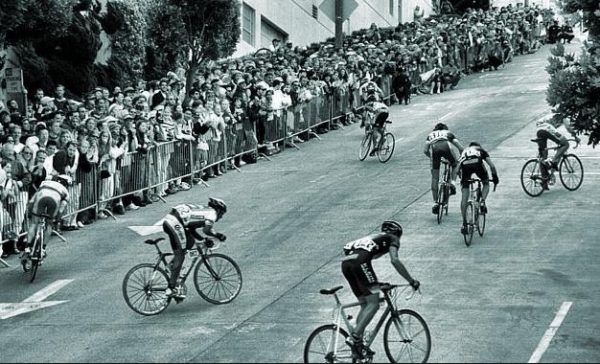
It can feel counter-intuitive to focus more on your lower intensity aerobic endurance if you’re getting dropped by high intensity anaerobic efforts. However cycling is an endurance sport, and performance depends on endurance fitness and aerobic metabolism. Aerobic threshold is just as important as lactate threshold (FTP). Improving your aerobic fitness is a long-term project and can initially feel slow, but when training adaptations begin to accumulate, the payoff is that you’ll have more energy left to win the sign-post sprint, attack the climb, or spend more time at the front working for your teammates!
Increase Your Cadence and Climb Efficiently

April 11, 2017 by Andrew Funamoto

Climbing 1,000,000 Feet in 2017

It is our pleasure to introduce to our readers a climbing specialist and new contributor, Travis Streb. Travis is a Vancouver-based cyclist who lives at the base of one of the most daunting climbs in British Columbia. 12km at an average gradient of 8 percent serves as an excellent backyard playground but it also taught him how to climb efficiently. 
Climb A Lot, Climb Efficiently

Travis has pledged to climb over 1,000,000 feet to help raise awareness for pancreatic cancer. His cycling club, Glotman Simpson Cycling, has raised over $2,000,000 for pancreatic cancer research to date, and is preparing for it’s 10th year of running the Cypress Challenge. Travis has decided to one-up us all. Suffice to say, he knows a thing or two about climbing.

Throughout the year, Travis will keep us updated on his progress, and contribute his tips to becoming a better climber.

Travis Says: Climb at the Right Cadence

“Climbing on a bike can be a ton of fun and it’s a great way to get a boost to your fitness. The problem is that too many cyclists end up mashing their gears and riding at a very low (and inefficient) cadence. In the first part of this climbing series, we’re talking about climbing at the right cadence and how your gearing (especially your rear cassette) can help you achieve this.”

Three Climbing Tips to Take Away

  • Spin at a high cadence (keep track of it with a cadence sensor):
    • 70-90 RPM
  • Find the right gearing:
    • Make sure you have an 11-28 or 11-32 rear cassette
  • Climb a lot!

How Functional Mobility Will Make You Faster

April 3, 2017 by Andrew Funamoto

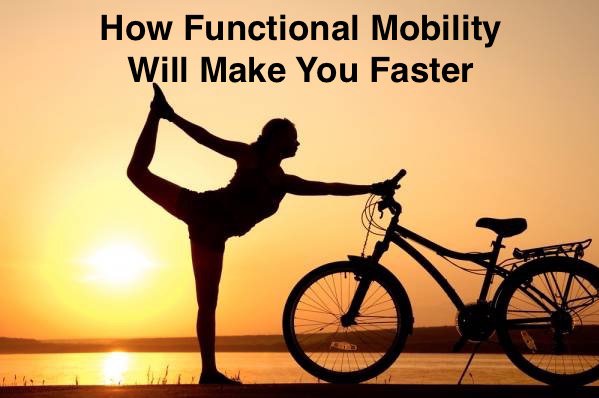
How Functional Mobility Will Make You FasterAnother season begins, the snow melts, and the flowers bloom. The giddiness and excitement of your new bike overwhelms you and you’re putting a ton of kilometers in the bank. Your quadriceps are sore, your hamstrings are tight, your hips begin to seize. This is all part of getting faster, right? Wrong. Speed and strength does not have to come at the expense of mobility.

Due to the repetitive nature of the pedal stroke, cycling puts us in a particularly vulnerable situation. We spend hours hunched over the bars, spinning our legs at 100 revolutions per minute. The impact is low, but over time the muscular imbalances take a toll. Adding mobility and stability off the bike will bring your riding to the next level.

Stretching

We’ve heard it a thousand times: “Stretch!” But before you stretch, there are a few things to understand before you go whole hog and start lunging in the car park before the Saturday club ride.

Pre-Ride Stretching

Dynamic Stretching is the best way to get your body prepped for the rigors of your ride. While static stretching has been shown to negatively impact speed and power, dynamic stretching will get blood to your muscles, and mobility in your joints. Get a few of these dynamic stretches in before you down your coffee and crumpets.

Throughout the Ride

It’s still early in the season (remember?) and you’re barely hanging on late in your club ride, and your shoulder, neck and back are acting up. Take the time to move around a bit. Stretch your neck, roll your shoulders and move your back. Cramping or feel a twinge in your calf? Skip a few turns in the rotation in order to take a minute to stretch those tight muscles.

Post Ride Stretching

You made it home, had your shower and post ride nutrition. Time to take a few minutes to reset your muscles. Have a look at ILB contributor Jem’s post ride routine. Post-activity stretching has been shown to reduce Delayed Onset Muscular Soreness (DOMS), increase rates of recovery and improve range of motion in your joints. While there is some debate as to how long you should stretch, anywhere between 15-30 seconds will yield the desired results. There is no debate, however, as to how deep you should stretch: Make sure you are only stretching as deep as it feels comfortable. Any signs of pain, pinching or discomfort signals that it is time to back off a tad. Stretching longer than 60 seconds, or deeper than comfortable is more than likely causing unnecessary trauma.

Mobility & Yoga

Yoga is trendy, but the activity has been around for thousands of years (in comparison, the bicycle is about 200 years old). Yoga provides focus to both static and dynamic stretching, and always adds a component of movement to the practice. The nature of the sport and the position on a bike renders basic balance and maintenance a challenge. As time and intensity on the bike increases, certain muscles are worked to exhaustion, while others become dormant and atrophy. With a very limited range of motion of the legs, and a virtually static upper body, finding movement in other directions, off the bike, is vital to longevity. If yoga isn’t your thing, adding some basic functional stability workouts will help. While yoga stresses mobility and flexibility, functional strength training stresses strength and stability– Both have their place in a monthly cycling training plan. An hour or two a month dedicated to mobility will help you in a few key areas.

Flexibility

80 percent of your aerodynamic drag is caused by your position on the bike (sadly, the $10,000 aero bike will only help you 20% of the way. Imagine how fast you would be if you invested $10,000 in your position and coaching?). Adding a few yoga practices to your training plan will slowly improve your position and gift you a handful of free watts. Wind tunnel testing suggests that a position change can improve your aerodynamic drag by well over 20%. That might be the difference of being able to ride with the A group instead of the B group!

Stability

Yoga and functional strength training will frequently introduce movement in directions other than forward and backward. Forcing you to engage your core and stabilizer muscles will improve bike handling and stability on the bike. The changes are subtle, but feeling more confident into corners, descending and staying in an aerodynamic position when on the front of your club ride are not to be ignored.

Discovering Injuries

Adding a few days of strength and mobility may also reveal weaknesses and muscle imbalances that you didn’t realize you had. Did a certain yoga practice relieve some chronic back pain? Maybe side lunges will suddenly ease knee pain that you recently discovered.

It should be noted that certain types of yoga can be pretty tough on your muscles. A rigorous Vinyasa or a slow, deep stretch Yin class can have your legs feeling pretty slow on the bike the next day. Plan an easy ride for a day after yoga. Taking the time to assess your body off the bike will give you an added boost in confidence and self awareness.

Fascial Therapy

Get on the roller. If you haven’t heard a friend say this, get some new ones. The foam roller is your new best friend. Fascial tissue has been neglected for a long time, and is only making it to the mainstream in recent years.

What is Fascial Tissue

There is a lot of current research on fascial tissue, but it used to be regarded as the sack of tissue that keeps all of your muscles and organs in place. The new understanding of fascia suggests that the membrane act like a coil providing direction, stability and recovery to muscle tissues. Neglecting this vital tissue may be hurting your performance on the bike. A number of recent studies show that fascial release (like getting on a foam roller) reduces injury and increases function of the muscles. When we do exercise, we create scar tissue– Massaging your legs with a foam roller will release built up scar tissue and allow the fascia to realign itself and function more efficiently.

Let’s be honest, we aren’t professional cyclists even if we have a soigneur at home. We are weekend warriors, and have very little time outside of family, and work obligations — But maybe a bit of cross training will pay more dividends than you expect.

Postlude

I come from a background in (American) football. When I started cycling, I came into the sport carrying all of the baggage from football (both physical mass and methodology for training). There was very little focus on mobility and flexibility. In the off season we had a rigorous training plan that included 4 heavy lifting days, interlaced with 2-3 practices per week. The workouts were not functional, and were focused on building a lot of mass. In any case, over the course of my career, I naively assumed that mobility and flexibility would ultimately come at the expense of strength– The reality is just the opposite. Working on mobility, flexibility and stability will only improve your functional performance. 5 years removed from contact sports, I am now clearly seeing the benefits of introducing strength training and yoga throughout the season. I’m getting faster and stronger while simultaneously becoming more stable and much more mobile.
Battling the Holiday Weight Gain with Cycling

December 29, 2016 by Josh Friedman

holiday weight gain

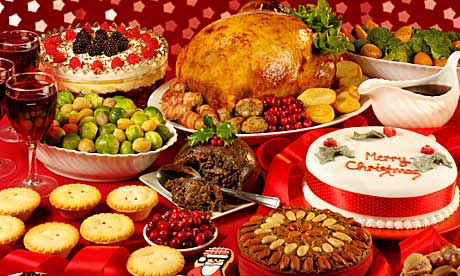
The end of the year is a time of revelry, and with that revelry comes indulgence and over-consumption. The weather is turning for the worst too making riding a bit more difficult because of condition and not wanting to suffer through bad weather. Devising some tactics to deal with holiday weight gain can keep you happier and healthier along with maintaining your fitness through this season that is fun and fraught at the same time.

Indulgence and Holiday Weight Gain

There are sweets at work. There is alcohol at the party. There is a feast at your family’s house. It is hard to handle all the indulgence. Find some strategies that work for you to enjoy yourself but also to keep holiday weight gain to a minimum.

  • It is okay to have treats and delicious food. Make sure whatever you are consuming is really worth it and increases your enjoyment of the moment.
  • Before going into a situation, set limits for yourself. An open ended commitment to eating and drinking will not end well.
  • Be honest with yourself when you are full or you have had enough to drink.
  • If there are a lot of options, take small portions so you can get a taste of everything you might enjoy. Then you can make a decision about what you really like and go back for more (if you are not violating the previous point).
  • There is no obligation to force feed yourself. Remember that peer and societal pressure is a thing, even when you are an adult and make a conscious decision to ignore the pressure.
  • Choose to fill up on the healthier options on offer – vegetables, fruit and other non-processed and less calorie-dense foods. It will make you feel fuller without dropping a calorie bomb in your gut.
  • Hydration levels affect your perception of satiety. Make sure you are well hydrated while partying the month away. An additional bonus to good hydration is that it will help you cope better with alcohol in your system.

The Bottom Line

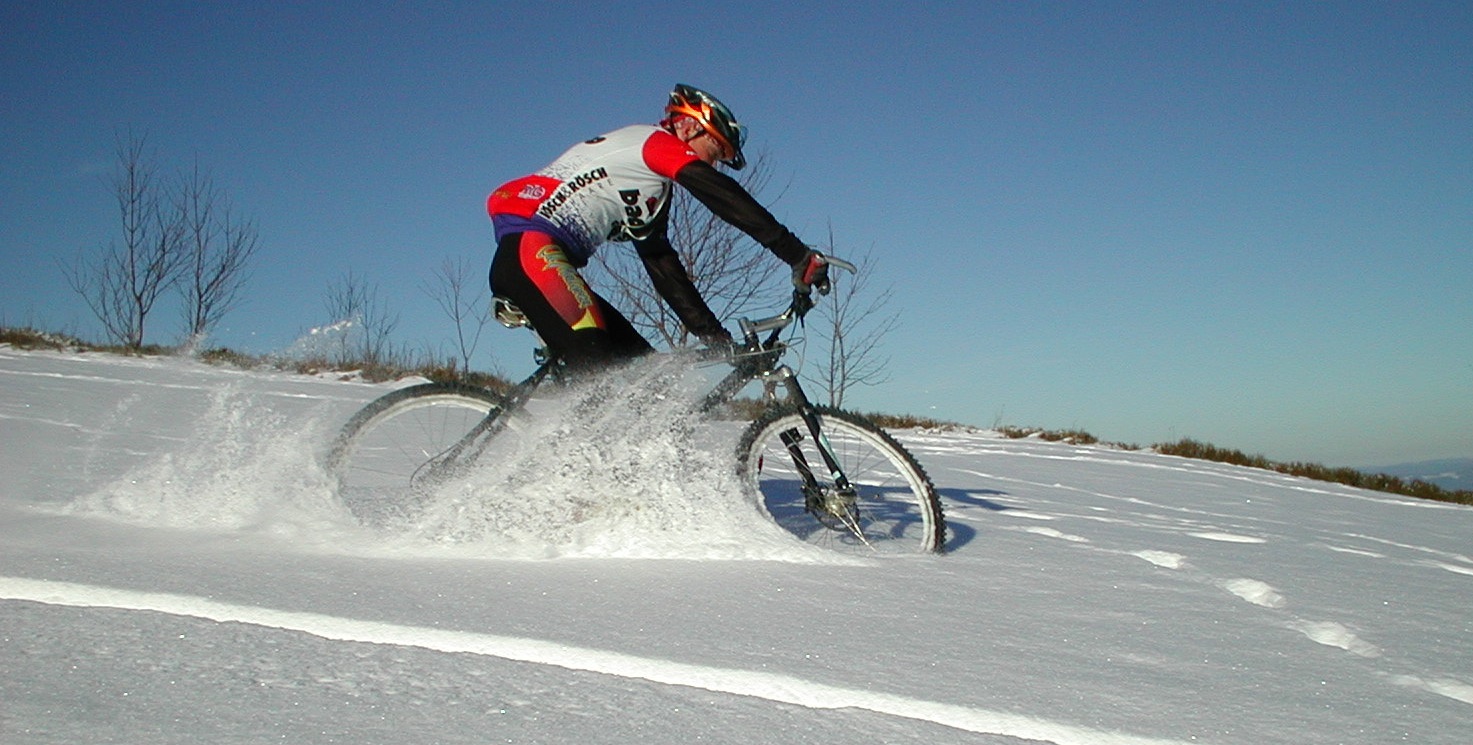
The bottom line to battle holiday weight gain is to keep pedaling or staying active in some way. If you are already riding regularly, find a way that you can continue even as the daylight fades, temperatures drop and precipitation increases. A good set of lights might help to keep you on the road in the dark; nothing beats them to see or be seen. All the high visibility colors and reflectors do nothing compared to active illumination.

When the weather is sure to make you uncomfortable, set up a space indoors that you can ride in on a trainer or rollers that will keep you motivated. You will need a fan and some sort of entertainment. Staring at the wall or your bike computer the whole time sets you up for failure. Music, movies and friends make the time go by much faster.

Prepare a manageable schedule for yourself that you can stick to for your rides. A commitment will keep you on the bike and keep the holiday weight gain at bay. The more you ride, the more you can indulge, within reason of course. If you are lucky enough to have a schedule that allows you to ride more than usual at this time of year, the easier it is to burn off those treats. But beware – those treats do not provide optimal fuel for training.

Other Activity

The winter is also a great time to throw in some other activities to your exercise program to stave off holiday weight gain. Find something that is interesting to you that you may not get to do when it is nice out and you are more committed to riding. Again, make a regular schedule so you can stay fit and keep burning those extra calories you may be eating. The activity could also be a nice mental break from all of the riding; when you come back to riding, it will be fresh and exciting again.

You Already Know

You are already aware of what the end of the year can do to your body. It is hard to handle the indulgence and holiday weight gain if you do not have a plan. Make a plan and try to stick to it. You will be even more committed to the plan if you write it down and tell others about it – this works for anything. This will lead to a happier and healthier season, and that is what it is all about, right?

Holiday Cycling and Eating Your Cookies Too!

December 24, 2016 by Emma Lujan

 cookies
The holiday season brings family and friends together over meals and as cyclists we love to indulge in copious amounts of food, and treat ourselves to some (or lots) of festive drinks.  However with all the rum and eggnog, and mashed potatoes and gravy it is all to easy to pack on some unwanted weight in a short amount of time.  It is important to maintain some holiday cycling so you can treat yourself to your family’s traditions, but there are some ways to help make sure you aren’t overzealous and end up with a muffin top heading into the new year!

Holiday Cycling Plan

It can be easy to let your fitness and exercise regime go by the wayside when company arrives and you have to organize dinners and events.  However there are some tips to help you maintain some of you cycling fitness over the holidays.

OLYMPUS DIGITAL CAMERA

Try to get in 30-60 minutes of activity each day.  This will keep your body used to the exercise stimulus.

Set your bike up on the trainer  downstairs or in a garage where it won’t bother your family and watch an episode of a show, or the news each morning.  That way your holiday cycling is done for the day while everyone else is slowly rising and you can spend the remainder of the day visiting with the family.

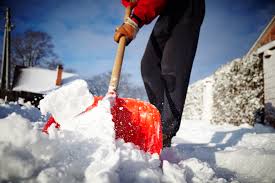
Shoveling snow is a great strength workout and good for the upper body and core.  Offer to shovel your street for your neighbors as well!  They will appreciate it and you will get in a strength workout.

index

Go to the Gym.  Hitting the gym is a convenient way to maintain fitness as well as bond with family members.  Go as a group and get your sweat on together so you can enjoy the turkey later.

Head out for an outdoor ride or commute to satisfy your holiday cycling.  If your town isn’t too covered in snow, it is a good option to commute for errands to maintain some cycling fitness.

Holiday Eating

Everything in moderation is usually the way to go at all times of the year, so keep it going through the holidays.  Treat yourself to that piece of pie, a beer and butter and gravy on your potatoes.  You deserve to participate in your family’s feast and not to feel guilty while doing it.

index

Avoid going for seconds.  Most often loading up the plate multiple times is the pitfall for weight gain.

Enjoy the desserts and rich drinks, but these are calorie dense so bare that in mind when going for drink 4.

santa_drum_405x400px

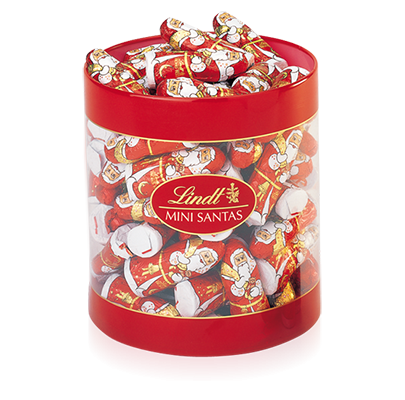
Eat and drink slowly.  This will fill you up, and allow you to properly taste and digest the food.

Enjoy it!  Don’t feel guilty, food is good for you and ultimately will be used for your holiday cycling fuel.

Try to relax and enjoy the holidays. Do not stress if you miss and training ride, or have one too many drinks.  Try to maintain some holiday cycling, and that way you can enjoy all of the delicious treats that come with this festive time of year!

50 Of The Best Cycling Gifts

December 18, 2016 by Emma Lujan

cycling-gifts-2

This cycling gifts article was a collaborative effort from our writers Emma Lujan, Josh Friedman, Bria Edwards, and Adam Farabaugh, all of which have diverse backgrounds in cycling. These gifts are a combination of things we have and love, things we have used or played around with in the past, or just things that we think would make for an awesome cycling gift. We hope you enjoy the holidays! -The I Love Bicycling Team 

You don’t need to spend exorbitant amounts of money or time on cycling gifts for your bike riding friends and family members this holiday season.  These cycling gifts are sure to have an “Oh Wow! This is Awesome!” response when someone opens one. We hope you enjoy our curated cycling gifts list as well as the people receiving them!

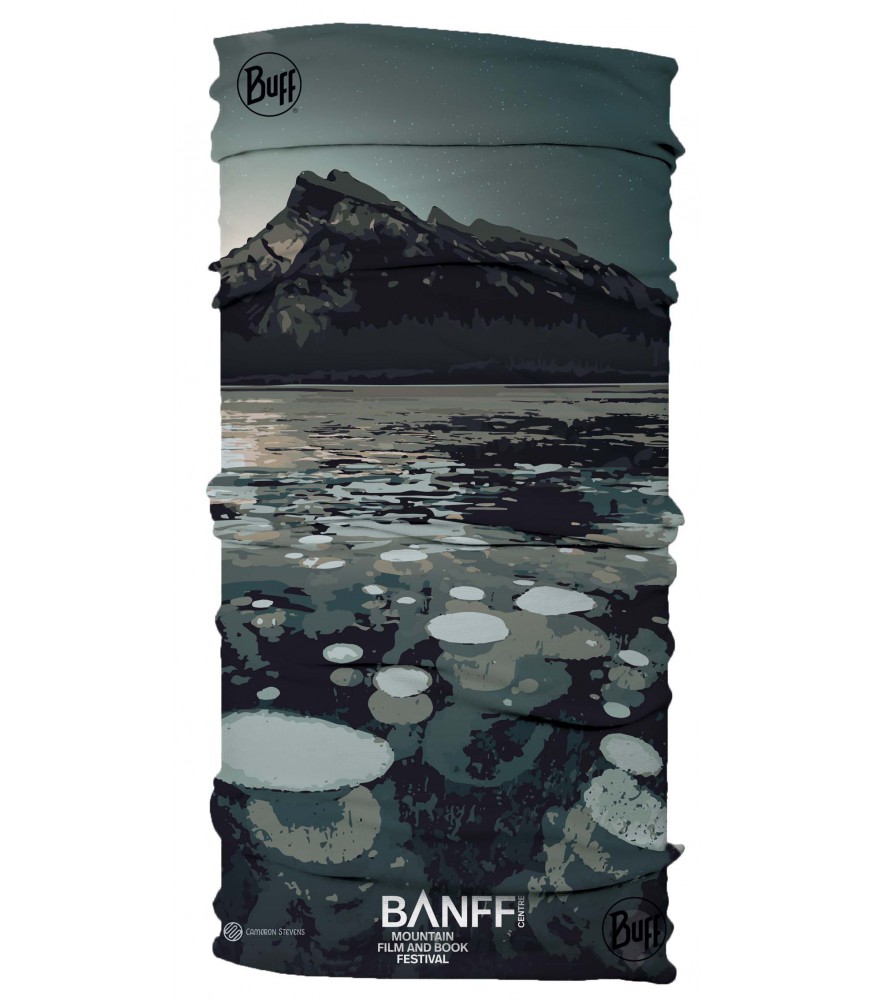
1.Buff A Canadian brand that makes buffs (or neck tubes) which can transform and serve as a helmet liner, neck warmer, bandana or head band.  They come in merino wool, varying thickness, and tons of designs.

buff


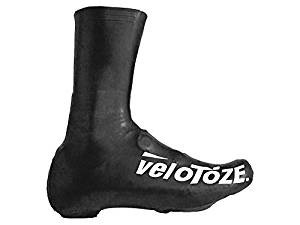
2. VeloToze.  A great stocking stuffer, these booties are super aerodynamic and come in lots of colors.

velotoze


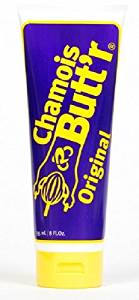
3. Chamois Butt’r. Chamois Butt’r is a gift that is always appreciated!  And great to fill up the stocking.

chamoi-butter


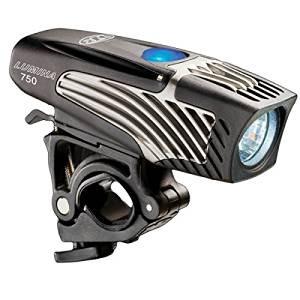
4. Night Rider Lumina 750 bike light.  At 750 lumens this handlebar mount light that provides a huge wide ray for nighttime mountain biking, or road riding.

index


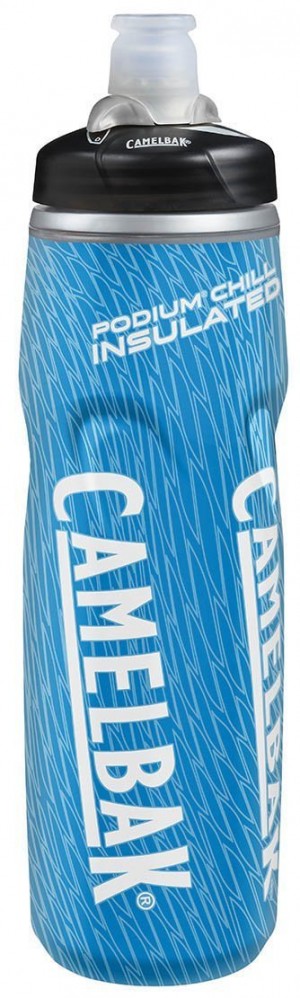
5. CamelBak insulated water bottle. These bottles will keep your water ice cold, and have an easy to open and close lid.

61hqrhf-1el-_sl1111_


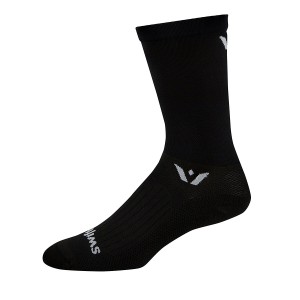
6. SwiftWick Cycling Socks.  These socks come in varying lengths, colors and offer a snug fit and help with feet swelling in hot conditions.

81szxgewsil-_sl1500_


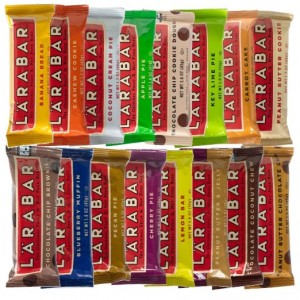
7. Lara Bars.  Keep your cycling friend well fueled!  Any cyclist will be happy to receive ride food.

71ffzyo9stl-_sx522_


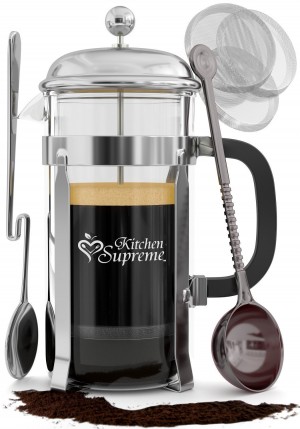
8. French Coffee Press.  Most cyclists love their coffee, and love to make their own!  French Presses are an affordable coffee machine, and easy to use.

71q1smwn8ml-_sl1500_


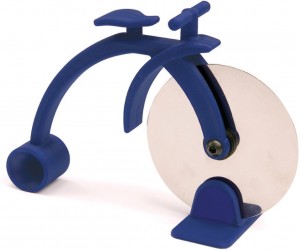
9. Park Tool Pizza Cutter.

61uyobk7hil-_sl1181_


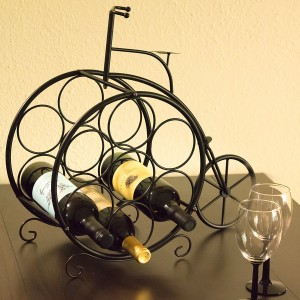
10. Wine Bottle Holder

a1lchuoxu6l-_sl1500_


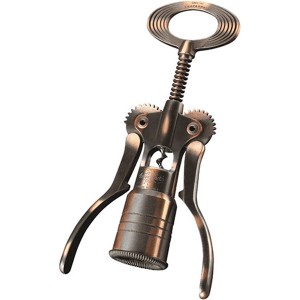
11. Campagnolo Corkscrew.  This is a perfect gift for any cyclist wine-lover in your household.

61ndjkzg9al-_sl1200_


12. Strava Premium Membership.  Get your cycling friends motivated to head outside and chase some KOMs this new year.

strava


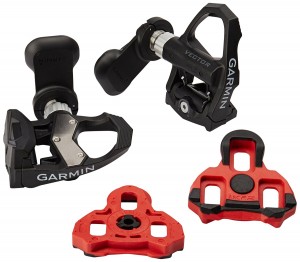
13. Garmin 2S Vector Power meter Pedals.

This power meter will fit on any bicycle, and provides power from both sides to see left/right power discrepancies.

81oye3-zqul-_sl1500_


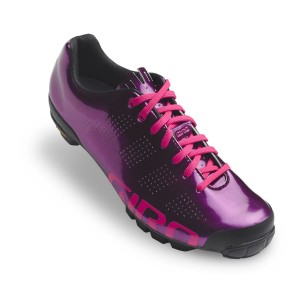
14. Giro Empire ACC mountain bike shoes.  These beautiful shoes will make any lady cyclist excited to head outside on her cross or mountain bike!

61varjtxbnl-_sl1200_


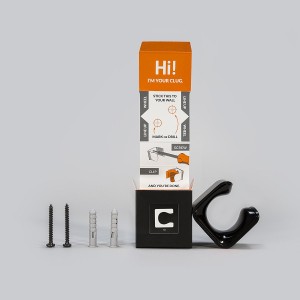
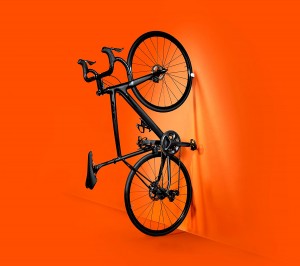
15. Clug Bike Clip. These bike clips are super versatile and make storing your bicycle easy, and keeps things neat and tidy.  They can be hung on the wall vertically, or in the corner attached to the ground.

81j6itauqql-_sl1500_8176sbjzv8l-_sl1500_

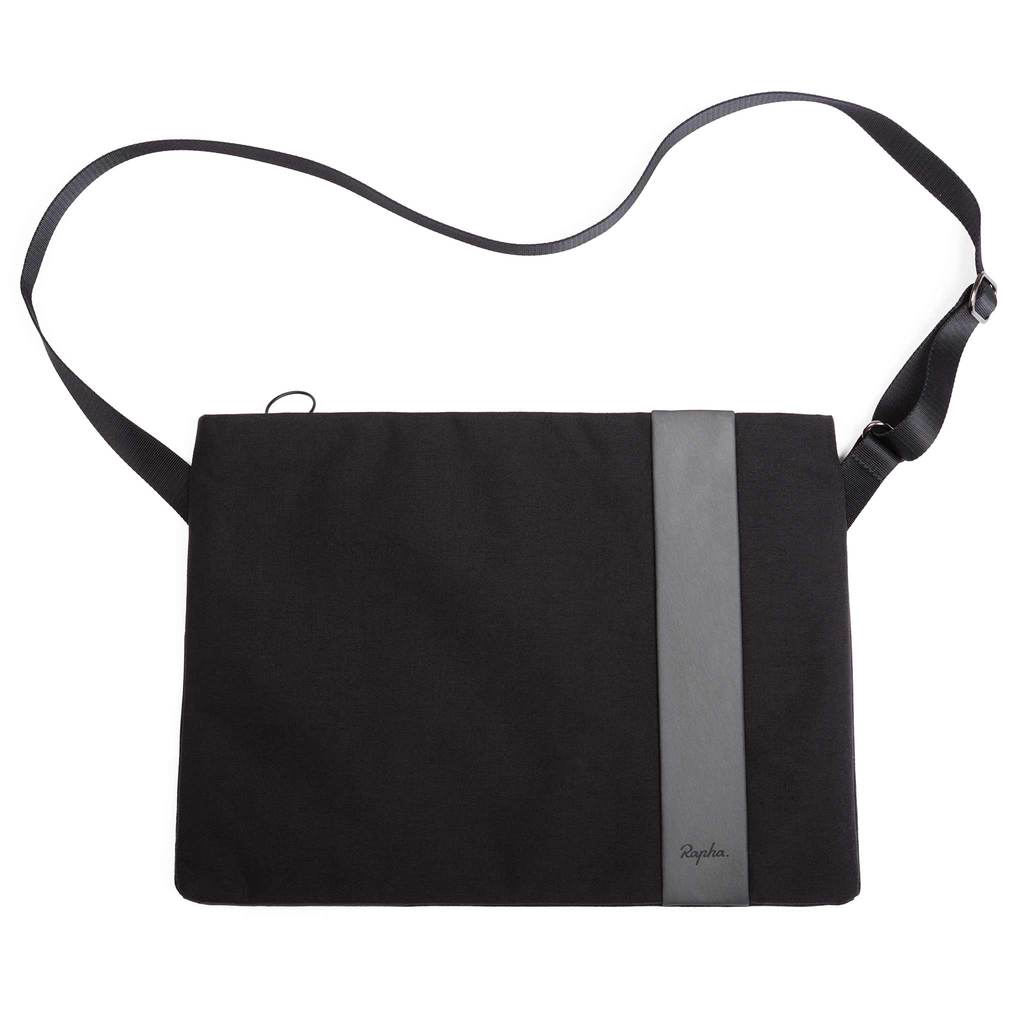
16. Rapha Musette.   Anything Rapha is amazing, and these bags are super handy and have a really cool Euro look to them.

mus08-prod-aw15-black-02_medium 


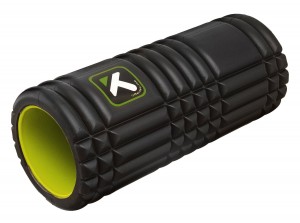
17. GRID Trigger Point Foam Roller.  The perfect gift for that avid cyclist who takes their recovery seriously. The GRID can also pack easily into a suitcase for travel and it is hollow so you can pack your socks in there to save space in your suitcase!

81tt6ype-l-_sl1500_


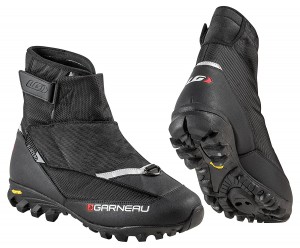
18. Louis Garneau Winter Mountain Bike Shoes.  These boots are waterproof and will keep your feet toasty warm for any winter escapade.

a16n632wabl-_sl1500_


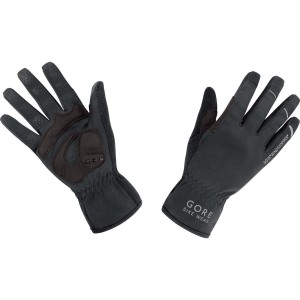
19. Gore Windstopper Winter Cycling Gloves.  These gloves will block out the wind chill and make riding outside much more enjoyable!

61-zyw0ehrl-_sl1200_


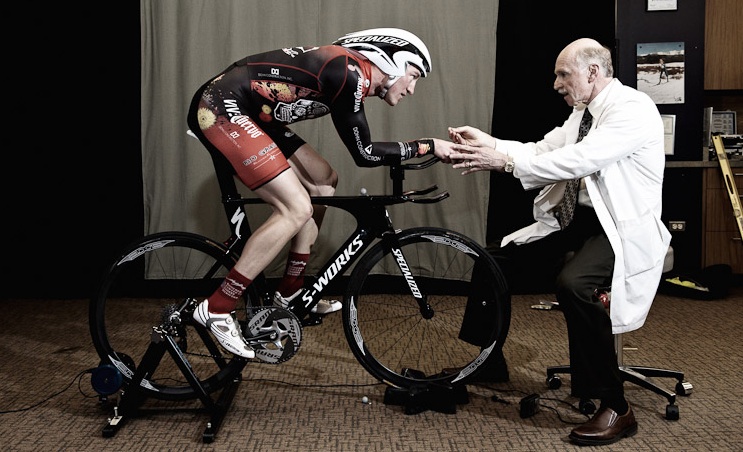
20. Bike fit – If you have been reading the performance articles here for a bit, you know the importance of proper bike fit for peak performance. Find the best local bike fitter and get a certificate for the cyclist in your life.

Why You Should Get a Professional Bike Fit

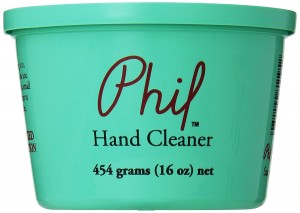
21. Phil Wood Hand Cleaner – Phil Wood hand cleaner works well, is biodegradable and does not leave a strong scent. Plus the celeste green bucke is iconic. Nothing says the recipient is a discerning mechanic like Phil Wood hand cleaner.

50bcg_1


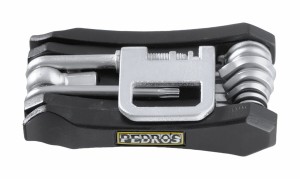
22. Pedro’s Intensive Care Unit Multi Tool – A good, comprehensive multi tool can get you out of most jams out on the trail or road. Pedro’s has most of those situations covered here. They have years of experience putting out functional tools without flash.

50bcg_2


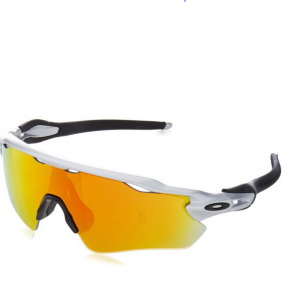
23. Oakley Radar Shield Sunglasses – Sunglasses finish off a kit with style. Oakley Radar Shield sunglasses are one of the most popular in the peloton with great coverage and optics. Protect those eyes, you do not get another pair.

50bcg_oak


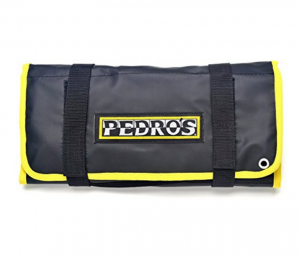
24. Pedro’s Starter Tool Kit – For the cyclist that is starting to wrench on his or her own, the Pedro’s Starter Tool Kit covers the basics of maintenance with quality tools in a handy tool roll.

50bcg_toolkit


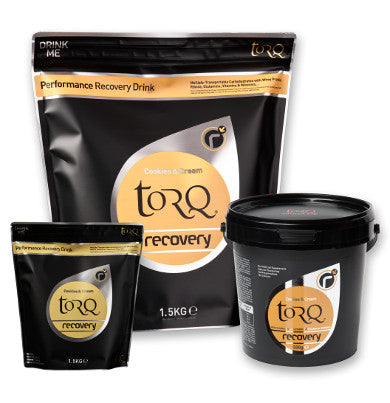
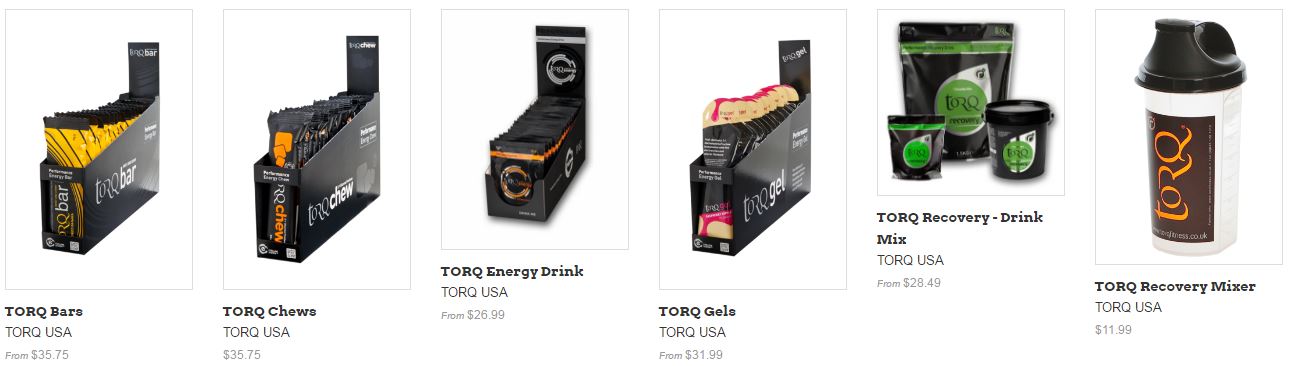
25. TORQ USA Performance Nutrition – TORQ USA has all the nutritional products you need around the bike including: sports drink mix, recovery mix, gels, bars, chews, and other accessories to go with them. They’re a great all-around choice for someone else or you in the new year.

TORQ Recovery - Drink Mix

26. Silca Imperio Ultimate Frame Pump – Silca’s resurrection as a company has lead to the production of art quality, yet still functional pumps. A Silca frame pump is the crown jewel of a well appointed road bike and is a valuable tool out on the road.

50bcg_6


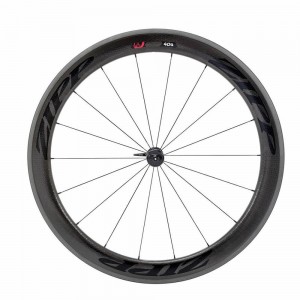
27. Zipp 404s – Zipp 404s are the benchmark of quality aerodynamic wheels. They  provide a large performance enhancement for equipment through their clever design. The braking is also superior to most other carbon wheels on the market.

50bcg_7


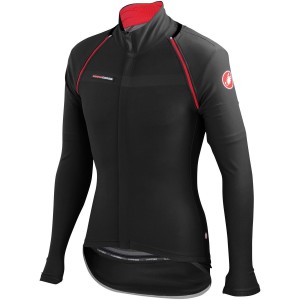
28. Castelli Gabba 2 Convertible Jacket – Being able to stay warm and dry when the weather is harsh is difficult, but the Castelli’s Gabba line of bad weather clothing is among the best on the market. This jacket will work over a range of conditions, ensuring the recipient more hours riding outside.

50bcg_8


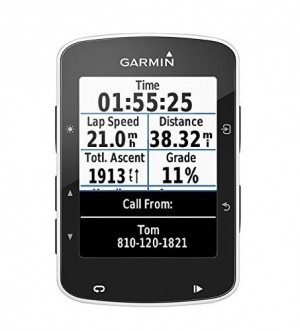
29. Garmin 520 – Garmin’s latest iteration of their basic ANT+ compatible GPS computer is far from basic, with Bluetooth integration, an enhanced display and more fields of information than you can imagine. It is an invaluable tool for the cyclist that diligently keeps track of ride data.

50bcg_9


30. Coaching – Coaching is the biggest performance enhancer overall. Dialing in your training for your goals will help you achieve and surpass them. Find a coach through the cycling community that is trusted; word of mouth is the best way to track down the best.

31. Zwift – A subscription to Zwift can make the winter hours on the trainer go quicker. It is a virtual world where you can with and against other people. You will need some sort of device to tell Zwift how you are doing – a power meter, wheel sensor, a smart trainer or all of the above.

Image result for zwift

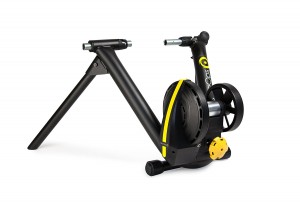
32. CycleOps Magnus Smart Trainer – A smart trainer goes great with a Zwift subscription. The trainer alters resistance based on the terrain in your virtual cycling world. It is a lot more interesting than smashing away in the basement hoping for spring.

50bcg_12


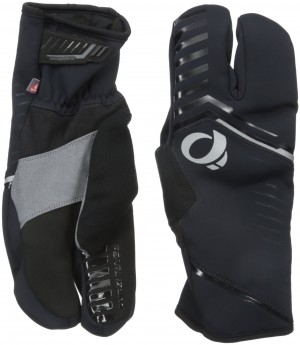
33. Pearl Izumi Amfib Lobster Gloves – Pearl Izumi Amfib lobster gloves are a staple of cold weather cyclists. They do a phenomenal job of keeping hands warm in harsh conditions. Your experience may vary depending on circulation, but head to head with almost every other glove, these win.

50bcg_13


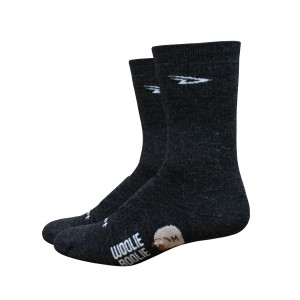
34. DeFeet Woolie Boolie Socks – Nice socks are very inexpensive in the realm of gear but make a big difference. Woolie Boolie socks are durable, warm, and do not stick even after repeated wear. Everything DeFeet makes out of wool is great for that matter.

50bcg_14


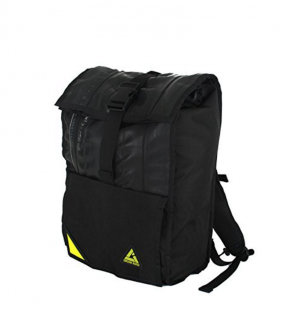
35. Green Guru Gear Commuter – Every cyclist needs a good backpack at some point. And most cyclists are environmentally conscious. Mix the two together and you get the Green Guru Gear Commuter backpack, made from upcycled materials and designed with commuting in mind.

50bcg_gear


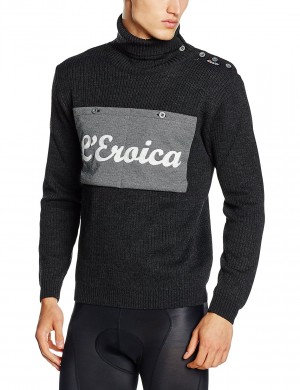
36. Santini Men’s Eroica Ribbed Wool Cycling Sweater – This retro styled sweater subtly says you are a cyclist without screaming florescent colors. It works great off the bike and on the bike when you are riding your city bike or retro racer.

50bcg_16


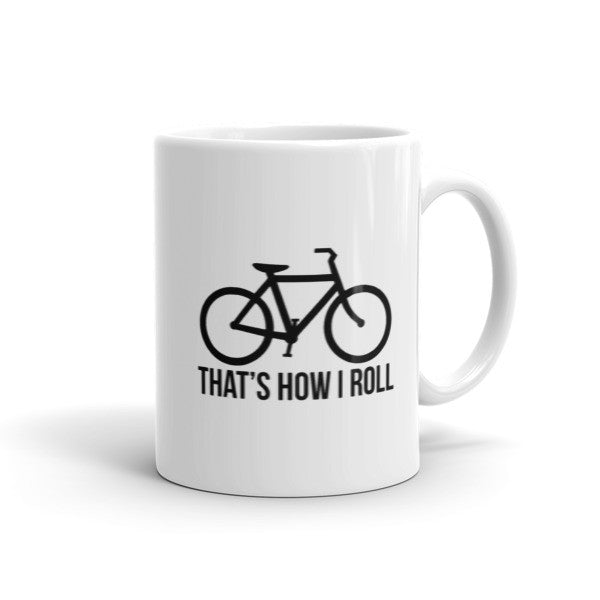
37. Cycling Coffee Mug – Every cyclist needs a good coffee mug whether they drink coffee or not.

Born To Ride Forced To Work - Cycling Coffee MugBike Life - Cycling Coffee MugHeart Beats - Cycling Coffee MugThat's How I Roll - Cycling Coffee Mug


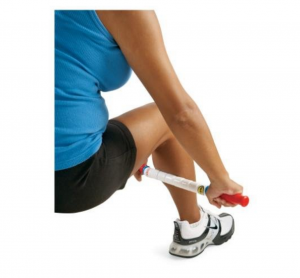
38. The Stick Muscle Massage Tool – Not many riders get a massage every day, but with a massage stick, you can get a close approximation. Help tired muscles recover after a long day in the saddle from the comfort of your couch.

50bcg_massage


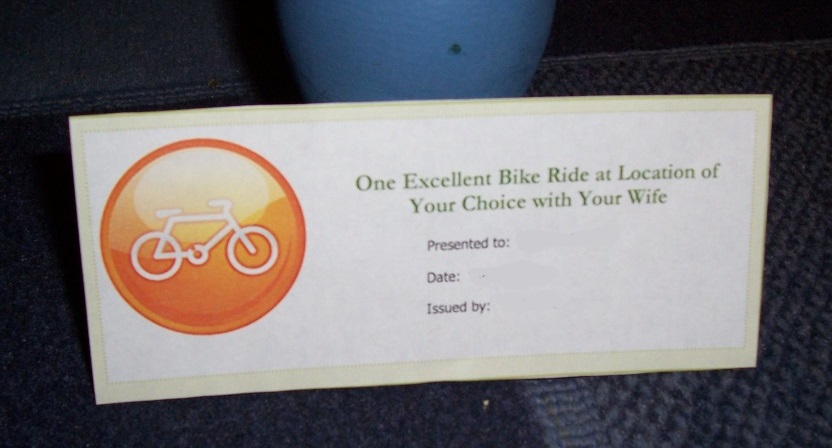
39. Coupons – These coupons are not for purchases. Give them to your favorite cyclist. Examples are: extra long ride, post-ride nap, long training camp weekend. It is an opportunity for you to get creative and spend very little money.

coupon1

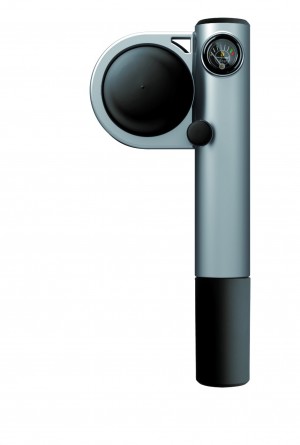
40. Handpresso Portable Espresso Maker-  for the coffee lover on the go! Easy to use, easy to pack, and espresso on the spot! Using pre-packed espresso pods; pop one in with some hot water and you’re good to go!

50bcg_18


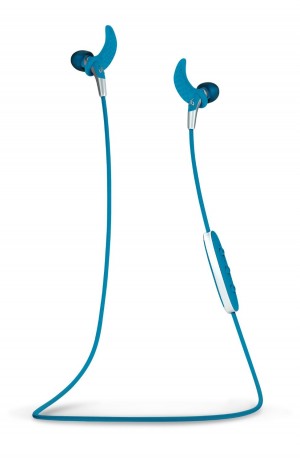
41. Jaybird Headphones– perfect for indoor rides; music without the fuss of cords! Using bluetooth technology, these headphones sync to your device easily and provide crisp sound.

50bcg_19


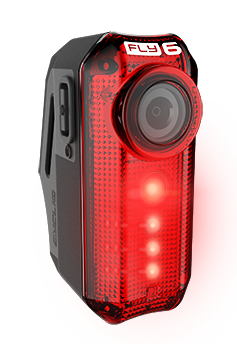
41. Fly6(v) Rear Cycling Camera–  your eyes for the road behind you. You can never be too safe when it comes to riding on the road. With the rear light and built in camera, be sure to always keep a visual on traffic.

50bcg_28


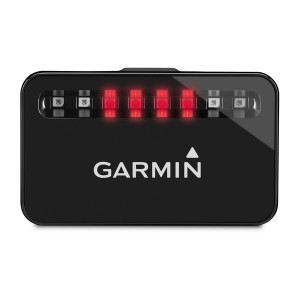
42. Garmin Varia Rearview Radar– Alerts you when cars are slowly (or quickly) approaching. With a rear sensor, and a front handlebar display, always be in the know.

50bcg_25


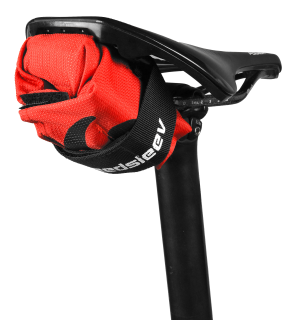
43. Speedsleeve– look no further to carry your cycling essentials. The Speedsleeve is a lightweight, water resistant saddle pack made to protect your belongings.

50bcg_26


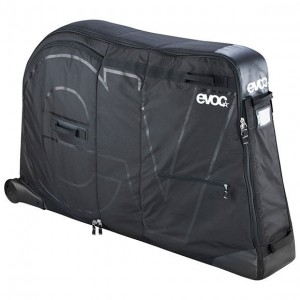
44. EVOC Bike Case– Traveling with your bike for the holidays has never been easier. Light and portable, making it easy to move around a crowded airport. Soft case with internal structure support makes your bike extra stable during travel.

50bcg_27


45. Helmet– Cyclists are suggested to replace their helmet every 3-5 years, and especially after any collision/impact. All helmets must pass the same safety standards, but can vary on weight, ventilation, and aerodynamics. Protect your body’s most important organ!

bike-helmet

46. The Feed Zone Cookbook- Offers 150 athlete-friendly recipes that are simple, delicious, and easy to prepare. A staple in every cyclists kitchen!

50bcg_20


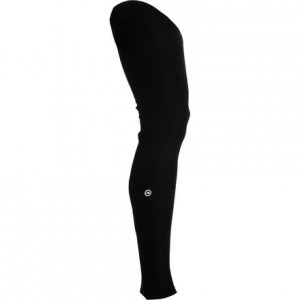
47. Assos Leg Warmers– Tired of the tight thigh band? Look no further. With an upper hip grip, held into place by your bibs Assos leg warmers are some of the best on the market. Water resistant fabric on the outside, with warm moisture wicking fleece on the inside.

50bcg_24


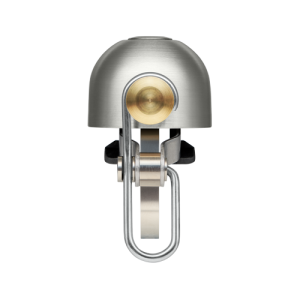
48. Spurcycle Bell- For the stylish cyclist in your life that wants to be heard. No more yelling “on your left.” This bell can be heard from far distances and echos so the sound remains.

50bcg_23


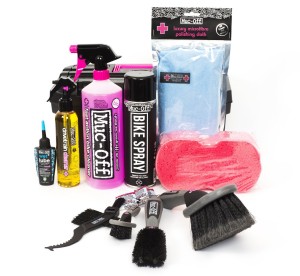
49. Muc-Off Bike Cleaning Kit- winter days call for dirty bikes when you can finally ride outside. No better way to get the road salt and grime off your bike than with the ultimate bike cleaning kit. All the essentials you need to make your bike show room floor clean again!

50bcg_21


50. Knog MilkMan Lock– quick stop at the coffee shop? No problem for this lock. Fits easily into your back pocket to make locking up your bike a breeze!

50bcg_22


TORQ USA-Why Should I Fuel

December 13, 2016 by TORQ USA

torq3

*This Article was contributed by TORQ USA whose products are based around science and natural ingredients for optimal performance. You can find their products in our I Love Bicycling Shop.

To help you better understand the fueling process, we’ve strung together a series of short animations to demonstrate exactly what happens to your body when you exercise without ingesting any carbohydrate (0g per hour), compared with some carbohydrate (30g per hour), significant carbohydrate (60g per hour) and optimal carbohydrate consumption (90g per hour)…

torq4

After working through this short section, please take the time to read through the TORQ Fueling System background  where we explain how the optimal delivery of carbohydrate (90g per hour) is only possible if all of the carbohydrate you consume during exercise consists of 2:1 Glucose Derivatives:Fructose. That said, the animations below clearly demonstrate that ‘any’ carbohydrate consumed during exercise will benefit performance. The question is, how fast do you want to go, or how long do you want to last?

Firstly, it’s important to understand the differences between ‘Endogenous’ and ‘Exogenous’ carbohydrate:

torq5

Endogenous (ENDO) refers to carbohydrate that is stored in your liver and muscles – called ‘Glycogen’. Even on a diet rich in carbohydrate, the most you can expect to store is around 500g or 2,000 kCals (and that’s if you’re a well trained athlete – the less conditioned you are, the less you can store). When your stores are full, they’re full – so continuing to ingest high degrees of carbohydrate in the hours approaching exercise will have no effect on your stores if they’re already saturated. To clarify this point, it would be like leaving the tap running on the bath – once the water level reaches the overflow, the bath will get no fuller however much water you keep pouring in. This is a vital concept to understand and it’s where many people go wrong when it comes to fueling for optimal performance. One final and very important point to note about endogenous carbohydrate stores is that when they run out, your metabolism will grind to a halt and your pace will drop off dramatically. This is called ‘Bonking’ in cycling or ‘Hitting the wall’ in running.

torq6

Exogenous (EXO) refers to carbohydrate consumed during exercise and this can be in the form of energy drinks, gels, bars or chews if you consider the Fueling System items from the TORQ range. Any carbohydrate consumed during exercise, even if it’s a banana or a candy bar, is still considered exogenous carbohydrate. This carbohydrate enters the blood stream and is burnt preferentially over your endogenous stores. Exogenous carbohydrate isn’t stored, it’s used straight away and the more you can get into your blood, the less of your stored carbohydrate you need to use. It’s important to note that for high intensity endurance activities, it’s impossible to supply sufficient exogenous carbohydrate to halt the depletion of your endogenous stores, all it will do is slow down the regression. The TORQ Fueling System section of this website explains how all exogenous carbohydrate sources are NOT the same and how 2:1 Glucose Derivatives:Fructose formulations have been proven beyond doubt to deliver at a faster rate and higher volumes of carbohydrate than any other.

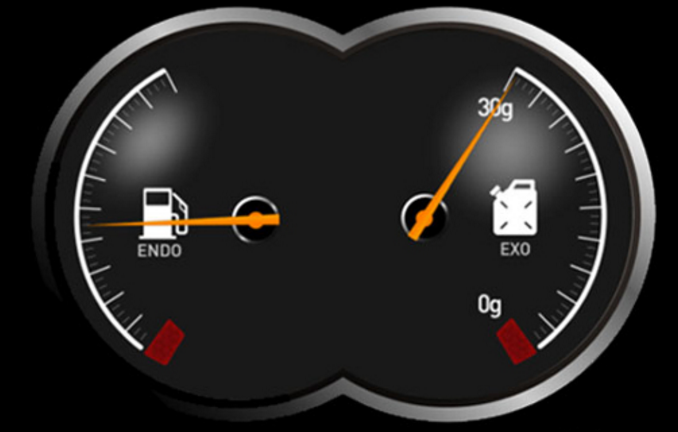
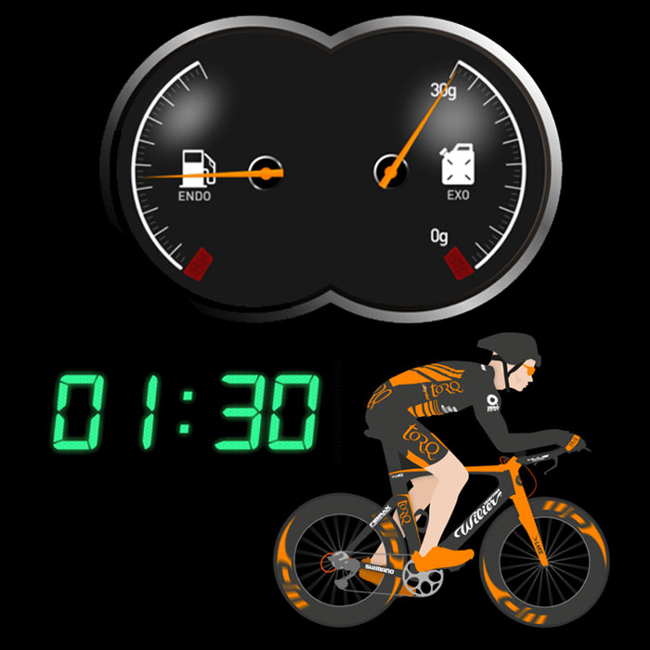
Play the short clip above. This demonstrates how a cyclist relying entirely on endogenous stored carbohydrate quickly drains his/her stores and becomes fully glycogen depleted after 1 hour and 20 minutes. Note that the exogenous needle doesn’t move at all, because the cyclist isn’t consuming anything whilst exercising. All of these animated clips assume a very high intensity effort, >70% VO2, (the effort is exactly the same in each example) and you may have to play each of them a few times to gain a clear understanding of what’s going on.

In the clip above, we demonstrate how every time 30g of carbohydrate is consumed, the use of exogenous carbohydrate slows the burn rate of the endogenous stores, the overall benefit being, the maintenance of pace/performance for a longer time period. In this example, the cyclist lasts another 10 minutes as a result of low level fueling.

The clip above demonstrates how consuming 60g of carbohydrate per hour extends time to exhaustion further still through the greater preservation of endogenous stores.

And finally, if you play the clip above, notice how much longer the cyclist can sustain his/her performance when consuming 90g of exogenous carbohydrate per hour.

The clip above summarizes the 4 different strategies of 0g, 30g, 60g and 90g exogenous carbohydrate consumption per hour and hopefully this makes our message crystal clear when you see all 4 cyclists exercising together.

As well as explaining why you should fuel, hopefully these examples have made it very clear that the greater the exogenous carbohydrate absorption per hour, the better your performance will be. Not all energy products are the same, because a number of factors can affect carbohydrate absorption/delivery rates. You will only be able to consume 90g carbohydrate per hour if you consume fuel that consists of 2:1 Glucose Derivatives:Fructose and this is backed extensively by a significant number of peer-reviewed published research studies.

Incidentally, just in case you’re wondering, if we were to run a series of animations showing what happens during lower intensity endurance exercise, the results would be exactly the same in relative terms. In each example, the cyclist would last longer, but the same principles would apply – the greater the exogenous fuel intake, the longer the cyclist would last.

In the final clip above, we pull all of these principles together and demonstrate how fueling ‘affords’ a higher pace over a given time. In order for the athlete consuming 0g of carbohydrate per hour to be able to sustain a consistent pace for a 2 hour effort, his/her pace needs to be moderated downwards to avoid bottoming-out the endogenous stores and bonking – this means riding slower. On the other hand, the athlete on 90g of carbohydrate per hour can afford to push on at a far stronger pace, cover a larger distance and still finish with fuel in the tank. In this example, the well fueled rider covers 10 more miles over the same time frame and still has 25 to 30% of his/her endogenous stores remaining at the end of the effort. The fact that the endogenous stores are less damaged despite a higher intensity effort is actually fundamental to understanding the principles of the TORQ Recovery System. If you fuel diligently, you will not only have performed better and created a bigger training stimulus, you will also have kick-started the recovery process.

It’s not just better fuel, it’s better fueling.

We have partnered with TORQ USA to offer you their high profile line of products to help you achieve your cycling goals and objectives.

torq-front

TORQ USA Sports Nutrition Products Now Available to Our Readers

December 10, 2016 by Bria Edwards


fueling-products-compliation

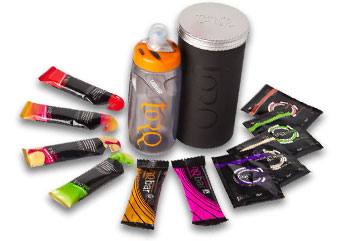
We at I Love Bicycling are proud to introduce our partnership with TORQ USA to bring you the highest quality sports nutrition. We want to provide our readers with insightly articles as well as quality products to fuel your cycling endeavors. Whether you are a novice rider or professional, TORQ Nutrition products can help enhance your performance on (and off) the bike. Nutrition products should be able to work with your body to make riding easier, not make your stomach and body work harder. This is the backbone behind TORQ Nutrition. Their line of nutritional products including: energy bars, gels, chews, and both active and recovery drink mixes are made with no artificial ingredients. The only ingredients you will find in these products come from natural sources. This allows your body to easily process the carbohydrates so your body is ready for whatever riding you put it through.

With many different nutritional products available to cyclists on the market, it can be hard to sift through which products will work best. TORQ Nutrition backs their products with proven science and an underlying philosophy that they will not compromise on the ingredients used in their products. Therefore we hope you can join us in utilizing TORQ Nutrition in your cycling adventures too! It’s time to say goodbye to upset stomachs due to artificial flavors and sugars, and hello to fueling your body with sustainable natural energy.

Check out this “Cramping, Electrolytes, & Hydration…” article that gets into some of the details of TORQ Performance Nutrition and why it works.

TORQ Nutrition products will be available to readers through the I Love Bicycling Shop.

torq-front

The Best Bike Trainers

November 25, 2016 by Emma Lujan

best-bike-trainers

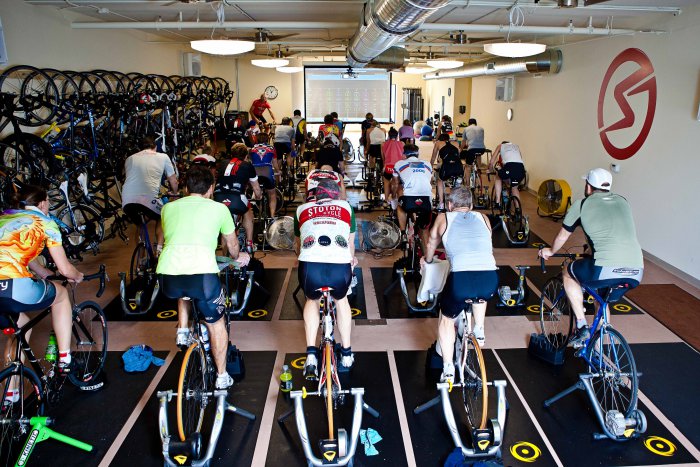
With the winter months upon us, investing in a stationary bike trainer can provide you with the opportunity to improve your fitness and technique while avoiding the cold darker days.  The best bike trainers are a great investment since they allow you to have a very specific and dedicated ride since there are no downhills, no coasting and every pedal stroke will require effort.  It is a good idea to have a fan, some music or movie, water and electrolytes as well as a towel or two to prepare for the indoor season.  There are four main types of bike trainers:

  • Wind Bike Trainer
  • Bike Rollers
  • Magnetic Bike Trainer
  • Fluid Bike Trainer

The Best Bike Trainers

Best Wind Bike Trainers

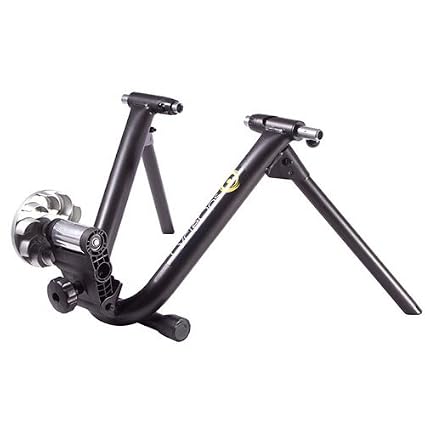
Wind bike trainers are among the most affordable best bike trainers around.  Pedaling powers a fan that provides the resistance for the trainer.  The resistance increases as the rear wheel spins more quickly either from increasing the cadence or using a bigger gear.  Wind trainers are inexpensive and durable, however they are quite loud and the resistance is often limited and does not always mimic a road-like feel.

Cycleops Wind Trainer

The Cycleops Wind trainer is durable, easily adjustable and has a great warranty.  The wind resistance provides a frictionless ride.  With an affordable price point, the Cycleops is one of the best wind trainers around.

Price: $130

CycleOps Wind Trainer, Black

Bike Rollers

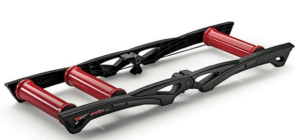
Rollers are a type of trainer that require the rider to have great balance, an engaged core and efficient pedal strokes.  They take some getting used to, as well as learning how to mount and dismount, but they provide a very realistic and quiet road-like feel. They also have the added benefit of being much more fun to ride than a fixed trainer.

Elite Arion Rollers.

The Elite Arion Rollers is one of the best trainers on the market today because it is built with light-weight but tough thermoplastic frame, a step-up for ease of mounting and dismounting, and is easy to fold for storage or transportation.

Price: $250

Best Magnetic Trainers

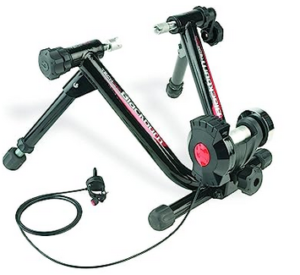
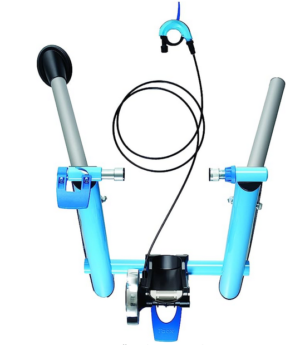
Mag trainers use a magnet flywheel to provide resistance.  These trainers are easily adjustable for resistance and are not as loud as wind trainers.  The resistance can be manually adjusted from a knob on the flywheel or a handlebar attachment.  However, it is possible to overpower magnetic trainers on the toughest setting as your fitness improves.  For an average cyclist looking to log some miles through the winter a mag trainer can get definitely get the job done.

Blackburn Tech Mag 6

The Tech Mag 6 trainer from Blackburn comes with 6 different resistance settings, a bar-mounted resistance control and a tubular steel from with adjustable height.  This trainer offers durability and is easy to adjust the workload.  The Blackburn Tech Mag 6 is one of the best magnetic trainers on the market.

Price: $180

Tacx Blue Motion

The Blue Motion magnetic trainer from Tacx is one of the best trainers around since it offers 10 positions of resistance, taps out at a whopping 950W, and the flywheel mimics a realistic pedal stroke and road-like feel.

Price: $270

Best Fluid Trainers

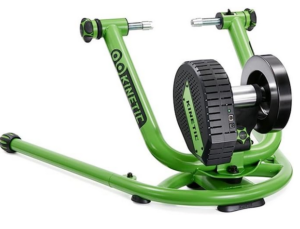
Fluid bike trainers have a flywheel mechanism that’s driven by the bike’s rear wheel, but it creates resistance through fluid spinning around in the flywheel.  As the temperature increases, the fluid becomes thicker, so when you pedal faster the trainer resistance becomes more of a challenge. Also, in conjunction with that, as the flywheel within the fluid spins faster and faster, the resistance increases on a logarithmic scale which means the harder you ride, the more resistance there is. With this. fluid trainers have the most realistic road feel, they are very quiet, and they have a wide variety of features like pairing to power and the internet.

Kinetic Rock and Roll Smart Trainer

The Rock and Roll trainer is the the top of the line trainer around.  With its wide base it offers stability for standing on the bike for a very realistic road feel.  It has an electronic control that allows you to do targeted workouts, ride simulations and it pairs with Zwift and Trainerroad.  This trainer is super quiet, accurate and reliable.  The Rock and Roll trainer also is compatible with thru-axle bikes.

Price: $850

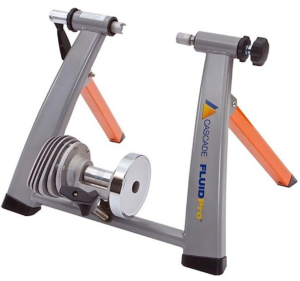
Cascade Fluid Pro Trainer

The Cascade Fluid Pro is one of the best fluid trainers on the market because it has a thermally sealed fluid drive which is very unlikely to ever have leaks.  The trainer is easy to set up; it folds for ease of transportation and it is very quiet so you won’t need to have the volume on max while working out to tunes!

Price: $350

Riding a trainer through the winter months can be an efficient way to workout without spending heaps of time dressing in layers and charging lights.  Because of the ‘no rest’ periods trainers provide, a 1 hour trainer ride is equivalent to at least 90min out on the road.  Trainer riding can be super fun too especially if you have one of the best bike trainers since you won’t have to worry about it failing you in any way.  Get a good playlist of music, invite some cycling friends over and be prepared to sweat!

Why Fall Bike Rides Are Some of The Best of The Year

October 16, 2016 by Emma Lujan

It’s that time of year again when the weather cools down, the hours of daylight decrease, and maybe the idea of watching Netflix seems better than getting on a bicycle; however don’t let the conditions fool you.  Fall bike rides can be some of the best of the year!

fall-bike-rides

Gear for Fall Bike Rides

Getting outside for fall bike rides is much easier and more enjoyable when you have the right gear.  Investing in a good pair of gloves, booties (shoe covers) and a riding jacket will help keep you warm and dry.  Having a set of fenders and some lights will allow you to ride when it is wet, or before or after the sun is up.

Goal Setting

Set a goal to ride on one new road each time you get outside.  This will bring out your inner child (because as if wanting to ride your bike a lot doesn’t make you a kid enough) and will allow you to discover more of your surroundings.  It will also open up new routes or hills to incorporate into workouts in the spring.

Fall bike rides can also be the best for goal-setting for the next season.  You have time to leisurely reflect on how the spring and summer unfolded and now you can pedal through fall leaves and decide on which races, events, and rides you want to attack for next year.

Coffee

Plan stops at different bakeries and cafes!  Fall bike riding is the best time of year for the token ‘coffee-shop-rides’.  After ripping around in the cold for an hour or two, nothing feels quite as satisfying as coming inside to a delicious-smelling cafe and sitting down to rest with a hot cup of coffee and a strudel, cinnamon bun or doughnut.  Fall is the time of year to gain back some of the calories burnt off in the summer.  Lots of bike riders put on body weight in the fall; this is the time to rebuild and recover from some epic summer rides, so go enjoy a doughnut or two!

Relax

Don’t worry about keeping a strict schedule.  It can feel very liberating to go for rides without the bike-computer, power meter and heart rate monitor in the fall.  Ride by feel and listen to your body for how hard and far you wish to ride.  Look at your surroundings and take in all the colorful leaves, the crisp smells, and the chill in the air.

Experiment

Fall bike rides are a great time to try new types of riding such as cyclocross, gravel road riding and mountain biking.  All of these have lower average speeds than road cycling and thus you often won’t feel as cold since you don’t have much of a wind chill.

So don’t let the cooler darker days of fall turn you off of bike riding.  Make sure you have some good gloves and lights, and go explore and have fun!

« Previous Page
Next Page »
  • Facebook
  • Tumblr
  • Twitter

Latest Articles

JOIN Cycling: A New Training Platform for Cyclists

May 27, 2024 By Eric Lister

cold exposure

The Benefits of Cold Exposure for Cycling & Life

June 13, 2023 By Eric Lister

hill climb

The Ultimate Hill Climb Training Guide

May 31, 2023 By Eric Lister

shoulder pain cycling

How to Treat & Avoid Shoulder Pain While Cycling

April 12, 2023 By Eric Lister

psoas stretch

The Importance of the Psoas Stretch for Cyclists

April 6, 2023 By Eric Lister

cycling neck pain

The Ultimate Guide to Cycling Neck Pain: Causes and Solutions

March 21, 2023 By Eric Lister

Useful Info

  • Contact
  • Finally, A Global Cycling Club That Is Focused On Community And Love Of Cycling!
  • Privacy Policy
  • Share Your Story!
  • Terms And Conditions Of Use
  • Welcome to I Love Bicycling
  • What Happened When I Stretched Every Day For a Month

Recent Posts

  • JOIN Cycling: A New Training Platform for Cyclists
  • How to Hang Bikes in Your Garage: 4 Inexpensive Options
  • Gravel Bike Vs. Road Bike: Which One Is Better For You?
  • The 6 Types of Mountain Bikes & How to Choose the Best One for You
  • What Is a Touring Bike Good For? 5 Benefits We Know You’ll Love

Search I Love Bicycling

Connect with Us

  • Facebook
  • RSS
  • Tumblr
  • Twitter

Copyright © 2026 · Magazine Pro Theme on Genesis Framework · WordPress · Log in