• Training
    • Injury Prevention
    • Training Tips
  • How To
    • Bike Fit
    • Gear
  • Nutrition
    • Nutrition Tips
    • Weight Loss
  • Repair
  • Reviews
  • Stories
    • Funny Stories
    • Jokes
    • Quotes
    • Videos
    • Funny Videos

I Love Bicycling

I Love Bicycling is a website that is geared towards cycling for beginners with road cycling tips, training articles, nutrition tips, weight loss, how to’s and bike repair articles.

Cornering Tips

November 5, 2013 by Lee Agur

Cornering TipsGet FREE SPEED and learn how to corner. Cornering a bike properly can save you massive amounts of energy and time. I have been working on cornering every ride since my last race… where I got destroyed on the downhill. So… what was I doing wrong?

Look Where You Want to Go

Your body likes to follow your eyes, so look where you want to go, not where you don’t. A common mistake is continuing to look at what you are trying to avoid; this generally results in a collision with that same object. Let your peripheral vision do the work, it can see that object and you will not hit it.

Look far in to the corner, not right in front of you. Your hips turn the same direction you are looking and your hips determine where the bike is going to steer. I am guilty of looking directly in front of myself quite frequently, especially when the turns come hard and fast. Depending on your speed and the angle of the corner determines how far in to the corner you look. In sharp corners look as far ahead as possible. Play with it and you will notice significant improvements immediately.

Brake Before the Corner
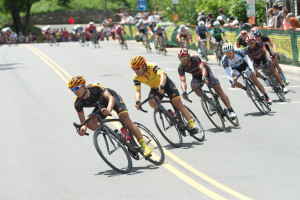
Cornering TipsI am aggressive when it comes to cornering, too aggressive. I loose valuable speed because I do not brake enough before the turn which results in me having to brake in the turn. Braking in the turn actually makes the bike want to stand up on itself and straighten out, two things you are trying not to do. You end up fighting the bike and shedding more speed than necessary to make the turn safely.

Generally, you only want to be doing one of the following things at any given time: braking, cornering, or pedaling. Combining these things can lead to disaster.

Find the Line

Approach the corner as wide as possible, cut through the apex and finish wide. This is the straightest line through the turn, allowing you to carry more speed and reducing the angle of the turn making it less scary. Many people cut to the apex to early which results in excessive braking near the end of the turn and exiting slowly.

Don’t Pedal in a Corner Pedal out of a Corner

Pedaling in a corner can cause you to strike your inside pedal on the ground and send you flying. If this happens try not to panic and over correct. Over correcting will certainly cause a crash.

Once you have completed the turn and the bike is in a more upright position it is safe to hammer on the pedals again. Hopefully you remembered to shift down to an easier gear before you entered the turn so it is not too difficult to pedal out of it.

How to Steer Your Bike

There are three different ways to steer the bike: Upright steering, leaning and countersteering.

Upright Steering

Upright steering is when you turn your handle bars and keep your body and the bike as upright as possible. This is best reserved for slow speeds and dangerous conditions i.e. wet and slippery conditions. If your tried this at a high speed you would fly off your bike. Been there, done that… don’t recommend it.

Leaning

This is the most common method of steering and involves leaning your bike and body over to make the turn. Lean over more to turn sharper and make sure that you have your outside pedal at the 6 o’clock position pushing your weight through that pedal to keep traction with your tires.

Countersteering

The next level of steering. In order to test it out, go down a straight road, pick up some speed then push your right hand down… what happens? Initially your front wheel turns right, but as the bike starts to lean over you turn left. The sharper the turn and less consistent the turn (more bends) the more important countersteering becomes.
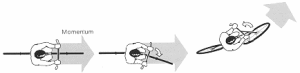
Cornering Tips

Position While Countersteering

Initially, you press with your opposite hand, but as you being to turn you want your inside arm straight and applying a bit of pressure to continue to turn the direction you want to go.

Lean your body over, but then lean your bike over even harder. This is not like leaning technique where the angle of your bike and the angle of your body are the same in relation to the ground. In countersteering you lean the bike over more and your body is more upright in order to keep traction.

Try to keep your weight back and low and remember to push hard on your outside pedal that is located at the 6 o’clock position.

If you learn how to countersteer you will not regret it, it is safer and faster as it allows you to make adjustments through out the turn much quicker.
How to Breathe While Cycling – I Bet You Don’t Do it Properly

November 5, 2013 by Lee Agur

How to breathe while cyclingHow to Breathe While Cycling – Test

Take a quick test on how to breathe while cycling. Look down and take a deep breath. Did your chest raise like superman and tummy stay relatively flat? Great. Like I said… You don’t know how to breathe properly!

Millions of breaths a year and you think we would have it down. Generally due to stress, the vast majority of us tend to breathe with our chest, as if we are the wolf in the three little pigs trying to blow the house down. This is not the most effective or efficient way to fill the lungs, nor is it the way we were designed to breathe.

How to Breathe While Cycling

Your diaphragm (a muscle below the lungs) should move downward and help expand your lungs to bring air into them. Focus on filling the bottom 1/3 of your lungs first by using your belly to breathe rather than your chest. The result should be your tummy blowing up like a balloon first, and then the rib cage expanding second. (not the other way around like superman or the big bad wolf). The exhale should be similar, you should be contracting your abdomen to expel the air in your lungs.

Why it is Important to Breathe Properly While Cycling

  1. Breathing properly while cycling will help deliver more oxygen to muscle tissue.
  2. If you are a chest breather you will tire more quickly than a deep belly breather because you are not allowing yourself to inhale enough oxygen or exhale sufficient carbon dioxide.
  3. Delivers more oxygen to the brain
  4. Helps maintain the acid/base balance in the body by increasing oxygen flow and decreasing carbon dioxide (carbon dioxide increases acidity levels and larger quantities are created during exercise)

Things that Can Prevent Proper Breathing While Cycling

The most common problem is your position on the bike. I remember wanting to get in a very aerodynamic position, and as a result, I sacrificed my breathing and comfort. In the end I sacrificed speed by not being able to breathe properly. The aggressive position lowered the oxygen getting to the muscles resulting in a lower power output. Closing your hip angle too much and not allowing space for your diaphragm to move down in order to breathe in will ultimately result in fatiguing quicker and slower cycling.

How to breathe while cyclingGreat Examples of Breathing Properly

Interestingly enough, if you would like a great example of how to breathe properly then you should watch an infant breathe. Infants use their diaphragm to breathe deeply and fully… maybe that is why they all have potbellies.

Unfortunately, adults are prone to stress which causes the diaphragm to tighten resulting in shallow chest breathing.

Another example would be to watch some pros on TV. Some look like they are growing gut! (Some are growing a tiny ponch while others are implementing this breathing technique.)

If you would like to learn more about breathing properly you can purchase: Breathe Strong Perform Better

The 6 Most Hardcore Cycling Quotes From the Pros

November 2, 2013 by Lee Agur

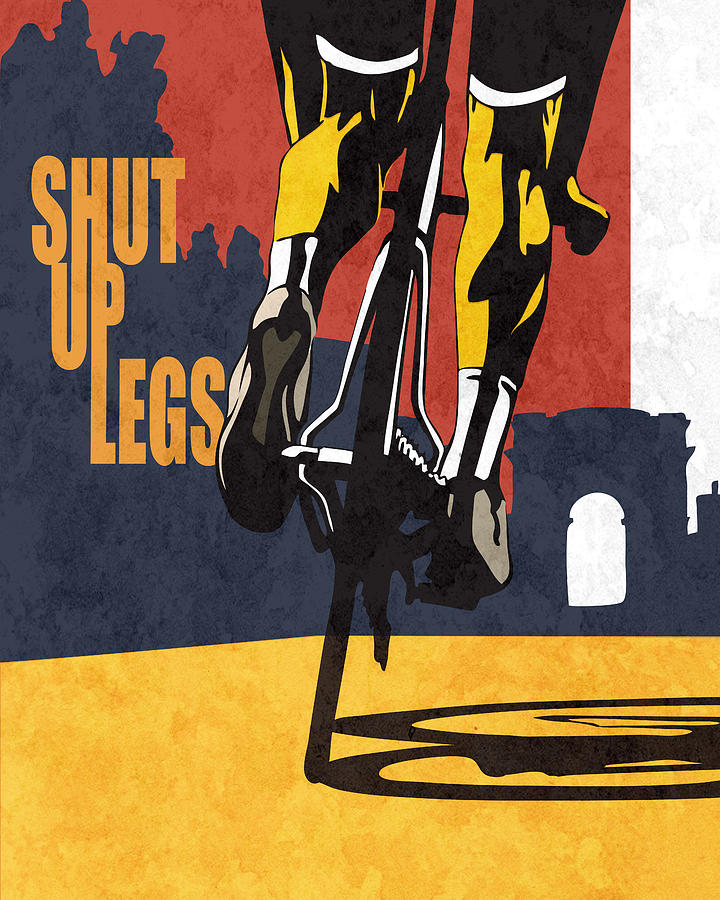
1. Shut up Legs. – Jens Voigt

Intense Hardcore Cycling Quotes

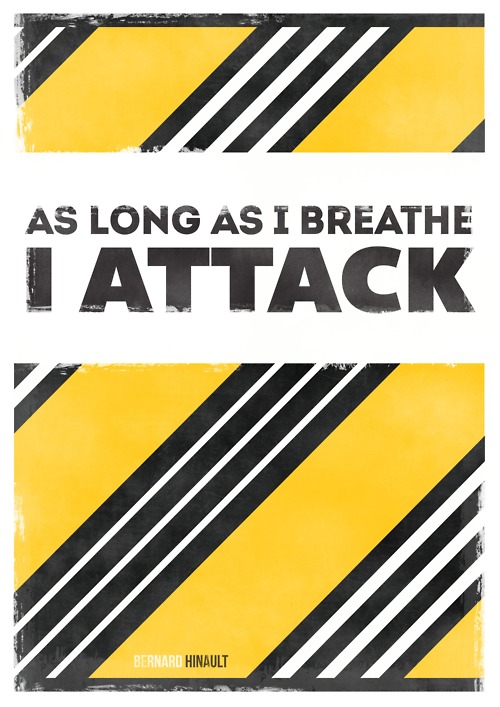
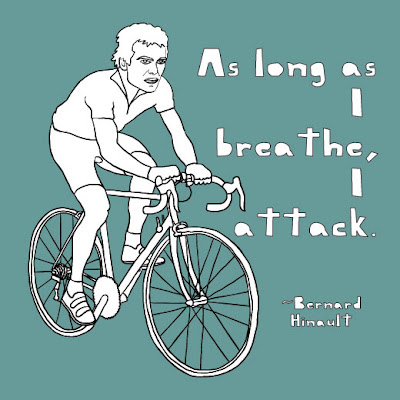
2. As long as I breathe, I attack. – Bernard Hinault

Intense hardcore cycling quotes

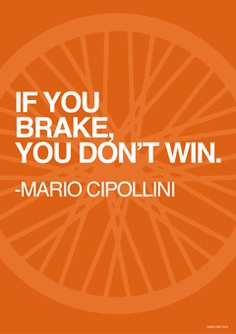
3. If you brake, you don’t win. – Mario Cipollini

Intense hardcore cycling quotes

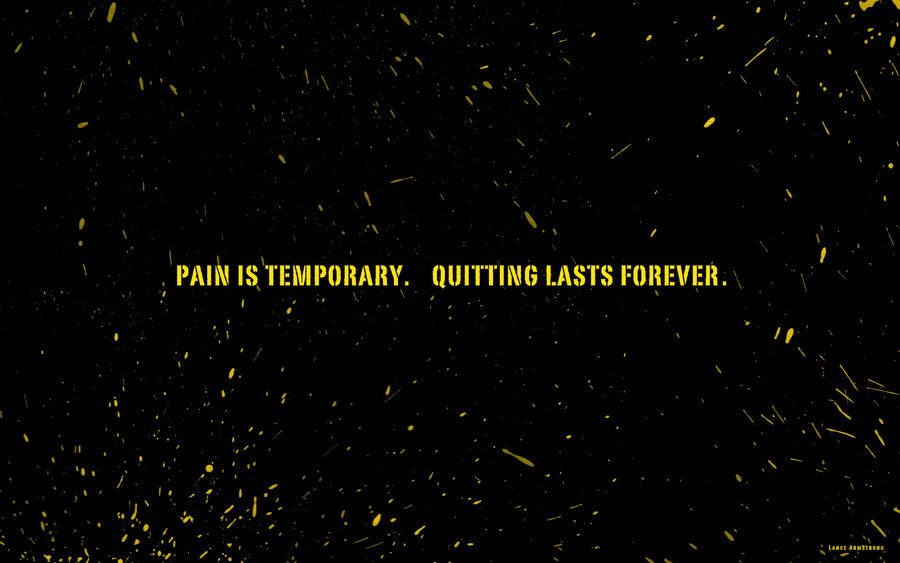
4. Pain is temporary. Quitting lasts forever. – Lance Armstrong

Intense hardcore cycling quotes

5. Don’t buy upgrades, ride up grades. – Eddy Mercx

Intense hardcore cycling quotes

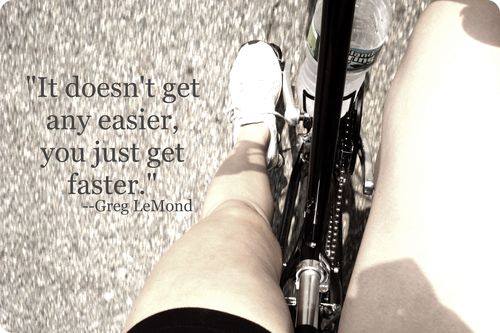
6. It doesn’t get any easier, you just get faster. – Greg Lemond

Intense hardcore cycling quotes

Aerobic vs Anaerobic Exercise

November 1, 2013 by Lee Agur

Aerobic vs AnaerobicThe oversimplified, Coles Notes version… muscles use glucose as energy in two ways, aerobically with oxygen and anaerobically without oxygen. Both aerobic and anaerobic produce energy stores called ATP which is used to make your muscles contract, heart pump and other physiological process to keep us alive.

Advantages of Aerobic vs Anaerobic

Aerobic ATP and Anaerobic ATP are produced in different ways, what you need to know is that aerobic ATP is produced slower, but can be produced for much longer and results in more ATP production.

An interesting comparison of aerobic vs anaerobic is that the aerobic metabolism can use 1 unit of glucose and turn it in to 34 ATP where as the anaerobic metabolism can take that same unit of glucose and only produce 2 ATP. This means that the aerobic metabolism is 17 times more efficient than the anaerobic metabolism. That is like comparing a smart car to a semi truck in a fuel efficiency contest! This is very important during endurance events because we can only digest/refuel so much and must be as efficient as possible.

Another advantage of aerobic vs anaerobic is that the aerobic system can use carbohydrates, fats or protein as fuel where as the anaerobic system can only use carbohydrates. (Hence why carbs are so important just before exercise, during exercise and shortly after as discussed in the paleo diet for cyclists post).

Disadvantages of Aerobic vs Anaerobic

The anaerobic metabolism produces ATP at a very fast rate compared to the aerobic metabolism which means that if you need energy for a sprint you are going to go anaerobic because you need that energy QUICKLY.

Misconception about Aerobic vs Anaerobic

Everyone seems to think that you change from aerobic to anaerobic at the flip of a switch, as if there is this imaginary point of exertion that you have to hover below so you do not go anaerobic. This simply is not true. Aerobic vs Anaerobic is better thought of as a light dimmer than a light toggle switch.

What I am suggesting is that both of these energy sources are being utilized at the same time and at almost any level of effort.

Anaerobic and aerobic have an inverse relationship, if you were to go (earmuffs children) “balls to the wall” or… all out, then for the first minute your energy would be primarily from Anaerobic ATP, right at the 1 minute marker is where they would be equal and anything after that would be primarily aerobic ATP. At the 5 minute marker you are already using as much as 80% aerobic ATP.

So why do you care?

Everyone talks about the anaerobic threshold and trying to stay under it, there is a big fear that if they go over it bad things happen (in endurance events – sprinters don’t care). Going “anaerobic” results in lactate forming in your blood stream, it is that painful burn in your legs that makes you want to slow down. Your anaerobic threshold is the point where you can clear the lactate from your blood stream just as fast as you can produce it.

Aerobic vs anaerobicMore importantly, your anaerobic system can only use carbohydrates to produce ATP and your body can only store approximately 2000 carb calories. The downside here is that you are able to burn through most of that in 2 hours of hard exercise, and you are only able to digest about 400 calories an hour so… for endurance events it is essential to utilize as little of the precious carbohydrate as fuel as possible while still maintaining a high speed. By using your aerobic system you are able to burn fat as an energy source.

You have enough fat stores to go for a couple days without refueling, even if you are lean. This does not mean that you can hop on a bike and ride for a couple days, because no matter how slow you go you are still using some anaerobic energy and burning carbohydrate.

Also, I always thought that sprinting up a short steep climb was not that big of a deal during a endurance event… it turns out it is up to 17 times more inefficient! Save that precious energy. (I sometimes did this to “wake” everything up… dumb)

All the little things matter!

The 10 Best Cycling Quotes

October 30, 2013 by Lee Agur

The 10 Best Cycling Quotes in no particular order…

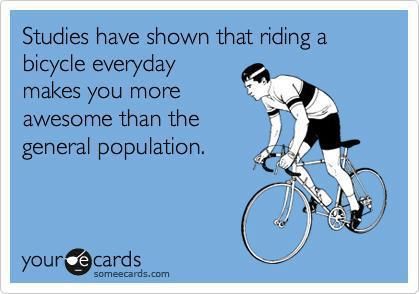
1. Studies have shown that riding a bicycle everyday makes you more awesome than the general population.

The 10 Best Cycling Quotes of All Time

2. You can’t buy happiness but you can buy a bike and that’s pretty close.

The 10 Best Cycling Quotes of All Time

3. Put the fun between your legs.

The 10 Best Cycling Quotes of All Time

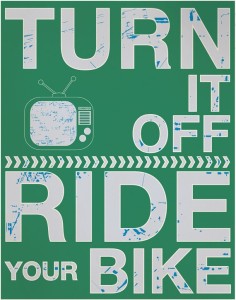
4. Turn it off ride your bike.

The 10 Best Cycling Quotes of All Time

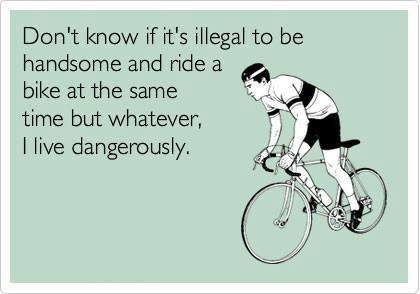
5. Don’t know if it’s illegal to be handsome and ride a bike at the same time but whatever, I live dangerously.

The 10 Best Cycling Quotes of All Time


Don’t forget to “Like” the I Love Cycling Facebook Fan Page.


6. This is my gym.

The 10 Best Cycling Quotes of All Time

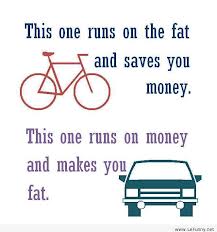
7. This one runs on fat and saves you money. This one runs on money and makes you fat.

The 10 Best Cycling Quotes of All Time

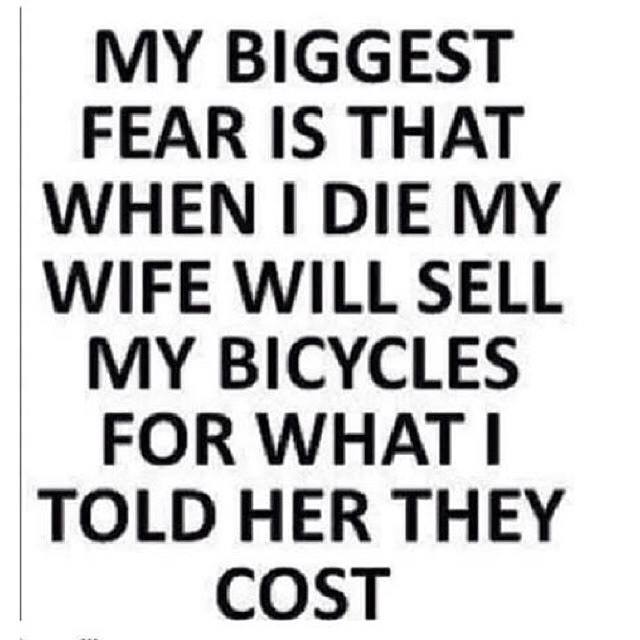
8. My biggest fear is that when I die my wife will sell my bicycles for what I told her they cost.

The 10 most hilarious Cycling Quotes of All Time

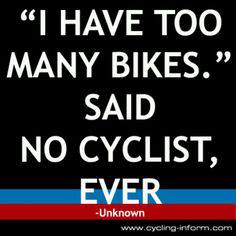
9. I have too many bikes. Said no cyclist, ever.

The 10 Best Cycling Quotes of All Time

10. I Love Cycling

I Love Cycling

Is the Paleo Diet for Cyclists?

October 29, 2013 by Lee Agur

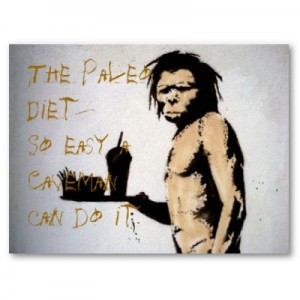
Paleo Diet For Cyclists
Paleo Diet for Cyclists

Is the Paleo diet for cyclists? Yes! and no… but more Yes than no!

Why the Paleo Diet for Cyclists Works

Amino Acids

The Paleo diet is high in animal proteins which contain important amino acids for recovery. As you know from previous posts, one of the keys to becoming a great cyclist is fast recovery. The faster you recover the harder you can train.

Alkaline vs. Acidic

When you eat food it goes to the kidney as acidic or alkaline. The idea is to obtain a more alkaline pH (approximately 7.35 – 7.45) because that is what we were used to “back in the day” (Paleolithic period).

Acid foods such as grains, cheese, dairy, salty processed foods and meat cause the body to think it is out of balance (pH wise). When the body thinks it is out of balance it uses up essential minerals such as potassium, magnesium, calcium and sodium to restore equilibrium. What is even worse is the body will break down muscle tissue, that you have worked so hard to build, to restore a balanced pH level;however, the paleo diet does counteract this with all the fruits and vegetables (fruits and vegetables make you more alkaline). An acidic pH makes people more prone to colds and illness. If you are sick, you are not able to train.

To summarize, the paleo diet will help muscle growth (by not eating away at the muscle you worked hard to build) and keep you from getting sick.

Why the Paleo Diet for Cyclists Doesn’t Work

Glycogen

Any cyclist/athlete must maintain muscle stores of glycogen, it is your bodies fuel for high performance activities. If you were to follow the strict Paleo diet, fruits and vegetables (relatively low on the glycemic index) would be your only source of replacement. Unfortunately, you would have to eat pounds of fruits and vegetables (read as pounds of fiber… or… lots of bathroom time) after high intensity workouts.

So… you need carbs for high performance. What to do?

The Ideal Paleo Diet For Cyclists

The ideal diet for cyclists requires tweaking the Paelo diet. Follow the Paleo diet except for: immediately before cycling, during cycling, and 30 minutes to an hour after cycling. During these periods you can and should eat carb loaded foods. (Details of what to eat and when to eat it in later posts so subscribe to my newsletter… or buy The Paleo Diet for Athletes if you simply can’t wait)

I read The Paleo Diet for Athletes and I am a firm believer in its health benefits. I have never “subscribed” to a “diet” before this, but this one just makes sense! I strongly recommend that you at least try it out… if you haven’t then you don’t have an opinion, you are just speculating.

I did not go cold turkey Paleo Diet for Athletes, but at least I am now aware of what I should be doing and when I should be doing it so I can make more informed decisions.

If you have already read The Paleo Diet for Athletes, (as many of you likely already have as it is at the top of the best selling list for diets) then I have also included some Paleo Cookbooks and Mealplans for people who want more ideas or need a meal plan that I have used and enjoy. As I said in The Basics to Cycling Nutrition the key to becoming a good cyclist is nutrition! Click on the pictures below to learn more:


The Paleo Diet for AthletesPaleo Diet Cookbook & Mealplan for CyclistsThe Paleo Diet for Cyclists

ATTACK Those Rollers

October 28, 2013 by Lee Agur

Cycling Rolling Hils
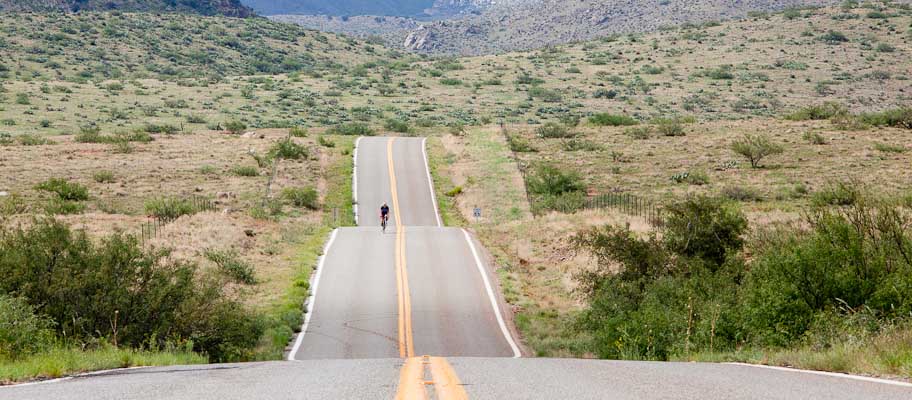
The key to rollers is maintaining your cadence and gearing!

Stay in the gear that you started the hill climb for as long as possible. Shift only when your cadence starts to slow below 75. A cadence between 70 to 90 is ideal. If you shift too early you will lose valuable momentum; however, if you shift too late then you might stall out.

Attack the bottom of the roller and gradually increase effort as you climb the hill until you must shift. Short rollers are like mini intervals. Just remember you are going to be able to rest on the other side. But wait… the climb is not over yet… make sure to power over the top and only stop pedaling once you have crested and the gravity has kicked in to high gear. Make sure to not lose any valuable momentum by stopping pedaling just as you crest.

An important thing to remember is when you are shifting try to “easy pedal” for a split second to allow the shift to happen. If you don’t, you run the risk of dropping your chain… or even worse breaking it! You attack rollers with a lot of intensity so there is going to be a lot of pressure on the chain if you just try and shift, it may also result in not shifting at all and again you will lose valuable momentum by slowly stalling out. If you have been cycling long enough this has inevitably happened to you… not fun! You look down as if there is something wrong with the bike… but it is usually just how you use it.

I try and stay seated as long as possible by keeping my cadence high in the beginning, but once the cadence starts to slow, I get out of the saddle and find a nice rhythm to finish off the climb powering over the top and cruising down the backside.

Cycling rolling hills is FUN! I Love it!

The complete guide to climbing – by John Summerson

Subscription

If you liked this post subscribe to my newsletter at the top right of the page to receive more like it!


You Want to Bike Faster? Then Bike Faster!

October 28, 2013 by Lee Agur

Bike FasterWhat??? Obviously… Well… not so obvious to too many.

So many people are so focused on increasing their endurance that they forget to focus on speed. People go out and continuously bike 3-4 mph under their goal race pace. Hell… I was one of those people! I just focused on increasing my distance each week…

When I first started biking I had one speed… Medium fast! I would get on my bike ride 30 miles medium fast. A few days later… 20 miles medium fast. Next ride… guess what medium fast.

I figured if I could do 60 miles at a certain speed that I could kick it up a few mph during a race due to adrenaline and pure will. It was true, I could kick it up a notch… but that was usually just in the first quarter and then it was pure survival mode from there… I usually came across the finish line looking like the grim reaper was drafting behind me and about to overtake me!

I would fall to the ground in agony from the lactic acid build up in my legs… cramping up, dehydrated and feeling awful. I just thought that meant that I left everything out there on race day and was usually quite pleased with myself. Stupid.

What I did not know at the time was that if I had trained a little faster I would have gotten my muscles used to the intensity. Your muscles and body adapt to be able to handle the stresses it is given. The best way to bike faster is to increase your speed and allow your body to adapt!

Once your body adapts to a faster speed it will be able to handle the slower pace at which you biked before much more easily. Once I discovered this all too/not so obvious fact I did speed intervals. Yes intervals! I biked faster than my goal race pace for 20 minute segments, took a bit of a rest and then did it again. It worked!

To Bike Faster You Need to Bike Slower!

Seriously? Yes seriously!

I learned that in order to bike faster you need to bike faster and once I did… gone were the days of medium fast and now I just biked fast fast! I did not learn that in order to bike faster you also need to bike slower. So I spent too much time overtrained and tired, and it actually resulted in me slowing down.Bike Faster!!!

Soo… what’s the deal? Well… You can’t bike fast all of the time, your body just cannot handle the high-intensity training. You have to allow your body to recover and adapt. When you rest and go slower this is when all the physiological changes take place and you actually get faster! All that stress that you cause your body with the high intensity training is wasted if you do not allow your body to recover and adapt. It is actually the single most important thing I have ever learned in cycling! Now it is the single most important thing you have ever learned!

Knee Pain Cycling – Causes and Solutions

October 24, 2013 by Lee Agur

Knee Pain Cycling
Knee Pain Cycling

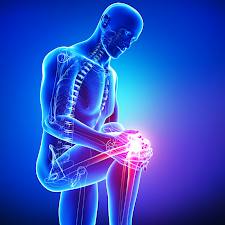
Unfortunately, I have had a lot of experience with knee problems. What is even worse is that most of the knee injuries I had could have been prevented if I knew what I know now.

Even though cycling is prescribed for so many different injuries as a rehabilitation process due to its low impact nature, it is a very repetitive motion and so overuse injuries can occur. On average a cyclist will pedal 5000 strokes an hour, that is 1 million pedal strokes every 200 hours! Per knee!

If something is out of line, you are likely going to feel it after 1 million pedal strokes… if not before. Make sure you are set up properly.

Bike Fit

One of the first things that should be looked at is the overall bike fit. If you are able to afford a professional bike fitting I highly recommend it, not only will it save your knees but it will put you in the most comfortable and powerful cycling position. Some key areas are as follows:

Cleat Position and Cleat Float

Your cleat position and amount of cleat float have a lot to do with knee injuries. For a proper cleat position read my previous post by clicking here.

Cleat float refers to your ability to move your foot side to side while still clipped in. Suggested ranges are from 5 – 13 degrees of rotation. Many people tighten the pedal as tight as humanly possible so that they do not loose any power; however, in most cases, this does not allow your knee to track in its most natural line. It also prevents your foot from being in its most natural position. If this is you try loosening your cleats.

Saddle Height

If your saddle is too high you may develop knee pain in the back of the knee, if it is too low the knee pain will be at the front of the knee.

A quick check on proper saddle height can be done by measuring your inseam while barefoot, with your feet shoulder width apart. (Floor to crotch) Multiply this result by 0.883. This height should approximate your saddle height from the middle of the bottom bracket axle to the top of the saddle. (Measurement taken along the seat tube).

This is just an approximate height, adjust it according to your riding style i.e. if you point your toes excessively then the seat height should be slightly higher.

Saddle Fore and Aft Position

Get on a stationary trainer and rotate the cranks to the 3 and 9 o’clock position. Have someone grab a plumb line and measure from your forward tibial turberosity (the bony bump below the knee cap) to the pedal axel. Move your seat position fore or aft until the tibial tuberosity is in line with the pedal axel.

On a triathlon specific bike your knee will actually be a bit more forward than this.

Pedal Stroke

Make sure you have good pedaling technique bicycling and do not allow your knees to push outwards or pull inwards.

Too Much, Too Hard, Too Soon

When spring arrives it is nearly impossible for me to contain myself in any of these three categories… Hence all my knee injuries. Instead of cutting back when spring arrives I have beat indoor trainer boredom and prepped myself for the spring!

A general rule of thumb in cycling is not to increase these categories by more than 10% a week.

If I start to feel knee pain now, I am confident it is not my bike fit so I decrease these categories slightly (too much, too hard, too soon) and I actually switch to mountain biking more. Strangely enough, mountain biking hurts less because I am constantly changing my position, where as in road biking I am generally always in the same position doing the same repetitive motion.

Knee Pain Cycling Bonus Tips

Less likely to be the source of your knee pain cycling, but why risk it? Plus a great preventative measure.

Warm up

Let your joints, tendons and muscles warm up before committing to a hammerfest right out of the gate. Much more on this in a previous post called Cycling warm up benefits.

Spin More Mash Less

Especially on hills try to keep your cadence up, if your cadence slows then stand up out of the saddle to continue. Standing while climbing will be less strenuous on your knees if the grade is too steep to spin.

Keep Your Knees Warm

What is worse than cycling in the cold? Being cold and cycling in the cold! I wear some nice tights or bib tights, and if it gets really cold I actually wear the tights under some pants (Get it at your Local bike shop because you want to try it on first). I do not need any more excuses to not brave the cold. Dress properly and it can still be very enjoyable.

Different Leg Length

Knee pain cyclingI am hesitant to post this as I know people get shims in their shoes unnecessarily all the time.

A quick test is it to lie on floor and make a 90 degree angle with your knees while your feet are flat against the wall. If one knee sticks out more (away from the wall) then that tibia is longer. If one knee is higher up the wall (further from the ground) then the femur of the respective leg is longer. This is a quick test and is a starting point to investigate further. X-rays would be more reliable.

For most of us the left leg can be shorter one day and then the right leg shorter the next. Lie with your back on the ground and have someone pull your legs out… are they even? Good! You probably do not need shims you just need to stretch it out and have someone pull on your legs once in a while. More on this later.

Post Ride Massage – Prevention

A post ride massage on a foam roller was what saved my knees in the end. I had VERY tight IT bands and now I just spend a few minutes after a few hour ride on a roller and I am good to go. Read post ride massage – selfie for more information.

Summary

Knee pain cycling can change your world very quickly. My issue was always that I was doing too much, too soon and not allowing my body to recover. Listen to your body, it is designed to let you know something is wrong before it is a chronic problem. Act sooner rather than later. Ease up on your training and seriously consider your bike fit.

Cycling Warm Up Benefits

October 23, 2013 by Lee Agur

Cycling Warm upI used to show up to an event with just enough time to put my helmet and shoe’s on and get to the start line before the gun went off. (I Love my bed) Then I learned how important a proper cycling warm up actually was!
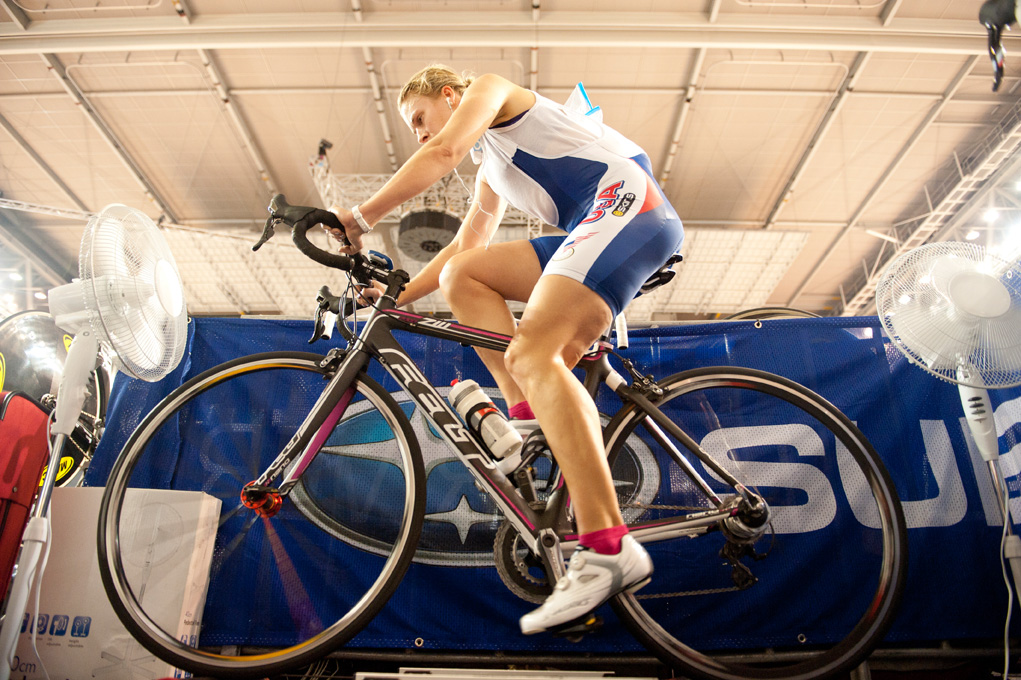
What are the benefits of a cycling warm up?

  1. Accelerates oxygen uptake by dilating your blood vessels
  2. Warms up the muscles
  3. Increases force and speed of contraction of muscles
  4. Increases anaerobic metabolism
  5. Increases efficiency of joints

Great, so what does this actually mean?
It means more fuel going to your body faster, and waste (like lactic acid) getting cleared from your body faster. It prevents you from going anaerobic at the start and getting out of breath early or too easily.

More benefits of warming up listed here. (Wikipedia)

How long should you warm up?

15-20 minutes! What about longer? Not for me!

A study done by Elias K. Tomaras and Brian R. MacIntosh suggest that warming up longer than this will fatigue you. I agree. Read their findings here. (It is a very short read)

I warm up by slowly increasing my effort from 50% to 80% of maximal heart rate/power/perceived effort for 10 minutes followed by 3 one minute bursts of 85%, 90% and 95% between each burst I take one minute to recover while spinning at about 50%.

The goal is to prepare your body for the start of the event, wake the legs and body up and get mentally prepared. In my own terms, it is to let your body know something AWESOME is about to happen! Try to end your warm up as close to the event start time as possible.

Here is how Team Sky does their cycling warm up:


As mentioned in the video, it does not matter if you are a professional or a beginner cyclist, the goal of the cycling warm up is the same and you should do it the same (you may not push as much power as them, but the theory does not change).

If you don’t warm up what happens?

You feel like I did at the start of your event… like crap! Gun went off and I immediately went anaerobic wasting more energy than was necessary, breathing so heavy it sounded like I was going to keel over and die. You feel sluggish and you swear your legs have been replaced with a sack of hammers!

Should I warm up before every event?

Cycling warm up benefitsNo, you actually do not need to warm up before every event.

Here is my general rule of thumb, if you have not biked that far during the year then do not warm up, no need to waste the energy. ie. century rides and granfondo’s. (The exception here is if you plan to start out fast!)

For short distances always warm up if you want to perform your best. For longer distance races it all depends on how you plan on starting the race, if you plan on easing into it at a slow gradual pace you can likely skip the warm up.

In hot temperatures you are able to warm up less because a lot of the physical characteristics you are trying to achieve are already occurring and vice versa for the cold… warm up a little longer.

There is no doubt that a warm up will enhance performance. Just find out what works the best for you.

Subscription

If you liked this post subscribe to my newsletter at the top right of the page to receive more like it! If you didn’t… subscribe anyway… It is my Birthday.

« Previous Page
Next Page »
  • Facebook
  • Tumblr
  • Twitter

Latest Articles

JOIN Cycling: A New Training Platform for Cyclists

May 27, 2024 By Eric Lister

cold exposure

The Benefits of Cold Exposure for Cycling & Life

June 13, 2023 By Eric Lister

hill climb

The Ultimate Hill Climb Training Guide

May 31, 2023 By Eric Lister

shoulder pain cycling

How to Treat & Avoid Shoulder Pain While Cycling

April 12, 2023 By Eric Lister

psoas stretch

The Importance of the Psoas Stretch for Cyclists

April 6, 2023 By Eric Lister

cycling neck pain

The Ultimate Guide to Cycling Neck Pain: Causes and Solutions

March 21, 2023 By Eric Lister

Useful Info

  • Contact
  • Finally, A Global Cycling Club That Is Focused On Community And Love Of Cycling!
  • Privacy Policy
  • Share Your Story!
  • Terms And Conditions Of Use
  • Welcome to I Love Bicycling
  • What Happened When I Stretched Every Day For a Month

Recent Posts

  • JOIN Cycling: A New Training Platform for Cyclists
  • How to Hang Bikes in Your Garage: 4 Inexpensive Options
  • Gravel Bike Vs. Road Bike: Which One Is Better For You?
  • The 6 Types of Mountain Bikes & How to Choose the Best One for You
  • What Is a Touring Bike Good For? 5 Benefits We Know You’ll Love

Search I Love Bicycling

Connect with Us

  • Facebook
  • RSS
  • Tumblr
  • Twitter

Copyright © 2026 · Magazine Pro Theme on Genesis Framework · WordPress · Log in