 The cycling industry has some crazy inventions, and some that are so useful that it’s a shame they aren’t more commonly used. Some of these inventions for bikes would be amazing for improving riders’ safety on the road, and some are just beyond unique. Here are ten of the greatest inventions for bikes.
- Bike Lane Lights: How great would it be if the white lines that mark the bike lane lit up in bright red at night? Turns out, that’s an actual invention! Bright red LED lights outline the bike lane, creating a high degree of visibility to oncoming traffic. These LED lights can be seen from almost a mile away! Cyclists would have a much safer environment for biking on the road if these were more widely used.
- Bicycle Side Car: A small sidecar that attaches to the bicycle, and can be used for transporting groceries or even your child. These are extremely useful, especially because they can be detached and reattached as needed. This is a great tool if you have a supermarket in biking distance, and decreases gas usage by eliminating the need to drive to the store.
- Helios Handlebars: These handlebars utilize colorful LED lights, which is great for nighttime riding. There is a powerful headlight on the front, as well as backwards facing lights. They also have a speedometer and GPS chip built-in, thus are one of the most multifunctional inventions for bikes. The cost is $199, but at least you could track the location of your bike if it got stolen!
- LifeBEAM’s Smart Helmet: This stylish looking helmet includes a heart rate monitor, eliminating the need to wear a monitor strap on your chest or arm. The helmet monitors your pulse and transmits the information to the device of your choice, such as your smartphone, allowing you to keep track of your progress and see the data in real time as you cycle.
- Wireless Bike Lock: The Lock8 bike lock operates wirelessly through transmission from your smart phone, using an app to direct the device to lock or unlock. This is a great way to prevent theft, and also includes a GPS chip for tracking. The device is built to emit a very loud alarm signal if the wire is cut, as well as notify the owner via the smart phone app.
- Stick and Find Stickers: These are small, coin sized stickers that allow you to locate lost or stolen items. They can be used for anything, but are a great way to find your bike if it ever gets stolen. They emit a signal that you can track right from your smart phone.
- Auto Inflating Tires: Adaptrac offers special tires that are attached to a bike pump. The pump automatically inflates the tires as needed, or based on the type of terrain you’re riding on.
- Turn Signal Jacket: Now, you can wear a black jacket that has LED lights on the back. You turn these LED lights on and off using switches by your wrists. This can be used to alert people around you of your intent to turn without taking your hands off the bike.
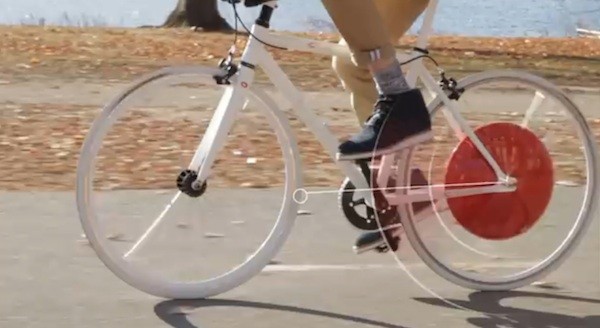
- The Copenhagen Wheel: This is device that sits inside the rim of your tires and is useful for energy conservation. It stores the energy that you put into the bike, such as when going downhill, and that energy is readily available to use the next time you need it, such as up the next hill!
- Foldable Bikes: Out traveling and want to go for a ride? Grab your foldable bike and go for a rip!
What unique gadgets do you use for your bike?
 So you want to start a bike club? Well, then there are some things you need to know and consider doing before you print out any fliers or order any custom t-shirts. Here are some handy questions to ask yourself:
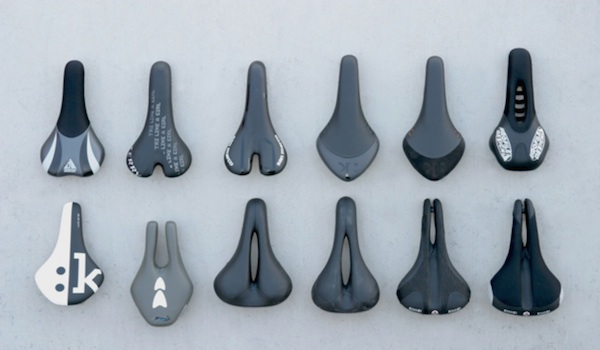 Having a good bike seat is important for people who cycle on a regular basis. A bad bike saddle can cause sores, injuries, and even make it impossible to complete the goals of your training. The best bike saddles will fit several common rules which are:
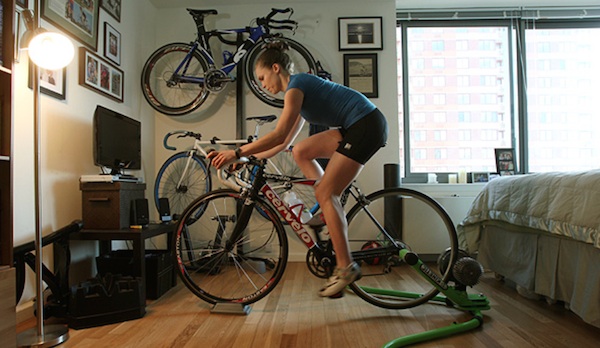 The best part of picking up biking either as a sport or as exercise is that you can bike outdoors and indoors. By buying a nice indoor cycling stand you can get in the training you need while avoiding extreme weather, tending to a child at home, watching TV, or simply enjoying the great indoors. No matter what your reasoning is there are a few things you’ll want to keep in mind when you buy an indoor cycling stand.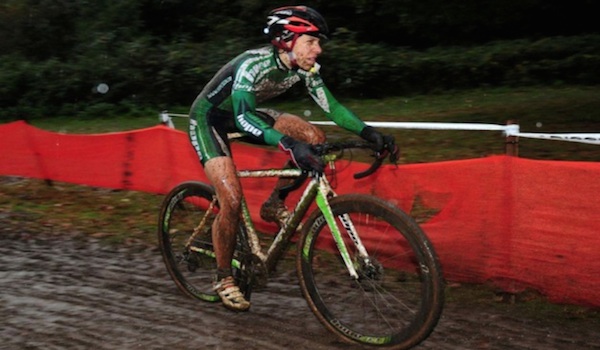
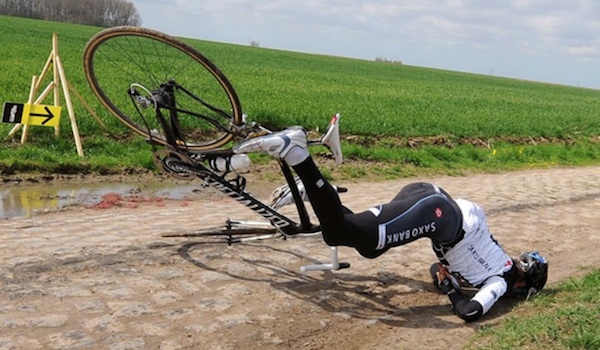 Whether you are a five year old kid learning to ride a bike or a Tour de France veteran, bike riding involves risk and how we handle that risk is what keeps us coming back for more or taking up another sport entirely. Risk, in the simplest sense, is how likely a bad outcome is to happen. Some aspects of bike riding, such as downhill mountain biking, bring a high level of risk but it’s that high level of risk that creates the thrill, rush, and fun. It can have a price though and for some, it’s a risk worth taking. For other aspects of riding, such as road riding, the level of risk can still be high but steps can be taken to lower that level of risk. Another element of risk in cycling is how comfortable you are in the same risky situation. As your riding improves, not only will you be a better bike handler but you will also be more comfortable being in those risky situations as you know you have the skills to avoid crashing.
 As rides start to get longer and longer, stops mid-way for food and water are going to become more frequent as well as important. The coffee shop is a great place to stop for a while and have great conversation over a few brews but during training rides you want to be in, out, and on your way in a timely manner. You also want to get what you need to fuel properly for the remainder of the ride. Knowing what you want to eat and drink prior to going into a store will help prevent you from milling around looking at every possibility which we’ve all done before, especially if we’re already a bit depleted from the ride.
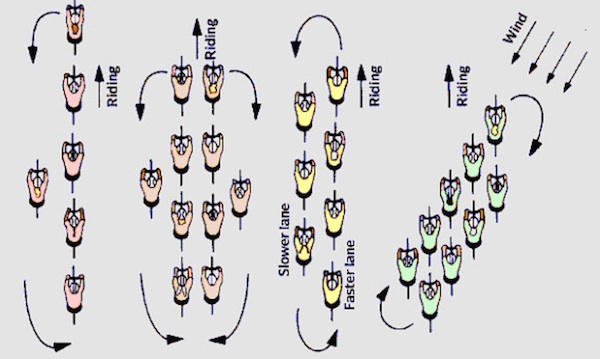 Riding in a group can bring a lot of benefits that you can’t get while riding on your own. A paceline is how a group of riders rotate through trading spots riding the front in the wind. Riding in this way is the fastest and the most efficient way down the road. However, knowing how to ride in a paceline is imperative as if you can’t, you not only pose a risk to yourself but others as well due to the possibility of crashing. Riders in the group can also give you pointers as you get the feel for how things roll.
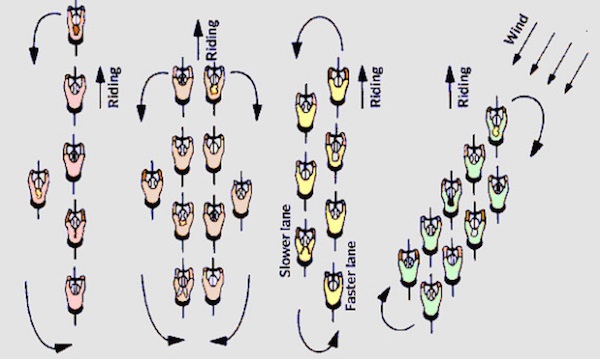 Two things that slow you down in cycling are uphill’s and wind. Some look to avoid them while others embrace them. Riding in the wind can be a drag but it’s going to happen so you should know how to get through it the most efficiently. The wind can also have some good benefits, one being that you can ride a lot faster than you otherwise could when it’s at your back. When you are in a group riding into a headwind you can actually get more of a draft behind the other riders allowing you to pedal with much less effort. A side wind can give you a real advantage if you know how to ride in it as the other riders that you’re with will have to pedal that much harder because they are poorly positioned. As with anything in cycling, the more you do it the better you’ll be at it.
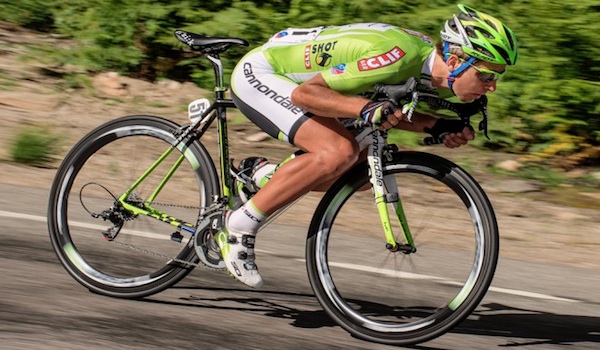 Descending is a mysterious art form, which, if mastered can shave minutes off your times. Some riders seem to possess an innate ability to drop like a stone from the side of huge mountains without any trace of fear – others are not so blessed. Recent summit finishes in the Vuelta España have shown that, even for the best climbers,