At times as endurance athletes we tend to neglect strength training because we make the mistake of thinking we workout our legs enough when cycling. However, this misconception could lead to a wide array of issues such as injury and decreased performance.
As a rookie cyclist I used to think doing interval training or bridge repeats was enough resistance to incur strength gains, I was also noticing a visible difference in my leg musculature. Yet, as the years went on I noticed I had hit a plateau in my cycling performance and couldn’t figure out why.
I had changed my cycling workouts, increased the volume, and trained harder than ever before, but wasn’t noticing a significant improvement in my speed. Then, the injuries began to occur and I started to suffer from IT band syndrome. Additionally, I noticed I had a low lactate threshold and my muscles would fatigue quickly during difficult workouts.
After two years of this, I decided I needed to make a big change in my training, although I hated the weight room it was a necessary evil if I wanted to improve performance. For several months I’d complete two weight lifting sessions a week for my legs. Each session had a difference purpose, one required lighter weight, but more explosive movements which would lead to increased muscle recruitment. Conversely, the second session was higher weight to build more lean body mass. As time passed I noticed that workouts which were difficult before became easier, my lactate threshold had increased significantly, and I was able to train at a higher intensity.
There are many physiological benefits to strength training that endurance athletes can benefit from. Strength training increases muscle recruitment, in other words more fibers within the muscle are utilized during specific movements. By having more muscle fibers completing a task, it becomes easier to complete. It also leads to decreased lactic acid buildup since muscles are used to training at a higher load. The body becomes more efficient in using its energy supplies and releasing lactic acid as a byproduct. This allows the lactate threshold to increase and in return allows a cyclist to ride longer with less fatigue. Additionally, it aids in building more mitochondria since more muscle fibers are being utilized and thus, cells are divided quicker to supply these fibers with the needed energy, glucose. In turn, this leads to a higher basal metabolic rate, in essence, faster metabolism. In completing the exercises below on a consistent basis, these benefits can be acquired, and performance improved.
Box Squats
This type of squat requires more activation of the gluteus maximus and hamstrings. These muscles are usually “asleep” in cyclists since we tend to use more of our quadriceps during the pedal stroke. However, in strengthening these muscles we can engage them in the upwards portion of the pedal stroke and allow our quadriceps to rest for a brief moment.
Also, by strengthening these muscles we decrease the risk of poor compensation patterns where the body begins to recruit the hip abductor muscles such as gluteus medius and tensor fascia lattae, which could lead to IT band syndrome.
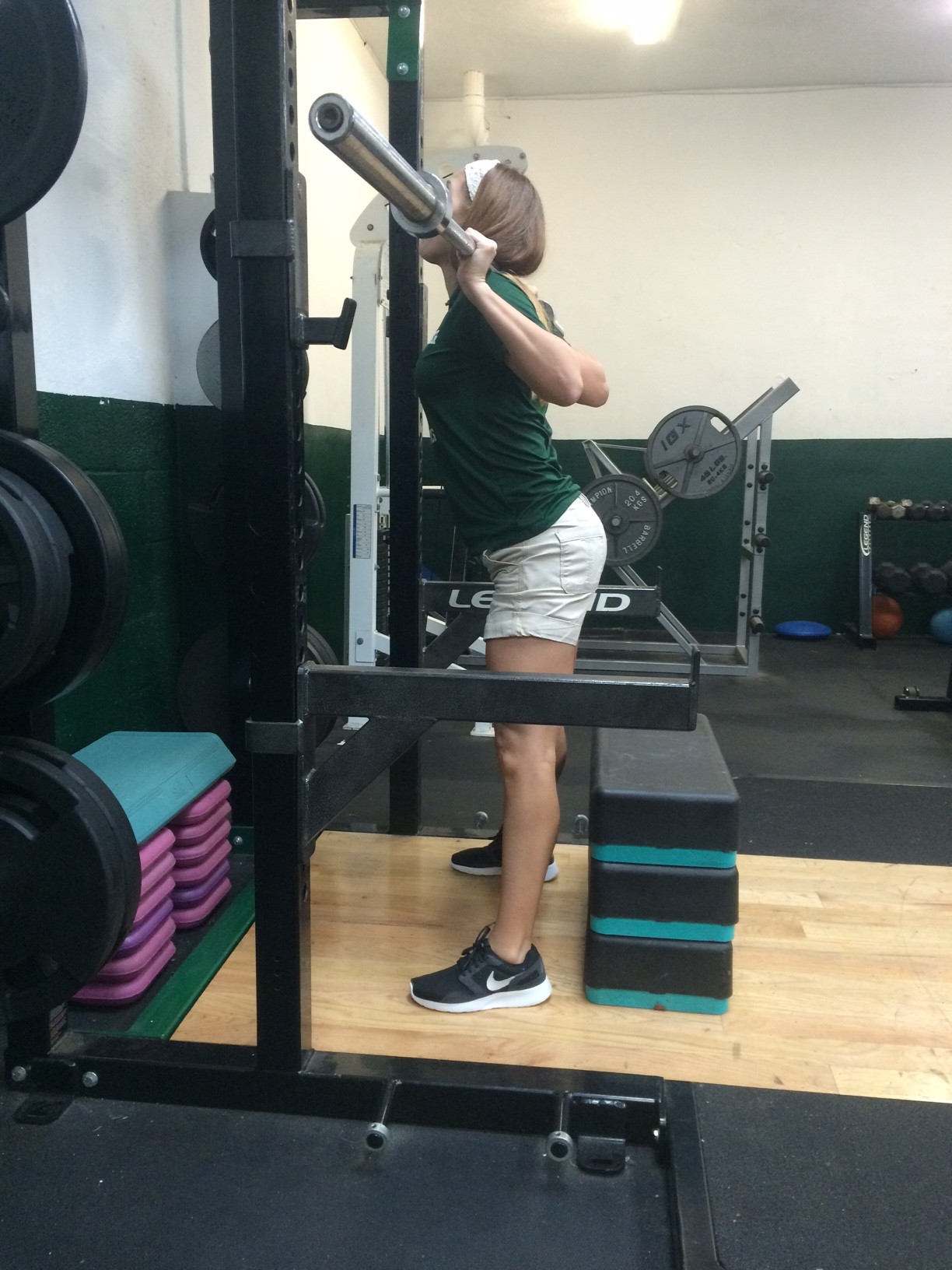
Make sure to have a wide stance, with the feet pointed slightly outward, keep your core tight, and look upwards during the motion. Make sure to not “slam” on the box and to squeeze your glutes together when coming off the box. If you feel yourself slamming/falling on the box decrease the weight you’re lifting until you’ve perfected the technique. On speed days you can complete 6 sets of 8-10 reps with lighter weight, and exploding off the box. On days where you’re maxing out then complete 5-6 sets with 3-5 repetitions ensuring you never sacrifice form for heavier weight.
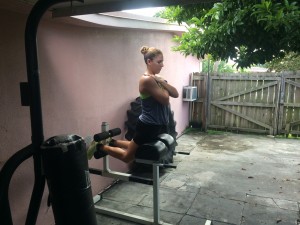
GHD’s
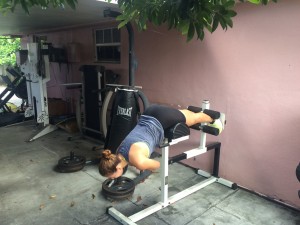
With this exercise you need a GHD machine. Make sure to adjust the height and width to your size to maximize the movement. It’s important to squeeze your glutes throughout and keep your core tight to prevent any low back pain. If you do not squeeze the glutes on the way up, you will begin to engage more of the erector spinae muscles and turn the exercise into a trunk extension instead. Complete 3 sets of 8-10 repetitions.
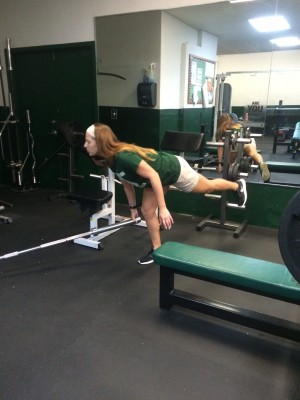
Single-Leg Deadlift with Barbell in Landmine
If your gym does not contain a landmine (metal plate with socket for barbell) then you can place the end of the barbell into a corner of a wall. Since the exercise is unilateral, it requires a higher degree of balance, therefore completing this exercise with flat shoes such as converse or even barefoot would be beneficial. Ensure to keep your back flat at all times as to not engage those erectors and reduce risk of injury to the low back. Squeeze those glutes and hamstrings as well as tighten the core during the motion. Complete 2 sets of 12 repetitions.
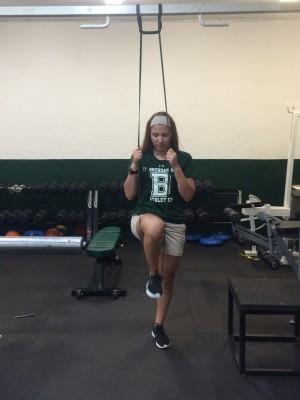
Step-Downs with Resistance Band
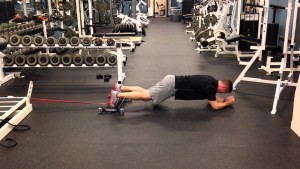
This exercise requires a long resistance band of higher resistance, these can be purchased via amazon here. Loop the band around the top pole of a squat rack, pull down on the band, and place one foot in the loop as seen in the picture below. Make sure to maintain control throughout, step down explosively, and quickly rebound. Keep your back erect at all times. Complete 3 sets of 15 repetitions, bilaterally.
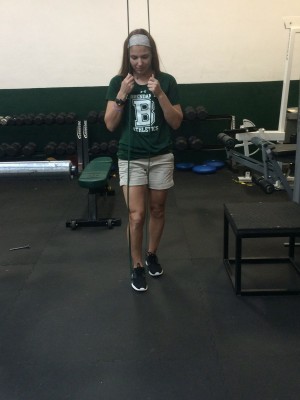
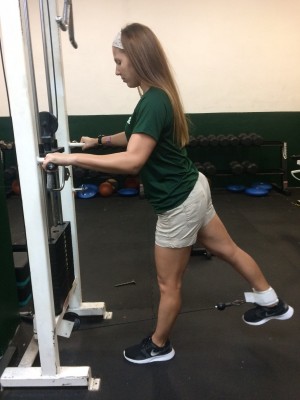
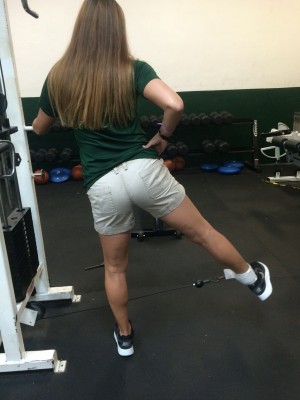
Hip Extension and Hip Abduction Superset
These exercises allow the gluteus maximus to be isolated as well as the gluteus medius and TFL, respectively. Strengthening these muscles decreases the risk of IT band syndrome. It is vital to have ankle cuffs to perform these exercises. When completing hip extensions, make sure to keep the back erect, and foot pointing forward at all times to avoid recruitment of hip abduction muscles. Conversely, with hip abduction, ensure to have toes pointing forward and be explosive when completing the motion. Complete 3 sets of 10 repetitions.
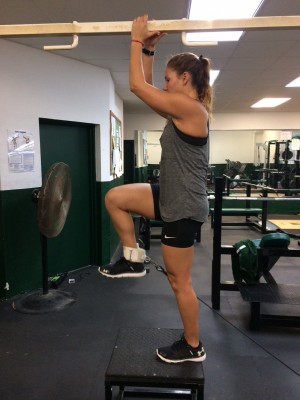
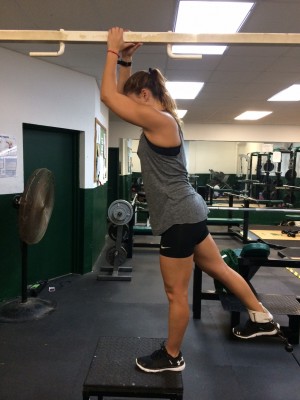
Hip Flexion/Extension
This exercise also requires ankle cuffs, cable cross over machine, and 18 inch plyo box. Hook one leg to the bottom cable, step onto the plyo box, and hold yourself steady with the above beam. Bring your hip upwards in an explosive fashion, and control it as you extend it backwards. This is a great workout for the hip flexors which are used a lot when climbing on the bike. Also, it strengthens the gluteus maximus. Complete 3 sets of 12-15 repetitions.
Pull Throughs
This motion requires a single-handle and cable cross over machine. Hook the handle bar to the bottom cable, place it between your feet, and “pull it through” until your glutes are fully extended as seen in the picture below. It’s important to maintain a flat back when reaching down to ensure you do not hurt your low back during this exercise. Complete 3 sets of 12 repetitions.
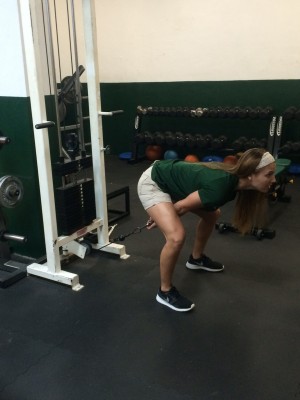
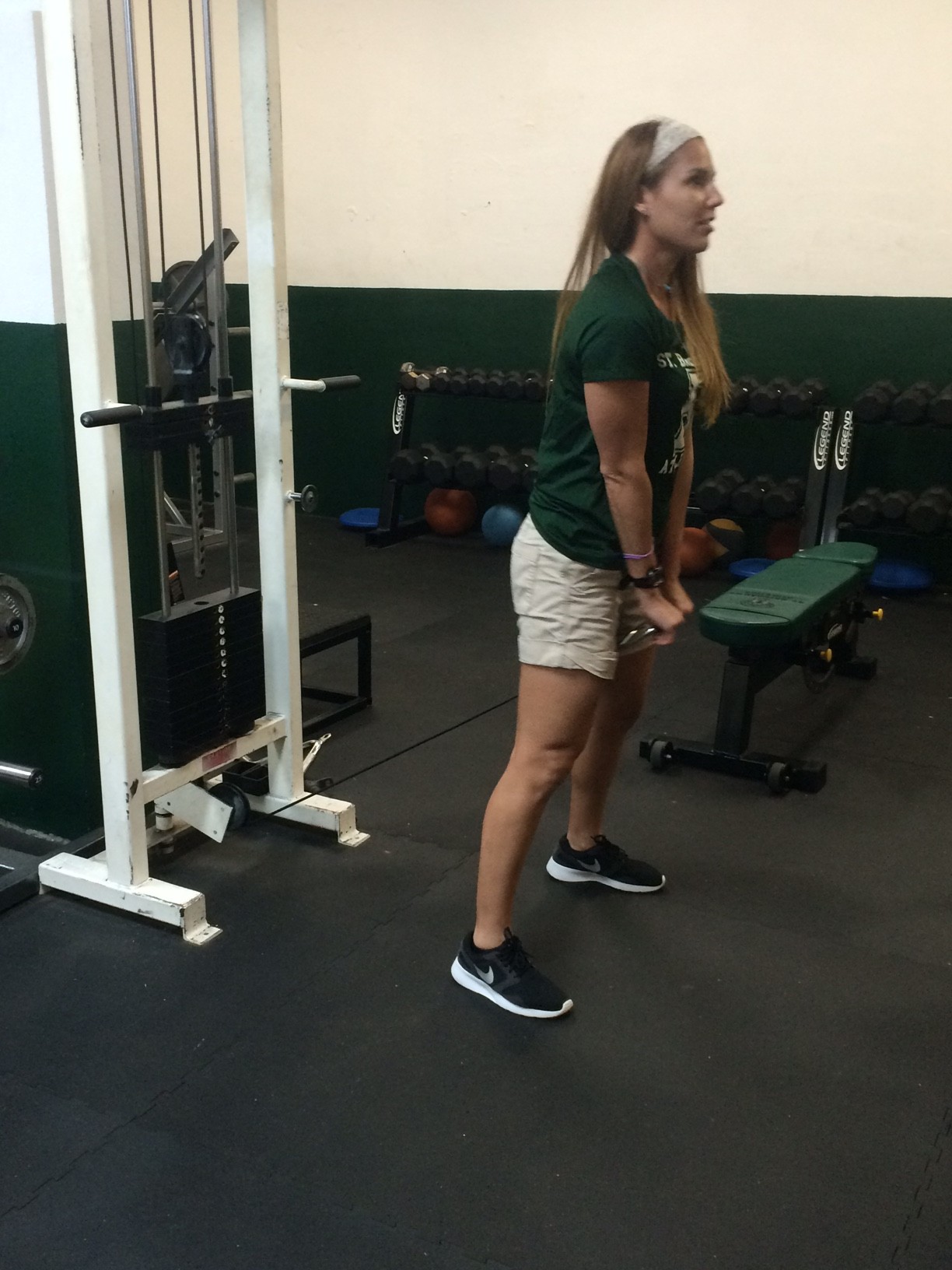
Hamstring Curls with Resistance Band
Using the same type of resistance band as in the step-downs, except with lower resistance (thinner band), you will complete hamstring curls. This exercise is a great alternative if you suffer from any low back pain or pathology. Loop the band around a pole, sit on an 18 inch plyo box, and place heel in loop, then bring the band towards you. Complete 3 sets of 15 repetitions bilaterally.
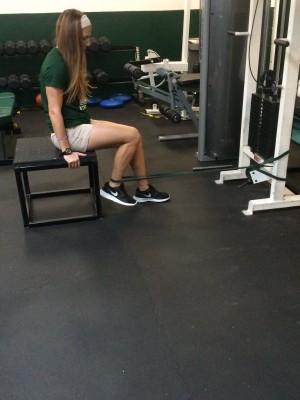
Kettle Bell Swings with Plyometric Box Jump
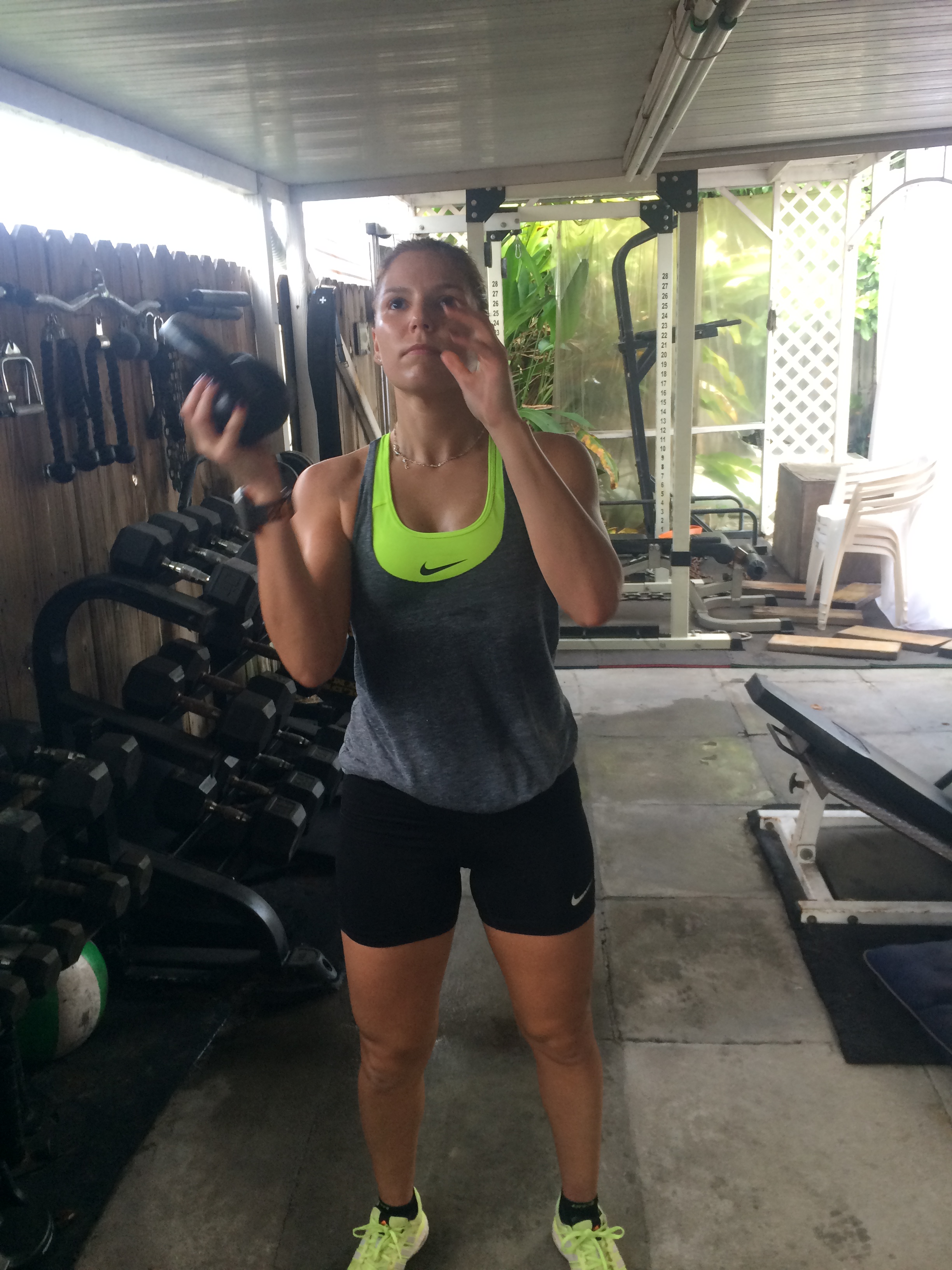
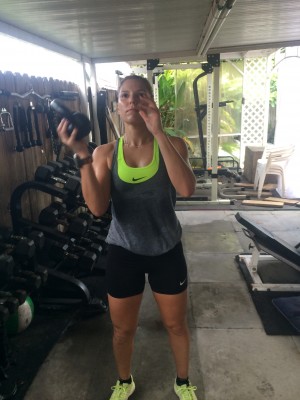
With this exercise you must maintain a tight core, get momentum in the kettle bell swing, and allow the swinging motion to propel you forward as you frog leap. Complete this motion 5 times, drop the kettle bell, and jump onto a plyobox. This is a fantastic plyometric maneuver involving several leg muscles. Do 3 sets of 5 repetitions as explained above.
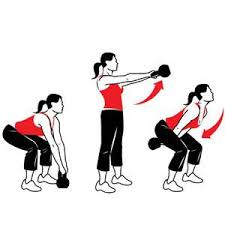
In completing these leg workouts for cyclists twice a week for several months in the off and pre-season, you can minimize risk of injury and improve cycling performance.
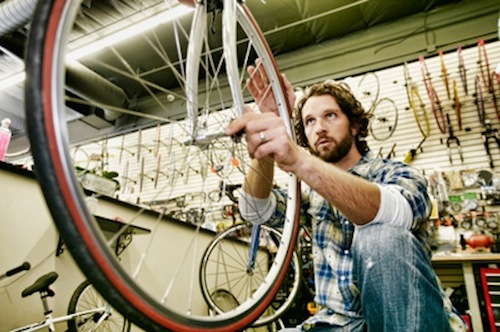 Buying a bike is an important investment in your health, wellbeing, and overall enjoyment. Getting the right one that is perfect for you will help ensure that you get the most out of your purchase and are thoroughly happy with it. Whether you have ridden a little bit before or you are a first time buyer, knowing a little bit about what you’re looking for will go a long way and will make the buying process easier.
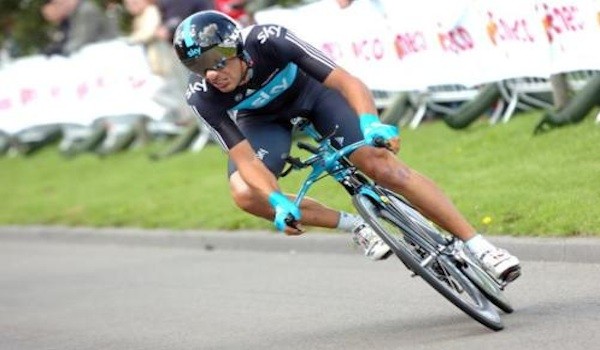 Riding a bike comes with the amazing potential to be able to do more than just go down the street or trail at a quicker pace than walking or running. With riding you can go fast enough and maneuver enough to give you a feeling unlike that of any other. Your heart pumps, the adrenaline flows, you can feel the excitement of what you just rode. You could have crashed but you didn’t. You had the skills to not only get through it but to get through it with style. These few tips will help you ride through corners better and with more confidence.
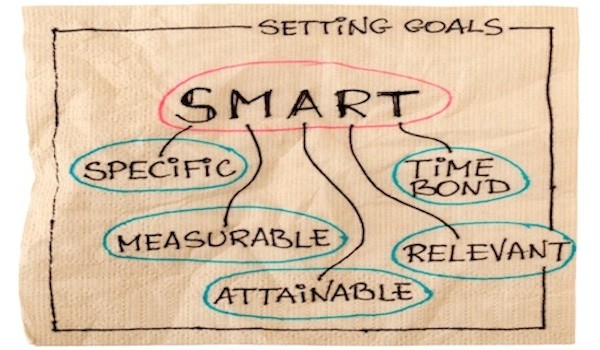 Whether you are aiming for a podium at National Championship or just want to be a little healthier, all bike riders can benefit from setting appropriate SMART goals. SMART is an acronym used to set Specific, Measurable, Action-Oriented, Realistic, and Time-bound goals.
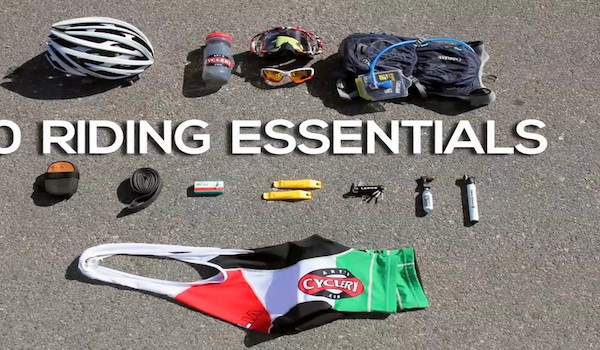 For any sport there is a bare minimum of what you need. Of course you can go above and beyond but just starting out you don’t need all the extra’s. Just the basics will do just fine. With road cycling, these basics can be a bit more pricey than a soccer ball but they don’t have to be expensive, and they’ll last you quite a bit longer than you think.
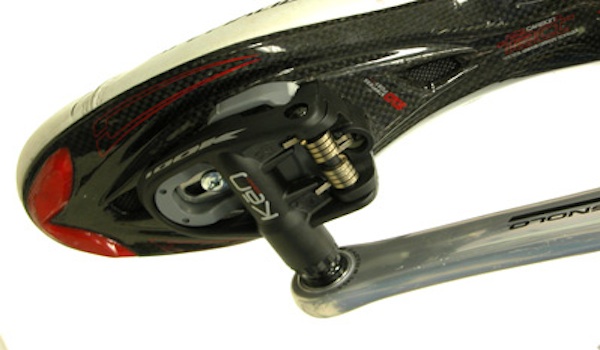 Riding clipless pedals allows you to ride further, faster, and over more technical terrain while giving you a smoother, more comfortable pedal stroke. The only real downside is falling over when you come to a stop because you forgot to unclip before stopping; more of a hit to your morale than your body. Switching to clipless pedals at the proper time along with taking the time to learn how to use them properly will take your riding up a level whether it is on the road or mountain bike.
 The step by step guide outlined in this article can teach a child to ride a bike as quickly as an hour or two. The important thing to remember is that everyone learns at their own pace, so be patient have fun and use the techniques and steps outlined in this article and you will be riding bikes together in no time.