• Training
    • Injury Prevention
    • Training Tips
  • How To
    • Bike Fit
    • Gear
  • Nutrition
    • Nutrition Tips
    • Weight Loss
  • Repair
  • Reviews
  • Stories
    • Funny Stories
    • Jokes
    • Quotes
    • Videos
    • Funny Videos

I Love Bicycling

I Love Bicycling is a website that is geared towards cycling for beginners with road cycling tips, training articles, nutrition tips, weight loss, how to’s and bike repair articles.

Training

  • Injury Prevention
  • Training Tips
  • Training Camps

Does Cycling Build Leg Muscle?

September 28, 2015 by U.M.

Does Cycling Build Leg Muscles?
Does Cycling Build Legs Muscles? You Tell Me…

For a lot of avid cyclists, building leg muscle is one of the key ingredients in their game, particularly if they like to ride competitively. The logic goes that stronger leg muscles allow for faster and harder pedaling, upping your speed and allowing you to power through difficult parts of a course a little more easily.

Cycling alone will primarily build muscle endurance so it is always recommended that you get down to the gym and use other exercises to build that all important power. Squats and leg presses will help you to build muscles. However, that isn’t to say that it is impossible to use cycling to build leg muscle.

What Muscles Does Cycling Build?

The two largest muscles that riding a bike targets is your quadriceps and your hamstrings. These muscles contract in a sequence that creates the pedaling action. The quadriceps and hamstrings do most of the work when you ride a bicycle.

Does Cycling Build Calf Muscle?

Yes, after the quads and hamstrings the calf muscle is the next beneficiary, specifically the gastrocnemius and soleus in the calf.

How Do I Build Big Leg Muscles?

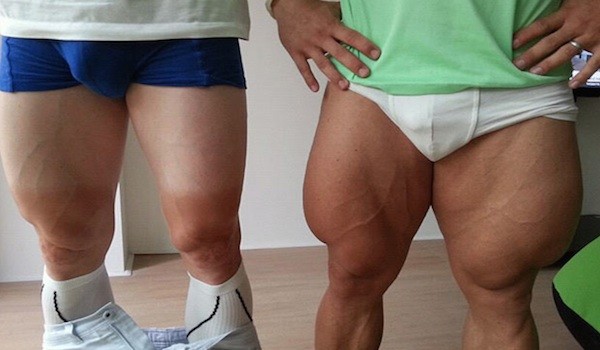
Different types of riding does different things, for instance, sprinting all the time and riding short hard efforts will give you larger legs muscles. Endurance rides may lean you up and make your legs stronger, but the mass of the muscle will not be as evident. If you really want to supersize your legs then you are going to have to hit up the gym. High weight and low reps is the way to build your leg muscles, but at the end of the day you have to ask yourself – what kind of riding you want to be good at.

If you want to beat everyone to the next stop sign, then by all means, grab some weights and do short hard efforts to build that leg muscle. But, if you want to be fast on the 40+ km rides, then really focusing on endurance rides, mixed with some weight training and sprinting is going to be your best bet.

So How Can I Build Leg Muscle During a Ride?

Try any of the following techniques to start developing and building your leg muscles through cycling alone.

Standing While Riding

If you only sit when riding you will find that you are doing very little to foster muscle growth. After all, you are offering little resistance for your legs to power through, so they will simply tone up and build some level of endurance.

By standing you use your own body weight to add resistance, thus providing an excellent workout for your calf muscles in particular. Try riding slowly and raising your heels, all in the standing position, and you will find you apply more weight on your down-stroke, while also creating resistance using your body for the upstroke.

Ride Uphill

If cycling on a flat surface offers too little resistance for muscle building, it stands to reason that going uphill will remedy the issue. Gravity alone will force you to make more use of your leg muscles, taking them out of their comfort zone and forcing them to battle against resistance for the desired effect.

By riding uphill you are forcing both your bike and body against some resistance, allowing you to work on building your quadriceps and hamstrings. Do it enough and you will find that your muscles build up fairly quickly, allowing you to exhibit more power when you are riding on a flat surface.

Monitor Your Cadence

Your cadence plays a surprisingly important role in developing leg muscles, as knowledge of your peak cadence can allow you to adjust your cycling workouts to achieve peak levels of power. Your first step should be to discover your natural cadence for your current fitness level. In other words, this is the cadence that you ride at where you are at peak power and cycling smoothly. A lot of people will find that this is often in the 90-100 rpm range.

Once you know what you’re comfortable with, you can do various workouts around that level. To train pedal speed you can try dropping down a gear and going at a faster cadence, but if you really want to build muscle you should try popping up a gear and riding a little bit below your natural cadence. This will mean that you are still riding at a decent rate and you’re building your strength up as you do, due to the extra resistance offered by the higher gear.

So, you tell us! Does Cycling Build Leg Muscle?
Group Ride Etiquette

September 27, 2015 by Wade Shaddy

You have the bike, and done the miles. You’re dressed in the right gear, understand the culture, and look like a cyclist. With all the cycling clubs, benefit and charity rides out there, there’s no reason to avoid group riding. Here are a few tips on group ride etiquette to boost your confidence to get out there and ride with a group.

biking in large groups, group ride etiquette
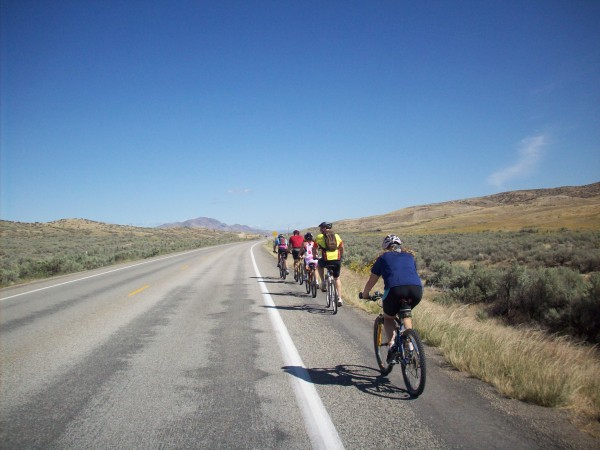
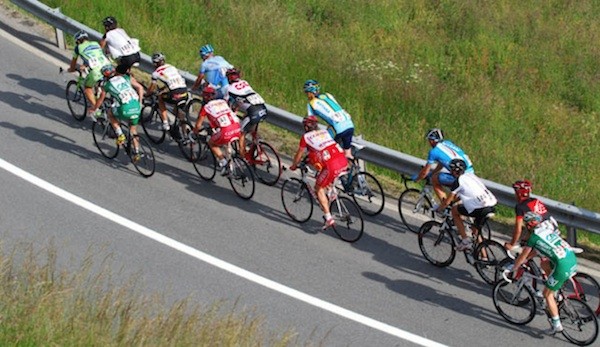
Two-by-two is common when traffic is light.

Just Like You

Not knowing what to expect can be intimidating, but cyclists are just like you. Homemakers, laborers, bookkeepers, students, old, young and everything in-between. Some fit, some — not so fit. There’s no need to be intimidated, it’s not a competition. Everyone’s out there for fun. Group riding is camaraderie, adventure, laughter, feeling fit, and being surrounded by people with like minds. Understanding what’s expected makes you feel welcome, and a part of the group.

Two-by-Two

On country roads, or highways with little traffic, casual group rides might consists of two lines, with riders two abreast (this is called a paceline). Your handlebars should be parallel with each other, bar to bar, with no more than about a 12-to-18 inch gap between your bars, but closer is better. If you’re comfortable with a few inches it’s best. Maintain the gap, even when cornering. It’s your responsibility to stay even with the rider beside you, even if they slow down. Never disrupt the flow, don’t surge ahead or attack, strive for consistency. If you’re on the dirt side, stay as close to the side of the road as you are comfortable with.

One-by-One

If you find yourself without a partner, and you’re riding two-abreast, center yourself behind the two riders in front of you, with your front wheel between the two rear wheels in front of you. If you’re on a busy highway with a marked shoulder, single-file is a must. Cars should pass on your left, with no less than 36 inches between you and the car. It’s the law in some States, and up to the driver of the vehicle to maintain the clearance.

Single-file is a must on roads with high-speed traffic. Biking in large groups, group ride etiquette.
Single-file is a must on roads with high-speed traffic.

No Sudden Movements

Never swerve, brake or accelerate suddenly. The key to safe group riding is to do things gradually and steadily, keeping together.

Hand Signal

If you see obstacles, someone ahead of you drops a water bottle, there’s a pothole or disruption ahead of you use hand signals. Drop your hand to the side, pointing at the obstacle, warning the riders behind you which direction to swerve if needed. Don’t point out insignificant things like cracks, or things that you can ride through, unnecessary swerving to avoid things can be risky.

Car Back

Never shout or yell in a group ride. It causes other cyclists to swerve. Cyclists recognize only two common vocal warnings. “Car back” means a vehicle is approaching from the rear. If you hear it, get over to the side if you’re not already there. If you detect a car coming up behind you, shout “car back” if riders ahead of you need to get over.

On Your Left

It’s never a good idea to pass cyclist on the right side. If you find yourself in a position to pass, always pass on the left, warning the rider in front of you vocally with,”on your left” as you  pass if needed.

Single-File

If you’re moving faster than about 15-16 mph, chances are you’ll get into a paceline, which is a series of riders single file. The lead rider absorbs the wind, creating a type of vacuum that pulls riders behind. When the lead rider begins to tire he peels off and goes to the back, allowing the next rider to take the lead. Its the most efficient form of cycling, and increases your speed while lowering effort.

Get on Board

If someone tells you to “get on board,” it means you’re welcome in the paceline. Feel free to take the position behind the last rider in the paceline. If you find yourself mid-pack or a paceline that forms around you — sweet! Hang on for the ride of your life. It’s like being part of a giant, human centipede. It’s a feeling you’ll never forget. Hold your spot and begin drafting.

Get Drafted

You probably heard of drafting, it’s the most efficient form of cycling. Position your front wheel within 3/4 of a wheel length or closer, to the wheel in front of you. But never get close enough to buzz the wheel in front of you. Focus on keeping the gap consistent, but don’t get mesmerized by it. Continue glancing two or three riders ahead to avoid possible sudden moves in the paceline.

Peel Off

If you find yourself leading the paceline, try to maintain an even speed for as long as you can. When you begin to get tired — it’s more work leading the pack — gradually peel off to the left, and let the pack pass on your right. Take the position at the back and it all starts over again.

Just How Effective Are Helmets?

September 21, 2015 by U.M.

Just How Effective Are Helmets?

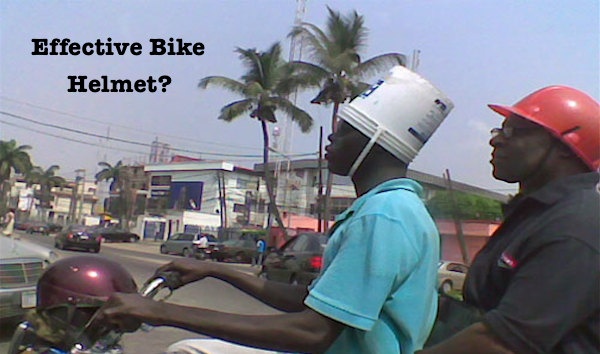
Just how effective are bike helmetsLast year, the Washington Area Bicyclist Association (WABA) petitioned the government to withdraw its claim that bicycle helmets reduce the risk of head injury by 85%. They prevailed, and both the Center for Disease Control (CDC) and the National Highway Traffic Safety Administration (NHTSA) removed the fact from their websites. What was the reasoning behind WABA’s actions? According to an article posted on the organization’s website, spreading bad information can be detrimental, even when the intentions are good.
A study carried out in 1989 is responsible for the information in question. A team of investigators led by Dr. Robert S. Thompson collected data pertaining to cyclists who were being seen in Seattle area hospitals after having crashed. Of the cyclists being treated for head injuries, only 7% reported wearing a helmet. This is in contrast to 24% of cyclists who didn’t suffer head injuries. From this, researchers estimated that the occurrence of head injury was reduced by 85% simply by strapping on a helmet.

The problem with this study is two-fold. First, it’s a case-control study, meaning that it relies on observing and collecting data rather than on trials and experimentation. This type of study is good for proving an effect, but is less effective for quantitating that effect. Second, the study’s findings were not reproducible, though dozens of attempts were made. Researchers found that helmets could, indeed, reduce the risk of head injury, but the amount by which the risk was reduced varied and never quite reached 85%.

There’s no doubt that wearing a bicycle helmet can save your life. Helmets protect your head by forming a cushion. They can significantly reduce the chance of skull fractures because they distribute the force of an impact. So why force a retraction of data that communicates the effectiveness of bike helmets, even if it’s not quite correct?

Helmets today are designed with comfort and performance in mind. They are aerodynamic and lightweight, with ventilation holes and a softer shell. They are also, according to some, not as safe as they once were.

This, WABA cautions, is what comes from relying on bad data. Because 85% is such a reassuring figure, riders have become complacent and have ceased to push for better helmets. Thus, the focus has shifted toward aesthetics and away from safety.

All of this is not to say that helmets are ineffective. Helmets are absolutely essential for safety. Their effectiveness, however, has been overstated, and it’s important to be aware of this. When we stop relying on misinformation, we can start looking at ways to improve safety regulations and standards, and make bicycle helmets even more effective than they already are.

just how effective are helmets
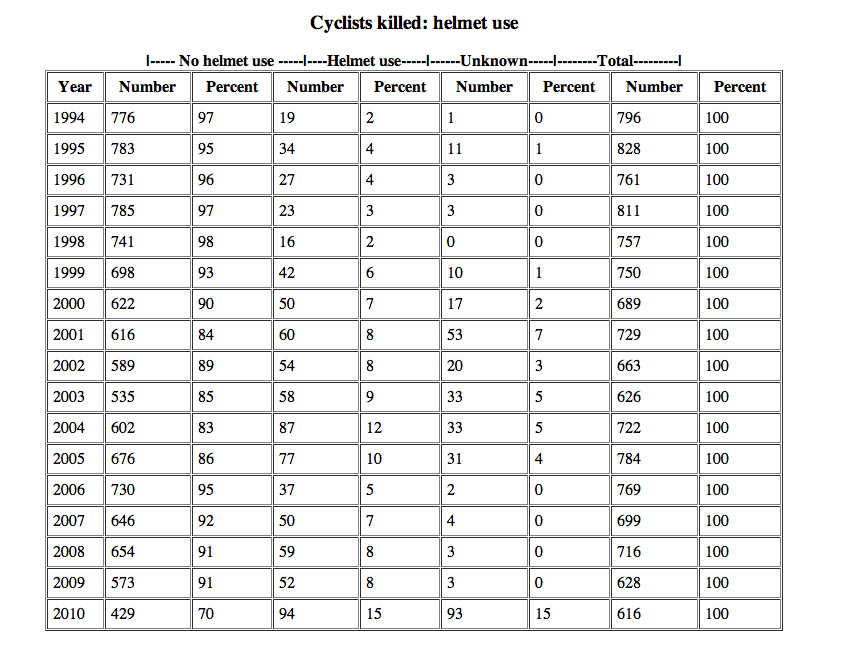
Info from Insurance Institute for Highway Safety

Can Pregnant Women Ride Bikes?

September 21, 2015 by U.M.

Can Pregnant Women Ride Bikes?Exercising while you’re pregnant is one of the best choices you can make for your health and your baby’s health. Women who exercise during their pregnancies produce healthier babies overall, and cycling during pregnancy has even been linked to increased intelligence and reasoning skills in children. It can reduce the side effects of pregnancy, and make you feel more physically comfortable, as well as more emotionally calm. It reduces the risk of various diseases for you, for the fetus, and for your child later in his or her life. It reduces the stress put on you and the baby, and does not seem to produce any negative effects as long as you limit the risk of falling. Many women who cycle choose to “play it safe” by not cycling during pregnancy, but there are countless cases that demonstrate how beneficial it really is in the long run.

Benefits: 

  • Women tend to experience less aches, swelling, and fatigue. Exercise improves circulation, posture, metabolism, and many other factors, so it leads to fewer physical side effects of the pregnancy. It also strengthens your body, which can ease the burden of the extra baby weight.
  • On the emotional side, women tend to experience less depression and anxiety. Cycling during pregnancy has also been shown to reduce insomnia and overall stress in pregnant women.
  • There is a trend towards shorter, easier labor for women who exercised regularly throughout their pregnancy, especially for those who continued their routines up until the end.
  • Exercise improves the cardiovascular health of the fetus, and this effect stays with them after they are born. Children of women who exercised during their pregnancies have stronger hearts, and less risk of heart disease and diabetes. They also develop stronger blood vessels.
  • Children whose mothers exercised during their pregnancy tend to be more lean, and have a lower obesity rate than children whose mothers did not exercise during their pregnancy. 

Things To Consider:

  • Make extra sure to stay hydrated during your cycling and exercise, because dehydration may induce premature contractions.
  • If you have a very vigorous routine, toning it down a bit is highly recommended
  • If you are not someone who has been exercising regularly already, starting during a pregnancy is safe and beneficial, but make sure you ease into it. Your body has a lot to get used to! Taking up cycling may not be a good idea as there is too high of a risk of falling, but other exercises like swimming, aerobics and walking are recommended.
  • Make sure to stay out of the heat. Getting overheated or sunstroke can be harmful to your baby. Do not over stress your body in any way.

Can Pregnant Women Ride Bikes?

Exercising and cycling during pregnancy do not cause harm to the fetus, there will obviously be some exceptions to this. Certain complications of a pregnancy can make it more risky for a woman to exercise. For example, if you are carrying more than one fetus, it may be best to reduce the intensity of your regular routine. Short races (if you keep intensity down) have been shown to be safe, but participating in a form of exercise that is very high impact or carries a higher risk for falling or crashing may not be the best idea. It’s best to run your cycling and exercise routine by your doctor so that you can make any necessary modifications to ensure the safety of you and your child.

Everything You Need to Know About Chamois Butter

September 20, 2015 by U.M.

paceline-chamois-butter-eurostyle-227g-56024Chamois butter is one of those things that seems to be fairly unique to the sport of cycling. If you ask the average person on the street what it does and why cyclists use it, you’re probably going to get little more than slightly confused glances and a shrug of the shoulders. Even avid cyclists are less prone to talk about it than they would other aspects of the sport, probably due to the delicate nature of its usage.

However, it is still something that is commonly used, particularly by professional cyclists who are trying to ensure they remain as comfortable as possible when they are on their bikes for long periods of time. Here we will take a more in-depth look at chamois butter so you can decide for yourself whether or not it’s something that you need.

What Is Chamois?

The chamois is actually a piece of padding that is commonly found in your cycling shorts that has been placed there with the purpose of offering you extra comfort during long bike rides. It is pretty much a must-have feature if you are going to be riding your bike for anything more than an hour a day.

The name stems back to the older days of cycling, where riders would place a chamois cloth in their shorts in an effort to protect their delicates. This was typically made of sheepskin leather, but today’s chamois will usually be made from foam, microfiber cloth or a gel.

What Does Chamois Butter Do?

Back in the days of sheepskin leather chamois, you would need to make sure that you used the appropriate creams or butters to properly condition it so that it would remain usable and also to tackle any bacteria that had built up on the chamois. If you didn’t, the chamois would stiffen, particularly after washing, which would defeat the purpose of having one in the first place.

However, most modern chamois are made using materials that remain soft and supportive on their own accord. Despite this, many people still swear by chamois butter as an essential product and you will find that many professional riders use it to maintain even synthetic chamois.

Essentially, chamois butter is a lube and an antibacterial butter that you rub on your special parts to keep them from getting raw and sore.

So Why Would I Need Chamois Butter?

Technically you don’t need to use chamois butter if you have a modern pair of cycling shorts. Synthetic chamois are developed to stay pliable for many washes and will generally be able to combat the bacteria that older chamois were liable of developing.

However, there is an argument to be made for using chamois butter to increase your comfort levels. After all, applying it to your chamois creates a lubricated layer that helps to reduce friction between your delicate areas and the shorts themselves. This prevents chafing and also leads to a reduction in saddle sores, so if you find that either of these is a regular problem it may be worth investing.

It all comes down to your personal comfort levels, rather than the traditional uses of chamois butter. Check the chamois in your shorts and determine whether or not it is going to remain comfortable for you. If you think there might be an issue, particularly over longer rides, then it is at least worth experimenting with. Every cyclist is different, so you may end up finding that it really works for you.

Where to Buy Chamois Butter

Chamois butter is standard in all local bike shops. Chamois butter can also be purchased online.

Is Chamois Butter For Me?

Only you will know. Try it out, if you enjoy your ride more, then chamois butter is for you!

Your First Cyclocross Race

September 20, 2015 by Adam Farabaugh

Your First Cyclocross RaceShowing up for your first cyclocross race can be daunting. Where do you register, where do you start, how do you pin your numbers, what are the “pits”? These all are some important questions that having an idea of their answers ahead of time will give you a bit more comfort and less stress going into an already crazy race. Ideally you want to arrive at the race venue two hours before the start of your race. This will give you enough time to prepare for your race without rushing as well as to enjoy the other races and make friends. If you have more time, by all means show up even earlier.
Parking

‘Cross races are normally held in a park type setting that can have a regular paved parking lot but be prepared for having to park in the grass or a field. Also be prepared for mud. Don’t back into a spot. You want plenty of room to be able to unload your bike as well as to change and get ready for your race. Since races a lot of the time can be muddy, a good pair of boots is a wise choice. If you know it’s going to rain and you have a pop-up tent, bring it. Getting ready in the rain is a pain so avoid it if you can.

Registering

Once you’re parked you should find where registration is. If it’s far, get your bike ready and ride, otherwise walk to registration. Make sure you have your wallet so you don’t have to make the trip twice. As you’re heading to registration, scout out the lay of the land. You may have to ask around but find where the start is as well as the finish. They are never the same location. Also, you will want to see where the pits are. If you don’t see them on your way to registration, ask when you get there. Once you’re registered, make sure you have enough pins to pin your numbers before you head back to your car. If you didn’t hit up the bathroom already, find it and make sure you know where it is to visit right before your start.

Pinning Your Number

Depending upon the race organizer, you can have one to four numbers. At registration, they will show you where to place your numbers. The main numbers on your back are fairly straight forward. Make sure the bottom of the number goes down your side and not squarely on your back. In bigger races smaller shoulder numbers will be given. These are a bit tricky to pin. Look around to see how other people have pinned theirs and follow suit.

Remember that your jersey is going to stretch so place the pins slightly closer together on the jersey so when the jersey stretches it doesn’t rip. Once you’re pinned, get dressed and ready to ride. Set out the water bottles and food you need for right before your race as well as what you are going to need after. If it’s cold, and/or wet, make sure you have warm clothes laid out ready to put on.

Warming Up and Pre-Riding the Course.

Both warming up for ‘cross as well as pre-riding the course is imperative. The race will designate times between races where the course will be open for pre-riding. Make sure you know when these are as to not miss them. Typically you will want to ride the course before the race immediately ahead of your race. Once you’re on the course, don’t ride it hard. You want to see it and know the good lines. If you can, follow a few riders who seem like they know what they’re doing to see where they ride and how they get through different sections. See where you can go hard and where you can relax a little throughout the course.

After you have ridden a lap, which is probably all you will have time for, go back to your car and top off on food and water. Now you will want to do an actual warm up where you ride hard to get your legs ready to go full gas. If you have a trainer or rollers, they can be a great warm-up option. Otherwise go find a good stretch of road to ride. Make sure to do a few short max efforts. Also make sure you don’t go too far as to miss your start time. Depending upon your set-up with a spare bike or spare wheels, place them in the pit before your warm-up. Don’t wait until right before your race to try and put them in.

The Start

The start of a ‘cross race is crazy as well as one of the most important elements to placing well. The start is organized into lanes that are normally marked. Riders are called by name or number into their starting spot. Being your first race, you will be one of the last called. The more you race and the better you do the better starting spot you will get.

Make sure you are in a good gear that’s not too big or too small so you can clip in and get up to speed quickly without having to shift straight away. The official will give the final instructions and will then call out “thirty seconds”. At any time in the following thirty seconds the official will blow their whistle indicating the start of the race. The start is super critical as this is the time where you can pass the most amount of riders in the shortest amount of time. Navigating your line through all the riders will come with practice.

Afterwards

Once you finish your race you will want to spin around for a little bit to warm-down your legs from the effort. Before you do this however, go back to your vehicle and grab something to eat and drink as well as to put on any clothes if it’s cold. Then go for a short spin. After, go back to your vehicle, change, and then go check out the results and to collect any prizes as enough time should have passed that they are ready. After and during the above, drink beer, eat sausage and Belgian Waffles, and have a good time. You’re at a ‘cross race after all.  It’s what you’re supposed to do from the time you get there until you leave.

What is Cyclocross?

September 20, 2015 by Adam Farabaugh

What is CyclocrossWhat is Cyclocross?

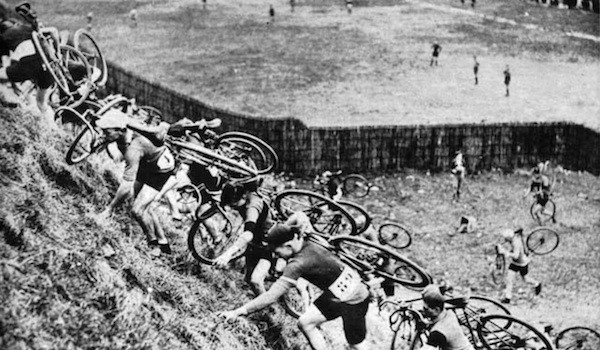
Cyclocross is a discipline within cycling that is a crossover of mountain biking and road biking. Back in the day in colder climates, riders needed a way to keep riding their bike through the winter months. A standard road ride was too long and cold. A mountain bike ride could have snow and other inconvenient factors along with being too long as well. They needed a way to ride that limited their time in the cold as well as was hard enough to keep them warm. The answer was cyclocross. Cyclocross is a cycling discipline that is ridden on a short, technical course of pavement, grass, dirt, mud, sand, and snow which includes features such as barriers and run-ups which force riders to dismount their bike.

What Races Consist Of

The main discipline within cyclocross is ‘cross racing. Races are thirty to sixty minutes in length, depending upon your category, and are raced on a taped off course that is about two to four kilometers long, or about five to fifteen minutes per lap.

Races typically start out on a long opening straight of pavement or dirt, and then take a turn to pretty much anything. The surface is always changing and is often very technical with turns. Races, a lot of the time, are run in parks so they take advantage of whatever features are around and can be utilized. Things like steep hills, stairs, sand volleyball courts, and off-camber sections are used a lot to create a difficult course for you to ride a bike on, let alone race. To top these features off, wooden barriers are used to force you off your bike, unless you’re a real savvy bike rider and can bunny hop them. Also, super steep sections are often placed on the course so you have to dismount and run up them.

If you’re not already a good bike handler, the technical nature of ‘cross racing will definitely make you better. Along with being a good bike handler, the races require you to go really hard for a short amount of time so you have to be able to ride your bike well while at your physical limit.

What Kind of Bike is Used

A special bike is ridden that is a “cross” between a mountain bike and a road bike. The bike more closely resembles that of a road bike but with mountain influences. The first thing that is different from a road bike is that the tires are bigger but smaller than mountain. The tires are also knobby to give traction through the corners and up hills. To allow the wider tires, the frame has a larger fork along with a wider rear end of the bike. The clearance not only allows the tires to fit but also creates room for mud to accumulate without bogging down your wheels.

The brakes are also a bit different to allow the larger tires along with having the option of disc brakes like a mountain bike. Aside from those minor differences, everything else is the same as a road bike; the shifters, the derailleurs, except for the gearing. A bit smaller gears are used as the speeds are slower than down an open road. A ‘cross bike for racing is also a great tool that can be ridden on gentle trails, dirt roads, and in some snowy conditions making it a great all around bike to ride.

The Culture

Just like any other sport, cyclocross has its own niche culture. It’s not road and it’s not quite mountain. ‘Cross culture has a bit of the seriousness of road with the laid back atmosphere of mountain. Riders can take their training, racing, as well as equipment very seriously but at the same time they’ll have a few bottles of Belgian beer to heckle the other racers as well as to enjoy after their race with friends.

‘Cross culture in Europe, particularly in Belgium where pro riders are celebrities and races are watched by thousands, is another level of craziness. Courses are more challenging and the support riders receive is unmatched but North American ‘cross races have their own awesome culture that gets riders hooked from their first weekend of racing.

Cyclocross is growing tremendously all over the world and for good reason. Because of how awesome it is. Just riding the courses are a lot of fun and racing adds another level of fun to it. That along with the ‘cross culture creates an appealing sport not only for those who ride road or mountain but anyone in general. ‘Cross is a great way to get into the sport of cycling. Although a ‘cross bike is best for a ‘cross race, a mountain bike can still suffice. A road bike will not however. And as you get hooked you can easily make the switch to a ‘cross bike. Cyclocross is not only quite the sport within cycling but quite the sport in general. Get hooked now otherwise when you do in the future, you’ll have wished you did before.

Your Pre-Ride Checklist

September 19, 2015 by U.M.

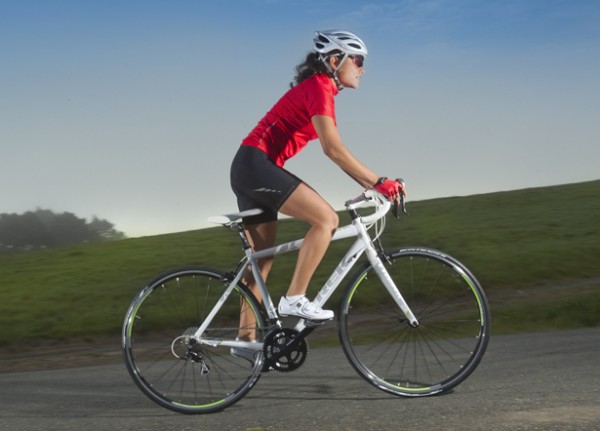
your pre-ride checklistBefore you head out on your bike ride there are several things you’ll need to accomplish before you go, including checking that you have everything you may need. You’ll also want to do a quick maintenance check, especially if you haven’t done one in a while and your bike ride will be long or important such as a race. Here’s the base of a pre-ride checklist for cyclists
1. Maintenance

This should be done before a long bike ride or race. Such maintenance includes:

  • Inflate the tires to appropriate psi before each ride
  • Align brake pads with wheel rims and test braking power
  • Check the angle and height of the handlebars, make sure they’re secure
  • Spin pedals and crank arms for effortless rotation and security, make sure nothing is rubbing or catching
  • Clean and lubricate the chain
  • Adjust chain tension until snug
  • Check the angle of the saddle and height of saddle and secure
  • Set the limit screws and barrel adjusters of the derailleurs so the chain shifts across gears with precision
  • Pack extra tools for the road: two spare tubes, a pump, a tire lever, a key set, and a chain tool

2. Nutrition

While you may not ABSOLUTELY need to do the maintenance portion of the pre-ride checklist for cyclists with every ride you should always do the nutrition portion. Your nutrition checklist should include:

  • A breakfast sized correctly for your bike ride
  • Pack a powerbar, energy bar, or other good mid-ride snack, one for each hour you’re riding
  • Two water bottles (if you have room for them) one with water, one with sports drink
  • Bring additional money if you are going on a long ride so you can purchase more sports drinks or water

3. Safety Items

Having these items on a long bike ride will be very helpful should you crash or hurt yourself in some other way. Being able to patch yourself up quickly will keep you from having to call off future rides. They can also be good preventative measures as well. Such safety items include:

  • First aid kit with bandages, gauze, and antiseptic
  • Anti-inflammatory medication
  • Sunscreen
  • Wet wipes
  • Sunglasses
  • Lip balm with UV protection
  • Any prescription medications that are taken in an emergency health situation (inhalers, etc.)

These safety items obviously depend on the distance of the ride, but some are essential to a ride.

4. Miscellaneous

Just because it’s miscellaneous doesn’t mean it isn’t as equally important as other items in your bag. Having these items can help you in a variety of surprise situations which can crop up anywhere at any time regardless of how you handle yourself. Such good items to have are:

  • Laminated photo identification with name, address, and emergency contact
  • Insurance card
  • Some cash
  • Fully charged cell phone
  • Whistle or flare for off road cyclists who may become lost in the wilderness

Every time you go on a bike ride make sure you go through a checklist. A good pre-ride checklist for cyclists will match the type of bike ride you are taking to the items you pack. For example, riding on a path near your home may only require a phone, some id, and some water. An all-day ride requires much more. Simply be aware that you have to tailor your checklist to match your potential needs and you should find that you’ll have little, if any, problems you can’t overcome during your ride.

Top 10 Tips for New Female Cyclists

September 19, 2015 by U.M.

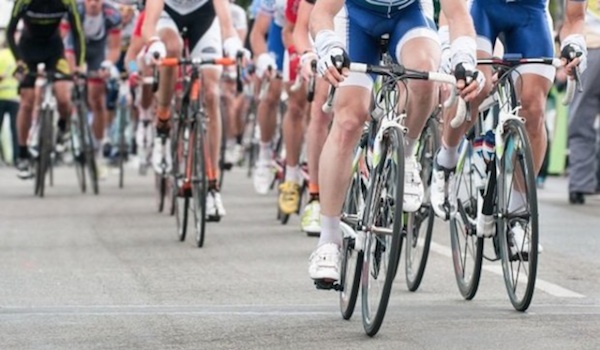
Getting into a new sport can be difficult both physically and mentally. Cycling is no exception to this and while there are plenty of tips that you can get for new cyclists, not all of them are specific or even helpful to women. For example, many new women cyclists can struggle with confidence in group riding or with understanding the intricacies of a good bike fit. Here’s the top 10 tips for new female cyclists.
1. Nutrition

Nutrition is a daily part of life but it is especially important when you begin cycling. Pro cyclist Tiffany Cromwell recommends that you eat healthy but that you don’t obsess about it either like many women are prone to do. If you focus too much on being healthy you’ll start to lose some of the enjoyment you get from cycling in the first place. Women cyclists should stick to green vegetables, carbs, protein, and water. Eat meals regularly and also eat when you’re on the bike to avoid hitting empty on your fuel supply.

2. Clothing

Many female cyclists will prefer a tighter fitting jersey and shorts that come to roughly the mid-thigh. A tighter jersey will prevent having loose fabric flapping in the wind as you ride and causing air drag. You’ll be more aerodynamic with a tighter jersey and therefore faster. A pair shorts that comes about mid-thigh are ideal. They give you the movement you need without forcing you to pull them down every five minutes should they ride up while you pedal.

3. Gears

You have a big chain ring, a small chain ring, and usually ten to eleven gears in the back. Don’t be afraid to cycle through all of the gears and work up a sweat when you ride. Using the big chain ring will require you to put out a lot more power and is a great way to burn off a lot of calories in not a lot of time. You won’t have an easy ride but you will have a great workout.

4. Saddle

The saddle is very important because it’s where you’ll get the most comfort. It’s also a very personal choice. Some people prefer softer saddles while others prefer a harder saddle. Many women will prefer a men’s saddle, usually with a cut out because of the perceived flexibility and ability to handle bumps in the road more effectively. Before you go to buy a new saddle see if there’s some cycling friends who will let you try theirs so that you can get an idea of what’s comfortable for you or try them at the local bike shop before you buy.

5. Bars

Female riders have a bit of a reputation for taking a bike as-is and often end up with bars that are too wide for them. A good bar width will be the width of your shoulders. Having bars that fit you will improve both your comfort and handling ability.

6. Bike Fit

The bike fit is equally as personal as the saddle because good bikes are molded to the rider, not the other way around. This is when you need to find a very good bike shop who knows how to help with bike fits. They’ll measure your limbs and body to give you a correct frame. Without a good bike fit you could have too long of a reach, too high or low seat post, or any other number of problems which make good form impossible.

7. Ride with the Guys

Riding with men will help you to improve your fitness levels much more effectively than if you ride alone. Men are great race partners and having a group of people (both men and women) you trust will make you feel safer when you ride. Furthermore, being able to keep up or beat the men at a friendly race will boost your confidence in your riding skills and abilities.

8. Confidence

If you aren’t very confident in road cycling, start with a quieter area first and work your up to paths that may take you through heavier traffic zones. Remember that drivers will give you space. They don’t want to hit you anymore than you want to be hit. When you cycle on the road you don’t want to be scared. This will make you hyper aware of your surroundings but will also prevent you from actually training because you may stop frequently, slow down, or simply cut out early. Give yourself time to get used to the idea of road cycling and build your confidence up.

9. Relax

Be relaxed on your bike. When you come down a hill for the first time, the last thing you want to do is to lock your elbows and tense up because you’re scared or uncertain. You want to maintain proper cycling form but you also want to be able to flow with the movements of your bike. Just take a deep breath and stop worrying. You’ll be fine.

10. Looking Good

Looking good is part of the battle especially when it comes to how other riders perceive you. If you’re having a bad day but your bike looks good and all of your cycling gear is properly maintained people (including yourself) will think it’s just a bad day and tomorrow will be better. You don’t have to look the part, but it sure helps!

These 10 tips for new female cyclists will keep you from making some of the common mistakes that many new cyclists make. You should be able to avoid much of the growing pains that come with cycling for beginners and ease your transition into the sport.

The Dos and Don’ts Of Group Riding

September 18, 2015 by U.M.

The Dos and Don’ts Of Group RidingIf you plan on going for a group ride and you’re all brushed up on the group riding skills you’ll need, the next thing you’ll need to know about is the etiquette that will be expected of you while you ride. Most riders will expect you to know these things unless you are a brand new cyclist. That being said here’s the dos and don’ts of group riding.

The Golden Rule

Ride like the person you would like to be riding behind. This isn’t just about being kind and courteous. This is also about maintaining good skills such as how to drop back or move forward in a paceline. You’ll also want to maintain good safety precautions by warning others about debris on the road, sharp turns or any other sort of upcoming danger. Never assume that everyone sees what you can see. It’s good group riding etiquette to watch out for other riders and communicate it to them via hand signals or hand signals and verbal.

The Over Reactor

In a group there is always that guy… that guy that seems to overreact to each little situation. Someone stops pedaling in front of him and he slams on his brakes instead of stopping pedaling as well creating an unnecessarily large gap, then hammers back on the pedals again to catch up only to slow too much again. If you are that guy, stop it, if you see that guy in a group… make sure you are ahead of him as he will waste not only his energy but yours as well.

The Obnoxious Warm-Up Rider

During a group ride the first 10-15 minutes is for warm up. Don’t blast off the front and stretch the group out immediately. Nor should you pedal hard to the front then stop pedaling to drop to the pack just to blast back to the front. Calm down, take a position and if you need more effort to warm up properly try a higher cadence or standing up. Perhaps you can start a minute or two later than the group and catch up.

Similarly on a track, if you have a race, do not warm up on the track just before your race time. Many races have multiple events during the day and for all you know the stretch of track you’re warming up on is still an active race zone and you’ll likely be in someone’s way. If you need to get to know the track, the best time would be before the race is set up or early that day before the first event.

The Cut Off

When you go into the corner of a race, pick a line and stick with it. The last thing you want to be is that biker who cut off another and caused a crash. However, be aware that skilled racers can take on lines and work their way into spots that others will find difficult or even terrifying. Only do what you know you are skilled enough to do; the race itself is not the time to work on building your skills. That’s what training is for.

The Fast One

So you are the fast one, most of the group already knows, you don’t need to prove it every group ride. Don’t blast off the front and break the group up in the middle of the ride – no one likes a showoff. Try to keep the same pace the group was holding before you got a turn pulling on the front. Perhaps ride at the back of the pack with a nice gap so you don’t get any benefits of drafting so you still get your workout in.

The Late One

When you sign up for a group race either for fun or for a race, always be prepared. This means that you need to have your registration in days early and you need to have all the supplies you’ll need for the ride. If you’re going on a long ride don’t show up late without all the water, food, and other supplies you need. Plan ahead and leave early in case traffic gets in your way.

The Sudden Stopper

If you see something in the middle of the road never slam on your brakes unless it is life or death, you run the risk of causing other riders to crash. This is as much a safety concern as it is an etiquette problem. If you have time give a hand signal of “stopping” and yell stopping. If you don’t have time for a hand signal, have the decency to yell stopping as you are doing it. Try and slow down as slowly as you are able to give riders behind you time to react.

The Silent Swerver

Less heard of than the sudden stopper but equally as deadly the silent swerver sees an obstacle in the road, does not point it out and then at the last second swerves around it leaving the cyclist behind running right into the obstacle. Be kind and point out the obstacle well in advance, take a position to the left or to the right as early as possible so other cyclists are able to see what danger is coming.

The Uninvited Drafter

This doesn’t necessarily apply to racing but to riding in large groups of people that you may not know. In a more relaxed setting, you should never draft someone you don’t know without their permission. Not only is it rude but it can actually be a little creepy. If someone does this to you, remind them that it’s common biker courtesy to ask permission first.

The dos and don’ts of group riding are not that hard to follow. If you’re new to riding in groups let your fellow riders know so they won’t take offense to your mistakes. Most people will be glad to watch your back and help you learn the rules you need to know.

« Previous Page
Next Page »
  • Facebook
  • Tumblr
  • Twitter

Latest Articles

JOIN Cycling: A New Training Platform for Cyclists

May 27, 2024 By Eric Lister

cold exposure

The Benefits of Cold Exposure for Cycling & Life

June 13, 2023 By Eric Lister

hill climb

The Ultimate Hill Climb Training Guide

May 31, 2023 By Eric Lister

shoulder pain cycling

How to Treat & Avoid Shoulder Pain While Cycling

April 12, 2023 By Eric Lister

psoas stretch

The Importance of the Psoas Stretch for Cyclists

April 6, 2023 By Eric Lister

cycling neck pain

The Ultimate Guide to Cycling Neck Pain: Causes and Solutions

March 21, 2023 By Eric Lister

Useful Info

  • Contact
  • Finally, A Global Cycling Club That Is Focused On Community And Love Of Cycling!
  • Privacy Policy
  • Share Your Story!
  • Terms And Conditions Of Use
  • Welcome to I Love Bicycling
  • What Happened When I Stretched Every Day For a Month

Recent Posts

  • JOIN Cycling: A New Training Platform for Cyclists
  • How to Hang Bikes in Your Garage: 4 Inexpensive Options
  • Gravel Bike Vs. Road Bike: Which One Is Better For You?
  • The 6 Types of Mountain Bikes & How to Choose the Best One for You
  • What Is a Touring Bike Good For? 5 Benefits We Know You’ll Love

Search I Love Bicycling

Connect with Us

  • Facebook
  • RSS
  • Tumblr
  • Twitter

Copyright © 2026 · Magazine Pro Theme on Genesis Framework · WordPress · Log in