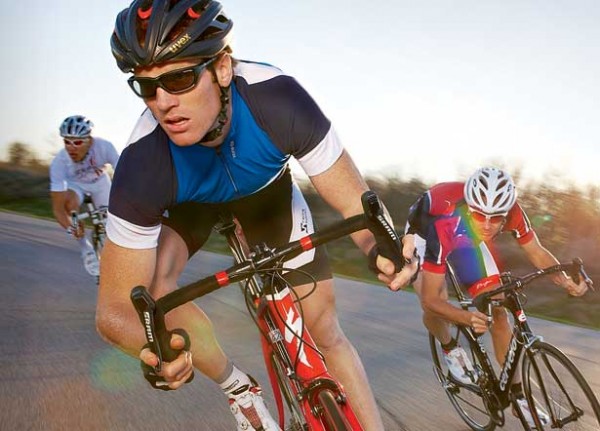
 When you first start out as a biker there are several things you can only gain from experience. There are other things that feel like a well kept secret that once you know, makes riding so much easier on you. Here’s some of the top cycling secrets.
Drafting
There are multiple tactics you have to learn when it comes to group riding but one that may slip through the cracks is where to ride in the group so that you get the most distance for your energy. Slip-streaming or drafting is a common factor to group riding. It reduces the amount of wind resistance you get and can make your ride easier by reducing the amount of power you have to use by up to 30 percent. Furthermore, when someone drafts you, you get a 3 percent advantage as well. However, it’s not polite to continuously ride in someone else’s slipstream. The polite thing to do is rotate positions within the group so that everyone gets the advantage of easier riding.
The Winds
When the group is experiencing a head wind that is when you want to spend your time at the back and leave the strongest rider at the front to set the pace. You’ll have an easier time keeping up because of the drafting (unless you are the strongest rider in which case you should be at the front). However, if the winds change into a tailwind, that is the time to move from the back to the front and take your turn as leader. A cross wind means that your drafting power will look a little differently. This is when you’ll see riders form a diagonal line called an echelon in order to take advantage of the slipstream. This is something you’ll have to practice in order to know which position fits you best.
The Hill
When your group hits a hill you’ll want to move to the front. That way you can set the pace. Usually hills are where everyone slows down and the advantages of drafting are greatly reduced because of the gradient of the road. Everyone is pretty much pedaling under their own power and by being in the front you can determine a pace that fits your own fitness levels the best.
Aerodynamics
There’s a reason bikers wear tight clothes when they ride and it has nothing to do with how good they look in them. It’s about aerodynamics. Tight clothes provide less wind resistance because there’s nothing to flap about in the wind. Loose clothes basically work like the sails on a boat. They catch the wind and they pull you in the direction that wind is going. Often times this is backwards which slows you down dramatically.
Your posture and position on the bike also has aerodynamic consequences. The more body mass the wind is able to hit the more drag you’ll experience, slowing you down. You want as flat a torso as you can manage. To do so, put your hands on the drops of your bike handles and straighten your forearms so that they are parallel to the ground, elbows pointing straight back. Next, lower your head so that it’s in line with your body. This will allow the wind to slip over your back easily instead of the hitting you in the face and breaking up a good slipstream.
This position may not be very comfortable at first so make sure you practice it frequently. Have a riding partner keep an eye on it and let you know when to make adjustments. After all, another person can see your posture lines much better than you can.
Knowing and practicing these little cycling secrets will make you a better cyclist in the long run. You’ll know not only how to manipulate your environment for speed, but you’ll also know how to maximize your efficiency when riding in a group. Just make sure you share that efficiency with the other riders in order to avoid being known as the rude cyclist.
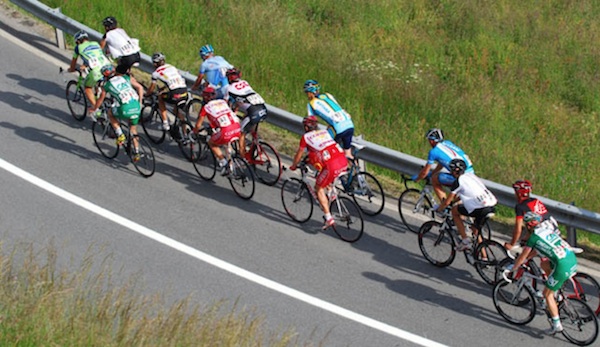 Biking alone is actually much easier than biking in a large group. The tips in this article will list some general rules for biking in large groups for fun and not as a race. Group rides and races are two separate events and require two sets of skills. Keeping that in mind, here are some tips for biking in large groups.
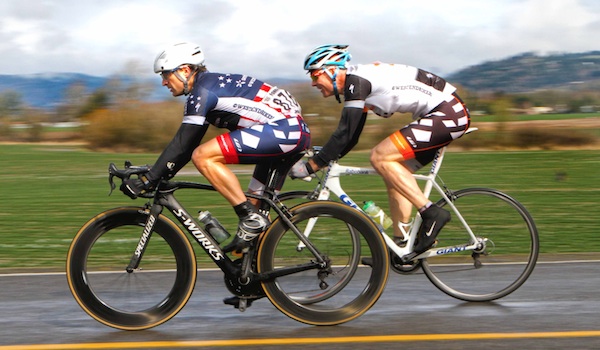 There are thousands of bike races held every year around the world. The majority of these races are local and are designed to get bikers in the community involved with the sport of cycling. However, the hardest and most technical of races require dedication and long hours of training in order to complete. Still others are historic, beautiful, and interesting. Here are the top 10 amateur bike races in the world.
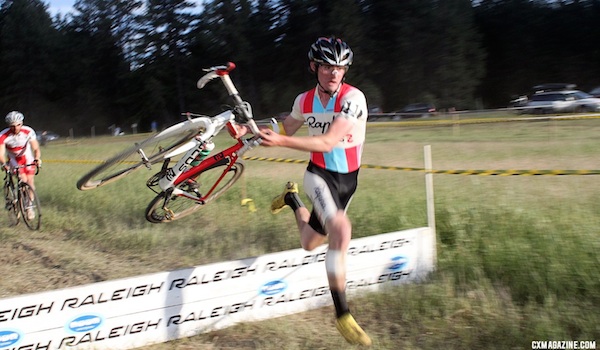 The endless number of accelerations, steep ride up’s and run up’s, barriers, as well as the intensity of cyclocross racing all add up to create a sport within cycling that is very demanding on your legs. Road or mountain bike fitness is great for coming into a season of cyclocross but adding in a variety of workouts will help you to better adapt to the racing as well as to set you up to do well. Cyclocross races are short so the training for it doesn’t have to be long either. You can do a variety of workouts which are hard and intense but also fun in a short amount of time a few times a week.
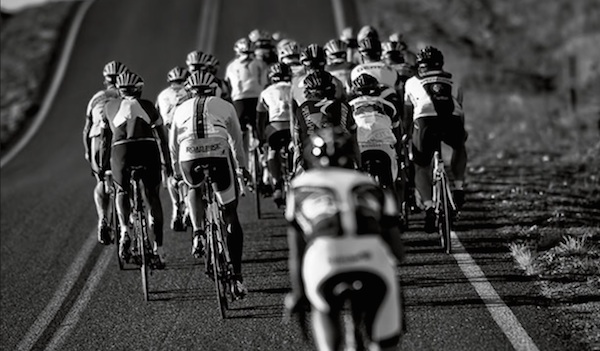 Have you been asked to go on a group ride that you know will be too easy for you? You won’t have to find an excuse to get out of it and awkwardly meet the group on the road going opposite directions when using these quick tips on how to make an easy group ride hard.
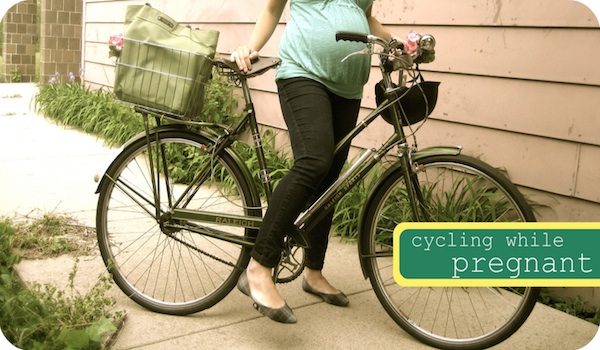 As people learn you are pregnant you will receive all kinds of advice, some good and lots bad. At the end of the day you have to do what is right for you, the golden rule: Listen To Your Body.
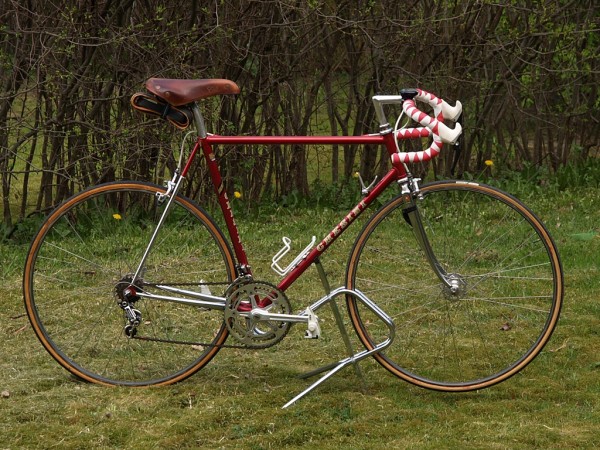 Heading out onto the roads can often be a little intimidating for experienced cyclists, which means that road bikes for beginners can be even scarier. In fact, there are some people who have given up on the hobby entirely before ever exploring the myriad of benefits that it can provide, no matter what your current levels of fitness or experience.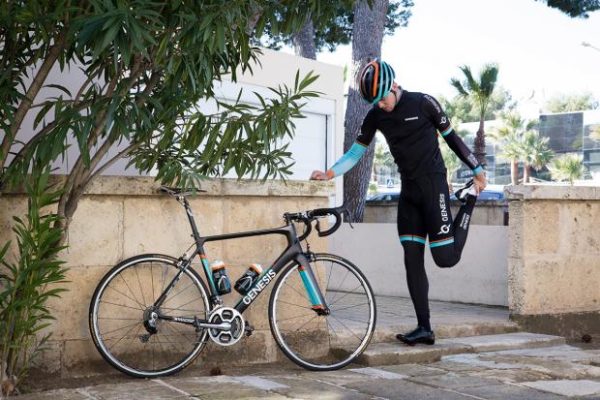
 Legs & Back
 Off Days
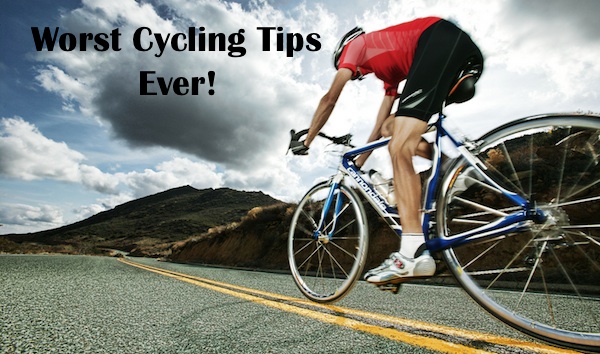 There is no lack of terrible advice out there from everyone and below is a just a small sample of some of the worst cycling tips ever given.