• Training
    • Injury Prevention
    • Training Tips
  • How To
    • Bike Fit
    • Gear
  • Nutrition
    • Nutrition Tips
    • Weight Loss
  • Repair
  • Reviews
  • Stories
    • Funny Stories
    • Jokes
    • Quotes
    • Videos
    • Funny Videos

I Love Bicycling

I Love Bicycling is a website that is geared towards cycling for beginners with road cycling tips, training articles, nutrition tips, weight loss, how to’s and bike repair articles.

Training

  • Injury Prevention
  • Training Tips
  • Training Camps

Tips to Avoid and Treat Plantar Fasciitis

January 20, 2015 by Dyani Herrera

Tips to Avoid and Treat Plantar Fasciitis

tips to avoid and treat plantar fasciitisYou’ve been waking up in the morning with this intense pain on your heel and the arch of your foot, which goes away once you’ve walked around a bit. It also seems to come back whenever you’re on the downstroke while cycling. After researching your symptoms you come to the conclusion that you’re suffering from Plantar Fasciitis, but aren’t sure how to treat the condition, or prevent it from intensifying. Also, you may be wondering “what is a plantar fascia?”

Anatomy:

The plantar fascia is a series of fibrous structures found on the bottom of your feet. It begins at the heel and finishes at the ball of your foot. The main purpose is to help provide stability to your foot and maintain the integrity of your arch. It is neither categorized as a muscle or tendon.
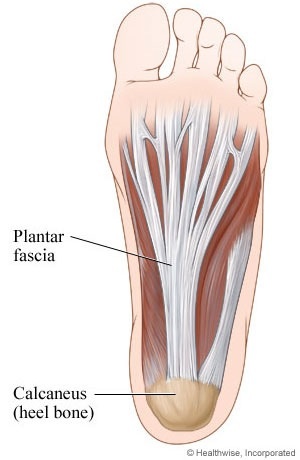
tips to avoid and treat plantar fasciitis

CAUSES:

There are several causes for this nagging pain impeding your rides. One main cause is tight calf muscles. When your calf muscles are tight, it places extra tension on your Achilles’ tendon and plantar fascia. All of these structures are the continuum of the kinetic chain in your lower leg and foot. Another main cause is having high arches or flat feet. A probable cause can also be the type of shoes you wear when you’re not riding. Some include, converse (in particular if you’re flat footed), flip flops, sandals, or ballet flats. In essence, any shoes which don’t offer arch support.

STRETCHES:

To increase flexibility there are a few stretches you can complete three times a day. These will help prevent and treat plantar fasciitis. When completing any of these stretches ensure you hold each of them for 20 seconds. One easy stretch requires you to fold a small bath towel, place it over the bottom of your foot, and then pull the ends towards you. Another stretch involves placing your heel against the edge of a pole or wall and leaning forward. If on my bike and feeling my calves tighten, I’ve found that standing off the saddle, rotating the affected leg slightly back, and leaning forward gives me a quick calf stretch when riding.
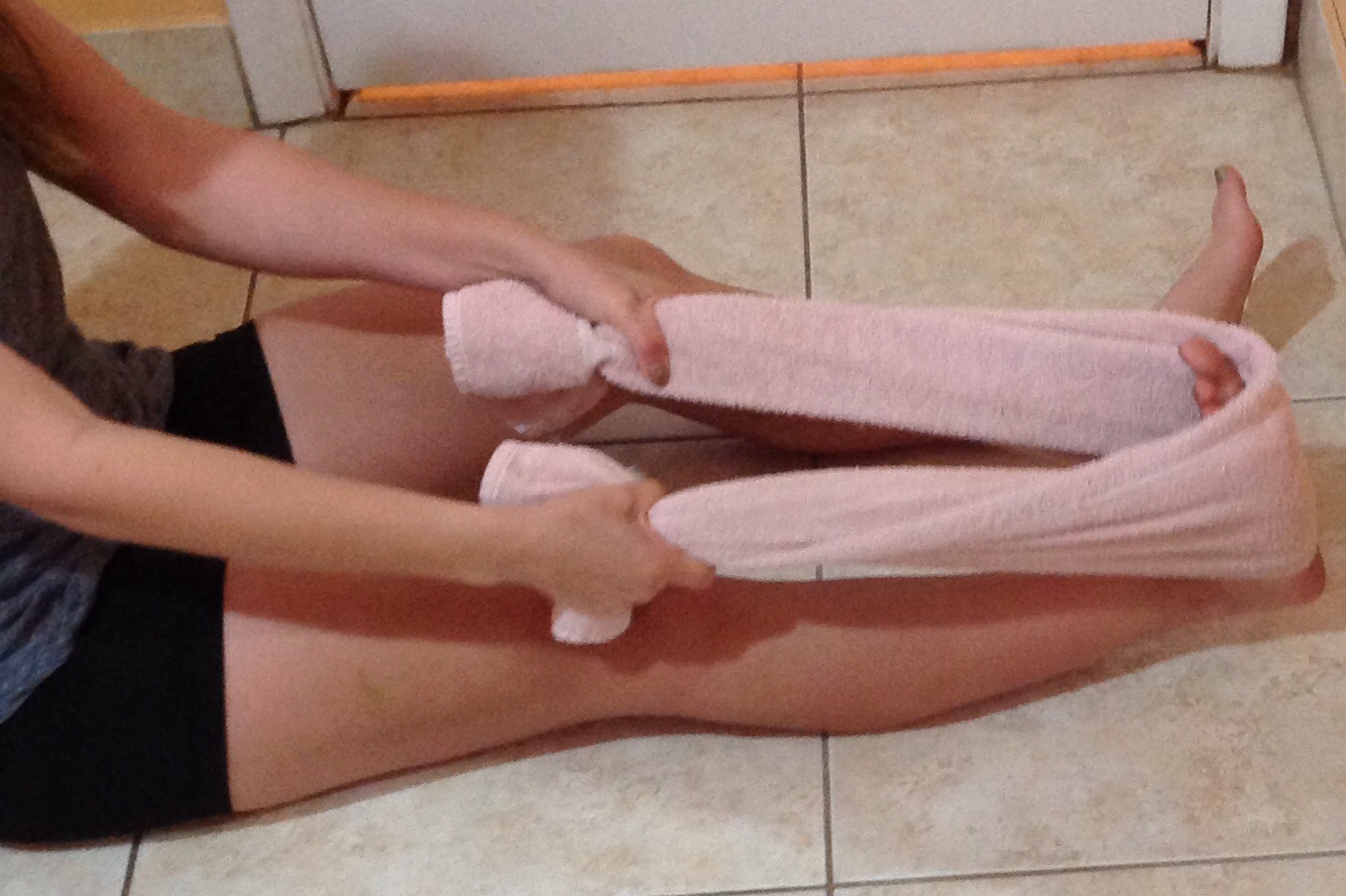
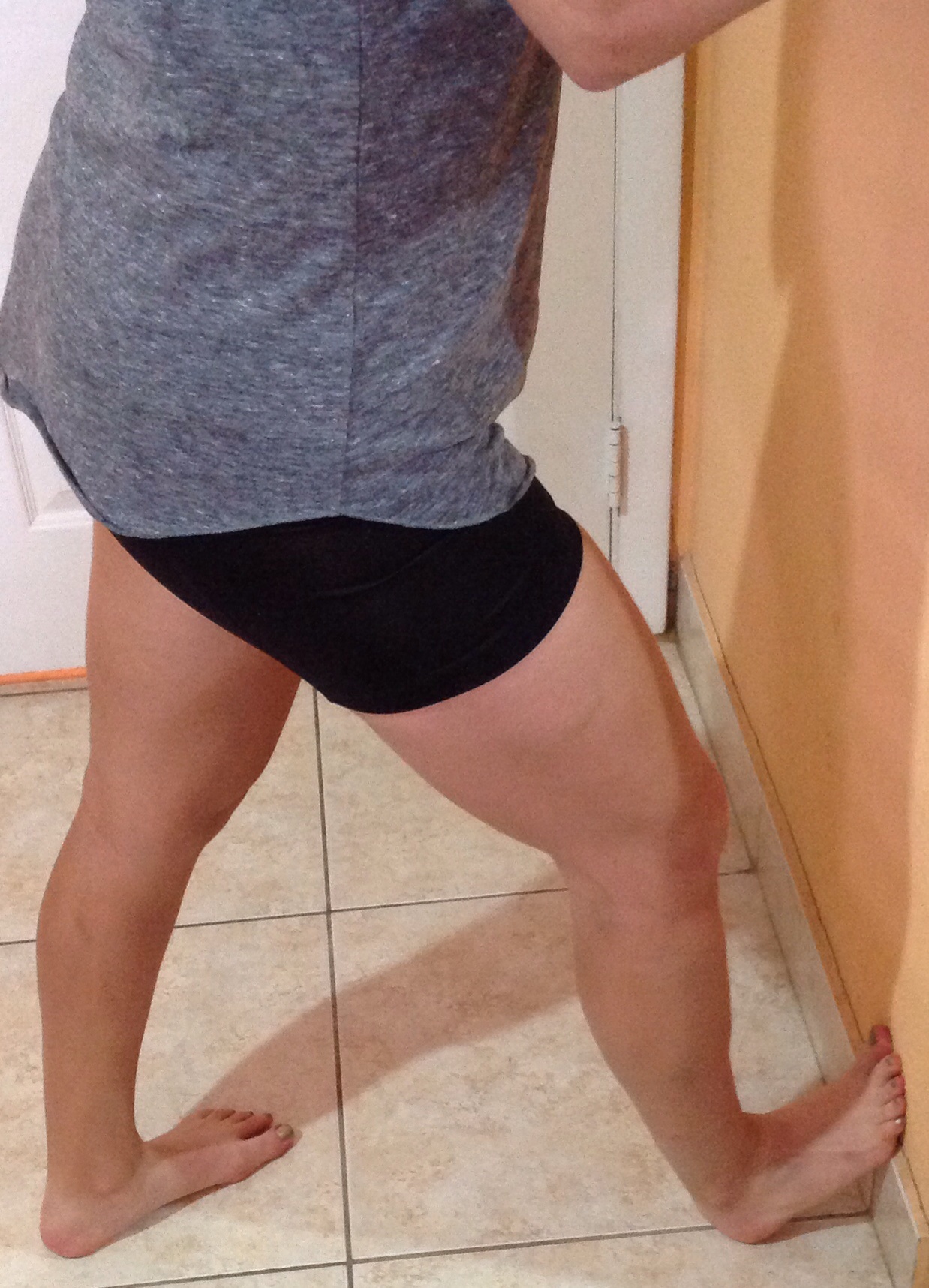
image     image

TREATMENT:

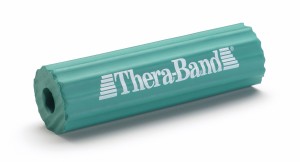
If you enjoy drinking Gatorade, don’t throw away the bottles they’ll come in handy for this treatment! Get an empty bottle, freeze water, and then roll the bottom of your foot several times. You can do this multiple times a day or on a as needed basis. With this treatment you’re getting the massage effect and breaking up any knots in the fascia. Additionally, you’re icing it to decrease pain and inflammation. You can also purchase a mini, dense foam roller with ridges to do a self myofascial release, which will decrease pain and increase flexibility. Lastly, you can have a friend who is nice enough to massage this area for you with some bio freeze or ALO analgesic lotion. This method really helps you pinpoint what area has the most restriction so you can focus on it more with the previous two methods.
It is helpful to take some Ibuprofen or naproxen sodium as directed on the bottle for a week. This will further aid in decreasing internal inflammation of the fascia, and in turn reduce pain.
ways to treat and prevent plantar fasciitis theraband

ORTHOTICS:

If you’re flat footed it would be beneficial to visit your local bike shop and have someone help you choose some orthotics that would fit your cycling shoes. I remember when I was having some issues due to my flat arches, the bike fitting specialist suggested these for me and made some adjustments to my clip positioning. These minor changes made a world of difference when I rode and minimized the pressure on my arches during my downstroke. However, if you’re having pain during normal activities of daily living it would be good to purchase some semi-rigid orthotics for your regular shoes as well. By removing the inner sole of the shoe, and replacing it with these orthotics it can aid you throughout the day.

In following these steps you can help prevent plantar fasciitis from worsening. If ignored, this injury can lead to several weeks in a walking boot, unable to ride. It can create a heel spur, which isn’t as easy to treat. Therefore, it’s imperative we listen to our bodies when it’s trying to alert us something is wrong. By catching plantar fasciitis early we can prevent an unwanted visit to our podiatrist.
Massage Tips For Tight Muscles

January 15, 2015 by Dyani Herrera

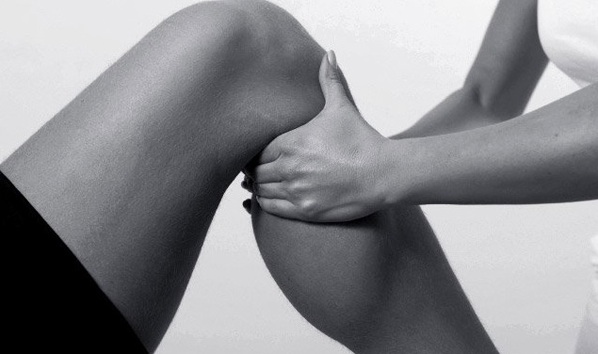
Frequent rides may do wonders for our fitness level both physically and mentally, but they do take a toll on our muscles if we don’t stretch sufficiently. Not properly caring for these muscles could lead to restrictions in our fascia. Fascia is a type of tissue in our body which envelops and divides the muscles. It has the ability to contract and relax with our muscles as well as withstand any load we may place.

However, at times if it is a higher load than our muscles can withstand, the fascia can become “deformed” and create restrictions, which lead to pain. They also cause decreased range of motion. These restrictions can become chronic issues if not treated adequately such as IT band syndrome, leg length discrepancies, or piriformis syndrome to name a few. Nevertheless, there are a few massage techniques which are great to address these “knots” in our soft tissue.

MASSAGE TIPS FOR TIGHT MUSCLES

Active-Release Technique (ART):

This technique is best completed by a clinician (physical therapist, chiropractor, athletic trainer, or occupational therapist) that is certified in this manual therapy, but I’ll help you out with a brief video so you may do these at home with a partner if a clinician is not available to you. The idea behind ART is that it releases the knots in your fascia by moving the muscle in the direction it performs (refer to the chart for assistance). For instance, to release your quadriceps the therapist would massage upwards as you extend your knee/leg.

At first, this technique can be painful, but take it from someone who does this consistently; it feels SO much better afterwards. Once your legs have been released with ART you feel like you could ride for hours. Typically, ART is done on the area that is causing you pain, but it helps to release the most active muscles in the lower extremity (hip flexor, piriformis, hamstrings, quadriceps, calves, and peroneals). This is additionally helpful, since fascia is found all over our body, and a restriction in a surrounding muscle can affect the one below or above it.

Therefore, if you’re having pain in the hamstring, part of the problem can be a restriction or lack of flexibility in the calf, causing the hamstring to work harder than it should. One good tip before performing ART is to heat the muscle being treated for about 15 minutes, to enhance the effects of the massage. A lotion that has an oily base with some analgesic would be best to help the fingers glide and offer some pain relief. Some of my favorites include “Alo” and “Biofreeze” which can usually be found at your local CVS.

ART Hip flexor & Quads  ART Quads & Peroneals  ART Peroneals & Piriformis

Muscle Action it Performs/Direction
Quadriceps Knee extension
Hamstrings Knee flexion
Hip Flexor Flexes hip/brings hip up
Peroneals Moves foot outwards, away from you
Calves Moves foot/ankle towards floor
Piriformis Hip rotation away from you

The next question you may be asking yourself is how often should you do this? This answer depends on several factors: How often do you ride? How many miles a week? Are you currently experiencing pain on one of these locations? If you’re an avid rider, it would be advantageous to do this at least once a week to address any restrictions and decrease your risk of soft tissue injury.

Deep Tissue Massage:

This massage is indicated for a person who would like a full body release after enduring a tough ride or race. It is important to note, this is not a relaxation massage, it can be painful over your pressure points, but you will feel more flexible afterwards. This type of massage should only be performed by someone who is a certified massage therapist. If an uncertified person performs this massage, they could do more harm than good. In addition, make sure to let you therapist know you are a cyclist and which areas you would like them to focus on. These can be completed once a month unless you’re in a heavy training bulk, then twice is more beneficial.

Graston Technique:

Graston massage is performed by clinicians who have been certified in this manual therapy and know how to properly use the tools. This is another technique which focuses largely on releasing restrictions in the fascia except it uses the tools in an almost “scraping” motion. Each tool is stainless steel and specifically shaped to treat certain areas of the body.

In addition to releasing fascia it also aids with removing accumulated lactic acid in muscles. It can be painful if the muscle and fascia are very tight, but will help increase flexibility and reduce risk of injury. When I’ve been in a high volume period of my training this has been a lifesaver, especially in helping me remove lactic acid. It has also helped with making my legs feel fresh for my next riding session. YouTube has several videos demonstrating the technique for different injuries and issues.

grastonSelf-Myofascial Release:

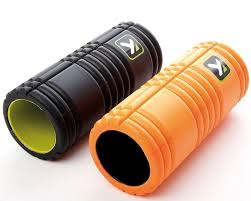
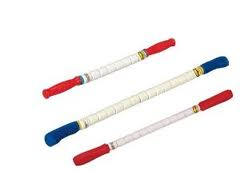
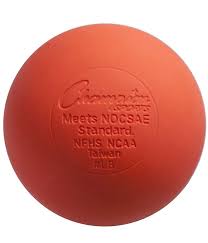
This technique is the most economical of the four and can be done consistently on your own with the help of a few tools. The most effective tools to help you include a high density foam roller, foam roller with ridges, the stick roller, and lacrosse ball. These can be completed a few times a week by rolling over the affected muscle for about 20-30 seconds, 2-3 times. Make sure to not continue rolling over the same muscle or tendon because, then you can irritate the area instead of release it. The lacrosse ball is great to release the rhomboids (between the shoulder blades) or the IT band.

high density foam rollerfoam roller with ridgesthe sticklacrosse ball

It is vital that after completing any of these massages you drink plenty of water to help your body get rid of the byproducts from the massage. Although these massages can be painful they are beneficial. The same force and tension you applied on these muscles to get them this tight in the first place is the same amount needed to release them.

Looking For a Cycling Coach

January 11, 2015 by Lee Agur

Do you have what it takes to climb into the future of cycling? We are creating the better way now.

THE FUTURE OF CYCLING

  • Looking For a Cycling CoachHealth conscious
  • Challenging
  • Empowered
  • Fun and rewarding
  • Balanced
  • Leading by example and inspiring others
  • Combining science, experience and wisdom to serve your highest good

What is your gold medal, your yellow jersey? Is working a job, being a student, being present for loved ones and tackling a century ride or national championship any less amazing than being a full-time supported athlete riding the Tour? Well they are different but NO!

Our challenges are unique and when we have a clear picture of what we want out of cycling the process becomes amazing and we rediscover the love of cycling and the rewards of taking on a big challenge.

This coaching solution is unique because you are unique. No templates or “Train Like A Pro” programs. We are reshaping the future of cycling by creating programs that allow you to be healthy, live in balance, push yourself and be a badass athlete.

WHO IS SCOTT PRICE?

I am first and foremost a person who loves to see others healthy, fulfilled and happy.

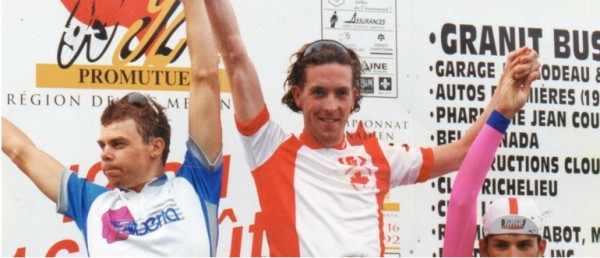
I grew up in Canada riding in the elements and fought my way to become Canadian National Road Champion, and wearing the maple leaf jersey for a year was a great honor.

In my cycling career I raced over 1,000 races and earned 104 victories most of which were on climbs which are my specialty. Towards the end of my racing career I moved to Arizona where I now live and I have been active in all things cycling and my thirst for knowledge has never stopped. Now I am 100% focused on coaching a tight group of positive perspective people that want to pioneer a better path through cycling that sees health, happiness, inspiration, balance and self-respect at the end of our journey.

I have developed young riders into National caliber athletes as well as launching a few riders into the Pros but what I love is teaming up with people that want to create their own “Tour de France” and that is balancing life, health, personal growth and loved ones with their passion for cycling.

looking for a cycling coach.

WHAT YOU GET

I have spent my entire life improving upon the status quo and here is what you get with this program:

  1. Individualized programs: Custom training programs that meet your goals and balance the priorities in your life. Programs are continually updated to reflect your current situation, missed training days etc. I cannot believe some programs do not offer this.
  2. Planning: Season and event planning organizes our efforts. I don’t suggest over racing, I find athletes respond best to a certain number of well timed training races to prepare for the main focus. Knowing when we need to be our best and what the demands are organizes our entire effort, our training, our nutrition, our tactics and our equipment to get there. It all begins in the mind.
  3. Great communication: Remote coaching. With phone, video, photos, email and texting – communication is easier and more powerful than ever. Get detailed responses you can retain via email and get quick answers via text. We fully use all the tools available to see you succeed.
  4. Save time: Execute smart training that does not expect you to train full-time athlete volume. This includes fasted training, cycling specific weights, unique on the bike training that has been developed over decades of taking working and not-full-time athletes to personal best levels.
  5. Feel supported: I don’t succeed unless you are learning, improving and feeling great. I want to see you get what you want. I will be your greatest advocate even when that means tough love. Other than my coaching program I do not sell you anything. I will provide you the very best options in nutrition, fueling, equipment, tactics and so on to meet your needs. My coaching village is my family; you’ll never feel lost in the crowd.
  6. Data and training analysis: through Strava, Trainingpeaks and Garmin software systems. You will quickly learn the few major data points to understand and can stop wasting time on the labyrinth of infotainment these programs provide. I will give you simple calculations and physics based relationships and formula to understand what forces are at play in our cycling. Heart rate is required, power meter is a plus but not required.
  7. Ideal weight: Identify your ideal performance / healthy weight for you and easy strategies to get there.
  8. Nutrition and fueling: We will look at your daily nutrition and optimize it to reach your performance weight. You will get the latest fueling secrets to meet the demands of your events as well as what to eat and drink before, during and after.
  9. 10,000 things: After we identify your primary limitations to reaching your goal we will continue to address all the variables involved with your body, equipment, mind, nutrition and more like to replace your cleats and check your tires a week before an event. This is a fun dynamic learning environment and the knowledge gained stays with you for life.
  10. Clarity: When you team up with an expert in a field you should expect clarity. I love giving clear, simple and actionable responses to my awesome athletes without the paralysis of information overload or too many options.

SPECIFIC EXAMPLES

Here 2 ultra-specific examples of the future of cycling. There is a better way.

  1. Fasted training. Our endurance energy comes primarily from adipose and free fats. In fact we have 90,000 kilojoules of energy stored as fats and that is even the leanest athletes! Pro cyclists and high volume cyclists have incredible endurance because of the sheer volume of training they do which has stimulated their fat metabolism to become more and more efficient, year after year. If we cannot do 30 hours of training in a week how can we get that adaptation? We get smart. Fasted training puts us quickly into the state that a carbo/sugar fueled athlete will hit after several hours in the saddle. So turn your 2 hour ride into a 4 hour ride! There are also additional nutrition strategies to pimp this out further and get stronger on less time. Fasted training must be done following certain guidelines to be effective. Sign up and the secrets are yours.
  2. Cycling specific weights (which are important in the off-season and especially for athletes over 40!). Let’s look at leg press. Traditional weight training has us to 3 sets of 8 reps at a 30 rpm cycling cadence to build power. Our muscles get bigger, veins bulge, but are we becoming faster cyclists? Not optimally. On the other extreme you see athletes pushing feather-like weights and wasting their time completely. The key to getting fast from your gym time is to look at it this way. If you were to compare a 30 minute long time trial to a leg press session, how much weight could you push on a leg press non-stop for 30 minutes? Likely not even the machine with no additional weights, so now you understand the muscle strength requirements for sustained cycling. It is very low. So with cycling specific weights we do these things to carry over onto the bike:
  • 30,50 and even 100 repetition sets
  • The pace is much quicker than anything you have seen before. 1 second out, 1 second back with no pauses. This gives us a circular motion and cadence that is closer to our cycling demands.
  • Do specific on the bike intervals through the weight workout to increase neuromuscular communication and power.
  • This specific style of training also goes into detail like foot placement, which exercises and how to cycle through various phases to work with your timeline. 8 weeks minimum is suggested.

EASY TO USE

All this benefits you and your cycling and is given in an easy to understand way. For starters, all you need to do to get started is fill out the email form below to get an evaluation with more specifics. Then you can decide to sign-up and be the future of cycling and put us to work helping you get the most out of your cycling.

COACHING PROGRAMS

Masters Program at $300/mo (Full access, detailed responses)

Efficiency Program at $225/mo (Scheduled phone access, more e-communication, a level of less detail)

ARE YOU GOING TO BE THE ONE?

Everyone loves and admires people with the inner strength to take on a challenge, people with that focused, happy, driven and vital presence – Want to be that person, put in your best showing at Nationals, or be the local badass? Stand out and lead the charge into the future of cycling, there is a better way.

Email me for your evaluation today. I promise you will learn something that helps your cycling or your life, there is nothing else like this program.

Scott Price

Canadian National Champion / 104 Career Victories / 30 years experience

    Your Name (required)

    Your Email (required)

    Subject

    Your Message

    *It is recommended all athletes start at the Masters Program level for 3 months minimum for onboarding, planning and initial individualized program creation. Then programs can be adjusted to meet your needs. All programs require initial 3 month minimum. Only 5 spots are available through the end of this 5 article series. Remaining applicants can choose to be placed on a wait list. Don’t miss out on this unique opportunity, you won’t regret it.

    Straight and narrow is the path. Waste no time.

    Benefits of Positive Self Talk and Imagery

    December 29, 2014 by Dyani Herrera

    Benefits of Positive Self Talk and Imagery

    benefits of positive self talk and imageryDay in and day out we ride, thinking which workouts will serve to increase the endurance of our bodies. However, we tend to neglect the one body part that serves as our center of command…our brains. We need to think of this part as a “muscle” as well, in which we exercise it, push it to its threshold, just to increase it’s endurance in the next workout.
    One of triathlon’s greatest veterans (and my personal favorite), Chris “Macca” McCormick, was disliked for the mental tactics he’d use on his opponents when racing. He would study his opponents, learn their tendencies, and find a way to break their mental game. Hence, why the mental aspect of cycling is just as important as the fitness aspect. Here are some tips to improve our mental toughness during training.

    Positive Self Talk

    As mentioned in the previous article “Positive Talk Increases Endurance,” it’s scientifically proven how vital our mental game can be. We must train ourselves to overcome that little devil on our shoulder telling us “you can’t do this”, because if there’s anything I love more about this sport, it is the ability to prove this voice wrong every day. Being able to do this consistently, really provides us with an intangible sense of confidence. Yet, as we’ve seen with cycling, endurance isn’t gained easily, and we must train ourselves to drown this voice when it rears it’s ugly head.

    One effective method is positive self talk, where we replace these negative comments we say to ourselves with positive ones. Last year, I had the pleasure of sitting in a small seminar MACCA gave, and he discussed the idea of “folders.” Essentially, he explained we must create different mental folders for diverse situations we face in training and racing. I’ve modified this idea and have named my folders “not so bad”, “ok, this sucks,” and last one, “alright, I might die today.” In these, I’ve not only placed positive comments, but also memories of training/racing triumphs, motivational quotes, and lyrics to my favorite songs.

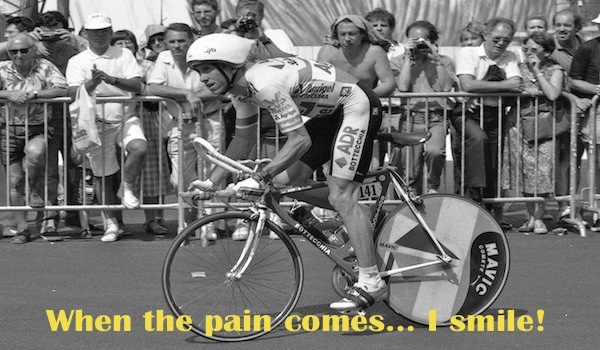
    For my first folder I have comments like “you got this”, “keep working while others sleep”, “champions are made when no one is watching.” My second folder contains specific memories in training when I really thought I’d explode, and yet completed the session successfully. Also, I use some of my favorite quotes like “embrace the suck,” “when the pain comes I smile,” “keep going, this is going to make you better”, “you’re not a quitter”’ or “you’ve faced tougher things than this!” In my third folder, I typically keep lyrics to songs I like so I can sing them to myself such as “started from the bottom now I’m here”, “lose yourself”’, or “remember the name” by Fort Minor. I also remind myself of how I started cycling and how far I’ve come. Therefore, even if I’m not PRing, I’m in a better position than last year. Last thing, I make sure to keep adding material as new experiences arise and time goes on.

    Imagery

    This tactic involves imagining a particular goal manifesting itself. It is a great tool even outside of cycling, which can be used to cope through injuries and life trials. When struggling through a workout you can imagine yourself to be in a race setting, where giving up is not an option. On days when I’m lacking motivation, I imagine having someone behind me, and tell myself if I slack I’ll lose the race, and dishonor my hard training to date. Sometimes for fun, I envision my favorite Pro next to me, and not wanting to embarrass myself next to them.

    Imagery is subjective to one’s feelings, goals, and experiences. There is no “wrong” image as long as it’s not one with negative outcomes or emotions. The idea is to stay positive and place yourself in an image where you are succeeding. Also, it helps to practice this often, and be as detailed as possible when creating the mental scene. By using this tactic, we can improve motivation, effort, and desired outcomes. It can also be used to decrease anxiety towards a particular experience such as riding in a large group, mountain biking over a treacherous hill, or returning from a cycling crash. The more we go over these scenes in our mind, the better prepared we will be when encountering these scenarios in real life.

    By using both of these sport psychology tactics, we can increase our mental toughness in a sport that requires endurance in multiple ways. Sometimes the best athletes in cycling aren’t necessarily the most talented, but the most mentally tough, and know how to “suffer” more than their opponents.

    Core Exercises to Eliminate Back Pain

    December 21, 2014 by Dyani Herrera

    Core Exercises to Eliminate Back Pain

    If you’ve ever experienced back pain you know how insufferable it may seem especially when you’re trying to stay fit through a non-weight bearing exercise like cycling. First, make sure you visit your local bike shop and rule out an improper bike fit. In addition, if you’re feeling any numbness/tingling radiating down your leg, visit an Orthopedist to ensure you do not have a herniated or bulging disk. Once these causes have been eliminated, then the problem could be due to a weak core. Perhaps you’re asking yourself what exactly is considered the core? The core is a group of muscles that includes the erector spinae, paraspinals, rectus abdominus, internal and external obliques, and the gluteus maximus acts as an accessory muscle. When the core is weak and required to perform exercise which it is not prepared for, it can react by creating muscle spasms. If the erector spinae muscles or paraspinals begin to spasm, the pain can become a nightmare. However, here are some beginner exercises you can perform to strengthen your core and prepare yourself for pain-free cycling. It is ideal to perform these three times a week, with a day of rest in between.

    Planks:

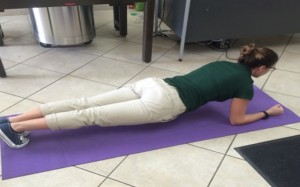
    Planks are great to strengthen not only your back muscles, but also your abdominals. Make sure when performing planks you aren’t lifting your butt in the air in order to compensate for weakness. The whole body should be in a straight line, with your head looking up. You will need a timer for this exercise. You can start with 20 seconds and as you become stronger, increase in increments of 10 seconds. Before you know it, you will be able to hold this position for a 1 minute or more! Perform 3 sets of planks.

    Core Exercises to Reduce Back Pain

    Side Planks:

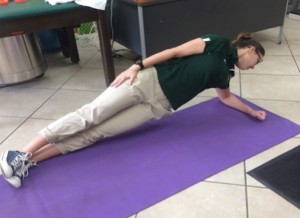
    Side planks should be performed bilaterally and if possible with a partner. Your partner can assist you with verbal cues to ensure you are executing the proper form. However, if you cannot complete these with a partner, start out doing these in front of a mirror so you can fix your position throughout. It is important to keep your whole body in a straight line. Some common mistakes include sticking out the butt or leaning forward with the shoulders to compensate for weakness, and make the exercise easier. You can start with 20 seconds and increase in increments of 10 seconds as you become stronger. It is not uncommon for one side to be stronger than another. Typically, we have a dominant side in our body. This exercise helps with working on each side individually, without compensation from the stronger side. Perform 3 sets, bilaterally.

    Core Exercises to Reduce Back Pain while riding

    Basic Glute Bridges:

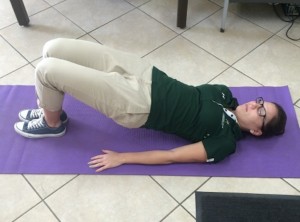
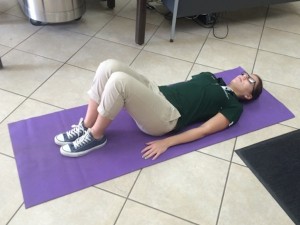
    Since the Gluteus Maximus is an accessory muscle to the core it is important we strengthen it as well, to avoid any compensation patterns along our kinetic chain, which could lead to injury. In this exercise you will lie on your back, have your hands at your side, dig your heels into the ground , and squeeze your Glute muscles (butt) as you pop up; hold the position for about 5 seconds before you come down and perform the next repetition. Make sure your hips do not touch the floor as you come down. Complete 3 sets of 15 repetitions.

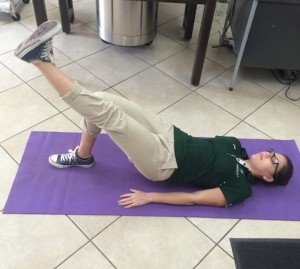
    As this method becomes easier you can maintain this same position, but now instead of having both heels on the ground, raise one leg up, fully extended. The most advanced form of this exercise can be found in 7 Exercises to Cure and Treat IT Band Syndrome.

    Core Exercises to Reduce Back Pain When Riding

    Core Exercises for back pain

    Core Exercises to Decrease Back Pain When Riding

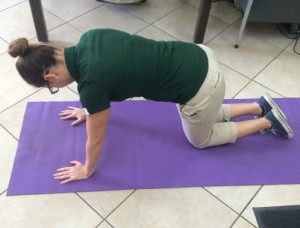
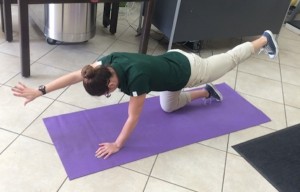
    Quadruped Arm and Leg Raise:

    This exercise helps you improve balance (aka stabilization) as you strengthen your spinal muscles simultaneously. Make sure you tighten your Glute and Abdominal muscles as you perform this to maintain balance. This is another exercise that would be helpful if performed with a partner. However, if this isn’t possible then one tip I’ve found to be helpful is to place a small stick on my lower back, to serve as feedback. I know I’m in a parallel position if the stick does not fall off; but, when it does it may mean my hips are rotating, or my back is not in a straight line.

    You will be in a facedown position on the floor, on all fours. Then, lift the left arm, fully extended out in front of you and extend the right leg at the same time. Hold this position for about 5 seconds before doing the next repetition. Repeat the same motion by lifting the right arm and left leg. Repeat 3 sets of 10, bilaterally.

    Core Exercises to Decrease Back Pain When Riding

    Core Exercises for back pain

    Hip Rotation:

    When performing hip rotation, it aids with strengthening your oblique muscles. You will need a large, medicine ball for this exercise. Lie face up on the floor with your legs on the medicine ball and arms at your side. Then, roll side to side as far as you can without falling off. Make sure as you complete this exercise your shoulders are on the floor and you aren’t arching your back. It also helps if you tighten your abdominals as you rotate side to side. Perform 3 sets of 10 repetitions.

    Core Exercises for back pain

    Core Exercises to Eliminate Back Pain

    Core Exercises to Eliminate Back Pain

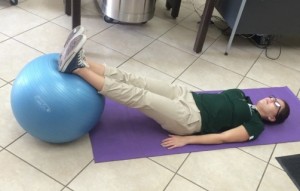
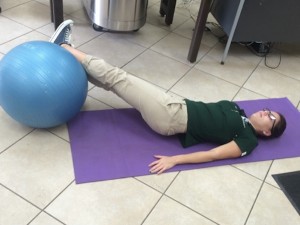
    Ball Lift:

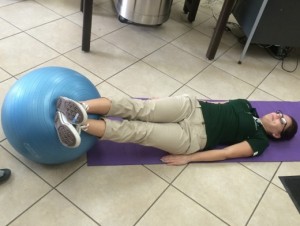
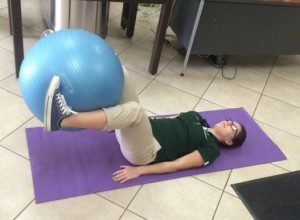
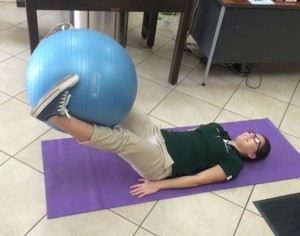
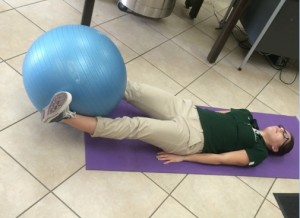
    The ball lift helps with strengthening your lower abdominal muscles. You must lie on the floor, face up, place the large medicine ball between your lower legs, and place the legs in a 90 degree position. Then, at this height, extend and flex the legs. Make sure your shoulders and back remain flat on the floor in order to maintain proper technique. Once this becomes too easy you can progress, by maintaining the ball between your legs, fully extended, raising your legs, and lowering them all the way down before touching the floor. Perform 3 sets of 10 repetitions.  

    Core Exercises to Eliminate Back Pain 

    Core Exercises to Eliminate Back Pain

    Core Exercises to Eliminate Back Pain

    Although these exercises may prove to be difficult initially, they will help you obtain a strong core, which in turn will decrease your pain and risk of injury. These six exercises should be an integral part of your cycling regime.

    What core exercises do you do to eliminate back pain?

    Advantages of an Unbroken Bike Path

    December 17, 2014 by Dyani Herrera

    Advantages of Riding on an Unbroken Bike Path

    unbroken bike path, continuous bike path

    One of my favorite aspects of cycling is the feeling of freedom, and ability to take in my surroundings while exercising. Although I love long paths in my city that take me either along the beach or farmlands, these routes typically require several stops due to traffic lights and traffic overall. When I’m in training mode one of the most practical routes I use is a local golf course that goes around in a four mile loop, with no traffic lights or stops. There are several advantages I’ve found with this route as a beginner cyclist and now avid rider. Here are some advantages for riding on an unbroken bike path despite what level of experience you have riding.

    Bike Handling

    Riding on a continuous route allows you to practice several things required when riding, in particular if you are just learning how to ride. For one, you are able to practice the maneuvers required in turning, such as slightly leaning your body, weight distribution, and bringing up the leg closest to the turn. You can also practice wide turns versus sharp turns, because both skills are needed in different riding situations. It is ideal to practice this along a continuous stretch with no concerns for oncoming traffic, or having to clip and unclip. Also, it gives you the ability to play around with your gear shifters and familiarize yourself with the different speeds and your comfort level with each one. This is even better if your unbroken path is a flat one so you don’t have the resistance of any rolling terrain. Typically, with this type of route you will experience a tailwind and headwind, which may affect which gear you use when going into a headwind, depending on your fitness level. Playing around with gear shifting will teach you which gear is most efficient in each situation.

    Bike Position

    This type of path also lends itself to practicing bike positions without having to be as vigilant as you would be if riding in a higher traffic area. If you’ve recently purchased a tri bike, you can practice getting down in the aero bars, and still maintaining balance. I remember as a beginner I had a difficult time with this as I attempted practicing in a bike lane next to oncoming traffic. I was so nervous, and white knuckled on my aero bars I nearly rode off the bike lane into trees that were on the right of me. After this experience, I decided to practice in a low traffic area like my neighborhood. I would practice staying aero and gear shifting in this position as well as reaching down for my water bottle without having a tragically, embarrassing fall. Also, if you own a road bike you can play around with the position that is the most comfortable for you, and leaning forward on the road bars when going into a headwind.

    Another position that is important to practice is pedaling off the saddle as this offers a few advantages as well. This requires some practice so you may become comfortable with the “dancing” motion required with this technique. When I ride on this route, I use this motion a lot to gain more speed after turns. Additionally, to simulate climbing since it is a flat route. This specific exercise helps your legs get stronger, and makes you more comfortable whenever you are actually climbing a hill or bridge. Since it is a continuous path I tend to time myself and do intervals of one minute pedaling off the seat and two minutes of riding with high rpms.

    Training

    Having a continuous path is ideal for interval training because you don’t have to interrupt your work sets by stopping at traffic lights or signs. You’re able to experience the advantages of interval training, and have a great workout. Also, you can fully focus on your gear shifting, pedal stroke, and RPMs. It is especially beneficial if you are completing a ride in a cycling group, and take turns drafting and pulling.

    It is also great to practice different cycling drills within a workout without interruption. Some examples may include “spin-ups” where you’re in an easy gear and are working on maintaining high RPMs; Also, “pick-ups” where you do work intervals faster than your race pace. Another good drill to complete on this route is “isolated leg work”, where you complete intervals pulling with one leg, while the other one is “resting.”

    Safety

    When comparing this route to one which requires me to ride with traffic or alongside a busy road, I find this one to be a lot safer. As a beginner or someone who is still not comfortable riding with traffic you can still enjoy cycling without the constant worry of being hit. These paths typically are in low traffic areas with several signs indicating it’s a bike path and to respect cyclists. Therefore, the few cars that drive in these areas are aware that it is a common cycling location. There are also minimal, if any parking lot entry/exits so you don’t have to be in a constant high alert environment. Lastly, many cyclists ride on these routes so if you have any bike trouble such as a flat tire, you can count on someone being nice enough to stop and help you.

    Although riding on an unbroken bike path may not be the most scenic route, as you can see it does have its advantages for all levels of cyclists. All of which, can improve your riding ability and make you a stronger cyclist.


    7 Exercises to Cure IT Band Syndrome

    December 15, 2014 by Dyani Herrera

    It’s 5am and off goes your motivational, cycling alarm. My personal favorite is MACCA’s “Embrace the Suck” slogan. Sluggishly you get up from bed and gear up for your morning spin. Then, the moment you get on your saddle you question why you were so reluctant getting out of bed in the first place. After a nice warmup, you really start to crank it, and climb at speed when suddenly you feel that nagging pain on the outside of your knee again. It’s been creeping up for a few weeks now, and although you stretch your legs, you can’t seem to pinpoint the cause.

    This, my cycling community, is known as the annoying “IT band syndrome” a common injury plaguing cyclists. If not recognized in time and treated appropriately it could really put a damper on those rides and even force you to stop altogether.

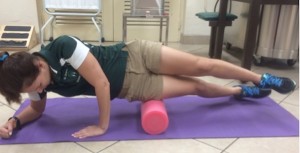
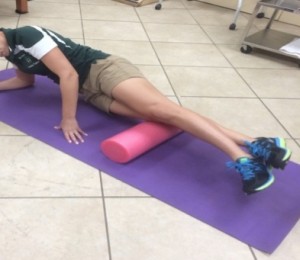
    Here are 7 exercises you can do to prevent issues with your IT band, which usually occur due to lack of proper stretching and gluteus maximus (aka butt) weakness. One essential tool for any cyclist, besides flashy cycling kits is a foam roller, preferably one with ridges, which can be found at any local sporting goods store or amazon.com here.

    Exercise 1: IT Band Foam Rolls  

    It’s vital that cyclists roll out their IT bands immediately after their rides to release them. Hip abductor muscles such as the tensor fascia latae which tapers into the IT band, and glute medius are used frequently during cycling causing them to tighten. Proper execution of this exercise requires you to lie on your side and foam roll past your knee and hip, bilaterally. As I always tell my athletes, “if you’re not in pain, you’re not rolling it out correctly.” It hurts, but I promise you’ll feel a decrease in pain and looser afterwards.

    it band hip exerciseIT band syndrome cure

    Exercise 2: Glute Max Extensions

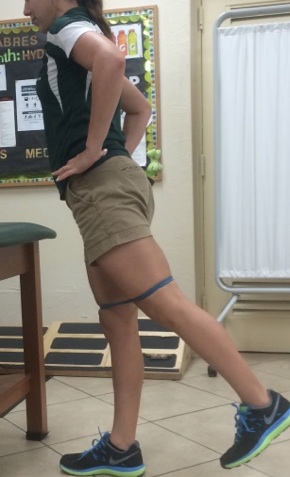
    Strengthening your Glute max is vital in order to avoid compensation patterns, which can lead to IT band syndrome. The Glute Max can be strengthened with the standing hip extension exercise, making sure you don’t throw your hips back as you complete the motion. Complete 3 sets of 12-15 repetitions on both legs.

    IT band syndrome symptomsIT Band Syndrome Surgery

    Exercise 3: Clamshells

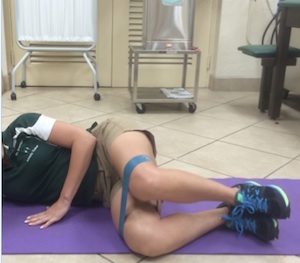
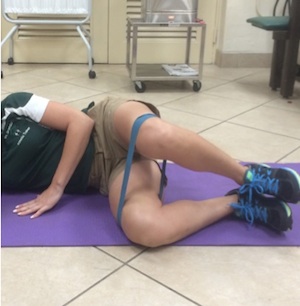
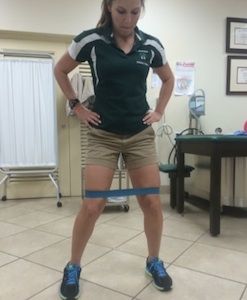
    ‘Clamshells’ require you to wrap a theraband loop around the top of your knees, and move your legs apart as your heels are kept together. As this exercise becomes easier, you can increase resistance with a thicker theraband loop. They typically range from least resistance to most resistance in a colour coded progressive system of yellow, green, red, blue, black, and grey in that respective order. Complete 3 sets of 10 repetitions.

    IT Band Syndrome CyclingExercises to Treat and Prevent IT Band Syndrome

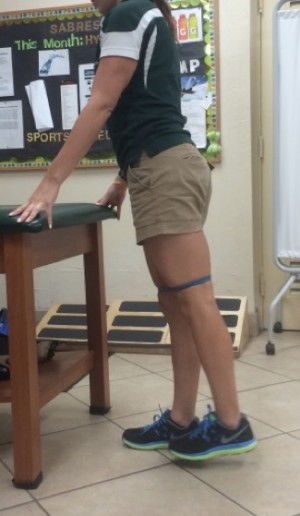
    Exercise 4: Side-walks

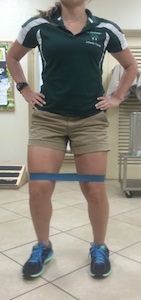
    Keeping the theraband loop in the same position (looped around both legs, above the knee), you can stand up, and complete side-walks with a slight bend in the knee in order to eliminate any assistance from your calves. You’ll want to complete these along a long stretch, which includes 20 or more steps, going left and right. You should feel the soreness on the outside hip over your glute medius and tensor fascia latae. Remember to make sure your toes are always pointing forward and not rotated in order to prevent assistance from other muscles.  Complete 3 sets, moving a minimum of 20 steps to the right and then 20 to the left.

    Exercises to treat and prevent IT band Syndrome? These exercises will help cure IT band symptoms and causes. Rolling the hip and...Exercises to treat and prevent IT band Syndrome? These exercises will help cure IT band symptoms and causes. IT band syndrome hip pain is bad.

    Exercise 5: 1 Leg Glute Max Bridges

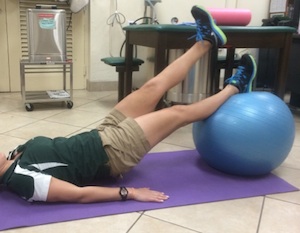
    Using a large medicine ball, lie on the floor with both legs fully extended, 1 leg with the heel of your foot on the ball, and the other leg in the air. Tighten your core, and glute max muscles, dig your heel into the medicine ball, and come up off the floor. Complete 3 sets of 12-15 repetitions with each leg.

    Exercises to treat and prevent IT band Syndrome? These exercises will help cure IT band symptoms and causes. IT band syndrome hip pain is bad.

    Exercise 6: 1 legged Squats

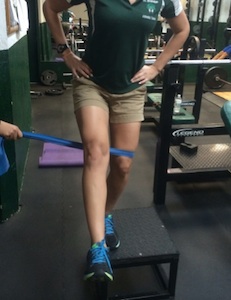
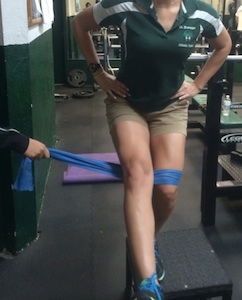
    This exercise requires an elevated step box placed near a pole or anchor of somesort; you can also complete this exercise with the help of a partner. You must use a larger theraband loop, which has some extension, and place it around the knee of the leg you are strengthening. Once in place you can tie the band to the pole, or have your partner hold the other end. In this position you will perform 1-legged squats on the step box as you keep your hips back, keep your back straight, and make sure your knee does not go past your toes. The non-weight bearing leg should be extended out in front of you in the air. You should feel the soreness in your glute max, if you don’t, push your hips back a bit more. Complete 3 sets of 10-12 repetitions on each leg.

    IT Band causes and solutionsIT band pain and cure

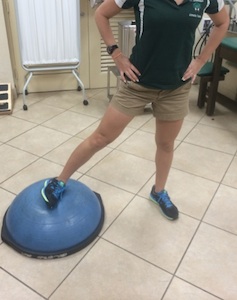
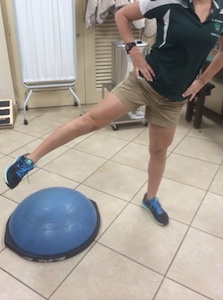
    Exercise 7: Hip Abduction

    Using a bosu ball/half medicine ball, place the side of the foot of your moving leg on the top of the bosu ball. Keep your stationary leg slightly bent on the floor. Then, keeping your foot in the same position, extend it sideways, as seen in the photo, making sure you don’t jerk your body to the side to compensate for weakness. A good way to prevent this is by keeping your hands on your hips, and this will serve as a guide for you. Complete 3 sets of 10 repetitions on each leg.

    IT band exercisesIT band exercises hip abduction

    As we get more dedicated to cycling, and start logging in those miles, it’s essential to be proactive with your injury prevention tactics and listen to your body. By completing these 7 exercises, 3 times a week with a day of rest in between, you can avoid one of the most nagging injuries experienced by many cyclists. In following this program, you’ll be one step closer to becoming a stronger cyclist.

    IT Band Program for Cyclists

    Looking for a program that will help you address the muscle imbalance that is likely causing your knee pain? Dynamic Cyclist is an online training platform designed to help cyclists become stronger and faster while riding pain free for years to come. Complete your regimen with an all-inclusive program that addresses mobility, flexibility, strength and injury prevention, all for a fraction of the cost of one physiotherapy appointment. Try out their 7-Day IT Band Program and experience the results for yourself. Click here to try 7 days free!

    Dealing with Spring Road Conditions

    December 12, 2014 by Aaron Robson

    Dealing with Spring Road Conditions

    spring road conditionsRoad conditions are a huge problem with spring riding. During the winter, a ton of grit and salt gets dumped on roads to keep them grippy and snow-free, and, come spring time, all of that stuff ends up in one place – the shoulder where you want to ride. Spring is also pothole season, as water seeps into cracks in the road and freezes overnight, threatening to open up holes the size of the Grand Canyon in your favorite roads. There are a few easy things you can do to beat these obstacles and have a safe and enjoyable spring riding season.
    Staying Flat-Free

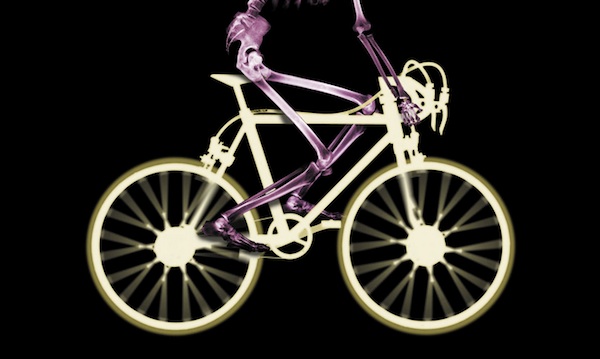
    Nobody likes to change a flat tire, and the side of a road in a spring downpour is about the worst time to have to do it. But this time of year seems to produce an abnormal number of frustrating flats. The culprit? Road grit. As it builds up on the side of the road, it collects all the little bits of stuff that would normally get blown off into the ditch – pieces of glass, metal shards, nails, etc. Normal, lightweight road tires get torn up in these conditions.

    To keep you riding, a durable, puncture-resistant tire is essential. These tires have Kevlar fabric, or something like it integrated into the casing of the tire to strengthen it. Most major tire manufacturers offer at least one model like this. They won’t be the lightest, or the smoothest rolling tires, but they will take a beating. I have the Continental Gatorskins on my bike right now that are a nice balance of performance and protection. The same company also makes even more durable (and heavier) tires – the GatorHardShell and the Grand Prix 4-Season. Other options include the Specialized Armadillo and Schwalbe Marathon Plus.

    Pothole Avoidance

    Weaving your way through the obstacle course that some spring roads tend to turn into can be a daunting task, but there are a couple of tricks that will help you out. The simplest is to look where you want to go, rather than looking at all the things you want to avoid. If you have ever managed to hit the only rock/hole/whatever on a nice smooth stretch of road because you were staring straight at it, you will know how well this works. Look ahead, pick your path through the debris, and then follow that path with your eyes. Your body will guide your bike there without you having to think about it.

    As skillful a bike slalomer as you might be, occasionally there will be times that you can’t go around something – maybe you are on a shoulder with cars to your right, or you might be in a group with other riders. Whatever the situation, you need to take alternative action. Enter the bunny hop. If you haven’t heard the term before, the general idea is to ‘jump’ your bike – both wheels leave the ground for an instant. This isn’t something that you want to try out for the first time at 25 mph on pavement – find a grass field to practice on. With clipless pedals, the task is considerably easier. There are countless YouTube tutorials out there, but in short, you are going to ‘hop off’ your pedals (not literally, since your feet are clipped in), and then bring the bike up along with you. Don’t think about pulling the bike up first – your body has be be airborne before your bike can follow. When you’ve got the hang of the maneuver on grass, try it out at slow speeds on the road before working your way up to full speed.

    Embrace the Fender

    Grit and water aren’t much fun to ride through, and they are even less fun when you end up covered in them during a ride. Fenders are your friend for spring riding. They keep you (relatively) dry, grit-free, and they also keep all that same stuff from getting into your drivetrain, reducing maintenance and keeping your bike running smoothly. The type of bike you have will determine what your fender options are. For full-fledged race bikes choices are limited since attachment points and tire clearance are minimal. The SKS Race Blade fender is just about the only good option.

    With lower-end road bikes, and touring/cyclocross bikes, you have more possibilities. Some people like clip-on fenders, since you can take them off at the end of the season to keep your bike looking slick. The downside to these are they won’t offer the same coverage and performance as a dedicated bolt-on fender set. If I just had one bike, I’d probably use clip-ons, but with my current set-up – one touring/commuting/spring riding bike, and another race/summer riding bike – I like bolt-on fenders that I leave on my commuting bike year-round. Whatever you choose, it will be light-years better than going without!

    Foot Pain Cycling – Causes and Solutions

    December 9, 2014 by Lee Agur

    Foot Pain Cycling – Causes and Solutions

    foot pain cycling - causes and solutionsFoot pain cycling is one of the most commonly reported problems among cyclists. This can be partially accredited to the pressure placed on your feet from the bike’s pedals, but more likely it has to do with your choice of cycling shoe and foot positioning on the bike.

    Injuries and Treatment

    Hot Foot

    Choosing The Perfect Shoe

    Shoe selection should be just as important to you as the bike that you choose to ride. The foot itself is equivalent to the engine that powers your car, and requires proper care and maintenance to operate.

    When you pedal, you are creating friction within the shoe which generates heat. This heat and constant rubbing will result in blisters and swelling of the feat. As your feet swell they’ll be pushing up against the walls of the shoes, resulting in pressure on the nerves, restricting blood flow, and causing a burning sensation in the foot. This feeling is often referred to as “hot foot.”

    The longer that you ride at high intensity, the greater your risk for experiencing foot pain and aches. Alleviate these common compression injuries by selecting a looser fitting shoe with ample ventilation to release the pent up heat while you ride.

    Pay close attention to the width of the front of your shoe when you are shopping around as this will be the part of the foot that experiences the most pressure. Purchase a shoe that holds your feet snug, but leaves room on the sides and front for expansion.

    Test: Take the insole out of the shoe, place it on the ground and put your foot on top of the insole. If any part of your foot is outside of the insole you need a wider shoe.

    Fasten the straps and lean forward slightly to position the foot like you would if you were pedaling the bicycle. Make sure that the tongue of the shoe doesn’t fold over or bend significantly as this could cause additional pressure. How does this feel?

    Choosing The Perfect Sock

    Choosing the proper sock for cycling goes a long way to keeping your feet cool. If you get foot pain cycling then make sure to purchase high-tech cycling socks that wick away sweat. Also try the socks on with your cycling shoes to make sure they feel good before you buy them.

    Altering the Pedals

    Small pedals installed on road bikes concentrate pressure on a single location, increasing your risk for hot foot and foot problems. You might also try moving the cleats backwards to disperse pressure throughout the foot, or even lowering the seat can help.

    Numbness

    Numbness in the foot is usually caused by an impingement in the nerves in your foot which causes the numbness, sharp shooting pain, tingling or burning. Mostly, this is caused by too tight of shoes, try loosening the straps or laces. If that does not work it is likely time to buy new shoes.

    Achilles Pain

    Though uncommon in weekend warriors, achilles tendinitis does occur and is generally caused by improper pedaling, saddle height, overtraining or no warm up. If you have achilles tendinitis then you should rest it, ice it and consider anti-inflammatory medication.

    Sesemoiditis

    Pain in the ball of your foot? You may benefit from orthotics or purchasing a shoe that fits properly.

    Improper Foot Positioning

    Faulty foot positioning can cause be the source of many other cycling related pains such as knee pain, lower back pain, shin splints, achilles pain and more.

    If none of the recommendations help and you can’t find shoes that can alleviate your foot pain, you might consider investing in custom orthotics and a professional bike fit to help alleviate pain and make your ride a more enjoyable experience.

    5 Reasons Why Cyclists Shave Their Legs

    October 12, 2014 by Craig Richey

    Just about every serious cyclist has been asked at some point, why do cyclist shave their legs? This question comes up all the time, from hanging around the water cooler at the office to a first date. The idea of a guy shaving their legs just seems to perplex people plus it is an easy conversation starter that generally leads to a fun discussion. Yet many bike riders don’t actually know the reason shaving your legs is a cycling thing.

    1. Road Rash – This is far and away the biggest reason why serious racers shave their legs. In racing crashes happen and cleaning grit out of road rash without any hair tangled in there is unpleasant enough. Anyone that has scrubbed grit out of a hairy leg wound will become a devout leg shaver. However, most enthusiast riders go years between major crashes so this really isn’t a justifiaShaved Legs Cyclistble reason why a lot of people shave their legs.
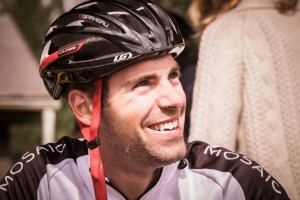
    2. Massage – Getting a deep tissue massage with hairy legs sucks. It pulls on your hair and the oily hairy legs are a mess after. Professional riders get massages multiple times a week and most amateur racers, if they can afford it, have massages a few times a month. Massage helps with recovery and avoiding injury. However, like road rash most enthusiast cyclists do not get massages frequent enough to justify shaving their grizzly sticks.
    3. Aesthetics – Looking “Pro” – Honestly this is why I think most recreational cyclist shave their legs. They see guys on TV at the Tour and the racers at their local crit, everyone looks fast and everyone has shaved legs for the two reason above. For a cyclist that doesn’t race having shaved legs shows a level of commitment to the sport, gives a level of credibility with other riders, and makes you look a little more pro.
    4. Aerodynamics – The first three reasons are definitely the most common ones. Aerodynamics is a bit of a stretch and some aerodynamically optimal level of stubble likely exists that is the most aerodynamic, because a textured surface is generally more aerodynamic than a smooth one. But if you have legs like Chewbacca then trimming that forest will definitely lower your drag coefficient.
    5. How it feels – Bike racing is often not conducive to enduring relationships. You travel a lot, usually with a bunch of guys, and while it is tons of fun you’re not spending much time meeting potential partners. When you are sleeping alone on an air mattress at host housing rubbing shaved legs together can be nice… Joking. Kinda…

    Other reasons do exist. Comment below with your reason for shaving or not shaving your legs.

    About the AuthorCraig Richey

    Craig Richey is a multiple time Canadian National team member, representing Canada at mountain bike World Cups and cyclocross World Championships. Craig has also experienced all of the five reasons for shaving his legs.


    « Previous Page
    Next Page »
    • Facebook
    • Tumblr
    • Twitter

    Latest Articles

    JOIN Cycling: A New Training Platform for Cyclists

    May 27, 2024 By Eric Lister

    cold exposure

    The Benefits of Cold Exposure for Cycling & Life

    June 13, 2023 By Eric Lister

    hill climb

    The Ultimate Hill Climb Training Guide

    May 31, 2023 By Eric Lister

    shoulder pain cycling

    How to Treat & Avoid Shoulder Pain While Cycling

    April 12, 2023 By Eric Lister

    psoas stretch

    The Importance of the Psoas Stretch for Cyclists

    April 6, 2023 By Eric Lister

    cycling neck pain

    The Ultimate Guide to Cycling Neck Pain: Causes and Solutions

    March 21, 2023 By Eric Lister

    Useful Info

    • Contact
    • Finally, A Global Cycling Club That Is Focused On Community And Love Of Cycling!
    • Privacy Policy
    • Share Your Story!
    • Terms And Conditions Of Use
    • Welcome to I Love Bicycling
    • What Happened When I Stretched Every Day For a Month

    Recent Posts

    • JOIN Cycling: A New Training Platform for Cyclists
    • How to Hang Bikes in Your Garage: 4 Inexpensive Options
    • Gravel Bike Vs. Road Bike: Which One Is Better For You?
    • The 6 Types of Mountain Bikes & How to Choose the Best One for You
    • What Is a Touring Bike Good For? 5 Benefits We Know You’ll Love

    Search I Love Bicycling

    Connect with Us

    • Facebook
    • RSS
    • Tumblr
    • Twitter

    Copyright © 2026 · Magazine Pro Theme on Genesis Framework · WordPress · Log in