• Training
    • Injury Prevention
    • Training Tips
  • How To
    • Bike Fit
    • Gear
  • Nutrition
    • Nutrition Tips
    • Weight Loss
  • Repair
  • Reviews
  • Stories
    • Funny Stories
    • Jokes
    • Quotes
    • Videos
    • Funny Videos

I Love Bicycling

I Love Bicycling is a website that is geared towards cycling for beginners with road cycling tips, training articles, nutrition tips, weight loss, how to’s and bike repair articles.

Training

  • Injury Prevention
  • Training Tips
  • Training Camps

Indoor Cycling Made Fun

October 4, 2014 by Lee Agur

Indoor Cycling Made Fun

Indoor cycling made fun? Come on, how can that even be possible?
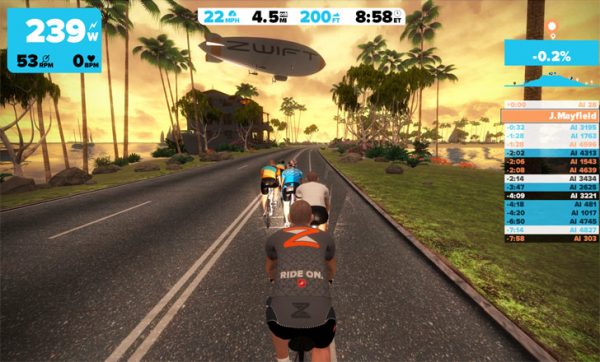
Indoor cycling training made fun

Zwift has come out with a real time multiplayer cycling game that allows you to race cyclists all over the world! “If Strava gamified real world cycling, Zwift’s launch will do the same for indoor riding like nothing before it. Using a team of software engineers, video game developers and avid cyclists, they’ll use their “Zengine” to process all the bits to turn your winter training into something a little more competitive.”
The Best Way To Lose A Race!

August 28, 2014 by Lee Agur

The Best Way To Lose A Race!

starting too fast on a bikeWe have all been there, months of training and planning mounting to this one race and we destroy it with in the first minute.
Starting Out Too Fast

It is something so simple to avoid, yet escapes 90% of amateur racers (probably 100% of men amateurs and only 80% of the women – as I have learned they are smarter and less egotistical.) So why is it that in training we make a plan and then the gun goes off and all of it goes out the window within the first minute. Do we have supermen complexes thinking races are so much different than training?

As experience will teach you, the tortoise will beat the hare, more the steady than the slow, but you catch my drift. So in knowing this, as I do, why do I still continue to start off too fast and finish so slow? Well, sometimes it is because I believe my training has prepared me better, other times I don’t realize how tired my body actually is, sometimes it is nutrition, but most notably it is that I get caught up in the competition. I don’t bike my own race! I want to be first! I don’t want that guy (or girl) to pass me! I want to give myself a chance at my dream goal time! I have a lot of excuses…

So… how do I overcome this complex? Brutal honesty and experience!

The more I race the more I learn. I am realistic about how much I have trained, how I feel and how the elements are going to affect me. Hotter days = slower times + more hydration required and I adjust accordingly. The only way you are really going to learn this is through experience and testing out different theories. I have attempted several 1 hour time trials to finally convince myself that starting out slower than I think produces much better results! It only took me 7 years!

Make a Plan and Stick To It

Before I race, I look at the weather, and then make a nutrition plan, a hydration plan and a race/effort plan and then I try to stick to it the best I can with only minor adjustments. What you eat on a long ride  and how much you drink is just as critical as how much effort you put out. I have a power meter so it is very easy to measure effort; however, most people use heart rate. Whatever the measure try to be realistic. Training days will give you an accurate gauge of the race day!

Concentrate on your own pace and do not get caught up in the moment and understand that adrenaline can mask actual effort – especially in the beginning!

Sore Hands From Cycling

June 24, 2014 by U.M.

Sore Hands From Cycling

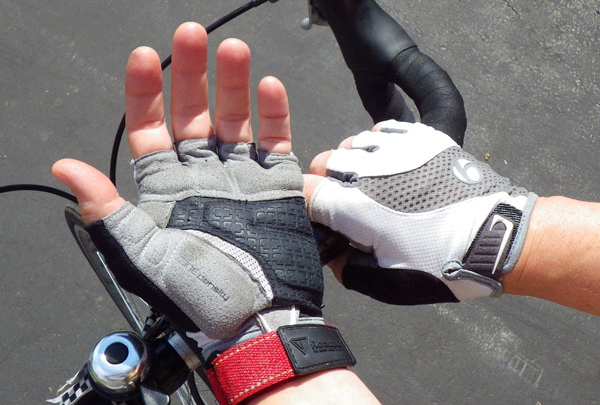
sore hands from cyclingSome of the most common overuse injuries involve a cyclist’s hands and wrists. Cycling gloves can alleviate a lot of the shock-related pain associated with riding, but there are instances in which cycling gloves provide little or no protection. Below, we’ve compiled a list of common causes of bike-related hand pain, as well as some possible solutions. [Read more…]
Top 10 Things I Wish I’d Known When I Started Cycling

June 19, 2014 by U.M.

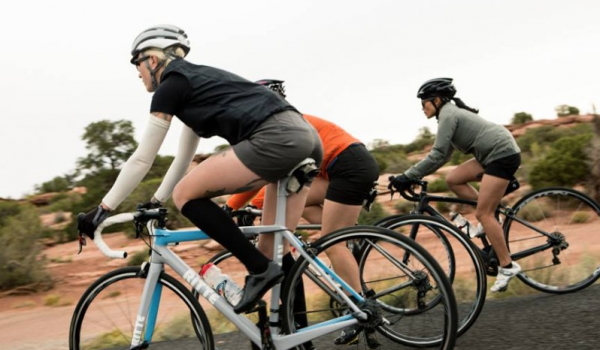
top 10 things I wish I knew when I started cyclingThere’s a reason the term “rookie mistakes” exists. Every beginner, regardless of sport, is bound to make a few mistakes at the outset. Experience takes time, but with some preparation, it’s possible to avoid some of the more common mistakes made by cyclists early on. To give you a head start, here’s a list of ten things many bikers wish they’d known before they hit the road. [Read more…]
Okanagan Training Camp

June 17, 2014 by Lee Agur

Okanagan Training Camp Summerland Penticton

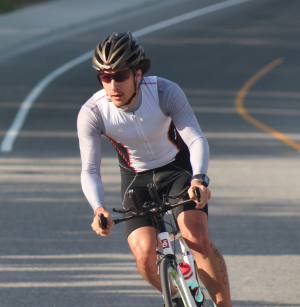
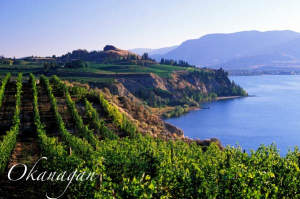
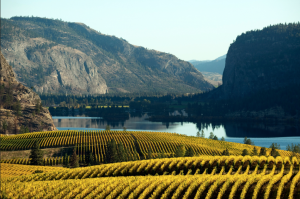
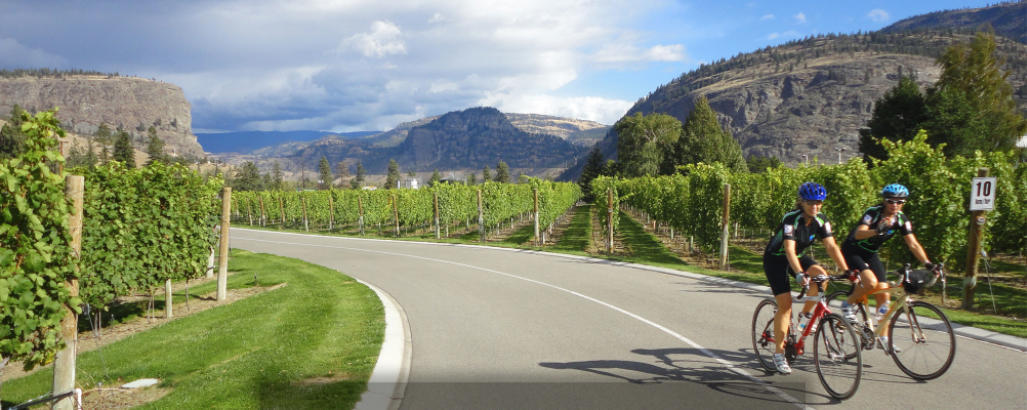
Join Scott Price and I for an unforgettable 5 day training camp situated in the heart of the most spectacular area to cycle in Canada. Rediscover your passion for cycling and ride until your heart is content through amazing wine country.

Trip Highlights

  • Conquer the notorious Apex Mountain climb and cycle in some of the most beautiful areas in BC.
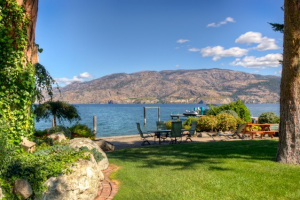
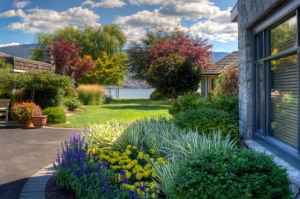
  • Stay at my beautiful personal residence complete with 3 houses, 720 feet of lakefront, full basketball court, hot tub and much more…
  • Enjoy the yoga classes, knowledge filled lectures on cycling and how to master it, taste local wine and beer, wake up to our artisan performance coffee for athletes, get a massage, make new friends all while riding through amazing terrain with charismatic and expert guides.
  • Relax and recover with post ride smoothies, private yoga, massage, fishing or a nap on the deck.

Scott Price

Scott Price - Okanagan Cycling Training Camp

Come ride with one of the most knowledgeable cycling coaches and personalities on the road. Scott is a Canadian National Champion and climbing master but he will stand out to your more for his bright smile, positive outlook, desire to help people live at a high level and his stories! Scott is from Calgary and currently lives in Phoenix and he has hosted cycling camps in Tucson, Death Valley, The Rockies and Italy.

Lee Agur

Lee Agur Cycling Training Camp Okanagan Penticton Summerland

The founder and creator of I Love Bicycling.com wants to invite you to come share in his passion of biking. Lee Agur recently quit his job as an accountant to help educate cyclists around the world, including you. He wants to open his home, go biking and connect with a few select individuals. His passion will be quite apparent once you hit the roads with him!

Schedule:

Day 1 – August 27th

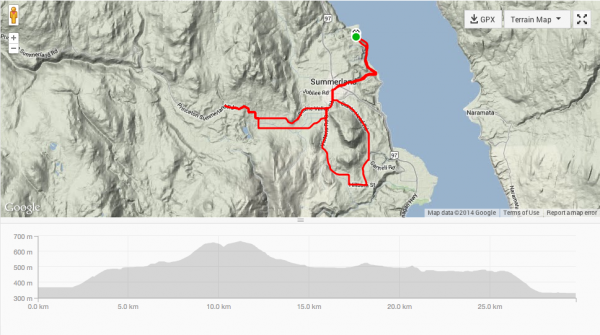
Short warm up ride around Summerland to give you a sense of where you are staying. Ride leaving at 4pm for those who can make it that early. 30km (19 miles) and 450 meters of elevation gain.

best training camp

Day 2 – August 28th

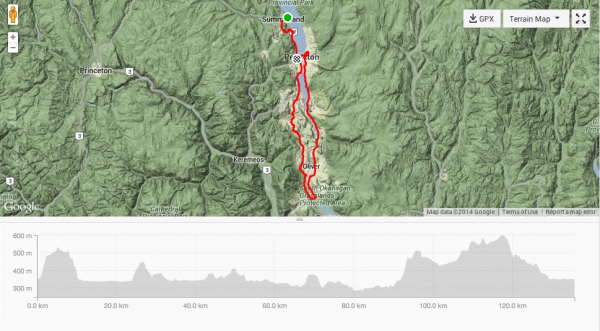
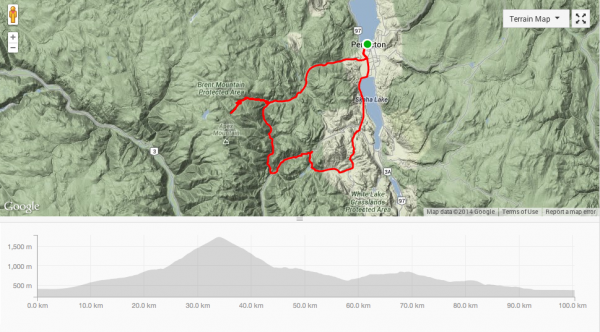
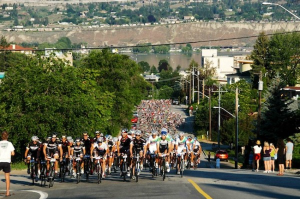
Do most of the Penticton Granfondo Loop. 135km (85 miles) and 1250 meters of elevation gain. (Shorter distances available today)

Okanagan Training Camp

Day 3 – August 29th

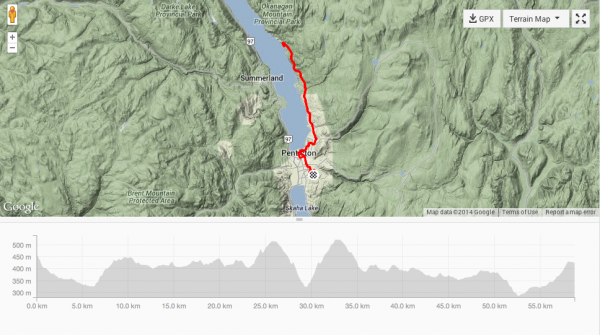
Visit Naramata famous for its many amazing wineries. 60 km – 800 meters (Longer distances available today)

Penticton Training Camp

Day 4 – August 30th

Challenge the world famous Apex Mountain! (or don’t) There will be shorter and longer options for the day. 100km 1800 meters

Okanagan Training Camp

Day 5 – August 31

Morning ride – group choice – 40 km before departure.

Where You are Staying

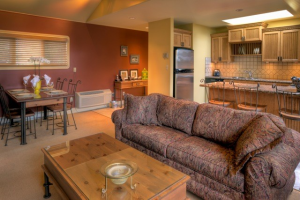
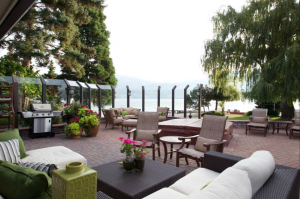
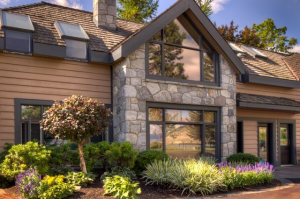
First 6 people to register will be staying at my houses on the water, while the rest will be staying at the Summerland Waterfront Resort 3km away.

Cycling Training Camp PentictonCycling Training Camp PentictonCycling Training Camp PentictonCycling Training Camp PentictonCycling Training Camp PentictonCycling Training Camp Penticton


For more detail on one of the 2 houses that you may be staying at (There are 3 houses on the property) visit http://www.vrbo.com/486330

What’s Included

  • 5 Days fully accompanied trip
  • All accommodations
  • All breakfasts, lunches and dinners
  • Pick up/Drop off from Penticton Airport if necessary

Trip Summary

When: August 27th to 31st

Where: Summerland, BC Canada

Who: You, Scott Price and Lee Agur

How much: $1750 USD based on double occupancy, $1950 USD for single occupancy.

Limited Availability: 10 Riders maximum!

Why: For an amazing all encompassing cycling vacation.

Cycling Training Camp Penticton Okanagan

If you are interested in securing a spot to this training camp leave me your name and number/e-mail on our contact page and I will get a hold of you. We look forward to seeing you there.

Cycling Training Camp - Penticton, Okanagan, SummerlandCycling Training Camp - Penticton, Okanagan, SummerlandCycling Training Camp - Penticton, Okanagan, Summerland

Bonking

June 3, 2014 by Lee Agur

Bonking

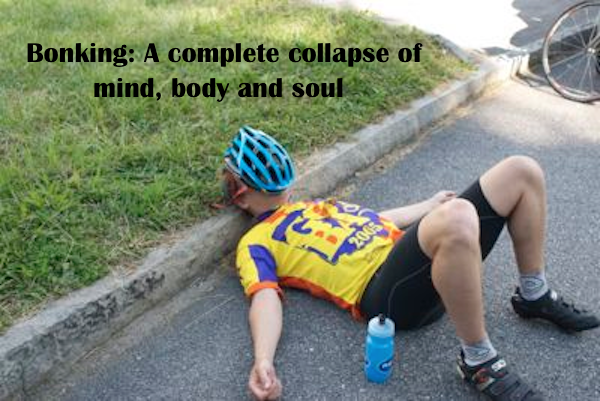
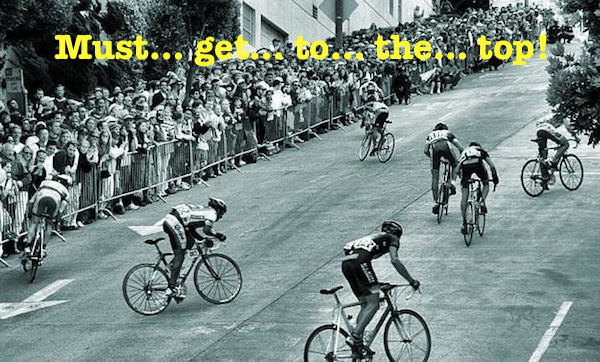
bonking, bonking while cycling, bonking definition, bonking means, bonking on the bikeBonking is one of the worst feelings you can have on two wheels. If you have ever bonked on a ride you will know what I am talking about, a complete collapse of your mind, body and soul. One minute you are smiling, flying along and the next minute you can barely stop the drool from coming out of your mouth, never mind trying to turn over the pedal crank!
What Does Bonking Mean

Bonking is when your glycogen stores have been depleted in your liver and muscles to dangerously low levels. You know when you have bonked because of the unmistakeable fatigue that comes over you.

Bonking while Cycling

Bonking on the bike, also known as “hitting the wall” in running, is simply when you are completely and utterly exhausted. You have no more energy left in the tank. The glucose levels in your blood is abnormally low so parts of you start to systematically shutdown.

Your legs and your brain both require glucose in order to operate, but your brain takes priority. In the beginning, your legs lose considerable power and it becomes increasingly difficult to continue pedaling, but as you continue to ride then your brain function also starts to deteriorate. So not only are you ridiculously weak, but you may turn to the dark side and become irritable, emotional and even hostile.

Types Of Bonks

Dead Legs – your legs just will not go even though the rest of your body is keen.

Complete Meltdown – a complete body shutdown. Nothing is working! A great combination of nutrition errors, dehydration, poor training and overexertion combined into one.

Signs That You Have Bonked

Physical Signs of bonking

  • Immense fatigue
  • Uncontrollable shaking or shivering
  • Unable to balance – dizzy or lightheaded
  • Increased sweating

Mental Signs of Bonking

  • Loss of concentration
  • Irritable, emotional or hostile
  • Confused
  • Mentally defeated – all thoughts turn negative ie. you have to stop, unable to finish event, feeling like the grim reaper has come to take you…

How do you avoid bonking?

Avoiding bonking in theory is simple – eat enough carbohydrates to convert into glucose to fill your glycogen stores. The problem is that you can only process 60g to 90g of carbohydrates an hour as discussed in what to eat on a long bike ride . So no matter how much you eat you can only convert so much of it to usable energy. Eating too much is a whole other can of worms… So if you are eating the correct amount then it will come down to monitoring intensity and making sure you are not exceeding your limit and staying properly hydrated.

The time to avoid bonking in a race really begins long before, in your training, and continues through the implementation of a pre-race plan of food and race nutrition, hydration and pacing.

Early Detection of Bonking

Bonking can hit you like a ton of bricks with no warning, but sometimes (especially if you have had extensive first hand experience with bonking) you can start to see the signs of the bonk coming on. Riding starts to get much more difficult, you start losing focus or getting hangry (hungry & angry).

What Do I Do If I Have Bonked or Feel it Coming On

Immediately decrease intensity, start to eat simple carbohydrates and try to rehydrate – drinking sports drink takes care of both of those at once.

If you are deep in to a bonk consider getting picked up or dropping out of the current event especially if it is not an important one. Recovery time is exponentially longer the harder you try to push through. If you are stubborn and want to finish – get off the bike, take in some carbohydrates and continue when you are no longer dizzy, disoriented and have sufficient energy.

If you catch yourself early enough then you may be able to continue riding slowly as you take in some simple carbs, often this can save a race.

Bonking is actually a way of protecting the body from further damage, if you will not look out for your body properly, it will! Do yourself a favour and don’t let it get to that point.

Have you ever bonked? Share your insight or stories below.

Climbing Steep Hills

May 27, 2014 by Lee Agur

Climbing Steep Hills

Climbing Steep HillsClimbing a Steep hill is a gut busting experience, but with some of these tips hopefully it wont be as painful or dreaded as it previously was.
First of all, we are not talking about an ordinary hill here, if you want climbing techniques for hills read this post. Steep hills are a whole other animal all together.

Compact Ring

Before you even begin this precipitous climb set yourself up for success, make sure your bike is set up properly. Consider if getting compact cranks or even triple cranks upfront is right for you. If you are grinding away at 50 rpm for any extended amount of time then it may be time to make a switch.

Before The Climb

If you know the steep hill is coming up, take it easy before the climb, restore your energy. If you are in a group allow them to take turns upfront, try to come into the climb as fresh as possible.

Mental Game

Brain wash yourself into “loving” the climb, always saying how easy it is going to be or how you are looking forward to it. The mental game is a most of the battle, it is the same for any type of work… It sounds ridiculous, but I promise it makes it better.

Reduce Weight

Make sure to only pack what you need… especially if there is a store that you can get things at or an aid station on the other side.

Don’t Start Too Hard

Make sure that you don’t go in to oxygen debt immediately, you may hate life half way through the climb if you started out too hard.

Zig Zag

See that picture up above? The pros are doing it… so should you! I zig zag in order to reduce the grade and make it easier on myself, especially if it is a hill that is leading up to a strava segment. If your cadence is starting to slow to a grinding halt zig zagging may just save you from an embarrassing stall.

Take Wide Corners

Take the outside of the corners effectively reducing the grade. This will save your legs for steeper sections of the climb.

Stand up

Use your body weight to help you getup the hill. Make sure to rock the bike back and forth gently in order to put your body weight directly over the pedal on the down stroke.

Pull Down

As the grade continually increases you will need to start engaging more muscle groups in order to complete the climb. While standing up, pull down on the handle bars with both hands to give yourself more power.

Core Strength

It takes a lot of core strength and proper weight distribution to complete a steep climb. Your lower back might start to scream in agony, but just remember the mental mind games and how much you “love” it.

Secret Weapon

As with any hill… envision rocket boosters attached to your bike… it is practically cheating it is so effective.

Comparing Power To Weight Ratio

May 27, 2014 by U.M.

Comparing Power To Weight Ratio

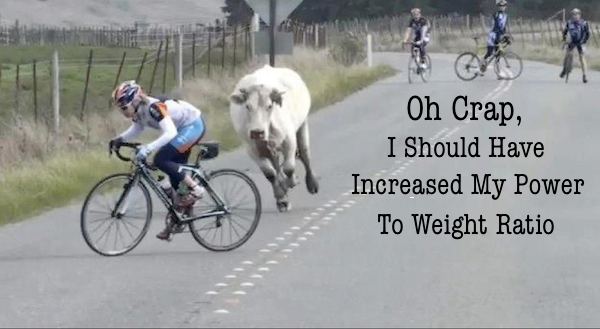
Comparing Power To Weight RatioCycling is a dynamic activity, and the amount of work being done by your muscles varies throughout a ride. You can get a good idea of your power output by tracking it with a power meter. Power meters have steadily been growing in popularity among cyclists. They are a way to get a picture of your effort in real time, so you can adjust the intensity of your ride to fit your training purposes. [Read more…]
Cycling 100 Miles or a Century

May 23, 2014 by Lee Agur

Cycling 100 Miles – Century

Riding a century, cycling 100 miles, cycling a century, riding 100 miles, century, endurance ride, long distance cyclingSo you want to tackle cycling 100 miles (also known as a century)! Riding a significant distance takes more than physical endurance; it takes mental stamina. But with the right training and a good strategy, there’s no reason you shouldn’t be able to complete a 100 mile ride, and then some!
Training For a 100 Mile Ride

It all depends on how fast you want to go…

Important things to keep in mind when looking for a training plan: Your skill level, time you have to dedicate to cycling and how long of a time period you have before you want to cycle the 100 miles.

If you want to do well it will take several weeks/months to prepare for a ride this serious in magnitude. Training should consist of more than just long rides. It should also include intervals that are faster than race pace and other types of speed work. Speed work is what builds your lactate threshold, allowing you to bike for longer distances easier.

A typical plan will have a couple interval/speed training days during the week with an endurance ride on the weekend. The Complete Book of Long Distance Cycling has training plans tailored to beginners, intermediates and seasoned pro’s.

How Long Does It Take To Ride 100 Miles

Riding time varies largely on terrain and experience level, a 100 mile bike ride can take anywhere from 4 hours to 10 hours. That’s a long time to be on a bike!

Before 100 Mile Ride

Drive the 100 mile route so you know what is coming ahead or better yet (if you have the opportunity) practice on it. Do it in sections, noting  every detail, what gear you have to be in and when, where to carry your speed, where to push it and where to hold back.

Make sure to eat a carb rich meal of approximately 400 calories at least 3 hours before your ride, (sometimes that involves waking up at ridiculous o’clock to eat before an early start time) and are sufficiently hydrated.

During the 100 Mile Ride

Fueling up before the ride is essential, but sustaining your energy level is just as important. A proper hydration and nutrition plan should be practiced during your training rides to figure out what you need and when you need it. Before you begin the century ride you should know how much to eat and drink every hour. A rough guideline to start from is… one bottle of sports drink, and one or two gel’s or gu’s washed down with water for every hour of riding to avoid bonking. Look to consume approximately 350 calories per hour of riding.

I cannot stress the importance enough about starting off slower than you think you should. When you push yourself too fast in the beginning (which many of us inevitably do) all the blood you have will be going to your legs leaving very little for digestion. The question then is not if, but when will you bonk. The food and drink will build up in your stomach and slosh around undigested, the glycogen that your muscles require to keep working will not be delivered. So… race your pace not someone else’s… don’t blow up!

During a century your body will be in one position for quite some time, so things are likely to get a bit uncomfortable. To stave off tension and keep things loose, you need to move around. Ease your grip on the handlebars change your hands’ positions every so often to prevent numbness. Stand up on your pedals once in a while. Avoid locking your joints and make it a point to stretch now and again.

After Riding the Century

You did it! You accomplished your goals and completed something most people only dream of. But you’re not done yet. Recovery can be just as important as training in helping you to avoid injury and muscle soreness.

Immediately after the ride, take some time to cool down. Don’t just hop off your bike and call it a day. Ride at a gentle, easy pace for 10 to 15 minutes to allow your muscles time to wind down.

Your glycogen stores will be depleted once you finish, so it’s important to eat something right away. Opt for something rich in carbohydrates to replenish your glycogen, and protein to repair your muscles. The ideal ratio for recovery is 4:1, or 4 grams of carbohydrates to 1 gram of protein. Don’t skimp out on rehydrating. A good sports drink can replace lost water and electrolytes.

As soon as the next day, you can go for a recovery ride. A recovery ride should be nowhere near strenuous or challenging. Its sole purpose is to help you recover. If you’d rather not hop right back on the saddle, go for a massage. Massage has been proven to help with recovery after an intense period of exercise. What’s more, you’ve earned it!

Training Plan

If you are looking for a century training plan, begin with the “The Complete Book of Long Distance Cycling“. The century training plan will give you century training tips, long distance cycling nutrition information, mental approach to riding a century and advice on training.

Enjoy the ride.


How Many Calories Do You Burn When Cycling

May 22, 2014 by U.M.

How Many Calories Do You Burn When Cycling

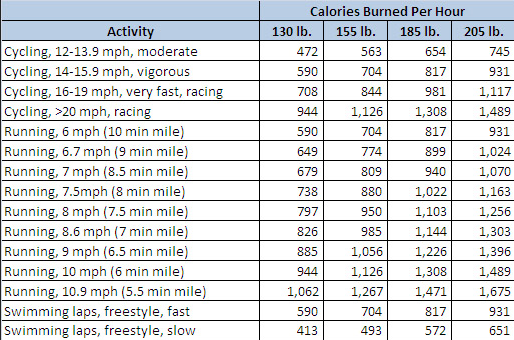
how many calories do you burn when cyclingThe exact number of calories burned during a bike ride can be difficult to gauge. On average, a 180 lb. cyclist riding at a moderate effort level will burn approximately 650 calories per hour. This number is a rough estimate; however, the precise number depends on a number of factors, not all of which are easy to quantify. The table represents rough estimates of how many calories you burn when cycling, running and swimming for an hour at different intensities. [Read more…]

« Previous Page
Next Page »
  • Facebook
  • Tumblr
  • Twitter

Latest Articles

JOIN Cycling: A New Training Platform for Cyclists

May 27, 2024 By Eric Lister

cold exposure

The Benefits of Cold Exposure for Cycling & Life

June 13, 2023 By Eric Lister

hill climb

The Ultimate Hill Climb Training Guide

May 31, 2023 By Eric Lister

shoulder pain cycling

How to Treat & Avoid Shoulder Pain While Cycling

April 12, 2023 By Eric Lister

psoas stretch

The Importance of the Psoas Stretch for Cyclists

April 6, 2023 By Eric Lister

cycling neck pain

The Ultimate Guide to Cycling Neck Pain: Causes and Solutions

March 21, 2023 By Eric Lister

Useful Info

  • Contact
  • Finally, A Global Cycling Club That Is Focused On Community And Love Of Cycling!
  • Privacy Policy
  • Share Your Story!
  • Terms And Conditions Of Use
  • Welcome to I Love Bicycling
  • What Happened When I Stretched Every Day For a Month

Recent Posts

  • JOIN Cycling: A New Training Platform for Cyclists
  • How to Hang Bikes in Your Garage: 4 Inexpensive Options
  • Gravel Bike Vs. Road Bike: Which One Is Better For You?
  • The 6 Types of Mountain Bikes & How to Choose the Best One for You
  • What Is a Touring Bike Good For? 5 Benefits We Know You’ll Love

Search I Love Bicycling

Connect with Us

  • Facebook
  • RSS
  • Tumblr
  • Twitter

Copyright © 2026 · Magazine Pro Theme on Genesis Framework · WordPress · Log in