
• Training
    • Injury Prevention
    • Training Tips
  • How To
    • Bike Fit
    • Gear
  • Nutrition
    • Nutrition Tips
    • Weight Loss
  • Repair
  • Reviews
  • Stories
    • Funny Stories
    • Jokes
    • Quotes
    • Videos
    • Funny Videos

I Love Bicycling

I Love Bicycling is a website that is geared towards cycling for beginners with road cycling tips, training articles, nutrition tips, weight loss, how to’s and bike repair articles.

Training

  • Injury Prevention
  • Training Tips
  • Training Camps

Does Cycling Help Running?

August 2, 2015 by U.M.

Does Cycling Benefit Running?Many people who take up cycling do so with the intention of making it a part of their regular exercise regimen. This could include a variety of other cardio-heavy activities, like running and swimming.

As such, it stands to reason that gains made in one area should lead to immediate benefits in the others. However, it isn’t quite that simple, so if you want know if your cycling helps running, you are going to need to know how one affects the other to allow you to train properly.

Improved Cardio

The biggest benefit that cycling can have to runners is in improving their overall cardiovascular fitness. As cycling is a low-impact sport, it is an excellent way for a person to improve their overall conditioning without putting their body through the stresses that running often demands.

While this doesn’t mean that general cycling will improve the musculature of your body, affording you more power and speed when you run, it does mean that you will build some level of endurance and be able to enjoy superior cardio with lower recovery rates in the bargain.

Building Complementary Muscles

While running is the best way to build the muscles associate with running, with strength training and other gym work being used to create more power in your legs, cycling trains a number of other muscles that complement the main muscles used when running and allow for smoother and faster leg turnover.

Running makes heavy use of your quadriceps, hamstrings and glutes, which are all muscles that are used at varying stages during cycling as well. Furthermore, getting on your bike helps you to improve your thigh strength in addition to working your core, which can all help add to your running experience.

Does Cycling Help Running Endurance

Yes, cycling will help your endurance by increasing your cardio and building complementary muscles, but just because you are an avid cyclist does not mean you should go out and run a 6 mile or longer race. There are still a lot of tertiary muscles that you need to build up for running and even more dangerously you have to build up your ligament strength. You may have the endurance and cardio to go for a long run, but your body needs time to adapt and strengthen itself in order to take the stress that running provides.

Better On The Bones

Anybody who runs regularly will know that it is a fairly high impact activity that can lead to increased strain being placed on bones and joints. Knees and ankles can suffer as a result of the constant thudding of your feet into the ground, with the problems only becoming worse over longer distances.

While cycling over long distances can cause some stress on the knees, it is comparatively far lower than that caused by running. As such, cycling can be used by competitive runners to help the maintain and build their fitness without placing undue stress on the body, thus leaving them in better condition to take a race by storm when it comes time to run.

Does Cycling Help Running Speed?

While a lot of what you do when cycling can go a long way to improving your fitness, allowing you to run for longer and recover more quickly, it is important to remember that you also need to pay attention to increasing power and speed to allow you to improve as a runner.

While cycling can help a little in this regard, through minor muscle building, a trip to the gym is always a good way to build that extra power, which can then be refined as needed.

A number of basic exercises, such as lunges, hip flexing stretches and heel raises, can go a long way to increasing flexibility in your legs, thus allowing for quicker turnover and a more efficient stride. Additionally, it is also a good idea to hit the weights and use leg presses and other machines to build some muscle. Of course, the main thing to remember is that you need to balance this increase in power with your overall fitness, as massive legs are going to become restrictive if you run on a regular basis.

However, with the right combination, you should find that your overall fitness levels improve and you start getting the speed you want when you run.

So can cycling help running? It can significantly improve cardio, help build some of the larger muscles groups required for running, keep your body a little more rested than running and improve overall speed. Yes, cycling can help running. Just use common sense, if you are trying to be a runner then you have to focus on running and treat cycling as a secondary sport.
Prevent Numb Hands While Cycling

August 2, 2015 by Lee Agur

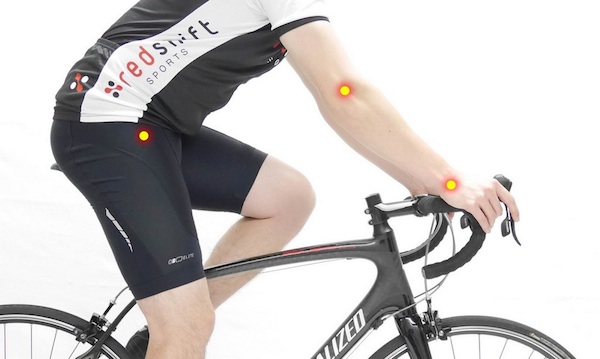
numb hands while cycling, cycling numb hands, hand numbness cycling, numb hands when cycling, cycling hand numbness, numb fingers when cyclingThe good news: It is more than likely that you are able to solve numb hands while cycling.
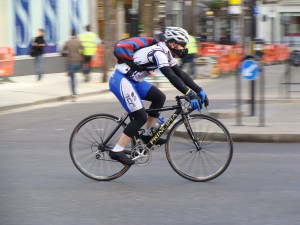
Avid cyclists will know that the hobby can get a little bit tough on various areas of your body, particularly if you are not taking the correct steps to protect yourself against the issues that can be caused by longer rides.

While many people place a lot of their focus on the legs, the rider’s hands are also extremely important. After all, if cyclists hands go numb then the constant shifting can put you in less efficient positions and it can also be a hazard, adversely affecting steering and braking.

What is Causing My Hand Numbness?

There are several nerves in your hand and if they are compressed then you will start to feel that tingling sensation. The ulnar nerve runs through the bottom of your wrist and to your pinky and ring finger, where as the median nerve runs through the middle of your wrist and to your thumb, index finger, middle finger and ring finger.

It is much more common to have the ulnar nerve pinched on a road bike due to the hand position in the drops and on top of the hoods. To prevent numbness setting in you need to ensure that your wrist and hand position is in line with your forearm. If there is a bend in your wrist it will cause a pinch in the nerve and your hands will go numb. If you adjust your position and you find that you are unable to get your forearms, wrists and hands flush it may be an issue with your bike fit.

Bike Fit

Another common problem is having a poor bike fit. If your handlebars are in the wrong position or your saddle is at the wrong angle, you will find that you are putting extra pressure on your hands to maintain your posture. Specifically check the angle of your seat with a level. Generally speaking your saddle angle should be between 0% to a maximum of -3%. Any more than -3% and too much of your body weight will be held up by your hands which can cause them to go numb.

Sometimes the issue is not just the saddle but a cumulation of many factors. For instance, even small things such as the shifters being angled out to the side too much will cause your wrists to bend ultimately pinching the nerve. Perhaps you were watching the Tour De France and saw how low some of the handle bars were in relation to the saddle and you figured, “hey I could drop my bars down, be more aero and go faster,” not realizing that you just added more pressure on your hands.

There is a quick simple test that you are able to perform to determine if there is too much pressure on your hands. Grab a friend, get on a trainer and do a good warm up, after your warm up is complete start to bike at your Functional Threshold Power or at a quick pace that you would not be able to sustain for any longer than an hour. Once you have found that pace, make sure you are in the drops and have your friend standing in front of you ready to catch you while you quickly throw your hands back to your hips (envision grabbing the top of your butt cheeks).

If your bike fit is set up properly you should be able to hold that position without raising your torso, falling on your face or arching your back. In essence this little test tells you that you are at a perfect balance point and do not have too much weight on your hands. If you topple forward then it’s likely that you need adjust the saddle position backwards more to relieve some of that pressure on your hands.

Thankfully, there are plenty of additional measures that you can do to prevent hand numbness cycling.

If you would like to learn more about bike fit purchase “Bike Fit” by Phil Burt who explains hand numbness, knee pain and more.

Gloves

The most obvious solution for numb hands cycling is a decent pair of well fitting gloves with a fair amount of padding to spread out the pressure on the hands. Cycling gloves protect your hands when you are riding, thus ensuring that they don’t succumb to numbness when you are on the road, but will also offer that extra little bit of grip to ensure your hands don’t slip off the handlebars at a crucial moment.

It is important to make sure that the gloves fit your hands correctly, as a lot of discomfort can be caused by having the wrong gloves. If they feel tight in the shop they are going to get even tighter when used, especially after a couple of washes.

As well as wearing gloves make sure you change your hand position every once in a while to put pressure on different parts of the hands.

Handlebar Tape and Gels

A lot of people see handlebar tape, particularly the types used on road bikes, as more of a cosmetic issues than something that can help with your hands, but that isn’t always the case.

There are a variety of tapes and gels on the market that are designed to reduce the amount of vibration your hands feel when riding, which in turn means that your hands don’t end up going numb.

While the tape will be subject to wear and tear, most are fairly easy to buy and aren’t particularly pricey, so it can be replaced as and when needed.

Dynamic Stretching

Dynamic stretching is important before you undertake any physical exercise, and cycling is no different. While your legs will usually be your main focus, you should be sure to take a little of time to stretch the muscles in your arms as well.

Place particular focus on wrist exercises and make sure you feel nice and loose before you get on the bike. If your muscles are stiff, then you are quickly going to find you run into issues, which could lead you to overcompensate or adjust your weight so that you are placing even more pressure on your hands.

Body Limitations

Body limitations can play a part in causing that tingling feeling in your hands but make sure you exhaust all previous suggestions before exploring if your body has a weak core, you are not flexible enough in your hamstrings or have back issues.

Luckily a weak core can be fixed with exercises to strengthen your core and your tight hamstrings can be remedied with some stretching exercises.


Ultimately, if hand numbness is your problem there is a solution. Find which combination of the suggestions work for you. Are there any other things that can help with numb hands while cycling?

The Key Information About Cycling Training Plans

August 2, 2015 by U.M.

The Key Information About Cycling Training PlansIf you are a fairly casual cyclist the idea of a training plan is probably not at the forefront of your mind. However, if you wish to test your body out further and take part in a race, or you’re interested in endurance cycling, then you won’t simply be able to hop onto your bike and get right into it.
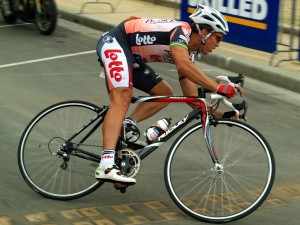
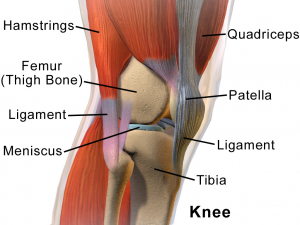
In many cases, you will need to have a decent plan in place to get your body where it needs to be before you try something new. Here we take a look at cycling training plans and the benefits they can bring.

So What Are The Benefits?

The main benefit of taking part in any cycling training plan is that the plan itself is geared towards an eventual aim. If you want to build the muscle needed to increase your speed, a good plan can show you how. Conversely, if it’s stamina that you’re after, a plan will be able to provide the structure you need to build that endurance. These two training plans would look very different!

It’s that structure which helps more than anything else. Rather than just going out for a ride, a good plan will target the core areas that you need to improve to achieve whatever goal you are aiming for.


Do Online Training Plans Work?

In short, yes they do! Any training plan is better than no plan at all. As long as you understand the terminology being used and can use some common sense to adjust the plan as necessary, you should be able to make use of an online cycling plan to increase fitness and strength.

If you are new to the world of cycling, it may be a good idea to consult a cycling coach to help you cut through the jargon and get the most from a plan. If you are not interested in getting a coach or don’t feel you would like to pay that much, group rides are a fabulous source of knowledge. There are so many people in a group rides that have had a coach in the past, or have gone through training plans. You can learn something from everyone. The more you talk about cycling with others the more you will learn.

Training Plans vs Coaches?

While a cycling training plan is going to be able to help you improve in whatever aspect you want to improve, using a trainer is likely going to be able to help you achieve the results you want much faster. A coach will be able to create a plan that is tailored to you, in addition to helping you if you start to struggle. As such, they can place focus on the areas that need attention, rather than creating an overall plan that doesn’t take your current fitness levels into account.

A cycling coach will be able to tell you something in 5 minutes that on your own may take you months to learn, if at all. If you hire a good coach then you will trust what he/she will have to say, do it and see the benefits and learn from that experience. There are so many things to learn as a beginner cyclist: proper nutrition, hydration, effort, rest and so many other topics. You try and be a sponge and soak up as much as you can when your coach speaks as they are a wealth of knowledge. Obtaining a cycling coach is like a jump start on your cycling goals.

A training plan is a good start, but how do you even know that that specific plan is right for you?

Do I Need A Plan?

If you simply use your bike for the occasional commute, or to head out for a ride on the weekends, the odds are that you aren’t going to need a cycling training plan as you are simply using the bike to get around or for leisure purposes.

However, if you have designs to get into competitive cycling, be it a short race or endurance, a good training plan will help you to prepare your body for the trials that it is going to be facing.


Does Cycling Cause Erectile Dysfunction?

August 2, 2015 by U.M.

does cycling cause erectile dysfunction, does cycling cause ed

Many men are wary of taking up cycling, or of cycling too much, due to a number of sources claiming that spending an extended amount of time on a bike can contribute to erectile dysfunction.

Of course, this is a condition that most men will want to avoid, particularly if they want to start a family and haven’t yet had the opportunity. However, it is important to separate the speculation from the actual science.

The Speculation

A lot of people claim that cycling can cause erectile dysfunction due to the pressure placed on the groin area.

The theory goes that too much time spent seated in a bike saddle can lead to the compression of important veins and arteries leading to the penis. This restricts the blood flow to the organ, which isn’t a problem when cycling but can be an issue in the long term as the compression is believed to have long lasting effects if maintained over sustained periods of time.

A cyclist will often place a significant portion of their bodyweight on the front end of the saddle when riding, so it is a very real and logical concern to have.

The Science

While there are a number of studies available that seem to back up this viewpoint, perhaps the most important one for men to consider is a recent British study that claims that there is absolutely no link between cycling and erectile dysfunction.

The study examined almost 5,300 males, asking them questions about how much they ride and if they had experienced any of the common symptoms of erectile dysfunction themselves.

The results demonstrated that there appears to be no direct, causal link between cycling and erectile dysfunction or infertility.

However, there is conflicting research available from Boston University that suggests that those who do engage in long distance cycling may be at increased risk. This study looked at men who cycled for less than three hours per week as compared to those who cycled more and found that there is an increased risk of artery compression in the cases of those who cycle for more than three hours, which increases the longer the man spends on the bike.

I choose to believe that cycling is not associated with ed or infertility. So far my personal findings are that cycling has increased my sex drive and there have been no signs of ED. What about you?

Either way, it is probably a good idea to take as many precautionary measures as humanly possible to avoid the risk of ed or infertility.

What Can You Do?

Bike Fit

The research from Boston University suggests that one of the key issues that men face is a poorly fitted bike, particularly when it comes to the saddle. Improper saddle height, tilt and positioning can lead to increased pressure being placed on the groin area, so it is a good idea to seek the advice of a professional before purchasing a bike to ensure your bike fits your particular body type.

Different Saddle

Furthermore, men can also consider purchasing a nose-less saddle, which will encourage them to sit more upright as they cycle in addition to removing the part of the saddle that places pressure on the groin. This also has the added advantage of redistributing the cyclist’s weight so that it is focused more on the posterior and sitting area, rather than the front of the body.

Don’t Let it Go Numb

Some cyclists report that everything goes numb “down there” and continue on as long as the ride may be. If things are numb it means there is no blood flow. If there is no blood flow, that is a bad thing! Stand up on the pedals for a few strokes and allow some blood to circulate to your manly parts and then readjust yourself as you sit back down onto the saddle. If you find that your family jewels are continually getting numb make sure to go for a bike fit because that is NOT normal.

I believe and the newest science suggests there is more harm in not cycling than there is in cycling, just make sure to make smart choices.

Does Cycling Hurt Your Knees?

July 31, 2015 by Lee Agur

Does Cycling Hurt Your KneesAny sort of exercise comes with physical risk regardless of whether or not the exercise itself is low impact. Cycling is no exception, even though it is considered a low impact exercise it can still hurt your knees and lead to issues if done incorrectly.
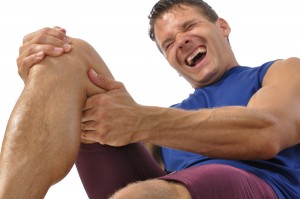
One of the key problems that many people wish to avoid cycling is knee pain, yet many people fall victim due to the repetitive motion. You have to remember that in an hour of steady cycling your knee is going in approximately 5000 revolutions, the stress may be very minimal for one revolution, but if you have muscle imbalances, or some alignment is out, by the 5000th or 10,000th stroke you may be able to feel a twinge.

How Can I Avoid Knee Problems?

A lot of people seem to think that knee pain caused by cycling spells the end for their time on the bike. Nothing could be further from the truth, in reality all you need to do is ride smart.

Too Much Too Soon

The number #1 knee pain cause – going further or harder than your ligaments, muscles or bones can handle. Being an extremist can have its downsides! Make sure to slowly build up your endurance. Your muscles and bones develop at a much faster rate than your ligaments. What will often happen is a ligament will get too tight or inflamed, especially your IT band.

So remember if you try and go too long or too hard too soon your muscles and ligaments will not be prepared for the distance or intensity and it may result in a hurt knee or worse.

Riding Long Distance

Those who ride long distances will often report lateral knee pain (outer knee pain) as the IT band continues to tighten each and every revolution.

Ideally, you should build up to long-distance cycling very slowly. Don’t expect to jump on a bike and go for miles and miles without some form of repercussion. Learn to listen to your body, know when to go hard, but more importantly, know when to take it easy.

Bike Fit

One issue that is often overlooked when people are trying to figure out why cycling is making their knees hurt is the fit of the bike itself. Riders need to pay close attention to their saddle height and angle, a saddle that is too high will cause posterior knee pain (pain behind the knee), if it is too low it will cause pain at the front of the knee. Conversely if the saddle is angled too far down then it puts undue pressure on the front of the knee as you continue to try and hold your body weight back. A saddle tilted too far back will hurt behind the knee, never mind the crotch region.

A poor bike fit can lead to a poor pedal stroke that can cause issues with a number of bones, ligaments and muscles, including the patella, or knee bone, in addition to the femur and tibia attached to it. Getting a bike professionally fit goes a long way to remedying and/or preventing problems.

Stretching and Rolling

Flexibility or lack of, is a cyclists nemesis. Eventually if you do not stretch or roll your muscles will tighten so much that you will have difficulty walking never mind riding. Make sure to do a few stretches that especially focus on loosening up the lower body.

Cycling a Form of Recovery

Cycling is actually good for knee pain! Physiotherapists tell people with knee injuries to get on a stationary bike as a form or recovery. This will stimulate blood flow to the area and allow it to heal that much more quickly.

So, is cycling truly bad for your knees? No it is not!

Suggested articles to read and videos to watch: Basic Bike Fit, Adjust Your Saddle Height, Perfect Saddle Angle, Fore and Aft Saddle Position and Ideal Cleat Position.

What About Running?

Some people may come to the conclusion that cycling isn’t for them, leading them to look into other forms of cardiovascular exercise. Running is one of the most popular, however, this can lead to even more issues.

Unlike cycling, running is a much higher impact exercise, which can lead to issues developing through repetition. In fact, the pain that many people feel around their kneecaps as a result of running is even informally known as “runner’s knee,” which demonstrates just how common the issue is.

As such, you should put a lot of thought into which exercise you wish to continue with. In many cases, any knee issues caused by cycling can be remedied through improvements in bike fit, training duration or intensity, technique or a bike fit.

Truthfully, any exercise can lead to injury as exercise by definition stresses the body. Make sure to be smart and if you feel knee pain during cycling take a break immediately and asses your situation. If you continue to have knee pain after cycling then see a physician.

Interval Training For Cyclists

July 30, 2015 by U.M.

interval training, high intensity interval training, cycling workoutsIn their quest to improve both stamina and speed, most cyclists will try out a number of training regimes before they find the one that gets the results that they want from the workout.
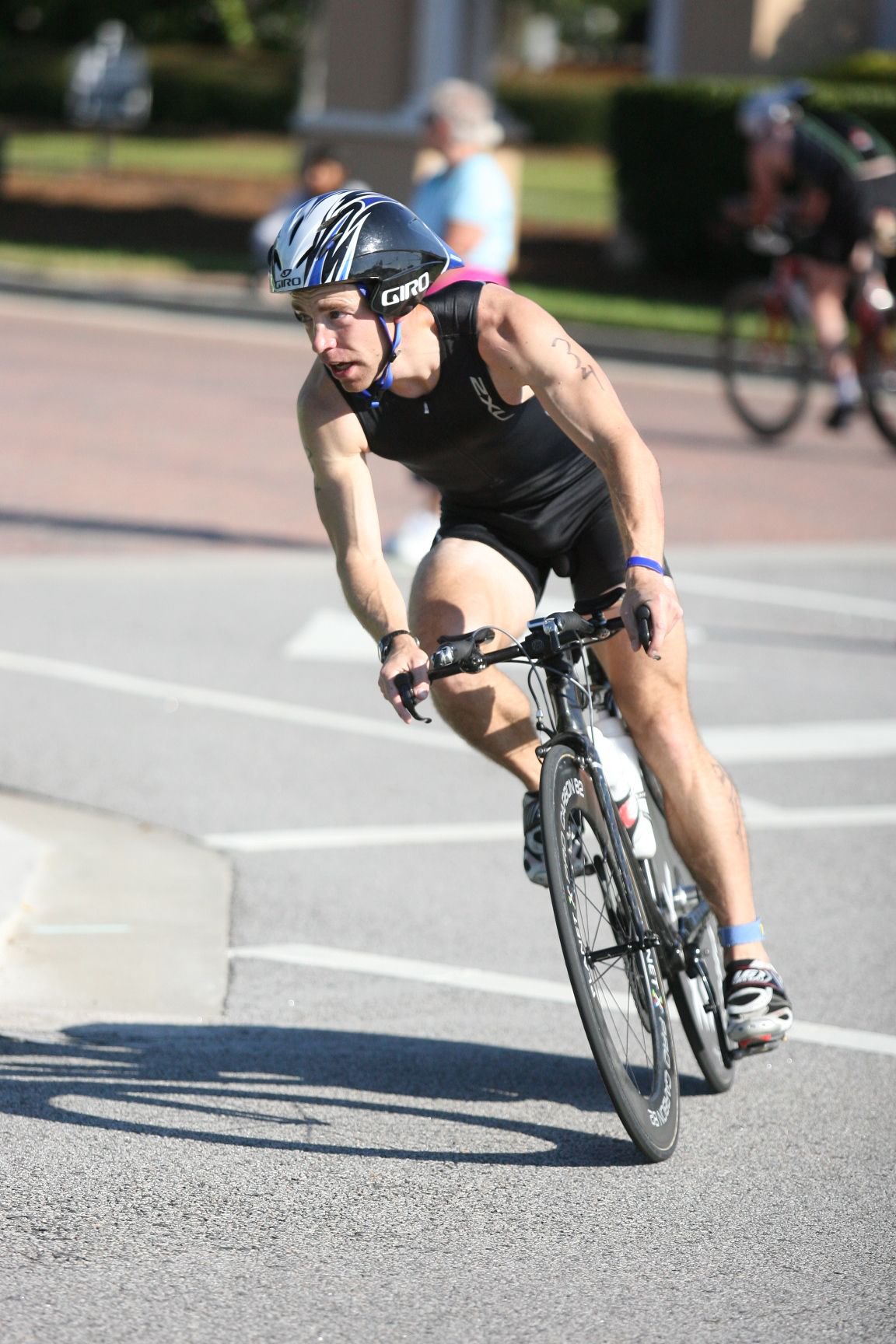
Many head to the gym to work with weights in an effort to build their power, however, there are a number of ways that you can train using your bike alone, so that you get all of the cardio benefits in addition to making gains in your cycling technique. One of the key training methods that many modern cyclists espouse is interval training.

What Is Interval Training?

You have probably heard the term interval training before, as the general concept can be applied to many different types of exercise. It is essentially the idea that exercising intensely for short, sharp bursts, with adequate rest periods in between, it is a more efficient way to boost your strength and overall fitness.

The theory can be applied to cycling just as readily as it can to many other types of workout, as there are many different interval training techniques that you can use to improve your speed, cadence and power levels.

What Does Interval Training Do?

Interval training is designed to get you at your peak levels of speed, strength and stamina as quickly as possible by making use of special exercises that focus on a particular area of your riding.

As such, it is always best to conduct interval training on a bike that you feel comfortable on and in optimal conditions for riding. Smooth surfaces are a must, as you will be focusing on maintaining consistency and good form in an effort to improve your overall technique.

And that’s what it comes down to. Interval training forces you outside of your comfort zone for short periods of time, while also calling upon you to maintain the technique that you need to really make gains in your cycling.

What Are The Benefits of Interval Training?

The benefits of interval training are numerous, which is why it has quickly been adopted by many fitness professionals throughout the world, in addition to a lot of cyclists.

Of the many advantages, the below are the four that are likely going to be most appealing to the average cyclist.

Efficiency – Interval training is designed to get you the best results in the shortest amount of time, so you will find that you end up spending a lot less time on your workouts.

Fat Burning – The intense effort required in an interval training program means that you will burn a lot of fat much more quickly than you would with standard riding. You also boost your body’s repair cycle during interval training, which means that you will lose more calories and fat following the completion of the workout than you would after a standard ride.

No Equipment Needed – One of the main sticking points of going to the gym to build power is that you need to use equipment other than your bike. In doing so you aren’t improving your technique and you’re often spending money to get results. Interval training just needs you and your bike to get the job done.

Challenge – No workout is going to keep your attention for long if it doesn’t offer a challenge and, even worse, it will start to lose its effectiveness if you find you can do it easily. Interval training is never anything less than a challenge, especially because intervals can often be scaled up to become harder as your body improves.

So what do you think? Is interval training for you?

The Best Cycling Workouts

July 29, 2015 by U.M.

CyclingWhile going out for a ride is great for improving your overall cardiovascular fitness, those with a slightly more competitive side to them will likely be interested in ways that they can use their bike to improve their overall fitness levels, thus making them a much tougher prospect to face during races.

If that sounds like you, these quick workouts should help you to build the power and endurance that you need to compete against the top riders in your class of competition, and all of them can be done using your bike.

30 30s For More Power

This is the perfect workout if the event you intend to participate in is going to require repeated surges of strength and speed to keep up with the competition.

All you need to do is place your bike in a medium or high gear and then pedal as hard as you can for 30 seconds, before slowing down into recovery speed for 30 seconds. Repeat this process ten times to complete one interval and then take a five minute rest before starting all over again. Complete the same process three times in total to get the most from the workout, though it may be an idea to build up to three intervals if you are new to training.

Endurance Intervals

Stamina is just as important as strength in many events, so it is a good idea to ensure that your muscles have the endurance required to keep pushing you through particularly difficult sections of the track.

Start with a warm up of easy spinning on a low gear for about 10 minutes before bumping up to a higher gear and pedaling at a fairly slow cadence of around 70-75 rpm, this should be done at an effort that is difficult to maintain. Continue this cadence for 15 minutes before dropping into your easier spinning for another seven minutes. One more 15 minute set of cycling in the higher gear and a warm down at your easier spinning rate and the workout is complete. This cycling workout with improve strength and endurance.

10 Speeds For A Smoother Cadence

A fluid pedaling motion can be just as important as your overall fitness, particularly in events where speed is of the essence. As such, being able to develop a fluid cadence that you can maintain over distance is very important.

In this exercise, you need to pedal in a high enough gear to offer a decent amount of resistance, which means finding one where you can push 90 to 110 rpm. Pedal as hard as you can in that gear for ten seconds before spinning easy for another 20. Repeat this for 10 minutes to not only improve your pedaling power but to also improve your cadence. After a five minute rest do the whole thing again and you will feel the burn.

Hill Repeats For Faster Climbing

Cyclists have a love hate relationship with hills, as they require far more effort to climb than riders sometimes care to use. Strong leg muscles and a regular cadence are extremely important, so anything that builds your strength is a positive.

In this drill you will need to find a hill that has a fairly moderate incline, so that it offers some resistance without being extremely unwieldy. Stand up in the saddle and power your way up the hill as quickly as possible for 30 seconds, getting as high as you can before gently riding back down to the base of the hill.

Repeat the entire exercise while seated and then alternate between the two for a total of six climbs to complete a set. Take a little break for about ten minutes and then do it all over again and you will find your hill climbing technique improves in no time at all.

These cycling workouts will increase your speed, endurance, efficiency and power.

Cure Muscle Cramps While Cycling

July 29, 2015 by U.M.

Cure Muscle Cramps While Cycling

Muscle cramps are a fairly common occurrence for cyclists and we would be willing to wager that many of the people who are reading this article will have experienced them either during or after they have enjoyed a good cycling session.

They are an unpleasant experience at the best of times, so understanding why they occur and what you can do about them may help to make your cycling experience all the more enjoyable.

Why Do Muscle Cramps Occur?

There is a lot of speculation as to why Exercise Associated Muscle Cramps (EAMC) occur, but no definitive answer. However, there are a few common issues that are often pointed towards.

Proper Bike Fit 

Many bicycle manufacturers and cycling technicians will tell you that one of the reasons such cramps could occur is that your saddle is a little too high for the bike. This leads to the rider overextending their legs when they are riding, which in turn puts undue strain on the muscles they are using and causes them to cramp up. Happily, assuming you visit a professional fitter, this is a fairly simple issue to remedy and one that you can look into without too much undue cost.

Nutrition

There are also a number of nutritional experts who will claim that, all other things being perfect, that a lack of magnesium and other electrolytes in your diet could be to blame if you are still experiencing cramps. A lot of sports drinks make a big deal about including electrolytes, so there is something of an industry built around the research, but it does seem to have some merit to it. As such, it is probably a good idea to keep a decent sports drink handy whenever you go out on a ride and to adjust your diet a little to make sure you are getting enough magnesium.

Many people have had great success with taking salt tablets in order to solve this problem, myself included. If you are continuously cramping it is well worth the shot.

Exhaustion

Lastly, the muscles are just purely exhausted. They are cramping in protest of doing any more work, a way of protecting the body. Perhaps you increased volume, intensity or duration more than usual and muscles are starting to cramp.

What Can I Do To Fix Muscle Cramping?

Based on the above, altering your seat height and your diet a little should help along with being adequately prepared for the ride ahead. There are a few other tips that you should follow that will also help:

Tip #1 – Stretch to Improve Muscle Cramping

Stretching is one of the most important, yet under-utilized, aspects of any exercise regimen. Not stretching can cause damage to your muscles if you try to push too hard without loosening up. Your muscles continue to contract and contract with no relief. You eventually become a tight ball of muscle waiting to cramp up.

Take the time to do a warm down as it is just as important as the warm up, take a little time to do a few leg stretches when you finish your ride.

Tip #2 – Keeping Hydrated Improves Muscle Cramping

Having a sports drink that is rich in electrolytes is usually a good start, but there is nothing wrong with just taking a bottle of water along as well. Dehydration can lead to muscle cramps, so be sure to keep a bottle of water handy so that you can take a few swigs whenever you start to feel a little thirsty.

Tip #3 – Build up Volume, Intensity and Duration Slowly


Want to avoid cramping? Don’t push it in to the red all the time. Make sure that you slowly build up to your cycling goals. Do not increase volume, intensity or duration more than 10% per week.

There is a lot of speculation out there, ultimately you know your body best. Find out which one of these works for you or perhaps it is a combination of all. Either way get out there and enjoy some cycling cramp free.

Do I need Chamois Cream?

July 28, 2015 by U.M.

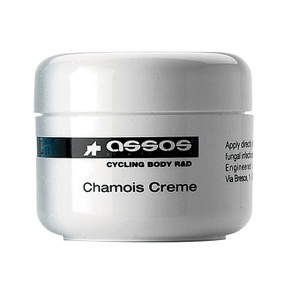
Do I need Chamois Cream? What is Chamois Cream? Should I Use Chamois Cream? So I Should Use Chamois Cream!Chamois cream is one of those sorts of items that is slightly difficult to bring up in polite conversation, but can often still offer quite a valuable service to riders, particularly if they favour long distance riding and want to avoid issues with chafing.

For those who aren’t aware, chamois is essentially another name for cycling shorts and often refers to the padding that they contain that is intended to protect the rider from sores and other issues that can be caused by spending a lot of time in the saddle.

Unfortunately, in the past many people found that the material used in chammy’s reduced in quality after every wash, necessitating the need for something that could extend their shelf life while also adding to the required protection for the riders nether regions.

However, newer apparel is designed with the potential discomforts of a cyclist in mind, yet the cream is still in use. Here we take a look at what it is and whether or not it is something you should consider using.

What is Chamois Cream?

Chamois cream was created with the intention of reducing friction in a cyclist’s more delicate areas, particularly those that chafe against material on a regular basis. It essentially moisturizes these areas, thus increasing rider comfort.

Chamois cream is also anti-bacterial, which is useful should sores or blisters develop as a result of chafing. However, as mentioned, a lot of current cycling apparel accounts for these issues through the use of better designs and new materials.

Should I Use Chamois Cream?

At the end of the day, your decision really needs to be based around just how comfortable you feel in the saddle area when you are riding.

If you tend to just take your bike out for a short ride every so often, the likelihood is that you won’t see any benefit from chamois cream. After all, you won’t be experiencing high levels of friction due to the fact that you don’t spend much time on the bike, and you shouldn’t feel any discomfort from the saddle as long as the bike has been properly fitted to your body type.

Those who favour longer rides may have a good reason to consider the cream, though. Even the best of clothing materials and a properly fitted bike don’t always completely eliminate the issue of chafing, so if you find that you still feel sore in such areas after a longer ride, it may well be worth investing in a little cream just to help mitigate it a little.

This is particularly the case for road racers and others who not only ride over large distances, but also do it at speed. After all, increased speed simply creates more friction and, in many cases, the material in your cycling shorts isn’t going to be enough to completely prevent chafing.

Every individual cyclist is different, some riders are more susceptible to chaffing. There is also one final point to consider – the anti-bacterial properties of the cream. Saddle sores are extremely painful at the best of times, and the cream does offer some level of soothing for them in addition to ensuring you can keep riding a little until they heal. However, without any sort of treatment you may find your sores turn into abscesses, which will not only take you off the bike for a while but can also be rather dangerous to your health.

So I Should Use Chamois Cream! Definitely, Maybe

Simply put, any cyclist who wants to ride on a daily basis should definitely consider chamois cream. After all, anything that can help increase your comfort levels when on the bike is always a good thing, plus the cream can contribute to keeping you healthy as well. However, occasional cyclists will probably find that they have no use for it and should consider buying better clothing before opting for the cream.

Common Problems Faced When Biking to Work

July 28, 2015 by U.M.

Common Problems Faced When Biking to Work

Cycling to work is an admirable thing to do. After all, you are not only helping yourself by improving your overall health, but you are also staying green by not hopping into the car at every available opportunity.

Of course, there are some common barriers that commuters face when they want to ride their bikes to work. Here we take a look at a few of the more common problems and what you can do about them.

Problem – Fitness

A lot of people will quit before they get started because their journey to work is too long and they don’t have the fitness to go the entire way.

Solution – Do What You Can

If you have an idea of how far you can cycle, then there is nothing wrong with taking the car out to a point from where you’re comfortable cycling to and from work, and then taking the bike the rest of the way.

Problem – Sweat

Any physical activity is going to lead to a little perspiration and people don’t want to turn up to work drenched in sweat, especially if they work in an office.

Solution – Take It Slow

If you’re not lucky enough to be able to shower at work, you don’t need to go as fast as you possibly can when you are cycling into work. Just go at a pace that feels comfortable and you will find that you don’t sweat that much. Grab a quick splash of water over your face from the faucet, a quick wipe down under the armpits and a spray of antiperspirant before your meeting and you will be fine.

Problem – Bike Thieves

That flashy new bike has cost you hundreds or even thousands of dollars, so it’s only natural that you want to ensure it doesn’t get stolen.

Solution – Deterrence

Bike thieves are always going to be an issue, so what you need to do is ensure your bike is as unattractive a prospect as possible. Thieves don’t want to spend ages fiddling with a lock, so make sure you buy a good one instead of going for the cheaper options. Be sure not to leave the bike in an isolated location and don’t commute with an expensive bike. After all, it’s just a commute, you don’t need to impress anybody.

Problem – Rain

Cycling to work is all well and good, but when you’re halfway between home and work and the rainclouds appear, the idea suddenly doesn’t hold the same appeal.

Solution – Be Prepared

Short of hiring Storm of the X-Men to control the clouds for you, there isn’t a whole lot you can do about the weather. Check the forecasts and make your decision based on them. If there isn’t any rain forecast, then pack a waterproof coat just in case. If it is definitely going to rain then there is nothing wrong with taking the bus every so often.

Problem – Safety

Your route to work may take you on all sorts of roads, so it is only natural to be worried about traffic and other issues, especially if you aren’t a confident cyclist.

Solution – Plan

If you don’t feel too confident in your cycling ability, yet still want to give it a whirl, try getting a few road biking lessons before you head out. You will feel more confident in addition to learning what you need to look out for when on the road. Furthermore, make sure you know your route before heading out, as you could put yourself in danger by cycling in places you aren’t familiar with. Oh, and always wear clothing that makes you visible to other road users.

Biking to work does not have to be an onerous or complicated thing. Millions of people bike to work on a daily basis, are you going to be one of them?

« Previous Page
Next Page »
  • Facebook
  • Tumblr
  • Twitter

Latest Articles

JOIN Cycling: A New Training Platform for Cyclists

May 27, 2024 By Eric Lister

cold exposure

The Benefits of Cold Exposure for Cycling & Life

June 13, 2023 By Eric Lister

hill climb

The Ultimate Hill Climb Training Guide

May 31, 2023 By Eric Lister

shoulder pain cycling

How to Treat & Avoid Shoulder Pain While Cycling

April 12, 2023 By Eric Lister

psoas stretch

The Importance of the Psoas Stretch for Cyclists

April 6, 2023 By Eric Lister

cycling neck pain

The Ultimate Guide to Cycling Neck Pain: Causes and Solutions

March 21, 2023 By Eric Lister

Useful Info

  • Contact
  • Finally, A Global Cycling Club That Is Focused On Community And Love Of Cycling!
  • Privacy Policy
  • Share Your Story!
  • Terms And Conditions Of Use
  • Welcome to I Love Bicycling
  • What Happened When I Stretched Every Day For a Month

Recent Posts

  • JOIN Cycling: A New Training Platform for Cyclists
  • How to Hang Bikes in Your Garage: 4 Inexpensive Options
  • Gravel Bike Vs. Road Bike: Which One Is Better For You?
  • The 6 Types of Mountain Bikes & How to Choose the Best One for You
  • What Is a Touring Bike Good For? 5 Benefits We Know You’ll Love

Search I Love Bicycling

Connect with Us

  • Facebook
  • RSS
  • Tumblr
  • Twitter

Copyright © 2026 · Magazine Pro Theme on Genesis Framework · WordPress · Log in