• Training
    • Injury Prevention
    • Training Tips
  • How To
    • Bike Fit
    • Gear
  • Nutrition
    • Nutrition Tips
    • Weight Loss
  • Repair
  • Reviews
  • Stories
    • Funny Stories
    • Jokes
    • Quotes
    • Videos
    • Funny Videos

I Love Bicycling

I Love Bicycling is a website that is geared towards cycling for beginners with road cycling tips, training articles, nutrition tips, weight loss, how to’s and bike repair articles.

Training

  • Injury Prevention
  • Training Tips
  • Training Camps

Beginner Cycling Mistakes to Avoid

August 20, 2015 by U.M.

Beginner Cycling MistakesYou’ve just bought your new bike, your new gear, and you’ve been reading up on how to bike like a pro. However, what you may not have read yet was those little mistakes that many beginner cyclists make. They aren’t necessarily debilitating to your training but avoiding them will keep you comfortable as you transition. Also, avoiding beginner cycling mistakes may just save you a little embarrassment.

Wearing Underwear Under The Bike Shorts

It may seem like a good idea at first, but it isn’t. Not only will foregoing the underwear simply be more comfortable but you’ll also be allowing the bike shorts to do their job. Most bike shorts come with specially built padding and absorptive fabrics that don’t work correctly when you wear underwear. In fact, bike shorts are designed with the presumption that the wearer isn’t going to have underwear on.

Overeating Before A Big Event

The last thing you want to do is overeat. New cyclists often think that eating a big meal will give them more fuel later on when in fact the opposite is true. Eating a huge meal before an event will make you feel bloated and tired while you cycle. You may even run the risk of throwing up because your body can’t stand the combined stress and food intake.

Unclip Your Shoes

Biking shoes have special clips on them that attach you to the bike pedal and keeps your foot from slipping while you ride. However, new cyclists sometimes forget that they are attached to their bike in this way and try to come to a stop before they have a foot free. If you do forget, you will face plant on the ground. If you hope to avoid the face plant then always twist your foot and unclip yourself as you begin braking to a stop.

Improper Bike Fit

Beginner cyclists are notorious for low saddle heights, which can make for some interesting form! Do yourself a favour and get a professional bike fit, or at least have the local bike shop take a look to get you in the ball park.

Getting Lost

The most fun things to do on a bike is to explore new routes. Just don’t get lost. When you find a new trail that you really want to try, make sure you take a map and cell phone with you. If you do get lost, you’ll hopefully work yourself back to home soon enough and if you can’t you can call for help. Lastly, don’t leave yourself too little time to complete the trail before nightfall. The last thing you want to risk is being on an unfamiliar trail at night without the proper safety gear.

Over Training

At first it may seem like a good idea to pack in training times and really push your limits but you can actually seriously injure yourself doing so. You want to up your training schedule very gradually in order to give your body time to adjust without risking exhaustion. Pushing yourself too hard, too quickly will make it more difficult to reach your goals instead of giving you a nice short cut.

Not Eating Or Drinking Enough

It takes years to nail your nutrition and understand the demands of your body, but please, for your sake at least bring something! Not eating or drinking anything is far too common. You have to put gas in the tank if you expect to get anywhere.

Mechanical Failure

When you’re riding outside of your home’s immediate vicinity always prepare for the possibility of mechanical failure. Usually this problem presents itself in the form of a punctured tire but anything is possible. Keep a kit of tools in your saddlebag that includes two spare tubes, a pump, tire levers, a key set, and a chain tool. Also take spare cash for a cab and/or a phone so you call someone to give you a ride home.

Perhaps even more important than having the proper tools to fix the flat tire or problem is knowing how to actually use the tools. It is a critical step and a common overlooked issue. Don’t expect that you will magically know how to change a tire when you get one, practice changing a flat before you get one and are stranded out in the middle of no where with the necessary tools. Now that would be embarrassing.

Helmet backwards

Seriously? Yes, seriously. Just ask someone… or use common sense to determine which way the helmet actually belongs. If there is one rookie move that you absolutely want to avoid, it is putting your helmet on backwards.

New cyclist mistakes are easy to make and can even make you feel a little stupid. Many of these mistakes are things that most experienced bikers might forget to mention so take your learning experience into your own hands and avoid these common new cyclist mistakes.
Which beginner cycling mistakes have you made?

It’s Only a Hill, Get Over It – Cycling Climbing Tips

August 19, 2015 by Wade Shaddy

Your heart is pounding, lungs screaming, guts churning, legs on Cycling Climbing Tipsfire. You’re going to make it — you feel awesome. You have the power, determination, ability and skill to own this hill.
Climbing Dynamics

Don’t be intimidated. Hill climbing is attitude. Fitness plays a part, but when you understand the dynamics of hill climbing, you’re already halfway there. Contemporary road bikes have gearing for hills whether your riding a compact double, or a low-geared triple. The advantage of a specific bike makes no significant difference unless you’re on a mountain bike. The challenge comes from the mind, body, and approach.

Mountain bikes are geared to climb. Road bikes are geared for speed. Cycling Climbing Tips.
Mountain bikes are geared to climb. Road bikes are geared for speed.

Let the Hill Come to You

Novice climbers attack too early in the climb, exhausting too much energy the first few minutes. Never attack a hill, the hill will win. Experienced climbers ignore hills, conserving energy until it  gets steep enough to deserve respect. In some instances, the hill never gets that tough because experienced climbers are not intimidated.

The Technique

Enter the climb riding normally in your big gear. Focus on keeping a steady pace as you begin to slow down, shifting in back as needed to keep an even cadence. It’s fine to lose speed, it’s expected. When you hit about 10 mph, shift down to your lower gear in front —  but don’t be afraid to shift early to balance your effort and aerobic system if needed. Spinning at a faster pace is better than mashing at a lower pace. If you begin to freewheel, or feel like you shifted down too soon, immediately shift to higher gears in back — one or two fast clicks should do it — to maintain the cadence you started with.

Find a pace you can maintain. Cycling Climbing Tips.
Find a pace you can maintain.

Keep it Steady

Continue riding as if you were cruising down a straight stretch. Ignore the hill. If you feel you’re running out of breath, or couldn’t carry on a conversation at this pace, shift down a click at a time in back until you can maintain an even pace. If you’re not already in the lowest gear in front, do it now. Take long, deep breaths. If you feel dizzy or faint, shift to your lowest gear immediately. If you feel stable, and your lungs aren’t burning, stay with the same gearing and cadence.

Gearing and Conditioning

The grade of the hill depicts when you reach the lowest gears in back. Don’t push big gears to show off. At this point speed is irrelevant. If you’re not swaying from side to side drastically, still climbing and moving faster than about 5 or 6 miles per hour you’re doing fine. Continue on.

Swaying back and forth is expected, if not too severe. Cycling Climbing Tips
Swaying back and forth is expected, if not too severe.

Stay in the Saddle

There comes a point when it’s OK to stand up, but not now. Stay in the saddle until you get within about 30 yards of the top — more on this later. Standing up on the bike makes your heart and lungs go anaerobic. You can’t maintain it for more than a brief period, and hitting the wall is imminent.

Stay in the saddle for efficiency. Cycling Climbing Tips.
Stay in the saddle for efficiency.

Distract Your Mind

You’ve established a pace you can maintain, probably in your lowest gear by now. If the hill is not that bad, save the lowest gear. Use it later when you can benefit from it. Continue spinning the pedals at an even pace. Don’t think about how hard your lungs and heart are pumping, even hurting. Distract yourself by thinking about something to consume your thoughts — sex is always a good mental distraction. Take long, deep breaths and keep spinning.

Body Position

Body position is important for leverage and breathing. Hands should be on the grips or brake hoods, chest and back straight to take in as much air as possible. If you feel you’re hunched forward, slide back in the saddle to position yourself over the bottom bracket. Correct body position is more efficient. Make a conscious effort to push the pedals all the way down, getting power through the full revolution from top to bottom.

Back straight, body over the crank. Cycling Climbing Tips.
Back straight, body over the crank.

Find Your Comfort Zone

Comfort precedes almost everything. Climb at your own pace. If something restricts your movement or intake of air, remedy it by changing your position slightly. If you’re nearing your red line, back off, breath deep and find a pace you can maintain.

Stand and Deliver

Get ready to stand if the summits in range. A simple trick can propel you at an amazing rate over the top, but you can’t launch it too soon. When you’re within a few yards of a steep hill, shift up one, two or even three gears in back, and stand up. Use your body weight to mash higher gears. Because you’re climbing, high gears offer a tremendous amount of resistance. You and your bike will shoot forward, owning the hill with enough force to propel you over the top.

How the Sport of Cycling Benefits the Brain

August 18, 2015 by U.M.

How the Sport of Cycling Benefits the BrainWe are all aware that the sport of cycling is one of the best ways to improve your physical condition. You can burn a lot of calories extremely quickly when you are on a ride, plus you will be improving your cardio every time you get on your bike.
However, what people may not be aware of is how cycling can help you in a mental capacity. Research has shown that cycling can help to melt away any stress you are feeling in addition to focusing your mind on a singular task. All of this has its benefits, which we are going to look at here.

Create Capillary Beds

As you improve your body’s fitness you create something called capillary beds inside your body, which are used to better pump blood and oxygen to the muscles that need them the most. This is one of the ways that your body develops better muscle as you exercise.

Best of all, it’s not just the muscles that feel the benefits of this increased level of capillaries. Your brain will also develop more as you ride, meaning that more blood and oxygen get pumped to your brain whenever you hop on the bike. This helps you to maintain a higher level of mental sharpness, which you can take forward into your regular life outside of the sport of cycling.

Increased Neuron Firing

You may vaguely remember neurons from your school biology lessons, and may even remember that they have something to do with how quickly and efficiently your brain is able to communicate to the other parts of your body to get them to execute a task.

When you are cycling, you are forcing more of your body’s nerve cells to fire, and this increased use of neurons causes your body to up the creation of a vital set of proteins and compounds, such as brain-derived neurotrophic factor, all of which work to create new brain cells to handle your increased demand.

This means that you are literally forcing your body to create new neurons and essentially building your brain to be better. All of these new neurons will also release what are known as neurotransmitters, so every cell in your brain can communicate more effectively.

How Does All Of This Help?

Increasing the blood flow to your brain and encouraging the development of new cells means that you are constantly keeping your brain working for you. This is especially important for people as they begin to age and they start to lose the mental sharpness that they are so used to having.

This is a natural process, but not one that the older rider needs to submit to. In fact, if you get on your bike regularly you can slow this process right down by stimulating your brain to keep on working for you. This allows you to maintain and even improve your brain volume.

Couple that with the fact that a bigger and more well-connected brain simply works better, allowing for faster recall and more efficient thinking, and there really is no reason why you shouldn’t take advantage of cycling to up your mental prowess. After all, who couldn’t use having higher levels of concentration and superior problem-solving abilities when it comes time to work on an important task?

Best of all, it’s not like you have to ride faster and harder to see improvements. As long as you are providing yourself with a challenge whenever you get on the bike, you are doing enough work for your brain to start seeing the benefits. Keep that in mind the next time you head out for a ride, regardless of whether you prefer road or mountain biking.

Plan Your First Century Ride

August 15, 2015 by Wade Shaddy

Deserted country roads make the best century rides. Plan Your First Century Ride.
Deserted country roads make the best century rides.

Long-distance riding is for the most part mental. Proper planning gives you the confidence to complete your first 100-mile ride. If you’ve got at least one 50-miler behind you, it’s time to start thinking about a century ride.

The Route

Fire up the Google Earth program on your computer. Choose a route on country roads, the less traffic the better. Google Earth has a convenient measuring device that lets you plan the route down to the mile. Plan on adding aid stations at regular intervals, spaced no further than 20-to-30 miles apart if possible. Convenience stores are all over the place, use them to refuel, and fill your water bottles.

Plan regular stops into your route every 20-30 miles. Plan Your First Century Ride.
Plan regular stops into your route every 20-30 miles.

Prevailing Winds

Plan your first century ride in your area, where you’re familiar with the prevailing winds. For example: On the West Coast, prevailing winds almost always blow from west to east. But they typically don’t start up until surface heating prompts them, typically sometime after about noon. Plan to start your ride at sunrise when it’s calm, heading west. When you make the turn back at about 50 miles, you have the wind at your back, just when you need it.

Terrain and Hills

Rollers and slight hills are all part of a century riding and can’t be avoided. But it’s almost impossible to plan a century ride without at least a few big hills. Try to conquer them within the first half of the century, the earlier the better. Hills can bring on your second wind if you’re still relatively fresh, but can cause cramping if encountered too late in the ride.

Time Involved

Plan on spending about 8 hours for an average century ride. The actual ride time will likely be less than that, but the accumulated time for breaks, stop signs and bathroom breaks require more time than you might think. The actual ride time on your bikes computer should be around 6-to-7 hours, traveling at about 14-to-16 miles per hour. Check the time at your 50 mile rest stop or break. If you’re somewhere under four hours, you’re on track.

Apparel Options

It’s often cool early in the morning, too cool for most cycling jerseys. Plan on wearing a T-shirt in combination with your favorite cycling jersey. Stash it when it starts to heat up outside. Pick it up at a later date. Never leave home without the best cycling shorts you can afford. Multi-panel shorts might not feel the best when you’re off the bike, but you’ll thank yourself for that thick, luxurious pad after about 50 miles. Padded gloves also help to prevent numb fingers and hands.

Get rid of unnecessary clothing when weather warms up. Plan Your First Century Ride.
Get rid of unnecessary clothing when weather warms up.

Vital Gear

Pack some essential gear for your century ride. At this point, you should be able to fix a flat tire. Your bike should be equipped with a frame pump, and you should know how to use it. Don’t try to patch tubes. Pack at least two spare tubes, and replace flat tubes with fresh tubes, but carry patches just in case. Carry a multi-tool for loose bolts and parts, a few medical supplies like gauze, and don’t forget the antacids. Heartburn is common on distance riding. Everything should fit into an underseat pack.

Five Days Before

The days leading up to your first century are not irrelevant. Don’t overdue your training. If you’re planning on doing it on Saturday, take only shorter rides of about 20 miles or less Monday through Thursday. Friday spend about 20-30 minutes on the bike; mostly all very easy paced except for 3×30 second medium paced bursts to wake up the legs and keep everything moving for the next days ride.

Food Suggestions

Salad and rice are good choices leading up to big ride. Salad keeps you regular, and rice fuels you with carbs. Potatoes are also a good source of carbs, but they can be binding, use them if you can tolerate them. Beans are also binding. Lean meat such as steak should be avoided, unless you eat it all the time and can tolerate it’s heaviness. Anything with a lot of cheese, like pizza, should definitely be avoided, especially the night before your ride. Whole wheat bread, bagels, oatmeal and fruit are all good choices.

Think Before You Eat

You should know how your body reacts to certain foods by now. You should know what foods trigger bowel movements, and what foods prevent them from happening. Five days and before your ride, eat foods you can rely on to bring about your morning constitution. This can’t be stressed enough. Start your ride with empty guts to get the best out of your body, your mind and your performance.

You'll never forget your first century. Plan Your First Century Ride.
You’ll never forget your first century.

Bail-Out Point

Mental attitude is the key to a successful century ride. If you can sit in a chair all day, you can sit on a bike all day. Don’t think about a century ride as a whole. Think of it as getting to the first stop on your route, then on to the next. If you’re still apprehensive about it, plan a bail-out point somewhere on the ride. A bail-out point is somewhere you can turn back if you’re not game. It’s no more than a crutch. When you reach the bail-out point, you’ll go flying by on your way to the most satisfying day of your life.

Enjoy the Ride!


How To Prevent the Most Common Cycling Injuries

August 7, 2015 by Lee Agur

most common cycling injuriesAs with any sort of exercise, biking comes with a certain amount of risk. However, common cycling injuries can be prevented if you take the proper precautions.
Achilles Tendonitis

This is a common injury that comes from overuse. However, this can also be caused by a poor bike fit and shoe cleats that are not properly positioned. Achilles tendinitis causes inflammation which in turn will cause you some pain in your ankle. If you think this is developing in you, go easy on your training for a few days. After any exercise make sure you apply ice to the tendon to fight any inflammation you may have.

To prevent this common cycling injury get a proper bike fit and specifically review your cleat position with the fit professional.

Patellar Tendonitis/Knee Pain

This is another injury that plagues the tendons. The tendons of your knee are easily affected by bad cycling technique such as low seats and cycling in big gears for too long. By doing so, you put a lot of pressure on the tendons in your knee that should have been placed on the stronger gluteal muscles instead.

To prevent knee pain cycling check your saddle height, your saddle fore and aft position, your cleat position and even your pedal stroke. Also ensure that you don’t increase your cycling volume more than you are able to handle too quickly and give yourself ample time to warm up.

Broken Bones

The two most common broken bones for a cyclist are the clavicle (collarbone) and the scaphoid (a thumb bone). These are the bones that absorb the most force when you brace yourself in a fall. Because you can’t really control whether or not you crash on your bike, you should at least know how to fall properly. The important thing to remember is try not to brace yourself with your face! In all seriousness, it depends on what kind of crash is happening. For instance if you are going over the handle bars, try and get your hands out in front of you to brace your fall, tuck your head in and allow yourself to roll over the shoulder that has the leading arm out.

General rules when you fall: unclip and try and get away from your bike. Try to slow down quickly but don’t try and immediately stop your momentum because that is when you brake bones.

Saddle Sores

Avid cyclists know this injury well. Saddle sores are caused by the friction between your skin and the bike seat during long bike rides. A bike seat that is too high and bike shorts that are too old with minimal protection are the most common secondary causes of saddle sores.

You can avoid saddle sores by using chamois cream while you ride, especially if you’re a cyclist that moves around a lot. If you do develop saddle sores, you’ll likely have to take a break and treat with skin creams to ease the pain.

Lower Back Pain

Lower back pain is usually caused by long bike rides or steep continuous climbs. The muscles of the lower back do extra work when you cycle for a long period of time and are subjected to more stress. Over time, this stress can cause continuous pain, strained muscles and inflammation. However, the best way to avoid this problem isn’t to stop taking long bicycle rides.

The best way to ease the back pain is to have a core strengthening exercise program for days when you aren’t cycling. Strong back muscles can take more stress and building up those muscles is essentially a cure.

Neck Pain

Neck pain can be caused by fatigue (just like lower back pain) or a poor bike fit and can be alleviated by strengthening exercises and a proper fit. Also, relax during your ride. A tight grip and tense posture will cause more pain in your neck than with a relaxed posture.

Foot Pain

Foot pain cycling can be caused by a poor fitting shoe or improper bike cleat positioning.

To cure foot pain cycling you should find a shoe that fits properly! Generally foot numbness, or hot foot is caused by a shoe that is too small. The easiest way to find out if a shoe is large enough for your foot is to take out the insole and make sure there is nearly an eighth of an inch of the insole sticking out all the way around your foot. If there is not, it is too small. The other issue is to adjust your cleats.

Numb Hands

Your hands go numb when nerves are being pinched and that is generally due to a poor position on the bike causing your hands to support too much of your weight or your hand position or wrist position is incorrect.

To alleviate this common cycling injury tilt the nose of your saddle up a degree, make sure that your wrists and hands are flush with your forearms (no bends), and buy some gloves and better handle bar tape to spread out the pressure.

Common Cycling Injuries

You may have noticed a trend here in the most common cycling injuries to prevent and that is bike fit! If your bike does not fit properly your have exponentially increased your chances of getting injured while cycling.

Common cycling injuries are sometimes easy to miss when they first pop up. This is because muscle soreness is a byproduct of exercise but not necessarily a problem. However, letting any of these injuries go will cause even more problems down the road. Make sure that you pay close attention to where you feel sore and why you may be feeling that way. Keeping a close eye on yourself may just save you a doctor’s visit and weeks on the couch nursing your runaway common cycling injuries.

Great Interval Training Cycling Workouts

August 7, 2015 by U.M.

interval training cycling workoutsInterval training. It’s a phrase that sends shudders through the spines of anybody who has tried it before, but the simple fact is that there is no better way to improve your fitness and strengthen what you need to strengthen in such a short amount of time.
If you can stick with it, interval training cycling workouts will do wonders for helping you to develop the power and speed that you need to really make an impression in any event you choose to cycle in. Plus, you’ll burn plenty of fat and build some muscle along the way. Here we take a look at some of the benefits of interval training and a few exercises you should try.

Benefits of Interval Training

Fat Burning – Interval training is made up of high intensity cycling workouts, which means you will burn a lot more fat off your body than if you simply head out and ride at your normal pace for an hour or two. They are designed to push you to your limit and your body will burn extra calories while you do it.

Efficiency – Interval training cycling workouts get better results faster than practically every other training method out there. The routines of high intensity working out followed by rest periods help you to build your cardio and improve your fitness much more quickly than a leisurely bike ride ever will.

Variety – There are so many great interval training cycling workouts out there that you will never get bored repeating the same exercises over and over again. Better yet, most of them are tailored to improve a particular area of your cycling game, so you can pick and choose the ones that are right for you.

Great Interval Training Workouts

So now you know a little bit more about the benefits of interval training cycling workouts, we’re willing to bet that you want to give it a crack. The following are some great workouts that beginners and interval training enthusiasts alike can try out.

Attack Intervals – Have you ever found yourself in the middle of an attack, only to find your legs are running out of steam and you haven’t gotten where you want to go? Attack intervals help you work on that aspect of your cycling. All you need to do is ride as hard and fast as you can for three minutes, before taking a break and riding at an easier pace for two. Repeat the process three times and the workout is complete. You’ll break your speed and endurance thresholds in no time.

Hill Repeats – Hills are the bane of any competitive cyclist’s existence, but they need to be tackled like every other part of the course. You can give yourself an advantage with hill repeats so that you have that extra bit of power and stamina to get over the bump and keep pushing on. Cycle to a moderate incline and then do a standing charge as fast as you can for 30 seconds. Coast back to your starting point and do the same again but seated. Repeat this two more times for each type of charge, recover for ten minutes, then do it all over again.

Flying 40s – In events where you will be making multiple, high-speed pushes, a good mix of endurance and power is needed. This workout requires you to set your bike to a medium or hard gear and then push hard for 40 seconds, before recovering for the next 20 with a slow cadence. Repeat this 10 times and the rest for five minutes before doing it all over again. If you can get to four sets you’re doing very well.

Enjoy some of the interval training cycling workouts! Which training workout is your favourite?

Biking Alone

August 6, 2015 by U.M.

Biking alone, solo ridingCycling can be enjoyed as a group sport or as a solo activity. Some riders choose to join up with cycling groups, whereas others find solace riding alone and enjoying the freedom of the open road. You may be hesitant about riding alone, especially if you are a new rider still getting the hang of things; but after trying it out a few times, you’ll overcome the intimidation factor of it all and might find that it’s something you actually prefer.
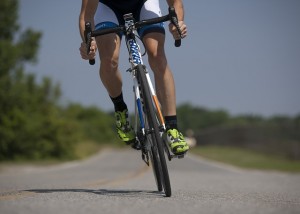
Here are pros and cons to help you determine if solo riding is right for you and to help you understand the risks and benefits associated with the practice.

Setting the Pace

Pro: Ride At Your Own Pace

When you cycle alone, you get the opportunity to set your own pace and do your own thing. You don’t have to worry about waiting up for anyone slower than you or struggling to keep up in order to salvage your own ego.

Con: Cycling Together Will Challenge You

It can be difficult to improve when you have no one to push you past your limits. Riding with others provides a challenge to consistently make strides and gains. Once you overcome the sore muscles and strain placed on your body, you’ll find yourself riding along with greater endurance and stamina than ever before.

Flexibility

Pro: You Go When And Where You Want

Without others to tell you what to do, you can set your own routes and go wherever you want. You aren’t stuck going the same direction every time because you are riding behind a group of people in a club or with friends. You also don’t have to adhere to their schedules. If you want to undertake a 10-mile bike ride for the day, you don’t have to worry about getting back in time because Bob has to make his kid’s soccer game on time.

Con: You’ll Expend More Energy For Fewer Results     

Riding behind other cyclists creates what is known as a “slipstream,” that helps to make your ride easier by moving the air out of your direct path. That means you’ll be able to ride faster and farther while in a group as apposed to when you cycle alone. Cyclists usually take turns as the pacer and to take the brunt of the initial air current and to make it easier on the other riders.

Safety

Pro: Space Is Limited

Trying to cycle in a group is nearly impossible in some major cities or rural areas. When you cycle alone, you have the freedom to dive and dash through traffic in New York if you wanted, or make your way down narrow bike lanes that are only large enough to accommodate a single biker. 

Con: No One’s There To Watch Your Back

Should something awful happen and you were to require medical attention, there would be no one there to watch out for you or help you if you cycle alone. Riding with others provides a safety net and additional sets of eyes to watch surrounding cars and alert fellow riders of impending hazards to remain safe.

Overall it is likely you will bike alone as well as try group rides. Either way there is a benefit to both! Just get out there and enjoy the ride.

A Guide To Spinning Classes

August 4, 2015 by U.M.

A look at spinning classes and whether or not you should think about attending them to improve your cycling. What spin classes are, what to expect, what to bring and more...It’s become all the rage in the fitness community in recent years, but to the regular cyclist a spin class may seem like a waste of time. After all, how can it possibly replace getting out on the road and riding a real bike?

This thought process is a little flawed though, as spin classes aren’t meant to replace your regular cycling. Instead, they can give you options when the weather conditions make it unsafe or impossible to cycle outside, in addition to helping you build on your cardio and overall fitness.

What Are Spinning Classes?

Spinning is an intense indoor cycling workout that is usually led by a qualified instructor who will guide you through the program. Workouts tend to last in the region of 40 to 60 minutes and will usually be set to some form of music. This isn’t an easy ride though, as the aim is to build your cardio and overall fitness.

Who Goes To Spin Classes?

Spinning is great for anyone who is looking for a good workout, plus the presence of an instructor provides a motivational factor that is ideal for people who tend to struggle to get themselves going for a workout. For cyclists, a spinning class will help them to build their cardio and thus improve their overall cycling, plus the workouts are not particularly complex so anybody can try them.

What Should I Expect?

A friendly atmosphere and a helpful instructor should be the hallmarks of every good spin class, as everybody should be there for the same purpose. Your instructor, in particular, should be able to guide you in relation to the intensity you should ride at and the levels of resistance you can handle. It is also important to listen to your own body and not expect to be at the top of the class the first time out. Rest when you need to and enjoy the burn for as long as you can handle it to get the most out of the class.

What Should I Wear?

It is a good idea to wear the sorts of clothes you would wear if you were heading out on a real bike, minus the helmet of course. A pair of good, padded cycling shorts will definitely improve your comfort levels, but as long as your shoes have flat soles and you aren’t wearing anything baggy you should be fine.

What Should I Bring?

Bring yourself a bottle of water, as you can’t expect to go the entire class without rehydrating every once in a while. It is also a good idea to bring a towel so that you can wipe away any sweat. A protein shake or some food for when you are done the spinning class would also be a wise move.

Where Can I Find a Spin Class?

You shouldn’t have any trouble finding a spin class, after all it has become an extremely popular workout. Most decent gyms will hold a class once or twice a week, so that is a good place to start. If you’re already a member of a gym then try asking at the front desk and they should be able to help you.

Is It For Me?

Spin is an excellent overall workout, regardless of whether you’re an experienced cyclist or are just looking for something to help you lose some weight. A good instructor will also be able to help you tailor your spin experience so that it is never anything less than a challenge, so you don’t have to worry about the workout getting too easy for you. As such, practically everybody can benefit from spin classes.

Why Get a Cycling Coach

August 4, 2015 by U.M.

why get a cycling coachIn the build up to any new cycling season, your focus should be on improving both your fitness and technique so that you can really start to compete during any events you take part in. While there is a lot that you can do for yourself to get competition ready, including getting better equipment and interval training, the benefits of hiring a cycling coach to help you iron out the rough edges of your cycling game can make all the difference when it comes time to compete.
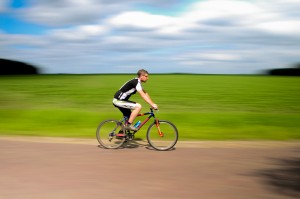
So can a cycling coach really help you to improve? Here we take a look at what they bring to the table and how you can make use of one to get better.

What Does A Cycling Coach Do?

A cycling coach’s purpose is twofold. They will work to improve your fitness levels with a dedicated cycling training plan that is tailored to your particular needs. If you want to build speed, they will be able to tell you what you need to do to make sure you’re the fastest you can possibly be on that day. If endurance is your focus a cycling coach will make sure that your training plan is more suited to build up your endurance.

Secondly, a cycling coach is also a confidante and companion as well as a personal trainer. They will aim to develop a relationship with you that is geared around helping you to achieve your goals and ensure that you continue to enjoy this great sport.

The Benefits of a Cycling Coach

Knowledge – An experienced cycling coach brings a ton of knowledge to the table that you likely do not have yourself. They will be able to tell you what type of gear you need, how to train properly and how to keep your body fueled at all stages of a race. You can certainly learn a lot of this yourself, but why spend years doing that when you can hire somebody who can distill that knowledge into the essentials?

Application – Having the information you need to succeed is one thing, but knowing how to make proper use of it is what will separate you from the rest of the pack during events. A coach will be able to train your mind and your body so that the little things that really matter become second nature and you can process the information you receive and use it to your advantage.

A Personal Link –One of the many joys of cycling is that you become part of a dedicated community of people who are all striving to reach similar goals through the sport. The personal connection you build with your coach will often lead to an invaluable friendship, plus you always have somebody to talk to about your passion for cycling.

The Dangers of Not Having A Coach

Nobody is claiming that you need to have a cycling coach if all you want to do is hop on the bike every weekend and go for a ride. However, if you really want to get yourself into tip-top shape and take part in various cycling events, not having a coach can be a detriment.

For one, you will have to learn everything you need to know through experience. This can mean suffering an injury before you realize you need to make adjustments to your positioning, or failing to bring enough food and water for a long distance race the first time you try it.

With a coach you get the benefit of years of experience that you otherwise need to build up yourself through trial and error. It takes all of the uncertainty away from your cycling and instead allows for you to improve quickly and enjoy the ride a whole lot more.

Cycling For Fitness

August 2, 2015 by U.M.

cycling for fitness

Cycling has become one of the most popular sports amongst people who are looking to improve their fitness levels, and with good reason. It is a low impact activity that still allows the rider to burn fat and massively improve their cardio, with fewer risks of injury or fatigue when done properly.

Furthermore, the sport is accessible to anybody from the weekend warrior through to event cyclists, making it ideal for those who want to get fit. Here we take a look at a few important tips for people who want to use cycling for fitness.

Mix It Up

It may seem like riding at high intensity at all times is the best option if you want to improve your fitness quickly, but it is also a fast track to injuries and fatigue that could leave you off the bike for days, or even weeks.

The key to using cycling for fitness is to recognize that your body needs time to recover, especially soon after you have pushed it to its limits. Mix intense cycling with more relaxing recovery rides to ensure your body has the chance to get back to top condition while still remaining active.

Once your muscles are back in tip-top shape, you can push them again and you will soon find that everything from your power to your overall cardio starts to benefit. Couple those rides with some endurance rides, hill climbs and other workouts and the variance will keep your muscles guessing and allow you to stay strong regardless of the course you’re on.

Getting The Right Bike

If you don’t have the right bike for your body type then you are going to find that you tire much more easily and that you leave yourself at risk of experiencing muscle pains. This is because your body has to compensate for poor positioning by adding extra pressure onto whatever area is struggling.

As such, it is recommended that you have the right bike for your body type and workouts. A road bike is going to be useless on dirt trails, whereas mountain bikes are less efficient on smooth surfaces.

The right fit is vital too, so speak to a professional if you are unsure about where your saddle and handlebars need to be. Better positioning allows for superior technique, which also allows you to ride faster for longer.

Get The Gears Right

It can be surprising just how inefficient riding in the wrong gear can make you. Set it too low and you will find there is little resistance to your pedaling, so you end up riding at a far higher cadence than you should to achieve the same results you would in a higher gear.

Set it too high and you end up doing so much work that you put undue pressure on your knees, which can lead to the end of the workout before it ever really got going.

The key is to figure out what gear allows you to maintain a regular cadence at all points of the ride and stick to that one. You’ll need to lower it for hills and up it for flats, but as long as you remain consistent with your cadence you will find you’re more able to use cycling for fitness.

Enjoy Yourself

Even a little bit of cycling is better than no cycling at all, so if you aren’t able to get out for as long as you would like to that doesn’t mean you shouldn’t do anything. After all, practically any physical activity is going to help your fitness, but with cycling you get a choice of intensities to work at so that there is always a cycling workout for your fitness level.

« Previous Page
Next Page »
  • Facebook
  • Tumblr
  • Twitter

Latest Articles

JOIN Cycling: A New Training Platform for Cyclists

May 27, 2024 By Eric Lister

cold exposure

The Benefits of Cold Exposure for Cycling & Life

June 13, 2023 By Eric Lister

hill climb

The Ultimate Hill Climb Training Guide

May 31, 2023 By Eric Lister

shoulder pain cycling

How to Treat & Avoid Shoulder Pain While Cycling

April 12, 2023 By Eric Lister

psoas stretch

The Importance of the Psoas Stretch for Cyclists

April 6, 2023 By Eric Lister

cycling neck pain

The Ultimate Guide to Cycling Neck Pain: Causes and Solutions

March 21, 2023 By Eric Lister

Useful Info

  • Contact
  • Finally, A Global Cycling Club That Is Focused On Community And Love Of Cycling!
  • Privacy Policy
  • Share Your Story!
  • Terms And Conditions Of Use
  • Welcome to I Love Bicycling
  • What Happened When I Stretched Every Day For a Month

Recent Posts

  • JOIN Cycling: A New Training Platform for Cyclists
  • How to Hang Bikes in Your Garage: 4 Inexpensive Options
  • Gravel Bike Vs. Road Bike: Which One Is Better For You?
  • The 6 Types of Mountain Bikes & How to Choose the Best One for You
  • What Is a Touring Bike Good For? 5 Benefits We Know You’ll Love

Search I Love Bicycling

Connect with Us

  • Facebook
  • RSS
  • Tumblr
  • Twitter

Copyright © 2026 · Magazine Pro Theme on Genesis Framework · WordPress · Log in