• Training
    • Injury Prevention
    • Training Tips
  • How To
    • Bike Fit
    • Gear
  • Nutrition
    • Nutrition Tips
    • Weight Loss
  • Repair
  • Reviews
  • Stories
    • Funny Stories
    • Jokes
    • Quotes
    • Videos
    • Funny Videos

I Love Bicycling

I Love Bicycling is a website that is geared towards cycling for beginners with road cycling tips, training articles, nutrition tips, weight loss, how to’s and bike repair articles.

Hygiene For Cyclists – Why It’s Important

May 1, 2016 by Adam Farabaugh

hygiene for cyclists

Chamois time it’s called; the time spent in your cycling shorts. Many riders joke that chamois time is training time regardless of if they’re actually riding  their bike. This can be time spent at a coffee shop mid-ride, or at home after a ride while you get something to eat and are too lazy to take a shower yet. This time spent in shorts that have already been ridden in is the worst hygiene for cyclists as it can lead to saddle sores and other issues, not to mention smelling like something the cat dragged in.

What Makes You Dirty While Riding?

When you ride, whether it’s hot or cold, dry or wet, you perspire, particularly in areas such as the armpits and crotch area. This is your body’s way of keeping cool which is good. It becomes bad however when that moisture is left close to the skin, particularly in shorts.

What Manifests When Staying in an Un-Hygienic State?

After a ride, or mid-ride even, bacteria can find their way into those moisture rich areas where they thrive. Your skin in a normal state keeps them on the surface where they can’t enter the body and cause any harm. The issue however with cyclists is that they can enter the surface of the skin at an abrasion, such as the point that you’ve been sitting on on a ride especially if you don’t have the most comfortable saddle or chamois. Clogged pores and hair follicles can also become infected.

Stinking As Well…

In addition to laying the foundation for saddle sores to develop, you also stink and generally feel nasty particularly after a hot day of riding. This again is because of the moisture on your skin but also the salt that stays on your skin even after you’ve stopped sweating giving you this “everything feels sticky and nasty” feel.

Hygiene For Cyclists – Steps to Take to Get Clean

There are a number of hygiene for cyclists steps to take to make sure you don’t stink for one, but more importantly, develop any saddle sores which can be a pain to deal with and treat, quite literally.

Get Out of Your Kit

The first and most important step is to get out of your kit whether at home after a ride or at a race or event. Your chamois is like a sponge and will hold moisture against your skin where bacteria can develop.

Shower/Clean Yourself

If you’re at home, shower right away after getting out of your kit. Have a drink or a bite to eat but do it on the way to the shower. Don’t sit down and have a meal before showering. If you’re at an event, bring a towel and extra water to shower off and wipe yourself down. Antibacterial wipes are also a good option which should be used to wipe down the crotch area as well. You’ll feel much better and cleaner after even if it’s cold out. It’s worth the minute or two of suffering for longer term cleanliness and comfort.

Put on Clean Clothes

After you’ve cleaned up, make sure you put on clean clothes. Don’t put on a dirty pair of underwear or socks as they also can hold bacteria that can manifest. Also, you just made the effort to clean up, don’t negate it.

Never Wear Shorts Twice Without Washing

This is a big no, no. Never, ever wear a pair of shorts a second time without first washing. Bacteria can manifest in the chamois particularly if it didn’t dry out all the way. Also, the shorts themselves will just be plain nasty, leaving you with a “not clean” feeling before you even start riding. Even if you only have one pair of shorts, wash them and dry them completely before wearing them again.
Worst Bike Lanes Video

April 16, 2016 by Adam Farabaugh

worst bike lanes

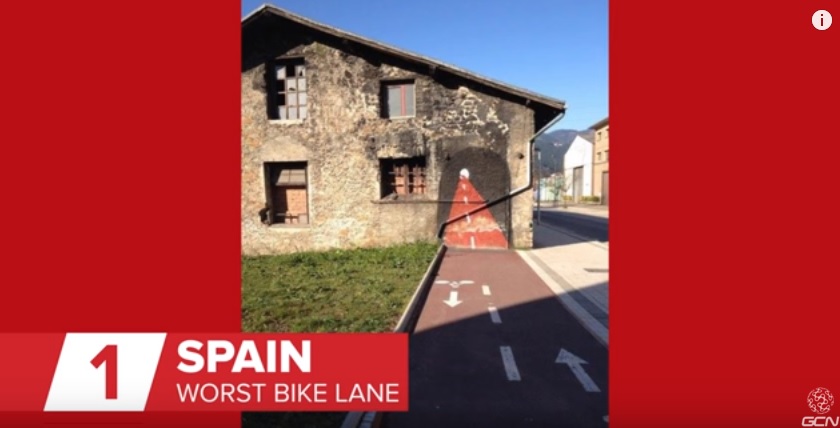
We probably all have seen some pretty interesting bike lane arrangements whether it’s a tree in the cycle path or a horribly placed sign. The folks at GCN put together this great video of 9 of the best, or worst bike lanes in the world. What’s the most interesting bike lane you’ve encountered? Let us know in the comments below.


How to Not Get Hit By a Car Riding Your Bike

March 28, 2016 by Adam Farabaugh

hit by a car

A large fear of riding a bike is getting hit by a car. This fear is more than justified as seemingly you can’t go a week without hearing about someone being hit. The good thing with vehicles and cyclist collisions is that they are not just left to chance. They are a combination of driver error and lack of know-how by the cyclist the majority of the time. The combination of the two can produce deadly results but improving either side will reduce the chance of an incident to almost zero. As a cyclist you can’t change the other side of the equation (at least in the moment) but you can take action on your side to not get hit by a car. Taking the appropriate actions ahead of time, during the critical moment, and constantly being aware will decrease your chances of getting hit and allow you to ride comfortably. You do not want to eliminate that fear however as that is what keeps you alive. You just want to be able to effectively manage that fear to keep you safe.

Top Ways Cyclists Get Hit By a Car

The majority of collisions between cyclists and vehicles happen in the following situations. All of these are driver error largely because they don’t know the cyclist is there. (It is very rare that a driver will see you and still execute one of these actions unless they think they have time enough to get ahead of you but in fact don’t.) The one thing you have control of in these situations is you. You may not think that you will remember these actions while on the road but having gone through the thought process once or more before will allow your brain to think and react quicker in a situation on the road.

The Pull Out

This is where a car is pulling out onto the roadway from a side street, driveway, parking lot, or other area. The driver will look quickly and not see a cyclist approaching thus hitting them.

Cyclist’s Action

This will happen most often on busy roadways as the driver is intent on quickly getting into the travel lane before any approaching cars which minimizes the time they spend looking in either direction to make sure it is clear. As soon as you see a car approaching the roadway to turn out, assume they DO NOT see you. Stop pedaling, sit up more to make yourself more visible, try and make eye contact, and if they still don’t acknowledge you, put on the brakes and slow and stop if need be. If there is not enough time to do this, turn into the side road, driveway, parking lot, etc. of which the vehicle is turning out of. This will prevent you from crossing the projected path of the vehicle.

The Left Cross

A vehicle turning left across the roadway is one of the most dangerous maneuvers that a cyclist can be on the wrong end of. This is because the speed is higher and movement is more in opposing directions multiplying the forces should an impact occur. Vehicles will look up the lane to see if it is clear and not necessarily across the lane to see if a cyclist is there. If they do see the cyclist, it is often because the movement caught their eye. Not because they were looking to see if they were there but by chance saw them.

Cyclist’s Action

This is one of the most difficult maneuvers to recognize and have time enough to take action because of the potential speed and distance between the two being greater at the time an action needs to begin taking place. There are actions to take to be more visible (of which will be touched on below) but that still is relying on the driver seeing you and not making an error. The first thing to do to help avoid this incident is anytime there is a road to your right (in countries where you drive on the right), parking lot, etc. look to your left and up the road to see if any traffic is coming or potentially pulling straight across the roadway. If there is, immediately look for any turn signals or slowing that might be occurring indicating a turn. Because the distance is greater, it will be difficult to make sure that they saw you and to make eye contact. The best action is to stop pedaling and brake as you approach where the vehicle will turn. If the vehicle hasn’t stopped to let you continue straight, come to a complete stop before you would cross their line of travel. If you do not have time to stop or it is better/easier, turn right into where that vehicle is turning but do so as far to the right as possible to not cross the vehicle’s line of travel.

The Right Hook

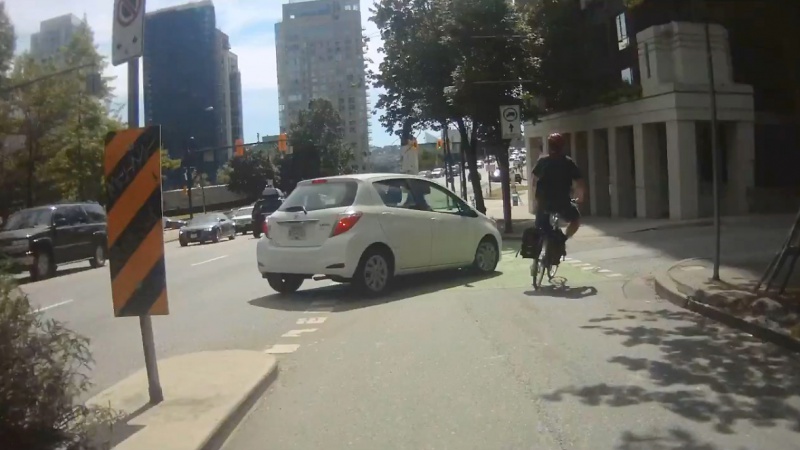
This can happen particularly frequently in areas where drivers are less used to cyclists. This happens when a vehicle passes you and then turns right at the next road, parking lot, driveway, etc. crossing your path. It happens because they: one, don’t see you at all even when passing, or two, misjudge the speed you are traveling and think they are far ahead of you by the time they get to the turn, or three, forget they just passed a cyclist and turn into you.

Cyclist’s Action

Unless the vehicle just flat out doesn’t see you and turns straight into you, you will most likely have time to slow and make sure that they are going to wait and not turn into you. Whenever you are approaching a right hand turn where a vehicle is either next to you or has just passed you, slow down until you are certain that they are going to stop and wait for you to pass. If they don’t wait, you will have slowed enough to not be in their path. If you don’t have time enough to slow and/or stop, turn right with the vehicle and as far to the right as you can to avoid crossing the intended path of the vehicle.

Car Doored

In many areas the bike lane runs right in the path of a parked cars swinging door. In areas where cyclists are a regular occurrence, people think to look before they open their door to get out of their vehicle. This doesn’t always happen though and you shouldn’t bank on it.

Cyclist’s Action

The best way to avoid this is by simply riding far enough to the left of a parked vehicle where even if a door was swung open, it still wouldn’t hit you. The issue here however is that this will potentially put you in the path of passing traffic. The best way to overcome this is to ride as far to the left as possible without being in the lane. When a car does pass, you can slide slightly right but looking at each and every parked vehicle to see if someone is potentially getting out. This can be difficult but will lessen the chance of getting hit. When there is someone getting out of their vehicle right in front of you, you can’t simply swerve into the lane as you will potentially be hit. You need to slow as much as you can and only swerve enough to miss the door but not all the way out in traffic. Correcting the previous statement of “the best way” to avoid getting car doored is to simply avoid roads that have a lot of parked cars where you can’t easily ride far enough away from them. Find a better, less traveled route if possible.

Hit From Behind

This is probably one of the biggest fears cyclists have of getting hit by a car. Because of the speed difference and so many people on their phones and not paying attention, this fear is more than valid. However, the majority of cyclist – vehicle collisions do not happen this way. They occur in one of the above scenarios. It does still happen however but you can do a number of things to minimize the chances of it.

Cyclist’s Action

Being seen by the driver is the most obvious way to avoid getting hit from behind. However that relies upon the driver and not necessarily your actions. Wearing bright clothing and lights when needed will help. Riding in a way that makes you visible to drivers while still getting out of the way of any distracted drivers is the key. It depends on how many vehicles are on the road and passing you but riding on or just to the left of the white line or where it would be, puts you in the field of vision of the driver. They are not always looking down the side of the road to see what’s there since they are not driving there. This also then forces them to move over into the other lane slightly and to pass when it is clear instead of trying to squeeze past you. The issue here is when a driver doesn’t see you even when you are in the lane. You need to look behind you and see when a car is approaching. You will first hear it and then look. Just as the vehicle is about to pass, slide right to the side of the road regardless of if they have moved over or not. This gives more space and would allow a car to pass without hitting you if they in fact didn’t see you.

Traffic Lights

Traffic lights can be a potential hazard because of the close proximity of a lot of vehicles and the speed some may still be carrying. Stopping and passing through them in a way that is predictable, visible, and risk-averse will help you to not have any issues.

Cyclist’s Action

When approaching a red light, whether there are vehicles present ahead of you or not, do so in the same way as if a car was passing you. Ride in the lane to be seen and then slide right to not get hit should they not have seen you. Also if there is a vehicle ahead of you and you can slide down the right side of the road all they way up to the traffic light, do so. If you can’t, don’t stop immediately behind the last car in line but rather to side of it that way if a car coming up from behind doesn’t stop in time, you are not sandwiched between the two cars.

Riding Like You’re Invisible

In traffic, if you ride like no one can see you, you will greatly improve the odds of not getting hit. This means whether riding down the side of the road, riding through an intersection, or when cars pull out from side streets, you slow and stop if need be and/or ride in a position where a vehicle won’t hit you. This is important also on ultra busy roads where you can’t ride in the lane and then slide over for each car but rather have to ride down the side of the road. As long as drivers drive their normal way you’ll avoid any potential collisions. Some may argue that a cyclist has just as much right to the road and that they shouldn’t have to ride down the side of it or slow or stop in an intersection when they don’t have to but unfortunately regardless of who is at fault, we as cyclists are the ones who will always come up on the short end of the stick should a collision occur. A couple thousand pounds versus your 100 or 200.

Trust No One

Along with riding like you’re invisible, you should ride with the mentality of trusting no one. You have no idea who is behind that wheel and how good or bad of a driver they are and how respectful they are to cyclists. Always error on the side of NOT trusting the driver. Always thinking that they are not going to see you when they are pulling out from a side road, driving down a regular road, or turning in front of you will always have you braking and double checking that they do in fact see you. Never assume that they do. This alone will keep you from getting hit by a car even if you don’t know all of the above actions for each situation.

Pay Attention

When riding it can sometimes be difficult to pay attention the entire time. This is OK and we all do it. Only do it however when you’re on an open, empty stretch of road. If you’re around traffic or have a lot of intersections to navigate, pay attention. Seeing an issue before it occurs will give you time to react. Your head should be on a swivel looking for cars ahead, to the side, and behind. Constantly be aware of everything around you. Also make sure your hands are positioned on the bars so you can steer quickly as well as brake if need be to avoid getting hit by a car.

Changing Your Mentality to Avoidance

In addition to the above tactics, the best way to avoid contact or even close contact with a vehicle is simply to avoid them. Find the roads, routes between home and work, and bike paths that take you away from not only potentially dangerous roads but the majority of traffic in general. In some places this can be difficult to do but there are always other options even if it involves a longer, less direct route. Seek out these routes and make them your go to. Having a little bit longer of a commute or an out of the way road to enjoy on your ride is better than not making it to your destination or home after a ride. It’s never worth it and staying safe should be our priority number one. If we’re not going to stay safe doing what we love, then we should find other things to love. Getting hit by a vehicle and potentially dying, especially if it’s at the fault of another, is not something that should be taken lightly. Ride smart, stay safe, trust yourself and no one else, and live to ride another day.

Visibility Additions

These few products can help to not get hit by a car by improving visibility. In general, you should always wear brighter colored clothing but these will help to make you even more visible particularly at night or during low light conditions.

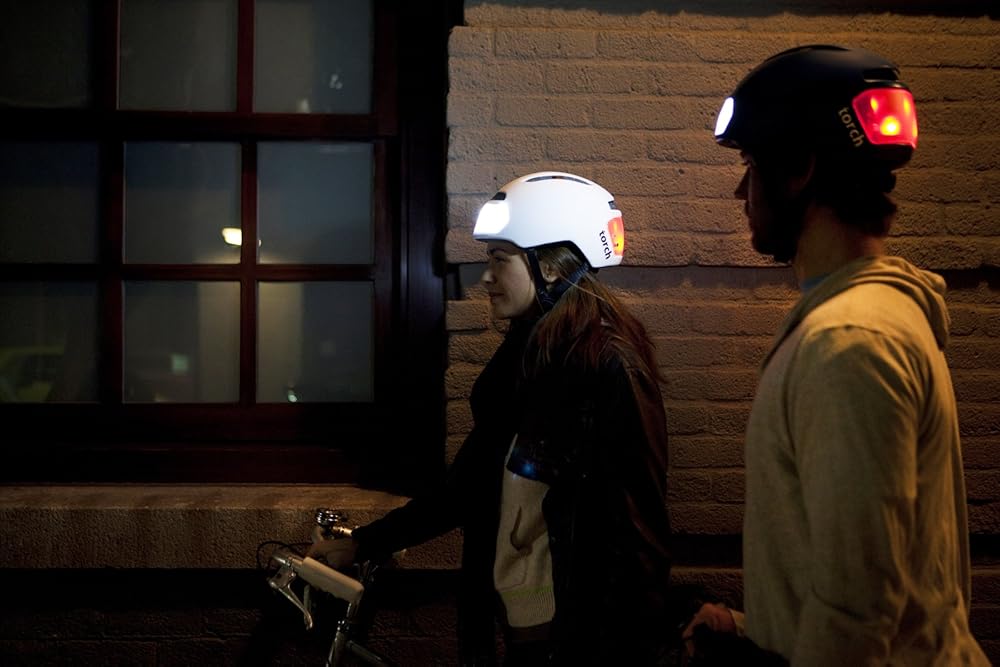
The Torch T2 Bike Helmet adds lights to your helmet to improve visibility.

hit by a car

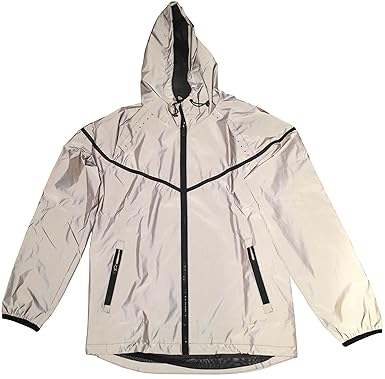
The BrightLuz High Visibility Super Reflective Hooded Cycling Running Jacket is an ultra reflective jacket that can be worn at night, in low light conditions, or in the rain when drivers can have a harder time seeing.

hit by a car

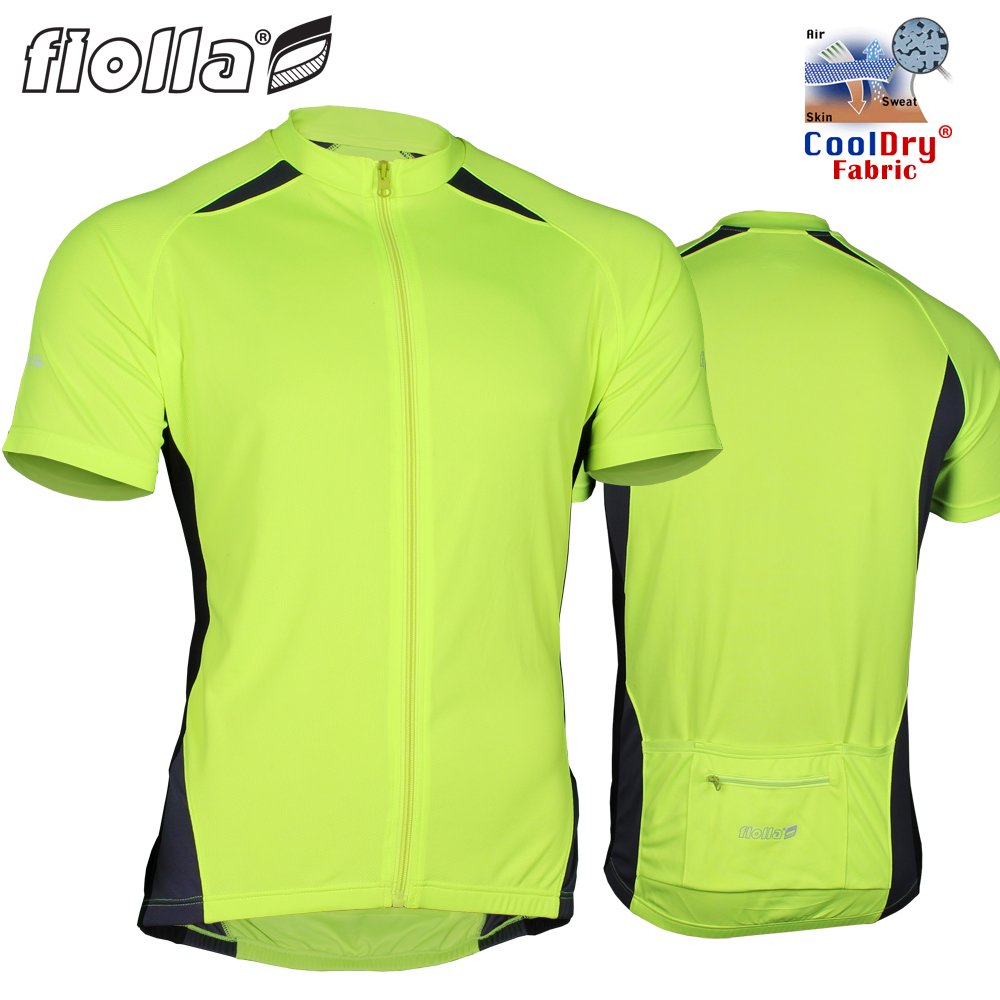
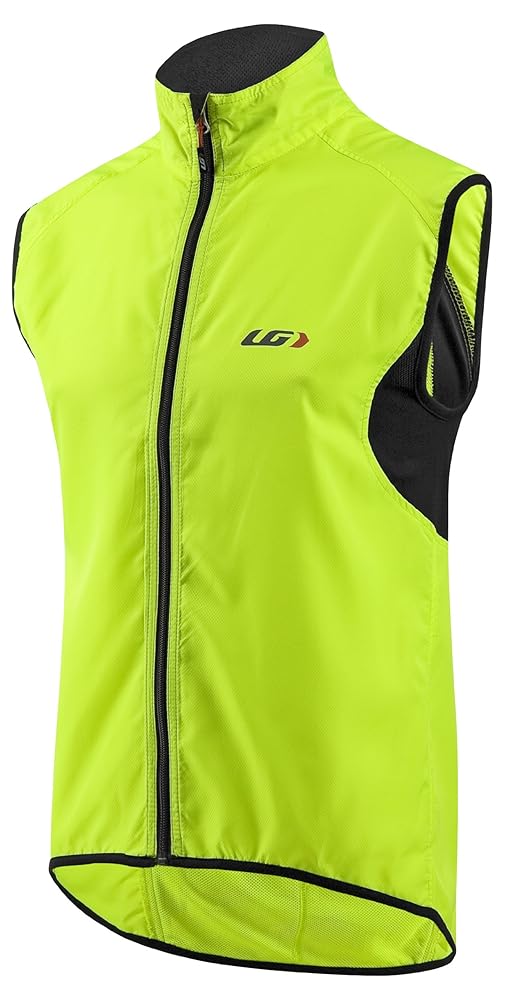
Bright colored jerseys such as the FIOLLA Cyclo-Dri Mens Cycling Jersey/ Neon Hi Vizare are definitely the way to go to increase visibility regardless of ride time or location. A lot of companies have bright colored jerseys so find a good one that you like and will wear all the time. Some people think you don’t look “cool” or “stylish” if you wear a bright colored jersey like this. You know what’s not cool? Getting hit by a car. Wear one. Another good option is a brightly colored vest over your jersey.

hit by a car        hit by a car

Authors Note:

Over the recent few months I have had a number of friends and acquaintances hit by vehicles with some sustaining severe injuries. Each had their own scenarios but I can’t help but wonder what could have been avoided by changing the approach of the rider; the one thing we have control of in the moment. Perhaps nothing, maybe a little, but regardless, hopefully riding in the ways described above will help you to be safer on the roads. The approaches above are a combination of general cycling know-how and my own experiences. Knock on wood, I have never been hit by a vehicle after probably over 100,000 miles of riding in big cities, to small rural roads from first to third world countries the world over. Some of it comes down to luck, but a lot also comes down to your approach and mentality toward riding and how you deal with traffic.    

Video – Bike Parking in Holland: A Solution To So Many Issues

February 14, 2016 by Adam Farabaugh

bike parking

How much bike parking does your downtown area, workplace, or train station have? You may be surprised at just how much cycling is ingrained in different cultures around the world. You’ll get a sense of it in this video in Holland where cycling is just an everyday part of life. Imagine if some places around the world had even half this ideal. In some areas it’s a chicken and the eggs type of a problem as there aren’t as many cyclists because there is no real infrastructure for it which results in few cyclists while city planners don’t want to build and invest in it because they don’t think there are enough cyclists who would use it. The motto of “Build it and they will come.” applies but needs to be utilized in conjunction with expanding cycling programs and creating awareness that cycling for everyday commuting is a viable and reasonable option.

Quality facilities for cyclists could be implemented as long as the governments want to, here a good example from the Bicycles Utopian World.

Posted by Lina López on Thursday, February 11, 2016

Cycling At Night – The Essentials to Keep You Safe

February 12, 2016 by Adam Farabaugh

cycling at night

Whether you are a commuter cyclist or an avid cyclist trying to squeeze in a bit more ride time, the time will come that you’ll have to ride at night. When cycling at night, it’s best to be prepared as you are taking on substantial risks that need to be mitigated. Bike riding can be hazardous enough during the day. There are basically two ways you end up cycling at night. The first is that your ride goes long or you’re commuting later, or earlier, than originally planned. The second is that you knew you were going to be riding in the dark and were expecting it. In the first, you just want to safely make it to where you’re headed. In the second, you want the ride to be safe as well as enjoyable without the constant fear of something going wrong.

Cycling At Night – The Unplanned Endeavor

Regardless if you’re commuting or riding for fitness, if your ride is even going to come close to sun down you should be prepared with a light or two. A small tail light that stays on your bike is a good option as it’s small enough that you don’t even know it’s there during the day but bright enough at night for people to actually see you from behind. Something small and sleek such as this will do the trick.  For a headlight, it depends on how likely you are to be caught in the dark. You can go the route of just being visible from the front with a light such as this but not really being able to see where you’re going. If you’re riding in a place with city lights, you might be OK. But if you actually need light to see where your front wheel is headed, you’re going to need something a bit brighter such as this. A good trick is to leave the mount on your handlebars but leave the light in your jersey pocket or saddle bag until you need it.

Cycling At Night – The “Well” Planned Endeavor

When you know that you’re going to be riding in the dark you better be prepared from head to handlebar. A few of the dangers that riding at night brings is not being able to see potholes or other obstacles that might throw you from your bike. Spending descent money on a light will save you more than ten-fold on a trip to the emergency room.

The Helmet Light

When you’re planning to ride at night your are going to want two lights pointing forward. One on your handlebars, the other on your helmet. It’s generally better to have the brighter light on your helmet but since it’s brighter it generally requires a larger battery which is not ideal on your head although some models allow you to place the battery in your jersey pocket. Even if you do get a smaller (dimmer) light however, you are going to want to make sure it’s still marginally bright, about 200 lumens. Anything less than that you’re going to have a hard time seeing wherever your handlebar light isn’t pointed, say when going around corners and your handlebars aren’t yet turned. In addition, being able to point your light directly at motorists to get their attention will help to make sure that they see you.

The Handlebar Light

If you opted for the dimmer helmet light to save weight on your head, you’re going to want to get a brighter handlebar light. You can mount the battery pack on various parts of the bike if it’s not condensed enough to be one unit within the light. Some handlebar lights can get super bright, like a car on high beams bright, which is great on technical trails or bumpy roads. The best thing with these lights is that they have the capability to be that bright if needed but even at half power are pretty freaking bright allowing your battery to last longer than your legs can.

The Bike Taillight

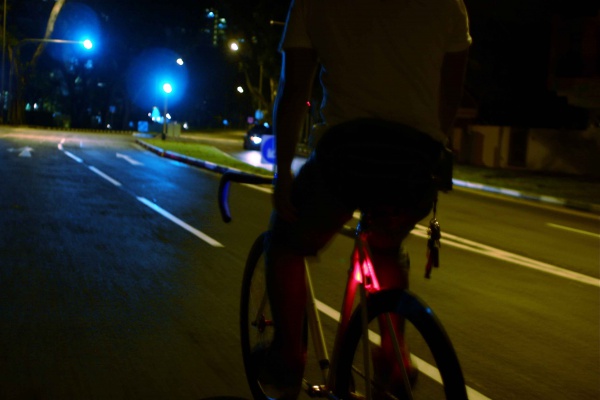
If cycling at night on roads, you are going to want a bright tail light. One that even grabs the attention of the drunk driver on their phone. One such as this. The biggest thing with taillights is to make sure that they are positioned so that they can be seen by a driver behind you. This means that if you have a saddle bag and you place the taillight on your seat post, the driver may not be able to readily see it. In addition, if it’s a pretty directional taillight, meaning it’s super bright in one direction but not so much to the sides, you don’t want to place it on your seat stays where it points up into the air at a 45 degree angle. You want it positioned so it points directly at the drivers behind you.

The Helmet Back Light

The more lights you have the better, particularly when they’re at two different heights from the road. Having a back light on your helmet is an easy way to double the number of lights facing a driver. With both of your back lights flashing, they will gain extra attention from drivers. The Garneau Helmet Light is a super handy light that attaches to the ratchet system on the back of their Garneau helmets but other options exist if you don’t have a Garneau such as this. It’s also a great option for just leaving on your helmet for if you do get caught in the dark.

Other Good Ideas For Cycling At Night

Having head and taillights is the most important part to cycling at night. However, there are a few other things you should include to better your night ride. The first is to wear a cycling cap. The brim on a cycling cap allows you to shield your eyes from the bright lights from oncoming traffic allowing you to still be able to see where you are going as well as to keep your eyes from adjusting back to daylight. The second smart thing to have is clear sunglasses. These will keep the wind, potential debris, and rain if it’s raining, out of your eyes allowing you to see unhindered. Also, wearing something such as a jersey or jacket or a pair of socks that are reflective will help motorists to see you even more, particularly if one of your lights becomes non-functional.

Cycling at night doesn’t have to be dangerous and can open up a whole new world of riding, not to mention the additional time available to actually do it. Be prepared and stay smart and you’ll reap the benefits of cycling at night be it commuting or getting some extra training in.

Bike Commuting – How to Make Money With It

January 2, 2016 by Wade Shaddy

bike commuting

What if you put a jar on your table. Each time you ride your bike to work instead of driving your car, you add money to the jar. Suppose you abandoned your car altogether. Bike commuting can save you a lot of money.

Not Enough People Bike Commuting

According to the Alliance for Walking & Biking’s 2014 Benchmarking Report, 91.6 percent of Americans commute by car to work. That compares to 5 percent who use public transit, 2.8 percent who walk, and just 0.6 percent bike to work. What’s wrong with this picture?

Bureau of Labor Statistics

The average American household spends over $9,000 a year to own a car, making it the second-largest expense after housing, with commuting by car typically requiring the most miles traveled. Cost studies are based on the accumulative cost of five categories – maintenance, fuel, tires, insurance and depreciation. The Bureau of Labor Statistics reports that Americans spend more on transportation than on food.

The Huffington Post Stats

Huff Post Business says that Americans spend over $2,000 a year for gas alone. Insurance adds up to an annual average of over $1,000 dollars. Your car’s depreciation lifts $3,571 a year from your wallet.

The IRS Stats

The IRS calculates that driving a car costs 55 and a half cents per mile. If your commute to work is ten miles from home, your commuting cost per day is just over $11. or $1110.00 over the course of 100 days.

Cars Versus Bikes

Every mile you drive in your car costs you money. It’s wearing out your tires, brakes, engine and drivetrain. It’s using up motor oil,   breaking down belts and other parts that will eventually need replaced. Bikes need maintenance as well, but are much simpler, cheaper machines. The less you drive, the more you save.

Insurance Rates

If you chose to keep your car and become an occasional commuter, reducing the number of miles you drive can have a direct impact on your auto insurance rates. Insurance rates are partly calculated based on the number of miles you drive. Insurance companies typically give you a discount for less miles traveled.

Personal Testament

“Transportation costs can often be a blind spot for families looking to save,” says Bruce McClary, vice president of public relations and external affairs for the National Foundation for Credit Counseling. In general, look to where you spend a lot to save a lot.

Ditch One Car

“Many individuals and families simply take for granted the two-car, driving-to-work arrangement that’s the norm for American households and often don’t consider alternatives like public transportation, carpooling, or bike commuting,” McClary says. Mclary ditched only one of his two cars, and simply by biking to work it has netted him a monthly savings of $128.91. After commuting to work for four years and eight months. Mclary reported that he saved $7,219.

Sierra Club Checks In

The Sierra Club, in cooperation with AAA, reports that the cost of owning a bicycle per year is $308. American cyclists save a whopping 4.6 billion a year by not driving. This is an average figure of course depending on what type of bike you ride, how far to work, and how much you spend on bike maintenance. Do your own calculation with Kiplinger’s personal calculator.

League of American Cyclists

Elizabeth Murphy is the communications director for the League of American Cyclists. “Biking certainly offers a cheaper way to get to and from.” She says. “Driving five days a week is really eating into my budget. So why don’t more people bike to work? Because of the way many roads are set up to cater to cars, riding to work can seem intimidating if you’ve never done it before,” she adds.

Find a Route

Murphy says the first step is figuring out what route you will take to work. From there, you can pick out a bike that will work well on the terrain where you’ll be riding. Murphy recommends finding a biking mentor who can help you find cycling-friendly roads and help you build the confidence you’ll need.”Finding a friend can be really helpful in doing that first ride,” Murphy says. “Once people sort of realize, ‘Hey, I did this. I can do it,’ it’s a pretty simple transition.”

The Time Element

You’ve heard the old argument “time is money,” and you might think that it takes more time to get where you’re going on a bike but it depends. How much time depends on where you’re at, and where you’re going. For example, in some locations, bigger cities for example, you can actually get to many destinations as quickly or even faster on a bicycle than you can in a car because of shortcuts though parks, utilizing bike lanes and paths, and taking more direct routes through areas you otherwise wouldn’t drive through. Take it a step further and think about all the time spent sitting in your car in traffic jams, while that bike messenger or commuter whizzes past while you’re sitting idle in traffic.

Health Concerns

Cycling is far better for your health than driving a car. The exercise you get while riding a bike has long-term health benefits with short-term energy benefits. If you’re healthier, you stay out of the doctors office and everyone knows how expensive that is. Healthier people also sometimes get lower insurance rates, which should also be a part of the equation.

The Variable

It’s one thing to calculate stats, and some people argue that because of  low population density in some areas and scattered employment, commuting by bike isn’t always a viable option for millions of American workers. Weather is another factor, but there is all kinds of gear available for cool or inclement weather.

Give Bike Commuting a Chance

It’s sufficient to say that millions of workers live in large cities, suburbs or communities close to work. If you’re one of those people, biking to work is a viable alternative to driving. If you own a car only for commuting, becoming a bike commuter might be an option that can save you money and encourage you to ditch your car completely. By bike commuting you will have better health, more money in your pocket, more energy, and the pride that comes from getting to work under your own power.

Bike Paths – To Use or Not to Use

December 29, 2015 by Adam Farabaugh

bike paths

Bike paths around the country and world range in type, use, and functionality which dictates how often, if at all, you use them. Following up on the article “Bike Path Etiquette” which touches on what etiquette you should practice while riding them, this article is intended for if and when you should ride them. Unfortunately everyplace in the country and world doesn’t have elaborate bike path networks. The paths surrounding you, if any, are most likely intended for cyclists as well as walkers, runners, you name it; mixed use paths. With this knowledge on bike paths you can make an informed decision whether riding on the bike path is the better and safer option or if staying on the road is the better choice.

Types of Bike Paths

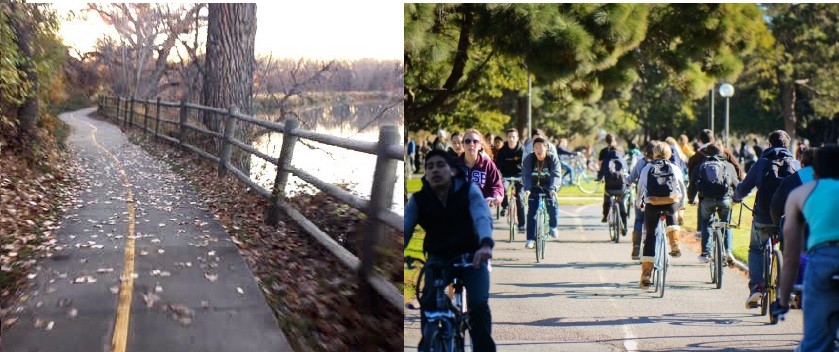
Bike paths come in every shape and size from a lane separated by a curb from the road to scenic, paved paths in remote areas snaking along a river bottom on an old rail bed. We would all love to ride those remote scenic paths all the time but unfortunately that’s generally not possible.

Rails-to-Trails

In recent years a lot of old rail beds have been converted to bike paths as they are no longer in active use and are already graded perfectly for a bike path. Some areas go all the way and make them paved paths while others, particularly in less populated areas, leave them as cinder paths. Depending on proximity to population centers, these paths can have a lot people who live close by riding casually and walking but in less populated areas, they can be utterly empty.

City Bike Paths

Some of the most widely used bike paths are city paths that are built almost exclusively to lessen the number of bikes on roadways while trying to make going from point A to point B on a bike safer. These paths often go over and under busy roadways and can also be good routes out of town to quieter roadways. These paths generally have few people other than cyclists except for areas along parks and where they’re the only option out of traffic. During “rush-hour” they can be filled with other commuting cyclist.

Commuter Bike Paths

In addition to city paths are paths that are built almost exclusively to connect outlying areas to city downtown areas or office parks where good, safe roads to ride are difficult to find. These paths often parallel highways or busy four-plus lane roads with traffic lights. Since these bike paths are often built for the purpose of connecting areas of greater distance, they are normally only going to see cycling traffic and people who are actually riding and not just out for a leisurely spin.

Neighborhood Bike Paths

New neighborhoods often have requirements to not only have “green space” or parks, but also bike paths to connect the neighborhood as well as to provide a place other than streets for kids to ride. These paths can be used to get out of a neighborhood to ride or to connect areas otherwise only connectable by busy roadways but they can often be busy with walkers, runners, and kids learning to ride.

Scenic Bike Paths

Bike paths are a great way to show people more of a cool area as a walking-only path only allows for so much distance to be covered in a certain amount of time. Bike paths along scenic rivers or scenic skylines have created more of a tourist type of path that is used mainly for enjoyment. How busy these paths are again depend on location but a lot of the time these paths are built and are not fully utilized so can remain relatively empty. They also have the added benefit of being picturesque.

Timing and Busy Bike Paths

As with vehicle traffic, the number of pedestrians along a bike path depends on time of day and what the path’s intended purpose is. If it is a path connecting people to and from work, you can expect them to be busy during weekday commute times however on the weekends and mid-day, can be relatively empty.

Neighborhood, scenic bike paths, and rails-to-trails, are often used when people aren’t working and have leisure time such as in the evenings or on the weekends. They can be good options in non-busy times where you don’t have to constantly slow for others.

Bike Paths Along Roads

Along busy roadways a bike path may be installed paralleling it to try and alleviate some of the road congestion. Utilizing these again depends on location as some may be heavily used by walkers, runners, and casual cyclists going slow with their kids. Others however may be empty but cross a lot of side roads which require you to stop for traffic. If the road the path is avoiding is exceptionally dangerous the path may be the better option even if it is busy as going slow around people and taking a little more time is better than getting hit by a vehicle in any circumstance. If both are excessively cumbersome, an alternate route should be sought out to avoid both. Be aware though riding on roadways where there is a paralleling bike path as in some countries and municipalities it is illegal to ride the roadway. Use your best judgement to gauge safety and practicality.

Bike Paths to “Train” On

In some places, particularly highly populated cities, getting on descent roadways to ride can be an issue so bike paths are where a majority of training takes place. This can be practical if there isn’t too much other slow traffic but as soon as you are constantly having to slow and go around people, you’re riding is not only suffering but it’s also starting to become more unsafe with the increased likelihood of hitting someone.

If a bike path of any sort is available to get you off of busy, dangerous roadways, it should be used. You don’t need to ride fast on it and make sure you use proper bike path etiquette to get from point A to B or to the actual roads that you are going to train on. Use common sense in selecting your routes and riding bike paths as you are never the only one using them. Keep yourself safe as well as others while getting the benefit of the bike path and your ride.

How to Fix a Flat With No Tools

October 29, 2015 by Wade Shaddy

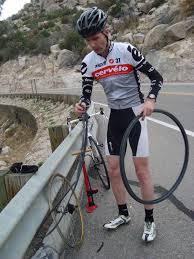
Flat tires are part of cycling, and most cyclists know how to deal with them. But there are options for changing tires without tools, and tricks that can help you get back on the road faster.

Pro cyclist get back on the road faster without using tools.
Experienced cyclist sometimes skip the tools when changing tires.

What if you’re caught in the middle of nowhere with a flat clincher? Or you might have already broken both your levers, without getting that damn tire off. Don’t lose hope, you can change that tire without any tools whatsoever if you go about it right.

Steps to fix a flat without tools

1. Remove the Tire

Focus on completely removing the tire from the wheel. Don’t attempt to pull it loose only on one side, you’ll need both hands pulling at the same time from one side, which results in the complete removal of the tire from the wheel.

2. Break the Bead

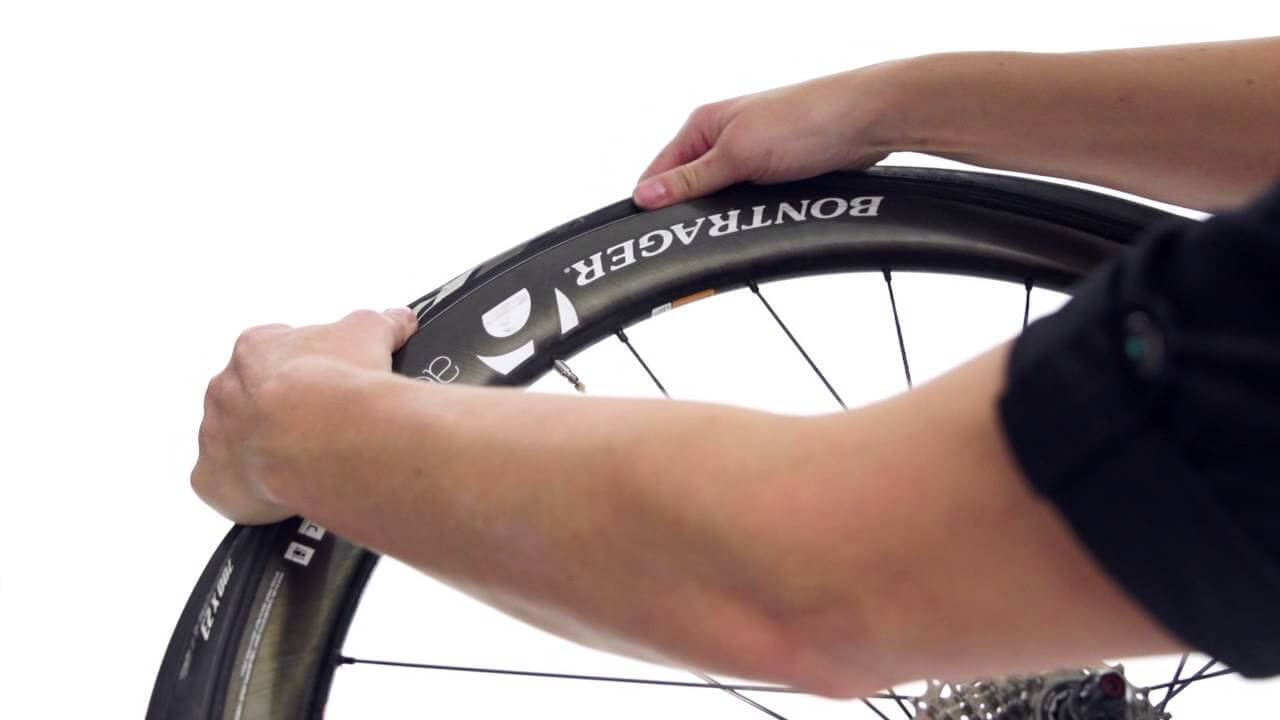
Clinchers work when pressure from the inflated tube seats the bead of the tire inside the rim. It can be tricky to get loose initially, but once it starts it becomes easier. Crouch down and place the wheel in front of your knees. Grasp the tire and pinch it from both directions to break the bead on both sides, rolling it as you work around the circumference.

break bead two

3. Pull it Off

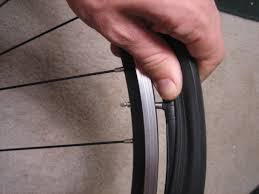
Place both hands at the top, with your thumbs on the rim. Pull the tire and tube together, toward your body, using your thumbs on the rim to add opposing pressure. Once it starts to come off, it gets easier. When it’s off, inspect it inside and out to find the source of the flat and remove it. Slip the tire back on the rim, seating the tire on the rim, only on one side.

together
Pull the tire and tube off together.

4. Impress Your Friends

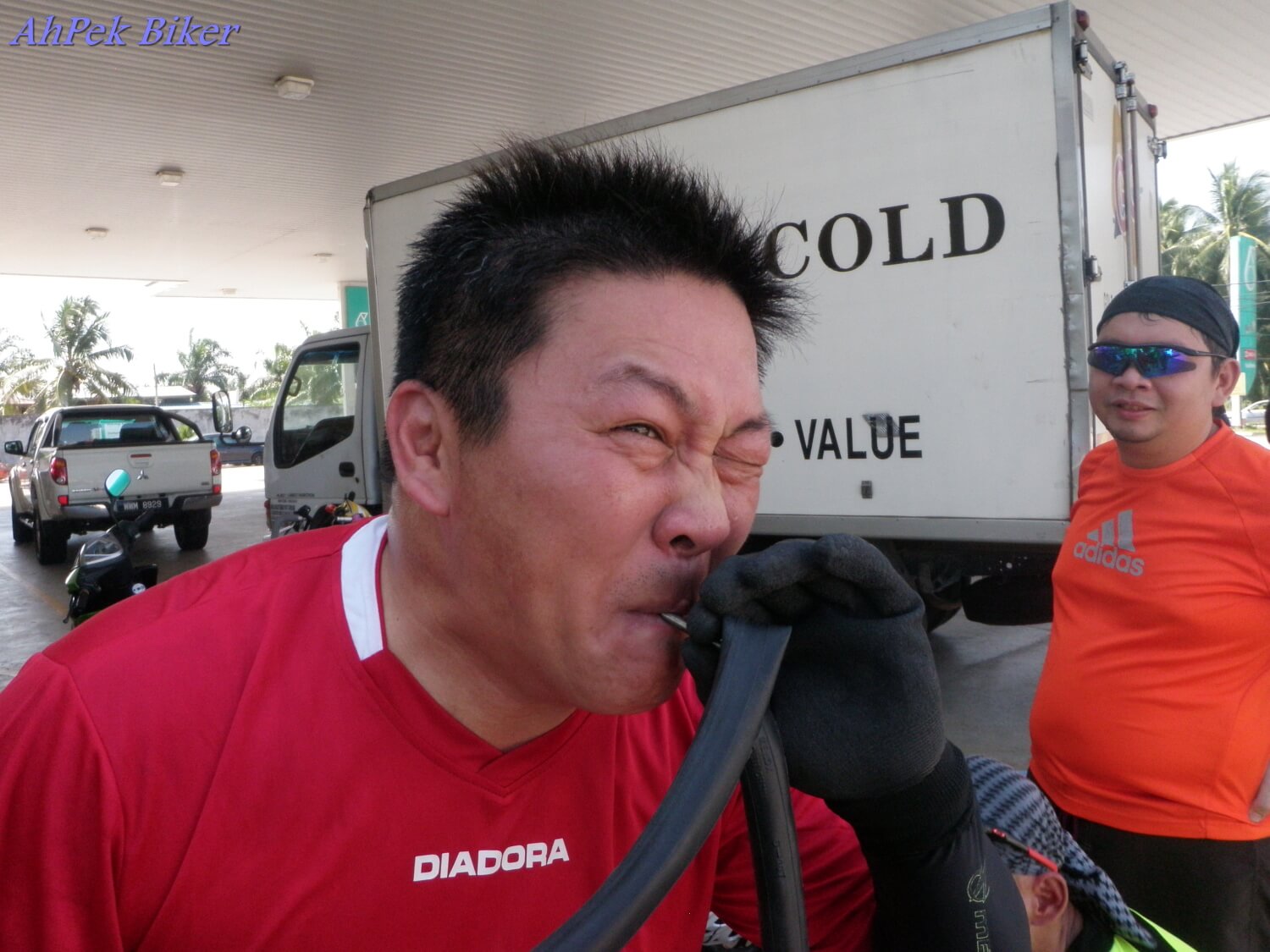
If you’re on a group ride, nothing will impress your friends more than what you do next: Get out the new tube, open the Presta valve and use your cheeks to blow air into the tube. If there’s a Superman on this ride, it’s you. But seriously, it’s easier than it sounds, and only takes a bit of air to inflate the tube enough to stuff it back into the tire.

It's much easier than you think.
It’s much easier than you think.

5. Reverse the Procedure

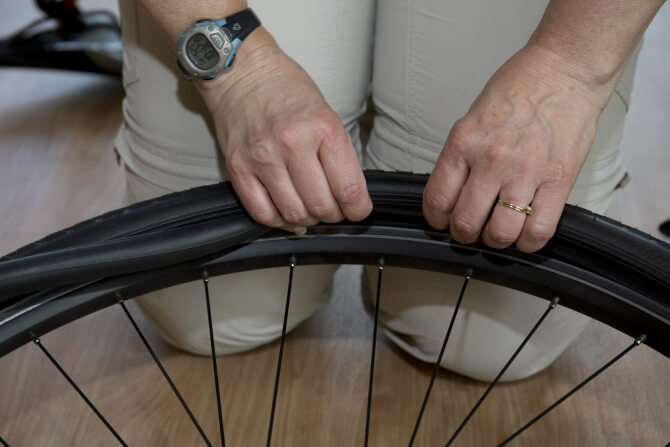
Push the tire back over the rim using your thumbs. It’s easy enough until you get to the last few inches. If it gets too tough, its fine to roll the last few inches of tire over the rim, it will pop back into the bead as it when it passes over the tight edge. Use your frame pump to fill it the rest of the way, even Superman would have trouble filling it up to 100 lbs using only his cheeks.

stuff the tube

Old Versus New

Once you’ve accomplished the no-tools procedure, you might even find that it’s quicker and easier to fix a flat without tools. One thing comes into play though; if you’re working with brand-new tires, it is more difficult to accomplish. Tires with more than a few miles on them are easier, and some brands are just easier than others.

Tips For Preventing a Flat Tire

September 3, 2015 by U.M.

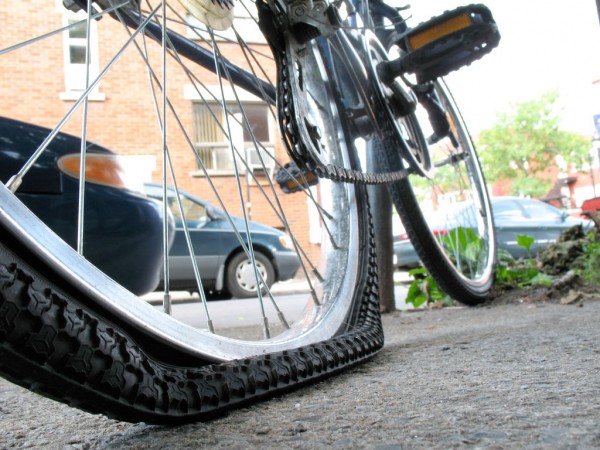
Tips For Preventing a Flat TireIf you have been cycling for a reasonable amount of time then the odds are fairly good that you have encountered a flat tire or two in your time. In many cases you can usually repair the tire with a decent puncture repair kit, but that doesn’t mean that they aren’t still an annoyance that most cyclists would be more than happy to do without.
While some flat tires are unavoidable, there are measures that you can take to ensure that there is less chance of one occurring when you are out on a ride. Here we look at a few ways to prevent a flat tire from ruining your ride.

Proper Tire Pressure

First and foremost, the proper tire pressure is the key to making sure you do not get a flat. Over inflating is just as big of a problem as under inflating.

Over Inflation – Many people are guilty of pumping their tires too much thinking that hard tires are going to make them faster. What can end up happening is as the day heats up it will make the air in the tires expand and literally burst.

Under Inflation – Pinch flats are one of the leading causes of flat tires. If you get something that looks like a snake bite in your tube it was likely caused by a pinch flat. This occurs because the rim hits the tire and pinches the tube in between.

Pro Tip: Pump your tires to the ideal psi before each and every ride.

Talcum Powder

While many flat tires are caused by something on the road, general wear and tear on the tire itself can also become an issue over time. In particular, friction between the inner tube and the tire can lead to a hole being created that will cause the tire to deflate over time.

To prevent this, you should aim to make the rubber of the inner tube a little slippery so that the effects of that friction are reduced. Whenever you get a new inner tube, be sure to dust it with a healthy coating of talcum powder so that you can reduce the effects of friction and mitigate the issue.

Careful Riding

In many cases your tire won’t immediately puncture when it has picked up a piece of debris on the road. Sometimes, said debris simply gets caught in the tire and keeps rotating with it until the weight placed upon it leads it to penetrating and causing a flat tire.

This means that, with a little careful riding, you can prevent the sorts of punctures that sneak up on your like this. If you have just cycled through an area that had a less than optimal surface, be sure to take a little bit of time to check your wheels. Simply hop off the bike and slowly rotate each one of your wheels. If you notice any debris there get rid of it and check the area to make sure that it hasn’t punctured the tire. If you’re lucky there will be no problem, but if there is a puncture you will have at least caught it early enough for you to repair it without any issues.

Tire Wipers

Tire wipers are becoming increasingly rare in the modern cycling environment, but if you look hard enough you should still be able to find them around.

These nifty little devices will connect to your brakes or fenders and will work to get rid of any debris that has attached itself to the tire while you ride. It does this through the use of a rubber coated metal bar, which brushes against the tire as it rotates and knocks off any debris. This should mean that the debris doesn’t have the chance to penetrate into the tire during the next wheel rotation, reducing the risk of a puncture.

Choose Your Route Carefully

If you are simply cycling for the sake of fitness and aren’t interested in mountain biking or going off-road, a little bit of route planning will ensure that you avoid areas that present a potential danger to your tires, thus allowing you to avoid causing issues.

In most cases riding on tarmac or asphalt is much safer for your tires than going off road, so try to stick to good surfaces as much as possible. Of course, this doesn’t mean you can get careless, so always have your eyes open when you are riding so that you can avoid any hazards.

How To Stay Safe on the Streets

November 23, 2014 by Aaron Robson

How To Stay Safe on the Streets

Staying safe on the streets - how to stay safe on the streets
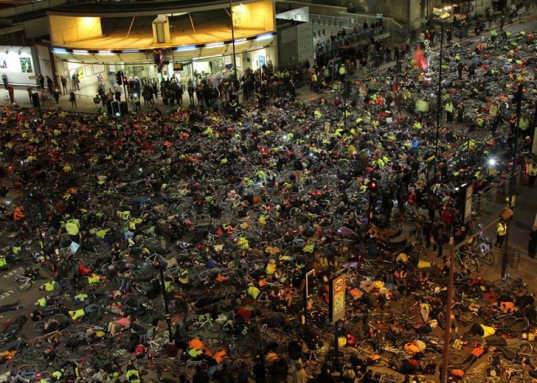
Cyclists protest in London for safer streets.

Biking is a fun, cheap and healthy way to get around town (and if your traffic is as bad as mine, faster too!) but all of that goodness can be ruined by a run in with one of those other occupants of the roadway. Some people subscribe to the view that if you bike regularly in traffic, it is just a matter of time before you get hit, but I’m not one of them. While I do agree that some car-bike accidents are just really bad luck and timing, in my opinion, these are rare. More often than not, when I hear about car-bike encounters, I can identify things that the cyclist could have done to avoid the collision entirely or at the very least mitigate the severity. This isn’t to say that the cyclist was in the wrong in these instances, but right or wrong doesn’t really matter when you end up on your backside in the street. So what can you do?

Gear Up!

First and foremost, safety gear. A helmet should be a given – the specific type doesn’t really matter. Get one that is comfortable, and that you will like wearing. Unless you are into wearing body armor while riding, there isn’t much else you can do to protect yourself, but there is a lot you can do to help you see and be seen. Lights are a necessity at night, but you can still use them during the day to increase your visibility. I also really like to use a rear view mirror in the city. It helps me stay aware of what’s behind me and means I don’t jump out of my shorts when a car buzzes past me at 45 mph honking their horn. There are both helmet and handlebar mounted versions available. Try them both out, and see what you like best.

Constant Vigilance

Now that you are suitably equipped, when you get out on the road in traffic, your biggest concern should be knowing everything that is going on around you. Where are the cars near you, and what are they likely to do? Are there any intersections coming up, or driveways that a car could suddenly pull out of? Is your lane going to end, or merge? It is impossible to cover every possibility that you might face on the road – good situational awareness develops over time – but generally, you should be thinking about what is going to happen before it actually does.

People are Dumb

Even though you are constantly assessing the situation around you, the next step to staying safe in traffic is assuming that all the other people on the road with you are the exact opposite – completely clueless. Never assume that someone sees you, or is going to stop for you, or won’t change lanes because you are already there. If you start expecting people to do silly things, it won’t come as a surprise when they do. You can take this assumption to the next level by imagining yourself to be invisible! This mind game helps you to pick out the safest places to be and routes to take as you navigate the maze of obstacles on the road.

Exit This Way

All of the awareness and foresight in the world still sometimes isn’t enough to keep you out of a sticky situation. Your last line of defense is to try and keep a buffer space around you, and always have ‘escape’ routes available. Obviously, you can’t always have the space you want, but for an example, when cycling past a line of parked cars, I will always ride far enough away that if a door opens suddenly, I’m not going to hit it. In heavy traffic, you should always be thinking about where you can go if, say, a car moves into your lane suddenly, or starts to turn into you. Hopefully, you will rarely have to use your emergency escape tactics, but it is better to have them and not need them, than to need them and not have them!


If you are new to city cycling, take it slow. Don’t start off riding down main street at rush hour. Pick a quieter neighborhood, and work your way up. Make sure to always keep these tips in mind, and your city riding experience will be a safe, and perhaps even enjoyable one! Good luck!


« Previous Page
Next Page »
  • Facebook
  • Tumblr
  • Twitter

Latest Articles

JOIN Cycling: A New Training Platform for Cyclists

May 27, 2024 By Eric Lister

cold exposure

The Benefits of Cold Exposure for Cycling & Life

June 13, 2023 By Eric Lister

hill climb

The Ultimate Hill Climb Training Guide

May 31, 2023 By Eric Lister

shoulder pain cycling

How to Treat & Avoid Shoulder Pain While Cycling

April 12, 2023 By Eric Lister

psoas stretch

The Importance of the Psoas Stretch for Cyclists

April 6, 2023 By Eric Lister

cycling neck pain

The Ultimate Guide to Cycling Neck Pain: Causes and Solutions

March 21, 2023 By Eric Lister

Useful Info

  • Contact
  • Finally, A Global Cycling Club That Is Focused On Community And Love Of Cycling!
  • Privacy Policy
  • Share Your Story!
  • Terms And Conditions Of Use
  • Welcome to I Love Bicycling
  • What Happened When I Stretched Every Day For a Month

Recent Posts

  • JOIN Cycling: A New Training Platform for Cyclists
  • How to Hang Bikes in Your Garage: 4 Inexpensive Options
  • Gravel Bike Vs. Road Bike: Which One Is Better For You?
  • The 6 Types of Mountain Bikes & How to Choose the Best One for You
  • What Is a Touring Bike Good For? 5 Benefits We Know You’ll Love

Search I Love Bicycling

Connect with Us

  • Facebook
  • RSS
  • Tumblr
  • Twitter

Copyright © 2026 · Magazine Pro Theme on Genesis Framework · WordPress · Log in