• Training
    • Injury Prevention
    • Training Tips
  • How To
    • Bike Fit
    • Gear
  • Nutrition
    • Nutrition Tips
    • Weight Loss
  • Repair
  • Reviews
  • Stories
    • Funny Stories
    • Jokes
    • Quotes
    • Videos
    • Funny Videos

I Love Bicycling

I Love Bicycling is a website that is geared towards cycling for beginners with road cycling tips, training articles, nutrition tips, weight loss, how to’s and bike repair articles.

Training

  • Injury Prevention
  • Training Tips
  • Training Camps

The Best Inspirational Cycling Quotes

August 4, 2019 by Sarah Lauzé

Cycling is something different to everyone. It can be a mode of transportation, a way to de-stress from everyday life, or the means to push yourself to the limit of your ability. There is nothing quite like the exhilarating feeling of riding a bike, a kind of universal emotion that anyone who has hopped up on those two wheels can relate to.

As something that inspires so many, there have been a lot of quotes that have come out of the world of cycling over the years. From professional cyclists to cultural icons, here are some of the best cycling quotes to get you inspired.


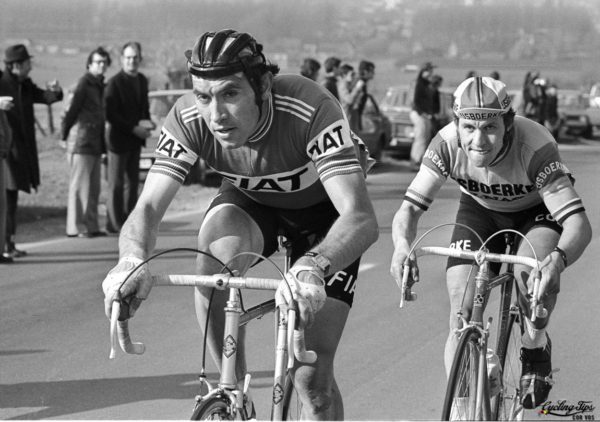
“Ride as much or as little, as long or as short as you feel. But ride” – Eddy Merckx, Belgian cyclist

“The race is won by the rider who can suffer the most” – Eddy Merckx, Belgian cyclist

“When it’s hurting you, that’s when you can make a difference” – Eddy Merckx, Belgian cyclist
The Best Inspirational Cycling Quotes

“Cycling isn’t a game, it’s a sport. Tough, hard and unpitying, and it requires great sacrifices. One plays football, or tennis, or hockey. One doesn’t play at cycling” – Jean de Gribaldy, French cyclist

“As long as I breathe, I attack.” — Bernard Hinault, French cyclist

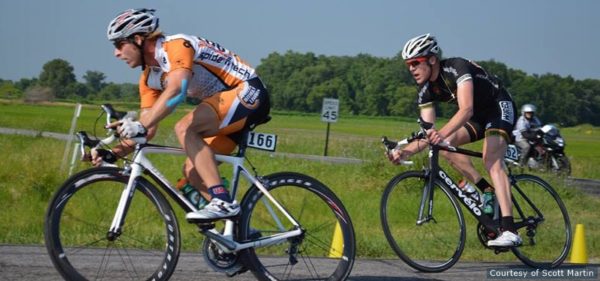
“It doesn’t matter if you’re sprinting for an Olympic gold medal, a town sign, a trailhead, or the rest stop with the homemade brownies. If you never confront pain, you’re missing the essence of the sport” – Scott Martin, American Paralympian
The Best Inspirational Cycling Quotes

“When your legs scream stop and your lungs are bursting, that’s when it starts. That’s the hurt locker. Winners love it in there” – Chris McCormack, Australian triathlete

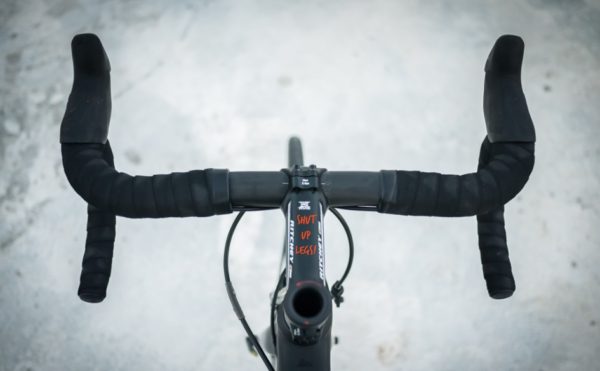
“When my legs hurt, I say: “Shut up legs! Do what I tell you to do!” – Jens Voigt, German cyclist

“It never gets easier, you just get faster” – Greg LeMond, American cyclist

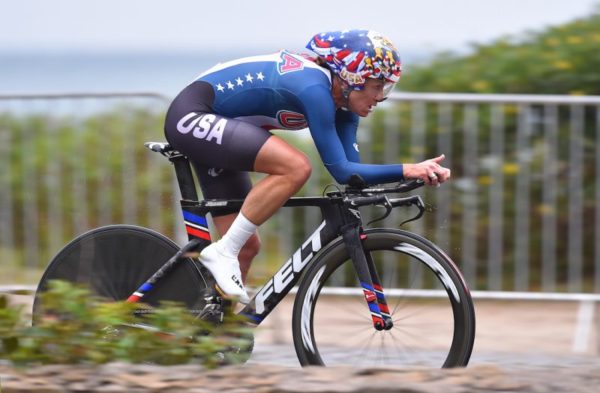
Embrace your sweat. It is your essence and your emancipation. —Kristin Armstrong, American cyclist
The Best Inspirational Cycling Quotes

“Nothing compares to the simple pleasure of riding a bike” – John F Kennedy, President of the United States

“It is by riding a bicycle that you learn the contours of a country best, since you have to sweat up the hills and coast down them” – Ernest Hemingway, American novelist

“The bicycle has done more for the emancipation of women than anything else in the world.” — Susan B. Anthony, American women’s rights activist

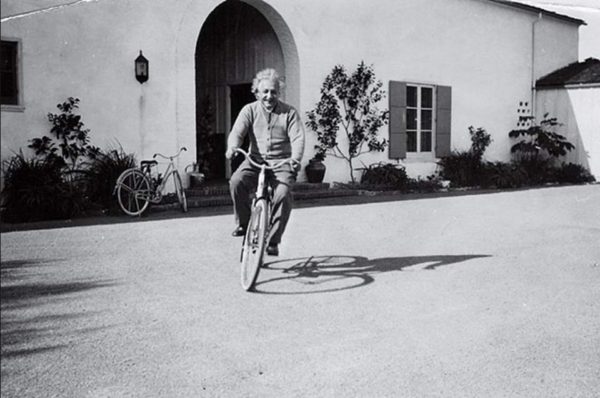
“Life is like riding a bicycle. In order to keep your balance, you must keep moving.” — Albert Einstein, genius
The Best Inspirational Cycling Quotes

“Bicycling is a big part of the future. It has to be. There’s something wrong with a society that drives a car to workout in a gym.” — Bill Nye, American scientist

“Cyclists see considerably more of this beautiful world than any other class of citizens. A good bicycle, well applied, will cure most ills this flesh is heir to” – Dr K.K. Doty

“You can. You should. And if you’re brave enough to start, you will.” — Stephen King, American novelist

“When the spirits are low, when the day appears dark, when work becomes monotonous, when hope hardly seems worth having, just mount a bicycle and go out for a spin down the road, without thought on anything but the ride you are taking.” – Arthur Conan Doyle, Sherlock Holmes author
The Best Inspirational Cycling Quotes

“You are one ride away from a good mood.” – Sarah Bentley

“My eight-year-old old daughter: ‘this hill is so steep, my legs are out of breath.”’ – Mike Griffiths

“Give a man a fish and feed him for a day. Teach a man to fish and feed him for a lifetime. Teach a man to cycle and he will realize fishing is stupid and boring.” – Desmond Tutu, South African clergyman
Reasons To Try Group Riding This Year

July 8, 2019 by Sarah Lauzé

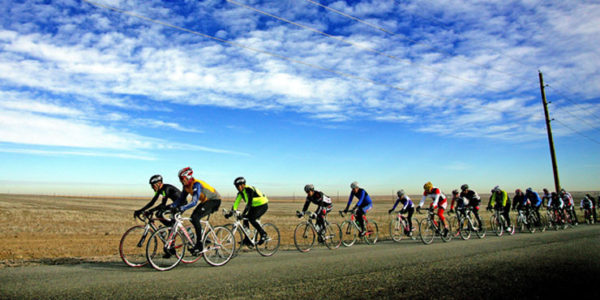
Cycling on your own is great. You have complete freedom as to where you want to go, how fast you ride, and when to take breaks. However, group riding can be a great way to expand your cycling horizons in just about every way. The idea of showing up for a ride with a bunch of people you don’t know can be intimidating, but we promise it’ll be worth it. Here are some of the reasons you should try group riding this year.

Reasons to Try Group Riding

Camaraderie

There’s nothing like tapping into a group of new friends with similar interests to you. Most cycling clubs will have a variety of organized group rides depending on skill level, so you should be able to find one that suits you. You can also learn so much from other riders. Within a group of cyclists you’ll find years of experience and cycling knowledge available to you. From clothing to cycling techniques, your new comrades will most likely be able to help you up your game.

Find New Routes

It’s easy to get stuck in a rut as far as roads and routes go when you’re riding on your own. There are plenty of online resources that can help you start branching out into uncharted territory, but stopping at every intersection to navigate can become tiresome. When you go with a group, all you have to do is follow along as you’re guided through an awesome new route.

Training

Riding with a group is a great way to learn new useful road skills and etiquette, as well as up your training sessions. Some friendly competition or simply trying to keep up can be a great way to challenge yourself much more than you would if you were riding solo. It also gets you accustomed to riding within a group, and all that comes with it, so if you ever decide to give a race a try you’ll be prepared.

Motivation and Accountability

Nothing like accountability to get you out on a ride after a night out or when the weather isn’t the best. Being part of a group, getting know the other riders, and holding each other accountable can help you develop discipline. Even though you may start off a ride feeling unmotivated, 10 minutes into whizzing along and chatting with a friend you’ll forget all about it.

Group rides can be a great way to meet new people, as well as to gain fitness and experience on the bike. A quick online search can yield local rides and times, or you can head to your local bike shop. They will know where and when rides are as well as what type of ride they are. A mix of riding by yourself, with a few friends, and with a local group can allow you to get more enjoyment from cycling, as well as become a stronger rider.

How To Choose Bike Stem Length

June 24, 2019 by Sarah Lauzé

When viewed in the context of an entire bike, stem length is one of the more minor adjustments you can make. That being said, it can affect the overall feel and handling of your bike in some not-so-minor ways.

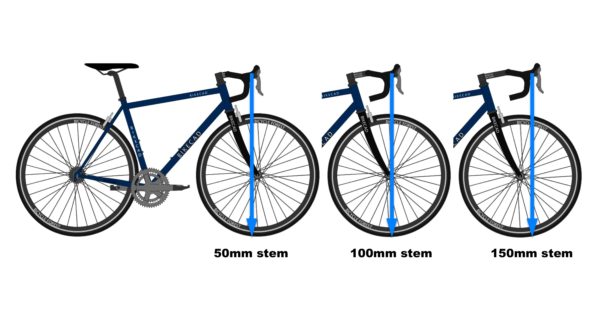
Historically, stems were not adjustable or interchangeable. It wasn’t until the late 19th century when Marshall Taylor invented an adjustable stem, using a sliding clamp to move the handlebars towards or away from the rider. Now bike stem length can vary from 50mm all the way up to 150mm and beyond.

Every part of a bike is connected. So, swapping out the stem on a wrong sized bike can be a quick fix, but you have to take into account that it will effect the bike’s overall feel and handling.

Bike Stem Length

What should decide bike stem length?

The first thing you need to look at is not your bike, but your own priorities when it comes to:

  • Comfort
  • Performance
  • Steering and handling

Generally speaking, race bikes that place the rider in a low, aerodynamic position will need to have a longer stem. This also works to get more weight out in front of the wheel. In contrast, touring bikes will have shorter stems to keep the rider in a more upright position and provide responsive steering at slower speeds.

When choosing bike stem length consider:

1. Weight Distribution

Stem length dictates how much weight is placed on the front wheel . The longer the stem, the more weight will be pushing forward on the bars, making the bike more stable at high speeds. This can, however, make for a less responsive feel.

Bike Stem Length

2. Steering

The steering of a bike is dictated by the head angle and trail, but the length of the stem can enhance or dull these effects. Short stems steer more like a steering wheel, providing immediate response, but can cause a twitchy feel. The longer the stem, the slower the handling can be, making it more difficult to steer at slow speeds, but more stable at high speeds.

Reversing the Stem

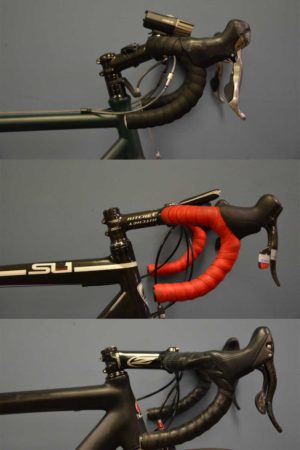
Reversing the stem is one of the most effective ways to make your bike more comfortable as it raises your handlebars to a more comfortable position. The majority of stems can be flipped as they are angled for two handlebar heights.

One position is aggressive and flat, the other is angled upward for a more upright torso which can alleviate stress on the lower back as well as the amount of weight on the hands. Take a look at your stem. If it has a high degree of tilt in either direction, it can typically be reversed depending on what you need to get comfortable.

The Long and Short of It

Bike Stem Length

Getting the right bike stem length can make a huge difference to how you feel on your bike. You may be surprised at the difference even 10mm can make! If you have persistent numbing in your wrists or hands, it could be that the stem is too short. In contrast, if you are too stretched out, it can cause injury to your back.

Stem length needs to be looked at in relation to the bike size and geometry, and there is no definite answer of what would be best for you. It is a very individualized thing, and you have to look at your priorities before deciding to switch out your stem. Before experimenting with it too much, visit your local bike shop or try getting a profession bike fit to ensure everything is adjusted just right for you and your riding style.

What is Drafting in Cycling?

June 22, 2019 by Sarah Lauzé

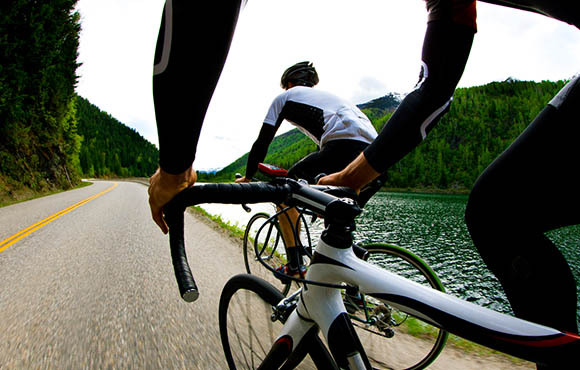
Drafting in cycling is one of the many benefits to riding in a group. You can go faster than you would otherwise on your own with much less effort. You get the rush from the speed as well as the motivation from all the other riders around you.

Some riders do nothing but group rides where they consistently get to draft, while other riders ride on their own. In terms of what’s more fun; that’s your personal preference. However, getting to experience both can go a long way in making you a better cyclist.

Drafting in Cycling

What is Drafting in Cycling?

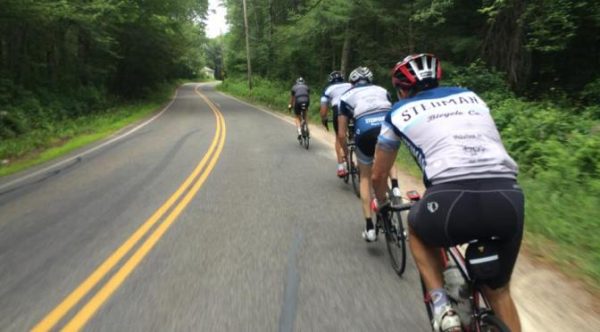
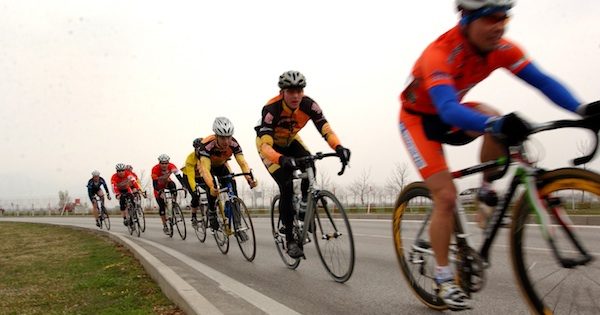
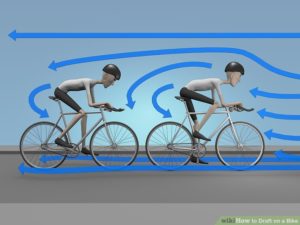
A group of cyclists will ride in a close line one behind the other, taking turns riding up front (pulling) before peeling off and latching onto the back. When you draft like this, by tucking in close behind another rider, you expend less energy, with up to 27 percent less wind resistance.

The Physical Benefits

You may think that all sitting on a wheel does for you is to allow you to pedal easier. While this is true under certain circumstances, such as sitting on a wheel for an endurance or easy ride, you can also ride much harder while drafting when the group is going full-tilt. You will have more periods of time where you are soft pedaling or coasting, but that will then be followed with pedaling harder than you otherwise would.

If you have a power meter, your power profile will look like your heart beat profile; spiky up followed by spiky down. If you have been riding on your own a lot and then hit up a local group ride or race, you will be able to tell that your legs aren’t used to the high/low effort. In addition to the spiky profile, you will also most likely be spinning at a higher cadence.

The more you ride in a group the more your muscles are going to get used to this type of riding. In addition to getting used to it, you are also going to generate more speed in your legs. You legs will simply be used to pedaling faster. When riding on your own, this translates to faster speeds. Your muscles adapt to the load that they’re placed under. If you ride at a steady effort all day, then your legs will get really good at that but when you try and go harder, your legs aren’t used to the effort and can’t do it again and again. Building the muscle fibers to be able to handle the up and down efforts will help your cycling all around.

The Psychological Benefits

Drafting in cycling on group rides or in races also plays tricks on your mind. Have you ever gone out and ridden on your own, perhaps to a group ride, and felt like you couldn’t push yourself? And then when you get on a group ride, you feel like superman or superwoman? This is because 90% of riding is mental.
Your brain tells your body what to do and your brain tells you how your legs feel. The other people in the group, along with the speed and rush, gives your brain an added jolt of adrenaline and epinephrine which gives you an extra edge along with feeling good mentally. This psychological switch when you’re riding in a group is very difficult to simulate on your own. Up-beat music can get you part way but riding with others will always bring out your best performance.

Should You Include Drafting in Cycling Training?

Because drafting in cycling has such a large psychological and psychological affect on your body, it is recommended that you incorporate it into your riding at least once a week and up to three times a week if you are really looking to excel in group rides and races. If you are training more seriously and doing intervals, they have an important place, but in-conjunction with group rides. You are going to push yourself harder and go deeper than you ever would be able to on your own during intervals regardless of how mentally tough you are. Simply when you start to get tired your body no longer wants to push as hard as it’s capable of but on a group ride you will make yourself go cross-eyed even when you’re past being kaput.

While riding on your own can improve metal toughness and the ability to push through on your own, riding in a group brings out what you never knew was there. Riding around other people in such close proximity at high, adrenaline inducing speeds, allows you to push harder than you ever thought possible. Taking advantage of training on your own while in conjunction with group rides at the right times, even if your particular event is done solo, can bring additional benefits to your training.

The Essential Cycling Accessories

June 18, 2019 by Sarah Lauzé

Cycling can be an intimidating sport to get into, especially when you walk into a bike shop with no idea where to start. You may see a ton of kitted out riders with all the bells and whistles, but you really don’t need much to get started. The essential cycling accessories can not only be affordable, but can last you years to come.

Essential Cycling Accessories

What you need:

1. A Bike

Okay, this one is pretty self explanatory. Check out this article on “How to Choose Your First Road Bike” for more information.

2. A Helmet

The second most important piece of equipment after your bike should be a helmet. Whether you’re doing a five minute commute to work or heading out for a couple hours, never get on your bike without a helmet. There is not doubt a helmet can save your life, so ensure you get one that is a proper fit. On a side note, don’t be tempted by the UFO-looking aero helmets, unless you are a professional, you really don’t need it!

Core Accessories

These items may not be absolutely necessary, but they can definitely make cycling more enjoyable, especially when you’re just starting out.

A Bike Lock

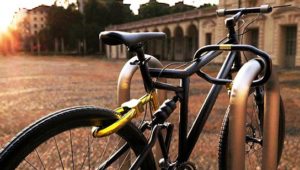
Unless you plan on only riding from your house, and never stopping out on the road for a coffee or snack, then you’re going to need a bike lock. You may think the bigger the better, but the size of the lock is less important than the functionality. There are dozens of different bike locks on the market, so be sure to invest in one that can give you peace of mind when you have to leave your bike.

Cycling Clothing

Obviously you don’t need to go all in with the lycra to go on your first ride, but a couple staple items will make the experience a lot more comfortable. First is a waterproof jacket or shell that can keep you dry and warm even if the weather takes a turn for the worse. The second a solid pair of cycling shorts with a good chamois. These will feel awkward at first (kind of like wearing a diaper), but they allow you to feel more comfortable, powerful, and in control while on the bike. Cycling shorts will also allow you to ride for longer periods of time without discomfort or risk of saddle sores.

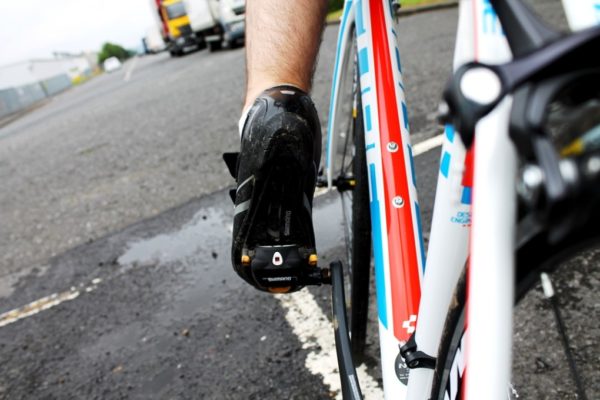
Many cyclists claim that you have to go with clipless pedals and cycling shoes to ensure efficient riding. True, this system does help you with power transfer, and can be a big step in improving your cycling, but you don’t necessarily need to start with them. Besides, the idea of being clipped into the bike can be daunting for a lot of beginners, so take you time and grow into the idea as you become more confident in your cycling skills.

Pump, Spares, Tools

You won’t want to have to end your ride and take your bike into the shop every time you get a flat. You’ll need both the tools and the know-how to take care of some of the most common bike fixes. A good tire pump, multi tool and spare tubes (if you have clincher tires) will go a long way to keep you out on the road. For some basic maintenance and repair, check out “101 Best Bike Repair and Maintenance Tips.”

A Water Bottle

Staying hydrated on your bike is key to both how you’ll feel and can affect your overall health. Ensure you always have water with you when you head out on a ride, whether in the water bottle and cage system, or a hydration pack.

A Saddle Bag

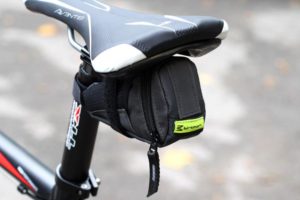
If something goes wrong on a ride and you’re stuck without tools and supplies, you’re walking or calling for help. It’s not so much having a tool for each and every issue, it’s about having the right tools and supplies to get you back on the road again. A saddle bag is the easiest way to carry all the essentials to keep you rolling.

Cycling Cap

A cycling cap is for both function and style. It keeps the sun out of your eyes as well as sweat and rain, and winter caps can keep you warm on a chilly day. Also, if you use your bike for commuting around town and are worried about having hemet-hair, a cycling cap can be a great lightweight fix.

Cycling Glasses

You may have a pair on sunglasses you’ll wear on those bright, summer days, but wearing glasses while on your bike can do more than shield from the sun. Glasses help break the wind when you’re riding, preventing eye irritation. They also work wonders to keep bugs, rain, and other debris from smacking you in the eyeball (which is not a pleasant experience). Many cycling glasses will come with interchangeable lenses, so you can wear the same pair no matter what the weather.

Wide Cycling Shoes: Finding the Best Fit

June 3, 2019 by Sarah Lauzé

If you have wide feet, you know the feeling. A numbing pain and screaming pinky toes that have had enough of being crushed into the side of an ill-fitting cycling shoe. The good news it: you’re not alone. There are specifically made wide cycling shoes to cater to your aching toes.

Clipless pedals are a must when it comes to efficient pedalling on a bike, but their coinciding cycling shoes can be a little unforgiving. Unlike regular shoes, cycling shoes are rigid, most often made from materials that do not stretch out over time. So, if you’re feet measure somewhere in between hobbit feet and flippers, then here are some of the best options out there.

Wide Cycling Shoes

Before You Buy New Shoes

Wide Cycling Shoes

Getting a pair of specific wide cycling shoes, or at least a brand that has a bit more breathing room, is going to be your best option. However, before you make the investment, make sure you’ve tried everything to make your current shoes work.

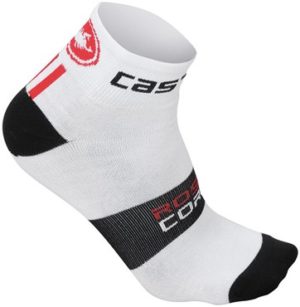
  • Try ultra-thin socks – Assuming it’s not below freezing where you’re riding, trying a super thin pair of socks could help create enough space in your shoes to make them work. Check out Castelli’s line of thin cycling socks, or Swiftkick Aspire. Even if they don’t fix the shoe problem, they are great cycling socks to have.
  • Get a bike fit – Make sure the problem really is being caused by shoes that are too tight, and not an improper bike fit. If your cleats are not in the right spot, or if your saddle isn’t adjusted properly, it can cause pain in your feet. It’s worth a visit to your local bike shop for a bike anyways if you haven’t had one.

Finding The Right Fit

If you’re buying shoes in a store, you can actually take the insole out and measure it against your foot if you’re not sure how the shoe should feel. Your heel should be right at the back of the insole, and there should be 3-5mm from the end of your toes the top of the insole.

If you’re buying online, you will need to measure your foot. Get a regular piece of paper and put it on the floor, right up against a wall. Place your foot on the paper, with your heel pushed against the wall. Draw a line at the end of your big toe. Measure the length in cm, and add 5mm to the number to establish the length of shoe you need. You will also want to measure the circumference of the widest part of your foot. You can then reference these numbers with sizing charts from the manufacturer you choose to buy your shoes from.

Wide Cycling Shoes

It can be tempting to just go a size bigger when you’re purchasing cycling shoes for some extra room, but this can actually cause even more problems. The extra length may feel good on your toes while you’re in the store, but it will cause your feet to slip within the shoe when you’re clipped in. Not only will this feel awful, but it can cause your cleat to be placed too far forward, taking a toll on your power and efficiency.

That being said, there are shoes made specifically for wide feet that will ensure your toes are nice and comfy, but keep your foot is locked into the correct position. See the following for some of the best options out there.

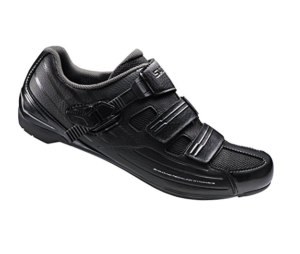
Shimano Men’s RP3

Wide Cycling Shoes

$109

Shimano has the most options when it comes to the wider fit, offering regular and wide sizes on most of their shoes. The Shimano RP3 cycling shoes are a great entry level shoe, with a fiberglass reinforced nylon sole and three adjustment points for the perfect fit.

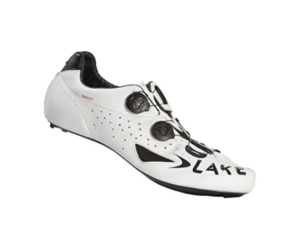
Lake CX 237 Wide Road Shoe

Wide Cycling Shoes

$289

Exactly the same as the CX237 shoe, the wide version gives an additional 15mm wiggle room compared to the regular width. With a carbon sole, and two micro-adjustable Boa dials, you have the ability to make adjustments to the fit of the heel and forefoot so you get a secure fit without sacrificing your circulation.

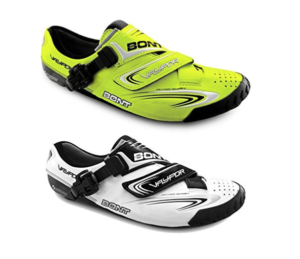
Bont: Riot or Vaypor

Wide Cycling Shoes

Riot: $99

Vaypor: $199+

They may be harder to find, but Bont Cycling has a few heat-molding shoe options that make them popular for those with wide feet. The Riot and Vaypor models both offer a custom fit through heat-molding that can be repeated until you are happy with the result.

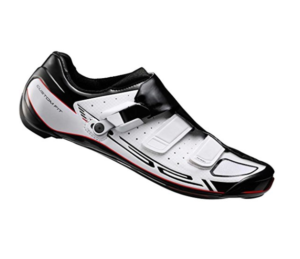
Shimano R321

Wide Cycling Shoes

$299

The Shimano R321 was released in 2016 with heat moldable Custom-Fit technology applied through to the upper, insole, and heel cup. This does not, however, allow for a widening of the shoe in general, so they have a wide version available in each size. The sole construction itself gives an extra 11mm of adjustment range, so you can find the ideal shoe-pedal connection.

When You Hit the Wall: Bonking vs. Fatigue vs. Cramping

April 20, 2019 by Wade Shaddy

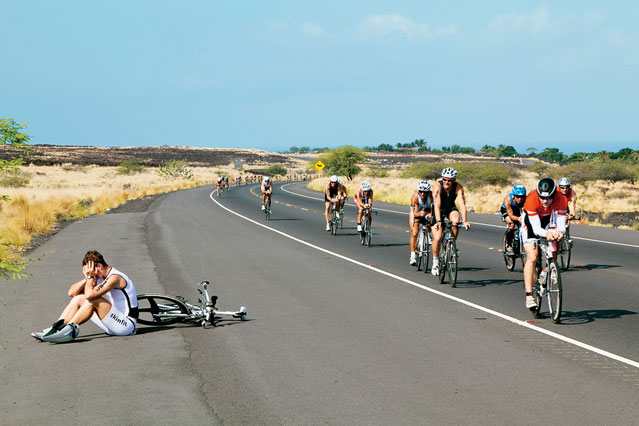
Cyclists may not fully understand what’s happening to them when they start slowing down. It’s often a result of cycling limiters. Maladies such as bonking, fatigue, and cramping have similarities, but in actuality are very different. Cycling limiters can be scientific, but cyclist’s have common terminology for that feeling when you just hit the wall. In no specific order they are bonking, fatigue and cramping.  It might be helpful to break them down and know what each of them are.

cycling limiters

Bonking vs. Fatigue vs. Cramping

Three markers for cycling limiters include bonk, fatigue, and cramping. The terms are often applied interchangeably, which sometimes makes it difficult to address the specific problem. Mistakenly trying to address one won’t help with the other, leading to repeated issues with cycling limitations.

Bonking

The term “bonk”, also referred to as “hitting the wall“, is often applied at the end of a race, long distance ride, or steep hill climb. Bonking is not plain old fatigue and cramping is different than fatigue.

The Why

You bonk when you have exhausted your glycogen stores. This happens when you haven’t ingested enough carbs to produce more blood glucose for the intensity of riding and duration you are doing.

The Symptoms

Symptoms of bonking vary from cyclist to cyclist. Most often, a cyclist will experience a significant loss of performance that may include the inability to continue. You will gradually start to feel more and more tired and start to loose motivation. As you keep riding, you will start to become a bit lethargic as your brain isn’t getting enough glucose to continue functioning normally. As the bonk continues, you will be so tired that you have trouble holding yourself up on the bike. Bonking commonly occurs on longer more sustained rides, particularly when a high level of effort is required such as climbing.

The Brain Bonk

Bonking can be deadly for cyclists because muscles aren’t the only things in your body that burn glucose for fuel, your brain burns glucose too.  That means that not having enough glucose in your blood to fuel the system has mental and emotional affects in addition to physical affects. Symptoms might also include nausea, blurred vision, confusion, headaches, poor coordination, shaking, and light-headedness.

If blood glucose levels drop too low, the body acts to protect the brain and begins to shut down the muscles first.  However, the muscles won’t completely shut down before the brain begins to be affected. The mental and emotional consequences of bonking can be more dangerous to the cyclist than the physical consequences. The worst bonks may even induce hallucinations, like you’ve consumed bad mushrooms.

Fatigue

Fatigue is the fist indicator of performance issues on a long or demanding ride. We already know that bonking is caused by the depletion of the body’s glucose and glycogen stores. When your body’s glycogen stores get low during a race, long ride, or hill climb — your brain, which also relies on glucose, begins to get involved.

Brain Signals

Fatigue is different from the actual physical condition of bonking. Fatigue is your brain sending signals that you’re tired so you stop doing what you’re doing to ensure that you survive. It’s the cycling limiter or braking mechanism in the brain that swings into effect that slows you down. It’s a tiredness that originates in the brain and nervous system.

Cramping

Of all the cycling limiters, cramps are probably the single biggest issue that stops you dead in your tracks. Cramping is not so difficult to understand. Most cyclists have been brought down by the burning, searing wrath of the cramp. But even though cramping is different, it’s sometimes grouped with bonking and plain old fatigue, or the result of the two. Using the terms “bonk” and “cramp” to describe the feeling of fatigue — or vice versa — is missing the point, and might be counterproductive to a solution.

The Mystery

The science behind cramping is problematic because it’s difficult to pinpoint a consistent cause-and-effect mechanism directly related to cramping. The most popular theories include fluid loss, electrolyte imbalance, core temperature changes, or a combination of all three, each contributing to varying degrees depending on the conditions and how hard you’re pushing yourself.

Fatigue to Cramping

At least one study suggests that cramps can be the result of bonking or fatigue: “Muscle cramping remains localized to the overloaded and fatigued muscle group sometimes spreading slowly across the involved muscle region, but not jumping or wandering around a muscle.” The study says.

Fatigue to Bonk

Fatigue comes first and the timeline progresses. If your brain doesn’t have the energy it needs to function properly, it goes into self-preservation mode. It doesn’t care about continuing your race. It doesn’t care about completing the next 50 miles or whatever goals you started with. It only cares about survival, and you feel fatigue. If you keep pushing through the fatigue, and continue to deplete your body’s energy source, the body will shut itself down and you’ve suffered a bonk. It’s no longer a case of fatigue or mind over matter. It’s no longer an issue of being tough enough to continue and you may or may not begin to get cramps. Your thinking becomes confused. You can become disoriented. You are in trouble.

Listen to Your Body

As noted earlier, cramps are mysterious and can happen pretty much at any point even though they are more likely to occur after fatigue sets in and/or bonking has been initiated in the body. The whole point of this is basic; take care of your body,  give it what it needs in the way of nutrition, hydration, and don’t abuse it. Don’t try to analyze it too much. The body knows. Just listen to it.

What is a Gravel Grinder?

January 10, 2019 by Sarah Lauzé

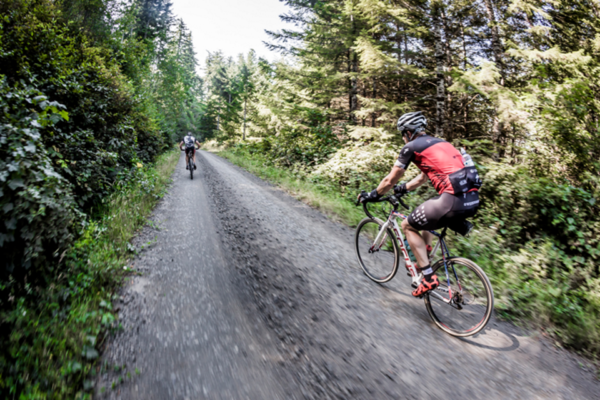
It can be easy to get stuck in a cycling rut, riding the same routes over and over. Some consistency can be nice. It helps you get into a routine, but it never hurts to try something new. This year could be the year you take the rougher roads and check out some new scenery. Riding dirt and gravel roads expands your horizons, and can be a lot more fun than you think. You may have heard the term “gravel grinder” being thrown around – here’s what you need to know before jumping in wheel first.

Gravel Grinder

What is a Gravel Grinder?

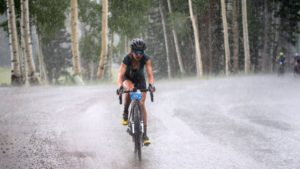
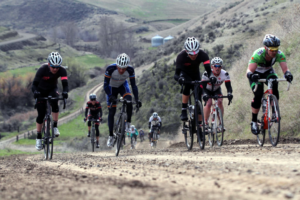
First things first, what is a gravel grinder? A gravel grinder is a race or ride that typically combines riding on a variety of surfaces including asphalt, gravel, dirt, and even some single track. As this niche has become increasingly popular over the last couple years, there are a ton of events to choose from. Distances vary from 50 – 150+ miles, and the routes themselves from hard packed dirt roads to rocky and rough terrain. Think of it as the bridge between mountain biking and road biking. It gets you off main roads, into the wilderness (in most cases), but doesn’t require a ton of commitment in the form of equipment.

Step 1: The Gear

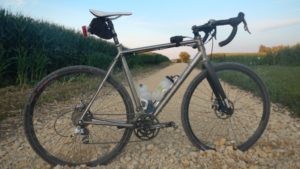
Although there are a ton of gravel specific bikes available, you don’t necessarily have to get one to give gravel a try. These bikes are similar to cyclocross bikes, but with geometry similar to touring and mountain bikes. Think less twitch and more stability to get you over those rough patches.

If you already own a cyclocross bike, then that will be the closest thing to a gravel bike. However, you can make a road or mountain bike work as well. The compromise with a road or cyclocross bike will be related to tire selection. With mountain bikes it will be the aerodynamic drag. That being said, having a bike you’re used to riding and are comfortable with can make your ride a whole lot easier. Lots of riders do gravel grinders on mountain or even fat bikes, although doing so will most likely take you out of the running from a race standpoint.

Step 2: Be Prepared

Flats

Your choice of tire will depend on the event or ride that you’re hoping to do. For most gravel grinders you’ll find a 700×38 or 700×42 semi-slick tubeless tire will be best. Regardless of the condition of the dirt road you must be prepared to flat. The best preventative is riding tubeless where there’s no risk of pinch flatting and the sealant inside the tire quickly fills any small punctures. And then if you flat you simply install a traditional tube. If you are running a tube, make sure you put an extra five or so psi in the tire to help prevent pinch flats, but this will make for a rougher ride. With riding gravel you should also bring a couple spare tubes as well as a patch kit.

Water Bottle Cage

One thing that is not often thought about when riding gravel is that it is much more likely for your water bottles to eject from your cages. If you haven’t planned ahead, take a big swig out of both bottles so they are not full as well as leaving the pop-up top open. This will cause the bottle to become slightly less rigid and have a lower chance of flying out. If you plan on riding dirt on a regular basis, invest in a few water bottles that are softer and easier to squeeze. The cheap, hard bottles are easily ejected. If you have standard metal cages you should bend them in slightly. You will have to pull a bit harder to get the bottle out when you want a drink but it will keep your bottles firmly secure.

Clothing

You’ll want to dress in a way that you can adapt to ever-changing conditions. If the race is in the spring or fall, then you definitely need to layer up so you can take whatever comes in stride. Depending on the length of the race, you’ll also need adequate food and water. You could carry this in a backpack, but the weight on your back could get tiresome 80 miles in. A frame bag could be a great investment to carry those must-have supplies.

Step 3: Train

Long Rides

Training for a gravel grinder event is more often about becoming accustomed to long distances and riding rough roads then it is about speed or pure fitness. The most important thing here is that you are comfortable on your bike. The appeal of these events is the adventure of it, so start preparing mentally for a variety of terrains. Some will be a ton of fun, others…not so much. It will also take you much longer to cover certain distances on gravel then it would on pavement. If you’ve never ridden gravel before, then you’ll want to put in some serious miles on rougher roads to get a feel for the handling of the bike and to hone in your technique.

Hill Work

Climbs are tough enough on pavement, so add in the element of loose gravel and your muscles will need to be ready to make it through. Do plenty of hill work in your training rides to build up those climbing muscles. That way you’ll have plenty of power when it comes to the race.

Navigation

Navigation can be an aspect of gravel grinders that will intimidate first-timers, but it’s not that hard once you have a system down. Most race organizers use cue sheets to navigate riders, which you have to carry with you and, more importantly, understand before you head out. These cues are organized by mileage, so you’ll need an accurate cycling computer or GPS to stay on track.

Riding gravel can be one of the best ways to have fun on the bike, but you can also get stuck starting at the road for miles on end as you’re trying to avoid other riders and obstacles on the road. As you get more comfortable, remember to lift your head up, look around, and enjoy the ride!

When to Shift Gears on a Bike

December 28, 2018 by Sarah Lauzé

If you don’t know when to shift gears on a bike, it can cause a whole lot of frustration. Those unpleasant clunks or grinding noises at the wrong moment mark that you’re struggling when you don’t need to be! You don’t just need to know how to shift your gears (although that is important), but also when. Learning to use your gears efficiently can make all the difference in your cycling progress.

Not only will knowing when to shift gears on a bike make you a faster rider, but it can also prolong the life of your chain. Here’s what you need to know about finding that perfect gear for every terrain.

when to shift gears on a bike

What are bike gears?

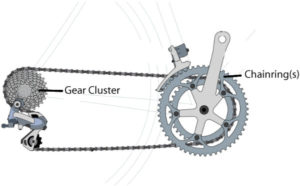
Bike gears are the aspect of the drivetrain that determine the speed (cadence) at which you’re pedaling and the rate at which the drive wheel turns. Some bikes are fixed gear, so there is only one gear. However, the most common combination is three chainrings with nine gears in the back, for a total of 27 gears. These gears determine how hard (or easy) it is to pedal, and therefore dictate your speed.

How to use your gears

If you are totally new to cycling and aren’t sure how to physically change the gears, check out our article on “How to shift gears on a bike.” This will walk you through different types of shifters, and how each system works.
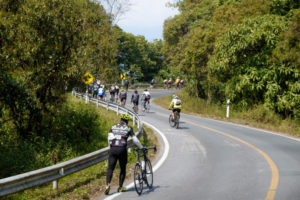
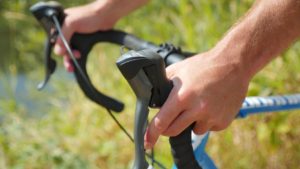
The left-hand shifter or lever will control the front derailleur, guiding the chain over the chainring by your pedals. On this front end, the bigger the chainring, to more resistance you’ll have. You want to use these sparingly, keeping them for major changes in terrain.

The right-hand shifter or lever controls your rear derailleur, guiding the chain over the back gears or cogs. On these back gears, the bigger the cassette, the less resistance you’ll have. These are your fine-tuning gears that you will be using a lot more.

Using bike gears efficiently

The most common mistake beginners make is to grind away in too hard of a gear. This is not an efficient use of energy, and you’re legs will tire a lot more quickly.  The general rule is to keep a steady pedal stroke that isn’t either too slow and hard, nor too easy and fast. Finding the right gear for what you’re comfortable with along with the type of terrain your riding will come with practice.

3 Benchmark Gears

  1. Low Gear – Also referred to as your climbing gear, low gear is the easiest the gears can be on your bike. This means your front gear is on the small chairing, and your back gear is on the largest sprocket.
  2. Middle Gear – This is your everyday gear for rolling terrain. There is enough resistance so you can cruise at a modest speed, but not too much as to slow down your cadence too much. This means being on the small chainring on a double or a compact, and the middle chainring on a triple. The back gear will be hovering around the middle sprockets, adjusted according to any changes in terrain.
  3. High Gear – This is for the fun parts. This will keep your legs spinning and the bike accelerating as you descend, or for pushing yourself as fast as you can on flats. The front gear will be on the big chainring, and the back will be on the smallest sprocket.

Don’t Cross the Chain

Avoid using the large front chainring simultaneously as the largest rear sprocket as this can cause your chain to slip or not shift properly. This is referred to as “crossing the chain.” Try running through the majority of your rear gears before touching your front chainrings.
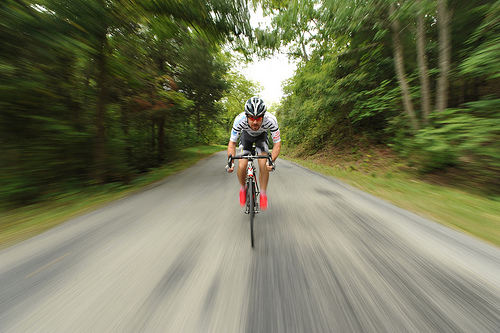
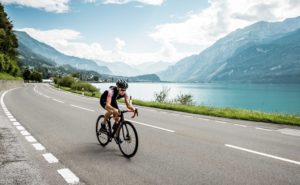
The first step towards using your gears efficiently is to take a look at your cadence. Once you get a feel for what a proper cadence range feels like, you will start to pick gears that will keep you within that. Keep your eyes ahead on the road so you have plenty of time to shift down before you hit a hill. If you don’t, you may not be able to shift gears in time and you’ll end up having to walk your bike.

Learning how and when to shift gears on a bike is one of those things that you learn when starting to ride and as you ride more, you will get good at it. Just make sure to practice in a safe area, say an empty parking lot or driveway, as your focus will be on the shifting, not and traffic or other hazards that may be around.

Does Stretching Make You Faster?

December 27, 2018 by Sarah Lauzé

Most cyclists want to be faster and stronger, but there is no one-size-fits-all way to get there. The general rule is to ride more, and ride smarter. Training plans can help you look at every aspect of your riding, and get you tackling those goals in a realistic way. However, time on the bike is not the whole picture of what it takes. Maintaining a healthy range of motion through stretching and strength training needs to be a key aspect of that plan. And no, we don’t mean doing a couple quad stretches before hopping on the bike–there’s more to it then that. So, how does stretching make you faster?

Stretching Make You Faster

Does Stretching Make You Faster?

The cumulative effects of stretching (when done right) add up and in turn, can make you a faster and stronger cyclist. Here’s how:

Improved Flexibility

Each person’s body defines their own range of motion, there is no standard when dealing with a group of individuals. Your muscles are not in charge of your range of motion and flexibility, it is your bone and joint actions. So, when you stretch, it is actually the joint and ligaments being moved across these contact surfaces. Flexibility, or rather inflexibility, can lead to unbalance in the body, causing these structures to move out of alignment. Properly stretching and maintaining flexibility can not only affect you performance, but it is the most effective way to avoid injury.

Comfort on the Bike & AerodynamicsStretching Make You Faster

Comfort on your bike has to do largely with your bike fit, but also your ability to maintain proper cycling posture. If certain muscles are tight, you’ll compensate in other areas of the body, which does nothing but harm. If you’re concerned with aerodynamics, then you should know that 80 percent of your aerodynamic drag is caused by your position on the bike. So, that $10,000 aero bike will only help you 20% of the way. For example, tight or shortened hamstrings will make the aerodynamic position impossible and tight calves can limit the power of your pedal strokes. Routine stretching will slowly improve your position and gift you a handful of free watts.

Injury Prevention

Due to the repetitive nature of the pedal stroke, cycling puts us in a particularly vulnerable situation. We spend hours hunched over the bars, spinning our legs at 100 revolutions per minute. The impact is low, but over time the muscular imbalances take a toll.  Maintaining proper posture on your bike can go a long way to prevent injury. The natural inclination is to round your back as you crane your head to look forward. Not only does this create drag, but it will eventually cause pain in your lower and upper back and neck.

Everything in your body is connected. So, to maintain proper bike posture you have to have adequate flexibility in your lower back, hips, glutes, and hamstrings. The flatter your back can be, the less issues you’ll come up against in your training. Stretching is an easy thing to skip, but most cycling injury is caused by tight muscles. So, you could take ten minutes a day to stretch, or be off you bike for weeks at a time with an injury. Although stretching can be great treatment for certain injuries, it’s effectively too late. Better to avoid the injury in the first place by maintaining flexibility.

Stretching Done Right

Stretching is easy, but when done incorrectly it can actually slow you down. There’s no overnight fix, and it’s not just doing a couple stretches before hopping on your bike. That may have been what they taught you in high school, but it takes time and patience to reap the benefits of stretching.

Types of Stretching

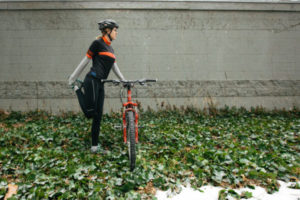
  • Dynamic – Dynamic stretching takes a joint or muscle through a range of motion. It is best done before cycling as a way to prepare the joints for the repetitive movement, get blood flowing and warm up your muscles.
  • Static – Static stretches are designed to be held in one position for at least thirty seconds, and are what most people think of when it comes to stretching. The goal is to relax and lengthen the muscle and deepen the stretch bit by bit. This is best done after exercise, as static stretching before can actually hinder the muscle’s ability to fire.

When to Stretch

Just as you should do a warm up on your bike before hammering up a climb with everything you’ve got, so you need to warm up your muscles before stretching. This doesn’t mean you have to go for a full ride before doing your stretching routine, but it could be doing some jumping jacks, massaging the muscles, or walking around the block. Anything to get blood flowing to your muscles. If you do stretch cold muscles (but please don’t) ensure you are extremely gentle, slowly easing into a stretch.

Yoga and Cycling Speed

Yoga can be a great way to ensure you’re stretching on a regular basis, but too much of a good thing can be a bad thing. If you are doing more yoga and stretching then cycling, then you are working more on being pliable then being strong and powerful. Pliable muscles have to do more work to maintain the level of contraction needed for cycling. However, you would have to be doing excessive amounts for it to be any sort of detriment to your muscle power.

Although the understanding of the relation between stretching and athletic performance is still evolving, there are some facts that are standing the test of time. Dynamic stretching before a ride and moderate routine stretching off the bike can create the muscle pliability needed for you to be the strongest cyclist possible.

You don’t need to sign up for daily yoga classes or commit a ton of time to stretching, but even a little bit can go a long way in keeping you injury free and feeling your best. Start with 10 minutes a day, 4-5 times a week and you will start seeing and feeling the results. If you want a more intensive stretching program for cyclists, check out Dynamic Cyclist. They have daily, easy to follow stretching videos designed specifically for and by cyclists. Spend less time thinking about how and what to stretch, and more time in the saddle!

« Previous Page
Next Page »
  • Facebook
  • Tumblr
  • Twitter

Latest Articles

JOIN Cycling: A New Training Platform for Cyclists

May 27, 2024 By Eric Lister

cold exposure

The Benefits of Cold Exposure for Cycling & Life

June 13, 2023 By Eric Lister

hill climb

The Ultimate Hill Climb Training Guide

May 31, 2023 By Eric Lister

shoulder pain cycling

How to Treat & Avoid Shoulder Pain While Cycling

April 12, 2023 By Eric Lister

psoas stretch

The Importance of the Psoas Stretch for Cyclists

April 6, 2023 By Eric Lister

cycling neck pain

The Ultimate Guide to Cycling Neck Pain: Causes and Solutions

March 21, 2023 By Eric Lister

Useful Info

  • Contact
  • Finally, A Global Cycling Club That Is Focused On Community And Love Of Cycling!
  • Privacy Policy
  • Share Your Story!
  • Terms And Conditions Of Use
  • Welcome to I Love Bicycling
  • What Happened When I Stretched Every Day For a Month

Recent Posts

  • JOIN Cycling: A New Training Platform for Cyclists
  • How to Hang Bikes in Your Garage: 4 Inexpensive Options
  • Gravel Bike Vs. Road Bike: Which One Is Better For You?
  • The 6 Types of Mountain Bikes & How to Choose the Best One for You
  • What Is a Touring Bike Good For? 5 Benefits We Know You’ll Love

Search I Love Bicycling

Connect with Us

  • Facebook
  • RSS
  • Tumblr
  • Twitter

Copyright © 2026 · Magazine Pro Theme on Genesis Framework · WordPress · Log in