 Early season riding conditions can be very challenging. During the winter, a ton of grit and salt gets dumped on roads to keep them grippy and snow-free, and, come spring time, all of that stuff ends up in one place – the shoulder where you want to ride. Spring is also pothole season, as water seeps into cracks in the road and freezes overnight, opening up holes the size of the Grand Canyon on your favorite roads. There are a few simple bike handling tips to keep your skin off the road and your bike in one piece.
SLOW DOWN!!!
This seems obvious, but it is easy to forget in the middle of one of your favorite descents. Slower speeds mean more time to react to what is in front of you. Slow down well in advance of corners so you aren’t braking hard while turning – doing so increases the chance of losing traction.
Take your lane.
Most of the road grit accumulates on the shoulder of the road, and you can avoid this by moving out into the travel lanes. Be VERY careful when doing this – think ahead, and don’t try to move out in front of a line of cars just before your corner. Wait for a large gap in traffic, and move out well into the lane, so cars aren’t tempted to try and squeeze by you. On long, switchbacking descents, I will usually just stay in the travel lanes to avoid having to move back and forth.
Relax.
Hitting a small patch of gravel or wet spot won’t necessarily cause you to crash. Overcorrecting for a small skid of your back tire will. Staying relaxed and confident will help you ride through small skids instead of tensing up and turning the small skid into a huge wipe-out. You can build this confidence through other types of cycling – mountain and cyclocross riding will both give you the experience of feeling your bike sliding through turns, which will help you become a more confident road rider.
Obstacle avoidance.
Be it potholes, glass, or ice, there is a lot of stuff on the roads that you and your bike would rather avoid. Your first key to avoiding this nasty stuff is to look ahead – the earlier you see something, the easier it will be to avoid. When you know what you want to avoid, doing so requires a bit of practice. Anyone who has managed to hit the only pothole on a clear stretch of road knows what I am talking about – your bike will tend to go where you are looking. If you are looking at that one pothole, there is a good chance you are going to hit it. Instead, work on keeping your eyes focused on the clear path you want to take, and your bike will follow.
Bunny-hops.
Sometimes, despite your proactive road reading and all of your best obstacle avoidance techniques, you just can’t ride around something. Often this has something to do with the 2 ton hunks of metal passing by on your left. This is when the bunny-hop comes in handy. Bunny-hopping is like jumping on your bike – both wheels lift off the ground for a split second. If you have never done this before, practice at slow speeds first. Clipless pedals make it much much easier and safer as well. When you do encounter something you can’t ride around, don’t try to jump too high – for potholes, your wheels barely need to leave the ground.
Keep these tips in mind when you head out on your next ride, and you will be well equipped to deal with whatever the spring roads will throw at you!
 Long bikes rides are a wonderful way to enjoy your time to yourself or others and get in some much needed fun. However, if you do plan on spending hours or even days on your favorite bike route, there are some things that you will want to take with you. This simple checklist will help you take on any challenge or emergency you may meet on the bike trail.
  Changing your bike gears while cycling takes some practice in order to accomplish the change fluidly. Avid cyclists know that if you ride your bike off road or on any kind of terrain that isn’t flat you will need to change gears. Most bikes contain anywhere from ten to twenty-seven gears that are split between the front and back wheels. Knowing when and how to change them is an important part of cycling.
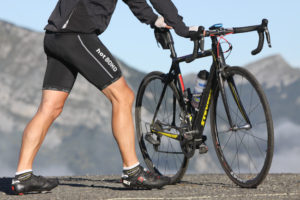
 When someone initially thinks about saving money in a big city they eventually come to the idea of cycling. This is because cycling is a remarkable way of saving money in many different ways. Some of these ways may surprise even avid bikers.
 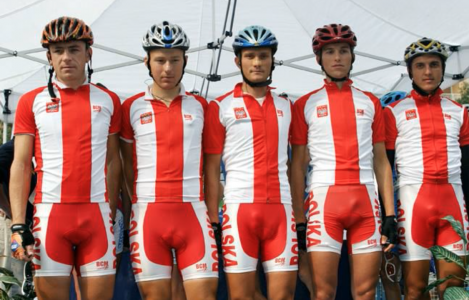 Bike shorts, as with any kind of exercise clothing, the need to be comfortable and do the job you need them to do. Not only should the right bike shorts not pinch when you ride, they need to conform to your body and not shift during the movements you’ll make while cycling. Unfortunately, the best way to find the right pair of shorts will ultimately be to try them on and test them out. This is because everyone’s body is different, so everyone will have a different preference of brand, size, and fit. However, here are a few tips to keep in mind so that the process doesn’t seem so hit or miss.
  Doping continued to be the top cycling headline in 2013, with the fallout from Lance Armstrong still trickling through the ranks of elite cycling. The year kicked off with Armstrong sitting down with Oprah Winfrey to share a candy coated version of his career as pharmaceutical guinea pig. If all the bad news in cycling makes you want to cancel your RSS feeds, wait. Here are 3 cycling related news stories we would really like to see in 2014.
 Cycling is our therapy
 Before you can even begin to sprint it is crucial to select the proper gear, it has to be one that you can accelerate very quickly, but not one that you are going to spin out of too soon. Gear selection will come with practice. Challenge yourself to mini sprints while on training rides to get a better feel for gear selection.