• Training
    • Injury Prevention
    • Training Tips
  • How To
    • Bike Fit
    • Gear
  • Nutrition
    • Nutrition Tips
    • Weight Loss
  • Repair
  • Reviews
  • Stories
    • Funny Stories
    • Jokes
    • Quotes
    • Videos
    • Funny Videos

I Love Bicycling

I Love Bicycling is a website that is geared towards cycling for beginners with road cycling tips, training articles, nutrition tips, weight loss, how to’s and bike repair articles.

Stories

  • Funny Stories
  • Jokes
  • Reviews
  • News

Random Facts About the Cycling Industry

September 20, 2015 by U.M.

Random Facts About the Cycling IndustryThe cycling industry is huge and there are many reasons for this. Here are some interesting facts relating to the cycling industry you might not know:

  1. In America, bikes are used for less than 1% of trips taken, while cars are used for up to 84%. In the Netherlands, bikes are used for 30% of trips. In Denmark, the number is 20%. Canada’s bicycle usage is closer to that of the United States, and their car usage is almost as high.
  2. In the Netherlands, there are more bikes (18 million) than people (16 million). They have a pro-cycling infrastructure for their transportation system, making it an easy choice for everyone to choose riding their bike to get around. The vast majority of their bikes are made locally, and they export over 1 million bikes every year to other countries.
  3. The Netherlands has incorporated cycling into their everyday life extremely well. They have traffic signals specifically for bikes, and teach young children how to cycle, both conceptually and practically, in school. Children frequently ride their bikes to school every day.
  4. Every year, around one hundred million bikes are produced. Over half a billion bikes reside in China, while over 18 million bikes reside in the Netherlands. The world contains more than a billion bicycles total. There are approximately 100% more bicycles in the world than there are cars.
  5. Cycling produces a significantly lower carbon footprint than cars, and improves the health of the user. In the United States, up to 84% of trips are made in cars, which is among the highest percentage in the world. Imagine if half of those trips were taken on bikes instead, and the effect on America’s carbon footprint and overall health. One statistic shows that riding a bike for 20 or more miles per week can decreases your chance of heart disease by 50%.
  6. The Tour de France is considered to be one of the most intense endurance races out there; participants cover around 2720 kilometers divided into smaller stages within 3 weeks.
  7. Bicycles have gone through makeover after makeover throughout their history. Bikes used to commonly come in a form where one wheel was massive compared to the other. The style changed to favor the front wheel and the back wheel at different times.
  8. There are countless different types of bikes that are made, usually fulfilling different purposes. Examples include BMX bikes, mountain bikes, racing bikes, utility bikes, cruiser bikes, and more. Forms of bikes other than the bicycle are unicycles, tricycles, and quadracycles.
  9. Riding a bike is extremely energy efficient, and takes only about the amount of energy put into walking (at speeds of around 10-15mph). They allow the rider to travel much farther than they would if they were walking using the same amount of energy. There is also a device called the Copenhagen Wheel that stores energy put into the bike, such as when riding downhill. The energy can then be used at a later time as needed.
  10. Riding a bike is possible because the bike’s center of mass rests above its wheels as the bike is steered. That is why leaning is necessary when turning the bike; it is called counter steering, and allows you to maintain balance on the bike.
Virtual Reality Bike Trainer

September 19, 2015 by U.M.

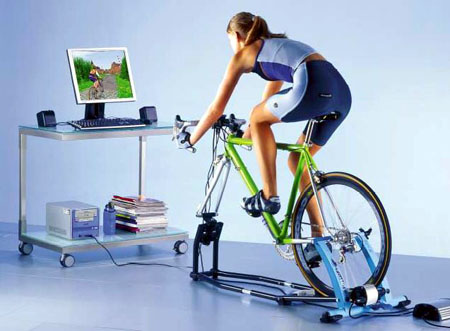
Virtual Reality Bike TrainerFor someone who has to spend an inordinate amount of time having to use indoor cycling stands, you may want to look at getting a virtual reality bike trainer. These stands are used to provide highly sophisticated cycling simulations in order to make your training as realistic as possible. They can be a bit difficult from time to time but the benefits are many.

What a Virtual Reality Bike Trainer Does

This stand works like most other indoor bike stands in that it attaches your bike to a stand. After that it’s completely different. The rear wheel of your bike is placed onto a motorized roller which provides resistance. This resistance is computer operated and is controlled by the virtual reality program which means that it adjusts as your virtual landscape changes.

The front wheel of the bike is attached to the stand. Both the frame and stand have multiple sensors in order to provide feedback to the program and allow for adjustments. A computer reads what happens with your bike and makes the corresponding adjustments in the virtual landscape. For example, the harder you pedal the more power output the machine will pick up and you will move faster through the landscape.

Different models offer a variety of sensors and pressure pads to read such factors as pedaling power, RPMs, the resistance the pressure pads put on the tires, and more. You use your own bike and once set into the stand, both of them connect to your computer. Nearly all the stands come with a computer program that offers basic trails but there are several add ons including multiplayer and GPS features.

Virtual reality stands do not require any specialized gear such as glasses, helmets, or sensors on your body. However, these programs are extensive with a ton of graphics and usually require a good gaming computer to be run effectively.

The Pros of a Virtual Reality Bike Trainer

While not always easy to set up because of all the sensors, wires, and calibrations the virtual reality indoor bike stand is well loved because it mimics both a video game and real life cycling. Basically, it’s perfect for people who love to cycle but have obligations or weather that prevents them from being away from home for long hours. It keeps indoor cycling interesting and more importantly, fun!

Furthermore, the virtual reality program is built to mimic biking conditions and the bikes as closely as possible in order to keep training challenging and consistent. The motorized roller will automatically adjust the resistance level in order to mimic real life biking conditions. If the trail looks like it’s about to get harder then it probably is about to get harder.

Also, virtual stands can accommodate most road and mountain bikes with trials in urban, off-road, and mountain conditions. This means you can bike your favorite paths from around the world all in your own living room. Some models have a racing mode where you can race the computer or another cyclist, which provides great race training.

Lastly, the virtual reality stand tracks your training to last the detail. Your mileage, heart rate, endurance, pedaling stroke, pedaling power output, and other parameters are all recorded to help build the program around you and your personal training needs. Many of the programs give you training feedback in real time so that you can make adjustments as needed. You can store these parameters to ride against them later. You’ll know more about how you cycle in a session than you ever did from being outside.

The single biggest benefit of a virtual reality indoor cycling stand is that it will teach you how to pedal efficiently! If you are willing to pay for a coach, or already have one, then purchasing one of these stands is a no brainer. I bought a computrainer several years ago and it was the single best investment I made in cycling equipment. It taught me how to pedal as it will give you instantaneous feedback on your pedaling efficiency. It was invaluable, and brought my cycling to the next level.

The Cons of a Virtual Reality Bike Trainer

The primary drawback to a virtual stand is that they are expensive. Virtual stands can run up to a couple thousand dollars or more and that’s before you factor in the computer, monitor, and bike you need to run it all. This is by no means a budget stand. In fact, it may be the most expensive thing you buy for your cycling training.

A minor con to this system is that it can be noisy depending on what kind of tire you have. Some tires make more noise than others when they run across the motorized roller. Luckily, this is where a great music playlist comes in handy.

The initial setup can be tedious, but after a couple set ups it can take 5 minutes or less.

Models of Virtual Reality Bike Trainer

Here’s a quick list of popular virtual reality bike trainers:

  • Tacx I Genius Visual Trainer
  • Tacx I Vortex Virtual Reality Trainer
  • Tacx Multiplayer
  • Zwift
  • Computrainer

Are we missing any virtual reality bike trainers here?

Tacx also offers basic and advanced training software. The basic does not come with pre-designed routes and workouts unlike the advanced version. To access the multiplayer feature you have to buy the base program and a special license that has to be renewed every year. Both versions offer what’s called Tacx films where you can ride routes as they appear in real life, that is not computer generated or animated but real life scenery. Such routes include Tour of Flanders and Tour de France. However, to run races against virtual competitors you have to upgrade to the advanced software.

A virtual reality bike trainer is a great way to keep up on your training indoors. Highly realistic paths, races, and conditions can keep you from getting bored and improve your endurance and fitness levels. However, be aware that no matter how realistic the virtual reality is, the best way to shore up your cycling skills will be outside on an actual trail. But the virtual reality stand does make a great second.

Cycling Joke

September 19, 2015 by Lee Agur

Cycling JokeA tired cyclist stuck his thumb out for a lift: After 3 hours, hadn’t got anyone to stop. Finally, a guy in a sports car pulled over and offered him a ride. But the bike wouldn’t fit in the car. The driver got some rope out of the trunk and tied it to his bumper. He tied the other end to the bike and told the rider: “If I go too fast, ring your bell and I’ll slow down.”
Everything went well until another sports car blew past them. The driver forgot all about the cyclist and put his foot down. A short distance down the road, they hammered through a speed trap.
The cop with the radar gun and radioed ahead that he had 2 sports cars heading his way at over 120 mph. He then relayed, “and you’re not going to believe this, but there’s a cyclist behind them ringing his bell to pass!”.

How To Convince Your Friends To Cycle

September 18, 2015 by U.M.

How To Convince Your Friends To CycleWhen you love cycling, the best feeling you can have is when you convince your friends to take up cycling. People take up cycling for many different reasons be it exercise, transportation, or spending more time with their kids. When your friends asks you for your advice about any of these topics and you respond with cycling as the answer, make sure you provide a good answer in order to convince them.
Exercise

If you have a friend who wants to get in shape, lose weight, or simply get a little more active suggest cycling as a good solution. Cycling burns calories, builds muscles, teaches you about your heart rate and breathing, and keeps you active. Take your friend out for their first few bike rides and show them how to pick good routes that will challenge them, how long they should cycle, and what to bring with them on a long ride so they don’t get in trouble in an emergency.

Cycling with your friend for those first few days will give your friend the opportunity to ask questions and get more comfortable with cycling as a whole. Also, tell them about your own triumphs and failures. This will give them the confidence to stick with it later on when they face a challenge.

Transportation

If your friend lives in a large city and is complaining about transportation costs and problems, encourage them to take up cycling as a means of transportation. Cycling saves you money on gas, bus fares, parking meters, and vehicle upkeep. If you have a friend who is environmentally conscience, let them know that cycling is the mode of transportation that causes the least amount of pollution. They’ll likely already know this but encouraging more cycling can hardly go amiss!

Family Time

For friends that have young children, a common quandary is how to spend more time together that doesn’t involve the television. For those friends, cycling is a wonderful answer that you give your friend. Not only are there bike seats and trailers for children too young to bike, but biking as a family is a wonderful way to get the kids outside and exercising in an increasingly sedentary world.

Taking the kids for a bike ride keeps everyone active and exploring the community for new routes and things to see. Families can bike to the movies, library, or playgrounds and parks, something the children will all love. This makes exercise seem more fun and gives them an incentive to keep biking.

Convincing your friends to cycle shouldn’t be too hard if they’re open to change in their lives. Pamphlets or website links to bike clubs and cycling blogs will further encourage them, and you, to learn everything you need to know about cycling. The more facts you’re able to give, the more convincing you’ll be.

10 Awesome Amateur Road Races

September 18, 2015 by U.M.

10 Awesome Amateur Road RacesThere are thousands of bike races held every year around the world. The majority of these races are local and are designed to get bikers in the community involved with the sport of cycling. However, the hardest and most technical of races require dedication and long hours of training in order to complete. Still others are historic, beautiful, and interesting. Here are the top 10 amateur bike races in the world.
1. Iron Horse Bicycle Classic

This race is located in Durango, Colorado and is a very unique race in that bikers don’t race each other but a train. The race is the result of two brothers-one a railroad brakeman and the other a cyclist-challenging each other to a race to nearby Silverton, Colorado.

Officially started in 1972, the Iron Horse attracts hundreds of people from all over the world and is considered to be a celebration of Colorado history and culture as much as it is a bike race. Durango is nestled deep in the Rocky Mountains and the road track is beautiful and challenging.

Details available here: http://ironhorsebicycleclassic.com/

2. Giant’s Causeway Coast Sportive

The sportive runs along Northern Ireland’s coastal roads and is a great race for beginners. Started in 2011, there are three distance options from which a racer can choose from:

  • Causeway Coaster-56 km
  • Glens and Coast Route-125 km
  • Giant Killer-185 km

Giant’s Causeway usually attracts at least 1000 riders, all of whom need good technical skills. The course involves climbing and steep descents that are usually wet due to the regions weather patterns. The race is usually held in September and offers a unique countryside and accommodates riders of all levels.

Details available here: http://www.lincolngrandprix.org.uk/

3. Cycletta

Cycletta is a U.K. wide event first opened in 2011 and is open to women only as an effort to encourage female cyclists at all levels, from any country. The race offers seven different venues that include Cheshire, Cornwall, and East Sussex. Olympic gold medalist Victoria Pendleton is an avid supporter of these races and encourages women to engage in cycling as a sport.

Details on venues, dates, and entry fees available here: http://humanrace.co.uk/events/cycletta

4. Nature Valley Bicycle Festival

This bike festival is held in Menomonie, Wisconsin with a smaller event also held in Stillwater, Minnesota. The Nature Valley festival is wonderful for those who are new to bike races. Not only are there races for beginners and mid-level riders but there is a race for children as well. If you need a race that is laid back and includes the whole family, this may be the race for you.

Details available here: Nature Valley Bike Festival

5. Dresden Race

This is a unique race because it mixes elite, novice, and child cyclists all on the same route. The Dresden race starts and finishes in the historic city of Dresden in East Germany with two different routes of 106 km or 75 km. The Dresden race pairs with the pro Sachsen Tour so that amateurs can race with professionals. There is a separate ride held for children six to thirteen years old. Kids fourteen and older enter with the other amateurs.

Details available here: http://www.sachsentour.org/

6. Green Mountain Stage Race

The Green Mountain race is a four day event packed with races for many different cycling skill levels. Held in the Green Mountains of Vermont, this is one of the largest amateur stage races and has been around for thirteen years. The Green Mountain race has a fun and laid back atmosphere while at the same time offering good competition for any racer.

More information available here: Green Mountain

7. Valparaiso Cerro Abajo Race

The general consensus about this race can be summed up in one word: insane! This race is an urban course in Valparaiso, Chile that involves a steep downhill descent through the street while going over stairs, curbs, nearly crashing in buildings, and maybe dodging some dogs along the way. To prepare for this race, good mountain biking skills are critical because even though the course is urban, the skills are varied.

An incredible first-person video available here: Race Video

8. Maratona des Dolomites

This is a giant amateur race held in the Dolomites mountain range of northeastern Italy. The routes through these mountains are most famous for their role in the Giro d’Italia. However, there is a rich cultural atmosphere and beautiful scenery that many cyclists find exciting. This race can be fairly competitive and attracts over 9000 riders from 40 different countries. This race, is definitely a bucket list item!

More details available here: Maratona dles Dolomites

9. Tour of the Bahamas

Held in Nassau, the Tour of the Bahamas is a three day competition for amateurs. This race involves time-trials, circuits, and road races. The tour boasts highly ranked courses and a professional but fun atmosphere for the riders. Not only will you be biking one of the most beautiful islands of the region but you’ll be staying in resorts with fellow cyclists from around the world. The competition is also open to both adults and juniors.

Details on registration available here: Bahama’s Tour

10. UCI World Cycling Tour (UWCT)

While UCI normally offers races to professionals exclusively, since 2011 they have put on an amateur world tour that ends with the Amateur Road World Championships. Participants in the tour will have to attend qualifying events in order to reach the world championships, however. Races are held all over the world and each year the world championship brings together cyclists from at least 50 countries. UWCT is a wonderful way for amateur racers to get a taste of what professional cycling is all about.

Details available here: UWCT

No matter what your skill level at least one of these races will be available to you. Some are supportive of good causes and others are something to work toward as the trail is grueling and difficult.

Did we miss any great amateur road races or do you have a great experience riding in any of these or other road races? Let us know!

Why You Need To Mountain Bike

September 17, 2015 by U.M.

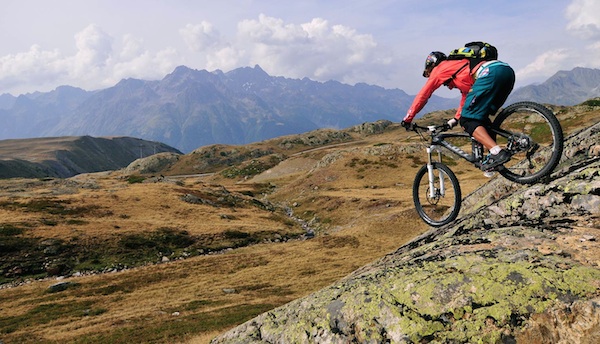
Why You Need To Mountain BikeMountain biking is not only a great form of exercise, it’s a wonderful way to get away from the city and enjoy the mountainside. Mountain biking benefits include physical, emotional, and social positives that can improve your life in every aspect.
Health Benefits Of Mountain Biking

As with most other types of sports, mountain biking benefits include your physical health. Mountain biking combats heart disease, obesity, metabolism issues, and even joint and knee problems. The exercise also builds muscles and therefore, your strength. For people who suffer from lung problems such as asthma or allergies, mountain biking is a great way to build up your lungs by teaching you to breathe consistently during stress.

Emotional Positives

In general, studies have found that any exercise improves a person’s mood and decreases their anxiety. Outdoor activities in particular decrease stress, improve self-image, and are simply considered to be fun. This is because the outdoors hold a sense of adventure for those who love outdoor sports.

Because the outdoors can be both calming and exciting, avid mountain bikers always leave the trails wanting more. Whether you chose to bike on a trail or through dense forests, mountain biking is a great distraction from whatever troubles you may have in the world. Mountain biking also gives you something to look forward to during your week.

Social Networking

The last of the big mountain biking benefits is socializing with other mountain bikers. Mountain biking is as much a team sport as it is a solitary sport. Bikers can rely on each other for advice, support, and information just as with any team. Clubs, races, and popular trails are all great places where you can meet and connect with other mountain bikers.

There’s also social media. Blogs, Twitter, and Facebook are great mediums for mountain bikers to branch out into their other interests by writing out their stories, sharing their pictures, and mapping their progress against others. Whether you use social media as a competitive platform or a friendly platform, you won’t have to look far to find people with your same interests and goals. The best part is when you connect with bikers around the world to learn about their local biking community.

Mountain biking benefits everyone willing to stick with it. The sport can take you over some pretty rough, and sometimes dangerous terrain, but the physical, emotional, and social benefits are often worth it in the end. Not only will you be able to see some beautiful terrain but you’ll be getting in your exercise in as well.

The Rise Of Indoor Cycling

September 17, 2015 by U.M.

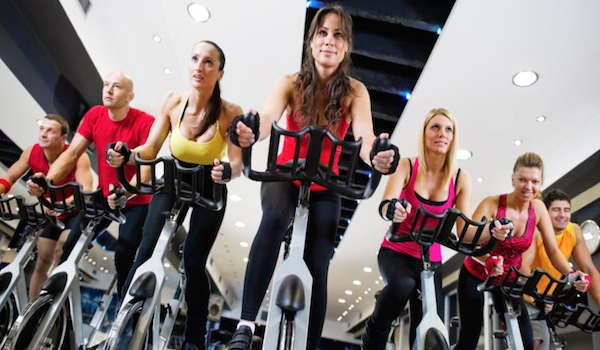
The Rise Of Indoor CyclingIndoor cycling, often referred to as spinning, is a worldwide exercise phenomenon. Today it is one of the most popular group classes in fitness clubs and gyms around the world, attracting millions of people each year. Indoor cycling is a favorite of many fitness gurus and outdoor cyclists who use it to stay in shape during the off-season, too.
The Very Beginning

Indoor cycling began where a lot of great things seem to begin: a garage. Johnny Goldberg, a South African immigrant living in California, was a fitness instructor, endurance cyclists, and a competitor in cross-country and ultra-marathon races. He recognized a need for training indoors and subsequently thought of a way in which to replicate road cycling in his garage. He used his new indoor training regimen to break a record when he biked across Arizona (544 miles) non-stop for over 29 hours.

A year after breaking this record he started the first indoor cycling class in Santa Monica. His classes were open to large groups and focused on heart rate training, motivation, and breathing exercises. His new class used stationary bikes with sophisticated ergonomics and geometry to closely resemble a racing bike. With the help of a fellow cyclist, John Baudhuin, they installed 150 of these stationary bikes in several different gyms and fitness centers.

The Rolling Stone

In 1993, Rolling Stone magazine reported that indoor cycling was the ‘hot’ new fitness regimen not only for cyclists in their off-season, but for the general public as well. This led to a whole new market of people who could use indoor cycling to get in shape and stay in shape.

1994: A Big Year

Mad Dogg Athletics, Inc. was found by Goldberg and Baudhuin in 1994 with the idea that the start-up company would further develop indoor cycling as a valid fitness regimen. This was when they also trademarked the word Spinning. Business boomed and stationary bikes began pouring out of manufacturers and into fitness centers everywhere.

By the following year, Mad Dogg developed a teacher’s certification program for people looking to teach Spin classes. That program is now the standard for indoor cycling certification and education around the world.

Modern Spinning

Today, there are five stationary bikes produced by Mad Dogg and their affiliate, the Spinning program, for use in gyms and fitness centers. Another six models are produced for in-home use from this provider. There are many other brands that offer these types of bicycles as well. Then there are lines of spinning gear, accessories, DVDs, and full classes and programs for people to choose from. Millions of people use indoor cycling to get in shape while avid amateur and professional cyclists use indoor cycling to maintain their fitness in the off-season or when the weather prohibits outdoor riding.

Indoor cycling was designed to help athletes in the sport of cycling keep training no matter what. Cyclists could build an indoor training regimen and use it to break records and meet goals just as Johnny Goldberg did in Arizona. However, the benefits of indoor cycling are so numerous and so enticing that indoor cycling spread to the general population as a fitness and exercise routine.

Clinchers vs. Tubulars vs. Tubeless Tires

September 16, 2015 by Adam Farabaugh

Clinchers vs. Tubulars vs. Tubeless TiresYou’re riding in a technical criterium and you lose traction in a corner and crash. You’re riding down a bumpy trail and all of a sudden your tire blows out. You’re riding in a cyclocross race and lose your front wheel on an off-camber turn. Tire choice and setup all play a role in each one of these scenarios and although flats and crashes can still happen with the perfect setup, they can be minimized. Road, mountain, and cyclocross each have a best performance option as well as a most practical option that can be used by anyone.
Road

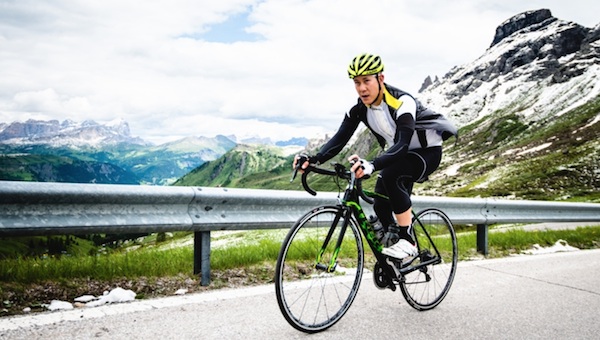
Road tires should be chosen based upon the type of riding you are doing. Tubulars, where the tire is glued to the rim, are generally reserved for racing as changing a flat on the side of the road is fairly difficult. Clinchers and tubeless tires can be used for both training and racing.

Best Performance

Any tire style is going to have some amount of traction through corners as well as flat prevention but the best performance setup is running tubular tires with sealant inside them. Tubulars have a number of advantages including lower rolling resistance and better cornering capabilities due to their supple nature and construction. They also are less prone to flatting because with clinchers you can pinch flat, where the tube pinches against the rim with a sudden impact, but with tubulars this is very difficult to do. With sealant inside of them, they can also re-seal themselves if you run over small debris such as glass. The downside to tubulars, beside the difficulty in installing them, is the cost.

Most Practical

Whether you are racing or training, the best setup is tubeless tires with sealant. This option requires special tires and rim strips that seal air inside the tire without the use of an inner tube. Not all wheels are no tubeless ready nor can all wheels be set up tubeless but if yours can, this setup will greatly lesson your chances of flatting. Along with the sealant filling any minor leaks in the tire due to glass and other debris, there is no inner tube so you can’t pinch flat. Also, the way to avoid pinch flatting with clinchers is to run higher pressure but with tubeless you can run lower pressure allowing you to corner better as you have more rubber in contact with the road surface. Tubeless will be a bit more expensive than clinchers as well as a bit more involved to setup but once you’re rolling you pretty much don’t have to worry about flatting.

Mountain

Mountain biking is the discipline where flats are the most common because of the nature of trails being rocky and root filled. Bigger tires help to lessen the chances of flatting but it’s only part of the solution. Fortunately, the best option is also the most practical. Tubeless with sealant for mountain biking has tremendous advantages over clinchers. The first is weight. Because mountain bike tires are so much bigger, the tube has to be bigger as well. Tubeless eliminates the need for one saving substantial weight with both the front and rear. Also, like road tires, eliminating the tube takes away the chance of pinch flatting. Also lower pressure can be run increasing traction in corners and up climbs substantially. Mountain biking has a lot of ways you can flat and with sealant, any thorns, sharp rocks or other small punctures will be sealed without you even knowing you hit something.

Cyclocross

Cyclocross is where tire choice has the biggest impact on traction. The surface that is ridden on is constantly changing along with the conditions. In one race alone you can have pavement, sand, mud, and grass all to navigate on the same tires under speed. With road and mountain biking, the surface is generally always the same.

Best Performance

Without a doubt, the best tires to ride for cyclocross are tubulars. They give tremendous gripping ability through the corners with the tread pattern as well as the ability to be run at ridiculously low pressures. They also won’t roll off the rim at low pressures and can withstand small punctures with sealant installed. Like road tubulars, they are more expensive as well as more hassle to install but the upsides are worth it if you have the money and patience.

Most Practical

The most practical tire choice for ‘cross is tubeless. Tubeless has come a long way and is almost to the level of tubulars. You can still run fairly low pressures giving you added traction along with the puncture resistance of sealant. They do run the risk of “burping” particularly in off-camber corners where there is a lot of side load placed on the tires.  The only way to avoid this is running higher pressure. Tubeless is a bit more expensive and a hassle to install than using clinchers, but like the road, it is well worth the little bit of extra time and money.

Tire choice is practically endless but using the right tire technology will give you the benefits you need for the riding that you’re doing. If you’re going for performance in races and have the time and money, then tubulars are the way to go for road and cyclocross. For mountain biking as well as for the most practical solution for road and ‘cross, tubeless is the only way to go. There is a bit of a learning curve to getting it set up, but once you get good at it you can do it in practically the same amount of time it would take you to set up a clincher.

10 Best Bib Shorts

September 8, 2015 by U.M.

While we all know about the many benefits that a good pair of cycling shorts bring to the sport, many people prefer to have that extra bit of support when they are riding. This is where bib shorts come into play. Though they are perhaps not as common as their counterparts, a good pair of bib shorts not only supports your legs but also keeps your core strong at all times, allowing for increased levels of performance.

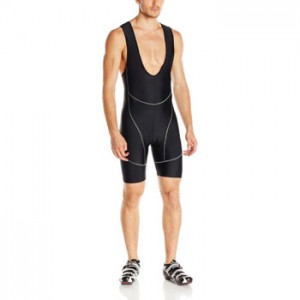
  1. Pearl Izumi – Ride Men’s Elite In-R-Cool Bib Shorts

Best cycling bib shorts

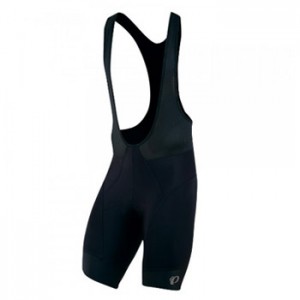
Our first pair of bib shorts is produced by Pearl Izumi, who regular readers will already recognize as one of the top producers of cycling apparel. Featuring a mesh bib that offers improved levels of support in addition to the special ELITE Transfer In-R-Cool fabric that allows for better cooling and protection from the sun, these bib shorts are a great choice for any cyclist.

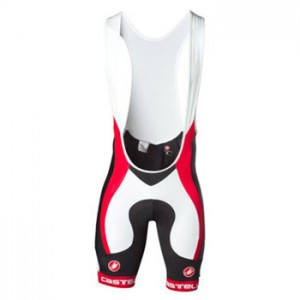
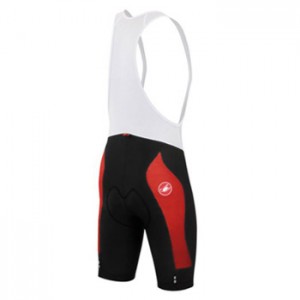
  1. Castelli 2015 Men’s Evoluzione Cycling Bib Short

10 Best Bib Shorts

With a smart design that juxtaposes white and black to great effect, these bib shorts are made to fit your form perfectly and are ideal for cycling in practically all conditions. Made using Lycra, they also feature mesh padding that allows your skin to breathe at all times.

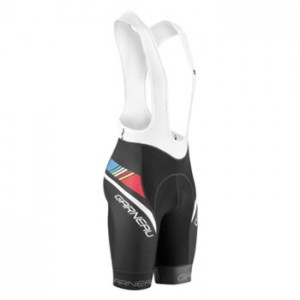
  1. Louis Garneau Signature Optimum Bib Shorts

10 Best Bib Shorts

Featuring anatomic panels that ensure the shorts provide support to every major area of your body, this pair of bib shorts is made using polyester and features a SilvercooL3 chamois, so you can protect yourself against chaffing and other skin irritants as well.

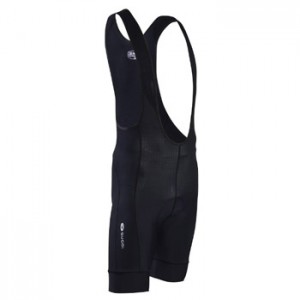
  1. Astek Premium High Top Shorts

10 Best Bib Shorts

These bib shorts feature silicone leg grippers, so you can be sure that they will stay in place no matter how rough the ride gets. They are also machine-washable and offer an increased level of support when compared to standard cycling shorts.

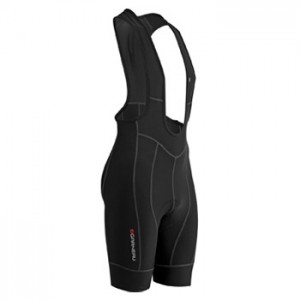
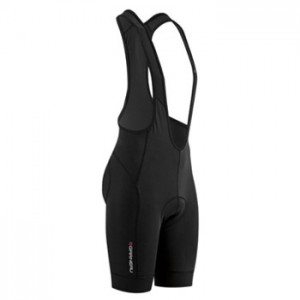
  1. Louis Garneau Fit Sensor 2 Bib Shorts

10 Best Bib Shorts

Featuring An AirZone chamois and made using Louis Garneau’s Fit Sensor technology, you will struggle to find a pair of shorts that fit your form as perfectly as these, allowing for an increased range of motion and perfect flexibility at all times.

  1. CastelliVelocissimoDue Bib Shorts

10 Best Bib Shorts

Built to suit the bodies of professional cyclists and those who want to race on a competitive level, these shorts are made using polyester and are recommended for use when road cycling. They also feature a snazzy design on the shorts themselves that is sure to catch the eye when you are leading the pack.

  1. CastelliVelocissimoDue Bib Shorts

10 Best Bib Shorts

Made using breathable fabrics that will keep you at the optimal temperature to pull out your best performance, these bib shorts are also designed to wick away pesky sweat and ensure you stay comfortable. The RC Pro chamois is also intended to ensure you stay comfortable in the saddle, no matter how long the ride.

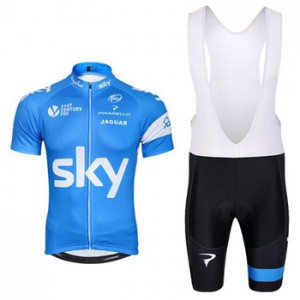
  1. Allnice® SKY Blue+ Stripe Team Cycling Shorts

10 Best Bib Shorts

Team Sky has managed to make quite the name for itself in the world of professional cycling in quite a short time, so it should come as no surprise that their branded shorts are amongst the best on the market today. Show your support for the team while also getting the best quality support for your body.

  1. Louis GarneauEquipe Motion Bib Shorts

10 Best Bib Shorts - 9-Louis-Garneau-Equipe-Moti

These stylish shorts are the perfect addition to your cycling wardrobe, offering you all of the support that you could want while also ensuring that all eyes stay on you when you’re riding. Breathable fabrics also ensure that you remain comfortable during the ride.

  1. Pearl Izumi – Ride Men’s Pro In-R-Cool Bib Shorts

10 Best Bib Shorts

Ideal for those who want all, of the major benefits of the Elite variant of these shorts, while spending a little less money in the bargain, this is the perfect piece of cycling gear for those who are just starting to really push themselves with their riding and need that added support.

The Ten Best Cycling Shops In America

September 8, 2015 by U.M.

The Ten Best Cycling Shops In America

We all have a favored cycling shop in our local area that we use to pick up the apparel and pieces of kit that we need to have a good time on our bikes. However, there are certain things that go into the truly great cycling shops that you aren’t always guaranteed to find.

Here we take a look at ten of the best cycling shops in the United States. Every single one of them is worth a visit should you ever happen to find yourself in the area for whatever reason.

  1. Mountain Bike Specialists – Durango, Colorado

If you’re riding in Colorado the odds are pretty high that you are going to end up mountain biking at some point or another. After all, the terrain is just too good to miss. This shop has been serving the community for more than 45 years and offers everything you need to stay safe on tougher trails.

  1. Fairwheel Bikes – Tucson, Arizona

On the surface this looks like any other bike shop, though armed with a top quality array of gear. Dig a little deeper though and you will find the internet department, which allows you to customize your road bike to whatever specifications you desire. This makes it a must for cyclists who want to personalize their rides.

  1. Old Spokes Home – Burlington, Vermont

Of all of the cycling shops on this list, this is the one to head to if you fancy something a little bit different. You won’t find all of the latest cycling gear here, but you get great service that is tailored to you and have the opportunity to see some classic bike designs in the process.

  1. Angry Catfish – Minneapolis, Minnesota

Some may decry this cycling shop as a little too much on the hipster side, but it features a stunning array of gorgeous bikes and is one of the most welcoming cycling shops around. You’ll find some really cool cycling gear here, plus you might learn a little something about the store’s own cycling team.

  1. Island Triathlon & Bike – Honolulu, Hawaii

If you ever have the opportunity to cycle in Hawaii then this is the shop that you need to visit. Featuring plenty of kit and an outstanding level of service, both visitors and locals adore this store, which also caters for group rides and offers cycling clinics for those who are interested.

  1. Vecchio’sBicicletteria – Boulder, Colorado

They may be one of the more exclusive cycling stores around, stocking only Moots, Waterford, and Gunnar bikes, but this is a high-end store that guarantees quality at every turn. There are also three in-house mechanics who are capable of resolving practically any mechanical issue you may have with your bike.

  1. Bicycle Habitat – New York, New York

This is a little bit of a low-key cycling store, but that doesn’t mean it should fall off your radar. It offers free “long-ride” clinics and maintains an extremely knowledgeable staff who will be able to help you out regardless of what you are looking for.

  1. Poison Spider – Moab, Utah

Don’t let yourself be put off by the name, this is one of the top cycling stores in Utah. You’ll be able to find all of the information that you need about the many cycling trails in the state, in addition to a superb rental feel if you are just visiting.

  1. Huckleberry Bicycles – San Francisco, California

A wonderfully warm atmosphere and sense of community spirit allows Huckleberry’s to stand out as one of the best cycling stores in America. They offer one of the friendliest services around, meaning you will always feel like your needs are being taken care of.

  1. Velo Cult – Portland, Oregon

Velo Cult is a relative newcomer on the extremely active Portland cycling scene, but it has quickly garnered a reputation due to the fact that it offers so much more than a regular shop. There is a stage for live bands and cyclists regularly converge on the store to talk shop and just hang out. You can easily spend the entire day here and not get bored.

« Previous Page
Next Page »
  • Facebook
  • Tumblr
  • Twitter

Latest Articles

JOIN Cycling: A New Training Platform for Cyclists

May 27, 2024 By Eric Lister

cold exposure

The Benefits of Cold Exposure for Cycling & Life

June 13, 2023 By Eric Lister

hill climb

The Ultimate Hill Climb Training Guide

May 31, 2023 By Eric Lister

shoulder pain cycling

How to Treat & Avoid Shoulder Pain While Cycling

April 12, 2023 By Eric Lister

psoas stretch

The Importance of the Psoas Stretch for Cyclists

April 6, 2023 By Eric Lister

cycling neck pain

The Ultimate Guide to Cycling Neck Pain: Causes and Solutions

March 21, 2023 By Eric Lister

Useful Info

  • Contact
  • Finally, A Global Cycling Club That Is Focused On Community And Love Of Cycling!
  • Privacy Policy
  • Share Your Story!
  • Terms And Conditions Of Use
  • Welcome to I Love Bicycling
  • What Happened When I Stretched Every Day For a Month

Recent Posts

  • JOIN Cycling: A New Training Platform for Cyclists
  • How to Hang Bikes in Your Garage: 4 Inexpensive Options
  • Gravel Bike Vs. Road Bike: Which One Is Better For You?
  • The 6 Types of Mountain Bikes & How to Choose the Best One for You
  • What Is a Touring Bike Good For? 5 Benefits We Know You’ll Love

Search I Love Bicycling

Connect with Us

  • Facebook
  • RSS
  • Tumblr
  • Twitter

Copyright © 2026 · Magazine Pro Theme on Genesis Framework · WordPress · Log in