• Training
    • Injury Prevention
    • Training Tips
  • How To
    • Bike Fit
    • Gear
  • Nutrition
    • Nutrition Tips
    • Weight Loss
  • Repair
  • Reviews
  • Stories
    • Funny Stories
    • Jokes
    • Quotes
    • Videos
    • Funny Videos

I Love Bicycling

I Love Bicycling is a website that is geared towards cycling for beginners with road cycling tips, training articles, nutrition tips, weight loss, how to’s and bike repair articles.

How To

  • Bike Fit
  • Gear

Waterproof Cycling Gear: The Best Gear for Rainy Rides

February 2, 2020 by Sarah Lauzé

As we slowly inch closer to spring, you may be itching to get back out on the road. This time of year weather is unpredictable, and when it rains it pours. One of the best things you can do to make your spring rides a success is to be prepared with the proper waterproof cycling gear. Having the right gear for rainy rides can actually make pedaling through the downpours a lot of fun.

One of the tough things about finding the right waterproof cycling gear is that it needs to keep you dry, but also breath enough to allow sweat vapor to escape so you’re not getting soaked from the inside out. Here are some of the necessities, from your head to your toes.

Things to Look for in Waterproof Cycling Gear

Look at the seams

Seams are the weak point in most garments, as the stitching holes in the fabric can let water in. Check to see if there is waterproof rubber backing to seal these holes, or if the seams are glued rather than stitched, eliminating the holes altogether. This will be the lightweight option, and more expensive, but may be worth it if you find yourself out in the rain a lot.

Water Proof vs Water Resistant

Water resistant clothing is a great option for light showers and to keep the chill at bay, but will not hold up in a full downpour. These are made from less advanced fabric with no waterproof membrane, making them the cheaper option (and more versatile).

Waterproof garments will  be cut from a fabric with multiple layers, including a waterproof membrane, and will have sealed seams and a waterproof zipper. These will keep your dry from the outside, but need to have proper ventilation to allow sweat to escape. Look for vents under the arms, in pockets or on the back. These will also be treated with a Durable Water Repellent (DWR) coating, which will cause the water to bead and roll off rather than soak into the fabric. This coating will degrade over time naturally, but you can always retreat it to renew it’s waterproof life.

The Best Waterproof Cycling Gear

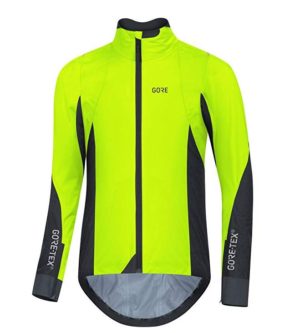
GORE WEAR Men’s  C5 GORE-TEX Jacket
$194

Perhaps the top of the line, GORE-Tex Active fabric is waterproof, windproof, and extremely breathable. This jacket will both keep you warm during breaks, and cool enough when you’re pushing up a climb. This jacket offers a tighter fit than most to keep the fabric close to the skin, and avoid any flapping when you’re on your bike.

Showers Pass Storm Pant
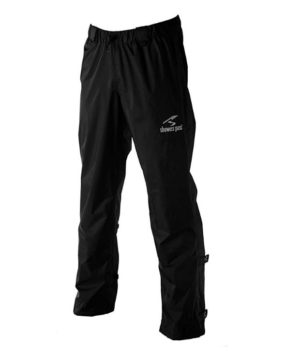
$65

Great for slipping on over shorts or bib tights, the Showers Pass Storm Pant is waterproof and rugged, made with a 3-layer waterproof breathable Artex material. A generous helping of reflective trim keeps you visible during low light hours. Ankle zippers help these rain pants slide on and off over shoes easily. Includes a mesh stuff sack for commuters looking for something easy to carry with them.

For more waterproof pant options, click here.

Fi’zi:k Shoe Cover
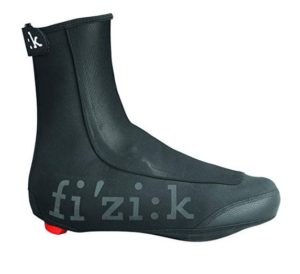
Fi’zi:k Shoe Covers  are designed in collaboration with professional cyclists and offer the highest performance in whatever conditions you find yourself in. Tackle the wet and cold without getting frozen toes and soggy feet! Whatever the weather, Fi’zi:k shoe covers provide you with professional grade coverage so you can focus on what really matters; performance.

Showers Pass Crosspoint Knit Gloves
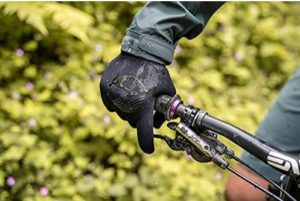
$45

Great for more than just cycling, these gloves are lightweight, breathable and waterproof. They’re made of 3 bonded layers: a wear resistant knit exterior that feels like a regular knit glove, a waterproof-breathable Artex membrane, and a Coolmax moisture-wicking antibacterial knit lining. Silicone print on the palm offers a better grip in wet conditions.
 

How To Make Your Bike Gravel Ready

January 29, 2020 by Josh Friedman

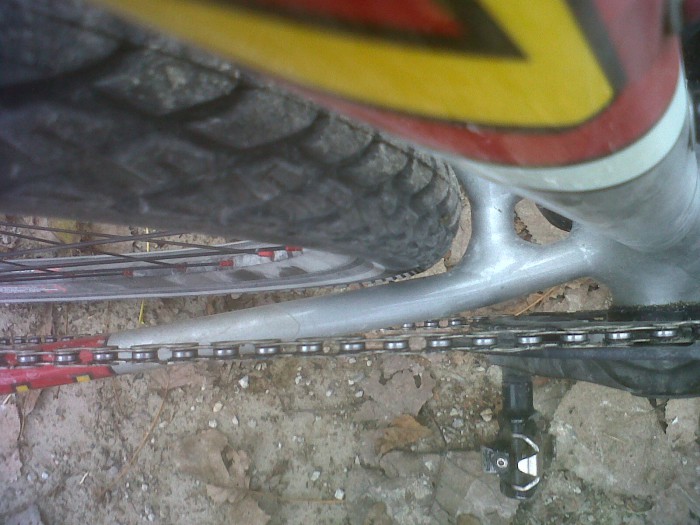
Gravel riding is exploding in popularity. Is your bike gravel ready so it will not explode when you hit the first section of dirt on the ride? Taking a few steps to prepare your bike appropriately for the conditions you face will keep you pedaling and not waiting for the broom wagon or calling home for a ride.

gravel riding

Dirt Roads

Dirt roads come in a variety of forms, from smooth, packed dirt to roads covered in loose baseball-sized rocks. Your approach will differ for each that you encounter, although you should prepare for the worst road you will see on the ride. If you have an overbuilt bike on smoother roads, you are sacrificing speed, and if you have an underbuilt bike on harsh roads, you sacrifice durability and maybe even your ability to ride the bike. Get it right and you will optimize your ride.

For each of these types of rides, double check that your bottle cages can handle the bumps and vibrations. What may work on asphalt may not work on a gravel road. There are a couple of tricks to adapting your current cages. One is putting grip tape on the surfaces that contact the bottle. It may mar your bottles, but it is better than being two hours from home with no bottles. The other is to girth hitch a wide rubber band or two on the front edge of the bottle cage. It could provide that extra friction your cage needs to do its job with an item you have lying around the house. If you have a metal cage, you can also bend in slightly to hold the bottle more secure.

Your bike should be in pristine working order before an adventurous gravel ride. Make sure the chain is lubed, the derailleur hanger is straight, the cables and bearings are clean and the tires are free from ruptures in the casing. These are easy maintenance tasks that, if you skip, will make a great day a miserable day.

Smooth to Medium Dirt

Despite what many people think, you can ride a road bike on smooth dirt roads. There is not much you need to do different to prepare your bike. The same rules apply to riding on the road – take good lines and stay out of potholes. Once it gets a little wet or the surface gets a little loose, drop your tire pressure a bit for better grip, but only if you are comfortable with avoiding said potholes or other debris on the road. Lower pressure will increase your likelihood of pinch flats.

Medium Dirt to Rough

This is where you need to start adjusting your equipment. Ideally you switch to a cyclocross bike with thirty-two or thirty-three millimeter tires that have less aggressive tread, maybe a file tread, unless you foresee loose dirt and gravel, and you could use all arounders. Mud tires will have too much rolling resistance. To have less rolling resistance, pump your tires higher than you would if it was a regular cyclocross ride. It will also help resist pinch flats. You will ride at a bit higher speed on a road like this than a standard cyclocross ride with fewer hazards, although the hazards may be more dramatic – a loose rock or deep pothole.

The Roughest

The roughest roads require the most volume in your tires. If your cyclocross bike can handle it, get forty millimeter tires. Again, the tread does not need to be super aggressive, but file treads probably are not ideal here. If your cyclocross bike is not up to forty millimeter tires, riding a mountain bike with less aggressive tires is a fine choice. There have been plenty of winners of gnarly gravel races that have used mountain bikes. Another benefit of a mountain bike is suspension. While your legs and arms are the best suspension tools you have, a little help is nice. There are a few gravel or cyclocross bikes with light suspension to take the edge off; this is an ideal application for such a bike.

Additional Considerations

Tubeless tires excel in the aforementioned conditions. There is a far lower risk of pinch flatting, and if you do flat, you can repair the flat with a tube. And depending on the conditions you may come across and duration of your ride, you may want to carry a spare tire too. You definitely want to carry a multi-tool that can fit all of the bolts and screws on your bike, two tubes, a patch kit, a few dollar bills to boot a tire and a real pump (not just CO2). It sounds like a lot, but a reasonable seat pack should fit it all, except for the pump, which should go somewhere on your frame. You want patches and a real pump so you can handle more flats than your two spare tubes can repair.

Get Gravel Ready

You can be gravel ready with most of the equipment you already have. A few tweaks to your setup can make gravel riding a more enjoyable and successful experience. Go get dirty! And if you’re looking for other tips on gravel riding, check out another one of our gravel articles: “Everything You Need To Know When Riding Gravel.”


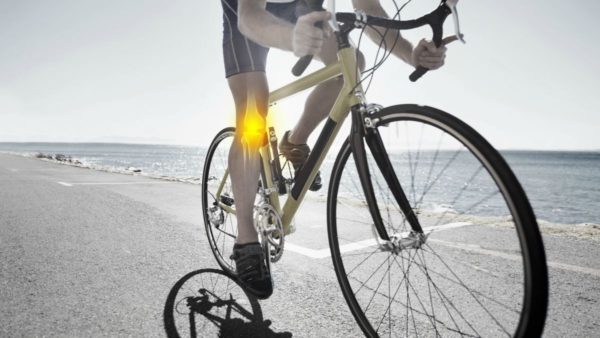
The Types of Knee Pain from Cycling

January 22, 2020 by Sarah Lauzé

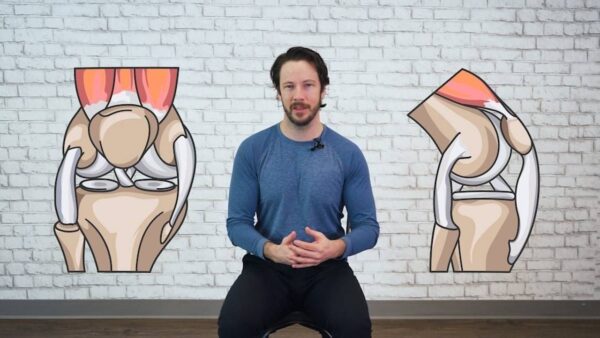
The knee is one of the most complex joints in the body, so it makes sense that it is often the first place we experience pain. Although it’s not a muscle, stretches for cyclists are key to ensuring everything connected to the knee remains flexible and in place.

Many cyclists think knee pain means taking time away from the bike and resting up, but that’s not necessarily true. It could be caused by something as simple as a saddle adjustment or new cleats. So, if you’re experiencing knee pain, figure out what it may be stemming from and adjust your training accordingly.

The Types of Knee Pain from Cycling

Main Types of Knee Pain

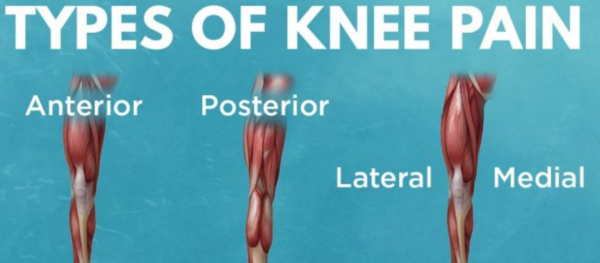
Knee pain can show up in a variety of forms and for different reasons. These are some of the main types and common causes:

1. Anterior Knee Pain

Anterior knee pain is at the front of the knee, on and around the kneecap (patella). It is most commonly caused by overuse. The quads are attached to the shin via the kneecap so each time you pedal, forces are transmitted across the joint, essentially squishing it against the thigh bone. The part of the tendon attached to the kneecap can become inflamed and sore to the touch. Often referred to as ‘runner’s knee,’ it can happen to cyclists as well.

2. Posterior Knee Pain

The fair less common posterior knee pain shows up behind the knee and is usually a more simple diagnosis. Overextending the knee, with a saddle that is too high or too far back, causes posterior knee pain in most cases, so make sure your saddle is the proper height and adjustment for you.

3. Medial & Lateral Knee Pain

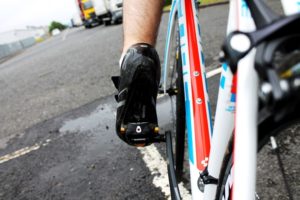
Pain located at the sides of knee in the collateral ligaments is most commonly caused by the feet. In cycling, this would come down to your cycling shoes or the position of the cleat. How far apart your feet are positioned can stress one of the collaterals, causing medial or lateral knee pain during or after a ride.

4. Iliotibial Band (IT Band) Syndrome

The IT band, running along the outside of the thigh from the pelvis to just below the knee, is a thick strap of tissue that can often become tight or inflamed. This is usually caused by over use, weakness of the gluteus medius muscle, or cleat placement. If the IT band has become inflamed, then rest and ice are in order. If it is tight and sore, then regular stretching and rolling will be your best course of action.

The Types of Knee Pain from Cycling

What can cause knee pain?

Although cycling is a low impact sport, too much of anything can lead to stress and strain on the body. Pedalling is a repetitive motion with the constant bending and extending motions flexing the knees and hips. Naturally, with overuse these are the most common sites of chronic-use injury.

Too much too soon

The number one cause of knee pain with cyclists is going too hard or far too soon. It is great to challenge yourself, but going further than your ligaments and muscles can handle will only hinder you progress. Endurance is something that is built up over time, conditioning your muscles over miles and hours. Ligaments take even longer to develop than muscles, with issues often arising from tightness or inflamation.

Improper bike fitThe Types of Knee Pain from Cycling

The little adjustments you can make to your bike can make all the difference when it comes to addressing or avoiding knee pain. The height and position of your saddle and the placement of cleats on the bottoms of your cycling shoes can cause or help avoid knee pain, depending on how well they are adjusted for you.

Not Enough Stretching and Rolling

Flexibility or lack of, is a cyclists nemesis. Eventually if you do not stretch or roll your muscles will tighten so much that you will have difficulty walking never mind riding. Make sure to do stretches that especially focus on the muscles surrounding the knee.

Knee pain can be disheartening when it comes to cycling, but most cases are not cause to give up on your training. However, if pain persists despite proper rest, stretching, or bike adjustments, then it may be a good idea to see a physiotherapist to see if there is an underlying issue that needs to be addressed.

Knee Rehab Program for Cyclists

Looking for a program that will help you address the muscle imbalance that is likely causing your knee pain? Dynamic Cyclist is an online training platform designed to help cyclists become stronger and faster while riding pain free for years to come. Complete your regimen with an all-inclusive program that addresses mobility, flexibility, strength and injury prevention, all for a fraction of the cost of one physiotherapy appointment. Try out their 6 Week Functional Rehab Program and experience the results for yourself. Click here to try 7 days free!

Buying a Used Bike? How to Know if a Bike was Stolen

January 21, 2020 by Sarah Lauzé

Buying a second hand bike can be a great option for a lot of people, but you want to make sure you aren’t buying a stolen bike unaware. Having your bike stolen is an awful experience, and by buying a bike no questions asked, you could be encouraging the behaviour just because it’s a good deal.

There are some red flags that you should look for when buying a second hand bike, and also some great ways for you to try to reunite the bike with its original owner if you think it is stolen.

Is the price too good to be true?

If the bike is stolen, a lot of times the thief is looking for a quick sell to get it out of their hands. If you don’t know a lot about bikes yourself, do some research on the make and model of the bike and what similar second hand bikes are selling for in your area. If this one is way below the average asking price, then there might be something going on.

Are there photos of the bike itself?

How to know if a bike is stolen

Sometimes sellers can be a bit lazy, and stock photos may be used in an online ad, but in a lot of cases this can be a way to avoid the bike being recognized. If there are only stock photos within the ad, email the seller and ask to see some photos of the bike.

Is the ad lacking detail?

This can go for both the ad and seller themselves. If things are kept overly vague, this is a red flag. Often when someone has their bike stolen, they will be looking online for it to show up for sale, so many thieves will keep the ad as broad as possible. The make and model of the bike should be included in the ad, and the seller should at least have an email or phone number listed.

Check the serial number

How to know if a bike is stolen
Places to look for the serial number.

If the seller won’t give you the bike’s serial number, walk away. The serial number can be checked within databases like Bike Index or Bike Register, so if the bike has been registered as stolen you can then take steps to involve the police. If the serial number has been filed off or covered in any way, this is also a sure sign that the bike was stolen.

Ask questions

You can never ask too many questions, and not just to check if the bike was stolen. Ask about any maintenance or work done on the bike over the past few years, and ask for the reason behind any mismatched parts. Is this a bike that would even fit the seller? Where is their favourite area to ride? If they don’t know much about the bike, or cycling in general, then that could be another red flag.

When it comes to taking a look at and even buying the bike, always pick a public place to meet and take someone with you. Don’t pay cash, but instead pay through something that can be traced like Paypal or an e-transfer, and get the seller’s name and phone number.

Buying a second hand bike is a great option, but you don’t want to buy a bike, only to realize it was stolen and be left with an empty wallet and no bike. So, do your homework ahead of time, and ask questions before even meeting up to look over the bike. Investing in insurance for your bike could also be a good idea.

If you do suspect a bike is stolen, contact your local authorities immediately!

7 Of The World’s Toughest Bike Races

January 16, 2020 by Sarah Lauzé

When you think of some of the toughest cycling races in the world, the Tour de France usually comes in near the top of the list. It goes without saying that it’s not easy, but it’s hard to measure one race more or less difficult than the other. It’s part of human nature to push the limits of our bodies. To strive for the next goal that may seem impossible in the beginning, but becomes achievable with the right amount of discipline and training. Although most of us will never tackle the Tour de France, there are a ton of other races and events out there to that could be added to your cycling bucket list (but maybe not these ones). Here are 7 of the world’s toughest bike races.

The World’s Toughest Bike Races

La Ruta de los Conquistadores – Costa Rica

Toughest Bike Races

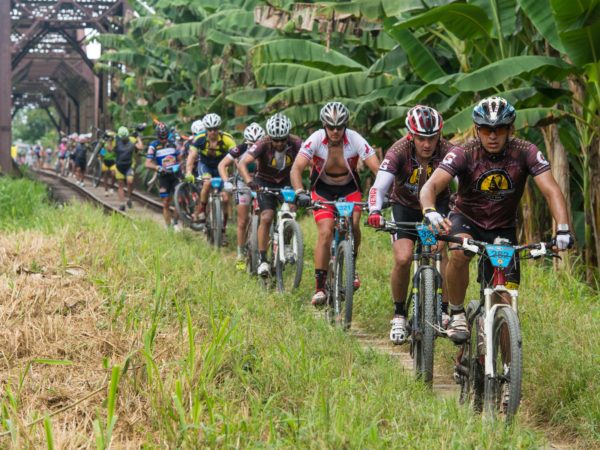
Starting out with one the most feared races, the La Ruta is only for the world’s best endurance riders. It’s reputation is well warranted, as the course traverses the American land mass from Pacific to Atlantic. There’s over 29,000 feet of climbing over five mountain ranges including a 12,000 foot volcano. If that’s not enough to have you shaking your head, try riding through dense jungle, rainforests and rivers. It’s three days of hell on a mountain bike, and only the best finish it.

The Trans Pyr – Spain

Another one for the mountain bikers, the Trans Pyr inflicts a whole lot of pain over the eight day race. Starting out on the shore of the Mediterranean Sea, it sends riders over 509 miles on rugged paths through the Pyrenees. There’s over 66,601 feet of climbing (let that number sink in), with participants spending between 45 – 90 hours in the saddle.

Race Across America – United States

A race longer than the Tour de France, this gruelling test of endurance sends individuals and teams over 3,000 miles from California to Maryland. With no sleep requirements, some of the top individual riders will average just a couple hours a day–spending the rest of the time in the saddle or desperately trying to intake enough calories to keep their bodies going. Both teams and solo riders are given up to 12 days to complete the distance.

The Tour de France

Picture by Alex Broadway/ASO/SWpix.com – Cycling – 2017 Tour de France


There can’t be a list of the toughest races without the Tour de France simply due to its incredible speed. Riders must maintain an average daily speed of 25 miles/hour if they are to simply complete the race, let alone compete. That speed has to be maintained every day for 21 days and more than 2,100 miles. The intensity is grueling and puts the body on the edge of the lactate threshold. The last rider must finish within a certain percentage of the winner’s time or else they are not allowed to continue.

The Tour Divide – Canada / US

The grand tour of mountain biking, the Tour Divide is a completely self supported race across the country from Banff, Canada, to Antelope Wells, New Mexico. There is no entry fee and no medals, but if you finish you’ll be in the record books and will have the experience of a lifetime! The route is the forgotten passes of the Continental Divide, climbing over 200,000ft over extreme mountainous terrain.

The Iditarod Invitational

It’s not the longest, nor does it have the most elevation, but as far as races go this is one of the toughest. Riding over 1,110 miles from Anchorage, Alaska to Nome in the dead of winter is not for the faint of heart. In fact, most participants do not finish with extreme weather conditions and no set course. Racers are given the freedom to make their way on bike, ski, or foot, with an average speed being just over 3mph. This one is not for everyone, and can become dangerous if participates are unprepared for the freezing temperatures and bleak landscape.

The Death Ride – US

The Death Ride (aka The Tour of the California Alps) is 129 miles all wrapped up into one gruelling day. Riders navigate five mountain passes, 15,000 ft of total elevation and get to take in some stunning views–that is if they can see through the pain.

What are Bike Gear Ratios?

January 14, 2020 by Sarah Lauzé

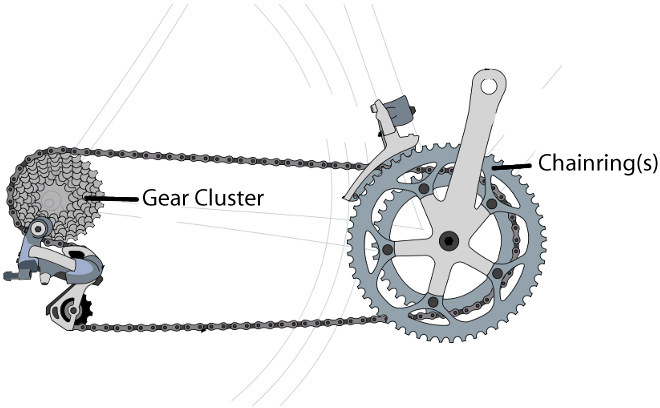
Over the years, the number of gears on bikes has steadily increased. Today’s normal, generally speaking, is 22 gears through two chainrings and 11 sprockets. However, not only has the number of gears increased, but also the range of sizes for the chainrings and sprockets. Yes, this has allowed riders to fine-tune the gearing on their bike, but bike gear ratios can also be really confusing.

First, you need to understand that the size of chainrings and sprockets define the gearing on a bike. You can determine the size by the number of teeth (T) involved, but more important is the ratio. The ratio speaks to the way that the sprockets multiply the effort made with the chainring.

The Basics

Bicycle gears began with the introduction of the train drive, making the bicycle a lot more efficient. Historically, bikes were fixed gear, meaning one revolution of the pedals was equal to one revolution of the back wheel, for a 1:1 ratio. With a train drive, however, a single turn of the chainring can produce multiple revolutions of the rear sprocket and wheel.

Example: A 39T chainring is paired with a 12T cog, giving us a ratio of 39:12 or 3.25. So, one complete rotation of the crank will make the rear wheel rotate 3.25 times.

Do bike gear ratios matter?What are Bike Gear Ratios?

In short, yes. If your gears are too easy, you’ll get dropped on those flats as you spin out. On the other hand, if they’re too high you’re not going to be able to maintain an efficient cadence on steep climbs. Having the correct gears for you can impact the following:

  • Power Output – Your power output, measured in watts, is the most important factor in determining your speed. Bicycle gearing presents resistance, allowing you to transfer this power (through torque and cadence) from your legs into forward movement. Your gears should allow you to get the most from your power, which is varies from rider to rider.
  • Cadence – Cadence is the amount of times your foot completes a full pedal stroke in one minute (also known as rpm). First, you need to know what your preferred cadence range is. Do you like to spin in an easier gear, or push at a lower cadence but higher gear?

What are the choices?

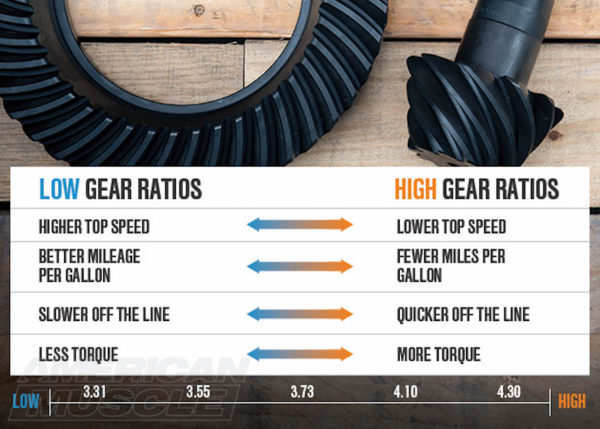
As mentioned previously, gear ratios are determined at the crankset and the cassette. Essentially the lower the number of teeth on the chainrings results in an easier gear, and the lower the number of teeth on the cassette creates more resistance (harder gear).

Cranksets

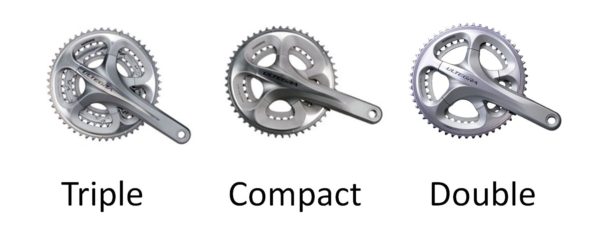
Cranksets set the tone for bike gear ratios on your bicycle. In general, there are three size options that will dictate your gearing and also set your bike up for its intended use.

  • Standard (Double)- A standard crankset has a one hundred thirty millimeter bolt circle diameter (or BCD, Campagnolo cranks have a one hundred thirty five millimeter BCD). Almost always, the chainrings on standard cranks are 53 teeth and 39 teeth. Today it is still the choice for most cyclists, unless you will be tackling the steepest and longest of climbs consistently in your rides.
  • Compact – Compact cranksets allow a wider range of gearing options with their 110 millimeter BCD. Most often they will come with a 50 and 34 tooth pair of chainrings, but increasingly you will find 52 tooth and 36 tooth pairings. The former is a great all-around combination, especially if you are tackling significant climbs. The latter gives an easier gear for climbing and still has a big enough chainring to not lose very much top-end speed when compared to a standard crankset on the downhills and flat.
  • Triple – Until compact cranksets came out, triples were the only way to get a bike dedicated to climbing. The third chainring makes for a slightly heavier and more complicated shifting system. Today you will almost exclusively find them on touring bikes and mountain bikes.

Cassettes

What are Bike Gear Ratios?

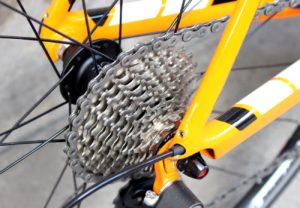
Your cassette will fine tune the gearing of your crankset. The flatter your riding, the closer your gearing should be on your cassette. You will encounter fewer difficulties on your daily rides. With eleven speed cassettes, you could get an 11/25 (referring to the smallest and largest cogs) cassette and never be overgeared and never have more than a two tooth gap between cogs.

The biggest cog on a cassette you can use with a short cage rear derailleur is 28 tooth. Paired with a compact crankset, it is sufficient to ascend all but the longest and steepest climbs. If you need lower gearing, you can get a medium or long cage derailleur and get up to a 36 tooth cog. Note that you may have large gaps between cogs, although that is offset by your ability to get over serious difficulties with relative comfort.

With cassettes less than 11 speeds, you will not have all of the potential options available to you, but you can still find a cassette that will suit your needs. Large cogs are still available and so are cassettes with small gaps between cogs. The small sacrifice you make is not having both large cogs and smaller gaps.

What are Bike Gear Ratios?

At the end of the day, you want to find the right gear setup so that you can forget about gears altogether and enjoy the ride! Click here for more information and charts to help you find the right gear ratio.

A Beginner’s Guide to Bikepacking Bags

January 3, 2020 by Sarah Lauzé

With the rise of mountain biking and the increasing popularity of long distance off-road riding, bikepacking has emerged as an alternative to traditional bike touring. As a compact and light way to carry all the necessities on the trail, there are a variety of bag combinations that can make up your perfect off-road bikepacking system.

Bike touring vs. Bikepacking

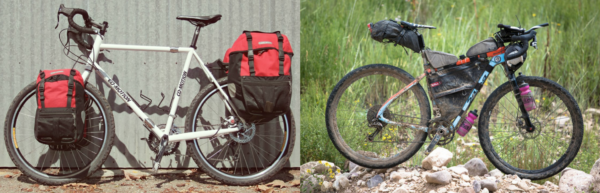
Generally speaking, bike touring refers to the traditional rack and pannier set up on a touring specific bike, most suited for smooth roads (see below). Bikepacking is a more universal gear setup that can fit onto almost any bike, whether full suspension, carbon, or fatbike.

With the compact nature of bikepacking comes very limited space. You will have to be more intentional with what you take with you, and every little thing should be absolutely necessary. That being said, with off road abilities comes endless opportunities for adventures, and if you haven’t tried bikepacking yet, you may want to add a trip to your bucket list.

Left: Touring setup, Right: Bikepacking setup

Types of bikepacking bags

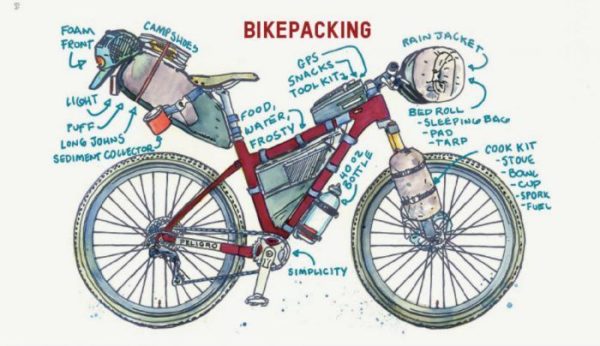
As almost any bike can be your vehicle for a bikepacking trip, your selection of gear will vary. You can chose to get custom fit bags specific for your bike, or do some bike measurements and go with a universal kit that will fit your frame. A bikepacking ‘kit’ will include the following:

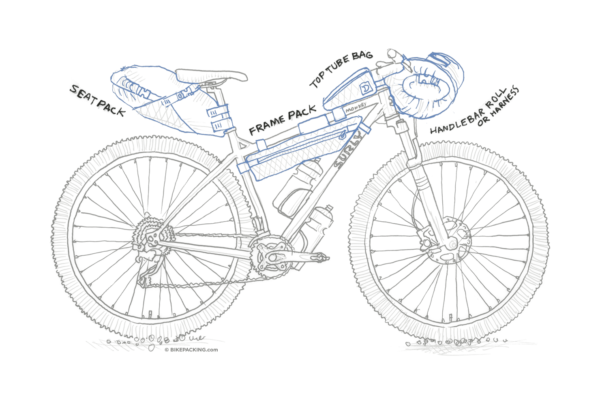
Frame Pack

A frame pack fits within the ‘triangle’ of the bike (formed by the top tube, seat tube and downtube). As this is within the center of the bike, it’s great for storing heavier items like water, cooking gear and food. You may also want to include spare tubes and any tools in the frame pack.

Handlebar Roll or Harness

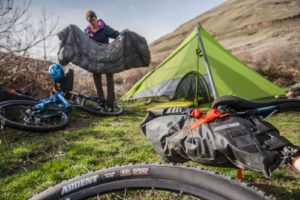
Taking the shape of either a roll or a harness, the handlebar pack should be kept relatively light so it doesn’t throw off your steering abilities. The roll works well to hold a small tent or sleeping mat.

Seat pack

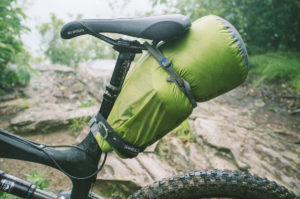
The seat pack may look a little strange at first as it goes directly under/beneath the seat of your bike. However, this design is wind resistant, doesn’t flap around, and doesn’t get in the way of your legs when you have to walk your bike (unlike a pannier). Depending on the size, this is where you want to store the majority of your overnight gear.

Accessory bags

The main bags can be awkward to get in and out of while you’re riding, which is what the accessory bag is for. Perfect for holding small snacks and your cell phone, there are both stem and top tube options for an accessory bag.

Backpack

A small backpack may be unavoidable, and is perfect for your spare layers of clothes. It makes for easy access should the weather take a turn for the worse.

Beginner – Getting into it

Budget: $250

If you’re just dipping your toe into the world of bikepacking, there’s no reason to go out and spent hundreds of dollars on bags that you may use once or twice and then stuff into your overflowing storage unit. Chances are, you already have most of what it takes to get out there for a night or two.

Head out for an overnight ride with a backcountry campground or shelter halfway. Try your first trip during the summer months so you don’t have to be as worried about bringing enough gear to stay warm in low temperatures.

What you’ll need:

Dry bags – Dry bags of various sizes can be strapped or clipped onto your bike around the seatpost and saddle rails to make a “seat pack.”

Day pack – Most likely you already have a day pack you can use. This is perfect for carrying your clothes and light snacks.

DIY Handlebar Roll – A large drybag with your tent and sleeping bag can be strapped to your handlebars with Voile Straps. If you don’t mind buying one item to make this easier, check out the Revelate Sweetroll which is basically a glorified dry bag with stackable spacers that provide room for cable and lever interference.

Water bottle Cages – In addition to your regular water bottle cage, you can use electrical tape to attach a cage to the underside of the downtube on your bike or to either side of your forks.

Intermediate – Weekend warrior

Budget: $400

Once you’ve gone on a couple overnights, and no doubt have become addicted to the freedom of it, then it may be time to take your gear up to the next level with you. Depending on the types of trips you’ll want to be heading out on, there’s still no need to break the bank. You can start building up your kit to where you want it to be, but there’s you don’t have to do it all at once.

What you’ll need:

Seat Pack ($130-$200) – This will most likely be the most expensive of the bags, but it’s worth getting a quality seat pack that will last out on your adventures. The Apidura Saddle Pack is a great option, made from highly durable and waterproof dimension polyant. There are three sizes available, from a commuter to a long haul bikepacking size.

Frame Bag ($90-$100) – There are a lot of options out there that are ‘universal’ frame bags, in that they will fit on most bikes. Of course, you are not making the most of the space within your frame, as it likely won’t be an exact fit, but they work well and are a lot cheaper than custom fit bags. You’ll have to choose between a half frame pack (uses the front or top of the triangle and leave room for water bottle carriers) or a full frame pack (utilizes the entire space within the triangle). The Revelate Tangle is a great half frame option.

Handlebar Harness / Roll ($120-$150) – As the perfect spot for your tent, poles, and other bigger items, the handlebar harness is one of the most important aspects of your intermediate kit. As mentioned above, the Rock Bros Handlebar Bag comes in three versatile sizes, and is one of the better options out there.

Pro – Life on the bike

Budget: $700+

If you’re hitting the trails and have no intention of quitting anytime soon, then it is worth investing in top of the line gear that will have your back day-in and day-out. Many manufacturers offer custom made bags to ensure the perfect fit and features for you and your bike, especially for the frame bag.

Some of the best custom bikepacking bag outfitters are Bedrock Bags (USA), Crater Packs (USA), Old Bag Cycling (Aus), and Porcelain Rocket (Can).

A pro kit will include the following:

  • Seat Pack
  • Handlebar Roll
  • Frame Pack
  • Top Tube Pack
  • Stem Bag (right and left)

Your Bike Tune-Up Checklist

January 2, 2020 by Sarah Lauzé

You may not get rusty after not riding for a while, but your bike just might. Doing a regular bike tune-up is what will keep you cruising safely and comfortably, and will make your bike last for the long haul. Routine bike maintenance isn’t complicated, but it can take some dedication. When you’re headed out for a long ride, or are just pulling your bike out of storage, you may want to just hop on and go, but it’s better if you establish a pre and post ride routine that includes a little bit of TLC.

It’s recommended that you get a bike tune-up every 2000 miles, but it’s great to make a habit of checking things off this list.

Bike Tune-Up Checklist

Make Sure It’s Clean

You should always put your bike away clean, but if you happened to stash it away before giving it a good wipe down, take the time to clean it now. Use some degreaser to clean off the chain, chainrings, derailleur and cassette. Then use a wet rag to to give the whole frame a wipe down.

Check Your Brakes

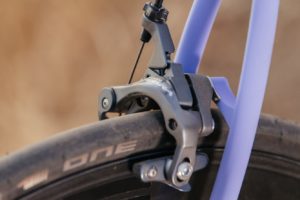
Next you’ll want to check your brakes. First, look at the pads and check for signs of wear and tear. If you can see lines or metal poking through the brake pads, then it’s time to replace them. Adjust them so they are hitting the rim properly, and make sure the lever pull isn’t too loose or too tight. If you find they are grinding after being adjusted, you may need to sand them down or check your rims for imperfections. Take a look at your brake cable for wear, looking out for and loose strands or rust.

Check Your Seat

Check that your seat is firmly in place and hasn’t wiggled loose over the miles.

Tire Pressure

This may be a temping one to skip, but you should always check your tire pressure before heading out on a ride. To do this, use a gauge and match the psi to the numbers printed on the side of the tire (most will be around 120 psi).

Check Your Chain

Chains travel countless times over sharp gears, often under a heavy load. They wear out and stretch over time because of dirt, gunk and attrition. A little bit of chain stretch over time is ok and will always occur. The problem becomes when it stretches too far and the teeth on the cassette begin to wear out as well. Before long you will not only have to replace the chain but the cassette as well.

You’ll want to replace your chain every 1,000 – 2,000 miles, once a year, or whenever the chain is starting to show signs of wear.

Lube It Up

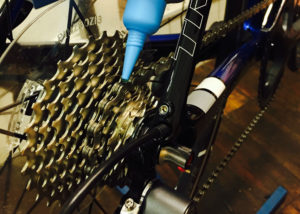
Make sure your bike is lubricated properly as it protects moving parts from excessive wear and tear (choose an appropriate lube for the riding conditions you’re in). On the other hand, make sure not to go nuts as too much lubrication will attract dirt and cause just as much damage. Allow the lube to soak in and then wipe any excess off with a clean rag.

Most importantly you want to lube the chain, but also all the other moving parts including brake and derailleur levers, and cables. You’ll also want to grease any threaded bolts such as the stem, derailleurs, and pedals. If you have any bearings apart, make they are all well greased.

Inspect Your Bike

Inspect the frame for cracks or serious dents that are more than just cosmetic. Specific areas to look at are the joints particularly around the head tube and bottom bracket. If there are any cracks, even if it looks like it’s just paint, take the bike to your local bike shop to be looked at by an expert.

Top 10 Gifts for Cyclists

December 20, 2019 by Sarah Lauzé

In a lot of ways, having an avid cyclist in your life actually makes gift buying easier. There is always a new gadget or a go-to staple that they’ll appreciate receiving. Plus, the right amount of anything within the cycling world n+1, with ‘n’ being their current number. Here are some of the best gifts for cyclists.

Top 10 Gifts for Cyclists

Bar Tape

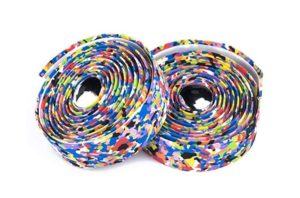
Most cyclist’s go far too long between changing out their bar tape, so take this opportunity to subtly remind them that it is eventually meant to be changed out! You can go with the classic white, a color that matches their bike, or a fun pattern to add some life to their bike.

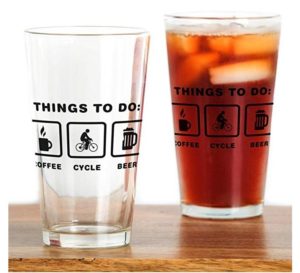
Pint Glasses

Everyone knows cycling and beer go hand in hand, so why not make sure their cupboard is stocked with some cycling specific pint glasses to use for beer (or water) after a long ride.

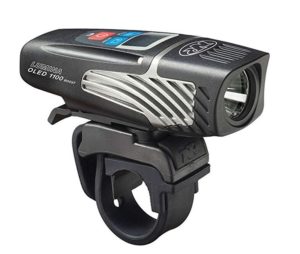
Lights

For the commuters and night riders on your list, cycling lights can be a great stocking stuffer. Check out the The NiteRider Lumina 1100 Boost. It is an innovative bike light that removes the guesswork related to battery life with a digital display screen delivering precise battery run times as a percentage and actual time. The NiteRider produced a generous long-distance spot and wide flood beam pattern, making night riding both safe and a ton of fun.

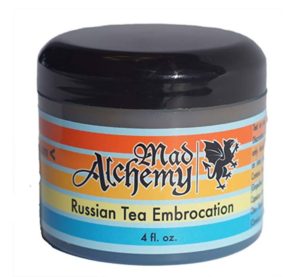
Muscle Rub

Have a cyclist who love races and pushing themselves just a little too hard? Grab them some spicy embro from Mad Alchemy and cross them off your list. This stuff is perfect for sore muscles, or even for race day morning as a means of relaxing the muscles and calming the mind. As a medium rub, the warming sensation is just enough to add a little heat without searing your skin off.

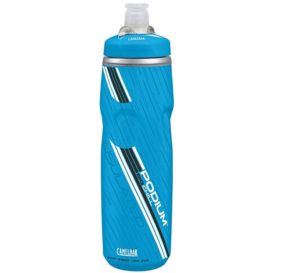
Waterbottle 

You can never have enough water bottles. Between losing them and your kids stealing them, they’re just one of those things that is always needed. Camelbak water bottles are particularly great as they won’t leak and make it east to squirt water into your mouth while your on the bike.

Foam Roller

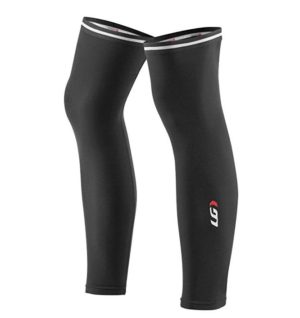
Arm & Leg Warmers

Cold knees suck, so why not grab a pair of leg warmers for some wind blocking warmth. Arm warmers can also come in handy for those rides that are just a little too cold.

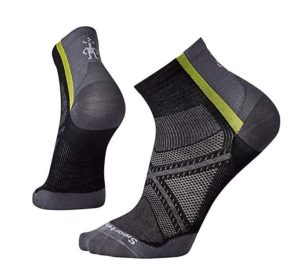
Cycling Socks

You can never have too many pairs of cycling socks! Socks shouldn’t be something you really think about, unless you have a bad pair. So, grab some merino wool socks that wick away moisture and regulate body temperature. These will also last forever with their indestructawool technology used to enhance durability ride after ride.

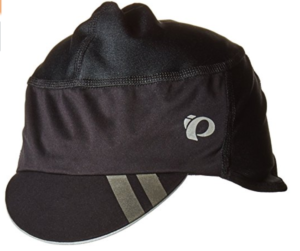
Cycling Cap

A callback to times passed, cycling caps can be great to either wear under your helmet, or to whip out at a coffee shop to hide a bad case of helmet hair. Made from lightweight polyester, this cap is a great form of wind protection and water resistance. Fitting easily under your helmet, it even has a low profile ponytail port for those with long hair.

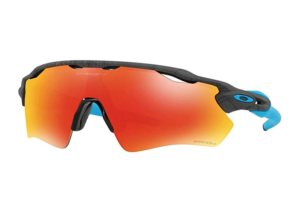
Sunglasses

Sunglasses are another one of those things you can never have enough of. Oakley’s original Radar eyewear combined everything they learned from decades of research with the world’s best athletes, and came out with the Oakley Radar EV. These have taller lenses, extending vision, and PRIZM Road lenses. A step beyond polarized lenses, this technology enhances contract like never before. With a lightweight design and replaceable nosepiece, you won’t even feel like you’re wearing them.

Garmin Edge 530

For the cyclist on your list that is just starting out, the Garmin Edge 530 is the perfect gift. Other bike computers may have more bells and whistles, but this model is longstanding for a reason. The previous Edge 520 led the way with new performance and power analysis, including Time in Zone, FTP tracking, cycling specific VO2 and recovery dynamics.

Set Goals, Not Resolutions

December 12, 2019 by Sarah Lauzé

The end of the year is a time to reflect on the past year, take stock of accomplishments and look forward to those things not accomplished. If you find yourself making the same resolutions year after year, then it may be time to try something a little different. Setting goals rather than broad resolutions can be a great way to attach action steps to some of those bigger goals.

Set Goals, Not Resolutions

So, what is the difference between a goal and a resolution? Resolutions are often too general: “I want to save money / lose weight / be a better person.” They may be great for a general redirection of current patterns, but they are difficult to attain or measure progress. Setting many small goals is a great way to work up to those bigger, over arching goals, and the best plan of attack is to create a new cycle of habits.

Let’s talk about habits.

Before you can go about changing bad habits to good, you have to understand the science behind it, and what’s going on in your brain.

The Trigger: This is a cue in your internal or external environment that triggers you to take some action.

The Action: Good or bad, this is the part of the habit loop where you actually take action on the habit you want to adopt or drop.

The Reward: This is the part where your brain receives the reward for taking the the desired action.

The habit-making part of our brain is the same part that plays a role in memories, pattern recognition, and emotions. Over time, the decision-making part of the brain (the prefrontal cortex) goes into sleep mode completely and behavior becomes automatic. In most cases this is a good thing as it allows you to do something like drive a car while also having a conversation or listening to the radio.

Creating New Habits

Now, how do you go about creating new habits? Take a look at that habit loop. If you create a habit loop and practice it with intention for one month, then there’s a good chance it’s going to stick. For example, if you want to try set up a daily habit, find a trigger that is consistent in your day and attach it to that thing.

Every habit you have, both good and bad, is the result of a series of small decisions. Big goals are great, but we can’t forget the thousands of little choices that will get us there. In a world of quick transformations and instant gratification, it’s easy to forget about the hard work that goes into anything that’s worth achieving. Consistency and discipline will win over short-lived spurts every time.

It’s human nature to crave that end result, but overnight success doesn’t last. Creating habits takes time, and discipline. It’s hard work, which is why so many resolutions go untouched year after year. 

Setting Goals – and Achieving Them

What do you want from yourself this year? Make a list of things, both large and small, that you want to achieve. Then go through and get specific. If you want to ride more, great, now define what that looks like. Be realistic and honest with yourself, and only plan for what you know you can logistically fit into your life and schedule. Set those smaller goals, then create a habit cycle to achieve them. If you tackle this year with a game plan, then there really is no limit to what you can achieve!

Let us know some of your goals for this year! Email us at admin@ilovebicycling.com.

« Previous Page
Next Page »
  • Facebook
  • Tumblr
  • Twitter

Latest Articles

JOIN Cycling: A New Training Platform for Cyclists

May 27, 2024 By Eric Lister

cold exposure

The Benefits of Cold Exposure for Cycling & Life

June 13, 2023 By Eric Lister

hill climb

The Ultimate Hill Climb Training Guide

May 31, 2023 By Eric Lister

shoulder pain cycling

How to Treat & Avoid Shoulder Pain While Cycling

April 12, 2023 By Eric Lister

psoas stretch

The Importance of the Psoas Stretch for Cyclists

April 6, 2023 By Eric Lister

cycling neck pain

The Ultimate Guide to Cycling Neck Pain: Causes and Solutions

March 21, 2023 By Eric Lister

Useful Info

  • Contact
  • Finally, A Global Cycling Club That Is Focused On Community And Love Of Cycling!
  • Privacy Policy
  • Share Your Story!
  • Terms And Conditions Of Use
  • Welcome to I Love Bicycling
  • What Happened When I Stretched Every Day For a Month

Recent Posts

  • JOIN Cycling: A New Training Platform for Cyclists
  • How to Hang Bikes in Your Garage: 4 Inexpensive Options
  • Gravel Bike Vs. Road Bike: Which One Is Better For You?
  • The 6 Types of Mountain Bikes & How to Choose the Best One for You
  • What Is a Touring Bike Good For? 5 Benefits We Know You’ll Love

Search I Love Bicycling

Connect with Us

  • Facebook
  • RSS
  • Tumblr
  • Twitter

Copyright © 2026 · Magazine Pro Theme on Genesis Framework · WordPress · Log in