• Training
    • Injury Prevention
    • Training Tips
  • How To
    • Bike Fit
    • Gear
  • Nutrition
    • Nutrition Tips
    • Weight Loss
  • Repair
  • Reviews
  • Stories
    • Funny Stories
    • Jokes
    • Quotes
    • Videos
    • Funny Videos

I Love Bicycling

I Love Bicycling is a website that is geared towards cycling for beginners with road cycling tips, training articles, nutrition tips, weight loss, how to’s and bike repair articles.

How To

  • Bike Fit
  • Gear

Becoming Comfortable Riding on the Road with Traffic

August 23, 2015 by Adam Farabaugh

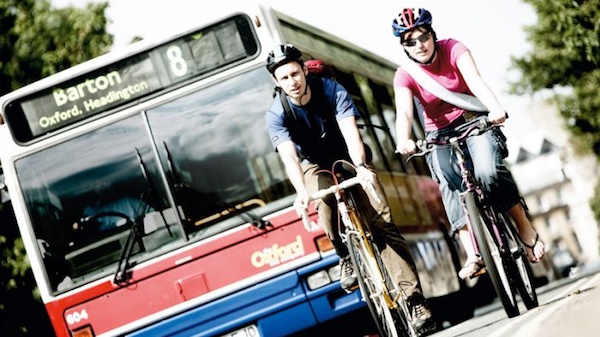
Becoming Comfortable Riding on the Road with TrafficRiding trails and empty roads endlessly on bikes is every riders dream but not all of us have that luxury.  We may have to ride in traffic on commutes, to get to the good roads or trails, or roads that have traffic are all that are available to ride close by.  Knowing the rules, knowing the techniques and practice will help save your life but will also allow you to be more relaxed and not despise any part of your ride.

Rules of the Road for Cyclists

Cyclists are under the same laws as motor vehicles so riding the same as you would drive a car is, in general, how you should ride.  This means that you ride on the same side of the road as traffic, stop at traffic lights and stop signs, and signal your turns.  Past this however, knowing what to do in every situation will keep you safe and perhaps save you from getting yelled at by motorists, although that still may happen.

Traffic Lights

Traffic lights are a pain for motorists as well as cyclists.  Even though running them may seem more doable on a bike, don’t.  You can still get a ticket but more importantly if you get hit it is more life threatening as you are the soft item that gets damaged not a fender.  If there is enough room to pass stopped vehicles already waiting for the red light, continuing on the shoulder or bike lane is advisable as long as you make sure no cars are potentially turning right into your lane.

Making a left hand turn at a traffic light can be difficult particularly if there is a lot of traffic.  Before you arrive at the intersection, make sure there are no cars immediately behind you, put your left arm out signalling your intention to move left, take the lane (riding down the middle of it), and then proceed to the left to the turning lane if there is one.  If there is not one, stay to the left but not so far as to be in the way of oncoming traffic, but far enough that cars behind you can still pass you safely on your right.  Once it’s clear and/or the light is green, make your turn to the left.

Riding With Two or More Riders

Take extra caution when riding in a group and use common sense. There are many different theories on how to ride safely in a group. Suggestions vary from riding single file, to two a breast or even taking the whole lane. Each situation warrants a different style for instance: highway riding stay single file or at a minimum stay to the right of the white line. Riding on a country road ride two a breast to be more visible as a group, then depending on how large the group is go back to single file to allow the car to pass safely. If you are in a very large group it may be wise to continue to take up the lane and make the car pass along a straight stretch when no one is coming the other way. If you are riding in town, it may be easier to keep up with the stop and go traffic and it may be wise to take the lane. The most important thing to do is use common sense to stay as safe as possible.

Tips & Techniques

The biggest thing to riding in traffic is to make sure motorists see you and that you don’t make any sudden moves that they are not anticipating.  Most motorists are not going to hit you as long as they see you and know where you are and where you are going.  A good way to ensure that motorists see you, is to establish your position early. For instance, if there is an obstacle coming up like a narrow bridge or large potholes, you should shoulder check and move in to the lane well before you get to the obstacle, basically stating to the motorists that it is not safe for you to pass here. Once across the bridge you will move back onto the shoulder and allow cars to pass.

This leads to the next point of being able to turn your head and actually look behind you while still riding in a straight line.  This is something that every rider must learn to do.  Some people use mirrors but they should only be used in addition to turning your head, not as a substitution.  This should be learned and practiced on an empty road without potholes or anything that could cause you to crash.  A good drill is to ride on the white line and turn your head briefly and then back and make sure you are still on the line.  Gradually work up to a longer and longer time that your head is turned.  You should be able to do it over your left and right shoulder.

Another technique to use while riding, particularly when it is around twilight and even dark, is to ride like you are invisible.  Pretend that no one can see you.  You have to make sure that each and every car is not going to hit you.  This becomes particularly important at intersections where cars are pulling out in front of you. The majority of the time they are not looking for cyclists. You should always error on the side of caution.

Practice and Becoming Comfortable

As with anything, practicing and being in a situation more and more will make you better at that situation as well as more comfortable.  Don’t seek out busy dangerous roads to ride but rather take these notes into consideration when you are on the road with traffic.

When you are in these situations, ride with hyperawareness and pay attention to everything and everyone.  Once you become more comfortable with navigating traffic you will naturally begin to relax since you will be more used to it and know what to do.  Of course the best way to not worry about traffic is to avoid roads with traffic but that’s not always possible.  Try and seek out a route of back roads, bike paths, wide shoulder roads or anything that puts more distance between you and traffic.  You can’t afford to take a fender bender like a vehicle.  It has the potential to kill you.  Take it seriously and be in control of your situation.  You will navigate the hectic roads like a champ and arrive at your destination or sweet roads or trails more relaxed and ready to enjoy.
Is A Cycling Vacation Right For Me?

August 12, 2015 by U.M.

Is A Cycling Vacation Right For Me?Taking a cycling vacation is not for the faint of heart. If your aim when you go on vacation is to simply relax by the pool, or enjoying a drink or two with the occasional dip then you are likely not an ideal candidate for a cycling vacation.
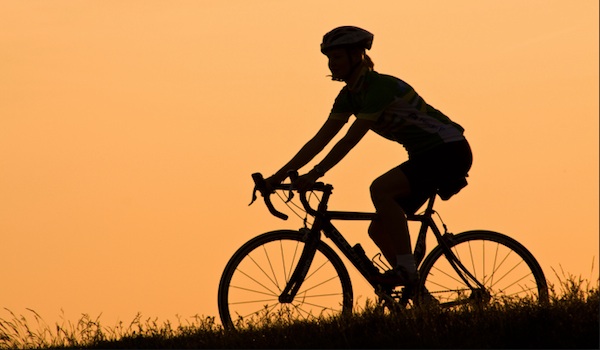
However, if you prefer to get out and about when you are holidaying, and want to experience as much of the world as possible with a level of freedom that isn’t offered by other types of guided tours, then a cycling vacation may be just what you need to sate your appetite for adventure. Here we will take a look at a few of the reasons why you should consider taking a cycling vacation, so you can decide for yourself if it is right for you.

It’s Healthier

So many people spend months trying to get their bodies into the perfect shape for their holiday, allowing them to stroll on the beaches with confidence. In many cases, they will then proceed to completely forget about their training regimen and indulge in the many local pleasures their vacation spot has to offer.

This is by no means a bad thing, however, if you want to be able to enjoy the local area while also maintaining your level of fitness then a cycling vacation is perfect for you. Not only can you indulge like you normally would, but you will be staying active throughout so that you can maintain your cycling fitness levels and jump right back into training when you return.

See The Sights

Have you ever been crammed into a tour bus with dozens of other people, looking at the sights you wanted to see through a window without ever being able to experience them in the way that you want to? If that sounds like something that you want to avoid then a cycling vacation is going to be absolutely perfect for you.

When you have your bike with you, there is no limit to where you can go on your holiday and you have the freedom to choose your destinations, what you go to see and how long you stay there. Instead of seeing the sights from a distance or as part of a rushed group, you can take your time and enjoy them the way that you want to.

Exploring

Moving away from the more famous sights of whatever destination you choose to holiday in, a bike also offers you the opportunity to go out and explore areas that you might not otherwise get to see during a regular vacation. When you can hop onto your bike you have the freedom to explore anywhere that the roads can take you.

Imagine just having a ride and deciding to cycle into a small side street, only to discover an amazing bar or restaurant that is a little off the beaten track. There is nothing better for those who have a sense of adventure and don’t want to restrict themselves to the regular sights.

A Bonding Experience

Many people use their vacation time to get closer with their families and create memories that will be shared forever. If you’re entire family has the cycling bug then there is simply no better choice than a cycling vacation for creating memories while also doing something that you all enjoy.

You can get away from it all with your family and spend time strengthening the bonds that make you so important to one another, without having to worry about accommodating other people or holiday groups. Time together is so much more valuable when you are all enjoying what you are doing, and you are sure to create some amazing memories as a result.

Have you ever been on a cycling vacation? Where did you go and what do you recommend?

How To Prevent the Most Common Cycling Injuries

August 7, 2015 by Lee Agur

most common cycling injuriesAs with any sort of exercise, biking comes with a certain amount of risk. However, common cycling injuries can be prevented if you take the proper precautions.

Achilles Tendonitis

This is a common injury that comes from overuse. However, this can also be caused by a poor bike fit and shoe cleats that are not properly positioned. Achilles tendinitis causes inflammation which in turn will cause you some pain in your ankle. If you think this is developing in you, go easy on your training for a few days. After any exercise make sure you apply ice to the tendon to fight any inflammation you may have.

To prevent this common cycling injury get a proper bike fit and specifically review your cleat position with the fit professional.

Patellar Tendonitis/Knee Pain

This is another injury that plagues the tendons. The tendons of your knee are easily affected by bad cycling technique such as low seats and cycling in big gears for too long. By doing so, you put a lot of pressure on the tendons in your knee that should have been placed on the stronger gluteal muscles instead.

To prevent knee pain cycling check your saddle height, your saddle fore and aft position, your cleat position and even your pedal stroke. Also ensure that you don’t increase your cycling volume more than you are able to handle too quickly and give yourself ample time to warm up.

Broken Bones

The two most common broken bones for a cyclist are the clavicle (collarbone) and the scaphoid (a thumb bone). These are the bones that absorb the most force when you brace yourself in a fall. Because you can’t really control whether or not you crash on your bike, you should at least know how to fall properly. The important thing to remember is try not to brace yourself with your face! In all seriousness, it depends on what kind of crash is happening. For instance if you are going over the handle bars, try and get your hands out in front of you to brace your fall, tuck your head in and allow yourself to roll over the shoulder that has the leading arm out.

General rules when you fall: unclip and try and get away from your bike. Try to slow down quickly but don’t try and immediately stop your momentum because that is when you brake bones.

Saddle Sores

Avid cyclists know this injury well. Saddle sores are caused by the friction between your skin and the bike seat during long bike rides. A bike seat that is too high and bike shorts that are too old with minimal protection are the most common secondary causes of saddle sores.

You can avoid saddle sores by using chamois cream while you ride, especially if you’re a cyclist that moves around a lot. If you do develop saddle sores, you’ll likely have to take a break and treat with skin creams to ease the pain.

Lower Back Pain

Lower back pain is usually caused by long bike rides or steep continuous climbs. The muscles of the lower back do extra work when you cycle for a long period of time and are subjected to more stress. Over time, this stress can cause continuous pain, strained muscles and inflammation. However, the best way to avoid this problem isn’t to stop taking long bicycle rides.

The best way to ease the back pain is to have a core strengthening exercise program for days when you aren’t cycling. Strong back muscles can take more stress and building up those muscles is essentially a cure.

Neck Pain

Neck pain can be caused by fatigue (just like lower back pain) or a poor bike fit and can be alleviated by strengthening exercises and a proper fit. Also, relax during your ride. A tight grip and tense posture will cause more pain in your neck than with a relaxed posture.

Foot Pain

Foot pain cycling can be caused by a poor fitting shoe or improper bike cleat positioning.

To cure foot pain cycling you should find a shoe that fits properly! Generally foot numbness, or hot foot is caused by a shoe that is too small. The easiest way to find out if a shoe is large enough for your foot is to take out the insole and make sure there is nearly an eighth of an inch of the insole sticking out all the way around your foot. If there is not, it is too small. The other issue is to adjust your cleats.

Numb Hands

Your hands go numb when nerves are being pinched and that is generally due to a poor position on the bike causing your hands to support too much of your weight or your hand position or wrist position is incorrect.

To alleviate this common cycling injury tilt the nose of your saddle up a degree, make sure that your wrists and hands are flush with your forearms (no bends), and buy some gloves and better handle bar tape to spread out the pressure.

Common Cycling Injuries

You may have noticed a trend here in the most common cycling injuries to prevent and that is bike fit! If your bike does not fit properly your have exponentially increased your chances of getting injured while cycling.

Common cycling injuries are sometimes easy to miss when they first pop up. This is because muscle soreness is a byproduct of exercise but not necessarily a problem. However, letting any of these injuries go will cause even more problems down the road. Make sure that you pay close attention to where you feel sore and why you may be feeling that way. Keeping a close eye on yourself may just save you a doctor’s visit and weeks on the couch nursing your runaway common cycling injuries.

Cycling Around the World

August 7, 2015 by U.M.

cycling around the world, biking around the worldCycling comes in so many different guises. There are people who simply enjoy it as a means to get to work, whereas others aim to get themselves into competition shape so that they can get a little bit of glory from the sport. On the larger scale side of things, endurance and adventure cycling are ideal for those who want to get away for a little while and really test their limits.
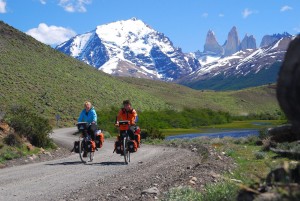
Then there is round the world cycling, which is essentially adventure cycling taken up a notch. If you aim to cycle around the world you’re going to have to make sure you have the time and dedication to really commit to doing it, so here are a few tips for those who want to become one with the bike for years at a time.

Get The Right Bike

If adventure cycling is already an interest for you then you know that having a rugged bike that can handle all conditions is essential. If you’re looking to take a couple of years out for cycling, it is even more important. Find something that is comfortable to ride and capable of standing up to harsher conditions and difficult road surfaces.

Your Job

If you’re really lucky you may be working a job where taking a year or two off for a long term cycling trip is actually a possibility. However, the majority will find that they have to quit their jobs if they are going to really commit to cycling around the world. As such, make sure that you have enough money saved to finance your adventures and look for any ways that you can make a little more while out on the road. Lots of people start blogs or film video of their trips, which could become a revenue stream if it becomes popular.

Training

Ride, ride and ride some more to make sure that you are absolutely ready to take on whatever Mother Nature has to throw at you. Your fitness levels are extremely important, however, endurance is the key. After all, adventure cycling is all about the adventure and less about speed, so make sure you can ride for long periods at a comfortable rate and that you can handle all sorts of terrain.

Route Planning

If you’re going to be cycling for a couple of days then having a defined route is a definite advantage. However, if you’re really intending to lose yourself in your adventure then half of the fun is in exploring. Bring a map with you but don’t feel like you have to stick to a rigid tour schedule to get the most out of your adventures. As long as you have enough supplies you can enjoy going off the beaten path more often than not.

Supplies

Talking of supplies, you will need to make sure that you bring a sturdy tent with you so that you can just stop off and sleep whenever you need to. As long as you have enough food and water to get you through each day, and a couple of changes of clothes, you have everything that you need to get started. Pick up more as and when you need to and only bring the essentials along with you.

No Pressure

What are you trying to achieve with your adventure? Breaking records is for athletes, but you don’t need to aim for something so lofty if all you want to do is stretch your wings and explore. Simply enjoy what you are doing and take it at your own pace. After all, it’s your adventure, not anybody else’s, so don’t feel like you need to impress people simply to justify what you are doing.

Tips For Long Distance Cycling

August 5, 2015 by U.M.

tips for long distance cyclingLong distance cycling can be more than a little intimidating, especially if you have only ever used your bike for the daily commute into work. However, it is an excellent sport and one that is ideal if you want to build your overall fitness and endurance levels.
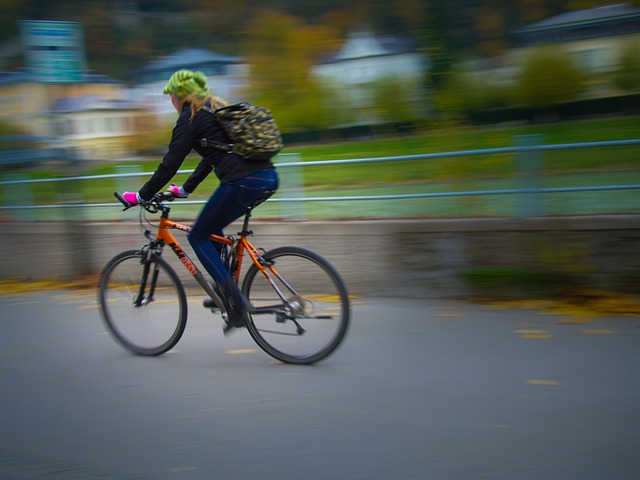
There is a lot of information about what you might need when you head out for a long distance ride, so here we will look at the essentials, plus a few of the things that you probably won’t need along the way.

What You Need

Clothing – Ideally you want clothing that is lightweight and easy to pack, so that you can switch to appropriate clothing depending on the conditions. Plan your route in advance and have an idea of the appropriate clothing for the route, as packing too much that you don’t need will only make the ride harder than it needs to be.

Panniers – Panniers are perfect for storing all of the essentials that you will need for the tour, but try to keep your weight load between the 20 and 45 pound mark to ensure a stable ride. Pack to a 60/40 ratio in favor of the front pannier to ensure the bike stays balanced throughout.

Miscellaneous Equipment – The extras that you pack will really depend on the trip, but if you anticipate being on the road for a number of days then you should bring a small first aid kit and some tubes, tires and tire patches as an absolute minimum. Make sure you are stocked with plenty of food and water, or that your route stops by areas where you can grab more when you need it. Sunblock, sunglasses and bike repair tools are all excellent choices to fill your pannier as well.

What You Don’t Need

An Expensive Bike – Long distance cycling isn’t as restrictive as some people make it out to be, so as long as your bike is sturdy and able to handle most conditions you should be fine. As long as you are comfortable and the bike can handle the load then it should be okay.

Vanity Items – If you’re going to be spending days riding, there’s no point packing hair product, makeup and other vanity items, as they will just add to your load and make the ride difficult. Is anybody going to care what you look like in the few seconds that they see you zipping past them?

Mechanics Knowledge – You don’t need to know the ins and outs of bike repair to go on a long tour. As long as you can patch a puncture and are aware of most of the basics you should be able to get along just fine. Watch a few tutorials online but don’t worry too much about having perfect knowledge beyond the essentials.

Your Training

Build Up – Don’t just assume you will be able to handle the distance based on your current fitness level. Look at the cycling plan and work your way up to being able to cover whatever distances you have planned for each day.

Recovering Properly – If you train yourself intensely right up until the point of your ride you may find yourself too exhausted to complete it. Aim for your training schedule to be at its peak intensity a couple of weeks before the ride, and then taper down with easier rides in the weeks running up to it so that you recover properly.

Nutrition – On your longer training rides you should be aiming to figure out what you need on a nutritional level to handle long distance riding. Try to eat something every hour and make sure you keep yourself hydrated at all times so that you can maintain peak performance levels.

Planning Your Route

When planning your route you need to ensure that you have the most up-to-date maps so that you don’t run into the unexpected along the way. New roads or alternate routes can throw a spanner into the works very quickly and nobody wants to spend their ride getting lost.

There are also plenty of guidebooks available, which should help with the planning stages. Ideally, you want to be able to enjoy the experience, so don’t plan to just ride on uniform main roads as you may find you get bored. Try a few smaller roads so that you can see something a little different every so often.

Finally, earmark any important areas along the way that you can use for recovery or that you simply want to see. The cycling is important, but the experience is right up there as well so take a little time to drink in your surroundings.

Do you have any tips for long distance cycling?

Tips For Cycling To Work

August 4, 2015 by U.M.

cycling to work
Tip #1: Wear a helmet while cycling to work!

Cycling to work is one of the best ways to keep your general fitness up without having to spend too much of your spare time on exercise. It is also great for the environment, meaning that you not only improve yourself, but you’re also helping the planet in the process.

Of course, for new cyclists it can be a little daunting to ride to work, particularly if they don’t know the route too well. Here are a few tips for those who want to give it a try.

Don’t Do Too Much too Fast

If your commute into work is only a couple of miles, there is no reason why you shouldn’t be able to just hop on your bike and do both legs of the journey from day 1. However, if you think the journey may take you upwards of an hour, it may be worth catching a ride with a workmate to ensure you don’t end up late, and then cycling back home. You can always start cycling into work as well when you are more comfortable with the ride and the amount of time it will take.

If the ride is too far you can always drive part of the way and ride the remaining part to work.

Do A Test Ride

A test ride will allow you to better gauge the amount of time that it is going to take you to cycle to work, in addition to letting you know exactly where you stand in terms of the fitness levels required to do it. Try taking a little bit of time on a day off to do the ride, so that you are better informed when you start doing it more regularly.

Get The Right Bike

If you already have a bike, then don’t go rushing out to buy a new one until you absolutely know what you want. After all, the bike you have may be perfect for the commute anyway, so you may not need to spend any extra money. If you do decided you want another bike, take the route you ride into account when making your choice. A road bike is great for smooth surfaces, but a mountain bike may be more suitable if you have to go over some rough terrain.

Wear Safety Gear

Riding to work without wearing the right gear is a cardinal sin, as you are sharing the road with other riders and drivers who need to be able to see you at all times. As such, always make sure to wear a reflective vest or other bright clothing, particularly at night when the ride can get a little more hazardous. You should also never leave your house without your helmet. It may save your life one day.

Pay Attention to the Weather

Nobody is going to think any less of you if you decided not to ride into work for a day or two, especially when the weather is such that it could make the ride hazardous. Heavy rain or icy conditions can lead to you having accidents if you aren’t careful, so if you feel at all uncomfortable then use an alternative mode of transport until the weather improves.

Learn How To Deal With Punctures

One of the biggest issues you may end up facing is suffering a puncture on your way to work. As such, you should always keep a spare tire or a puncture repair kit handy so that you can fix it and be on your way. If this isn’t feasible for you, then at least make sure you’re carrying your cell phone so that you can give somebody a call to get help should you ever find yourself in a bit of a bind.

Cycling Tips for Beginners

July 30, 2015 by U.M.

beginner cycling, beginner cycling tips, beginner cycling training, beginner cycling training plan, beginner cyclist, beginner road bike, beginners road bike, bike skills, cycling beginner, Cycling for beginners, cycling tips for beginners, cycling training for beginners, cycling training program for beginners, road bikes for beginnersStarting any form of exercise can be intimidating at first, so we thought it would be a good idea to give all of the beginners out there a handy guide that should help them get the gist of things and set them on their way to becoming good cyclists. This list assumes you have a bike already, but if not then check out our list of the top ten bike brands on the market today to get you started.

Cycling Tips for Beginners

Get The Right Equipment

It should go without saying that you need to get a good bike helmet before heading out onto the road, but you will find that a decent pair of padded cycling shorts and some cycling gloves will also help when it comes to overall comfort and quality of your ride. Your butt will never forgive you if you go on a road ride without padded cycling shorts as a newbie.

Positioning

Many beginners struggle with the positioning when they first climb onto a bike, particularly when riding a road bike. A good knowledge of the three main cycling positions will be extremely helpful:

Neutral – The most comfortable position, allowing you to change gears and brake easily in addition to being able to look around. You should be sat almost upright in this position.

Lowered in the Drops – This is where you lean into the handles in an effort to gain more speed. A road bike will generally have “drops” for you to grip when in this position. They are the part of the handlebars that make the “C”. d

Standing – You will use this position when you need to generate a little extra power in your riding, such as when you are going uphill.

Proper use and transitioning between these three positions is extremely important.

Using Your Gears

As a cyclist you want to maintain what is known as a regular cadence, which is the average speed that you can rotate the pedals and is measured in revolutions per minute (rpm). Keeping your cadence stable is important to improve as a cyclist, so you need to know how to operate your gears appropriately.

As such, try to figure out your cadence on a flat road and don’t stay in a high gear too long or you will place undue stress on your legs. Always move to a lower gear when going uphill so that you can maintain your cadence and ascend without issues.

Keep Your Eyes On the Road

One of the main issues that you are going to face when you actually head out onto the road is the condition of the roads themselves. Potholes and other debris can lead to you falling and, in worst cases scenarios, injuring yourself.

Always keep your eyes open when riding and be aware of what is around you. You don’t have to go full speed in every area, so if you are a little wary, slow things down a little bit so that it is easier to pay attention to what’s happening. You can speed things up again when you start to get more comfortable.

A Good Bike Fit

Bikes come in all different shapes and sizes, just like the people riding them, so it is important to get a bike that fits your body type. This will help in regards to comfort levels and reduces the risk of sustaining injuries or muscle aches during prolonged cycling.

A professional bike fitter will be able to help you ensure you have everything right; everything from the bike frame through to the positioning of the saddle and handlebars can cause issues.

Obey The Law

To cycle on the road you are going to have to obey the rules of the road, in addition to demonstrating some general cycling etiquette.

Don’t assume that you can run red lights because you are on a bike, as you put yourself in danger in addition to other road users. Also try to keep your cycling line as predictable as possible, rather than swerving around, as this can make other road users nervous and lead to more accidents. Finally, always stick to the right side of the road wherever possible, and be sure to clearly indicate your intentions if you want to make a left turn, so that everybody behind you knows what you want to do.

These are a few quick cycling tips for beginners. For a Complete Guide To Cycling For Beginners Click Here!

Cycling Fashion Explained

July 28, 2015 by U.M.

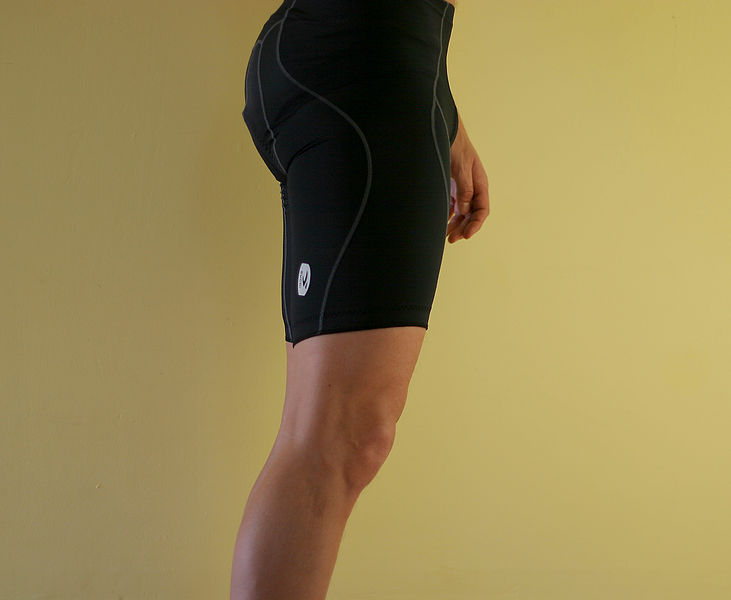
Bike_ShortsCycling newbies will have likely looked at their more experienced compatriots and wondered why they are wearing some of the clothes that they have on. While accessories like helmets serve an obvious and practical purpose, there are plenty of other aspects of the cyclists “uniform” that may need a little bit of explaining.

Cycling Fashion Pieces

Cycling Bib Shorts

Many people may wonder why cyclists tend to wear special shorts and the answer lies in the comfort of the ride. On longer journeys, people wearing regular sports clothing will find that the ride becomes increasingly uncomfortable the longer that they are on the bike.

Cycling shorts are designed to mitigate this discomfort as much as possible. They are usually made from materials such as Lycra, which allows for more flexibility and less chaffing, while many will also feature a padded insert that offers extra protection for the more delicate areas.

Gloves

Like with many other items of clothing in the cyclist’s uniform, gloves serve a practical purpose as they will generally feature padding over the palms and fingers so that they are protected from blistering against the handlebars and any numbness that could be caused by the constant vibration.

Furthermore, the gloves also provide some protection should the cyclist fall off the bike, which makes them a vital accessory for more dangerous rides. After all, nobody wants to fall of their bike and end up with a “road rash” related injury that could have been avoided.

Cycling Shoes

While most people will probably find that a decent pair of sneakers will do the job on shorter rides, longer rides usually require something that offers a little more comfort.

Cycling shoes are designed to ensure that a cyclist’s feet can breathe when they are riding long distances, reducing the effects of perspiration and ensuring that they don’t suffer from aches and pains while riding. The material used also allows for maintaining a better grip on the pedals, so the rider doesn’t have to worry about their feet slipping when they ride.

Furthermore, the streamlined design and bing clipped in means that many will find that they are able to pedal much more efficiently, which in turn means that they tire much more slowly. This is ideal for rides that require a lot of endurance.

Jersey’s

Again, while a t-shirt or similar item of clothing is generally going to be fine for a shorter ride, many serious riders choose to invest in a proper cycling jersey, especially when they are aiming to be as efficient as possible with their riding.

Like bib shorts, most jerseys are made from a material such as Lycra, which means that they fit to the body and won’t catch against the wind, thus reducing the effects of air resistance on the rider.

Such fabrics are also more breathable that the materials used in t-shirts, which means that the rider can better regulate their body temperature and ensure that they don’t tire themselves out on the road.

Finally, you will often find that cycling jerseys are made using rather bright colours, which is enormously helpful when it comes to increasing visibility and thus ensuring the safety of the rider when they are on the road, particularly at night time.

Sunglasses

Cyclists wear sunglasses when riding, even if the weather doesn’t seem to call for them. While they are important for reducing glare on brighter days, thus improving the rider’s visibility, they also serve to protect the rider’s eyes from weather, dust and anything else that could impair their vision and thus make the cycling less safe than it should be.

If you are a beginner cyclist and just getting in to the sport, drop the board shorts and t-shirt and embrace the Lycra! Cycling fashion is on the rise, make sure you are an early adopter.

Considerations for Larger Cyclists

July 28, 2015 by U.M.

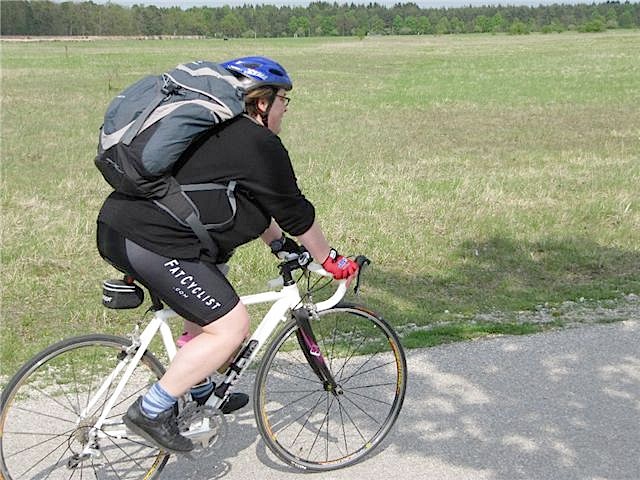
Large Cyclist ImageCycling is a universal pursuit, which means that it should be enjoyable for people of all shapes and sizes. Still, it is understandable that larger cyclists may struggle to find the right bike for them, as many regular bikes are built with average body types in mind.

Larger cyclists (200 pounds and over) will need to consider a number of factors before they select the right road bike for them. Here we will take a look at some of the things that you will need to look out for if you fall into this category.

Saddles

Bike saddles can be uncomfortable at the best of times, so it is important to find one that offers the most amount of support possible, particularly if you are intending to cycle on a regular basis.

The first thing you should look at is the saddle width, which should be capable of providing support for both of your sit bones so that you don’t end up sliding from one side of the saddle to the other. A general rule of thumb is that those with slightly larger posteriors should look for a wider saddle, as they may find that regular saddles simply don’t offer the support that they need.

The material used in the saddle is also a big factor. While many will want to opt for foam saddles in the belief that they provide more cushioning, they are also more prone to wear and tear, which means you may find yourself replacing them sooner rather than later. Larger individuals may find that they are better served by a leather saddle, as they are more able to withstand the rigours of everyday use.

Wheels

With the right saddle in place, the larger cyclist will then need to consider the wheels of their bike. All wheels have a set weight limit, which means they are liable to bend and distort if the person riding the bike exceeds that limit.

If you are concerned about this being an issue for you, the best first step is to speak to a professional bike fitter or your local bike shop and get their opinion. They will be able to provide you with more information about the recommended weight limits for different types of wheel, allowing you to pick the right ones for your body type right off the bat. This not only saves you money in wheel replacements, but also ensures you experience a much more safe and comfortable ride.

Frame Material

The majority of modern bike frames are tested with an average weight of 185 pounds in mind, but in reality they will be able to handle quite a bit more than that.

Still, if you feel that the frame may be a problem, it is recommended that you consider the material the frame is made from before making your purchase.

Steel offers the most amount of strength and is still pretty compliant. The only negative about steel is that it is somewhat heavy. Heavy just means a better workout!

Titanium is nearly bulletproof, it is stiff but has a decent amount of shock absorption. The downside is it is relatively expensive and very difficult to repair.

Aluminum is very stiff, maybe a little too stiff making the ride a little too harsh. You would have to decide for yourself.

Carbon Fiber can be made to whatever strength, stiffness or design the creator sees fit. Cabon Fiber is usually the best bet, but it is also the most expensive. There are bikes specifically designed for bigger cyclists, make sure you ask before you buy.

For more detail about the pros and cons of carbon fiber vs aluminum vs steel vs titanium read this article.

Clothing

Most modern cycling gear is created with keeping the rider cool during their journey in mind. While this is a little more difficult for larger riders, in most cases you will find the right choices in gear makes a big difference.

Try to keep to light-coloured clothing made using a breathable material, such as Lycra, wherever possible. You should also never, ever forgo your helmet, even if it makes you feel hot when riding. Again, lighter colours and plenty of vents in the helmet will help to mitigate this issue, as will ensuring you are properly hydrated throughout your journey.

Light Up Your Bike!

July 23, 2015 by Aaron Robson

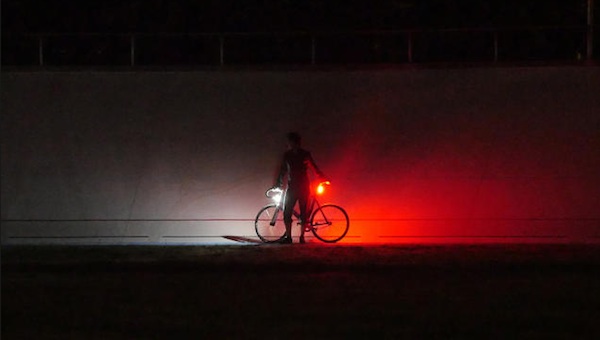
Light Up Your Bike!If you ever ride outside daylight hours (perhaps you aren’t a professional cyclist and have a job that eats up all those beautiful hours of sunlight…) then lights are the most important accessory you can get for your bike. They allow you to see what’s on the road in front of you AND make you visible to other users of the road. There is a dizzying array of options available and it is easy to get lost. Here are a few tips that will help you select the perfect light for your bike.

Where do you ride?

The first question you want to ask yourself when looking for a bike light, is where do I do most of my after-dark riding? If you mainly stick to city riding, where you can rely on streetlights for ambient lighting, your main concern is being seen by the distracted, inattentive operators of the two ton pieces of metal that you share the road with. You will want to make sure you and your bike are easily visible from all sides to avoid being t-boned by someone coming out of a driveway or intersection.

On the other hand, if you are riding in the country or anywhere else where ambient lighting is poor, you want to make sure the light you pick is bright enough to give you a clear view of the road ahead. Once you know the conditions you will be riding in, you can think about the lights that will work best for you.

Reflectors

Before we start talking about lights, it is worth mentioning reflectors. Reflectors conjure up images of those silly looking things you used to put on your bike as a kid, and often get forgotten in discussions of bike lighting, but they are a cheap and easy way to increase your visibility to drivers. A lot of bike clothing comes with reflective tape sewn in, but you can supplement this with reflective velcro patches, arm and leg bands and adhesive tape. I especially like sticking reflective tape on my bike – a roll is super cheap, and you can put it everywhere!

Headlights

If you are riding in the city, you can get by with pretty much any headlight from a reputable brand, but nicer models come with some pretty cool features. My go-to headlight is the Cygolite Metro 360. It is bright enough to illuminate the road well in darker areas; it is USB rechargeable so I don’t have to worry about keeping a supply of batteries handy; and it is water-resistant. It also has a nifty SteadyPulse mode that combines road visibility with an attention-grabbing strobe.

If you are relying on your headlight to see where you are going, however, something with a little more light output is desirable. Most people I know settle on a minimum of 500 lumens light output. In addition to the power, you want to consider the light’s beam pattern – a super-bright but narrow beam is much less useful than a wider beam that gives you a better view of your surroundings.

You might be interested in: Best Road Bike Lights

Tail lights

Your tail light is what keeps you visible to cars coming up from behind that you can’t see. I like to use the brightest tail-light I can find for this reason – mine is the Cygolite Hotshot, which has a 2 Watt LED bulb. I haven’t found anything brighter for a reasonable price, and it has the added bonus of being USB rechargeable and water-resistant. If you are riding outside the city I would add a secondary taillight – set one blinking and one solid. In very dark conditions, it can be hard for drivers to gauge distance to a blinking light. A dual set-up like this catches their attention with a bright blinking light, and allows them to track exactly where you are with the solid light.

Supplemental Lights

In addition to the standard head-light tail-light combo, many people like to add supplementary lighting to their bike to increase their visibility. These can be anything from a bunch of small tail-lights strapped to different spots on the bike, to strips of led lights laced into wheels or stuck onto your frame. As long as the lights don’t pose a safety risk (like coming loose and getting stuck in a wheel) then you can add whatever you want – the more lights, the more visible you are! Light up your bike!

« Previous Page
Next Page »
  • Facebook
  • Tumblr
  • Twitter

Latest Articles

JOIN Cycling: A New Training Platform for Cyclists

May 27, 2024 By Eric Lister

cold exposure

The Benefits of Cold Exposure for Cycling & Life

June 13, 2023 By Eric Lister

hill climb

The Ultimate Hill Climb Training Guide

May 31, 2023 By Eric Lister

shoulder pain cycling

How to Treat & Avoid Shoulder Pain While Cycling

April 12, 2023 By Eric Lister

psoas stretch

The Importance of the Psoas Stretch for Cyclists

April 6, 2023 By Eric Lister

cycling neck pain

The Ultimate Guide to Cycling Neck Pain: Causes and Solutions

March 21, 2023 By Eric Lister

Useful Info

  • Contact
  • Finally, A Global Cycling Club That Is Focused On Community And Love Of Cycling!
  • Privacy Policy
  • Share Your Story!
  • Terms And Conditions Of Use
  • Welcome to I Love Bicycling
  • What Happened When I Stretched Every Day For a Month

Recent Posts

  • JOIN Cycling: A New Training Platform for Cyclists
  • How to Hang Bikes in Your Garage: 4 Inexpensive Options
  • Gravel Bike Vs. Road Bike: Which One Is Better For You?
  • The 6 Types of Mountain Bikes & How to Choose the Best One for You
  • What Is a Touring Bike Good For? 5 Benefits We Know You’ll Love

Search I Love Bicycling

Connect with Us

  • Facebook
  • RSS
  • Tumblr
  • Twitter

Copyright © 2026 · Magazine Pro Theme on Genesis Framework · WordPress · Log in