• Training
    • Injury Prevention
    • Training Tips
  • How To
    • Bike Fit
    • Gear
  • Nutrition
    • Nutrition Tips
    • Weight Loss
  • Repair
  • Reviews
  • Stories
    • Funny Stories
    • Jokes
    • Quotes
    • Videos
    • Funny Videos

I Love Bicycling

I Love Bicycling is a website that is geared towards cycling for beginners with road cycling tips, training articles, nutrition tips, weight loss, how to’s and bike repair articles.

How To

  • Bike Fit
  • Gear

How To Change a Bike Pedal

October 28, 2017 by Sarah Lauzé

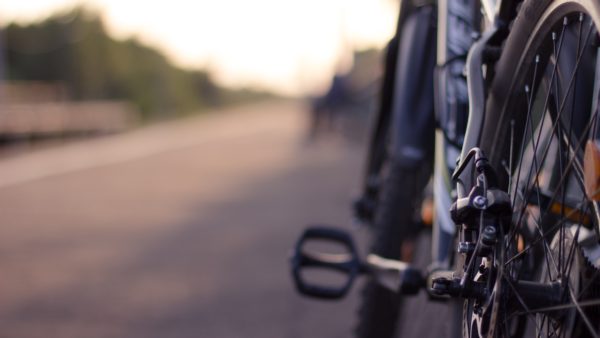
Changing the pedals on your bike can be a lot trickier than you may think. I’ll admit, I still get confused every time with the unusual pedal threading. That being said, there’s no need to take your bike into a mechanic every time you want to switch over your bike pedal.

Whether you’re travelling with your bike and need to dismantle it, or you’ve invested in some new pedals, armed with the proper tools and instruction you can have them switched over in no time.
How to change a bike pedal

What You’ll Need

How To Change a Bike Pedal

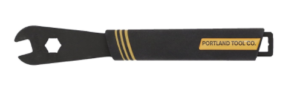
  • Pedal wrench – A pedal wrench has a long handle, and is much thinner than a regular wrench. You may also be able to use a regular 15mm wrench for some pedals, but a specific pedal wrench does make the job a whole lot easier.
  • Waterproof bike grease – Before putting pedals back on, you will want to put a thin layer of bike grease on the thread to keep them from tightening too much and seizing. How To Change a Bike Pedal
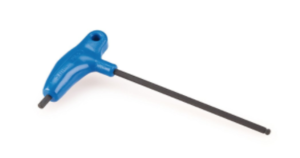
  • Hex wrench – A 6-8mm hex (Allen) wrench is only necessary if your pedal does not have the flat surface on the axle.

What type of pedals do you have?

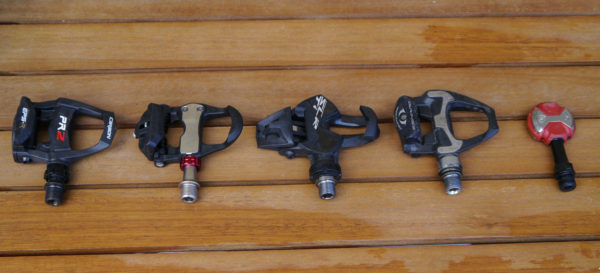
Have a quick look at your pedal for flat spots on the axle, near the crank arm, that your pedal wrench can grab onto. If there are no flat spots on the bike pedal axle, then you will likely need to use a hex wrench inserted into the end of the pedal axle, on the inside of the crank arm.
How To Change a Bike Pedal

Removing a Bike Pedal

Try to have your bike upright on the ground, rather than flipping it upside down. Make sure you have the chain on the largest chainring so if your hand slips you’re not hitting the sharp chainring.

Removing the right pedal

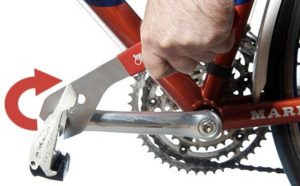
The right pedal is like a traditional nut that you turn counterclockwise (lefty-loosey). Face the drivetrain side of the bike, rotating the crank arm to the 3 o’clock position. Place the pedal wrench on the flat spot between the pedal and the crank arm at the 9 o’clock position and push the wrench downward. Continue turning the wrench until the pedal is loose enough to turn the rest of the way with your fingers.

Removing the left pedal
How To Change a Bike Pedal

The left pedal is the opposite of a tradition nut, loosening clockwise. Face the non-drive side of the bike and rotate the crank arm so it is at the 9 o’clock position. Place the pedal wrench on the flat spot between the pedal and the crank arm at the 3 o’clock position and push the wrench downward. Continue turning the wrench until the pedal is loose enough to turn the rest of the way with your fingers.

What to do if a bike pedal is stuck – If the pedal is old and rusted, or has been over-tightened, then you may need to apply a penetrating oil on the section attached to the crank arm. Wait for it to soak in, for most this is around 10 minutes, but you’ll want to check the manufacturer’s guidelines. If it is still not loosening at all, make sure you are turning the wrench the right direction!
How To Change a Bike Pedal

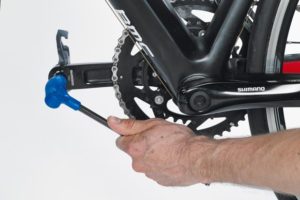
Removing pedals with a hex wrench

Removing pedals with a hex wrench is essentially the same process, but you will be fitting the end of the wrench into the back side of the pedal thread. The pedal thread direction is the same, but keep in mind the appearance of the wrench turning clockwise or counterclockwise can look different as you are seeing it from the inside of the pedal.

Installing New Pedals

Before installing new pedals, use a cloth to clean any dirt from both the crank and pedal threads. Apply a thin layer of grease to the pedal threads, as this will make the pedals easier to remove next time, and will keep them from seizing.

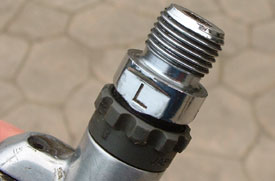
Look on the flat surface for a “L” for left and a “R” for right to see which pedal is which.How To Change a Bike Pedal Begin threading the new pedals on with your fingers, making sure you’re turning the right way. If it’s resisting don’t force it, as the pedal should go on smoothly with very little resistance. Turn the right pedal clockwise to tighten, and the left counterclockwise.
Once you have it as tight as possible with your fingers, only then use your pedal or hex wrench.

You want the pedal to be tight, but you also want to be able to take it off again, so don’t tighten too much!
How to Treat Road Rash

August 31, 2017 by Sarah Lauzé

You know that split second right before a wipe out, when everything slows down and you do all you can to postpone the inevitable? Unfortunately, there’s just not much that can be done in that moment other than hope for the best.

Crashes happen to the best of us, and the accompanying road rash is almost a rite of passage for many cyclists. Just think of that patch of missing skin as a symbol of your commitment to the sport and as painful as it can be, there’s no reason for it to deter you from getting back out there as soon as possible.

How should you treat road rash?

Although there has been some debate over the years as to what method of treatment is best, we’ve put together a list of tested and true steps to ensure a fast and relatively painless recovery.

Assess whole body injury

Although road rash may be the most obvious injury after a crash, it may not be the most serious. Take time to assess the whole body, including your head, spine and internal organs. If all seems to be okay, then you can assess the degree of the road rash.

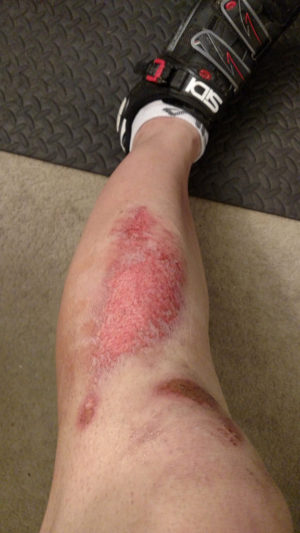
If part of the wound is deep enough to need stitches, or if you can see any fat globules (white looking substance), then a trip to the hostpital is a must. If the skin is broken and bleeding, but the deep layer of skin is intact, then you should be able to treat it on your own.

Clean the wound

Halfway through a long ride, you may not have all the supplies needed to properly clean the wound if you don’t carry a first aid kit with you. First things first, gently rinse the affected area with drinking water until you can more thoroughly attend to it. Squirting the water directly from a water bottle works great to rinse away any dirt or pebbles that may be embedded in the road rash.

Once you get home, it’s time for a proper cleaning. Although scrubbing has been suggested by some cyclists, the less you aggravate the area the easier it will heal. Simply use some antibacterial soap, water and a washcloth to gently wipe the area clean before patting it dry.

Dress the wound

As a kid you may have left road rash to dry out and quickly scab over. Although this may seem like the fastest way to recovery, it often leads to scarring, an itchy or splitting scab phase and can make wearing clothes really uncomfortable. Instead, you’re going to want to keep the area nice and moist to promote healing and prevent infection.

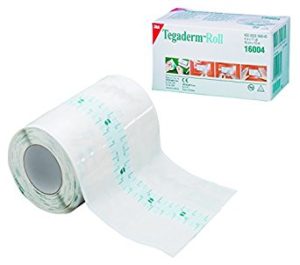
First, apply a thin layer of antibiotic ointment to the area before covering with some sort of bandage. For mild cases of road rash, some non-stick gauze attached with tape will work just fine. For more severe cases, or for treating road rash on joints, a Tegaderm patch will be more effective as it bends and breathes like a second skin, all the while maintaining that moist environment you want for the healing process. Either way, ensure you are rinsing the wound and changing bandages daily.

Look out for infection and avoid scarring

Be sure to keep an eye on the healing process, but it is normal for road rash to take about three weeks to heal up depending on the severity. Even then, the skin will appear pink and may have a bumpy texture. We all know not to pick at the scab once it forms, so no matter how tempting it is, try keep your hands away! Keeping the area covered up and out of the sun will help avoid scarring, as well as moisturizing the area for the months following.

How to know if road rash is infected

A certain amount of bleeding and oozing is normal in the first few days after injury, but any sudden change in color or swelling may be a sign of infection. This can happen even if you were diligent with cleaning and dressing the wound, and can only be treated through doctor prescribed oral antibiotics.

Signs of infection:

  • Increased pain after the first couple days
  • Increase in swelling
  • Red colour around the wound
  • Puss or fluid drainage from the wound
  • The area feels warm

Most cases of road rash are nothing to worry about, and are more of a nuisance than anything. We hope you won’t be needing this advice, but if you do take a tumble off you bike, check out “What to do after a bike crash” for more helpful information.

How an E-Bike renewed a love of cycling

August 13, 2017 by Gareth Eckley


E-bike-couple-photoRediscover your love of Cycling with an e-bike
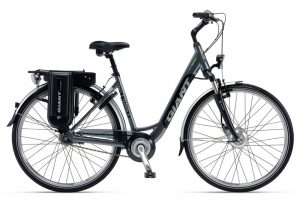
Who should ride an E-Bike?

An e-bike is a good idea for people who find it hard to ride a regular bike. People who are older, overweight, injured or with compromised health and fitness may find that this is the only way that they can ride a bicycle.

E-bikes are strong and weigh more than a regular bike. There is the extra weight of the motor and battery and the frame has to be strengthened.

Utility E-bikes are a new development. These are perfect for when you use your bike to carry heavy loads. The pedal-assist really helps to carry the load.

An E-Bike for Shelly

electric city bikeRecently I was at a dinner with friends. I was sharing the story of my afternoon ride. A 34km long climb in the hills above Kelowna on a hot day with smoke from forest fires blanketing the area.

One of the guests become excited and shared her story of her return to cycling. Shelly is in her 50’s and lives in Calgary, Alberta. She had become fed up with the long delays on her drive to work. She had cycled when she was younger but had not owned a bike for 20 years and was nervous about buying a bike. Shelly did not feel that she was fit enough to pedal a bike to work.

Shelly walked into a bike shop and told them why she wanted a bike and what worried her cycling. She was shown an electric bike and fell in love with it. Now Shelly commutes to and from work on her e.bike. Her love of cycling has been rekindled. Now she is ready to buy a road bike and feels fit enough to pedal a bike with her human power.

E-bikes keep this couple cycling into their 70’s

cycling in portugal on an e-bikeI know a couple in their 70’s who have cycled all their lives. They loved to do cycle tours in Spain and Portugal in Europe.
Catherine and Chris had developed some health issues which forced them to slow down. Having the energy to pedal a regular bike up and down hills became impossible.

For a few years they had to stop cycling altogether. A friend suggested an electric bike. They bought a pair of e-bikes and found that they could cycle again.

Catherine told me that the extra power helped them zip up any hills. Not only can they do all the rides that they used to do. They can go now further and have explored mountainous areas previously too hard for them.

What is an E-Bike?

An E-bike provides extra power when you are pedalling by using an electric motor. Most e-bikes won’t give any power when you are not pedalling.

Most newer models power the crank arms, putting direct power into the pedals. This is called pedal assist. E-bikes are usually limited by law to 25km/hr or 15 mph.

City and Road E-bikes

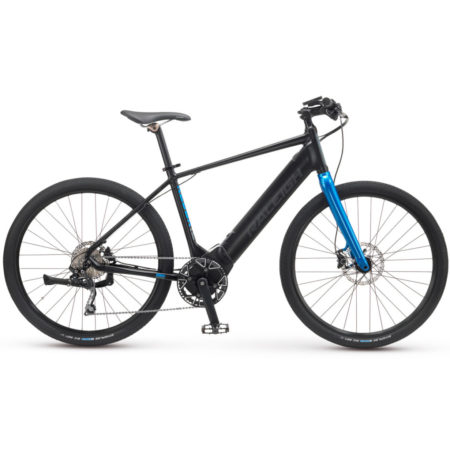
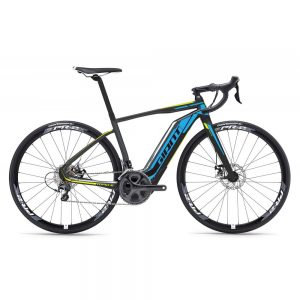
raleigh-redux-e-bikeA town bike with electric assist. The flat handlebars give a more upright position that can be easier for new cyclists and those with limited flexibility.e-bike for road cyclingElectric bike with drop handlebars from Giant. This design gives the closest experience to riding a standard road bike. Suitable for those who have enough range of motion to comfortably place their hands in the drops.
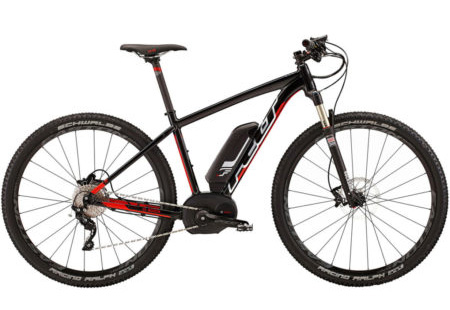
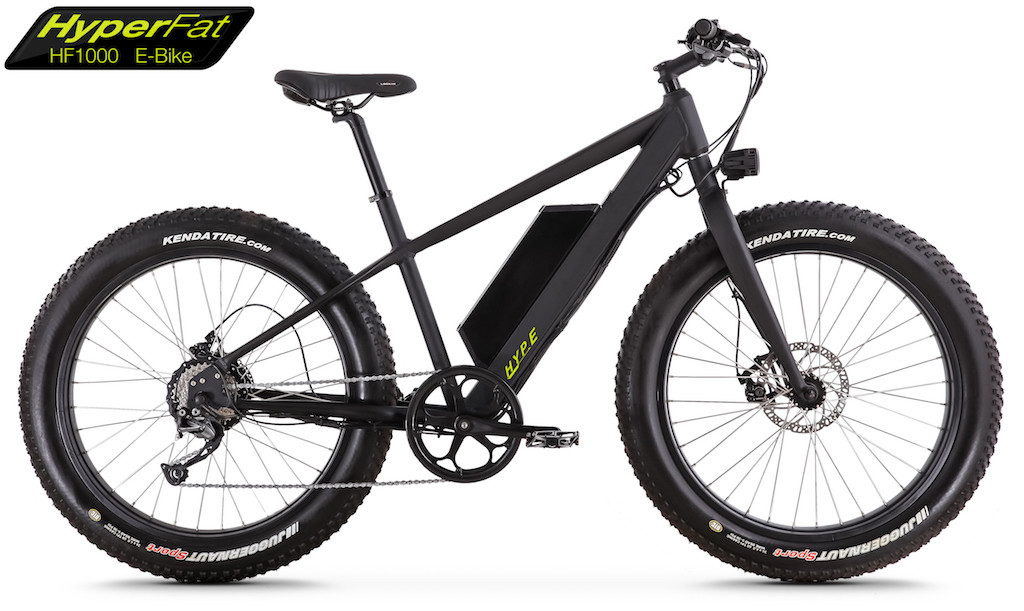
Mountain E-Bike and a Fat Bike with Electric Assist

felt_Nine-mountain-e-bikeAn electric mountain bike. Designed for trails, bike paths and exploring off road.e-bike with fat tires for snow and iceAn electric Fat Bike. Super strong with fat tires. Perfect for riding in winter and for heavier people.
Utility and Delivery E-Bike

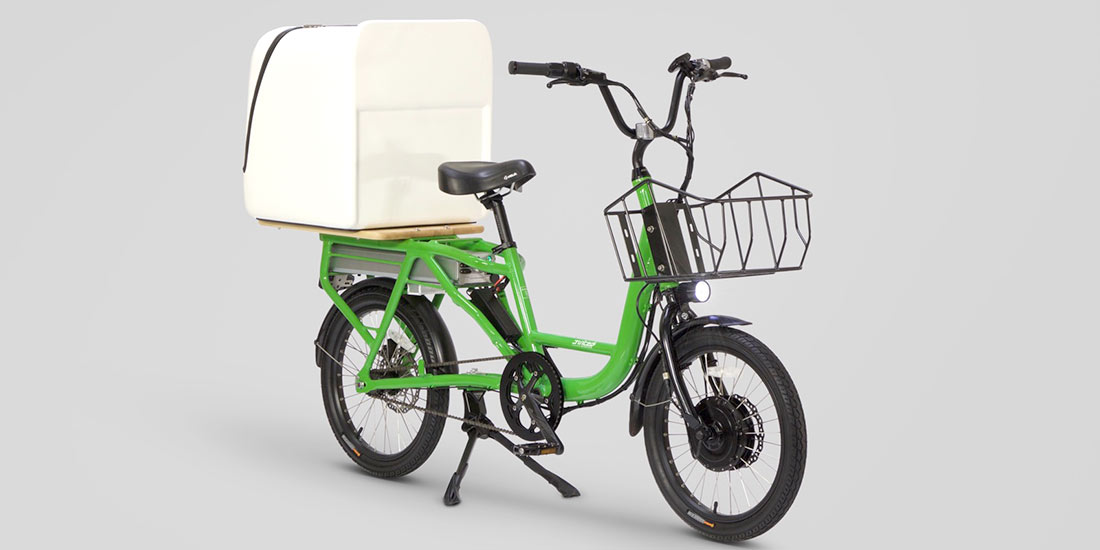
Green+Delivery e-bike +PizzaA delivery bike with an insulated box large enough for an 18″ Pizza. Read more at Juiced Bikes. You can also but Utility or Cargo Bikes with an electric motor to assist with moving the load.
Would you Consider an E-Bike?

What do you think of E-Bikes ? Are they destroying the sport of cycling, or are they a great idea for people who do not have the strength, flexibility and fitness levels for regular cycling ?

Visit electric bike for a great guide to buying an e-bike. Please give us your feedback, this really helps us to improve our site.

Crank Arm Length – How to Choose ?

August 11, 2017 by Gareth Eckley


Crank arm length is the second most important factor in a comfortable and efficient bike fit. I check it right after saddle height…an expert bike fitter.

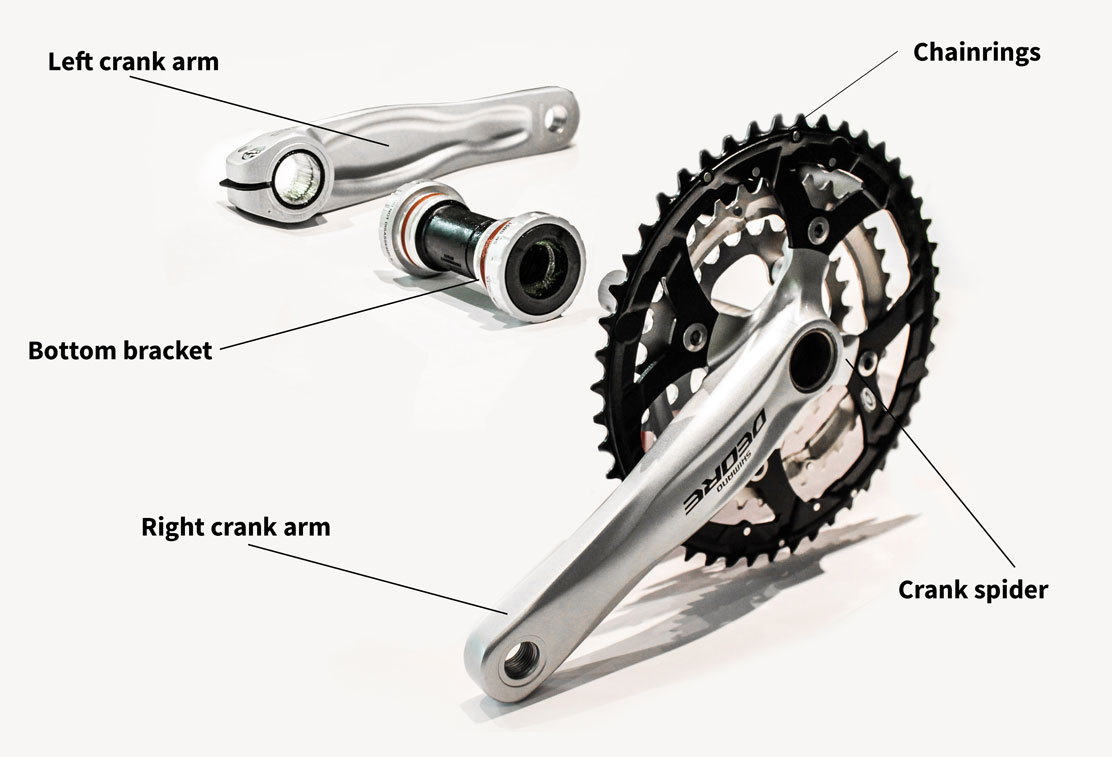
crankset explainedCranks are the arms that pedals attach to, usually made from aluminium, or carbon for more expensive bikes. When you buy a bike it will already be set up with a set of cranks.
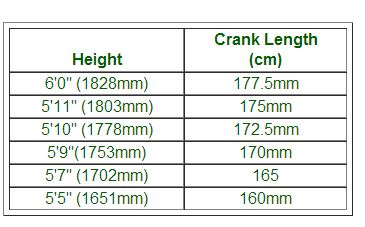
The crank arm length will be the standard size that the manufacturer recommends for that frame size. This is worked out using industry averages that may not be optimal for your body.

crank length tableThe perfect length crank for you will give these 7 benefits:
  1. A smoother pedal stroke – more efficiency
  2. Help maintain a  higher cadence
  3. May help you keep a lower position on the bike – more aerodynamic and fast
  4. Reduce stress on the knee and hip – Anterior Knee Pain
  5. A solution for less flexible cyclists – tight hamstrings can be helped by a shorter crank
  6. A shorter crank can allow you to use a bigger gear for the same effort, making you faster.
  7. Help reduce the “dead spot” on the top of the pedal stroke (this is from 11 o’clock to 2 o’clock). The distance of travel is less on a shorter crank.

How to choose the correct crank length

Expert Tip: Get a bike fit in-store before buying a new bike, as they will replace your cranks with your ideal size free of charge. If you leave the bike fit until after you buy your bike, you will have to buy a new set of cranks. If the store does not offer a bike fit, then get fitted elsewhere so you know your appropriate crank arm length.

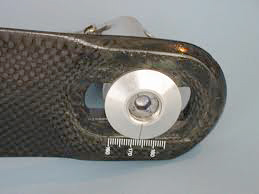
Some bike fitters will have an adjustable crank, so the pedal can be moved to simulate crank lengths from 155 – 185mm. You can try this during a bike fitting. A good bike fitter will help you find the best crank arm length for you.

If you are changing the cranks on an existing bike. Get a bike fit and then buy a cheap crank or borrow a crank with a different length. Go for a few rides and see what length is best. When you know what size you need. Go ahead and buy the crank you want.

Is a longer crank more powerful?

There is a common myth among cyclists that a longer crank gives you a more powerful pedal stroke. Common sense may make you feel this true, as a longer lever allows you to use less force to generate more power than a shorter one, right? So the longest crank would be the best choice?

Not so fast. It is harder to keep a higher cadence with a long crank as your feet have to move further to complete the pedal stroke. Gaining speed by spinning up from a standing start can take longer. Too long a crank can create stress on the knees at the top of the stroke.

Signs that your cranks are too long

  1. You prefer a low cadence – below 75 rpm
  2. Your knees are close to your chest when in the drops.
  3. You are often the first to stand up on your pedals when climbing.
  4. You have hip, knee or lower back pain.
  5. Your pedal stroke feels uneven.

Benefits of a shorter crank

A shorter crank makes it easier to spin at a higher cadence. The reduction of force can be eliminated by selecting a bigger gear on the rear cassette. Studies have shown a small benefit, around 3% less oxygen used, during sustained effort.

Smaller cranks can allow you to get into a more aerodynamic position. This is because your saddle height is lower with a shorter crank, allowing you to bend more at the waist when you reach for the handlebars. This position can reduce your drag, especially if you are using aero bars.

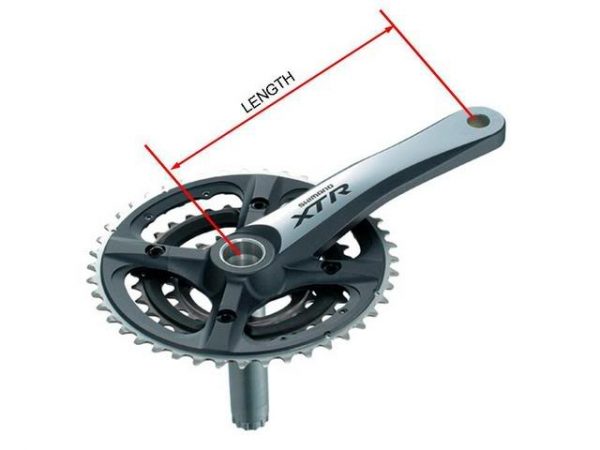
How do I Measure a Crank?measure crank length

Crank arm length is measured from the middle of the crank thread to the middle of the pedal thread.

An adjustable crank

What Length Crank Should I Choose?

The correct crank length puts your knee in the correct position at the top of the pedal stroke, and still leaves space between your knees and your stomach. Your height, the length of your legs and the length of your femur and lower leg are all important factors.

A quick guide is that shorter riders need a shorter crank and taller riders need a longer crank, but there are benefits in going shorter than longer for most cyclists.

  1. Triathletes and time trial riders will use a shorter crank. Two reasons are: to get a more aerodynamic position and to use less oxygen (around 3% less) during the event.
  2. Older or less flexible riders also benefit from a shorter crank.
  3. Longer cranks are better at slow to moderate speeds and for climbing out of the saddle (unless you run a bigger gear to compensate).
  4. Shorter cranks are easy to spin up, best at high speed, for steady tempo rides and are probably faster overall for the average flat or moderately hilly ride.
  5. Some riders just feel happier with a powerful, lower cadence pedal stroke. They will prefer a longer crank.

Advice from an expert bike fitter

Deep Dive – A detailed look at the science

If you’re interested in learning more, check out this great resource featuring the research work of Jim Martin and Steve Elemer on the pedalling rate, crank length, pedalling technique and non-round chainrings.

Another excellent resource is this guide from Bike Dynamics, bike fitters in Leamington Spa, Warwickshire, UK.

Are Cycling Shoes Worth The Leap?

June 13, 2017 by Andrew Funamoto

If you are thinking about buying cycling shoes, you may find yourself in the following circumstances:

  • Thinking of buying a bike and cycling shoes for exercise
  • Currently commuting to work
  • Riding on weekends with friends
  • Exploring the city & countryside

Seeing cyclists hobble around in cycling shoes is not pretty, so there must be a reason why people insist on wearing them.

What Do Cycling Shoes Do?

The first and most obvious aspect of a cycling shoe is that they clip into the pedals. With a distinctive “click,” cycling shoes with clipless pedals will encourage power through all portions of the pedal stroke. Think of a clock and how the second hand moves through all 360 degrees.

Secondly, cycling shoes provide a rigid platform that allow power to be transferred into the drivetrain with greater efficiency than running shoes, sneakers or high heels. When you apply power into the pedal with sneakers, the flexible sole that offers comfort when walking, deforms around the pedal. This means energy lost and sore feet.

Cycling in running shoes is like cutting veggies on a plate with a butter knife. Switch to cycling specific shoes and you’ll be cutting veggies with a proper chef’s knife on a wood cutting board. The combination of clipless pedal with cycling shoes will have you slicing and dicing your morning commute.

Types of Cycling Shoes

Mountain Bike Shoes

There are two main types of cycling shoes. For someone looking for an all-round cycling shoe, a mountain bike shoe will be a good primary option. Mountain bike shoes have thick tread that allow mountain bikers to navigate tricky terrain. It sounds counter-intuitive at first, but that same tread helps commuters and new cyclists navigate slippery tile floors and the stairs up to the office.

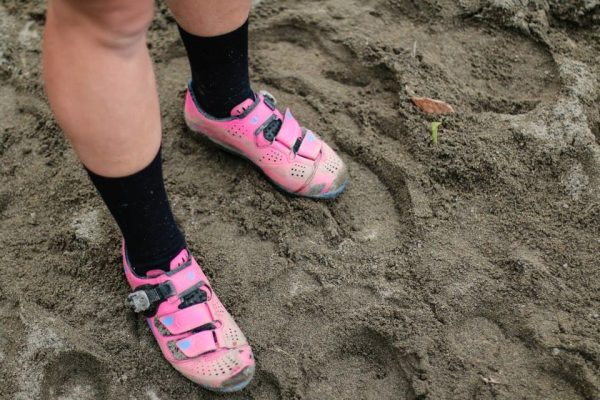
Contributor Morgan and her MTB shoes. They are more versatile than road shoes. (Photo by: David Gillam)

Road Bike Shoes

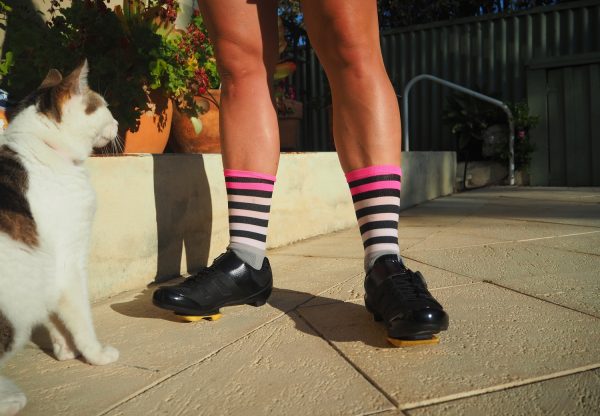
Road bike shoes are typically lighter and more breathable. But the weight comes at the expense of functionality. Road shoes don’t have robust tread like mountain bike shoes and they will often be completely smooth; this is by design. Road cyclists will sometimes ride hundreds of kilometers before un-clipping for a stop light or an esspresso. Hauling around a few extra grams is not efficient (yes roadies are that Type A)! The speed and efficiency comes at the expense of being awkward. The cleats that clip into the pedals protrude, and you’re left quacking around the supermarket during a quick grocery shop on the way home from your ride.

Even Blondie knows these road shoes are awkward to walk in!

So What Type of Cycling Shoe Should You Buy?

Are you doing a quick rip to the farmers market? Mountain bike shoes will likely be a good choice. The tread will be good for navigating mixed surfaces and the added strength of the nylon sole compared to your runners will make the ride home a lot less uncomfortable.

Are you doing a long commute to work and riding on the weekends? Road shoes might be a good option here! Check out these Shimano touring shoes. They can almost pass as your work shoes!

Are you riding a shorter distance but looking for more support? Brands like Chrome manufacture a happy medium between cycling shoes and runners. They add a stiff base plate in the heel and mid-shoe to help with power transfer, but still offer lots of comfort while walking around. These shoes last for years, they are extremely tough.

Taking the Leap: Cycling Shoes

New Bike Day

OK, so you’ve decided you want to give cycling shoes a go, now what? If you are new to riding and have just bought a brand new road bike, wait a few weeks before stepping into a pair of cycling shoes and clipless pedal. It takes a few weeks to get used to the handling of a new bike, and cycling shoes with clipless pedals can be one too many items for your brain to process. You might end up tumbling over at a stop sign– or maybe in your driveway. Take your new bike out a few times with flat pedals before leaping into clipless pedals.

Commitment

Now it’s time to commit to new shoes and clipless pedals in the parking lot. Practice clipping in and out with both feet.

Tip 1: When coming to a full stop, clip out one foot well before you know you need to and coast into the corner. Clipping out before you need to put your foot down sounds obvious, but tipping over happens to all of us!

Tip 2: When stopping, pick a side that you are more comfortable clipping out on, and stick to that side. Then, when you arrive at the stop gently lean you bike in that direction, using your un-clipped foot is your anchor. If you keep your bike verticle, a gust of wind can tip you over onto the side that you are still clipped in on! It’s happened before, and it will happen again!

Smash It With Cycling Shoes

Now get out there and start smashing your way commute back from the office, farmer’s market or apple orchard!

How To Ride Long Climbs Faster

April 30, 2017 by Andrew Funamoto


In part two of his climbing series, Travis explains how to ride long climbs. From reaping the rewards of endorphin highs on the top of the hill, to the best pacing strategy, Travis gives us some tips on how to tackle long climbs. If you missed his previous video on gearing and cadence, check it out here.


Why Do We Ride Long Climbs

  • Uninterrupted riding
  • Sustaining heart rate
  • Reward of accomplishing something huge!

How To Ride Long Climbs

  • Pace yourself (don’t go too hard in the first five minutes)
  • Vary your position by standing every once in awhile
  • Relax. Relaxing will allow you to breathe properly on the bike

We would like to thank Jody, one of our readers who inspired us to get this video online. Jody just turned 50 and asked us if we had any tips on tackling Mauna Kea, so if you are in the same boat of ambition stay tuned for more videos. Also, check out Joe Friel’s book Cycling Past 50.


How to Travel With Your Bike

April 27, 2017 by Andrew Funamoto

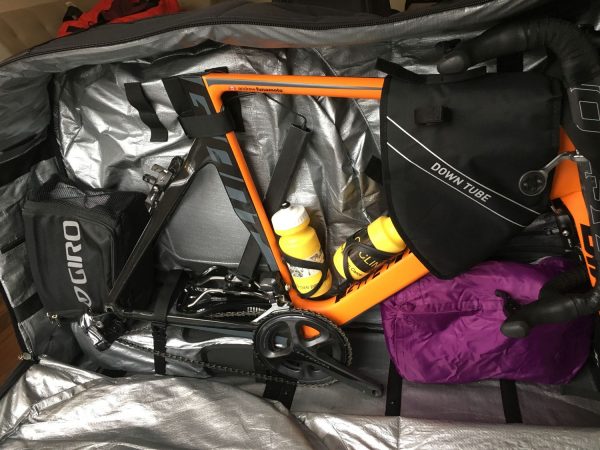
Before starting with the how to’s and how not to travel with your road bike, you must understand that it is a huge pain to travel with your bike. There is honestly no way around it. Hauling around a 30 pound bike bag, no matter how well designed it is, is just plain frustrating. Once you accept this fact, you are ready to travel the world with your bike in tow.

travel with your bike
Check with your airline to find out the maximum weight for your bike bag. There’s often a lot of extra space in the bike bag to stuff extra kit, shoes and tools.

To Bring, or Not to Bring Your Bike

If your main purpose of your trip is to ride your bike, and you are completely in love with it, then absolutely travel with your bike! There’s nothing better than touring a new place on your trusty steed. In this case, you are probably logging a lot of kilometers and even the smallest discomfort on a rental bike can lead to more serious aches and pains later in your vacation.

Type of Travel

If you are planning on staying in one location for the majority of the trip, this also bodes well when considering bringing your bike. The fewer location changes, the fewer times you will need to assemble and reassemble your bike. If you are visiting a number of different cities, think about renting. Constant packing and unpacking, assembling and disassembling can be a drag.

Are you planning on using a bike for exploring, visiting tourist attractions and as your main form of transportation? Consider renting a bike. Locking up your favorite bike outside in areas you are unfamiliar with is asking for trouble.

If you are traveling with your family, and you are the only one riding, you might want to rent. Having your bike in the corner of the condo or timeshare will have you feeling guilty. It might also tempt you to take it out for a rip when you should be joining the rest of your family for breakfast.

Airline Fees

Every airline is different, but with more people traveling with bikes, airlines are taking note and applying surcharges for bikes. Certain airlines are fantastic to fly with, while others apply a heavy tariff as a disincentive. Expect to pay anywhere from $25 on the low-end to up to $200 on the high-end.

Discount Airlines

Are you traveling somewhere with a discount airline? These discount airlines are often tempting, but be sure to investigate how much it will cost you to travel with your bike. It is frequently more economical to fly with a major airline who charge less for bikes rather than a discount airline who might charge up to $20/kg when you find yourself over the allotted weight limit.

A Smile Goes a Long Way

When checking your bike bag, any use of the word bike will likely end up in a surcharge. Stating that you are: “checking oversize luggage” instead of “checking my bike bag” will often save you an added charge. When prompted, the contents of your luggage is better referred to as “sporting goods” instead of “a bike.” As always, you are at the mercy of the airline staff, so being patient and starting the conversation with a big smile can go a long way.

As previously mentioned, because more people are flying with bikes, always expect to pay as per the airline’s policy and be pleasantly surprised when you get through uncharged.

Other Considerations

Bring Your Backup Bike

Consider bringing your backup bike. People in the Pacific North West tend to have “winter bikes” and as tempting as it is to pack up your summer “race” bike, consider bringing your backup bike instead. A forklift through a rear triangle or cracked carbon wheel is a sure way to start your vacation in tears.

Bike Touring

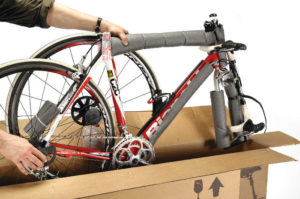
If you plan on bringing your bike and riding it from the airport, consider packing your bike in a robust cardboard box (many bike shops will have old boxes that they are giving away). Once arrived at your destination, assemble your bike at the airport, recycle the cardboard box and begin your adventure!

Travel With Your Bike

Getting to and From the Airport

If you are traveling on your own there may be less of an issue but if you are traveling with a partner or a friend, you will need a van to get you from the airport. This can be difficult in some cities, so plan ahead. Some large taxis charge extra for the van; take this into account. There are very few options which allow you to ride to and from the airport with bike bag in hand. Orucase is your best bet if you are a light packer and have the wrenching skills and patience to sit around at the airport assembling a bike.

Storing Your Bike Bag

Bike bags are big, so you will want to think about where you will be storing these behemoths during your stay. Most softshell cases pack down fairly small, but hardshell cases are awkward and might find themselves parked in the corner of the motel room.

Assembling Your Bike

In most cases, you will need to have basic maintenance skills in order to reassemble your bike. If you are particularly intimidated by tearing your bike apart, high-end bike bags like Scicon will have the least amount of reassembly required. At the other extreme, the Orucase has the user remove the wheels, stem, fork, adjust seat height and remove rear derailleur. Most other travel bags, such as the ever popular EVOC, will be in between these two extremes. Remove the pedals, the handlebars and you’re off to the races!

What To Pack

  • Pump
  • Set of allen keys (make sure you have one large enough for your pedals)
  • Torque wrench if possible
  • Lock
  • Multi-tool
  • Spare tubes
  • Tire levers
  • Patch kit
  • Helmet
  • Shoes
  • Gloves
  • Glasses
  • Jersey
  • Shorts

Enjoy your trip!

How To Choose the Best Cycling Jersey For You!

April 23, 2017 by Lee Agur

Cycling jerseys are specifically designed to allow you to function at your best while riding a bike. Selecting the best cycling jersey is not as easy a task as it may seem. First, you will have to answer some important questions:

  1. How to choose a cycling jersey for youWhy even wear a cycling jersey?
  2. Tight aerodynamic cycling jersey or one with a more comfortable fit for everyday riding?
  3. What material of jersey do I want? Polyester, nylon, wool? What’s the difference?
  4. What size of Jersey am I?

Why Even Wear a Cycling Jersey?

“Can’t I just bike in a normal cotton shirt?”

Well, of course, but do you want to? Cotton is not designed to wick away sweat making it more difficult on your body to regulate your temperature. If your body has to work harder to cool itself down it will affect your performance not to mention how uncomfortable a sweat-soaked shirt is to wear. You are also able to fully open the zipper for more ventilation on those hot days. Jerseys are also more form fitting and help with aerodynamics which is an inexpensive way of buying “free speed”.

Cycling jerseys have back pockets specifically designed to carry food, and tools in case you get a flat tire or even your phone in case of an emergency. They have a shorter front panel and a longer back panel so that when you are in the riding position they cover your back and don’t bunch up in the front, they are also designed with silicon grip tape on the bottom of the hem to keep the jersey from sliding up your torso as you ride.

Cycling jerseys are not just for functionality, they are also part of your style. The brand, logo or design can make you feel part of something, or help others identify who or what you are about.

Cycling specific jerseys may not be for everyone, but they certainly help your experience and performance.

What Type of Cycling Jersey is Right for Me?

There are two types of cycling jerseys – race cut and club cut.

What is a Race Cut Cycling Jersey?

Race cuts are tailored for the fittest cyclists such as pro cyclists, cat 1 and 2 cyclists and small cyclists who love to go up mountains. Race cuts are a tight fit so they are aerodynamic, very form fitting and are the tightest cut available. There is generally a significant rear dip in the waistline so that when you are in the riding position the front does not bunch up, and your back is covered.

Race cut cycling jerseys are generally quite short and are meant to be worn with bib shorts. If you do not have bib shorts, you will have an unflattering gap between your shorts and your jersey. Do yourself a favor and buy a club cut if you don’t like bib shorts or you will perpetually be pulling your jersey down to cover your stomach and love handles. Been there, done that, don’t recommend it.

Who are Race Cut Jerseys For: Pro Riders, Elite Category 1 and 2 riders, skinny riders.

What is a Club Cut Cycling Jersey?

For the everyday rider, there is the club cut Jersey. Club cut jerseys have a much more relaxed fit, they have more room in the ride position, a small rear dip and are still tailored to fit but not constrict.

Club cut jerseys are a little longer in the torso so that they can be worn with normal cycling shorts (not just bib shorts), and they have a small rear dip for when you lean over the bars.

Who are Club Cut Jerseys For: 90% of cyclists, the everyday rider, the weekend warrior and anyone of average proportions or larger.

What Material is Best for Cycling Jerseys?

The best type of material for you depends on what kind of rider you are and the weather conditions.

Polyester

Polyester is a man-made recyclable synthetic material and is today’s most popular choice of material for cycling jerseys.

Pros

  • Great at wicking away sweat from the body and keeps your skin dry.
  • Helps keep you cool on hot days and is even UV resistant.
  • Extremely durable and can be washed and the color will not fade or wash out.
  • Mold and mildew cannot survive on it.
  • Can be bought at lower prices than other materials.
  • Great for warm or hot weather.

Cons

  • Plastic feel or artificial feel. (can be fixed by washing with fabric softener)

Nylon

Nylon is another synthetic material that is known for its strength and stretchiness.

Pros

  • One of the strongest man-made fabrics.
  • Stretches, which can improve aerodynamics as it will fit snuggly.
  • Good at wicking away sweat.
  • Holds color well without fading.
  • Resistant to mildew and rot.
  • Wind and water resistant.
  • Good in all weather conditions.

Cons

  • Mold can form which can be very difficult to wash out.
  • Absorbs odors.
  • Nylon can shrink if not handled properly.
  • Not biodegradable and has an environmental impact.

Merino Wool

Pros

  • Keeps you warmer than any other material.
  • Most water resistant material.
  • Best wicking material available.
  • UV resistant.
  • Does not absorb odors.
  • Great soft feel.

Cons

  • Very expensive.
  • Can be too hot in warm or hot weather.

Cycling Jersey Measurements

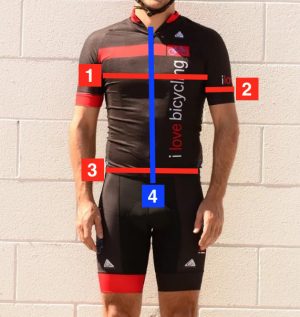
Cycling Jersey MeasurementsEvery manufacturers cycling jersey varies in size, so just because you are normally a medium does not necessarily mean you are a medium sized jersey. Getting the size right starts by knowing your measurements. Using a soft measuring tape follow steps 1 through 4 and measure:

  1. The widest part of your chest or bust just below your armpits.
  2. Around the widest part of your bicep.
  3. Around the top of your hips where the bottom of a jersey will sit.
  4. The length of your torso.

Take down all of these measurements and compare them to the jersey measurements provided by the manufacturer and choose the best size jersey for you.

Battling the Holiday Weight Gain with Cycling

December 29, 2016 by Josh Friedman

holiday weight gain

The end of the year is a time of revelry, and with that revelry comes indulgence and over-consumption. The weather is turning for the worst too making riding a bit more difficult because of condition and not wanting to suffer through bad weather. Devising some tactics to deal with holiday weight gain can keep you happier and healthier along with maintaining your fitness through this season that is fun and fraught at the same time.

Indulgence and Holiday Weight Gain

There are sweets at work. There is alcohol at the party. There is a feast at your family’s house. It is hard to handle all the indulgence. Find some strategies that work for you to enjoy yourself but also to keep holiday weight gain to a minimum.

  • It is okay to have treats and delicious food. Make sure whatever you are consuming is really worth it and increases your enjoyment of the moment.
  • Before going into a situation, set limits for yourself. An open ended commitment to eating and drinking will not end well.
  • Be honest with yourself when you are full or you have had enough to drink.
  • If there are a lot of options, take small portions so you can get a taste of everything you might enjoy. Then you can make a decision about what you really like and go back for more (if you are not violating the previous point).
  • There is no obligation to force feed yourself. Remember that peer and societal pressure is a thing, even when you are an adult and make a conscious decision to ignore the pressure.
  • Choose to fill up on the healthier options on offer – vegetables, fruit and other non-processed and less calorie-dense foods. It will make you feel fuller without dropping a calorie bomb in your gut.
  • Hydration levels affect your perception of satiety. Make sure you are well hydrated while partying the month away. An additional bonus to good hydration is that it will help you cope better with alcohol in your system.

The Bottom Line

The bottom line to battle holiday weight gain is to keep pedaling or staying active in some way. If you are already riding regularly, find a way that you can continue even as the daylight fades, temperatures drop and precipitation increases. A good set of lights might help to keep you on the road in the dark; nothing beats them to see or be seen. All the high visibility colors and reflectors do nothing compared to active illumination.

When the weather is sure to make you uncomfortable, set up a space indoors that you can ride in on a trainer or rollers that will keep you motivated. You will need a fan and some sort of entertainment. Staring at the wall or your bike computer the whole time sets you up for failure. Music, movies and friends make the time go by much faster.

Prepare a manageable schedule for yourself that you can stick to for your rides. A commitment will keep you on the bike and keep the holiday weight gain at bay. The more you ride, the more you can indulge, within reason of course. If you are lucky enough to have a schedule that allows you to ride more than usual at this time of year, the easier it is to burn off those treats. But beware – those treats do not provide optimal fuel for training.

Other Activity

The winter is also a great time to throw in some other activities to your exercise program to stave off holiday weight gain. Find something that is interesting to you that you may not get to do when it is nice out and you are more committed to riding. Again, make a regular schedule so you can stay fit and keep burning those extra calories you may be eating. The activity could also be a nice mental break from all of the riding; when you come back to riding, it will be fresh and exciting again.

You Already Know

You are already aware of what the end of the year can do to your body. It is hard to handle the indulgence and holiday weight gain if you do not have a plan. Make a plan and try to stick to it. You will be even more committed to the plan if you write it down and tell others about it – this works for anything. This will lead to a happier and healthier season, and that is what it is all about, right?

10 Best Cycling Gifts for Her

December 24, 2016 by Emma Lujan

womens-cycling

It can be tough to decide on the perfect gift to give to your female cycling friends.  With so many accessories, gadgets, and articles of clothing it can be overwhelming to decide what to get for that special person.  It is always good to keep in mind the ‘n+1’ rule, as most often cyclists enjoy having two of everything!  However, here is a list of the top 10 best cycling gifts for her to make your holiday shopping a little bit easier.

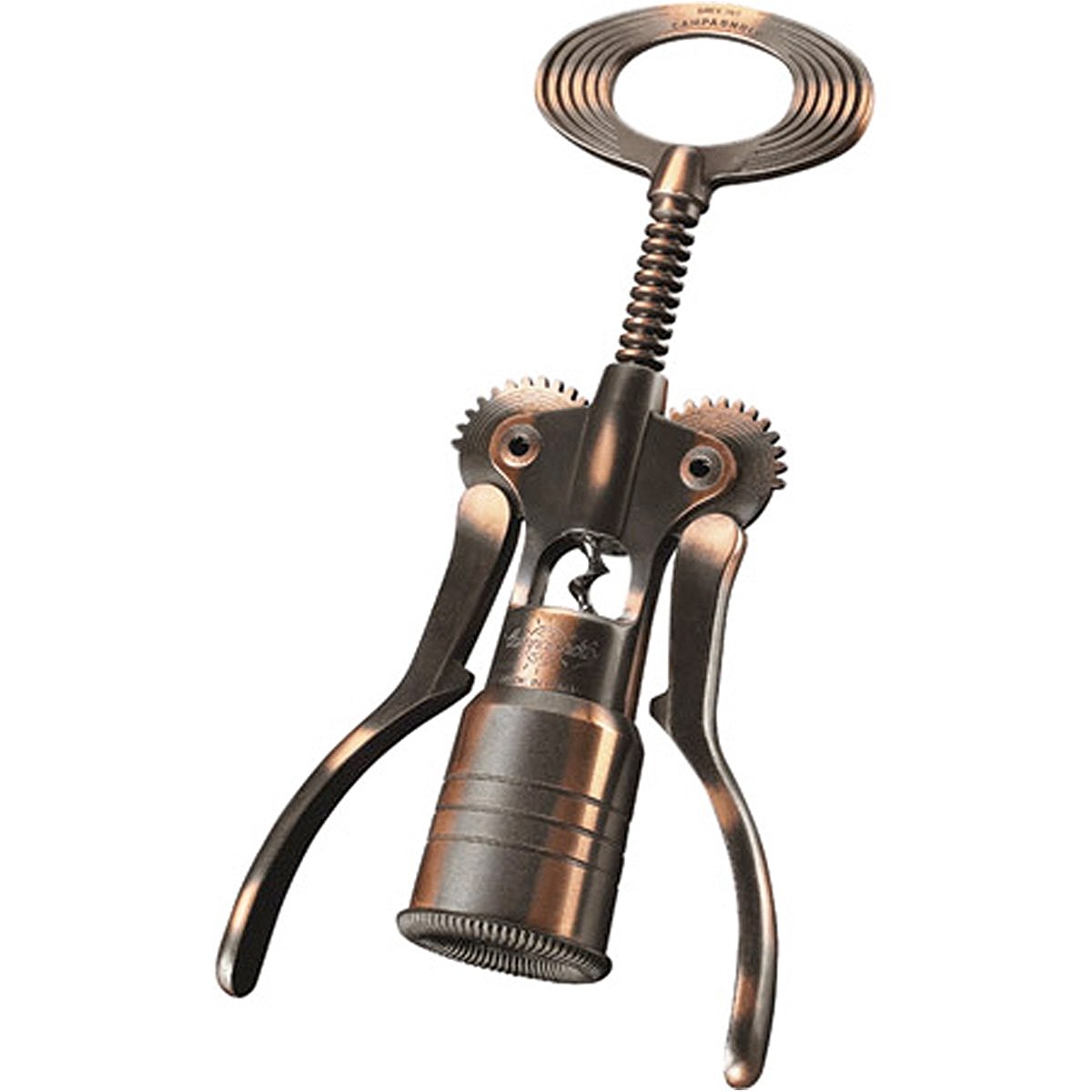
  1. Campagnolo Corkscrew. This wine corkscrew made by Campagnolo serves important purposes such as opening wine bottles, looking pretty, and being able to fit neatly into a stocking!

61ndjkzg9al-_sl1200_

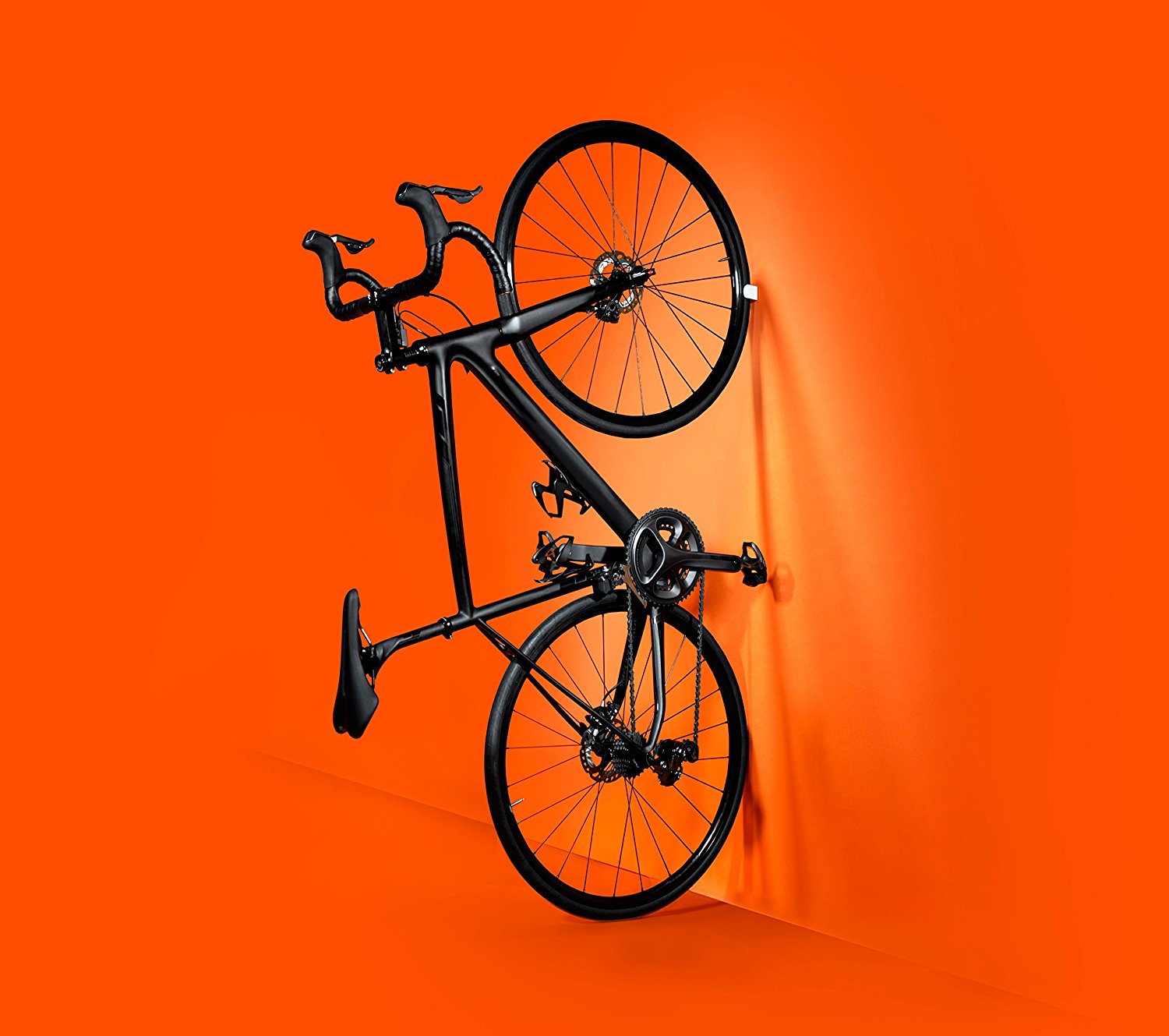
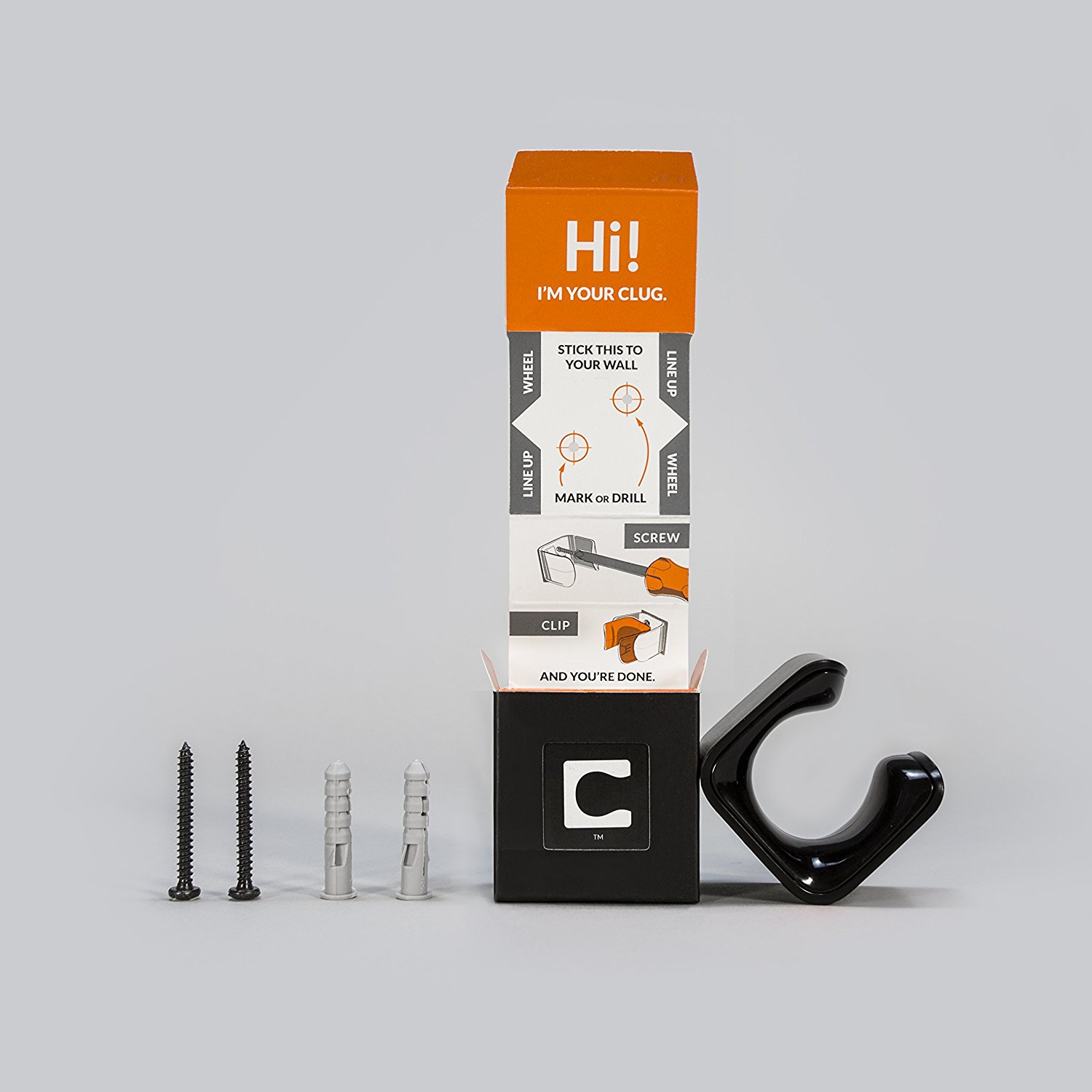
  1. Clug Bike Hooks. These sleek discrete bike hooks fit neatly into the wall and floor making storing your bikes easy and functional.  They are simple to install and keep your bikes out of the way especially in tight spaces like apartments and garages.

8176sbjzv8l-_sl1500_81j6itauqql-_sl1500_

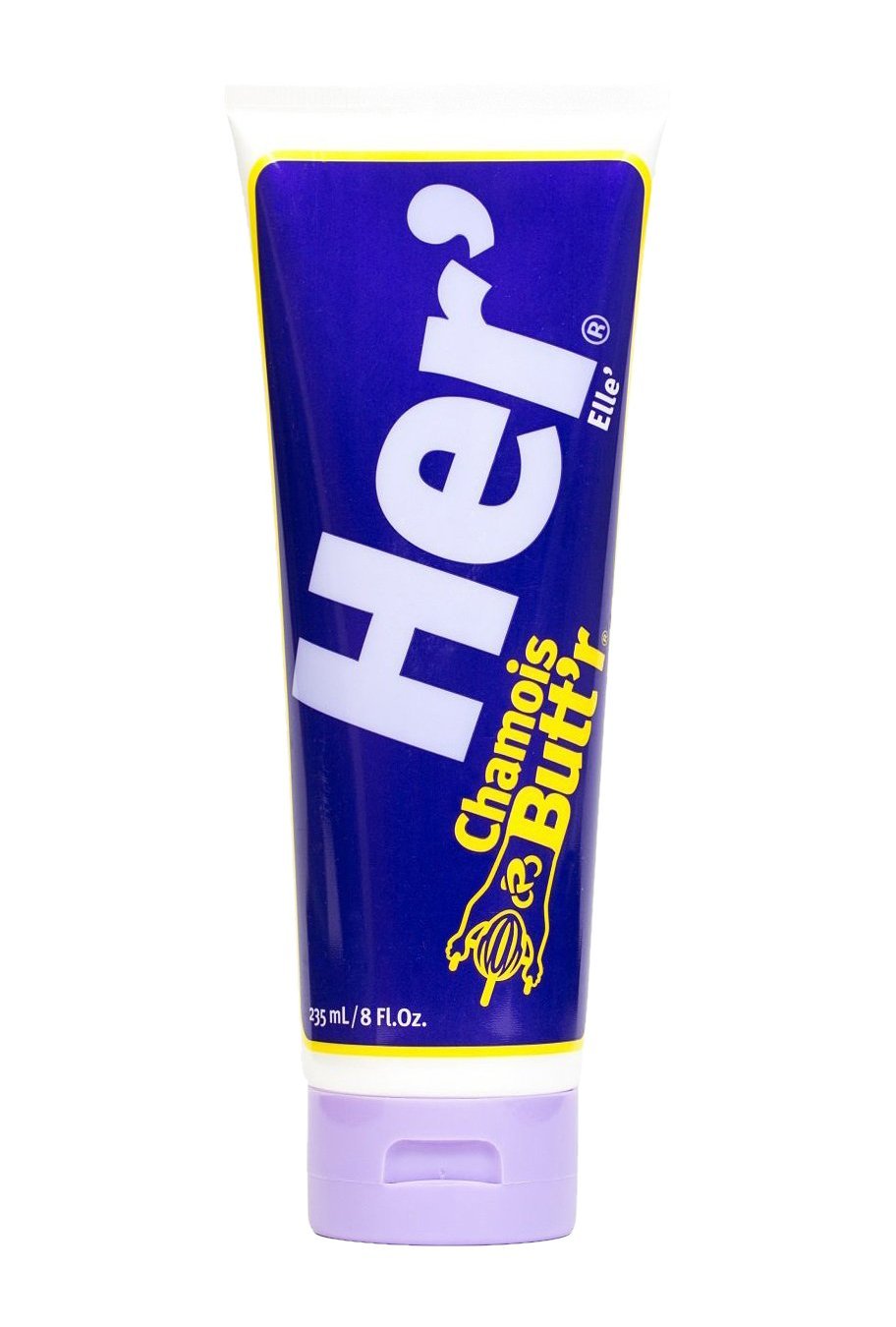
        3.  Chamois Butt’r Her. Chamois cream is always appreciated, and it is a practical gift that you will be happy to have once you begin increasing the riding mileage.

61xhsmimktl-_sl1350_

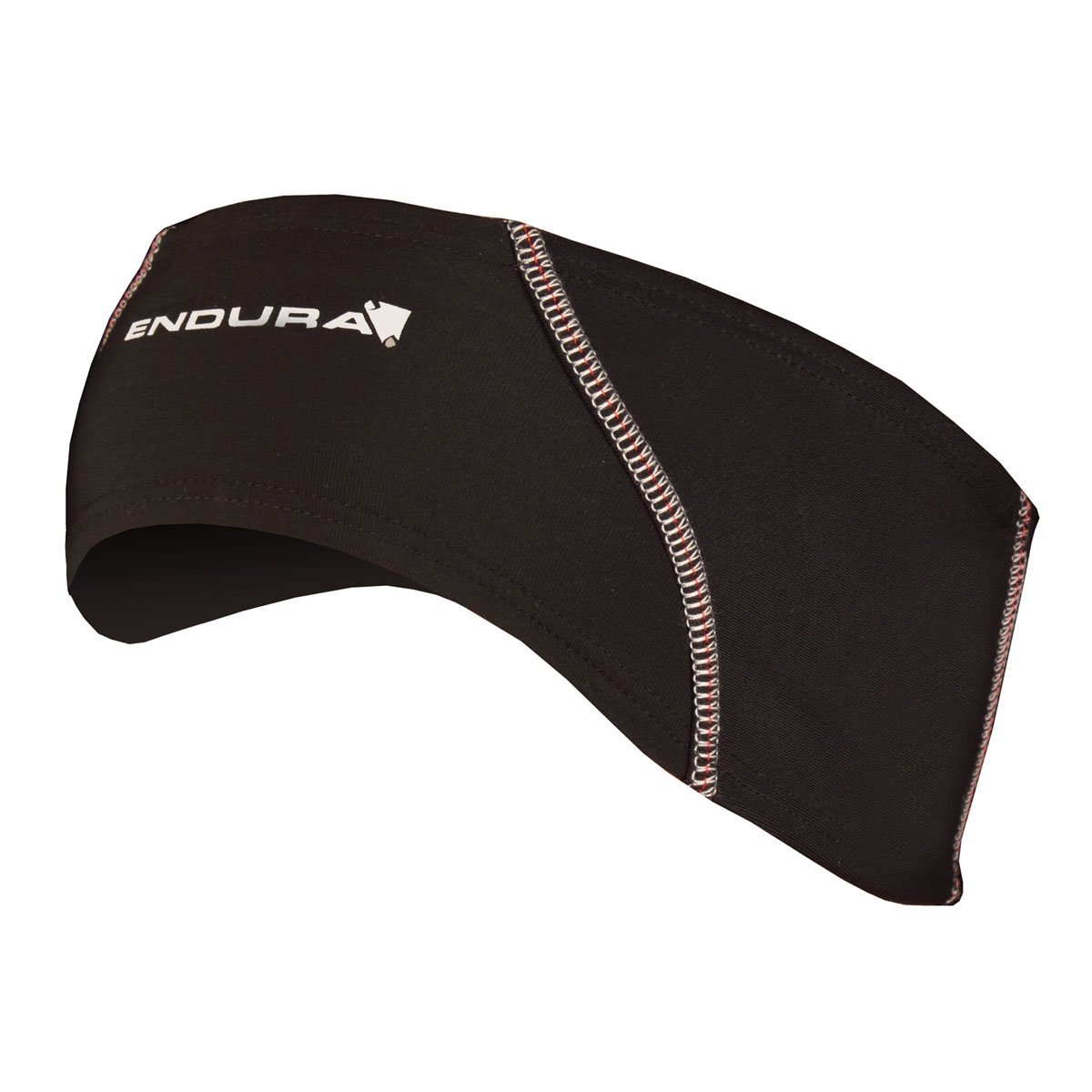
  1. Endura Windchill Head Band. This headband is great for keeping the ears warm during winter rides or runs.  It fits neatly under a helmet and is an awesome stocking stuffer.

61xrkvspszl-_sl1200_

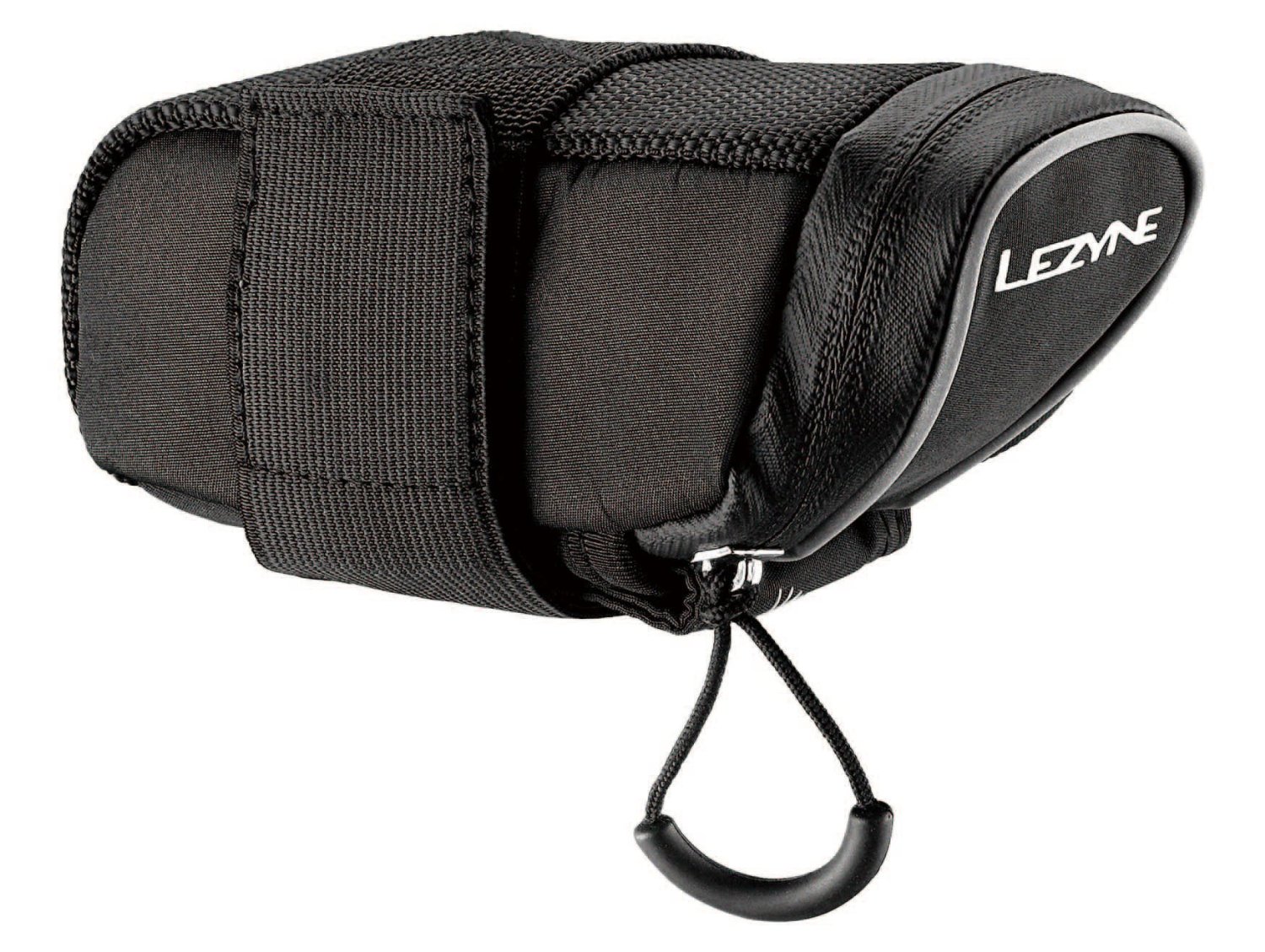
5. Lezyne Micro Saddle Bag.  A great gift for any cyclist to have is a saddle bag to store a spare tube, tools, and a patch kit or CO2 cartridge.  You can also get such items to make it a gift within a gift!

81yqstaemjl-_sl1500_

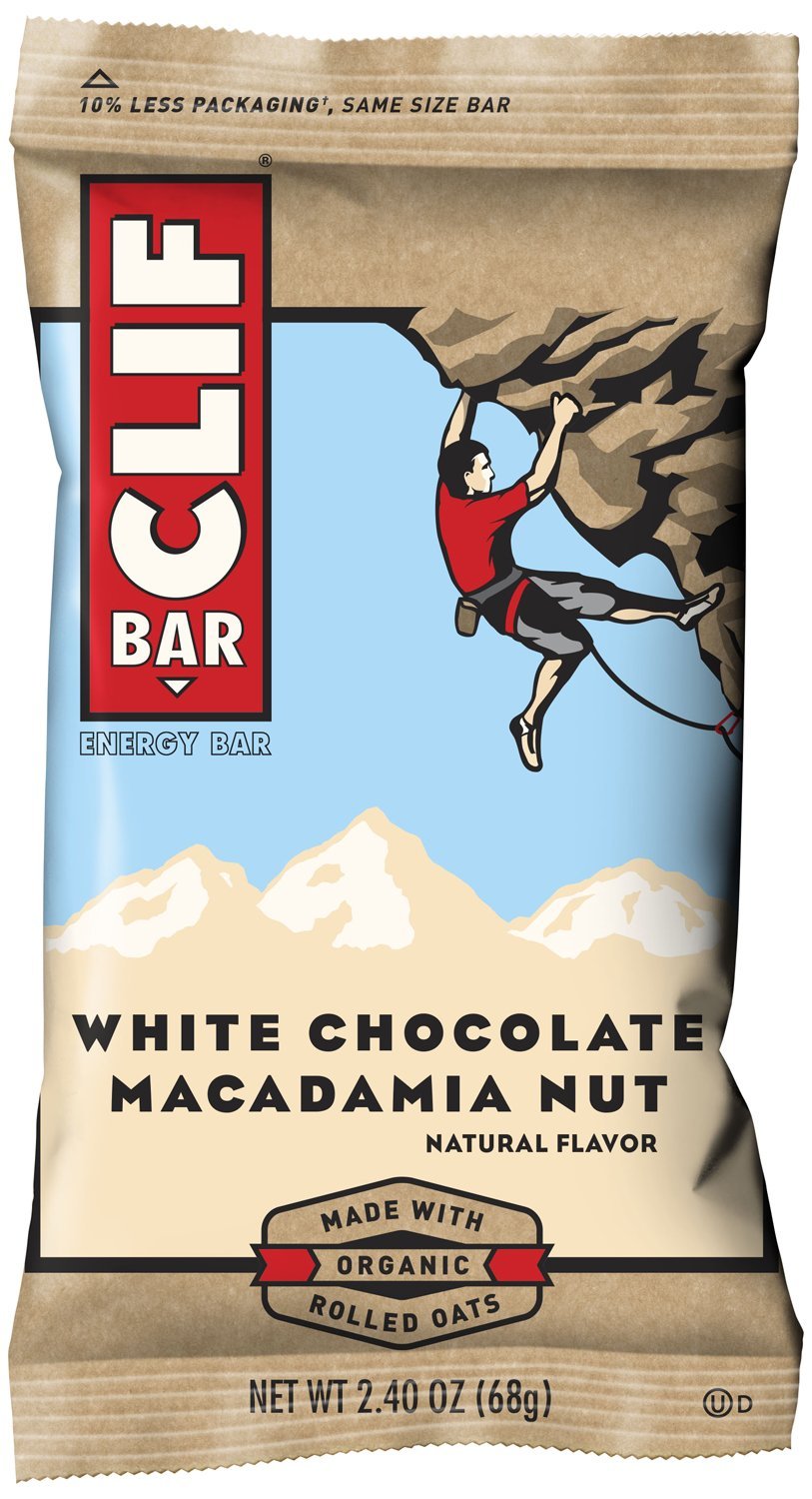
6. White Chocolate Macadamia Cliff Bars.  Keep your lady friend from getting ‘hangry’ with some cliff bars!  With tons of festive seasonal flavors it will be easy to please her and keep her fueled for the winter training rides.

71kwztnyx9l-_sl1500_

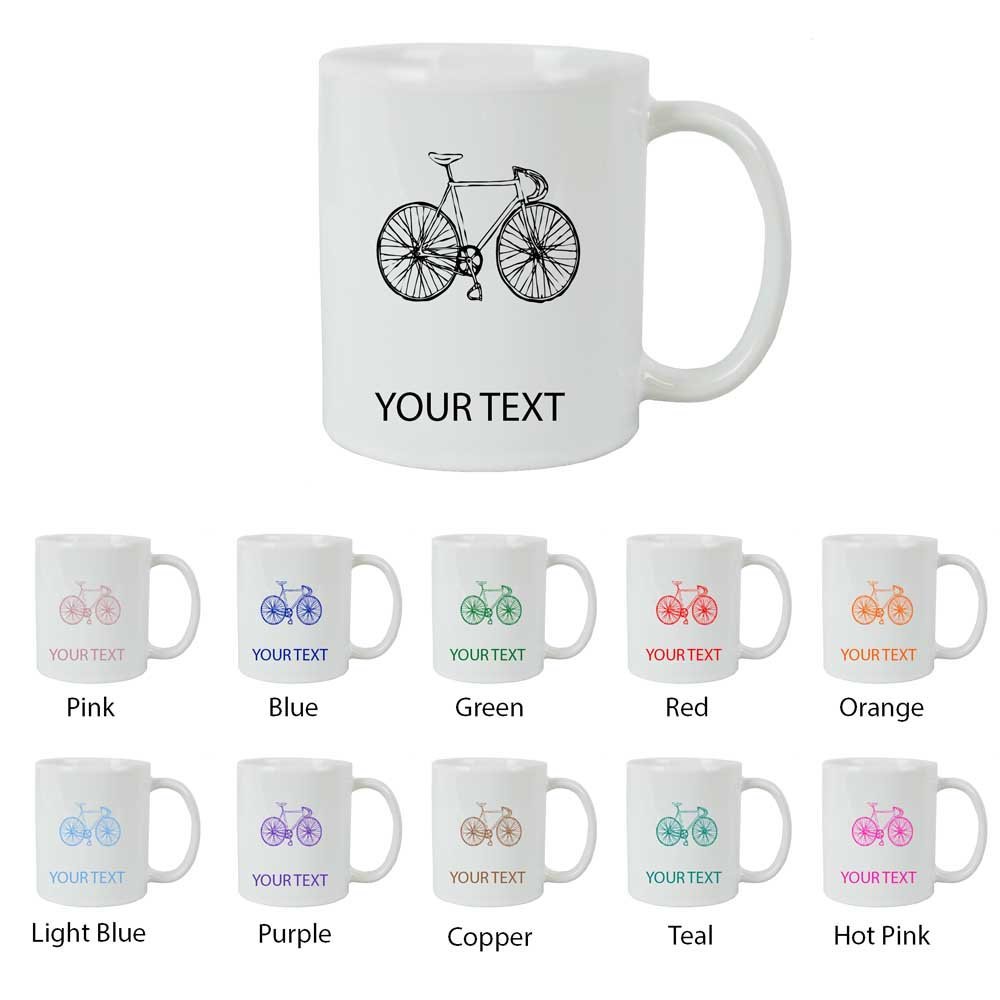
7. Personalized Coffee Mug with Coffee.  A simple and easy way to personalize a cycling gift, while playing into her caffeine addiction.  Most cyclists have a passion for coffee, and will love to have a special mug to enjoy it from.

61pupmrofl-_sl1000_

8. Giro Tessa Gloves.  A simple practical gift that comes in lots of different colors and will fit perfectly in a stocking.  The Tessa glove also comes in a long finger option.

51qqxat4myl

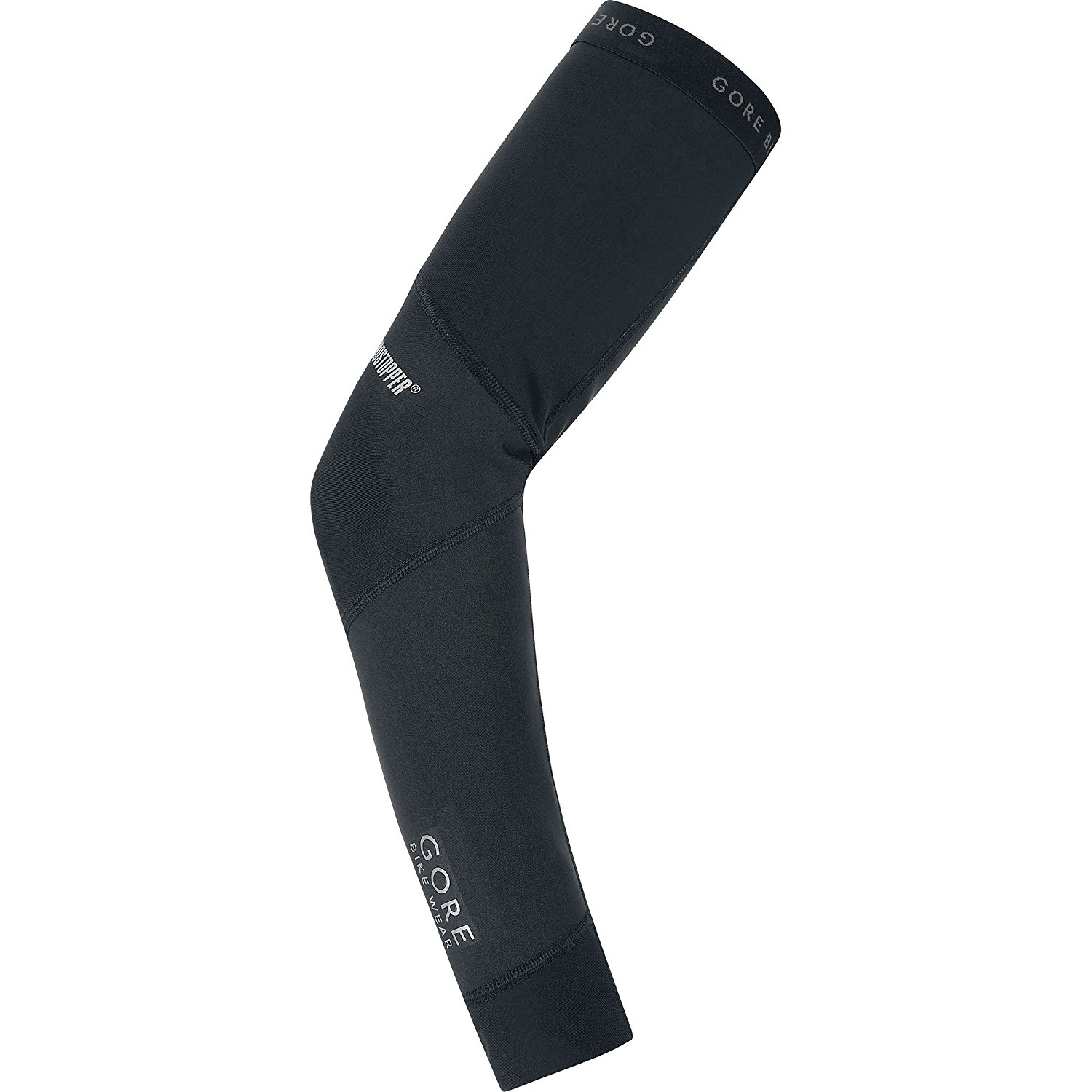
9. GORE Windstopper Arm and Leg Warmers.  A great gift to keep your cycling friends inspired and well-equipped to brave all the elements.  Arm, leg, and knee warmers available, as well as varying thicknesses and warmth.

71-7avwoll-_sl1500_

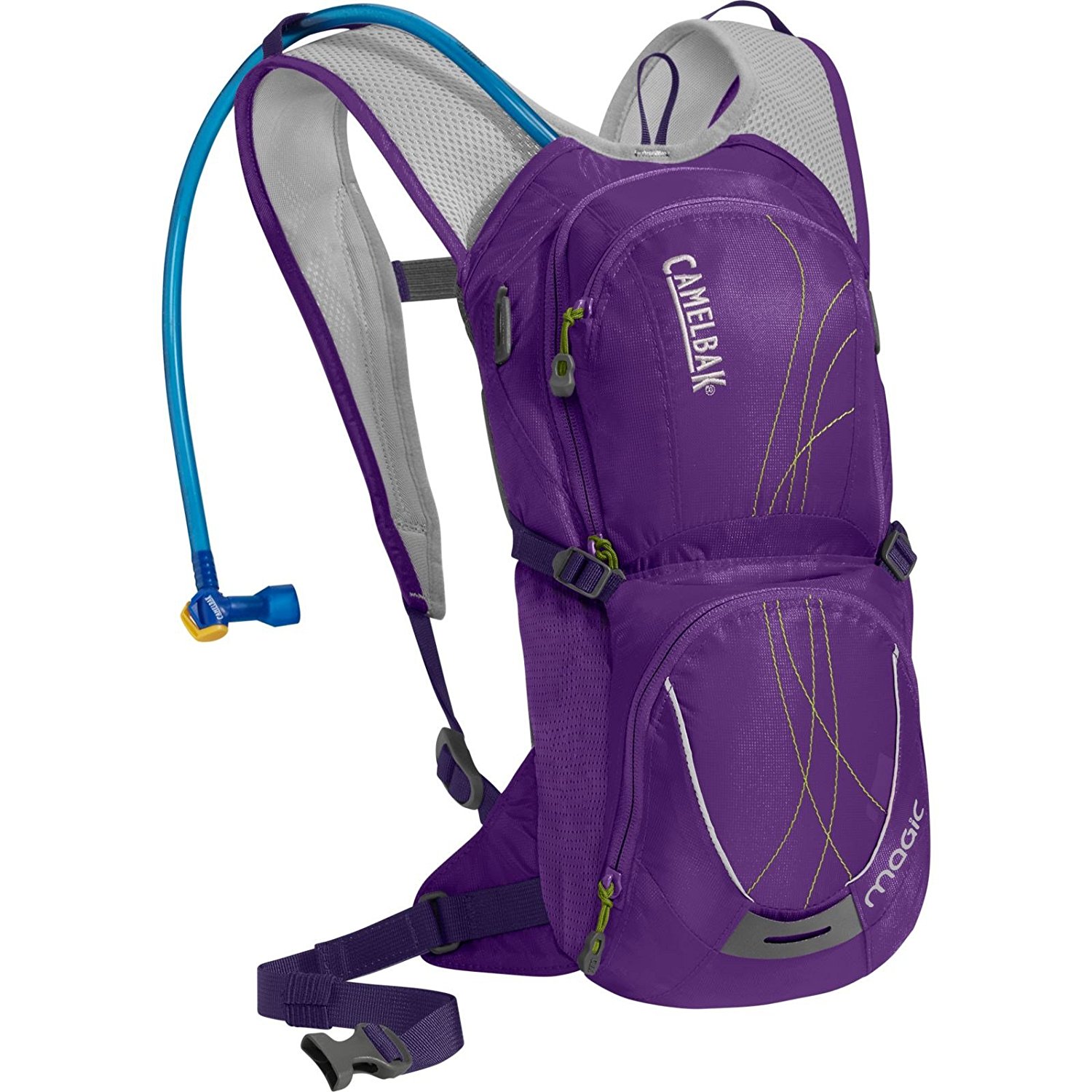
10. Camelbak Magic.  This women’s specific hydration pack from Camelbak has shorter shoulder straps, has a more narrow fit, and comes in different color schemes than the men’s packs.  It is designed for a more ergonomic fit making more comfortable for women to use.

71doy7dihml-_sl1500_

Don’t let shopping for your lady cycling friends be intimidating, there are plenty of women-specific cycling gifts to keep her happy, and make shopping easier for you!  Happy shopping and Happy Holidays.

« Previous Page
Next Page »
  • Facebook
  • Tumblr
  • Twitter

Latest Articles

JOIN Cycling: A New Training Platform for Cyclists

May 27, 2024 By Eric Lister

cold exposure

The Benefits of Cold Exposure for Cycling & Life

June 13, 2023 By Eric Lister

hill climb

The Ultimate Hill Climb Training Guide

May 31, 2023 By Eric Lister

shoulder pain cycling

How to Treat & Avoid Shoulder Pain While Cycling

April 12, 2023 By Eric Lister

psoas stretch

The Importance of the Psoas Stretch for Cyclists

April 6, 2023 By Eric Lister

cycling neck pain

The Ultimate Guide to Cycling Neck Pain: Causes and Solutions

March 21, 2023 By Eric Lister

Useful Info

  • Contact
  • Finally, A Global Cycling Club That Is Focused On Community And Love Of Cycling!
  • Privacy Policy
  • Share Your Story!
  • Terms And Conditions Of Use
  • Welcome to I Love Bicycling
  • What Happened When I Stretched Every Day For a Month

Recent Posts

  • JOIN Cycling: A New Training Platform for Cyclists
  • How to Hang Bikes in Your Garage: 4 Inexpensive Options
  • Gravel Bike Vs. Road Bike: Which One Is Better For You?
  • The 6 Types of Mountain Bikes & How to Choose the Best One for You
  • What Is a Touring Bike Good For? 5 Benefits We Know You’ll Love

Search I Love Bicycling

Connect with Us

  • Facebook
  • RSS
  • Tumblr
  • Twitter

Copyright © 2026 · Magazine Pro Theme on Genesis Framework · WordPress · Log in