• Training
    • Injury Prevention
    • Training Tips
  • How To
    • Bike Fit
    • Gear
  • Nutrition
    • Nutrition Tips
    • Weight Loss
  • Repair
  • Reviews
  • Stories
    • Funny Stories
    • Jokes
    • Quotes
    • Videos
    • Funny Videos

I Love Bicycling

I Love Bicycling is a website that is geared towards cycling for beginners with road cycling tips, training articles, nutrition tips, weight loss, how to’s and bike repair articles.

Training

  • Injury Prevention
  • Training Tips
  • Training Camps

Finally… Enjoying Adventures on the Bike Again Without Pain!

June 23, 2022 by Guest Post

Hi there and glad you found time to address the vexed topic of stretching. In the  following three to five minutes of reading, I’ll tell you how the Dynamic Cyclist program  helped me enjoy cycling again even after two herniated discs. Minor spoiler: With the right routine and exercises it’s easy to do and also more  beneficial in the long run than aftercare. 
A Bit About Me 

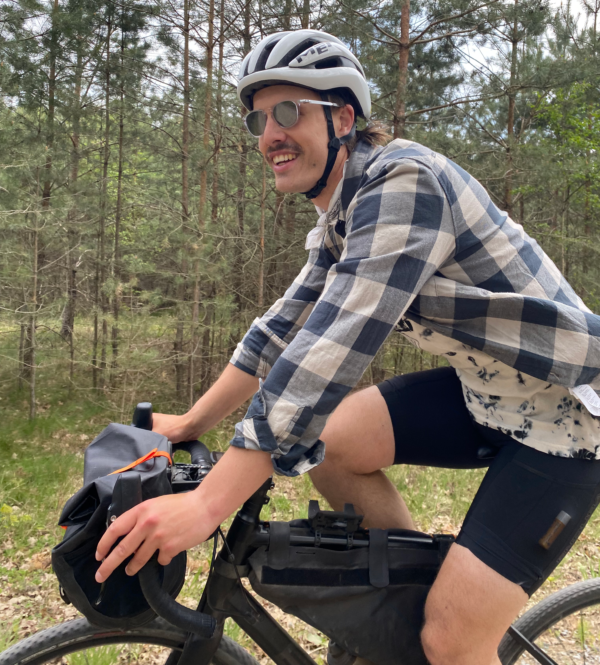
I’m Felix, a multisports enthusiast with a passion for cycling, a love for  challenges, and adventure on the mind at all times. I have done performance oriented sports since childhood, however for me it is about so much more than pushing speed or distance. The most important  aspects for me are enjoying nature and  discovering new regions. Sports are about being a part of a like-minded community, sharing an experience, and the joy of working out in a group. Sports, especially cycling, form a connection! 

Herniated Disc Number Two 

So when I was forced to take a break and was limited to a five kilometer radius around my house I felt pretty bleak. My endorphin levels nose dived like the stock market in 2008. During a period like this you need a strong partner by your side — so a thank you goes out to my  girlfriend, who put up with me during my second herniated disc and always encouraged me. 

So what happened? My morning routine during the Covid pandemic, winter months consisted of 10-15 minutes of freestyle stretching followed by a short HIIT session before work to get a little spritz for cycling. At the time I  had a lot going on at work and sat at my desk day in and day out (not always  ergonomically correct of course), but I believed that with my 10-15 minute stretch  program I would be fine. Apparently, that was not the case! As I found  out later: stretching is not just stretching. If that sounds confusing, bear with me here.  

It was a cool, gray morning in February 2021. On this particular morning I skipped the stretching program and went straight into HIIT and — bam — I went down. After being falsely diagnosed with a blockage I decided to stop training for a while only to be diagnosed with a slipped disc a few weeks down the road. Unfortunately, at the age of 28, this was already my second slipped disc. This was the absolute last warning shot for me.  Something had to change urgently!

Dynamic Cyclist – It’s a Match! 

After being frustrated with myself for not learning from the first herniated disk, I  got my act together and looked into what I could change in the future in a  sustainable way so I could avoid another slipped disc. I had to approach the  whole thing from a holistic perspective. 

What did this involve for me? Acutely and also in the long term a good physio, of course. However, I also had  to change my own behaviour. In addition to a balanced diet this included active regeneration and stretching. My herniated disc is partially genetically inherited (one more reason to take preventive action). As luck would have it I  found the Dynamic Cyclist program. It was a match!  

Give Yourself a Break From the Daily Madness 

The first time I tried the program I was hooked by the concept and presentation. Dynamic Cyclist only includes the most important aspects of mobility and stretching without any unnecessary fluff. It has a logical structure and a stretch program that is designed to guide you through the process of gaining mobility and flexibility over time. I can confirm that it does not get boring. I can easily find where I left off in the program from my home screen and the exercises have become my daily routine. Now my 15 minutes of stretching each day is  more efficiently invested than before my herniated disc. So it is  not the time that matters most, but the selection of the right  exercises and the logical sequence they are performed in. I enjoy the videos so much that some days I  even complete two videos, especially after cycling when my hip flexors are tight. This is another great aspect:  you can easily find the relevant cycling “pain points”  within the app and therefore work areas that compromise your mobility. 

Vary Your Training and Discover New Ways 

I have yet to find a comparable program that is as strong in content as Dynamic  Cyclist, both in depth and breadth. In addition to the Stretching & Mobility  portion, there are numerous other training focuses you can use in the app such  as Strength Training, Roll & Release, or Challenges. Before I found Dynamic Cyclist I found stretching boring, but necessary for me to continue doing my sport in a performance-oriented  way. With Dynamic Cyclist I feel I am at the leading edge again. Everything is more fun with good instruction! In person instruction is nice, but you are much more likely to take 15 minutes and stretch efficiently through an online video program than drag yourself to your local yoga studio every single day. I’m glad I found Dynamic Cyclist. It has a permanent place in my daily  routine and should be considered by everyone who loves to ride. 

Written by Felix Rähmer – Endurance Cyclist
Do You Need a Cycling Coach?

June 8, 2021 by Guest Post

In my younger days as an athlete, I thought I could figure out all the aspects to effective training on my own and to a degree, I was fairly successful in that endeavor. It wasn’t until I started to surround myself with a team that I realized I was missing the most important component to success – a cycling coach.

Here is a bit about my experience, and how having a cycling coach has helped me reach my goals.

Top 3 Reasons to Hire a Cycling Coach

They help close the “knowing-doing gap”

You’ve probably heard about the “knowing-doing” gap and that defined my athletic training to a tee! I knew what to do but I often didn’t do it, or at least not consistently enough or to the best of my ability. Having a cycling coach helped me turn my knowledge into action in a tangible way (I also learned that I didn’t know everything there was to know about my training!)

A cycling coach keeps you accountable and (more importantly) consistent

Often as athletes, we are ok to let ourselves down but being accountable to someone else can be a game changer. When training and preparing for an athletic event, the likelihood that you will experience a setback is shockingly high. These setbacks can be caused by a lack of time due to other life priorities, illness/injury, burnout, a general lack of motivation or anything else that comes up to derail your training. All of these roadblocks will hinder your ability to achieve training consistency which is the ONLY “not-so-secret” to cycling success.

They save you time!

I used to waste so much time trying to figure out what to and when, that by the time I got to my training I was mentally exhausted and didn’t execute the workout to the best of my ability. It’s actually the time-crunched cyclist that needs a coach as you need to be highly efficient and effective with the time you do have. Having a cycling coach has taken out all the guesswork, and has helped me achieve maximum potential in the smallest amount of time!

How to Choose a Cycling Coach

If the most important aspect of your cycling training is simply being more consistent, what is the most important quality you should be looking for in a cycling coach? Many athletes struggle with trying to determine if a coach knows how to write a good training plan or provide you with fun and engaging workouts each week. The reality is that most cycling coaches do this part well, or, you can find some great “general” training plans online. So what really differentiate coaches from one another?

Like anything else, the answer seems too simple. The most important aspect when looking for a cycling coach is the athlete-coach relationship. If you just think back to the days you were in school, what teacher did you learn the most from? Was it the teacher you loved and had a great relationship with or the teacher you didn’t like all that much and never built a strong relationship with? Just like your favorite teacher, the relationship with your coach is the key!

A cycling coach should listen more than talk, care more about you than themselves, ask more questions than just providing “answers” or advice. You should both grow together along your training journey and a coach should be present every step of the way. You should celebrate the successes together and support each other during the difficult times. Find an engaged coach and you will find yourself more engaged and your success in cycling is now only a matter of time.  

What to work with a cycling coach? Click here to learn more about 1-on-1 Coaching and set up a free call with a coach!

Online Cycling Coaching Has Changed: Here’s what you need to know

June 8, 2021 by Guest Post

With many adult sport clubs and training facilities restricted or fully closed during the past year, athletes of all types are turning towards online services to assist with their training needs. Online cycling coaching has existed for decades, but over the last few years it has accelerated substantially with the use of more sophisticated online tools and apps to connect with athletes, deliver programs, and effectively manage training programs. Then, the global pandemic accelerated the demand for online cycling coaching even more!

3 Ways 2020 Changed Online Cycling Coaching Forever

#1: It’s Changed The Way We Communicate

How is working with an online cycling coach different from working with a local coach in-person? The answer might surprise you and the reality is, it’s not that different, especially now that we have become accustomed to online interactions more so now than ever before.

The pandemic’s first major impact is on the way we communicate and it has forced most people to learn and use various online communication tools. While it’s a nice luxury to have actual “face-time” with your coach, “face-time” by, well… Facetime… or Zoom, is almost more normal now than talking to someone in-person. This has opened up opportunities for cyclists to work with companies and coaches outside their local community.

#2: Communities and Clubs Have Moved Online

The second thing that COVID-19 has changed is the “team dynamic” of training and participating in sport. As sport clubs and organizations were forced to cease training and racing activities, more and more athletes turned to online group training options.

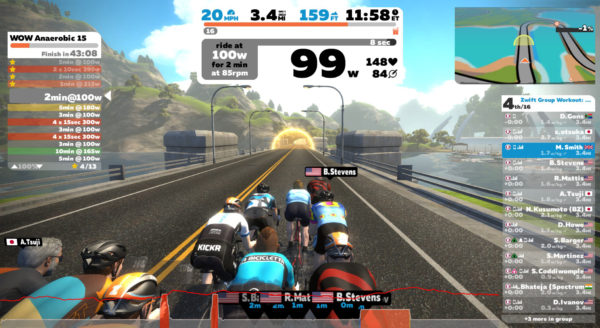
With the loss of our “training community” as lock-downs and restrictions tightened, we quickly saw online communities form to fill the void . Online cycling platforms like Zwift exploded and finding an indoor trainer was virtually impossible. This has opened up a whole new world for the online coach to create online group training activities and a sense of community without the constraints of physical location.

#3: Lifestyle Training Has Taken Over From Events

The third and probably largest impact COVID-19 has had on the athletic world is the complete destruction of most of our beloved events. The big event days we used to look forward to and trained for all year long were wiped from the calendar, and with it, most of our motivation. After a brief time of packing on a few pounds and lazing around the house, online coaching has become a much needed re-entry support service to help people get back to regular training activities.

Setting and achieving goals that don’t involve racing has been a new focus for most online coaches and it’s no longer just about working towards that big race. Coaches have had to shift to a more “holistic” approach and focus more on the individual athlete and their personal needs, wants, goals and aspirations that extend beyond events. Attacking deeper issues like mental illness and depression, isolation and overcoming all the new barriers to training has become a common part of the athlete-coach conversation. 

If you want to take a look at the silver lining, COVID-19 has forced the online coach to evolve and become better. From communication, to creating online training opportunities, to developing online communities, and being more focused on each athlete’s personal development, online coaches have upped their game. 

If you’re looking to “re-enter” the world of cycling and get your active life back on track, an online coach may be the answer for you. Dynamic Cyclist offers 1-On-1 Online Coaching options with a free, no pressure call with a coach. Click here to learn more!

What size bike do I need?

October 4, 2020 by Sarah Lauzé

People come in all shapes and sizes, so it makes sense that bikes do to. It’s not impossible to make the wrong sized bike work for you, but it’s definitely easier to purchase a bike that is your size from the get-go.

When you’re first getting into cycling, it’s tempting to go with a second hand bike that’s the right price rather than the right fit. However, as great as it is to get discounted bikes, the problems begin when you actually start riding. From overall comfort and enjoyment to your own safety, having the right size bike can make all the difference.

If you’re looking to get into cycling, or don’t think your current bike is right for you, this guide will help you find the perfect fit.

What size bike do I need?

Decide what kind of bike you want

When it comes to buying a new bike, it can be overwhelming with all the options out there. First thing, you need to decide what type of bike you want. Are you going to be riding on trails, road, or a little bit of both? Generally speaking, there are two main types of bikes: road bikes and mountain bikes. However, within those types there is a wide range, as well as cross bikes that bridge the gap between the two. Sizing can differ dependent on the type of bike.

Why does bike size matter?

If you’re a casual rider and aren’t going out on long distance rides, bike size and a proper fit may not be a huge deal. But as the kilometers start to fly by the more you get into cycling, the millimeters of a bike frame start to matter. Why? There are three main reasons:

  1. Comfort – If you are uncomfortable on your bike, then you’re not going to want to ride it – sometimes it’s that simple. Feeling comfortable on a bike is your first step towards ensuring it is the right size for you.
  2. Injury prevention – If a bike frame is too big or too small for you, there are many issues that can come up. For example, if the bike is too big for you, your torso will be overextended, causing a rocking in the lower back that can lead to pain and serious injury. Cycling is one of the best types of exercise for you body, but if you don’t have the right bike, it cause more harm than good in the long run.
  3. Maximize efficiency – Who doesn’t want to go faster with less effort? Ensuring you are in the correct position on the right size bike helps you make the most of every rotation, as you won’t be wasting any energy.

How are bikes measured?

What size bike do I need?

There are two basic measurement systems: by size (small, medium, large) and by measurement (in centimetres). Both systems are based on the metal frame of the bike, as the added components (handlebars, saddles, etc) are interchangeable.

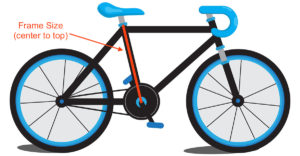
Generally, frames are measured by the distance from the centre of the bottom bracket to the top of the seat tube (see diagram below). However, the method of measurement can vary between manufacturers as they each have their own approach to bike design.

Bike sizing vs. bike fitting

They may sound like the same thing, but bike sizing and fitting are actually two entirely different things. For the sake of this article, we are focusing on bike sizing, which is fitting you, as a rider, to the bike.

An in-depth bike fitting is a great idea, but only once you have the base of your bike size. From there you can further adjust all the little things like handle bars, saddle, and pedal position – essentially fitting the bike to you.

How to determine your frame size

There are a ton of online calculators that can help you get an idea of your frame size, but won’t necessarily give you the whole picture. Two people can be the same height, while having different length legs and torso.

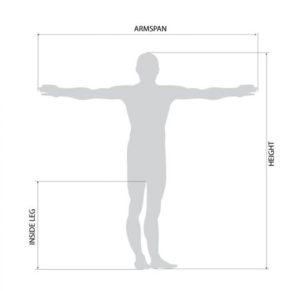
Bike size is determined by three main measurements:What size bike do I need?

  1. Your height – This is not the time to round up your 5”11 to 6”0, so be sure to get an accurate measure of your standing height.
  2. Inseam length – This refers to the distance from your crotch to the end of your pant leg and determines your standover height (so you can comfortably stand over the crossbar). You’ll need about 1-3 inches of wiggle room between the crossbar and your crotch.
  3. Your reach – Measured by the “Ape index,” your reach is your arm span compared to your height. It is calculated by subtracting your height from your arm span (measured from fingertip to fingertip).  If a positive number, your arm span is greater than your height (and perhaps you should pick up rock climbing). If a negative number, your height is greater than your arm span.

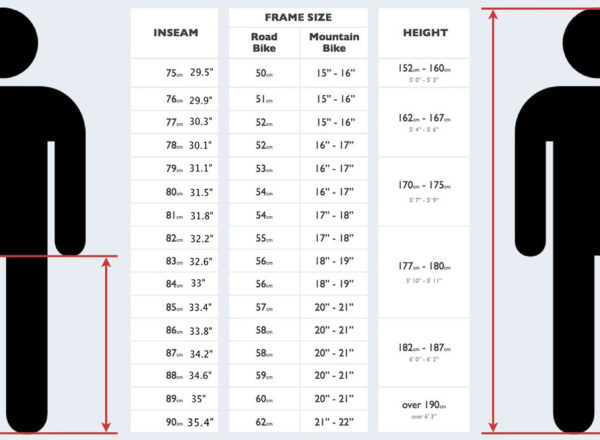
A general sizing guide

The following chart shows a general guide to bike sizing in regards to your height and inseam length.

What size bike do I need?

If you go into your local bike shop, they should help you with all these measurements and get you onto the appropriately sized bike, but it’s not a bad idea to go in with an idea of what will work for you. It’s not worth impulse buying the wrong size bike because it’s on sale or catches your eye! Make sure you take the time to try out a bike before buying when possible, and a thorough bike fitting is always a good idea.

The Number of Calories Burned Cycling

October 1, 2020 by Sarah Lauzé

Everyone has their own reasons for cycling, whether it be that feeling of freedom out on the open road, a way of commuting, or a means to be able to eat whatever you want. (Not going to lie, being able to enjoy a beer guilt-free is worth putting in a few extra miles).

No matter what kind of exercise you’re doing, most of us want to know the number of calories burned. Something like running is a little easier to calculate because it’s solely your body powering movement. Cycling, however, includes wheels, which complicates things when it comes to calories burned climbing versus cruising downhill.

Understanding energy output compared to input is important, especially when it comes to working towards weight loss. There are lots of charts and equations out there that will take your weight and the length of your ride and spit out a number representing the calories you burned on a ride, but just how accurate are they? There are a lot more factors at play here than may be realized at a glance.

The Number of Calories Burned Cycling

What is a calorie?

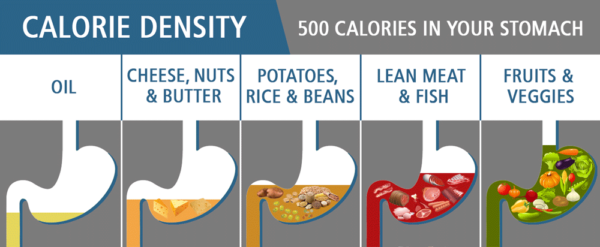
A calorie is simply a unit of energy, but it can cause a whole lot of confusion and debate. Yes, 500 calories of twinkies may be the same amount as 500 calories of carrots, but are the two really the same thing? The “how much” is equal, but that “what” is radically different.

It’s not the number of calories that is important here so much as how they make you feel. Foods that are calorie dense and nutrient light won’t make you feel satiated causing you to eat more than your realize.

The Number of Calories Burned Cycling

How important is calorie counting?

Your calorie intake is as important as you make it. The reality is, most of us have no idea how many calories we consume in a day, let alone how many we burn. We notice when we get a little thicker around the middle, but may have misconceptions as to just how many calories are needed before and after a long ride.

It’s true that weight loss comes down to the simple matter of calories in versus calories out, but that doesn’t mean those calories can be from whatever you want. The type and quality of those calories determines how efficiently they are turned into fuel for your body. What you should eat to prepare for a time trial day versus a long slow distance are actually different. High intensity workouts draw from carbohydrates, which quickly turn to fuel for you muscles, whereas easier, longer rides will burn a higher proportion of fat.

Calorie counting is one way to make you more aware of what you’re fuelling your body with, but it’s about so much more than a number. Not all calories are created equal, and you want to focus more on what is sustainable rather than depriving yourself. The number of calories you burn may be the same no matter what, but ensuring those calories come from the proper places will make all the difference in your performance.

The Number of Calories Burned Cycling

What is calorie burn?

Your calorie burn is determined by three things:

  1. Basal Metabolic Rate (BMR) – Your BMR is how many calories you burn at rest, consisting of the energy it takes to keep all your body’s systems operating.
  2. Activity Level – Your activity level is the calories you burn when your body is in motion. This can be broken down by taking the speed and duration of your ride in comparison to your weight.
  3. Thermic Effect of Food – The thermic effect of food is the energy it takes to digest the food you eat.

How to measure calories burned

The most accurate way to measure the amount of calories burned while out on a ride it to use a detailed app (Strava or MapMyRun), or a cycling computer that takes the following into account:

  • Intensity – Measured by your heart rate or with a power meter, intensity has a huge effect on the number of calories burned. If you ride one mile at your maximum effort in three minutes, you will burn the same amount of calories than if you were to ride the same mile over ten minutes at a more leisurely pace. It’s essentially shortening the amount of time to spend the same amount of calories.
  • Gender – The larger you are, the more calories you burn in your burn day-to-day as well as when exercising. As men are generally larger than women, they burn more calories.
  • Aerodynamics – This is not just wind direction and speed, but also your position on your bike and your build. If you have more surface area open to the wind, it will take more energy to push through a headwind. Aerodynamics is a hard thing to measure, so it is most often not taken into account.
  • Weight – Be as accurate as possible with your weight (don’t lie to yourself), because the energy it takes for a heavier person to ride the same distance as a lighter person is different.
  • Duration– Generally speaking, the longer you ride, the more calories you will burn.

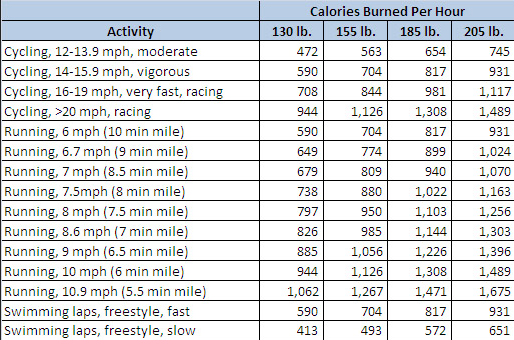
The table represents rough estimates of how many calories you burn when cycling, running and swimming for an hour at different intensities.

The Benefits of Cycling for Your Mental Health

September 9, 2020 by Sarah Lauzé

The benefits of cycling may be too numerous to list, but there are probably some aspects they you may not have thought about before. We all know that riding a bike is great for your physical health, but what about your mental health?

There has always been a link between exercise and improved mood, as studies through the years have revealed, but it goes beyond just a good mood. As more and more research is being done, there is a clear link between exercise (specifically outdoor exercise) and combatting depression, anxiety, and stress.

Although many people may, at first, hop on a bike to lose weight or embrace an active lifestyle, a very valuable side effect is a happier, more stable life. Mental health may be an even stronger predictor of life expectancy than physical health, so it is one of the most valuable benefits of cycling.

benefits of cycling

Top 10 Benefits of Cycling for Your Mental Health

1. Promotes an Overall Healthy Lifestyle

Exercise should be something you look forward to in your day, not something you’re just checking off the to-do list. It should be so a part of your lifestyle that it becomes less about burning calories and more about how it makes you feel. Cycling is one of the greatest forms of exercise within everyday life. Not every ride has to be a huge ordeal, but even a half hour ride or a commute to and from work can have huge benefits both physically and mentally. It doesn’t have to be competitive or even goal focused, but can be a way to get outside and leave all that stress at the office.

2. Natural High (Endorphins!)

People often overlook this fact, but have you ever wondered why individuals that are physically active always seem so much happier than those that aren’t? It’s not just a coincidence, and it actually has a lot to do with the chemicals inside of your brain. When we cycle, our heart pumps blood to every single blood vessel and cell at a greater rate. With blood comes oxygen, and oxygen plays host to endorphins!

Endorphins are a microscopic chemical that help us to feel good. The more endorphins we have, the happier we feel. Just a few hours of cycling a week can trigger a consistent flow of these chemicals, and they aren’t just great for your emotions – they have also been linked to fighting illnesses like Alzheimer’s!

3. It’s a Healthy Addiction

We all have our vices, the things that we turn to in times of stress or emotional trauma. Cycling can replace the more harmful addictions such as cigarettes, alcohol, or overeating and serve as that go-to thing that you know will make you feel better. Sometimes it’s tough to find the motivation (yes, sitting on the couch eating chips may be easier), but you’ll never regret getting out there. Make cycling your first plan of attack, and you may just find yourself not being able to stop.

4. Creative Breakthrough

Many creatives such as writers, musicians, and artists use exercise as a means of getting past mental blocks. I know I’ve had some of my best ideas come to me while out on a bike! The uniform movement of cycling has a relaxing effect on the brain, stabilizing both physical and mental function. A recent study showed that after just 30 minutes of cycling, participants scored higher on tests of memory, reasoning, and planning. So, instead of banging your head on your desk or scrolling through Facebook, try heading out for a ride.

5. Better Sleep

Exercise has been shown to help regulate your sleep patterns. One reason may be the body-heating effects of exercise and cycling in particular. The increased temperature followed by the post-ride drop promotes falling asleep through decreasing arousal, anxiety, and stress.

6. Fights Anxiety and Depression

Cycling can, for some people, be as effective as medication–without the side effects. This isn’t true for everyone, of course, but trying exercise as means of fighting depression can be a great first step. Cycling promotes all kinds of changes in the brain, including new thought patterns that promote feelings of calm and well-being. Plus, you have those endorphins kicking around, which can act as powerful chemicals within the brain.

Cycling also relieves tension and stress, boosts mental and physical energy, and can help fight anxiety. It can be a great way to “zone out,” but you can also use it as a time to focus in and even meditate. Pay attention to each rotation of your legs, the rhythm of your breathing, the wind on your face. It may sound cliche, but this will leave no room for the otherwise constant flow of worries running through your mind.

7. Increases your Self-Esteem

There’s no better feeling than tackling a tough climb and knowing it’s nothing but your own physical and mental strength getting you to the top. You will feel strong and powerful, and that begins to make it’s way into the other parts of your life. You will feel better about your appearance, and will have a sense of achievement as you meet and surpass goals you set for yourself.

8. Stress Buster

With so many jobs now tied to computers and chairs, stress has a way of tensing our bodies, making them exhausted and sore by the end of the day. You may find you suffer from back and neck pain, or constant headaches from stress. This can become a cycle that feeds itself, with stress going in and exhaustion coming out. Cycling can be a great way to break the cycle and relieve tension in the body. In turn, as your body relaxes, so will your mind as that stress begins to lift from your shoulders.

9. Increased Focus

Cycling and physical activity immediately boost the brain’s dopamine, norepinephrine, and serotonin levels—all of which affect focus and attention.

10. More Energy

It may seem counterintuitive, but exercise is one of the best ways to gain more energy. Yes, you are using physical energy on your ride, but spending time with that elevated heart rate will give you a boost of energy.

Symptoms of Bad Bike Fit

September 8, 2020 by Sarah Lauzé

We talk a lot about the importance of a proper bike fit, but paying for a professional fit can seem daunting. It’s not exactly rocket science, but there are a lot of little adjustments that can make a huge difference. It’s hard to put a monetary value on being comfortable on a bike, but riding and being uncomfortable is only going to lead to riding less to not at all. Here are some symptoms of a bad bike fit, and how you can go about fixing them.

Bowed Knees

When pedalling, if your knees are pointing outwards, you may not feel any pain, but you look funny and you’re wasting energy. If your thighs feel the burn a little too much when your climbing, it could be a sign your saddle is too low. The solution? Raise your saddle height in small increments until your legs remain parallel to the frame through each revolution.

Aching Hands

If you’ve ever been twenty minutes into a ride only to have your hands start aching no matter how you position them on the bars, then you know how distracting it can be. Another symptom of a bad bike fit can be hand and wrist pain. If your saddle is too high (or tilted too far forward), your handlebars too low, or your either too cramped or too stretched it can result in putting too much of your weight through the front of the bike and onto your hands.

Neck Pain

Neck pain often goes hand in hand with cycling, especially for beginners, and the problem may not be entirely bike fit. Holding your head up to keep your eyes on the road for extended periods of time is tough, especially if you have a weak core. However, neck pain can also be inked to having a high seat post in relation to your bars.

When the seat post is too high it can place you in an aggressive position, which your body may not be ready for. It’s a better tactic to gradually increase the aero position as you get used to cycling. Additionally, if your road or aero bars are too far away causing you to overreach you can place unnecessary strain on these muscles. The solution would be to place the bars closer in relation to your body so you’re in a “tucked” position when riding.

Wobbly Hips and Lower Back Fatigue

Lower back pain is more often a result of a weak core, but if your hips are rocking side to side as you pedal your seat is too high, which can result in lower back fatigue. Lower the seat gradually, riding a flat circuit in between until you’ve found the perfect saddle height. When you do find it, be sure to mark it somehow so you can easily find it again.

Knee strain

Knee pain in the back or sides of the knee is likely a saddle that is too high, but could also be your cleat position. On your downstroke, your foot shouldn’t be pointed down. Instead, you should be pushing the pedal down through the heel.

Foot Numbness or Tingling

Foot numbness usually occurs when the nerves between the bones under the ball of the foot become compressed. The likely culprit here is shoe fit, cleat position or socks. Particularly if the cleat is too far forward it can cause numbness, as it places pressure on the ball of your foot.

Fit Your Bike From The Comfort Of Your Own Home

MyVeloFit is a revolutionary new app that combines the powers of computer vision and artificial intelligence to help you do your very own bike fitting at home in a matter of minutes. Whether you’re an individual or a business that specializes in bike fitting, they have a subscription model that works for you. Everything from free to a fraction of the cost of an in-person fitting! Check them out today to start feeling better on your rides!

How to Choose the Best Cycling Jersey

September 2, 2020 by Sarah Lauzé

If you are new to the exhilarating cycling world, then welcome! Cycling is an amazing way to stay in shape, meet new people, and explore both your neighbourhood and the world. That being said, getting started with cycling can seem daunting. There are a ton of opinions out there on what bike is best, what gear is best, the best training or nutrition plan, what to wear–we could go on and on. When you’re heading out on your first few rides, the idea of putting on head to toe lycra may seem like overkill. If you’re looking for a general guide on what to wear cycling, click here. In this article we’re going to go into how to choose the best cycling jersey, and go through some of the best options out there.

What is a cycling jersey?

Cycling jerseys are made from materials that should work to get moisture away from your body. The general design will be a zipper down the front, with back pockets specifically designed to carry food, tools, and whatever else you’ll need out on the road. They have a shorter front panel (as you will be bent over on your bike), with a longer back panel. The bottom hem will have silicon grip tape to keep the jersey in place as you ride. A jersey should be fairly form fitting to keep you as aerodynamic as possible.

Why wear a cycling jersey?

In a word: functionality. Cycling jerseys are designed to be the best tool for the job. Most are made from material that will wick moisture away from your body, keeping you comfortable and cool. The back pockets are perfect for storing snacks, tools, and your cell phone. The snug fit keeps the jersey from flapping around in the wind making you more aerodynamic (and comfortable). Go for one ride in a loose fitting t-shirt and you’ll soon realize all the benefits of a cycling jersey.

What Type of Cycling Jersey is Right for Me?

There are two main types of cycling jerseys: race cut and club cut.

Race cuts are tailored for the fittest cyclists, such as the pros. The tightest cut available, they are form fitting so they are aerodynamic. There is generally a significant rear dip in the waistline so that when you are in the riding position the front does not bunch up, and your back is covered.

Club cut jerseys are for the everyday rider. They have a much more relaxed fit, they have more room in the ride position, a small rear dip and are still tailored to fit but are not as tight.

What Material is Best for Cycling Jerseys?

The best type of material for you depends on what kind of rider you are and the weather conditions.

Polyester

Polyester is a man-made recyclable synthetic material and is today’s most popular choice of material for cycling jerseys.

Pros

  • Great at wicking away sweat from the body and keeps your skin dry.
  • Helps keep you cool on hot days and is even UV resistant.
  • Extremely durable and can be washed and the color will not fade or wash out.
  • Mold and mildew cannot survive on it.
  • Can be bought at lower prices than other materials.
  • Great for warm or hot weather.

Cons

  • Plastic feel or artificial feel (can be fixed by washing with fabric softener).

Nylon

Nylon is another synthetic material that is known for its strength and stretchiness.

Pros

  • One of the strongest man-made fabrics.
  • Stretches, which can improve aerodynamics as it will fit snuggly.
  • Good at wicking away sweat.
  • Holds color well without fading.
  • Resistant to mildew and rot.
  • Wind and water resistant.
  • Good in all weather conditions.

Cons

  • Mold can form which can be very difficult to wash out.
  • Absorbs odors.
  • Nylon can shrink if not handled properly.
  • Not biodegradable and has an environmental impact.

Merino Wool

Pros

  • Keeps you warmer than any other material.
  • Most water resistant material.
  • Best wicking material available.
  • UV resistant.
  • Does not absorb odors.
  • Great soft feel.

Cons

  • Very expensive.
  • Can be too hot in warm or hot weather.

The Best Cycling Jerseys

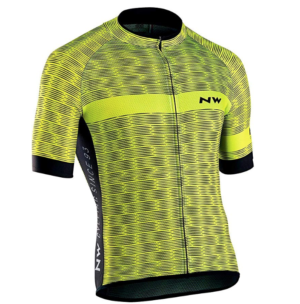
Northwave Blade Air 3

Price: $54

Designed for hot weather riding, the Northwave Blade Air does a great job at keeping you dry and cool. It’s also easy to wash and care for, which is a bonus!

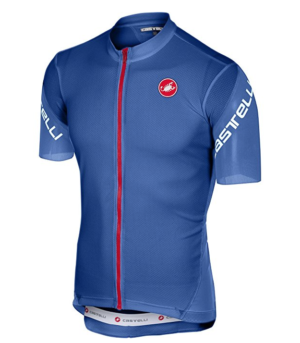
Castelli Entrada 3

Price: $59

The Castelli Entrada jersey takes pro racing technology and applies it to all-round performance and comfort. 100% polyester with Air Mesh fabric around the shoulders and sleeves, there’s a little extra stretch to give you a relaxed fit.

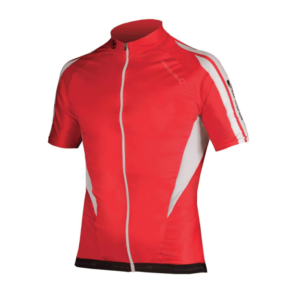
Endura FS260

Price: $34

The Endura FS260 Jersey is designed for hot climates and riders looking to stay cool and have maximum ventilation and temperature control. The Coldblack® treatment reflects UV rays and will keep your body cooler for longer.

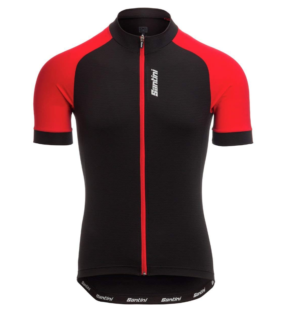
Santini Lapis 

Price: $50

Great for slightly cooler weather, the Santini Lapis Short Sleeve Jersey  is made of from lightweight Rewind fabric on the front and back offering excellent breathability. Its slightly relaxed fit more comfort for the casual rider.

Giordana Sosta 

Price: $132

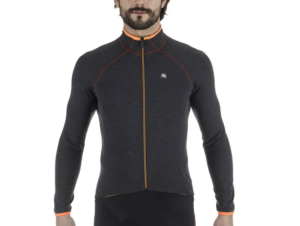
Perfect for when the weather turns cool, the Giordana Sosta Wool long sleeve jersey will keep the cold at bay and keep you visible in the lower light. The jersey is made of a knitted, heathered blend called Koln, which incorporates merino wool and nylon. The extended collar will feel great on those chilly mornings, and it includes a zippered pocket for items like keys and ID.

How to Prevent Muscle Cramps on a Ride

August 5, 2020 by Sarah Lauzé

Getting a muscle cramp or spasm while out on a ride or during a race is a terrible feeling. Not only is it painful, but it can take a toll on your overall performance. So, what can you do to prevent muscle cramps on a ride? Well, there’s a whole lot of opinions out there, but are they all valid?

When it comes to curing or preventing muscle cramps, there’s no easy answer. Sure, you can drink the latest trendy sports drink, but it may not be the best plan of attack. The truth is, despite years of research, cramping and fatigue in general are still largely poorly understood. We don’t know why some people are more prone to cramping then others, just as you can’t know for sure why they show up. It could be overexertion, nutrition, dehydration, or any combination of factors.

Although the ambiguity can be frustrating, here’s what you need to know to help prevent muscle cramps on a ride.

What Causes Muscle Cramping?

As mentioned above, scientists have failed to come to a consensus of what causes muscle cramping. Historically, it has been thought to be a result of dehydration. When you sweat you lose fluids, and with them electrolytes. Electrolytes are used to help the chemical firing of muscle fibres, so when they are depleted muscle spasms and cramps are the result.

Although this is still a commonly held theory, recent studies have shown that altered neuromuscular control may be the more probable cause of muscle cramps and spasms. Basically, the nerves that carry signals to and from your muscles and your brain get tired just the same as your working muscles. Those nerve signals begin to misfire. This neuromotor fatigue can send overlapping, uncontrolled signals to your muscles. The result: twitching, cramping, complete locking up of your working muscles or the feeling of ‘dead-legs’ and an inability to produce power.

How To Treat and Prevent Muscle Cramps on a Ride

Endurance sports like cycling are all about pushing yourself and testing your limits. Unfortunately, there are a number of factors that are working against you. First, there is mental fatigue that can take on very physical effects causing you to bonk or otherwise slow down. Other times your body literally steps in and kicks your ass in the form of cramping. It’s something every athlete has dealt with at one time or another, but here’s what you can do to try and combat it.

Routine Stretching

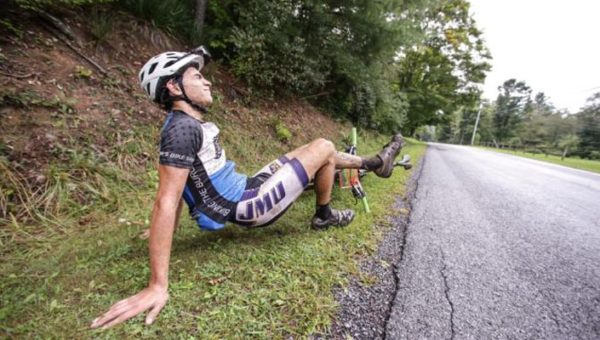
Routine stretching before, after, and during a ride can help prevent cramping altogether. If you feel a muscle starting to twitch or spasm, pull over and stretch it out with dynamic stretches (not static!). This can prevent a full-on cramp from forming in the muscle. Also, having healthy muscles that are flexible enough to maintain proper bike posture and position can help prevent cramping on those longer rides.

If you’re looking to take the guesswork out of stretching, you can check out Dynamic Cyclist. This comprehensive resource addresses the most common muscle imbalances and adaptive muscle shortening that lead to pain and reduced performance on the bike. With just 15 minutes a day, you can follow along with the video programs to alleviate tension and improve posture, so you can ride pain free and reach your full potential on the bike. Don’t let muscle imbalances hold you back – click here to try 7 days free!

Hydration & Nutrition

Don’t fuss too much over electrolytes unless you are doing a long hard ride, and if you do, make sure it is a quality sports drink or make your own. Otherwise, water needs to be your best friend. It’s important to stay hydrated before, during, and after a ride to ensure your body has what it needs. Also ensure you are consuming enough calories to sustain your efforts on the bike.

Proper Warm-Up

Nothing like going all-out right off the bat to make for some painful muscles. Ensure you start nice and slow and warm up those muscles before pushing yourself too hard. If you’re doing a short distance race, go for a warm up ride before starting out so you can give it your all right off the start line.

Slow It Down

If your muscles are cramping and you can see your quads rippling with muscle spasms, time to take it down a notch. Don’t go too hard too fast, but put in the proper training to be able to push yourself without putting too much stress on your muscles. One of the most common links to cramping is in response to an unaccustomed intensity or load.

Nutrition and Athletic Performance – How Deficiencies Affect Your Riding

August 2, 2020 by Josh Friedman

Nutrition and Athletic Performance

Athletic performance depends on how well you take care of yourself, from your training, recovery, sleep, stress management, and nutrition. Nutrition is the area where there is the most information and common knowledge but the least adherence – do as I say and not as I do. It is difficult to live as an athlete in a world surrounded by non-athletes leading regular lives. Having some background in nutrition and athletic performance could help put you on the right track to righting your dietary wrongs.

Nutrients and Training

Daily recommended amounts of nutrients are based on the average person living an average life. You are not living an average life. You are riding a lot and because of all that riding, you are using more of everything – vitamins, minerals and macro-nutrients. Keeping up with your consumption is necessary to perform your best on the bike; energy consumption in skeletal muscles can go up to one hundred times the resting rate. Along with the macro-nutrients consumed in the exercise, you are consuming micro-nutrients at similar speeds.

Joe Friel and Nutrition

In Joe Friel’s chapter on nutrition in his seminal work The Cyclist’s Training Bible, he enumerates how much food you would need to consume to achieve necessary levels of nutrients without supplementation. To eat the daily recommended amounts of vitamins C and E it is mind-blowing; fifteen asparagus spears, thirty one avocados, four cups of broccoli, thirty three peaches, thirty prunes, twelve ounces of tomato juice, seventeen cups of spinach and a quarter cup of wheat germ.

Or you could take supplements that would save your digestive system the distress of such a huge quantity of food. Below is an exploration of why you would want to supplement your diet instead of relying on the food you eat and how each common deficiency affects your daily life and performance.

Vitamins

B Vitamin Deficiency

B vitamin (B1, 2, 3, 5, 6, 7, 12 and folic acid) deficiency is common in vegan and vegetarians. The easiest way to eat B vitamins is through animal products – meat, dairy, and eggs. Without them, it is difficult to come close to the necessary levels of B vitamins.

This vitamin group plays a role in energy production, muscle repair and red blood cell production. Skimp on those processes and you are in for some bad days on the bike.

Vitamin D Deficiency

Vitamin D is necessary for calcium absorption. Without enough your bones will weaken. That is not good news when you fall off your bicycle. It also regulates skeletal muscles and the nervous system. Again, not good things to weaken when you are trying to perform at your best.

Your body can produce vitamin D, but only if you get enough exposure to sunshine. It is a tough balance to strike when you need the vitamin D but too much ultraviolet light can lead to skin cancer. Fortunately you do not need to make the decision between enough vitamin D and cancer. Supplement your vitamin D AND use sunscreen.

Some places do not get enough sun, or if you ride early or late in the day you will not get enough sun to meet your vitamin D needs. In these situations it is critical to supplement with vitamin D; you have no choice if you want your body to perform at its peak.

Vitamin E Deficiency

Exercise introduces oxygen into your cells, and while it produces energy, it also causes oxidation (think rust on iron) in the cells. It is a destructive process. Vitamins E (and A and C, vitamins less likely to be at a deficiency) combats oxidation (as an antioxidant). Enough oxidatitve stress can cause serious problems with recovery and rebuilding of damaged cells. While you can train your body to recover to an extent, you also need to have ample antioxidants on board to stop the process before it goes over the edge.

Minerals

Anemia/Iron Deficiency

Red blood cells require iron to carry oxygen to cells for energy synthesis. If there is not enough iron, there is not enough oxygen and you will feel sluggish. This is anemia. It is not necessary to supplement iron unless you have confirmed anemia. Iron is available in meat and fish in the form of heme iron, which is more readily available than the non-heme iron in leafy greens, legumes, nuts and seeds. Be aware of a balanced diet and be aware of the signs of anemia.

Zinc Deficiency

You hear all the time about taking zinc when you are about to get sick or are around sick people. It is a powerful mineral that is critical to your immune system. It is present in over three hundred enzymes in the body. You do not need a lot of it, but that little bit goes a long way to protecting you from infections. If you start to get a sniffle, boost your zinc intake.

Calcium Deficiency

Calcium deficiency can lead to life-altering conditions relatively quickly. It builds bones along with regulating cardiovascular function, two broad and critical systems for a full life. A sweaty athlete depletes calcium levels more rapidly than a sedentary individual. Lots of foods are fortified with calcium; make sure you are eating enough. If not, supplement.

Dairy is not necessarily the best source of calcium. Protein synthesis requires calcium. Dairy has a lot of protein, so a lot of the calcium you are ingesting is going towards absorbing the protein.

Electrolyte Deficiency

Magnesium and Potassium are important electrolytes that conduct neurological signals throughout the body. If there are not enough electrolytes to conduct the signals, cramps result. More serious deficiency can cause failure of other body systems because neurological signals never make it to their destination.

If you are going to exercise and sweat, it is necessary to stay topped up on electrolytes. There are a lot in fruits and vegetables, but you should consider using a mix for your water. There are electrolyte add-ins that do not have flavor or calories. If you are riding in the cold, electrolyte mix is a good idea too, not only because you may sweat in your warm clothes, but because the electrolytes will lower the freezing temperature of your water.

Other Deficiencies

Calorie Deficiency

The image of a cyclist burned in everyone’s mind is incredibly skinny. Think Michael Rasmussen or Chris Froome. The truth is that they are at the razor’s edge of fitness, a moment away from going over into a very unhealthy place. They have doctors and nutritionists to look after them; you probably do not.

According to the study cited here, fifty percent of athletes did not eat enough to meet their daily energy requirements. That means they did not have enough energy to effectively complete their workouts along with performing tasks required outside of training. Not having enough energy is a tough way to get through the day. Make sure you are eating enough. Remember that being ultra-skinny does not equal being ultra-fast and definitely not ultra-healthy.

Supplement Your Diet

A good multivitamin should be able to provide you with the necessary vitamins for proper nutrition and athletic performance. Getting enough micro-nutrients for peak performance through diet alone is not only difficult but nearly impossible. Remember to get the right amounts of all nutrients; too much of anything is a bad thing.

« Previous Page
Next Page »
  • Facebook
  • Tumblr
  • Twitter

Latest Articles

JOIN Cycling: A New Training Platform for Cyclists

May 27, 2024 By Eric Lister

cold exposure

The Benefits of Cold Exposure for Cycling & Life

June 13, 2023 By Eric Lister

hill climb

The Ultimate Hill Climb Training Guide

May 31, 2023 By Eric Lister

shoulder pain cycling

How to Treat & Avoid Shoulder Pain While Cycling

April 12, 2023 By Eric Lister

psoas stretch

The Importance of the Psoas Stretch for Cyclists

April 6, 2023 By Eric Lister

cycling neck pain

The Ultimate Guide to Cycling Neck Pain: Causes and Solutions

March 21, 2023 By Eric Lister

Useful Info

  • Contact
  • Finally, A Global Cycling Club That Is Focused On Community And Love Of Cycling!
  • Privacy Policy
  • Share Your Story!
  • Terms And Conditions Of Use
  • Welcome to I Love Bicycling
  • What Happened When I Stretched Every Day For a Month

Recent Posts

  • JOIN Cycling: A New Training Platform for Cyclists
  • How to Hang Bikes in Your Garage: 4 Inexpensive Options
  • Gravel Bike Vs. Road Bike: Which One Is Better For You?
  • The 6 Types of Mountain Bikes & How to Choose the Best One for You
  • What Is a Touring Bike Good For? 5 Benefits We Know You’ll Love

Search I Love Bicycling

Connect with Us

  • Facebook
  • RSS
  • Tumblr
  • Twitter

Copyright © 2026 · Magazine Pro Theme on Genesis Framework · WordPress · Log in