Training: Winter Doldroms?
 This training article comes courtesy of Rob Swan, a NCCP Level 3 certified coach with Critical Performance Endurance Sports.
For many cyclists December marks the end to the cycling season. It also signals the start of the “Dreaded Winter Doldrums” – a time of seemingly perpetual darkness. We end up going to work in the dark and coming home in the dark; so the only time we see daylight is from a window or on the weekend. But how do we beat it and actually become stronger for next season? What can we do through December to maintain or improve upon last season’s fitness?
At this point I assume you have taken a rest and recovery period after your final race and training season. Amazingly, there are many options for us to choose from during the cold winter season.
Snow Shoeing: The sport of snow shoeing has really taken off in the last decade or so. Best of all, it’s a great cross training sport for any cyclist. Snow shoeing can be recreational, fitness building, or competitive. North America’s snow shoe racing scene is growing with independent races, race series and even national and North American Championship races each year. Some of the benefits of snow shoeing are:
- increased aerobic capacity;
- increased leg strength;
- increased lung capacities with altitude training and High Intensity Training (HIT);
- feeling your lungs explode in one of the toughest sports around; and,
- the combined social benefits of the sport and being in nature.
Cross Country Skiing and Biathlon: It is no wonder that Nordic athletes have some of the highest VO2max readings on the planet. They are training and competing almost always at higher altitudes then most other sports for extended periods of time. Furthermore, the type of training they need to do requires a tremendous amount of energy and aerobic fitness and capacity. Cross country skiing consists of two styles: Classic (old) style, which has more cross-over benefit to running; and Skate skiing, which engages the larger cycling muscles. Whichever style you choose, the greatest benefit would be the ability to improve your aerobic capacity. Cross country skiing engages the entire body, so the oxygen demands are greater than most other sports. On a basic level this increase oxygen requirement contributes to an improved ability to absorb and transport oxygen to the muscles.
Biathlon is one of the oldest winter sports and is the most popular winter sport in Europe, on par with hockey in Canada. It also happens to be one of the most demanding sports. Biathlon features athletes skate skiing various distances followed by five rounds with a biathlon rifle. Needless to say combining cross country skiing and rifle marksmanship into one punishing sport makes biathlon an excellent winter sport for any athlete. There are many youth and masters programs all over the country.
Cyclocross: With its incredible variety of intensity, terrain, obstacles and weather conditions, cyclocross is not only the most spectator-friendly form of bike racing, it’s an awesome spectacle for any sports fan. Fans of the sport are treated to 30 – 60 minutes of constant, intense action-packed racing, with many opportunities to see their favorite racer from just one vantage point.
Cyclocross is a great way to stay in shape during the off-season, but road racers will benefit from better handling and confidence in adverse conditions and bumpy surfaces. Mountain bikers will enjoy more versatility and efficiency in handling extreme technical terrain and forced dismounts. Triathletes will also benefit from a way to maintain cycling and running fitness, and improve bike-handling skills.
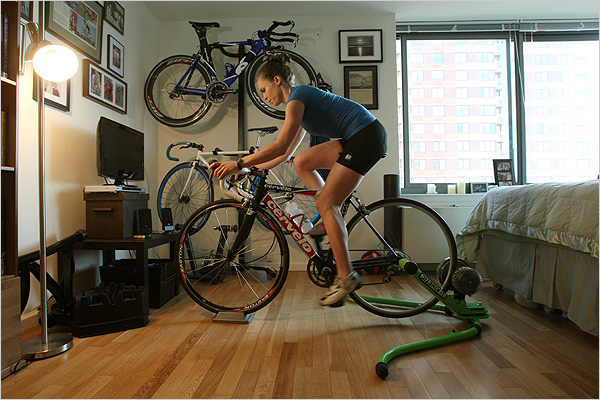
Indoor Cycling: I am not going to get too in depth into indoor cycling as the subject has been covered often. What I will say is indoor cycling can benefit every level of cyclist. There just may be days when it’s not possible to get outside or you may just want to boost your fitness with focused and precise training. The greatest benefits to indoor training are time management, precise control of intensity levels and duration, and the social aspects of riding beside one of those “fast” athletes you never get to talk to on a group ride. Go find a Computrainer studio and race your friends up Mt. Ventoux of the Tour de France.
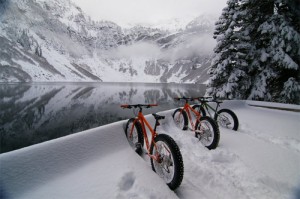 FAT Biking: Now if you truly want to stay outdoors through the winter months, test-ride a FAT Bike. Then, of course, you will be buying a FAT Bike because you will want to ride every day, winter or summer. These bikes can go anywhere, anytime and anyone can ride them. For winter, they are great as a commuter because they will roll over roads, dirt, snow and ice without a problem at all. You can take them on snow covered mountain bike trails and on snowmobile trails for the ultimate in winter fun. As well as sheer enjoyment, these bikes will help you maintain your fitness.
Rob Swan is Biathlon BC’s provincial head coach, as well as a NCCP Level 3 certified coach with CriticalPerformance Endurance Sports. Rob can be reached at: coachrob@criticalperformance.ca.
Sign up to race in the Grandfondo Axel Merckx Okanagan here after some winter cross training.
 It’s that time of the year when the snow comes and goes but hasn’t decided to make it’s winter home just yet in the mountains I call home. Lately, that home has been Utah’s Wasatch Mountains. That time of the year when it’s a constant self-inflicted arm-wrestle to get the butt out the door and on the bike or in trail running shoes. I’m honored to share with the network of fellow cycling enthusiasts and soon to be riding companions on July 13th for the Granfondo Axel Merckx Okanagan what motivation is like in the mind of a former athlete like me. You see, people often comment about the level of commitment and resilience they see with Olympians. Oh, if they only knew the constant war waged in this thick skull of mine to simply keep the wheels turning. I have to admit, it was a little easier when I was training for an Olympics.
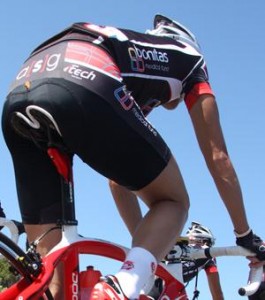
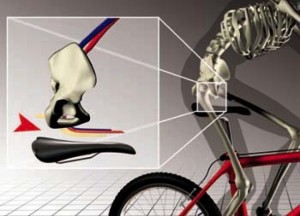 Does cycling cause impotence and erectile dysfunction? Before you freak out… studies have shown that cycling can decrease impotence as well as increase it depending on a few factors.
 Moral of the Story
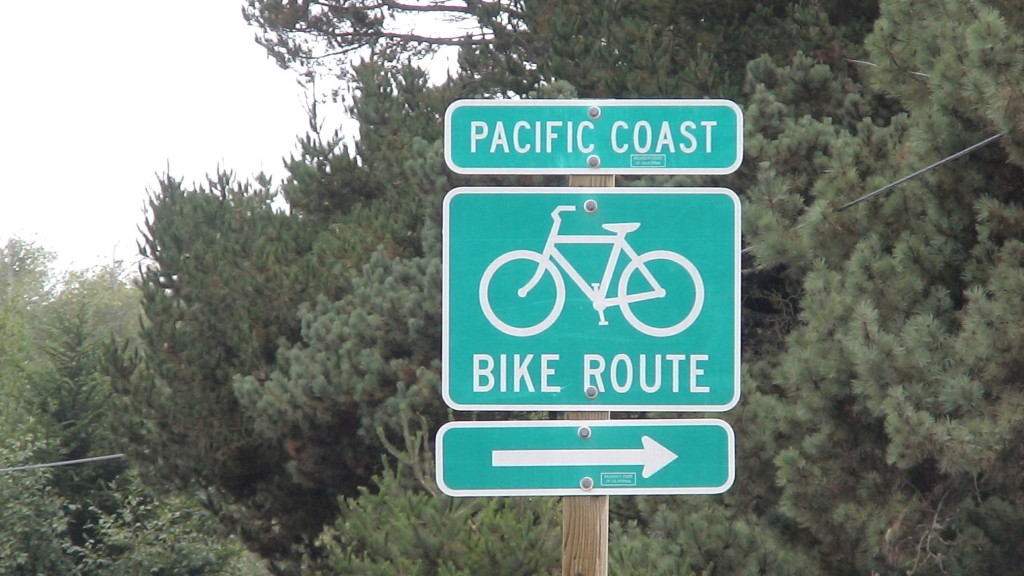
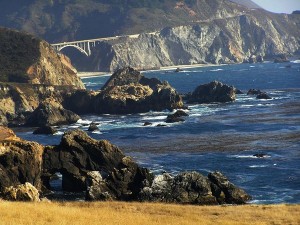 After 58 days of biking from Vancouver, Canada to Cabo San Lucas, Mexico, my sister and I are by no means experts at biking, nutrition or repairing our bikes. However, our journey opened our eyes to a new meaning of biking and traveling. More importantly, it gave us a glimpse of the U.S. and Mexico that those who R.V. their way down Baja or stay in an all inclusive resort simply do not get.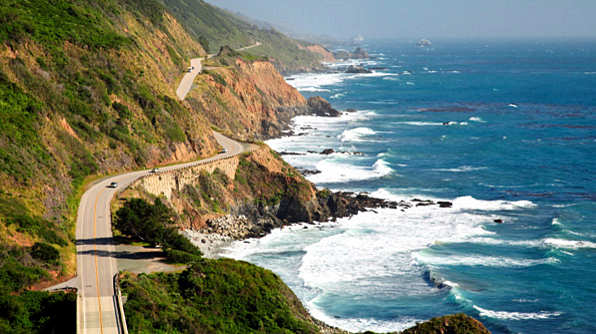
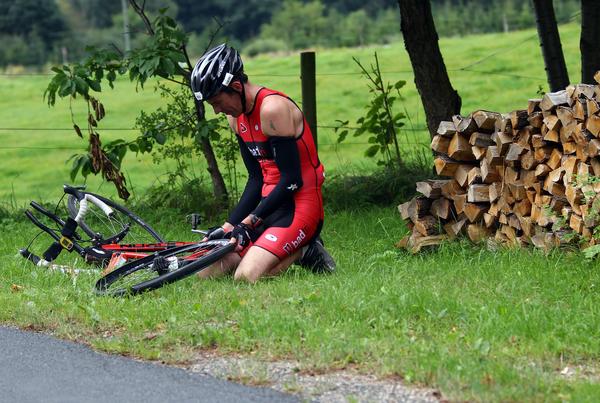



 Alcohol and cycling. Do they really mix?
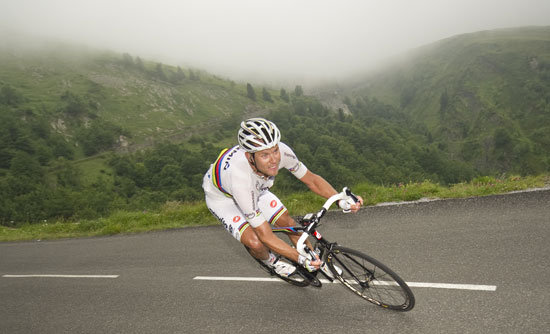 Brake your bad habits! Proper braking will lead to safer riding and ultimately… faster riding. Scrubbing the proper amount of speed at the right times will make you a more efficient rider saving valuable energy for when it is needed.
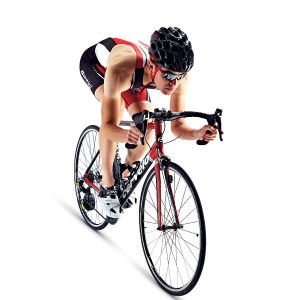 You obviously have to be much more careful on wet and slippery surfaces. If you brake with your front brake too much on slippery surfaces the front wheel will slide out from underneath you and you may end up in a ditch faster than you know what happened. Your experience will be very important here as the proper touch and weight distribution will be amplified. Try to keep your bike more upright in order to prevent slip outs, break earlier and more gently and if you start to feel as if you are losing traction ease up on the breaks.