• Training
    • Injury Prevention
    • Training Tips
  • How To
    • Bike Fit
    • Gear
  • Nutrition
    • Nutrition Tips
    • Weight Loss
  • Repair
  • Reviews
  • Stories
    • Funny Stories
    • Jokes
    • Quotes
    • Videos
    • Funny Videos

I Love Bicycling

I Love Bicycling is a website that is geared towards cycling for beginners with road cycling tips, training articles, nutrition tips, weight loss, how to’s and bike repair articles.

Stories

  • Funny Stories
  • Jokes
  • Reviews
  • News

Cycling and Diabetes

January 16, 2016 by Wade Shaddy

cycling and diabetes
There are an estimated 387 million people living with diabetes worldwide, which is approximately one in twelve adults. The figure is expected to rise to 592 million by 2035, with all types of diabetes increasing in prevalence across the globe but particularly type 2 diabetes. Diabetes changes a person’s life forever. It’s one thing to just live with it comfortably, but cycling and diabetes in the same equation takes on new meaning.

Cycling and Diabetes – Type 1 Diabetes

Type 1 diabetes is characterized by increased glucose levels in the blood and urine, excessive thirst, frequent urination, acidosis, and wasting. It is also called insulin-dependent diabetes because the pancreas has ceased to produce insulin. For the young cyclist, this can be especially challenging as a host of psychological implications may be present as coming to grips with the idea of vulnerability can be a new challenge.

Type 2 Diabetes

Type 2 diabetes typically appears first in adulthood and is worsened by obesity and an inactive lifestyle. This disease often has no symptoms, and is usually diagnosed by tests that indicate glucose intolerance and is initially treated with changes in diet and exercise. It is also called non-insulin-dependent diabetes. In some instances though, insulin may be required to help regulate glucose in Type 2.

Type 1 Cyclists

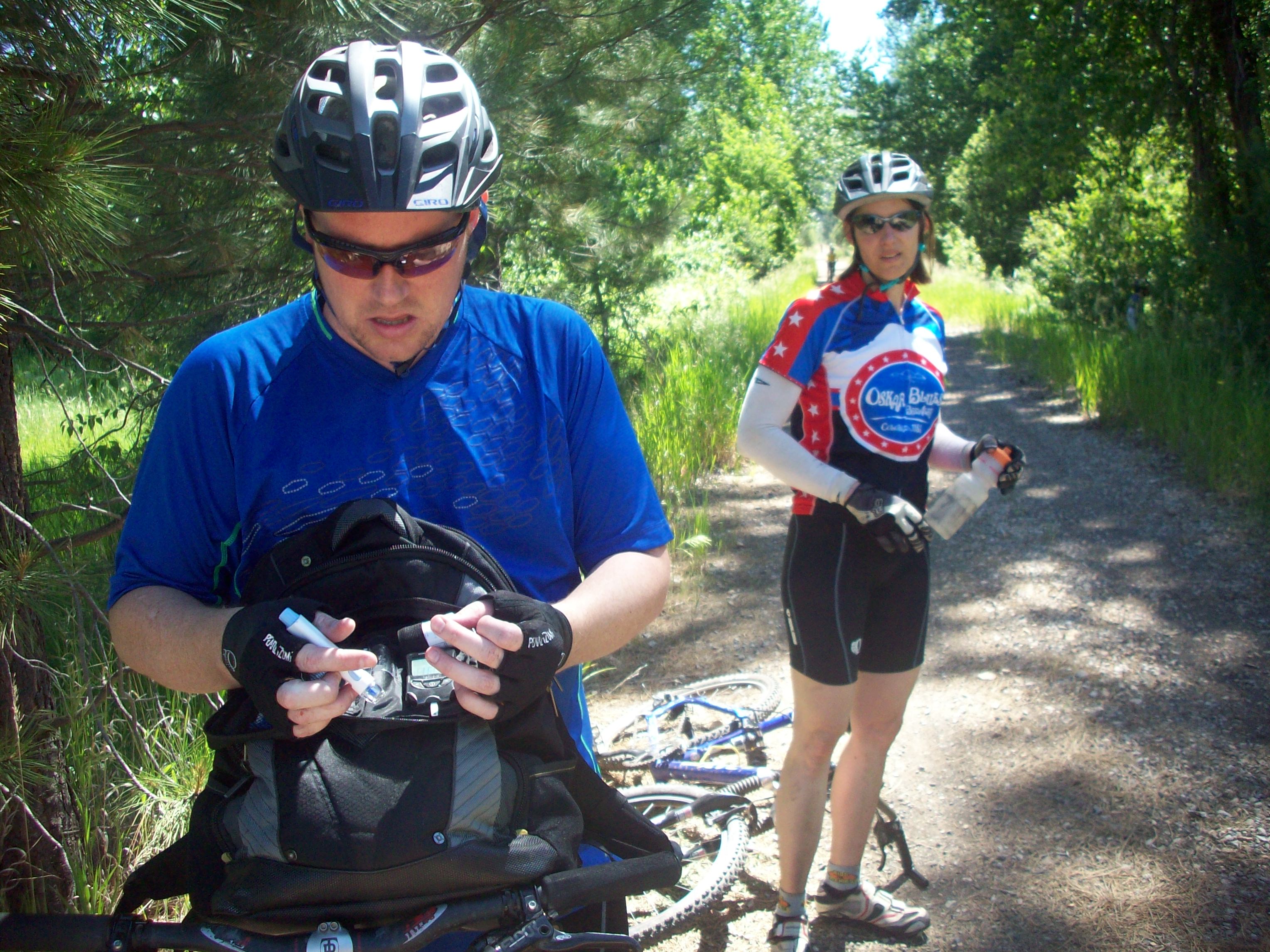
Type 1 diabetic cyclists face a complicated equation. Insulin manages blood glucose levels. Without it, that fuel remains in the bloodstream where it damages organs and tissues. It’s fatal without treatment. Type 1 and sometimes type 2 diabetics use pharmaceutical insulin to replace the body’s natural insulin; but it’s a critical equation. They have to carefully synchronize insulin injections and blood sugar levels, factoring in the food they’ve eaten, how far they ride, and at what intensity.

Type 2 Cyclists

Type 2 diabetic cyclists can’t really be generalized, since type 2 diabetic cyclists typically control their symptoms with food or fluid intake. Each has different needs depending on body and amount of exertion. Type 2 diabetes should always be based on the individual cyclist’s body composition, weight goals, medication regimen, and blood glucose control.

Cycling and Diabetes – How to Make it an Equation that Works

The answers to controlling diabetes in cyclists can only be interpreted as educational only and not serve as specific advice. It’s typically necessary for cyclists with diabetes to work with their own personal health care provider, sports nutritionist, or dietitian to determine their own strategies for daily diet and eating and drinking when on or off the bike.

Food Quality and Quantity

 Marcey Robinson, MS, RD, CDE, BC-ADM, is a diabetes and nutrition Coach for Team WILD. She sums up nutrition needs for cyclists like this: “Athletes use food as fuel. All bodies, whether diabetic or not, perform best when food is geared to properly fueling the body for energy and health. During exercise, your bodies main source of fuel is carbohydrate and you need to pay attention to quality and quantity. High-quality carbohydrate fuels includes whole grains, veggies, fruits, beans and low-fat dairy.”

ADA Recommendations

The American Diabetes Association (ADA) recommends 45-60 grams of carbs per-meal for women and 60-75 grams of carb per meal for men. (Source) If your goal is to lose weight it may be less, maybe 30 grams of carb per meal. If you’re performing regular endurance exercise, it can be more.

Carbs and Cycling

Robinson takes carb intake into account for diabetic cyclists. “Now with diabetes,” she says,  “carbohydrates can significantly impact blood sugar and some of you may even have put limits on your carb intake. It may take some balance with your insulin or diabetes medication so please make sure you are sharing your goals with your health care provider.”

Insulin Strategy

“Managing your blood sugars while fueling your exercise is vital”, says Robinson. “If you have Type 2 diabetes, you will need to experiment with your carb intake and work to match it to your exercise effort in order to maintain blood sugar control. If you take insulin, you will need to figure out your insulin strategy to cover the carbs. Talk with your health care team.”

Pro Cyclists Agree

Mondique Ryan, MS, RD, LDN is a nationally recognized nutritionist. Monique was the adviser for Saturn Cycling, Volvo-Cannondale Mountain Bike Team, the Gary Fisher Mountain Bike Team and USA Cycling. She was also member of the Performance Enhancement Team for the Women’s Road Team leading to the 2004 Athens Olympics.

Get Control

Monique says that: “Generally speaking, it is best to not start any serious exercise program until you are in good control of your blood glucose levels. Moderate exercise combined with calorie restriction can facilitate weight loss and improve your glucose levels if needed. Medication changes must be made by a physician and for many persons with diabetes, an endocrinologist who appreciates the impact of exercise and training, and can be the best type of physician to manage diabetes.”

On-Bike Nutrition

“Training rides present the greatest challenge as your energy needs are higher and it will not be convenient to check blood glucose levels,” Monique says. “So your on-bike nutrition strategies can vary depending on the intensity and duration of your ride. The exact timing will depend on your schedule and blood glucose levels, but generally eat one to three hours beforehand, and start with blood glucose levels over 100 mg/dl.”

Glycemic Index

“You can emphasize foods with a lower glycemic index”, say’s Monique.  “Some good choices include oatmeal (the long-cooking type not instant), oat bran, muesli (no sugar type), milk, and yogurt, and fruit and fruit juices. Foods with a very high glycemic index include refined cereals, bread, and bagels. The glycemic index of foods does not always follow logic, so look for a good resource list.”

Diabetic Hydration

“You can cut a sports drink concentration by 50 percent, but this may not meet your carbohydrate needs during hard training.” Monique says.  “For a drink that has a low glycemic index, you can dilute fruit juice with water, half water and half juice, and consume 16 to 32 ounces every hour for 30 to 60 grams of carbohydrate. For moderate exercise, 15 gm of carbohydrate per hour may be adequate. However, the effect of exercise on blood glucose levels varies greatly from cyclist to cyclist. There are also some beverages on the market that replace fluid and electrolytes, but are very low in carbohydrate and may even contain artificial sweeteners.”

In Summation

Monique sums it up with simple advice: “It would be ideal if you could try to train at the same time everyday and develop a program that consistently works for you. If this is not possible, the results of blood glucose monitoring are the key to determining how you can safely train, and what pre-exercise and on-bike food and fluid strategies are most effective.”
Tour de Cure Red Riders

If you have diabetes, you’re welcome to join the community of diabetic riders. The American Diabetes Association’s (ADA) Tour de Cure is a series of scenic and challenging cycling events held nationwide that raise funds to aid in the fight against diabetes. Rides are held in 40 states and 84 cities, mainly during the spring cycling season of April through June. Tour de Cure is for all cyclists who live with type 1 and type 2 diabetes.

Cycling and Diabetes – Team Novo Nordisk

With cycling and diabetes, there’s no reason to leave out a career in professional cycling. Team Novo Nordisk is the world’s first all-diabetes professional cycling team. Their mission is to inspire, educate, and empower people affected by diabetes. Effectively managing diabetes will not only ensure a healthier, more enjoyable life but also the means to be able to ride to the level that you wish. If this is a new endeavor for you, cycling and diabetes, seek out another cyclist who has diabetes and they will not only help you ride effectively with it but also will be a great mentor and friend with a similar background.

Cycling in Spain – 10 Best Routes

January 15, 2016 by U.M.

cycling in spain

When it comes to a combination of natural beauty and intriguing history, there are few countries that have both in abundance quite like Spain. From vineyards, to mountains, to intriguing historical cities, it has an endless amount of places to ride and explore. Cycling in Spain can have an endless number good rides but these ten best cycling routes give a good idea of what riding in Spain is all about.

  1. Andalucia (map link)

Andalucia is an area that is truly steeped in history, marrying Spanish and Moorish cultures into one mish-mash of beauty. Crumbling castles and beautiful weather will accompany you on this ride, and you’ll soon find yourself lost in the sheer beauty of it all. A must do mountain bike route, or at least part of it, is the Trans Andalus which is a 2000km route that circumnavigates the country.

  1. Ruta de Don Quijote (map link)

The route of Don Quijote, featured in the novel The Ingenious Hidalgo Don Quixote, written in the 1600’s, travels over 2000 kilometers through 148 towns covering a large number of historical tails and rural Spanish countryside. There are many individual routes to choose from the entire trail which range from beautiful vineyards to historical villages.

  1. Olive Trails Of Southern Spain (map link)

For those who want to see a little bit more of the rural side of the country, this is one of the best cycling routes in Spain. You’ll get up close and personal with some gorgeous farmland while also enjoying the disused railway lines that double up as much of the trail.

  1. Vía Verde Ojos Negros (map link)

The Via Verde Ojos Negros, or Greenways, is the longest greenway route in Spain following an old railroad bed. The trail is in a rural area of Castellón and has the added benefit of running parallel to a rail line that provides easy access to the route with multiple stations along the line.

  1. Part of La Vuelta a España 2015 Route (map link)

If you’re looking to dedicate an entire week or more to your cycling holiday, especially if you’re looking to ride in more than one part of the country, then riding parts of the Tour of Spain route can be a fantastic option. The routes are chosen for their difficulty as well as scenery. Also, reliving the race is exciting knowing the route you’re on was used by one of the biggest races in the world.

  1. Collsera Natural Park (map link)

You’ll get a great view of Barcelona when riding on this gorgeous cycling route, which is both beautiful and easy to digest at only 9 kilometers. It is also one of the most popular cycling routed in Spain so try to ride it on the weekdays to avoid the weekend crowds.

  1. Santiago de Compostela (map link)

More well-known for being a route the pilgrims take on foot, this trail is also available to cyclists and is ideal for those who want to mix a little spirituality into their experience. If you ride 200 kilometers of the path you will even receive the vaunted Pilgrimage Certificate.

  1. Mountain Biking in Las Alpujarras Mountains in the Sierra Nevada Region (map link)

Starting your ride with coffee on the terrace with a view over looking Las Alpujarras Mountains in the Sierra Nevada region of Spain is just the beginning of a day of mountain biking across trails steeped in angle as well as history with some being made from mules of farmers of the middle-ages.

  1. Via Verde Tajuna (map link)

We mentioned earlier that the Spanish government has gone to great lengths to make abandoned railway lines friendly to cyclists, and in Via Verde Tajuna they may have their crowning jewel. Located in the heart of Madrid, there are few better cycling routes in Spain for revealing exactly what it is that makes the Spanish way of life so special.

  1. Via Verde de la Sierra (map link)

This stunning 22 mile route is perhaps the best route for cycling in Spain, offering plenty of variety for a family ride. You’ll get to explore the stunning region of Cadiz, traveling through more than 30 tunnels along the way. The aqueducts are an added bonus and traffic is light so you can enjoy the trail in safety.

10 Best Cycling Helmets

January 14, 2016 by U.M.

Regardless of whether you spend every spare moment on your bike or you simply use it for the commute into work, we all know that a good cycling helmet is an essential piece of cycling gear. A good helmet will keep your protected should you happen to come off your bike for any reason. Here we take a look at ten of the best cycling helmets that offer the most helmet for the money.

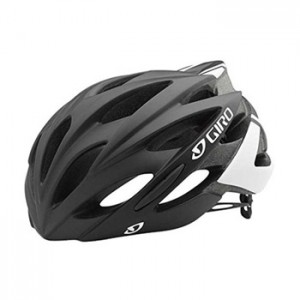
  1. Giros Savant Road Bike Helmet

best cycling helmet

Featuring a stylish design that is sure to turn heads, this is one of the best looking cycling helmets around. It doesn’t skimp on safety though, featuring in-mold EPS foam to provide an additional layer of protection in addition to extensive ventilation that ensures your head says cool during longer rides.

  1. Giro Atmos II Helmet

best cycling helmet

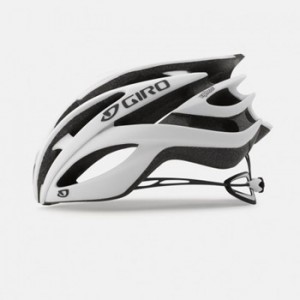
Available in a wide range of colors so you can make sure that it matches with the rest of your gear, these cycling helmets feature a thermoformed roll cage in addition to the EPS foam technology that ensures your head stays protected. Buckle closure keeps it safe and secure on your head at all times.

  1. Bell Array Bike Helmet

best cycling helmet

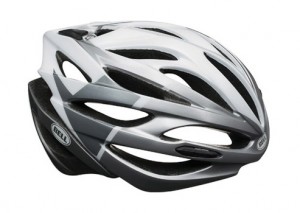
Featuring a fusion in-moldmicroshell that offers outstanding levels of protection, this helmet is the best choice for people who are going to be riding in warmer conditions, as it has 24 vents that are specially placed to keep your head cool at all times. It’s lightweight as well, meaning it won’t have any effect on your performance.

  1. Laluz 21 Vents Adult Road Bike Helmet

best cycling helmet

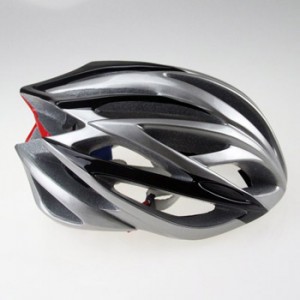
With 21 vents this is another of those cycling helmets that is ideal for warmer climates. Better yet, it is adjustable so it can be properly fitted to any size head, plus it has moisture wicking pads on the interior that work to wick sweat away from your brow.

  1. Louis Garneau – HG Eagle Cycling Helmet

best cycling helmet

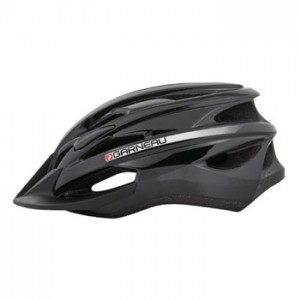
Featuring one of the most unique designs of all of the cycling helmets on this list, this helmet is made with your performance in mind. Its design makes it as aerodynamic as possible, while also offering a superior level of protection. This one is ideal for competitive cyclists.

  1. Fox Men’s Flux Helmet

best cycling helmet

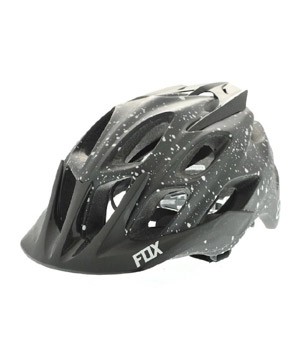
This wonderfully colorful helmet features one of the most striking designs of any of the cycling helmets on this list, plus it is made by Fox so you can be assured of a high level of quality. The deep rear profile is perfect for the safety-conscious, as it offers an additional layer of protection that isn’t available with most cycling helmets down the back of the head.

  1. Cyclebeam 700 Lumen Helmet

best cycling helmet

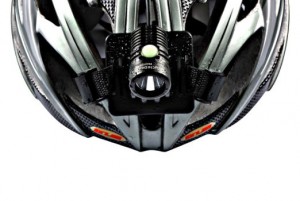
This helmet is the perfect choice for low visibility cycling as it comes complete with a rechargeable headlight that can light your way when you’re riding in darker conditions. Better yet, the battery that powers the light can also be used as an emergency charger for your smartphone in times of need.

  1. Bern Unlimited Allston Helmet with Black Flip Visor

best cycling helmet

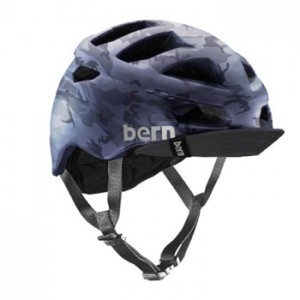
This helmet is perfect for riding in conditions where the glare from the sun is going to cause an issue, as it comes complete with a visor that protects your eyes. This means that you won’t need to purchase a cycling cap to go along with it, almost making this a two-for-one deal.

  1. Limar 535 Bike Helmet

best cycling helmet

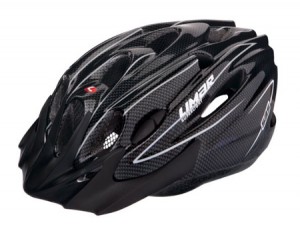
Made using superlight technology that not only keeps you protected but also ensures the helmet doesn’t weigh down on your head, this piece of cycling gear can also be adjusted to fit a multitude of different sizes.

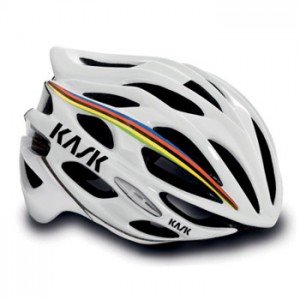
  1. Kask Mojito Helmet

best cycling helmet

With a unique design that is both attractive and offers supreme levels of protection, the Kask Mojito Helmet has 26 vents that will ensure your head stays cool, while also being extremely lightweight. This makes it ideal for endurance cycling races, allowing you to stay a step ahead of the competition.

How Accurate are Google Maps Cycling Directions

January 12, 2016 by Wade Shaddy

google maps cycling

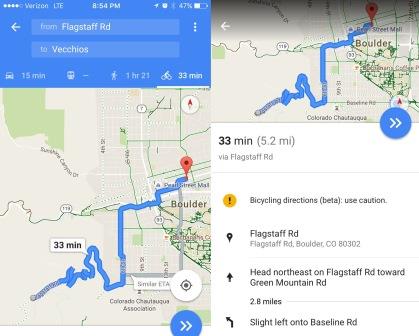
Who says you have to use Google Maps only for driving directions? If you love gadgets and apps, and are looking for an easy way to plan and map out your next ride, try using Google Maps Cycling Directions.  It’s not exactly new as it’s been out for a while, but newer updates have many features that cyclists might find useful.

Google’s Expanding Features

Google should be given credit for investing significant resources over the years in bicycle travel and public transportation in general. Green highlighted trails, bike lanes and bicycle-friendly roads make the maps easy to use and to find routes for cycling. You can create a custom route with detailed, turn by turn directions, mileage and estimated travel times using drop and drag get the route you want. They even have an elevation feature that can tell you how hilly or flat a particular route is.

Locations of Google Maps Cycling Directions

The US and Canada have had Google cycling maps directions since 2010 and recently they added the function in the UK and Europe. But it’s been a bit of trial and error. To find a route, you had to switch between the walking and driving modes, often relying on your own knowledge of cycle paths, shortcuts, highways and generally use a common sense approach to get to where you’re going.

One reason it took so long to get accurate calculations for bike routes is because they can vary so much. In Googles defense for trying to get a handle on all this, they have spent years compiling data about bike lanes, paths, rails-to-trails, and determining bike-friendly street routes to offer its cycling directions map service everywhere. Google has done a good job of that to get the best and safest bike routes on their bike-specific maps.

Average Times

Google Maps cycling directions will also predict your ETA. Most fit cyclists will typically find that the travel times are conservatively on the slow side. For example, a hilly 30-mile route may be projected to take three hours at an average speed of about 10 miles per hour. That’s fine for mountain bikes, but a fit cyclist on a road bike is more likely to do the same route at an average speed of 14 to 16 miles per hour.

At best, you will likely find the estimated times too slow. Basic division says that Google is calculating basic speed at about 12 mph on flat ground to come up with those numbers.

Routes

The directions should avoid the busiest routes which include divided and interstate highways that do not allow bikes. Overall, the Google Maps cycling option most likely provides the best solution in a challenging situation to get from point A to B particularly when you don’t know the area. To avoid any inconvenient obstacles on your route, zoom in and look at the details of where your route is taking you. If it’s going a way you don’t wish to go, there may be a few different alternative routes that come up in gray when your route is first presented to you. You can also select the small dots along your route and drag it to your desired roads or trails. One note on this is that you can only drag your route on a desktop. It’s not a feature on the mobile version of Google Maps.

Viewing All of the Bike Friendly Routes

Besides turn-by-turn routing, Google also offers you the option of checking out all of the bike-friendly routes in your selected region or chosen destination simply by select the “bicycling” layer from the “more” menu in the map. You can then see bike trails and lanes in light and dark green, some that you might not have even been aware of.

Some Exceptions and Things to Look Out For

You’ve all encountered your onboard GPS directing you to drive into the nearest river or off a cliff. Bear in mind that Google Maps cylcling directions may also not be completely accurate, so use caution. And even though you’re less likely to get into an accident with cycling as opposed to driving, there are certain things to look for and question.

  • Roads that are named wrong.
  • Time estimate being way off.

The Two Best Ways to Utilize Google Maps Cycling Directions

The first more obvious way to use the Google Maps cycling feature is to look at the bike paths, lanes, and routes in the area you’re looking to ride for the best way to get from point A to point B. You can then make a mental note or write down the directions but an even better solution is to plug the destination/s in to your phone.

Navigating form the Voice in Your Ear

Once you have your desired route, click the arrow to begin navigating when you have the route you want and plug you earbuds in to your phone. String the cable out of your jersey pocket from your phone and route it up the back of your jersey and over your shoulder with enough extra to make sure it reaches your ear and when you turn your head the ear bud doesn’t fall out. If you’re wearing bib-shorts, you can wrap it once around the suspender on your shoulder to hold it in place. One note with this is to only ever wear ONE ear bud so you can still hear traffic and any other dangers around you. Google Maps will tell you when a turn is coming up and when to turn making it about as easy as it can get to navigate anywhere on a bike. A sweet feature also is that as long as your route is loaded and you ride out of cell service, it will still continue to navigate and tell you where to go.

Google Maps cycling directions and features are a great tool to use for finding routes and navigating. It tends to be pretty accurate as a whole but it does have its bugs so double check your route to make sure you’re on a good route. Let us know how Google Maps cycling directions help your riding and pass the info along to your buddies if they don’t yet know of Googles handy features.

Google Maps Biking App. Adds Elevation to Cycling Maps

January 12, 2016 by Wade Shaddy

google maps biking

Even though elevation data in the Google Maps biking application has previously been available,  Google has quietly added easily accessible elevation data to bike routes in its Maps service, providing better intel. for serious cyclists.

The feature, that actually launched mid-summer, seems to work for much of the U.S. and Canada. Google says although their maps previously factored in elevation when determining routes for cyclists, the data wasn’t as easy to access or apply.

How to Access the Google Maps Biking Elevation Feature

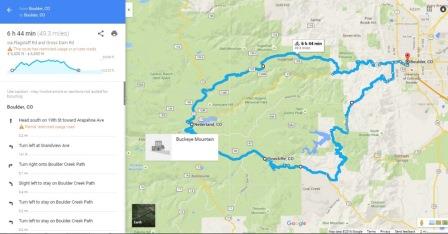
After first imputing two locations as starting and ending points, the feature is accessed by clicking on the bicycle icon in the map’s info box for your directions. The screen should then show you a graph of the elevation changes over the course of your chosen route, along with the highest and lowest elevations and the total elevation changes, up and down. In the elevation profile panel there is an option to hide or show bike paths.  To switch between routes, click on the desired route on the map or on the elevation profile panel.  Taking it a step further, drag the cursor along the chosen route and the graphic shows the elevation changes at any given point.

Using On Mobile

The update, which is currently only applied to the Android version of Google Maps, is not in Google Play yet, but Android users can download the APK here. There has been no time period of when the update will roll out to iOS users. Once you’ve downloaded and installed the APK, the new Google Maps will replace the existing app on your phone.
 As with any external download, the usual disclaimers apply to everyone who chooses to take advantage of this new service.

Accuracy

The new feature is apparently only activated when there’s an appreciable elevation change along the route. For example, the accumulative effect of rollers may not be aptly signatured on the map, and the route may be identified as “mostly flat,” or you won’t see any elevation profile for the route. However, when plotting a known elevation change, the app should inform you of the changes above or below sea level.

Use-ability

The cyclist’s elevation graph is not available in Google Maps’ driving directions, however.Take that, engines.

The feature seems to work for any distance. Even a bike route from Portland Oregon to Portland Texas showed an elevation gain of more than 57,000 feet.

Some of the more intrepid cyclists may already be using Garmin for elevation, and the figures on Google may or may not match what’s on your Garmin; there’s no real answer for this yet. It’s not exactly  clear where Google is acquiring its elevation data from, though its likely that it is an integration with its own elevation data or Elevation API. It’s the software that provides elevation data for all locations on the surface of the Earth, according to Google, including ocean depths, which hopefully, cyclists won’t be using to any extent.

Why Would it Matter?

Have you ever questioned a bicycle route? Lots of roadways, particularly on heavily traveled highway’s such as Highway 101 along the pacific coast, are marked with cycling routes that seem to take you away from the view, or out of your way. More than a few cyclists, using their simple foldable maps, decide to defy the chosen route by taking a shortcut — it’s almost always a mistake. Shortcuts at this point can take you into brake-fumes, exhaust fumes, and some of the most gut-wrenching climbs you can imagine. A simple look at the elevation gain or loss, even if it’s in a short space, can make an incredible difference in your attitude and ride.

Century Planning

Lots of cyclists plan century rides from home, or from a starting point somewhere near or far. It’s nice when your century — or any long distance ride for that matter, works out to be exactly 100-miles. Cyclists have been using Google earth and google maps for years to get the routes perfect. With the addition of elevation to maps, you can avoid the last minute hill-climbs, planning a route around certain obstacles. More itrepid cyclists might choose to add the hills; the google app gives you the ability to do just that.

Learning to Ride: A Guide to Choosing the Right Bike

January 10, 2016 by Guest Post

learning to ride

Most lifestyle changes, if done correctly, require a lengthy checklist and adequate research to do it justice and warrant the change.  Let’s make no mistake about it, cycling is a lifestyle and learning to ride is just the beginning. Everything from your gear and gadgets to your training and talking will consume you and create a level of fascination not otherwise appreciated outside our inner-circle. A close friend once said, mockingly, “We’ll meet you guys after your pedal biking is done.” At its purist he couldn’t have been more accurate, but we know it’s so much more than that, and we love every bit of it, even the jokes from the uneducated.

~”We don’t see many of your kind ‘round here too much.”~

At the end of a lengthy and challenging small group ride, we solicited the finger tapping skills of one lonely stander-by to take our picture and commemorate the day. The husband of an elderly couple starred at us with a look to say, ‘we don’t see many of your kind ‘round here too much.’ We knew this already and even without words we knew what he was saying and it gave us a sense of accomplishment that didn’t need discussed, it was implied. He did, very softly, mutter the words, ‘you don’t see too many overweight cyclists, do ya?’ And with that he got a small chuckle from the group, tapped the cell-phone and captured the moment perfectly, almost like he knew what he was doing.  And he was right, we were all strong and fit. We needed to be to do what we did that day and for most in the group it took a commitment to a new lifestyle to get there. But how did we get there?  There are many roads, or trails, that lead to the same place and telling the story is part of the journey.

We know cycling was the medium, but the group had to come together in some fashion. The leaders of the group have been endurance athletes their entire lives and are still expressing their competitive nature. The old saying is “father time is undefeated.”  And while most sports see their peak years come and go before age 30, the old-man strength required for triathlon and cycling are just getting started. It’s a natural transition for these individuals but certainly not a necessity to enjoy cycling to the fullest, or even challenge the most experienced.

So for the athlete in search of awards and rankings and P.R.s, typically their lifestyle is more part of a process than necessarily a lifestyle change. In regards to triathlon competitors, cycling is merely a portion of the discipline. However, 112 miles is a large portion and requires all styles of training, and for anyone who has trained for Ironman, or any endurance event, training is always better with others!

But what about the rest of us….

Athletes are often envious of “the rest of us.” For you this is new, exciting, a choice, and a myriad of possibilities abound. If you walk into any local bike shop (LBS as it will be referred to) for the first time, it can be everything from exciting to intimidating to downright scary!  Most likely, any checklist starts with a price tag, but before you turn around and walk out the door and take up running because sneakers are only $100, let’s learn the lingo and become happy and confident with our investments. After all it’s a lifestyle, it should last a lifetime.  My father’s 1970s aluminum Schwinn can still hang with most carbon roadies!

Learning to Ride: Choosing The Right Bike

Talk and Listen

Absolutely, step number 1 when choosing the most essential tool that will take you on the most enjoyable ride (actual and metaphorically) in your life is to talk to, and learn how to listen to the men and women at your LBS. I say ‘talk to’ because they are there to help.  Cycling is a community, a family and a language. They love helping newbies! They want to get you out on a ride. It’s good for business, it’s good for the family, but most of all it’s good for you. So, talk. And we’ll learn how.

But perhaps more importantly, 1A is learning how to listen, and this is where doing a little homework will pay dividends in the long run. The truth is, your LBS is a business and they are there to sell to you. In cycling it is very easy to outride your equipment very quickly and look for the next upgrade. Shimano will add a new tooth to a sprocket and the whole cycling community is mind blown and immediately outdated.  Cha-ching!

The good news is, often times (and I hope you cannot quickly think of an exception) talking and listening go hand in hand. Know what questions to ask, know how to steer the conversation in the direction you want to take it and show some knowledge and you will command a level of respect and attention that you can trust and take to the bank! If you walk in uneducated and are just window shopping, you will walk out with some aluminum and rubber they are trying to get off the shelf for the next fall roll-out, or you will walk out wondering what the hell just happened. Neither will get you off on the right foot and will leave you resentful of a place that should take the place of the local hardware store if done correctly.

Research

Step number 2, do your research. This is where learning how to talk the talk comes in. If there is one thing cyclists love more than cycling, it’s talking about cycling…almost to a fault and probably where most of the stereotypes come from! But it is important. Know as much as you can, even about areas that are not seemingly of any interest (at the moment) to you. We all remember asking the question in grade school, when am I ever going to use this? And even if you still feel that way about geometry, you now owe an apology to your teachers, and probably your parents! It is undeniable that education is education and may be one of the only areas where there is no such thing as too much.

Type of Riding

Step number 3 in choosing the right bike is to know the type of riding you want to do. The best way to decide this is to try and project what type of riding you might want to do. As we discussed previously it is very easy to outride your equipment, which will always leave you wanting more. Inevitably upgrades will be necessary and they are exciting, but if you are able to project a few steps ahead, the four digit price tag on your next visit to the LBS will be more acceptable as it was part of the plan all along. If you know you want to enjoy some group rides at a comfortable pace but also ask how it’s possible so many people are completing gran fondos under five hours, you may want to find a tool for both. If you want to lead your group and even have the slightest inkling of doing a triathlon, even if on a team, well here’s where that geometry class comes in handy! If you can avoid the cyclocross to TT switch-a-roo, you’ll be able to invest more in other areas and really style it out.

Road or Trail?  Race or Commute?  Luggage or no Luggage?

We need to understand that there is a different bike for any style of riding you can think up when learning to ride. And unless you have deep enough pockets to fulfill all your fantasies at the same time, you may only have one or two in your arsenal. In order to determine what kind of riding you want to do, or may eventually do, break it down into categories and find some similarities. This will equip you with all you need to walk, talk, look and listen your way to everything it is you are seeking and the ticket to enjoy it for a lifetime!

Ride On!

A Bike Zen Joke

January 7, 2016 by Adam Farabaugh

bike zen joke

A Zen Teacher saw five of his students return from the market, riding their bicycles. When they had dismounted, the teacher asked the students, “Why are you riding your bicycles?”

The first student replied, “The bicycle is carrying this sack of potatoes. I am glad that I do not have to carry them on my back!” The teacher praised the student, saying, “You are a smart boy. When you grow old, you will not walk hunched over, as I do.”

The second student replied, “I love to watch the trees and fields pass by as I roll down the path.” The teacher commended the student, “Your eyes are open and you see the world.”

The third student replied, “When I ride my bicycle, I am content to chant, nam myoho renge kyo.” The teacher gave praise to the third student, “Your mind will roll with the ease of a newly trued wheel.”

The fourth student answered, “Riding my bicycle, I live in harmony with all beings.” The teacher was pleased and said, “You are riding on the golden path of non-harming.”

The fifth student replied, “I ride my bicycle to ride my bicycle.” The teacher went and sat at the feet of the fifth student, and said, “I am your disciple.”

Courtesy of Piaw Na, Internet-BOB, and the proposed BikeZen email list.

The Widowmaker Heart Attack – Why Cyclists Have Better Odds

January 7, 2016 by Wade Shaddy

widowmaker

The widowmaker heart attack can strike cyclists of almost any age. It’s not isolated to cyclists, but cycling plays a critical role in your chances of surviving a widomaker heart attack. If it happens while cycling, knowing what it feels like can help save your life.

In the Movie Heart Attacks

You’ve seen it in the movies; someone grasping their chest in pain, and no one doubts what’s happening. But most heart attacks happen more slowly, and if you’re out on your bike, the simple fact that you’re pushing yourself can cause you to hurt. But there are indicators that you might be having a more serious issue.

Why a Widowmaker Heart Attack Occurs

A windowmaker heart attack can occur when arteries become blocked in the heart when cholesterol, fat and other substances build up in the blood over an extended period of time. The substance forms a hard coating, known as plaque, on the inside of your vessels, narrowing them. Also known as CAD, or coronary artery disease, the plaque-choked vessels restrict blood flow to your heart. Widowmakers occur when the blockage occurs in the left-descending anterior artery. The left anterior descending artery supplies blood to the heart muscle.

One Out of Ten

Heart attacks are one thing, but on average, only one out of ten people survive a widowmaker heart attack. A blocked left-descending artery is typically an issue of genetics and lifestyle. You’re not bullet-proof if you cycle, but you’re more likely to survive a widowmaker because of your lifestyle, and the fact that cyclists tend to eat healthier foods, and pay more attention to what their body is telling them.

Surviving a Widowmaker Heart Attack

Widowmakers are survivable depending on the degree of blockage. Odds of surviving anything over a 90 percent blockage are not good. Cycling can give you the edge needed to survive a widowmaker heart attack by strengthening existing veins, utilizing additional feeder veins, and keeping you overall healthier. If by chance, you do have a widowmaker heart attack and you’re an active cyclist, the overall fitness of your heart and circulatory system give you better odds of surviving it, and your recovery is faster.

Get a Checkup

If you’ve not yet began a cycling regimen, or even if you’re an experienced cyclist, a complete physical by a doctor is in order, especially if you’re over 50. Inform your family doctor that you plan on getting into cycling. If your doctor has any suspicions that you may have issues with your heart or circulatory system, he or she will refer you to a cardiologist for further evaluation, and you and your cardiologist can take it from there.

What it Feels Like

If you’ve not had a physical in the past six months, or even if you have had one, there’s no guarantee that you won’t have issues with your heart. The most common symptom is angina, which is pressure, pain or fullness of the chest, and it typically feels deep. For cyclists, angina might not be present until you hit 10-20 mph, or less if you raise your heart rate to a certain point. When you back off the pedals and your heart rate lowers, the pain level may or may not lower with it.

If it Gets Worse

If the pain continues to get worse — a burning, expanding sun in your chest, spreading to jaws, arms or back, get off the bike immediately. If you feel nauseous, sick or sweaty or a combination of all of them, you could be having a widowmaker. Call 911, and whoever else you need to. Don’t get back on your bike.

Women and Men

Symptoms of a widowmaker, or heart attack in general, can be different in men and women. Instead of intense pressure, such as in men, women may experience shortness of breath, pressure or pain in the lower chest or upper abdomen, dizziness, lightheadedness or fainting, upper back pressure or extreme fatigue. But the symptoms are not specific and they may or may not be grouped together and can be different in everyone. One cyclist who survived a widowmaker, thought a deep, sore throat was the cause of his pain.

The Emergency Room

In the event you are taken to a hospital, the odds that you survive a widowmaker improve. The cardiac team at hospitals are trained to take care of you. They deal with it on a daily basis. The first test they administer will likely be an EKG, followed by an angiogram. The angiogram involves injecting dye into your veins to find the location of the blockage, and to determine the procedure needed to get you back on your feet, and bike. It could be that they place a stent, a hollow tube, in your artery, to open the blockage. If that’s not possible, by-pass surgery may be the only option, roll with it.

Recovery Time from A Widowmaker Heart Attack

When to resume cycling is based largely on how well you recover from the operation. That in turn is dictated by your age, your level of fitness and your general standard of health prior to the operation. Everyone is different, but if you only have a stent, you could be back on your bike in a few weeks or less. If it’s open heart by-pass it will be at least 6 weeks or longer, and then, for short rides only. The main concern with open heart is the healing. Vessel grafts heal relatively fast, but your chest is held together with wires, and cartilage takes longer to heal. Physical exertion is not the issue, the real issue is the possibility of crashing, and opening up your zipper-chest, and it’s not pretty.

Stay on Your Bike

No matter how many miles you have under your belt, you can still be genetically predispositioned to high-blood pressure, high cholesterol and heart disease. And even though you can knock out a century in six hours, it doesn’t mean you’re invulnerable to a widowmaker heart attack. Keep eating right, stay on your bike, get regular checkups, and beat the odds of the widowmaker.

Treating and Preventing Saddle Sores

January 4, 2016 by Wade Shaddy

saddle sores

Saddle sores are a curse on cycling. The fiery, burning sensation is like nothing else. It can ruin your ride, prevent you from riding, and remain sore for days after you get off the bike. Also sometimes referred to as friction burns, saddle sores are suffered equally between men and women alike.

Everyone Gets Them

Saddle sores strike young and old, male or female, amateur or professional without provocation or distinction. But it doesn’t have to be an issue if prevention and proper aftercare is observed and followed. Don’t let saddle sores keep you off your bike or cause you any unnecessary pain.

Two Types

There are two types of saddle soreness. The first type is that deep muscle pain that most beginners feel when their butt just isn’t accustomed to the saddle. It’s also an issue for experienced riders when they spend hours and hours in the saddle. This type goes away by itself by simply getting back on the bike, and continuing riding. The second, the most common, is the friction burn or skin irritation that just gets worse and worse if not dealt with. This is the rub that needs attention.

Three Stages

Friction sores can develop into three stages if not properly addressed. The first stage is the simple burn or skin abrasion, and that’s where it typically stops. If not addressed properly though, it gets worse. The second stage is recognized when skin abrasion turns into Folliculitis, which is a skin condition caused by inflammation of hair follicles. It typically occurs in areas of irritation, such as where poor fitting shorts, or a bad seat rubs you raw. The inflamed follicles become infected with bacteria. The  Staphylococcus organism is the most common, peacefully living out it’s life on your skin. That is until it moves deeper into the saddle sore and at some point it changes into the the third stage, which is known as an abscess.

Saddle Sores – Prevention Tips

Most common saddle sores remain at stage one, some move to stage two, and even fewer develop into stage three because cyclists typically deal with them before they get that bad. Saddle soreness will never be stopped completely; there are just too many variables but there are things you can do to minimize them:

  • Lower your seat. If your seat is too high, it causes your hips to rock and roll on each pedal stroke, scraping your soft tissue across the nose of the saddle. The result is irritated skin. A simple saddle adjustment is all that’s necessary.
  • Get the right saddle. Everyone has a different butt and thighs.  The key is to experiment, and find a saddle that works well for you.
  • Get the right shorts. Shorts are created with panels. The more panels the better. Poor fitting shorts are a typical cause of saddle sores. They bunch up.
  • Don’t wear underwear. Doing so is a recipe for saddle sores. Cycling shorts are designed for no underwear.
  • Stay clean. Personal hygiene is important to stop bacteria in it’s tracks. Always shower before and after a ride. Don’t wear shorts if they haven’t been washed.
  • Stand up often: Standing up and lifting your butt off the saddle relieves the pressure on your tissues and restores circulation. Crosswalks and stop signs are good places to stand up for a few moments to stretch your legs and give your ass a reprieve.
  • Use an Emollient. Apply it with clean hands to your genital area and thighs to help prevent chafing.

Post Ride Treatment

Some cyclists recommend treating existing saddle sores with an over-the-counter acne gel containing 10-percent benzoyl peroxide. Benzoyle peroxide is a common acne treatment. It’s important to note that the solution does not contain erythromycin, which is an antibiotic.

Antibiotics or Not

Some contemporary medical professionals have advised against using antibiotics for minor skin infections such as saddle sores. Antibiotic resistance is a growing concern and considered a problem. If you think it’s bad enough to warrant antibiotics, or if the sore is getting out of control, consult your doctor about antibiotics.

When to Call a Doctor

If the sore is more painful than you think it should be, feels warm to the touch, or is very red and you can see red streaks coming from it, or you’re running a fever — seek immediate medical care. Consult a doctor if the saddle sore hasn’t gotten any better in two weeks or is getting larger.

No Real Prevention

Even the cleanest, most hygienic pair of shorts will turn into a bacterial nightmare after 8 or 10 hours of riding — less in warmer weather. If you start a ride squeaky clean, you will soon get sweaty and filthy. Even the most comfortable saddle or pair of shorts can rub you the wrong way at some point. Needles to say there isn’t a sure-fire prevention for saddle sores once you start doing long distances.

The Most Common Advice

Some cyclists are just more likely to be the victims of saddle sores more than others. Some situations, such as hot weather, is more likely to cause them. You just have to deal with saddle sores when you get them. Hopefully, they are just an occasional nuisance and nothing serious. However, with that being said, one solution to saddle sores has been utilized far more than others to prevent, and treat saddle sores.

Chamois Cream

There are many aspects of chamois cream that people tend to gravitate towards, or stay away from. One of the most obvious is the tingling sensation. Getting that tingling feel reminds you that the cream is working. Things like eucalyptus, menthol, or tea tree oil are added to make your privates tingle. The tingle can be a pleasant cooling sensation as opposed to the fiery burning, searing one. Some chamois creams are tingly, and some are smooth like butter. The choice is yours.

Lanolin Products

There are many creams out there, some cycling specific, others are generic, everyday products that are marketed differently but consist of the same thing — lanolin.

Why Cyclists Like Lanolin

Lanolin is secretion from sheep wool typically found in most of the products, and it’s probably the most widely used product for cycling. One of the most common,  Lantiseptic was designed, and is still used for baby’s diaper dermatitis. Lantiseptic provides a sticky substance that stay’s put for your multi-hour day in the saddle. Lantiseptics main ingredient is lanolin. And to reference the baby’s needs, Lantiseptic uses only medical-grade lanolin.

Home Remedies

Cyclists have long dealt with saddle sores with a broad range of common household products, that seemingly, have nothing to do with cycling, but nonetheless have withstood the test of time. As with any ointment, if you have any objections to using antibiotics, always check the labeling.

  • Preparation H — Some cyclists testify it helps shrink saddle sores. It contains glycerin and white petrolatum.
  • Vagisil —  Typically used as a feminine care product, lots of cyclists—male and female—use it. Some use it before saddle sores appear, others use it after the saddle sore has appeared. It contains benzocaine.
  • Noxema — originally created as a remedy for sunburn, it contains camphor and eucalyptus.
  • Tea Tree Oil — Some cyclists use straight oil, while others prefer a stick. It contains antiseptic, antifungal, antibacterial,  and antiviral ingredients.

Double or Triple Chainring — Choose Your Weapon

January 3, 2016 by Wade Shaddy

triple chainring

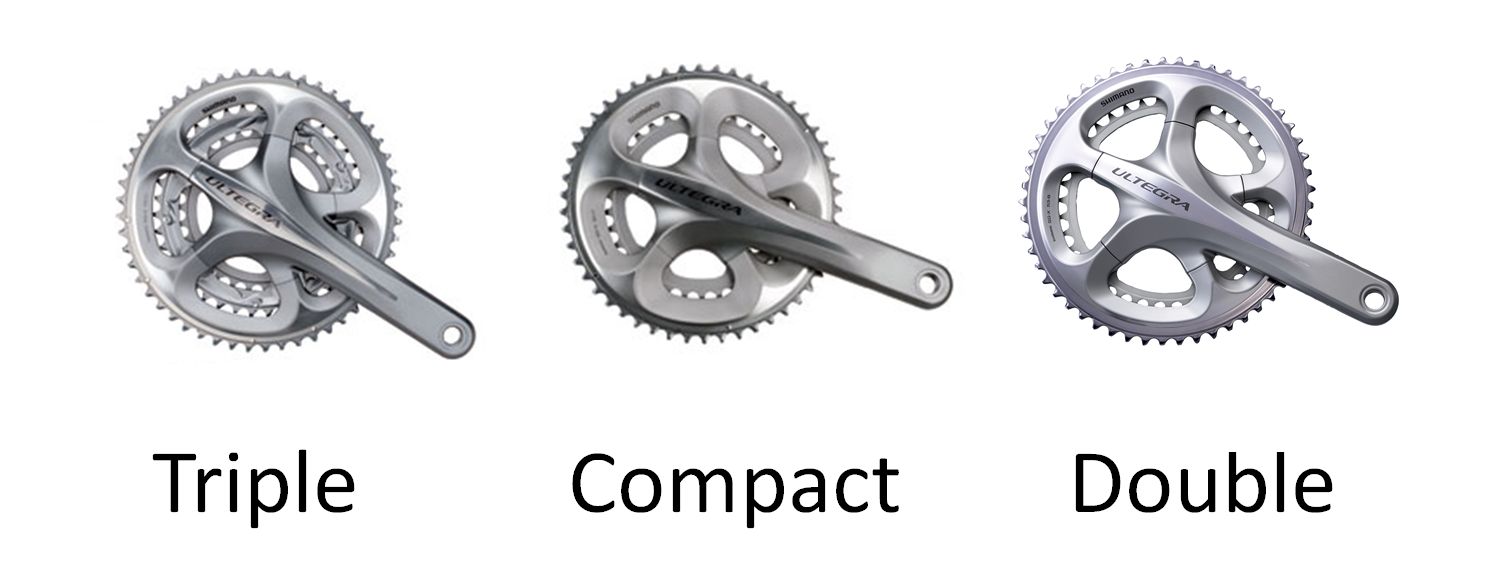
Chianrings are an important choice in your biking arsenal, particularly when purchasing a new bike. The choice between a double, compact, or triple chainring up front has been a source of controversy for years. Some cyclists swear by two, others prefer three. There are advantages for both types depending on riding conditions, geography, and your own personal fitness.

Double or Triple Chainring

The trend toward smaller gears in the mid-2000’s gave birth to the compact double chainring, which is used on most contemporary road bikes. With the invention of the compact double, some thought that the triple chainring had gone the way of the passenger pigeon, but it didn’t happen that way. Cyclists realized, probably because of the mountain bike, that bikes just climbed better with three gears up front. So the triple chainring, although maligned by the popularity of the compact double, still remains viable, and is considered mainstream for road bikes.

Forget Ego

There has always been a certain amount of snobbery in running a triple chainring on a road bike; that it was designed for those who needed a little more help. Don’t listen to it. The decision has typically centered around ego — ” I don’t need three gears to climb.” It’s a macho attitude that doesn’t take into account terrain and personal fitness.

Tooth Count

For the purpose of comparison, a typical double crank-set has a 53-tooth big ring and a 39-tooth little ring. A compact double might have a 36-tooth or 34-tooth little ring, and a 50-tooth big ring. A standard triple had a 52-42-32 gear combo but has since moved toward a 53-39-30 which is a standard crank with a “granny-gear”. But stating that any tooth count is “standard,” gets you into trouble, because manufactures use any and all combination of gears they choose to. Some manufacturers offer over 100 different combinations of crankset-cassette gearing.

Gear Ratio Science

Some road bike techies can state gear ratios off the top of their head. But reading about gear ratios make your eyes glaze over. It takes a mathematician to calculate how they effect your performance on the bike. For all intents and purposes, the differences between a double and triple is how they affect you, and your own personal style of riding. To sum it up, bigger rings with more teeth mean higher gears, which are harder to push. Smaller rings with fewer teeth mean lower gears, which are easier to push.

Characteristic Differences

There are characteristics common to doubles and triple chainrings. The basics are in the performance of the bike, and how it feels shifting, climbing and cruising.

Compact  and Standard Doubles

  • Gear changes can feel chunky. It’s because you’re  moving the chain from a small gear to a large one, further than a triple requires.
  • Doubles are less complicated. Given the fact that you’re only moving it one gear at a time instead of three, the derailleur doesn’t require such a large range of movement, like a triple.
  • Doubles weigh less. Chainrings can weigh up to about 8 ounces, making the compact double set-up considerably lighter than a triple.
  • Doubles are cheaper when compared to a similar make and model of a triple.
  • Doubles can make you stronger simply because you’re using fewer gears to accomplish the same thing and have to push harder at a lower cadence.

Triple Chainrings

  • You need to shift more often using a triple. With a wider range of gears, there’s almost always one that’s perfect for your riding conditions. The gears are closer together, so you’re more likely to find something that works well at the right time.
  • More adaptable. If you’re not a particularly strong cyclist or you’re carrying a lot of weight, a triple offers you more choices of gearing and lower gears as well to more easily get up the steep stuff.
  • Triples climb like crazy. It’s already been established that triples climb better than doubles. If you live in an area of rollers, hills and valleys, and do most of your riding there, the triple might be the gear of choice for you.
  • Won’t Spin Out. Triples, with the bigger, higher tooth count, typically top out higher than compact doubles. Spinning out is a term used by professionals to describe the point where you can’t pedal any faster.
  • Better chain line. Triples have a better chain line than doubles. Cross-chaining is a condition where the chain is operating at an angle. It’s hard on the chain and gears. Triples help to align the chain straighter, and are less likely to cross chain.
  • Easier on the knees. Since you have more gear options you’re less likely to mash the pedals using a triple. Mashing continuously can hurt your knees. Triples are more friendly to your knees.

Typical May Not Be Average

The obvious differences between the two are based on typical gear ratios for an average road bike. But as stated before, there is no real average when it comes to production road bikes. In as much as the front chainrings affect a bikes performance, the rear cassette also plays an important role. The options for customizing a bike to fit your needs are as varied as there are roads to ride.

Bolt on-Bolt Off

Chainrings are made to remove, replace, or swap. It’s easy enough to accomplish if you’re working with the same model. For example, it’s difficult to modify a double to work as a triple, or vice-versa. It’s primarily because the derailleur may or may not have the necessary adjustments to accommodate new gears, or fewer gears.

In Summation

Your choice between a standard double, compact double, or a triple chainring comes down to your personal fitness, and what you’re intentions are. If you have a moderate amount of fitness, don’t be afraid of the compact double. If it feels like a bit to much to push at first, don’t worry about it, you’ll get used to it. If you plan on racing, definitely choose a compact double or standard double if the terrain isn’t too hilly and you can push the gears. If you’re a recreational cyclist or commuter, ride on weekends only, live in the hills, or are not as strong as you used to be, then choose a triple chainring. It really doesn’t matter as long as you’re comfortable, and it gets you out there enjoying it.

« Previous Page
Next Page »
  • Facebook
  • Tumblr
  • Twitter

Latest Articles

JOIN Cycling: A New Training Platform for Cyclists

May 27, 2024 By Eric Lister

cold exposure

The Benefits of Cold Exposure for Cycling & Life

June 13, 2023 By Eric Lister

hill climb

The Ultimate Hill Climb Training Guide

May 31, 2023 By Eric Lister

shoulder pain cycling

How to Treat & Avoid Shoulder Pain While Cycling

April 12, 2023 By Eric Lister

psoas stretch

The Importance of the Psoas Stretch for Cyclists

April 6, 2023 By Eric Lister

cycling neck pain

The Ultimate Guide to Cycling Neck Pain: Causes and Solutions

March 21, 2023 By Eric Lister

Useful Info

  • Contact
  • Finally, A Global Cycling Club That Is Focused On Community And Love Of Cycling!
  • Privacy Policy
  • Share Your Story!
  • Terms And Conditions Of Use
  • Welcome to I Love Bicycling
  • What Happened When I Stretched Every Day For a Month

Recent Posts

  • JOIN Cycling: A New Training Platform for Cyclists
  • How to Hang Bikes in Your Garage: 4 Inexpensive Options
  • Gravel Bike Vs. Road Bike: Which One Is Better For You?
  • The 6 Types of Mountain Bikes & How to Choose the Best One for You
  • What Is a Touring Bike Good For? 5 Benefits We Know You’ll Love

Search I Love Bicycling

Connect with Us

  • Facebook
  • RSS
  • Tumblr
  • Twitter

Copyright © 2026 · Magazine Pro Theme on Genesis Framework · WordPress · Log in