• Training
    • Injury Prevention
    • Training Tips
  • How To
    • Bike Fit
    • Gear
  • Nutrition
    • Nutrition Tips
    • Weight Loss
  • Repair
  • Reviews
  • Stories
    • Funny Stories
    • Jokes
    • Quotes
    • Videos
    • Funny Videos

I Love Bicycling

I Love Bicycling is a website that is geared towards cycling for beginners with road cycling tips, training articles, nutrition tips, weight loss, how to’s and bike repair articles.

How To

  • Bike Fit
  • Gear

Bike Seat Position – How Your Saddle and Seatpost Integrate to Form It

December 14, 2017 by Wade Shaddy

Bike seat position is a personal thing; it’s delicate. Professional roadies obsess over seat height down to the half-millimeter. Dialing-in your bike seat position can require hours and hours in the saddle. The relationship between saddle and seat posts is critical, and it shouldn’t be taken for granted.
bike seat position

Bike Seat Position – It Changes

Dialed-in, bike seat position can be difficult to ascertain and maintain and even when you do get it right, it can change due to a plethora of factors and variables. Sometimes you run the same seat height for thousands of miles only to discover that your body has changed, requiring a change in saddle, seatpost, or both. Sometimes you have a nagging pain in your back, thigh, calf, or other body part that won’t go away. Sometimes you realize you’ve been running the wrong seat height all along because you just haven’t given it enough thought.

Seatpost Basics

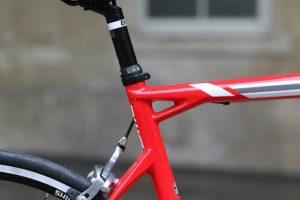
Starting with a few basics is important if you’re new to cycling. All bikes have a seatpost. The seatpost is the tube that connects the frame of the bicycle to the saddle where you sit. Seatposts are vertically adjustable, allowing the frame to accommodate riders of different sizes.

All of the above reasons to change or alter your saddle height require a good, hard look at your seatpost, saddle, and how your bike fits your body. If things don’t measure up, moving your seatpost, or changing your saddle might not be enough for optimum performance regarding seatpost and saddle height. Use the methods provided in this article to find your ideal saddle height and set-back.
Bike Seat Position

  • Seatpost Diameter: Diameter is the first dimension to consider when changing, working with, or choosing a seatpost. It must correspond to the internal diameter of the seat tube on the bike’s frame inorder to have a snug fit. Most contemporary road bike frames accept a standard seatpost of 27.2-mm or an oversized 31.8-mm, but but other sizes between 21.15 and 35mm can also be found. Whatever the diameter, don’t try to force a big seatpost into a smaller sized seat-tube, or use a smaller seatpost in a frame that’s made for a larger diameter. Even if it seems like it fits, at some point it will come back to haunt you.
  • Big Versus Small: Oversized posts add stiffness and strength for optimum power transfer as well as resistance to bending. More narrow posts however can be more comfortable over rough surfaces because they tend to have a little more cushion, primarily because they do bend and flex.
  • Seatpost Length: Seatpost length is another variable. The amount of post emerging from the frame depends on frame size, geometry, and your own body dimensions. It’s important to have a minimum amount of post remaining inside the frame. Too much post extended above the frame makes for a leverage ratio that can crack or snap the post or actually break the frame itself. Most posts have a “minimum insertion” line etched on the shaft. It’s never a good idea to violate the minimum insertion rule. If your post is too long and bottoms out on the water bottle bolts, you can cut the post to shorten it. Just make sure you don’t cut it too short should you need to raise it in the future.
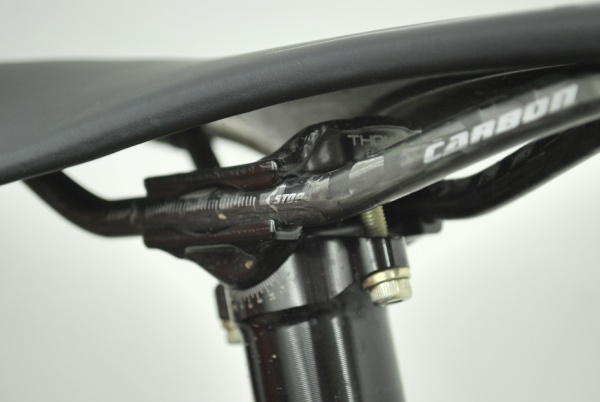
  • Clamps and Saddles: The majority of seatposts rely on clamps designed to accommodate saddles with a dual rails underneath which use bolts to secure the top part of a clamp to the rails of the saddle. The clamp bolts can be loosened, allowing you to slide the saddle forward and back to your preferred position. Most seatpost clamps also adjust for tilt enabling you to fine-tune your fit with the nose up or nose down but level is generally ideal. The tilt adjustment is one of those that you should ride for a few days or even weeks. The right amount of tilt can seem uncomfortable at first, but later on, you will thank yourself for getting it in the most comfortable position.

Bike Seat Position
Bike Seat Position

Setback

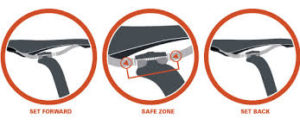
Setback is a design element of a seatpost. Setback refers to a bend or curve in the upper section of a seatpost that positions the saddle toward the back of the bike instead of directly above the center of the seatpost. It’s beneficial on frames with extremely vertical seat tubes, offsetting the rider from a  vertical position. Some riders also prefer a setback because it puts them and the saddle in a more efficient position to utilize the quad and hamstring muscles more effectively.

Set Forward

Seatposts are available with a “set-forward” position. This position puts the rider with more of their torso over the pedals. These harder-to-find models are sometimes used on time-trial or triathlon bikes to provide maximum power on flatter terrain. If you’re concerned about setback, getting a professional bike fit or determining your fit on your own is highly recommended to determine how much setback is needed for your frame and body or if you and your bike even need setback on your post.

Dropper PostBike Seat Position
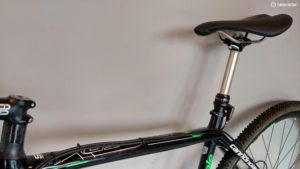
It’s probably not an option for die-hard roadies, but some bikes with drop bars have borrowed technology from mountain bikers. The dropper post is an automatic seatpost that can be adjusted on the fly. The road bike version has two settings, one for cruising and one for descending. Flip a switch, and the dropper post lowers  to lower your center of gravity to go faster on the downhill, with better stability, while staying out of the way to more easily move around; particularly ideal on the mountain bike. When you reach the bottom of a descent, another touch of the lever shoots the post back up to your traditional height for optimum performance on flat ground.

Saddle Variables

The right saddle can make a world of difference in bike seat position and comfort. When changing a saddle however, you want to maintain the exact same seat height. The distance from the rails to where your sit-bones lie on a saddle needs to be considered when changing a saddle because of all the variables in saddle design and type. A different saddle could actually raise or lower your position by almost a centimeter in either direction if you just leave the seatpost itself at the same height.

Adjust Versus Adapt

Generally speaking, most beginner cyclists set their bike seat position initially and then adapt to it but that’s not the best option. This is particularly true when changing from one saddle to another. The differences in padding thickness and design can throw off your bike seat position drastically. Changing saddles should always include taking a good hard look at seatpost height. If your new saddle is making you uncomfortable, don’t adapt to it before adjusting the seatpost to get your actual position exactly the same as the old one. Knowing how your seatpost is integrated with your saddle will allow you to change your position or saddle as needed to keep you the most comfortable on the bike.
5 Of The Best Cruiser Bikes

December 13, 2017 by Sarah Lauzé

You may have seen them around your city, cruising along like they haven’t a care in the world. Coming out in fleets around beaches in the summertime, cruiser bikes offer a different take on cycling as a means to urban adventure. No, it won’t replace your carbon road bike anytime soon, but they are a ton of fun.

The beauty of cruiser bikes is simplicity– they’re relaxed and casual in both design and essence. Cruiser bikes are designed for those who want a comfortable ride, functionality, and, of course, to look good while riding. You may not get anywhere fast, but you can hop on, take in the scenery, and see where you end up.

5 Of The Best Cruiser Bikes

Things To Look For In A Cruiser Bike

  • Gears – Many cruiser bikes are single speed, meaning that you’ve got one gear to get you around. This might be fine if you’re routes will be largely on flat terrain, but can be an issue if you hit a hill. So, if you want more flexibility from your cruiser you’ll want to get a multi-speed.
  • Coaster Brakes vs Hand Brakes – The coaster brake is featured on classic single speed cruisers. While they may have freewheeling abilities, when back-pedalled they will engage the brake after a fraction of a revolution. Hand brakes are what you may be more accustomed to from road or mountain biking.
  • Steel vs Aluminum Frame – Steel frames can be a great budget-friendly option, but they are slightly heavier and are more susceptible to rust than their aluminum counterparts. So, if you don’t mind spending a little more, aluminum will probably be the better option, as they are more durable and are often equipped with higher quality components.
  • Style – It’s okay to admit it, how attractive the bike looks will weigh into your decision. So, think about what you want from a cruiser. Do you want it to be subtle and functional, or colorful with a basket and tassels? From chopper styles to the traditional curvy design, there are a ton out there to choose from.

5 Of The Best Cruiser Bikes

Firmstrong Urban Beach Cruiser

5 Of The Best Cruiser Bikes

Price: $165

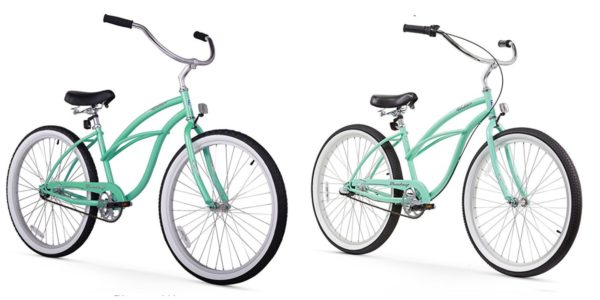
This classic curvy design is available in a single or three speed cruiser, boasting a smooth and simple ride. Sized for women from 5-6 feet tall, it makes for a smooth ride with aluminum wheels and a slight curve in the fork that helps with steering and shock absorption. The single speed option makes for a simple ride, with no cables hanging off the bike, and you can maintain a consistent cruising speed from 3 to 15 miles per hour.

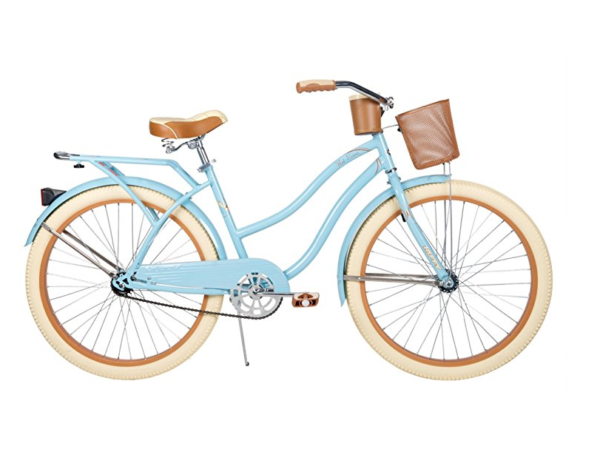
Huffy Nel Lusso Women’s Cruiser Bike

5 Of The Best Cruiser Bikes

Price: $118

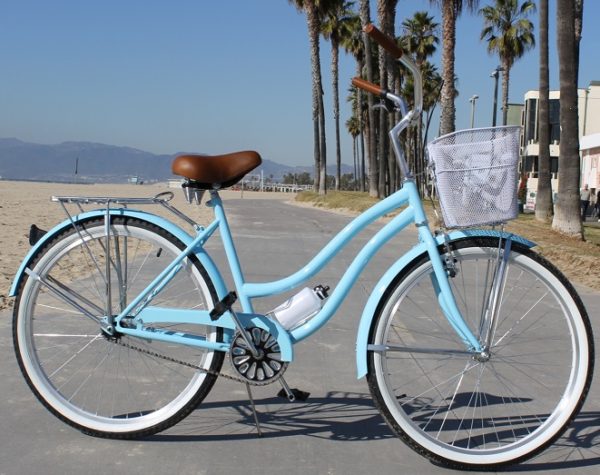
This classic steal frame includes matching fenders, a rear luggage rack, a kickstand, a front basket, and even a cupholder. For someone looking to invest in their first cruiser, the Huffy Nel Lusso is function, plus it looks great. There is only a single speed available.

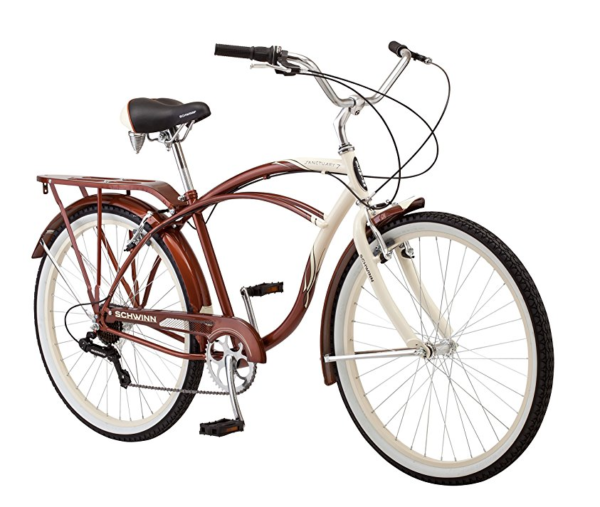
Schwinn Men’s Sanctuary

5 Of The Best Cruiser Bikes

Price: $152

The Schwinn Sanctuary 7 cruiser equipped with a Schwinn steel cruiser frame and fork for comfortable riding, the full fenders help keep the water off you in the rain and the rear rack can be used for carrying cargo. The Shimano 7 speed rear derailleur with twist shift makes for simple quick gear shifting–the best of both worlds.

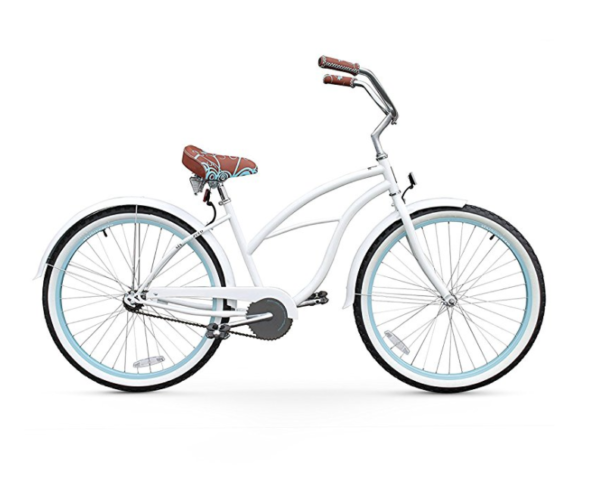
Sixthreezero Beach Cruiser Bicycle

5 Of The Best Cruiser Bikes

Price: $299

Where sophistication meets functionality. Build around a sturdy steel frame, the cruisers handlebars are extended outwards a little more than most models. This creates an even more relaxed riding position, and easy handling. There are single, three, and seven speed version available of this model.

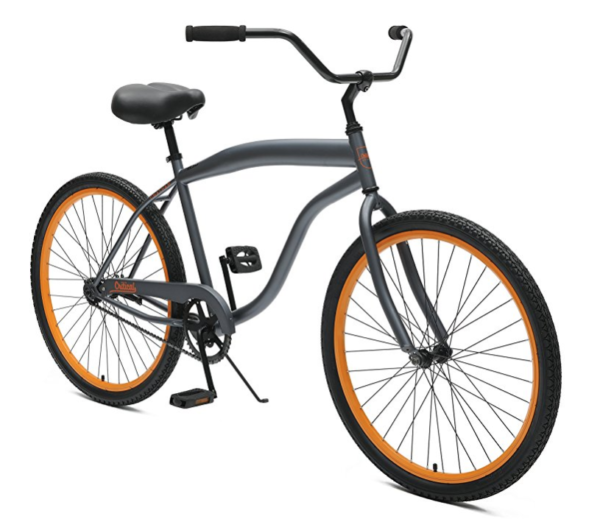
Critical Cycles Chatham Men’s Beach Cruiser

5 Of The Best Cruiser Bikes

Price: $219

Inspired by the dawn of feel-good surfer culture, Critical Cycles new beach cruiser line is streamlined for little to no maintenance and impressively straightforward riding. Available in single, three, and seven speeds, the Chatham is practically unstoppable. With a hand-built steel frame, cushy grips on high handlebars, and a classic surf paint job, you’ll be riding around on an impressively comfortable and shock-absorbent cruiser.

If you’re looking for a simple commuter, or a way to get to the beach next summer, a cruiser bike is a great option. Not only do that look really cool, but they a ton of fun to ride. For more on commuter bikes, check out “The Best Commuter Bike – Matching Your Needs to a Bike.”

Top 5 Cycling Blogs To Follow

December 9, 2017 by Sarah Lauzé

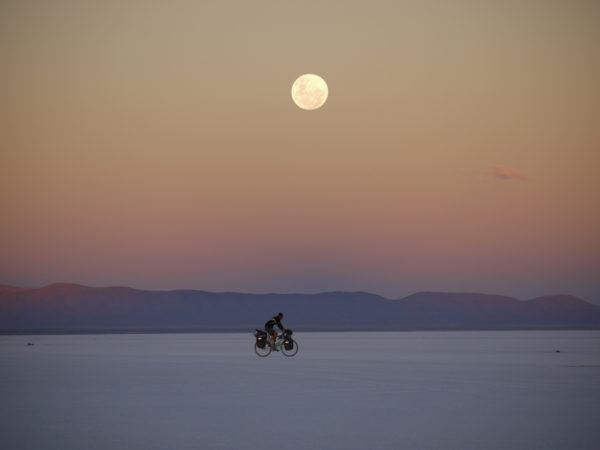
It’s easy to get caught up in the day-to-day grind of life, which may be why many of us choose to get out on our bikes every chance we get. Cycling is a way of breaking free, simplifying life, and clearing our minds. Although many of us may not have the chance to drop everything and set out on a ride around the world, there’s adventure in every ride if you know where to look for it.

If you’re looking for a source of inspiration as a cyclist, or for life in general, look no further. These are some of the most inspiring cycling blogs out there, documenting incredible bike journeys, including the good, bad, and painful. Who knows, maybe you’ll be the next great adventure cyclist!

Cycling the 6 

“Like most decisions of great consequence my plan to cycle the length of six of the earth’s continents was made in a pub, beer in one hand, mini-atlas in the other.” – Stephen Fabes, Cycling the 6

Stephen Fabes is candid and honest about his six year, 860,203 km ride around the world. Working as a doctor in London for years, he decided to leave his family, friends, and job almost on a whim, which is relatable to most of us. We have these crazy ideas or dreams, but few of us follow through with them because we don’t think it’s possible. As Stephen cycled away from his home, he immediately wondered what the heck he was doing and headed straight to a pub just kilometers out of town. You’ll have to check out his blog to find out what happened next.

Push Bike Girl

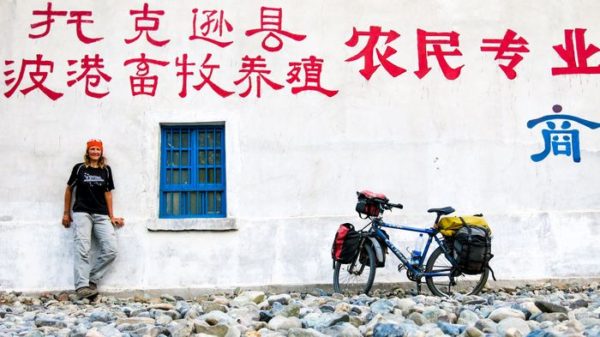
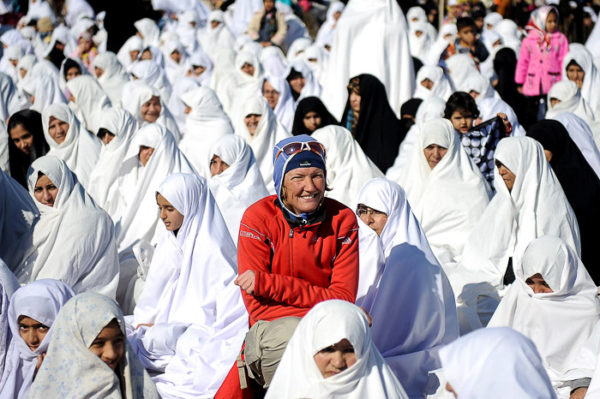
Heike Pirngruber first set out from her front door in Southern Germany in 2013. Almost five years later she has made her way across countries and entire continents solo – just her and her bike.

She made her way across Europe and Asia to Japan. From there she hopped on a flight to Los Angeles, and is currently pedaling her way down through Central America. Her blog is full of beautiful photos of the people she meets and the cultures she experiences. Heike isn’t one to sugarcoat things, so as amazing as her experiences have been so far, she is also raw and honest about the tough times and loneliness that you experience as a solo cyclist out on the road.

Tasting Travels

Tasting Travels is a three-languaged blog about people, places, culture and nature. Annika and Roberto started out on a journey to cultivate empathy through bike travel in 2011, and have an impressive map that shows their route around the world. Their goal is to inspire people around the world to consider cycling as a means of travel, whether around the globe or around your home.

“So for those who dream of traveling the world by bicycle and cannot do it at the moment. I invite you to take your bicycle and discover your surroundings. We assure you, you will be impressed by what you can discover. Excitement is just around the corner.”

Family On Bikes

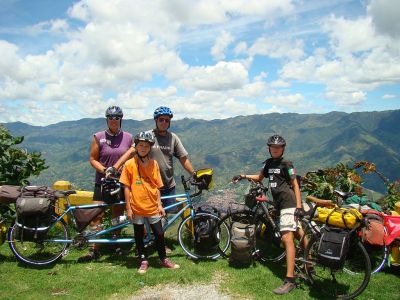
Just because you have kids doesn’t mean you can’t head out on an adventure of a lifetime (it may actually be a reason that you SHOULD).

The Vogel family of four cycled 17,300 km from Alaska to Argentina over the course of three years. They now run their blog and have a series of books to inspire families around the world to “grab life by the horns and enjoy the ride.”

While Out Riding

Cass Gilbert is a freelance cycling journalist, based out of the UK, who has bikepacked through some amazing adventures. First chronicling his journey through the Alaskan backcountry, he has since rode through Mongolia and the Republic of Georgia.

More than an adventure blog, Cass writes about his car-free existence, and about cycling as a way to declutter your life and clear your mind.

5 Of The Best Cycling Power Meters

December 6, 2017 by Corey Davis

cycling power meters

What is a Cycling Power Meter?

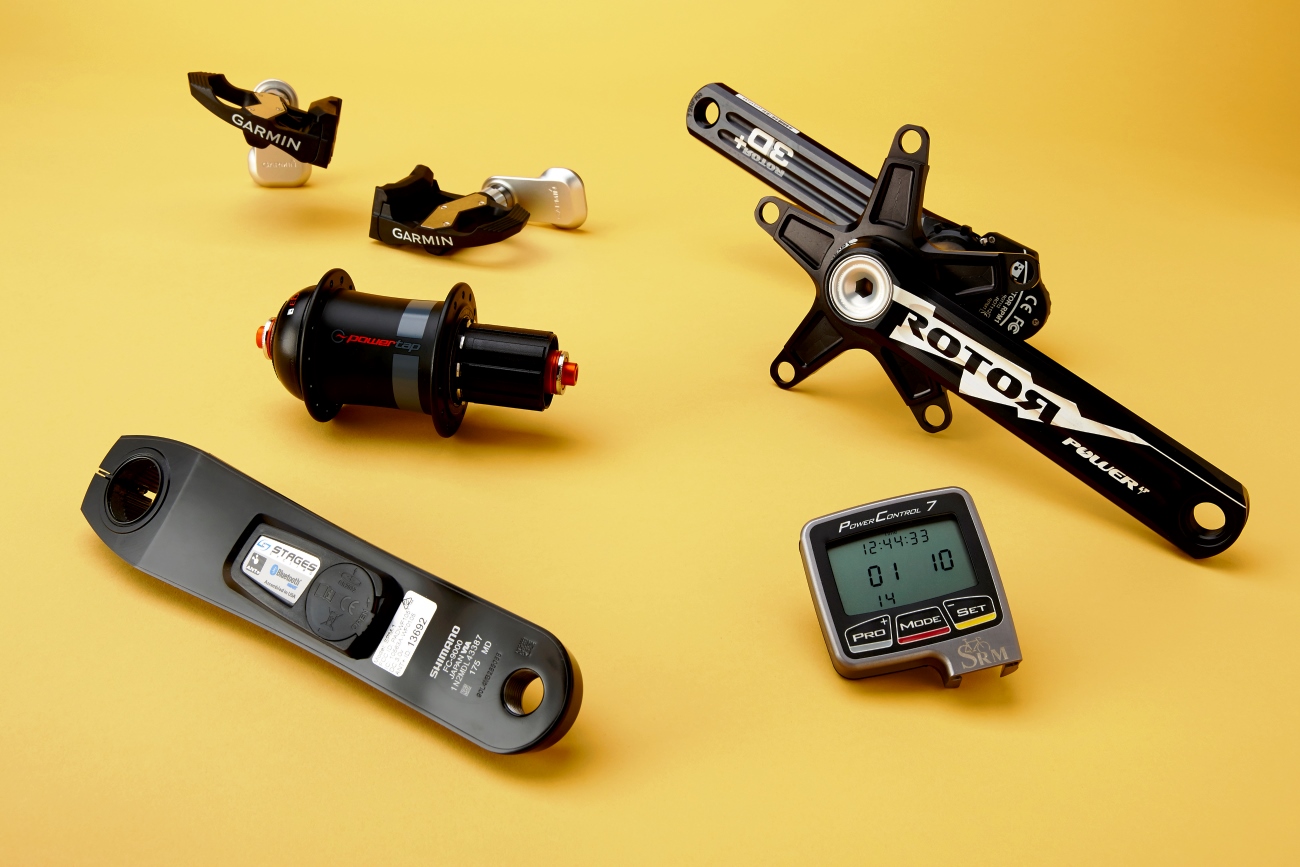
Cycling power meters have been a common tool used to gauge training amongst professional cyclists for years, but really only within the last decade have they become affordable for the everyday cycling enthusiast. So what exactly is a power meter? Cycling power meters are strain gauges that measure the amount of displacement of an object, say your crank, which is imputed into an equation that gives you the amount  of work done which when combined with time gives you power measured in joules/second or watts. This work energy expressed in watts determines how much power a rider produces at any given second within a ride.

Why are Power Meters Good to Ride With?

The benefit of training with a power meter is that it can show how much power the rider is putting down to help track progress. It is a better measurement than heart rate to track training. Heart rate fluctuates a lot, whereas power is always consistent, but they are really best used together. Cycling power meters can help you also ride a much smoother pace throughout an entire ride, climb, or interval. You can pick a number and stick to it, whereas heart rate will creep up throughout the ride, hill, or interval. Cycling power meters are such a great training tool; soon you can expect to see them coming standard on bikes straight from the manufacture. Below is a list of 5 of the best cycling power meters and what makes them different.

5 of the Best Cycling Power Meters

PowerTap

PowerTap is one of the only companies that offer three positions for power to be read. Originally, PowerTap sold the rear hub power meter and now they offer chainrings and pedals to read power. All three are useful in their own way. The rear wheel is great because you can transfer it from bike to bike easily, but when race day comes, the race wheels replace the power meter.

SRM

SRM cycling power meters are certainly the most common amongst top professionals. The SRM is crank based and has its own head unit compared to most other brands that rely on Garmin head units. SRM claims to have a margin of error of less than 1%. SRM is the original power meter and focuses on quality; the price is certainly reflective of that.

Stages

Stages cycling power meters are in the left crank arm, and dependent on what drivetrain a rider is using. For instance, if a rider uses Shimano Ultegra and purchases a Stages, they would receive an Ultegra left crank arm to replace their original one. The only difference is that there would be a small black piece attached to the inside of the crank arm. Stages is certainly one of the more affordable power meters out there, and installation and setup is a breeze.

Pioneer

Pioneer power meters are crank based and have dual strain gauges to measure both left and ride side power. Pioneer offers complete cranksets and installation kits for user supplied cranks, i.e. you already have a DURA-ACE crankset and don’t want to buy another.

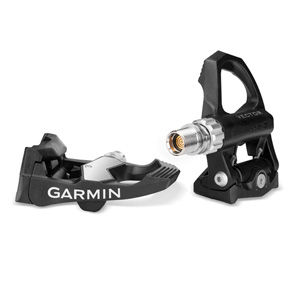
Garmin Vector

Vector™ 1

Garmin Vector pedal pods fit on your crank, taking only 15 minutes to install and calibrate. The pods do left/right pedal analysis, along with a feature called Pedal smoothness, to see where there are soft spots in your pedal stroke. These pedals are run on a simple CR 2032 battery, and the new Vector 2 design makes replacing the batteries much easier.

How To Reduce Back Pain By Strengthening Your Core

November 10, 2017 by Josh Friedman


Before trying to find a remedy for back pain, it is necessary to know the reasons that back pain happens to cyclists. They body of a cyclist is one complete system; if one element of the body is not doing what it is supposed to, the entire body suffers. This is the root of most back pain in cyclists. Strengthening your core may be the solution to eliminating that weak link.

strengthening your core

Understanding Core Strength

Traditionally core muscles were defined as from the diaphragm to the pelvic floor. More recently, core muscles are defined muscles that insert or originate at the spine or pelvis. It is a broad definition that includes major arm and leg muscles. For the purpose of this article and cycling, strengthening your core will refer to muscles between the base of the skull and the abdominal floor. Those are the muscles that stabilize the body on the bike, resulting in a very smooth looking pedaling style. A silent upper body results in a very stable platform for the muscles that provide power on the bike to push against.

Making the core muscles function as a unit with proper motor control is the goal of strengthening the core; not developing brute strength or a tone beach body. You may see some physical changes, you may not, but you will feel better while riding.

Lower Crossed Syndrome

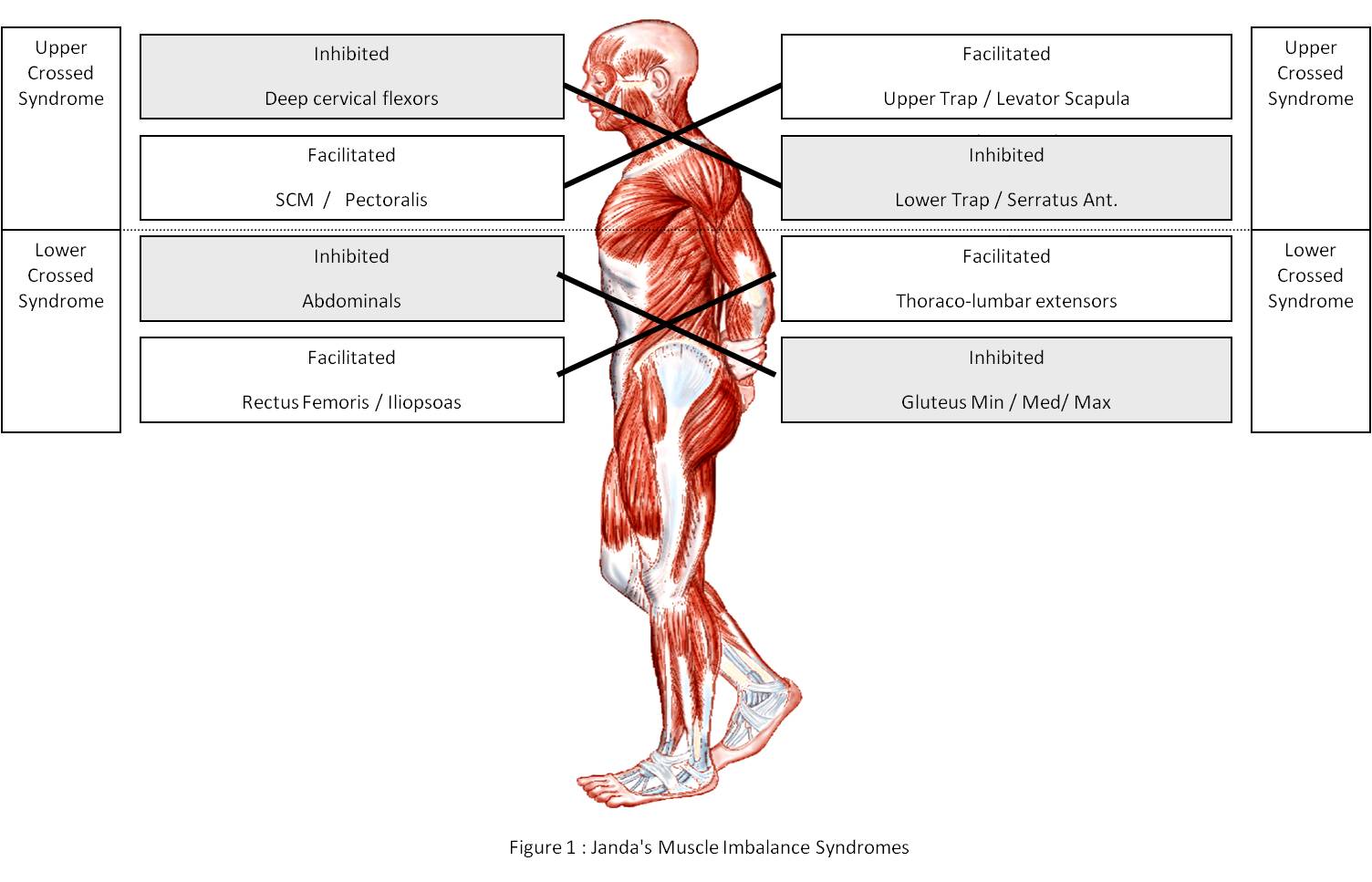
Understanding Lower Crossed Syndrome will help you understand one of the most common causes of back pain in cyclists. The image below illustrates improper muscle loading that results in pain and discomfort. The inhibited muscles, abdominals and gluteals, are never fully engaged in cycling, while the facilitated muscles, rectus femoris (quadraceps), iliopsoas and thoraco-lumbar extensors  are always engaged and often overworked. Constantly engaging those lower back muscles without proper support from a stable core often results in lower back pain.

strengthening your core 1

While pedaling, quadraceps pull the pelvis forward. To keep your body on the bike, your lower back resists that pull. It is an action that is not inherent to the design of your lower back muscles. The result is overworked lower back muscles that may cross into pain.

Stable Pelvis – Healthy Body

The seat of power on a bicycle is the pelvis. When the pelvis is properly aligned the rest of the body can pedal efficiently. When the pelvis is misaligned and unstable, it is a recipe for not only lower back problems but hamstring problems too. An unstable pelvis leads to rocking. With each rock, the pelvis engages lower back muscles and hamstrings in ways that should not be involved in pedaling, overworking and straining the muscles unnecessarily.

A stable pelvis gives a platform for the quads to push against in the most powerful part of the pedal stroke, easing strain on the lower back. Strengthening your core will lead to a stable pelvis, a lower likelihood of injury, and more efficient riding.

Basics of Core Exercise

Strengthening your core should be based on the principle of proximal stability and distal mobility, according to Craig Abrams who is a Doctor of Chiropractics with a special interest in cyclists. Proximal stability is keeping the core still, providing a platform to work against, while distal mobility is moving the extremities against the stable core. This will replicate how your body should work when it is in action and will build towards proper motor control.

Stretch the Facilitated & Strengthen the Inhibited

Be mindful of which muscle groups need what kind of work. The facilitated (overworked) muscles, like quadraceps and lower back, do not need strengthening but stretching. They are always engaged in cycling. The inhibited muscles benefit most from strengthening your core – the abdominals and gluteals. Keeping this in mind will restore balance through your core.

Exercises

Dr. Abrams provided a few exercises to get you started on the road to strengthening your core. As you advance, you should seek out more advanced and strenuous movements.

Foam Roller Exercises

This should be the first thing you do after you get off the bike every ride. It’s one of the most effective ways to
develop your daily postural work.

#1

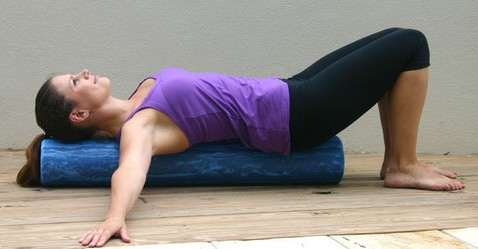
  • Start by lying with your spine running down the length of the foam roller with your knees bent so your feet are flat on the ground.
  • Once stable, begin by placing your hands together above your chest with your arms straight up into the air.
  • Now press your finger tips towards the ceiling.
  • Movement should come from your shoulders. You will be arching your shoulders forward toward the ceiling.
  • Repeat ten times.
strengthening your core
Start like this and then place your hands together above your chest, straighten your arms, and reach straight up toward the sky with the movement coming from your shoulders.

#2

  • While keeping your hands above your chest, carefully lift one foot at time off the ground, as if you’re are marching in place.
  • The goal is to lift each foot ten times.

#3

  • Finally, place both arms on the ground next to you and raise both legs as if you are sitting in a chair.
  • If you find it exceptionally hard to stay balanced on the roller, slide it down so it’s more under your lower back.
  • While keeping one leg still, reach the other leg forward towards the opposite wall.
  • Do ten reps on each leg.

Remember to maintain a comfortable natural breathing rhythm throughout the entire routine.

Movement and Static Exercises for the Core

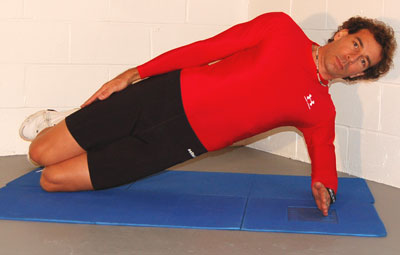
Side Bridge on Knees

  • Start by lying on your side with your hips in-line with your legs and torso while having your knees bent at 90 degrees or a bit less. You should have your elbow under shoulder with your wight positioned on your forearm and the side of your knee. Your hips will be off the ground in the air. One note is that you will want something soft under your fore-arm and knee such as a soft carpet or yoga mat.
  • Next make sure that you feel like the shoulder is in a strong position. The ideal position is a place that you could hold for about one minute. Make sure you stick your chest out.
  • While maintaining the above position, drive your hips forward. The common mistake is to raise the hips up. To avoid this, think forward/backwards with your hips, NOT up/down.
  • Do this ten times and repeat on the opposite side and increase the number as you progress.
  • This works the muscles on the side of your abdomen and hips so it is about movement and not a static hold.
strengthening your core
Make sure you keep you body in line then move your hips forward and back. In this case, toward the camera, away from the wall.

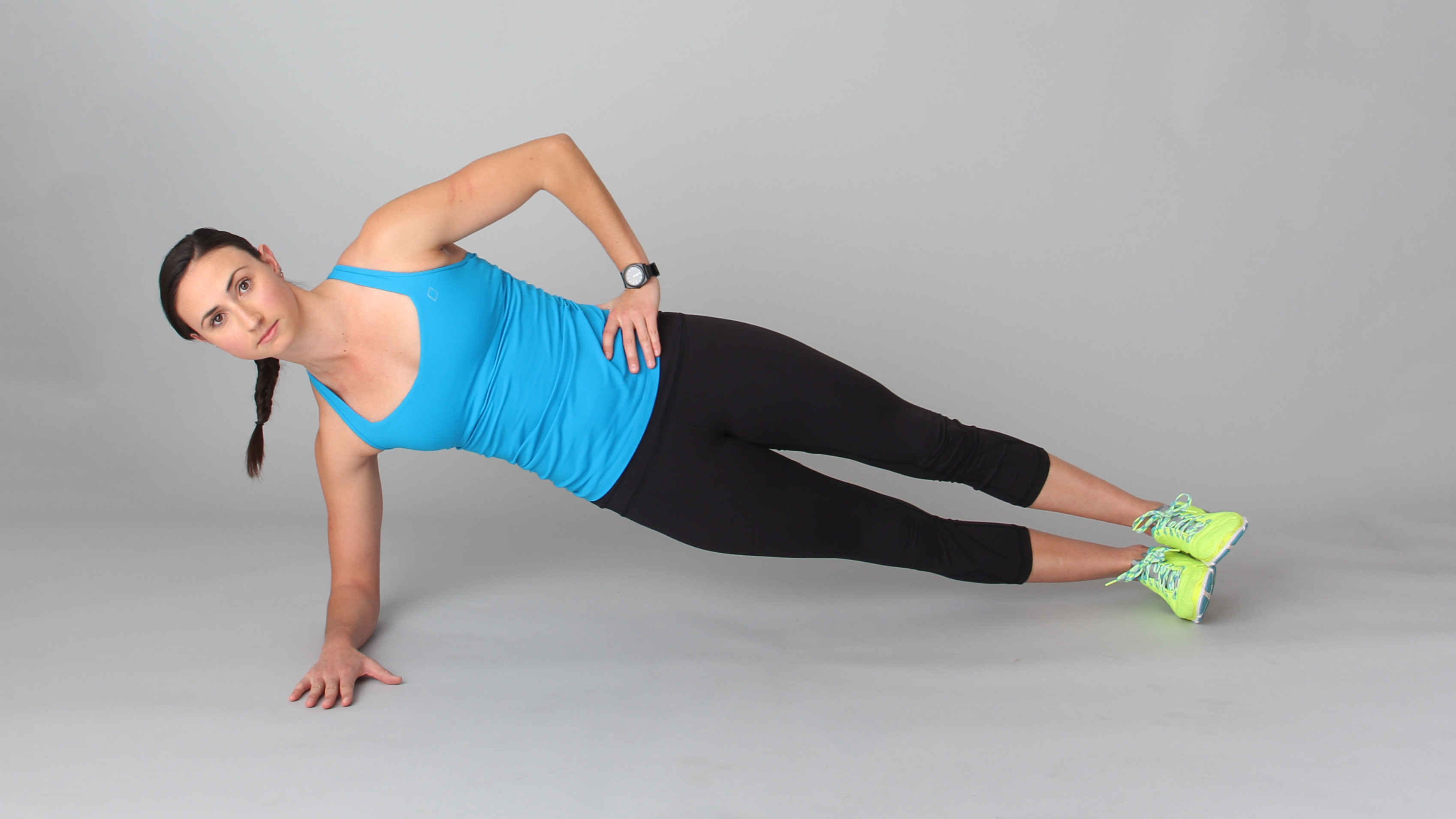
Side Plank

  • Once you are able to perform twenty reps of the side bridge on your knees with ease, move on to the side plank.
  • The set up is the same except that the legs are straight and your weight is placed on the side of your foot/ankle.
  • Make sure you keep you back, hips, and legs all in a straight line while you hold the pose.
  • Once you are up, engage your glutes, abs, quads, and hold for ten seconds.
  • This should be difficult. Repeat on both sides.
strengthening your core
Remember to keep everything in line.

Bear

  • Start on all fours in a quadruped position.
  • If you can, place your palms FLAT on the ground and have your knees directly below your hips and hands directly below your shoulders. If you need to place a yoga mat or towel under the knees, do that.
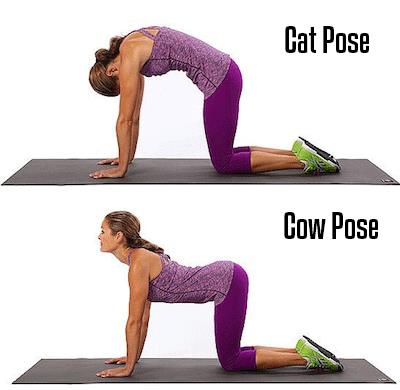
  • Perform 2-3 light cat/cows to relax your back.

cat cow pose

  • Once you are ready, set your back. The ideal position is an exaggerated lumbar lordosis (cow pose). The easiest way to do this is by dropping your belly to the ground and pressing your chin back as if you are trying to make a double chin. Do not look forward, aim your head/eyes at a spot about 2 feet in front of you.
  • Now tuck your toes and lift your knees about one inch off the ground. Take two deep breaths.
  • Drop your knees back to the ground.
  • Repeat two to three times.
  • To add an additional challenge work on lifting each hand off the ground just like you did with the legs in the previous exercise.

Remember to try to keep the body stable (limit the twisting/bending).

Plank / Plank roll

  • Start with a side plank position with your top foot in front of the bottom. Make sure you activate the side of your body by pulling your shoulder towards your feet.
  • Hold this for ten seconds.
  • Now keeping shoulders and hips “locked” together, roll to a front plank. (Try to avoid any twisting during this phase.)
  • Once in the front plank, hold for five seconds.
  • Again keeping shoulders and hips “locked”, roll to the opposite side. The key here is to really pull that shoulder underneath your body to help lock the plank as you roll.
plank roll
Start with B, go to A, and then C. Remember to keep everything inline.

Goblet Squat

  • Hold either a kettle bell by the horns or a dumbbell by one end (or whatever else you have that is heavy.)
  • Start in an upright posture with feet just wider than shoulder width apart with the elbows in tight.
  • Your target is to have your elbows touch the inside of your knees as you squat down.
  • Keep your back straight in the same position as you squat down. Don’t allow it to bend forward.
  • Once “in the hole” rock side to side. Then come back to the center and stand.
strengthening your core
Keep your back straight as you squat down.

Hip Hinge with Dowel

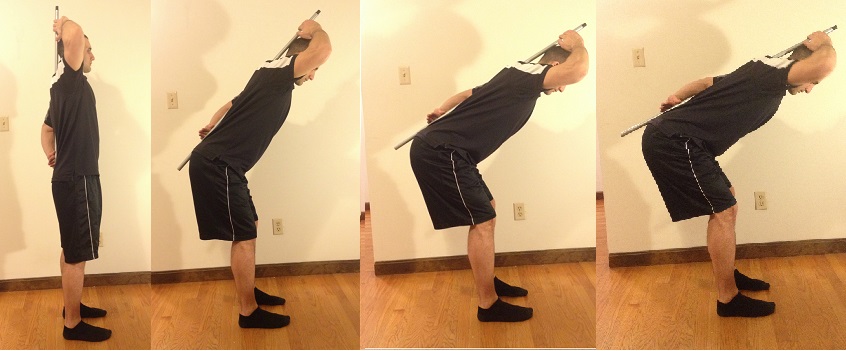
  • Start by standing and holding a long dowel against the back of your head, mid-back, and your sacrum.
  • Keep your knees soft and drive your hips backward as you back tilts forward.
  • Maintain the three points of contact at all times.
  • If you need, reset to maintain a neutral spine (ie. three points of contact)
  • Do this ten times.

If you are unable to do this while standing. You can try while kneeling. It is the exact same hip/back movement but we remove the added strain of the legs.

hip hinge with dowel

Bike Fit

While it is not part of strengthening your core, a proper bike fit is key to allowing your muscles to function in their appropriate ranges. A bike fit from a professional involves more than just adjusting your saddle to the correct height. The bike fitter will test your range of motion off of the bike. That range will then transfer over to the bike to ensure that your muscles will not extend past their limits, ensuring that you will not overwork or strain muscles.
Bike fits are something that changes with time. Your fitness improves, strengthening your core changes how you ride, maybe you had an injury. Lots of factors affect your fit on the bike; be aware of any changes and get a new fit.

The Importance of Strengthening Your Core

Strengthening your core is the single most important movement you can do off the bike for injury prevention. The great news is that it is usually easy and quick. If you have back problems or want to prevent them, you should be strengthening your core.

The Best Cycling Shoes By Type

November 6, 2017 by Sarah Lauzé

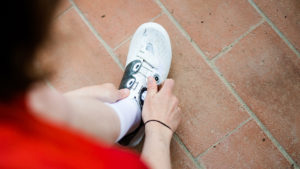
Going clipless is great way to quickly and easily improve your riding and become more efficient. Finding the right shoes can be tough as there’s no “one size fits all” solution, and there are a variety of features to look for.

Are you doing a lot of racing, or are you a commuter? Do you ride over the winter? Are you headed out bike touring? Each of these situations require a different type of cycling shoe, and you’ll want to think about what you’re looking for in a cycling shoe before investing in a pair.

The Best Cycling Shoes

Why go clipless?

Clipless pedals with cycling shoes is the most efficient and comfortable system out there when it comes to road biking. The stiff sole of the cycling shoe provides a rigid platform to transfer power from your legs to the drivetrain and propel the bike forward. Softer shoes lose some of that power as the flexible sole deforms around the pedal (and also makes your feet sore)

As well as having stiff soles, being clipped in encourages proper pedalling technique, using power through every part of the pedal stroke. Not only are you pushing down, but you are also pulling up to complete the 360 degree motion.

The clipless system is not just for racers, but can make cycling more enjoyable as you spend the same amount of energy, but get more return! So, if you’re a recreational rider who has always made fun of cyclists hobbling around in their cycling shoes, it may be time to give them a try. It can be intimidating to be locked in to your bike at first, but you will get used to the twist out motion in no time.

Types of road cycling shoes

The Best Cycling Shoes

There are two general types of road cycling shoes:

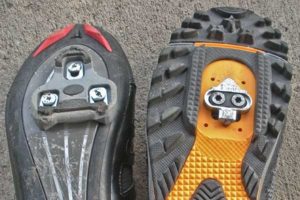
  1. Performance – Performance cycling shoes are as light and as stiff as possible, with the cleat attaching entirely on the outside of the shoe via a two or three bolt system. These shoes are not meant for walking, and will get you out to your bike, but that’s about it. They are not shoes that you would want to get stuck walking home in
  2. Leisure / Touring – For commuters, casual riders, and touring you may want something a little more versatile and easy to walk around in. These shoes will often have a much smaller cleat that is embedded into the sole, making it flat with the bottom of the shoe.

Key variables

  • Fit – You always want to try cycling shoes before you buy, as not all brands size the same. They’re awkward to walk around in, so The Best Cycling Shoestrying them out on your bike would be ideal. You want your feet to feel comfortable, but snug in the shoe. They shouldn’t be moving around within the shoe at all, as that will become very uncomfortable over a long ride.
  • Fastening system – The number one thing you want from the fastening system is to keep your foot firmly in place. This can be done with dials, ratchets, velcro, or laces.
  • Soles – Generally speaking, the stiffer the sole, the more efficient the shoe will be. More expensive shoe soles will be made from carbon to remain as lightweight as possible, whereas cheaper options will be plastic, and some are combination of the two.
  • Cleat style – The majority of  road cycling cleats are three bolt (SPD-L), with two bolt (SPD) being more appealing for commuting, touring, and mountain biking. Some cleats are a compatible with both.
  • Breathability / Water resistance – If you’re doing the majority of your cycling on hot summer days, then you’ll want to ensure the shoes you get are synthetic or leather and allow your feet to breath. There are specific winter cycling shoes for cold and wet riding, and it may be worth having two pairs if you are riding outside during all seasons.

Some of the Best Cycling Shoes

Performance Cycling Shoe

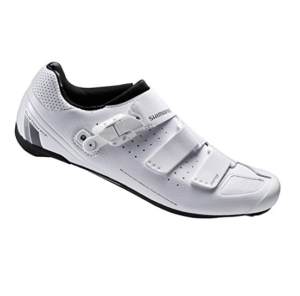
Shimano RP9

The RP9 road performance shoes are the quality and fit of a pro-level shoes, but at a much more affordable price point. They are designed for performance and speed, but with the heat moldable Custom-Fit, they are also comfortable enough for those long rides while giving you the ultimate power transfer. With a weaved carbon composite sole and a one piece synthetic leather upper, they are lightweight, breathable, and secure.

These shoes come in both men’s and women’s models.

Mid-Range Cycling Shoe

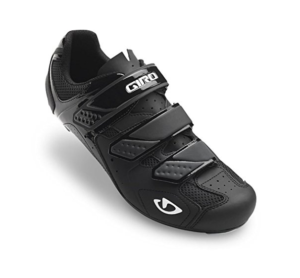
Men’s – Giro Treble II

The Treble II is exactly what you think of when you picture a cycling shoe. It’s simple, functional, and is compatible with both SPD and SPD-L cleats. The classic 3-strap closure makes for easy adjustments, but isn’t quite as durable or secure as it’s lace, ratchet, or dial counterparts. However, these are great entry level shoes that will having you set for a PR on your favourite climb with amazing efficiency and comfort.

Women’s – Shimano RP2

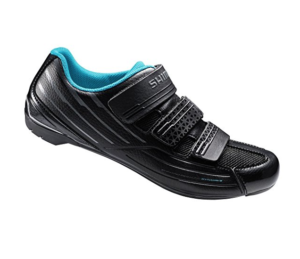
The entry level show in Shimano’s lineup, the RP2 is compatible with both SPD and SPD-L. The lightweight fibreglass soles increase power output, with the classic three strap upper keeping your foot firmly in place. The women’s model features a narrower fit, reduced volume, and added support in the instep to maximize comfort.

Leisure / Commuter cycling shoe

Women’s – Giro Whynd Womens Road Cycling Shoes

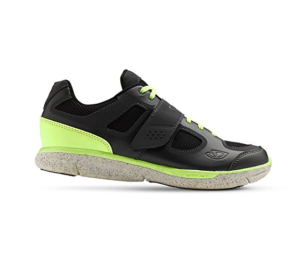
The best of both worlds. The sole of the Whynd is rigid enough to prevent the loss of power while remaining comfortable enough to walk in, featuring rubber “walking zones” to provide grip. The recessed cleat area accommodates two-bolt cleats, and the large strap across the top provides security and keeps the laces out of the way. These are perfect for weekend touring or running errands on your bike.

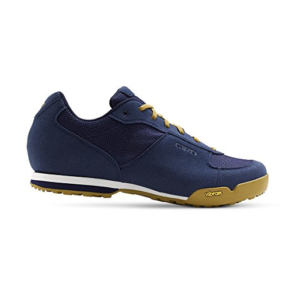
Men’s – Giro Rumble VR Cycling Shoes

The Giro Rumble features vibram soles for the ultimate support and casual look while out at the pub, with an injected inner shank to transfer power and have you feeling strong when you hop back on your bike. The mesh/microfiber upper upper will keep your feet from sweating and the non-slip laces will keep you nice and secure- no matter what the day brings.

5 Of the Best Cycling Rain Capes

November 3, 2017 by Sarah Lauzé

Sometimes when it rains, it pours. When it does you want to be prepared, there’s nothing worse than getting caught on your bike in a downpour, whether it be on your morning commute to work or out on a long ride. Cycling rain jackets are great for throwing on over a jersey, but fail to keep your legs (or backpack) dry. This is where rain capes come in.

When your hear the words rain cape or poncho, you may picture those cheap plastic capes you’d get on a water ride at Disneyland. However, there are cycling specific capes that are not only much more functional, but won’t make it look like you’re wearing a garbage bag.

Features of a cycling cape

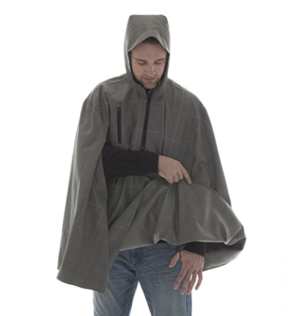
Generally speaking, cycling capes will have an extra long tail that you sit on, both keeping your bottom dry and acting as an anchor so the cape doesn’t flap in the wind (you’re not trying to be a superhero). Many have little thumb holes or wrist straps in the front so the cape can sit right over your arms and handlebars, essentially creating a small tent over your legs and keeping your whole body dry. Finally, a cycling cape should have a drawstring that can be used to cinch tight around your waist and keep it in place.

Pros of a cycling cape

One of the main pros of a cycling cape over a jacket is its breathability. As the bottom of the poncho remains open and your arms unconstricted by sleeves, there is a lot more airflow, and therefore they are much more comfortable in hot weather. Capes are perfect for city commuters as they keep your legs dry, can be draped over your backpack so you arrive to work ready to go, and they’re quick to take on and off.

5 Of the best cycling rain capes

The weather can change quickly and without warning, so when it does be sure you’re prepared with a cycling cape at hand. Here are 5 of the best capes on the market to keep you dry no matter what mother nature decides to throw at you.

Electric Houndstooth rain cape

Price: $250

Cleverhood is top of the line when it comes to cycling capes. The Electric Houndstooth is carefully crafted to live up to the reputation of the brand with durable, waterproof polyester and tightly sealed seams to keep you dry. Featuring unique hidden reflective thread, the bright grid will make you stand out even on the darkest, wettest nights.

Brooks Saddles Cambridge Rain Cape

Price: $144

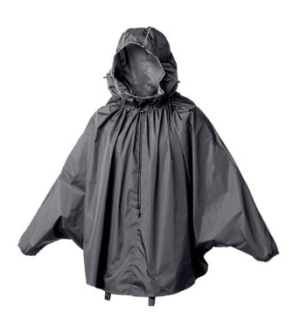
The Cambridge Cape is made of lightweight, waterproof nylon and is designed to be easy to carry with you or even attach to your bike when not in use. Featuring a carrying pouch, waterproof up to 10,000 mmH2O, and an adjustable hood to fit over or under your helmet, this is a great option for most cyclists.

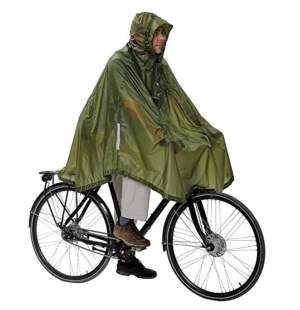
Exped Daypack & Bike Ultralight Poncho

Price: $129

Exped really thought of everything with this lightweight and well designed rain cape. With reflective strips on the sides and back for visibility, large inner pockets doubling as a stuff sack, adjustable elastic hoops for the handlebars, and an adjustable inner elastic cord this is a great rain cape for cyclists. The hood has one hand operation cinch cords for the right fit without obstructing your peripheral vision.

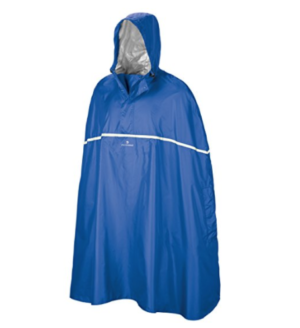
Ferrino Dryride Cape

Price: $99

The Ferrino Dryride Cape has all the practical features you want in a rain cape with ripstop nylon, taped seams, a carry pouch, shaped hood, and a reflective band on the front and back for cycling on those dark, wet nights. There are loops for fastening to your wrist and anchoring the cape to the handlebars, and side openings for you hands if needed.

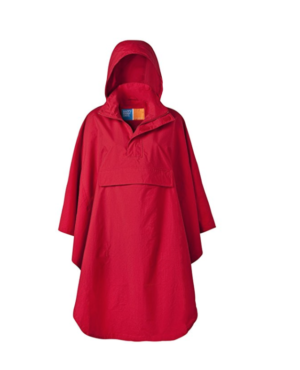
Happy Rainy Days Women’s Bike Cape

Price: $89

Featuring a long front panel to fit over the handlebars, the Happy Rainy Days is a great middle-of-the-road option. With a waterproof viscose outer shell and breathable fabric, it’s a great fit for the city commuter.

How To Determine Bike Chain Length

November 1, 2017 by Sarah Lauzé

As the driving force of the bike, your chain sees a lot of wear and tear. Over time, distance, and cycling conditions, the rivets and rollers begin to wear out, causing the chain to actually stretch in length. A brand new chain will measure 12 inches across 12 links, so if you measure your chain and it is 12 1/16 inches across 12 links then it’s time to replace it. If it is stretched even further, it has most likely damaged your cogs.

The first thing you’re going to need to know is the necessary length for your new chain. There are a few methods to accomplish this, which we will break down for you in this article.

Tools Needed

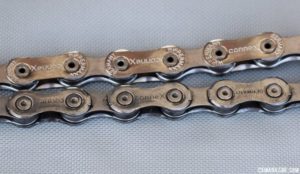
There are two main types of chains: master link and connection rivet chains. Master link chains use two removable outer chain links to connect the chain, whereas connection rivet chains use a special rivet to make the connection. The tools needed will vary depending on which type of chain you have.

  • Chain tool –  for cutting the chain.
  • Master link pliers – to disengage chains with master links.

Methods to determine chain length

Method #1: Size to old chain (count links)

If your old chain was sized correctly, it can be used to determine the length of your new chain. To check if it was the correct size, shift the bike to the smallest sprockets and check the chain for any slack. There should be no slack in the chain, but the derailleur should not pull back far enough for the chain to make contact with itself.

Next, shift to the the largest front and rear sprockets. The chain should easily make this shift, and have two slight bends at each pulley.

Once you’ve determine your old chain was sized correctly, remove the chain and lay it out on a flat hard surface. You can either lay out the new chain next to the old one (ensuring that it is lined up link by link to eliminate any disparity due to chain wear) or simply count the links on the old chain, and cut the new chain to match the number.

Method #2: Largest cog and largest chainring method

The easiest way to determine bike chain length is the largest cog to largest chainring method.

  1. Once the old chain has been removed, shift the front derailleur to the largest chainring, and the rear to the smallest.
  2. Wrap the new chain around th the largest chainring (at the rear), making that if the chain has an outer plate, it is routed toward the front chainring.
  3. Pass the chain through the front derailleur cage and onto the largest front chainring.
  4. Hold chain at the 5 o’clock position.
  5. If you are using a masterlink chain, install half the masterlink onto the front end of the chain to account for the extra half link the master link provides.
  6. Pull the lower section of the chain stug towards the front chainring, bypassing the derailleur altogether.
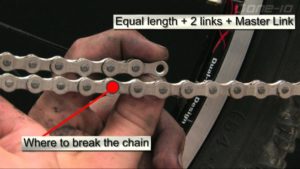
  7. Find the closest rivet where the two ends could be joined and add 2. This is your cutting point.

Method #3: Chain sizing by equation

It is possible to determine chain length from a simple equation before you even take your new chain out of the box. Remember, you can only join the inner plates to the outer plates of a chain, so you can only calculate to whole inch increments.

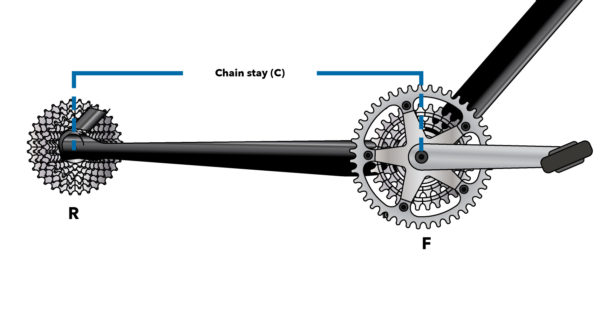
L = 2 (C) + (F/4 + R/4 + 1)

L = Length – your chain length in inches (rounded to the nearest inch).

C = Chain stay – the distance between the middle of the crank to the rear axle. Measure to the closest ⅛ and convert this to decimal form.

F = Front chainring – The number of teeth on the largest (front) chainring. This number is often printed on the sprockets and cogs, but if not you’ll have to count.

R = Rear cog – The number of teeth on largest rear cog. Again, this number is usually printed on the sprocket.

Once you have determined the proper chain length, the it’s time to replace your chain. For a step by step guide, see our article on installing a bike chain.

The Best Entry Level Road Bike

October 28, 2017 by Sarah Lauzé

Best entry level road bike

So, you’re looking to invest in your first road bike. It can be tough to know how to buy your first bike; how much to spend or which features really matter. Do you really need a lightweight carbon frame if you never plan on racing? How important are those components, and what, exactly, do they do?

The first thing you should do is come up with a budget. What is the most you’re willing to spend? From there you can begin your search for your perfect ride. It can be tempting to stay on the low end of your budget, but when it come to bikes, you get what you pay for.

That being said, there are some great budget options from established road bike manufacturers. You want to find that perfect combination of comfortable geometry and fast design to keep you smiling as you put in the miles.

Here are 5 of the best entry level road bikes out there.

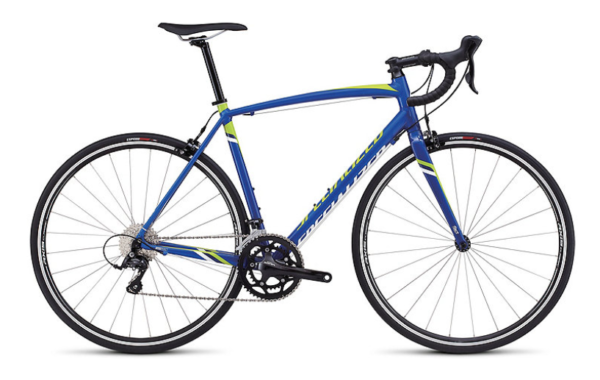
Specialized Allez E5 Sport

Best entry level road bike

Price: $970

The perfect combination of fast and comfortable, the Specialized Allez E5 Sport brings you the best of both worlds. The stiff design is well thought out with attention to detail, and it’s sturdy handling will have you tackling those sketchy descents in no time.

The quality aluminum frame is accompanied by flawless component choices. With a full Shimano Sora drivetrain it makes for flawless shifting across a wide range cassette. The 28.2mm tire width easily soaks up the road and makes for a smooth and comfortable feel. Weighing in at 9.41kg, the Allez E5 tops the list for the most bang for your buck with plenty of room for you to grow as a cyclist.

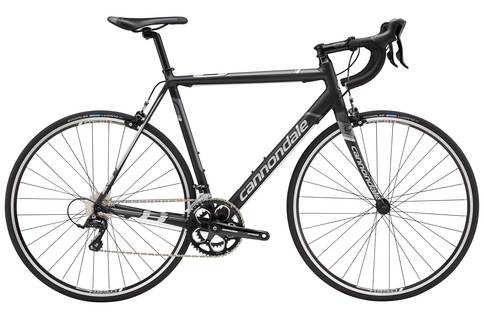
Cannondale CAAD8 Sora 7

Best entry level road bike

Price: $790

CAAD series has been constantly perfected over the past decade to bring you the Sora 7. This frame offers great acceleration with pinpoint accuracy on downhills, and the Head’s Up Race geometry has you a slightly more upright and comfortable position.

As much the frame nails down all important features, the components are left somewhat lacking. The FSA crank works of course, but is slow in comparison to the Shimano Sora, and the narrow 12-27t cassette can be limiting.

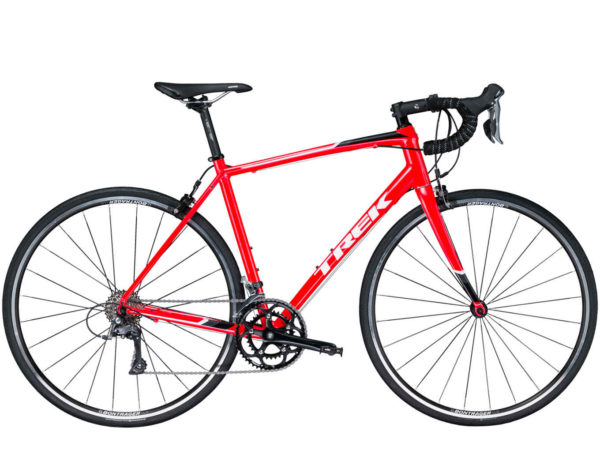
Trek Domane AL2

Best entry level road bike

Price: $750

You can’t make a list of “top 5 bikes” and not include a Trek model. They are constantly pushing the boundaries in search of that sweet spot between racing-level efficiency and touring comfort. With the Domane series, they offer both men’s and women’s models for that perfect fit.

With a carbon fork on an aluminum frame, the AL2 quite literally combines the elements of the higher-end models with an affordable, simple frame geometry. The carbon fork offers a smooth ride over even uneven surfaces, making it the perfect for commuting or heading out for long rides in all weather conditions. With the Shimano Claris drivetrain, you’re guaranteed a smooth and responsive ride well under the $1000 mark.

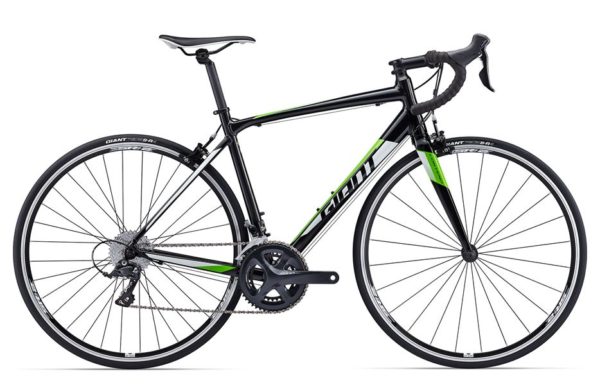
Giant Contend 1

Best entry level road bike

Price: $810

To sum up the Contend 1 in a word: balance. As mash-up between the previously popular TCR and Defy entry-level models, this bike gets the job done. An efficient climber and stable on descents, it may not have you feeling like an unstoppable mountain conqueror, but it will get you there safely and comfortably.

With an aluminum frame and those quality Shimano Sora components, you can be confident on any grade and those rougher surfaces. With more upright positioning, you’ll have a smooth ride whether on your daily commute or out for a long distance weekend ride.

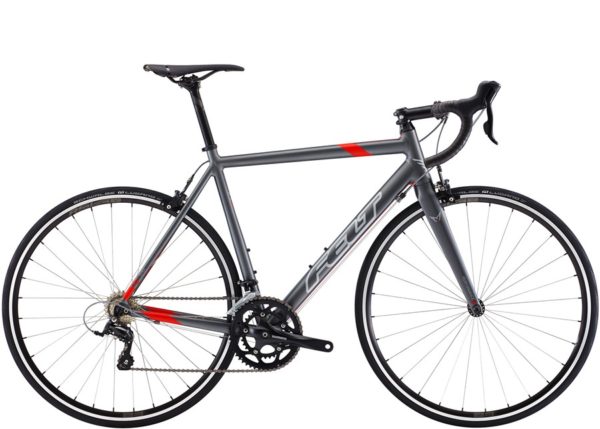
Felt F95

Best entry level road bike

Price: $790

If you’re a beginner cyclist, but have racing in your sights, then the Felt F95 may be your best option. As the most race-ready of the bunch, the F95 is the highly responsive with a stiff aluminum frame and a performance level carbon fork.

With a slightly more aggressive position, it’s great for charging up those hills and settling in for long distances, but can be somewhat uncomfortable for the less experienced rider. That being said, if you want to grow into your first bike, this one packs a whole lot of punch for the price point.

Cycling For Beginners

Need some extra tips on riding? I Love Bicycling has put together a complete guide to cycling for beginners here.

What tire pressure should I run on my mountain bike?

October 28, 2017 by Sarah Lauzé

It can be tough to find that perfect tire pressure for both mountain biking and road biking, because there is no easy answer. The perfect tire pressure can vary from day to day depending on the conditions, the type of trail, or the weight of the rider.

If you’re used to riding on smooth, paved roads, it can be difficult to switch your thinking around. The goal of tire pressure for road biking is to minimize the surface area of the part of the tire that makes contact with the road. With mountain biking, however, in many cases you actually want to increase the surface area to create better grip on the terrain.

mountain bike tire pressure

What is PSI?

Psi stands for ‘pounds per square inch’ and is measured by a gauge that is included with most bike pumps. Check out “How to use a bike pump” for a step by step guide.

What is the right tire pressure?

mountain bike tire pressure

As mentioned above, there really is no “right” pressure, just the right pressure for you. However, the best starting point is around 25 Psi for tubeless tires and 28 for tubed tires. Invest in a quality tire pressure gauge and use it consistently, as readings can vary depending on the gauge.

Your tires will most likely have manufacturer’s minimum and maximum pressure printed on the side. The max pressure will not be an issue for most mountain bikers (you will run below this number), but take note of the minimum pressure. If you go below this number, you are more likely to risk sidewall damage or pinch flats. Likely your perfect Psi will be somewhere between these two numbers.

Generally speaking lower psi will allow for a smoother ride, as your tires will absorb more of the trail, roll faster, and increase traction (surface area) on the trail. If your Psi is too high, you will find your tire bounces off every little rock or root, making for an uncomfortable ride.

Things to consider:

The Ridermountain bike tire pressure

  • Weight – The heavier you are, the higher your tire pressure will need to be to counteract the pressure you are putting down on the tires. 30 Psi may feel too hard for a 130lbs rider, but will be too soft for a 250lbs rider.
  • Style – Do you huck yourself off drops and ride down rocky hillsides with aggressive abandon? If so, then you will need to run a slightly higher tire pressure. Contrarily, if you are a bit more reserved, always light on your bike and finding the smoothest lines, then you can run a lower pressure without risking a pinch flat.

The Tire

  • Volume – Gone are the days of the uniform 26in tires, with plus size 27.5 and 29ers becoming increasingly popular. When switching up to a larger size, you are also increasing volume, which means you will need to find a new magic number that works for you.
  • Rim width – The rim width determines just how low you can go without compromising performance. The wider rim, the lower pressure you can run, as it will support the tire better than a narrow rim.
  • Construction – The outer casing of your tire and the TPI (threads per inch) will determine how the tire feels with more or less pressure.

The Environment

  • Conditions – If it has been raining for weeks on end and you’re mountain bike tire pressureheading out onto to slick, muddy trails, lower tire pressure will give you more grip and stability.
  • Terrain – Perhaps one of the more important elements to think about before heading out, your tire pressure can vary from trail to trail. Fast and flowy trails can handle a lower tire pressure to absorb those small bumps and have you feel like you’re flying. However, if the terrain is full of jagged rocks and drops, the same tire pressure will have you on the side of the trail with a flat in no time, so you’d want to bump that tire pressure up before heading out.

Finding the Magic Number

Finding your magic Psi is more of a trial by error than a science. A great place to start would be to choose a short section of trail (the type of trail you usually ride) and start at 27 Psi. Ride the section, taking note of whether the tire is compressing to the rim often or is glancing off small obstacles. Increase or decrease the pressure little by little, riding the same section and noticing the difference in grip and speed.

You will be able to run a lower pressure with tubeless or tubeless-ready tires than with a tube-and-tire setup.

The Number 1 Mistake Beginner Mountain Bikers Make

Everyone believes that more pressure = faster, but in mountain biking that is rarely the case. High tire pressure reduces traction and slows forward momentum when hitting a bump.

Professional cross country mountain bikers will run as low as 18 psi in a tubeless tire. Although you may not be a professional, your goal may still be the same, to have the smoothest and fastest ride possible. So change your thinking, less is more.

« Previous Page
Next Page »
  • Facebook
  • Tumblr
  • Twitter

Latest Articles

JOIN Cycling: A New Training Platform for Cyclists

May 27, 2024 By Eric Lister

cold exposure

The Benefits of Cold Exposure for Cycling & Life

June 13, 2023 By Eric Lister

hill climb

The Ultimate Hill Climb Training Guide

May 31, 2023 By Eric Lister

shoulder pain cycling

How to Treat & Avoid Shoulder Pain While Cycling

April 12, 2023 By Eric Lister

psoas stretch

The Importance of the Psoas Stretch for Cyclists

April 6, 2023 By Eric Lister

cycling neck pain

The Ultimate Guide to Cycling Neck Pain: Causes and Solutions

March 21, 2023 By Eric Lister

Useful Info

  • Contact
  • Finally, A Global Cycling Club That Is Focused On Community And Love Of Cycling!
  • Privacy Policy
  • Share Your Story!
  • Terms And Conditions Of Use
  • Welcome to I Love Bicycling
  • What Happened When I Stretched Every Day For a Month

Recent Posts

  • JOIN Cycling: A New Training Platform for Cyclists
  • How to Hang Bikes in Your Garage: 4 Inexpensive Options
  • Gravel Bike Vs. Road Bike: Which One Is Better For You?
  • The 6 Types of Mountain Bikes & How to Choose the Best One for You
  • What Is a Touring Bike Good For? 5 Benefits We Know You’ll Love

Search I Love Bicycling

Connect with Us

  • Facebook
  • RSS
  • Tumblr
  • Twitter

Copyright © 2026 · Magazine Pro Theme on Genesis Framework · WordPress · Log in