• Training
    • Injury Prevention
    • Training Tips
  • How To
    • Bike Fit
    • Gear
  • Nutrition
    • Nutrition Tips
    • Weight Loss
  • Repair
  • Reviews
  • Stories
    • Funny Stories
    • Jokes
    • Quotes
    • Videos
    • Funny Videos

I Love Bicycling

I Love Bicycling is a website that is geared towards cycling for beginners with road cycling tips, training articles, nutrition tips, weight loss, how to’s and bike repair articles.

Training

  • Injury Prevention
  • Training Tips
  • Training Camps

Benefits of Indoor Trainer Workouts

January 7, 2020 by Dyani Herrera

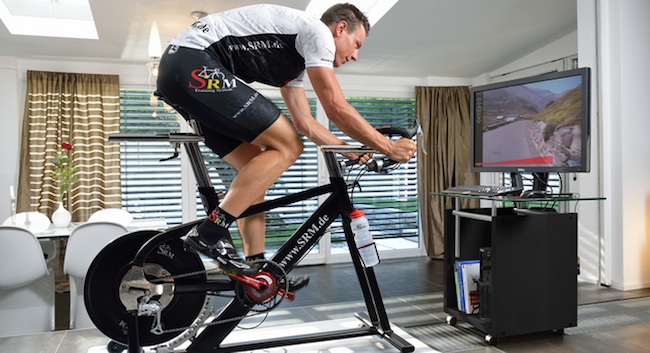
One of the many joys of cycling is the youthful sense that you’re “playing” outdoors, as you ride and take yourself through the environment. However, at times life obligations or the environment can hinder your training plan forcing you to adapt your workouts. Bike trainers are a great way to fit in an effective workout, and there are several advantages of using a trainer that will enhance your skills as a cyclist.
Benefits of Trainer Workouts

Benefits of Indoor Trainer Workouts

Mental Endurance

Riding in place for over an hour or more can become incredibly monotonous; however, it obliges you to focus on the task at hand. In contrast to riding on the road, where you’re worrying about safety, taking in the scenery, or casually talking to your riding buddy throughout your workout. Spinning on a trainer compels you to think of your pedal stroke, breathing patterns, and pain. There are no distractions; hence you really need to rely on your sport psychology techniques to get you through your workouts. Additionally, you can listen to your breathing patterns and control them in order to reduce early fatigue. This can definitely come in handy during a race where extreme focus and endurance are required for an optimal performance.

Here a few ways to beat indoor trainer boredom with a few different games on the trainer.

Improved Bike Fitness

When riding on the road there are interruptions such as stop lights, making a U-turn, decelerating to avoid contact with the rear wheel of a fellow cyclist, or fighting a headwind just to name a few. Conversely, when riding on a trainer there are no gaps in your workout and you’re riding at a consistent effort throughout unless, you’re doing intervals.

If your workout contains intervals, then use a bike computer with a cadence monitor to alert you of your RPMs. By using this monitor you can do high cadence work intervals with low cadence rest intervals. Another benefit of a trainer is the ability to adjust the resistance felt while riding. After a few consecutive sessions on the trainer your legs will feel stronger when riding on the road, and you’ll notice an increase in speed.

Practicality

Probably the best aspect of using a trainer is how practical it is to use for one’s lifestyle. You can still fit in a great cycling workout despite snowy or rainy conditions. If environmental conditions are unsafe, then you can set up the trainer indoors at any time and cycle. Some people become creative with their workout space and place their trainers in the garage with no air conditioning and a big fan for added resistance to simulate road conditions. Additionally, if life commitments become more time consuming than usual you can still schedule a session in before dawn or late at night. It’s also an efficient tool to maintain the balance between family and training.

A Beginner’s Guide to Biking to Work

January 2, 2020 by Sarah Lauzé

You already know that your bike is a tool for good times and fitness, but what about your means of transportation? If you’ve ever been stuck in a traffic jam only to see cyclists whizzing by with a smirk on their face, then you’ve thought about it. Riding to work can seem overwhelming in the beginning. ‘Won’t I get all sweaty? What about my hemet-hair? Where will I keep my bike all day?’ These are all valid concerns, but they don’t stack up as enough to have you hopping in you car everyday. Biking to work (or school, or the coffee shop, or wherever you spend your days) will not only save you money, but it’s way more fun than sitting in your car.

A recent study found that bike commuters are overall happier than their driving counterparts. Whether it be the fresh air, the pumping blood, or the euphoric feeling like you’re a superhero saving the environment, it all adds up to a good time.

Biking to Work

Biking to work means you’ll stay fit without much effort, save money on gas or parking fees, decrease your carbon footprint and feel stronger both on and off the bike. Plus, if you get to the office and find a bowl of donuts in the break room, you can go ahead and splurge guilt-free. It also gives you time to prepare for and unwind from the day. You have some buffer time to clear your head before you get to work or arrive back home.

Not convinced? Check out 10 Reasons to Commute to Work on a Bike and we promise to convince you. Once you’re done there, come on back and we’ll go through the things you need to know about getting started biking to work.

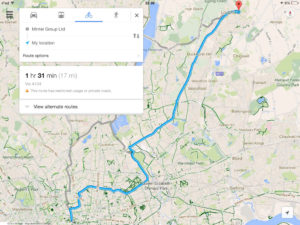
1. Map Out Your Route

The route you drive to work may be the best and fastest in a car, but it may not be the best on a bike. The most important element of a good bike commute route is that it is safe. Separation from cars is ideal – the less time you are near them, the safer you will be. You will probably have to ride on a street with cars at some point, but adding a couple miles onto the overall is distance it worth it to stay on roads that are quieter or have a bike path. Good pavement and scenery are bonuses, although a quieter commute should be the main goal.

A bike commute generally goes from a less dense, more residential area to a more dense, more urban area. Both pose challenges. The residential area may have quiet neighborhood streets, but the roads that connect to the urban area may be higher speed roads. The urban area may have more non-driver users, but may also be more crowded. Weigh these aspects when choosing your route.

2. Get the Gear

There’s no need to go out and buy all the gear and a commuter specific bike right off the bat. Depending on the distance of your commute, even a mountain bike can work fine while you get into the habit and see if it’s something you will want to stick with. In plenty of places people will ride in suits, dresses or high heels, so it can be done! However, there are a few pieces of gear that are necessary to get you started.

Lights and Reflectors

Your number one concern is to be as visible as you can to cars, especially if you will be commuting at dawn or dusk. So, that means investing in some lights and reflectors for both you and your bike. First things first, you’ll want to have a front-facing white light and a rear facing red light (one solid and one blinking is best). These are legally required in many places, and are a very good idea. Reflectors can be used to supplement bike lights, not replace them.

Helmet

Yes, even if it squishes your carefully done hair, you should always wear a helmet every time you get on your bike. Stash a hair comb, and whatever else you may need for touch ups in your desk at work so you can reverse any helmet damage once you get to the office.

Gear Rack

Let your bike do the heavy lifting for you. A gear rack or panniers are a great way to take the load off your back and keep you comfortable on your commute. Riding with a backpack can be done, but be warned that your back will get sweaty!

Bike Lock

Unless there is a place in your office for your bike to hide away all day, you’re going to need a good bike lock. Always make sure your bike is left in a well-lit, busy area with plenty of pedestrian traffic. You want it to be as difficult to steal as possible.

Fenders

If you’re planning on riding on rainy or muddy days, then fenders are a must. Not only do they keep dirt and grime off you and your cloths, but they also protect your bike and any riders behind you.

3. Stay Safe

Maximize visibility

Assume that you are invisible to motorists. Do whatever you can can to enhance your chances of being seen to avoid accidents. Ride where people and cars see you, wear bright clothing, use lights and reflectors. Whenever possible, make eye contact with drivers and pedestrians to ensure they see you before proceeding through an intersection. The article “Bikes Versus Cars, How to Ride in Traffic” can give more insight into safely riding with traffic.

Stay off the sidewalks

Not only is riding on sidewalks illegal in some places, but it can be dangerous. You run the risk of clipping a pedestrian, or being hit by a vehicle turning or backing out of a driveway that does not see you. Stick to the road and bike lanes where you can.

Pay Attention

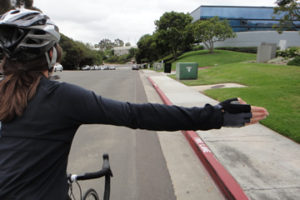
It’s up to you to ride defensively. As easy as it can be to space out as you ride through the morning sunshine, you always want to be paying attention to you surroundings. Don’t listen to headphones while you ride, and look out for people that may be opening car doors. Use hand signals whenever you are changing your position on the road to ensure everyone around you knows.

4. Master the Commute

Again, depending on the length of your ride, you will have to figure out a system that works for you. Many people choose to ride in cycling specific clothes and bring a full change of clothes in their bag. If your office doesn’t have a shower, baby wipes can do wonders! Give yourself plenty of time to get to work and lower your heart rate before sitting down at your desk. There’s nothing worse than running into work late, bike in tow and sweat stains all down your shirt. Plus, the more time you have, the more leisurely your ride can be.

Start small and work your way up from there. Ride to work once a week to start, then up it from there. If you miss a day or too if it’s pouring rain or you’re running behind, don’t beat yourself up. Biking to work somedays is better than none!

Your Bike Tune-Up Checklist

January 2, 2020 by Sarah Lauzé

You may not get rusty after not riding for a while, but your bike just might. Doing a regular bike tune-up is what will keep you cruising safely and comfortably, and will make your bike last for the long haul. Routine bike maintenance isn’t complicated, but it can take some dedication. When you’re headed out for a long ride, or are just pulling your bike out of storage, you may want to just hop on and go, but it’s better if you establish a pre and post ride routine that includes a little bit of TLC.

It’s recommended that you get a bike tune-up every 2000 miles, but it’s great to make a habit of checking things off this list.

Bike Tune-Up Checklist

Make Sure It’s Clean

You should always put your bike away clean, but if you happened to stash it away before giving it a good wipe down, take the time to clean it now. Use some degreaser to clean off the chain, chainrings, derailleur and cassette. Then use a wet rag to to give the whole frame a wipe down.

Check Your Brakes

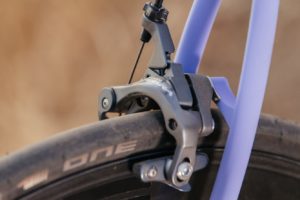
Next you’ll want to check your brakes. First, look at the pads and check for signs of wear and tear. If you can see lines or metal poking through the brake pads, then it’s time to replace them. Adjust them so they are hitting the rim properly, and make sure the lever pull isn’t too loose or too tight. If you find they are grinding after being adjusted, you may need to sand them down or check your rims for imperfections. Take a look at your brake cable for wear, looking out for and loose strands or rust.

Check Your Seat

Check that your seat is firmly in place and hasn’t wiggled loose over the miles.

Tire Pressure

This may be a temping one to skip, but you should always check your tire pressure before heading out on a ride. To do this, use a gauge and match the psi to the numbers printed on the side of the tire (most will be around 120 psi).

Check Your Chain

Chains travel countless times over sharp gears, often under a heavy load. They wear out and stretch over time because of dirt, gunk and attrition. A little bit of chain stretch over time is ok and will always occur. The problem becomes when it stretches too far and the teeth on the cassette begin to wear out as well. Before long you will not only have to replace the chain but the cassette as well.

You’ll want to replace your chain every 1,000 – 2,000 miles, once a year, or whenever the chain is starting to show signs of wear.

Lube It Up

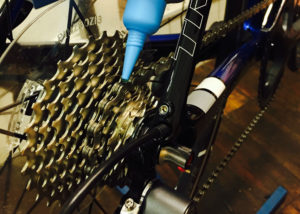
Make sure your bike is lubricated properly as it protects moving parts from excessive wear and tear (choose an appropriate lube for the riding conditions you’re in). On the other hand, make sure not to go nuts as too much lubrication will attract dirt and cause just as much damage. Allow the lube to soak in and then wipe any excess off with a clean rag.

Most importantly you want to lube the chain, but also all the other moving parts including brake and derailleur levers, and cables. You’ll also want to grease any threaded bolts such as the stem, derailleurs, and pedals. If you have any bearings apart, make they are all well greased.

Inspect Your Bike

Inspect the frame for cracks or serious dents that are more than just cosmetic. Specific areas to look at are the joints particularly around the head tube and bottom bracket. If there are any cracks, even if it looks like it’s just paint, take the bike to your local bike shop to be looked at by an expert.

Will spin workouts improve my cycling?

December 26, 2019 by Sarah Lauzé

Spin workouts seem to be an area of contention within the cycling community. Some claim that they are a great option on cold wet nights or when the heat gets unbearable. Others state they are nothing but aerobic hype with little benefit to ‘real cyclists.’ The truth is probably somewhere in between. Regardless, indoor cycling in general has become increasingly popular in the last decade.

Will spin workouts improve my cycling?

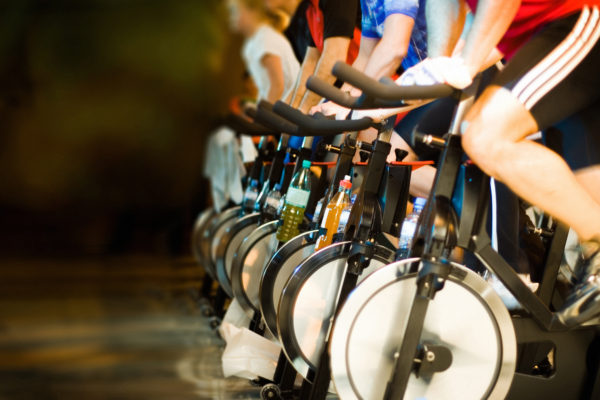
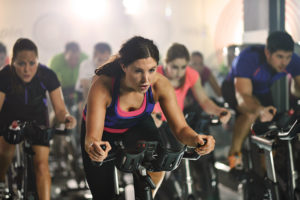
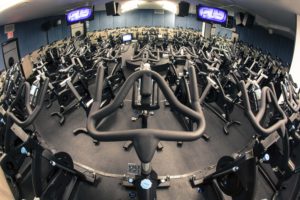
A spin workout class or “spinning” is an intense indoor cycling workout led by a qualified instructor who will guide you through a 40-60 minute program. Usually set to music, these workouts are short but intense, with a focus on building your overall cardio.

The first thing you may notice is the name, it is called ‘spinning’ rather than ‘cycling’ for a reason. These stationary bikes are not set up like a road bike. Very few have drop bars, so you will be in a different position than you’re used to. The external factors are also very different including temperature, humidity, music, or the presence of an instructor. Most classes are set up for overall fitness and cardio, not necessarily for the cyclist putting in 10 hours a week in the saddle.

Depending on your training plan, you most likely have a different goal than simply burning calories. Spin classes can be a great addition to your training, but are not a replacement to your road cycling or indoor bike trainer sessions.

The benefits of spin workouts for cyclistsWill spin workouts improve my cycling?

It gets you out of solitary training

Most people work harder when there are other people around, it’s just a simple fact. You will likely push yourself more in a class with 20 other people than you would alone in your basement. Having a community is so important, especially for beginners, as helps you build both muscular and mental strength.

Effective strength training

Spinning allows you to add some serious resistance. Step up out of the saddle, and really give it everything you have. Yes, it may be different than tackling a physical hill, but it’s targeting all the same muscle groups.

Overall cardio

If you are getting your heart rate up and maintaining for 45 minutes to an hour, you are challenging your cardio ability and conditioning your body to the feeling. Like cycling itself, spinning is a great way to work on your range of motion and better your overall fitness through low impact training.

Pedaling efficiency

Sitting on a stationary bike is the perfect time to focus on your pedalling technique. There are no distractions, so really concentrate on pedaling in a circle, making to most of every part of the rotation. For more information check out, “The perfect pedaling technique.”

Will spin workouts improve my cycling?How to make the most of a spin class

  1. Warm up – Show up as early as you can and hop on the bike for a proper warm up. As the classes rarely break an hour, if you put in time before or after you are lengthening your workout and mimicking the length of a real ride.
  2. Use a power meter or heart rate monitor – Perhaps the most important factor to ensure you are pushing yourself and are gaining strength and endurance is the use of a power meter. If your spin class does not have power meter on the bike, then bring your heart rate monitor and keep track of your own progress.
  3. Never use zero resistance – There’s no such thing as a zero resistance road, so just don’t go there.
  4. Mimic real life conditions – Many cyclists choose to take a bike at the back of a spin workout class and have a bit more control over their workout, rather than following the instructor step by step. If you are pushing up a “hill,” imagine yourself out on the road and push up and over the top of the hill, reducing your resistance us your crest the hill into the descent.
  5. Find a spin instructor that is also a cyclist – Make sure you find an instructor that is themselves a cyclist. They will run their sessions as more than just an aerobics class and will work on building strength and endurance that will help maintain all your hard work out on the road.

Spinning can potentially benefit every level of cyclist, but especially beginners who need the extra incentive to stay motivated. There will be days when it’s not possible to get outside, and the greatest benefits to spin class is the structured time, precise control of intensity levels, and the social aspects of riding.

Kick Your Cycling Goals Into High Gear

December 19, 2019 by Sarah Lauzé

In the craziness of the holiday season, it’s easy to go into auto-pilot mode to get through to the end of December. However, no matter how you feel about the season, it’s a great time to reflect of the past year, and set some goals for the next one.

New Year’s resolutions are all well and good, but they are often tied to the close of the holiday season. For most of us, our resolutions will lay forgotten on the sidelines by mid-March. So, how do we set goals that will last through 2018?

Cycling Goals

Make plans, not resolutions

The most common issue with resolutions is they are broad goals. Wanting to lose weight, be more positive, or spend less money are all great goals, but they will remain out of reach until you have a game plan as to how to get there.

When it comes to cycling, what do you want from yourself this year? Make a list of things, both large and small, that you want to achieve. Then go through and get specific. If you want to ride more, great, now define what that looks like. Be realistic and honest with yourself, and only plan for what you know you can logistically fit into your life and schedule.

Expect set backsCycling Goals

You may fired up right now, fuelled by the amount of Christmas cookies making their way through your system, but that will fade. Not only will the fire under your butt lessen, but life is going to get in the way. You’re going to get sick, you’re going to get busy, and you’re going to miss a few rides. It’s all good. Rest is actually just as important as training, so when something is keeping you from getting out on your bike, make the most of it.

Looking for a place to start?

Commute to Work

Commuting to work is an easy way to get in some miles. You’re going to have to spend that time in transit anyways, and although it may take a little longer than it would in a car, it can have a huge impact.

Go on group rides

One of the greatest thing about cycling is the community. If you don’t already ride with a group, find one! You don’t need to commit to every ride, even once a month is a great way to meet new people, get inspired, and push yourself a little harder than you would on your own.

Try something new

This can be anything from trying new routes to trying a different type of cycling altogether. If you’ve only ridden smooth paved road, try some single track or gravel roads and enjoy the quiet the comes with deserted roads. It’s easy to find routes you like, and then ride them over and over, but branching out will give you a fresh appreciation of your area. Even if you’ve lived in the same area your whole life, I guarantee that there are roads you’ve never even seen.

Pick a Distance

This goal is for you and you alone. What is a distance that you would like to ride? Forget about time for now, and start working up to it. Find a route, or map one out yourself, and then aim to complete it. Not all of us are motivated enough to do this one on our own, if that’s you, then see below.

Sign up for a cycling event or race

Once you’ve publicly (and financially) committed to something in the form of an event or a race, you’re a lot less likely to drop out. It really is one of the most effective forms of accountability. So, look for races in your area and commit! Even if you’re nowhere near ready right now, once you sign up you’ll have no choice but to get started.

Try a multi-day or overnight tour

Whether you pack up your panniers with camping gear or book into a hotel, an overnight bike tour is an awesome way to get in some destination rides. Even if it’s just cycling to the next town over, having a destination makes the ride a lot of fun, and you can treat it like a weekend getaway.

Travel with your bike

Consider taking your bike on your next holiday, or planning your trip around rides you want to do. Cycling is a great way to explore new areas, and you’ll be able to enjoy those evening beers guilt-free.

How Beneficial is Yoga for Cyclists?

December 17, 2019 by Sarah Lauzé

How beneficial is yoga for cyclists? There are a lot of misconceptions around yoga, and you may scoff at the idea of it improving how you feel on your bike. However, more and more pros are using yoga as their secret weapon to get faster and prevent injury.

So, what can the ancient discipline of yoga bring to modern day cyclists? Whether you ride to get stronger and faster, or just because you love it, yoga can be a great tool.

Yoga for cyclists
Pat Bailey | Instagram

4 Benefits of Yoga for Cyclists

Core Strength

A strong core is vital for cycling power, posture, and injury prevention, especially in your lower back region. As a result of the bent over position on your bike, many cyclists have highly developed back muscles, with comparatively weaker abdominal muscles.

This muscular imbalance is normal, but can cause issues in the long run. If you’re tired at the end of a long ride and have poor core strength, you will be more likely to slump in the saddle. This will place undue pressure on your shoulders and wrists, as well as cause lower back pain once off your bike.

Flexibility & Posture

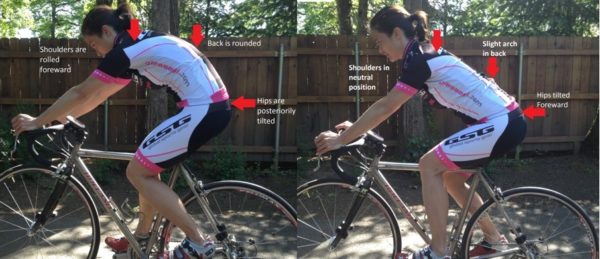
Much in line with your core strength, maintaining proper posture on your bike will prevent injury. The natural inclination is to round your back as you crane your head to look forward. Not only does this create drag, but it will eventually cause pain in your lower and upper back and neck.

Everything in your body is connected. So, to maintain proper bike posture you have to have adequate flexibility in your lower back, hips, glutes, and hamstrings. The flatter your back can be, the less issues you’ll come up against in your training. Yoga can help you not only build the strength and flexibility to hold your posture, but also help you become constantly aware of how your body is feeling.

Breathing

You may not put much thought into your breathing when you’re attacking a hill. The pressing thought for most is to simply keep breathing, even if it looks more like panting. However, when transformed from an automatic function, it can be great training tool.

Yoga can help you learn how to monitor your breathing, making the most of each breath. It can train your body to take slower and deeper breaths to maximize your oxygen intake.

Injury Prevention

Yoga is ideally injury prevention rather than treatment, but it can help on both ends of the spectrum. Regular stretching and yoga will reduce your risk of suffering from the typical overuse injuries that plague cyclists. These include IT band syndrome, tight hamstrings, back pain, and knee problems.

Because your legs never fully extend on the bike, your muscles get little chance to fully lengthy. There is also an imbalance of strength, with so much power coming from certain muscles, while others remain underdeveloped. Ensuring you are working and stretching these muscles off the bike will go a long way to keep things balanced.

There are a lot of different types of yoga, so you can try different ones until you find on that fits. For those that struggle with having the discipline to stretch, it can be a great way to ensure you are giving your body what it needs to recover. Even switching out just one of your rides a week for a yoga session will help your overall strength and power on your bike. A great budget friendly option you can try from home is this online stretching and yoga program called Dynamic Cyclist, specifically for cyclists.

Set Goals, Not Resolutions

December 12, 2019 by Sarah Lauzé

The end of the year is a time to reflect on the past year, take stock of accomplishments and look forward to those things not accomplished. If you find yourself making the same resolutions year after year, then it may be time to try something a little different. Setting goals rather than broad resolutions can be a great way to attach action steps to some of those bigger goals.

Set Goals, Not Resolutions

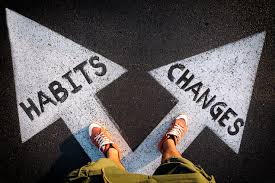
So, what is the difference between a goal and a resolution? Resolutions are often too general: “I want to save money / lose weight / be a better person.” They may be great for a general redirection of current patterns, but they are difficult to attain or measure progress. Setting many small goals is a great way to work up to those bigger, over arching goals, and the best plan of attack is to create a new cycle of habits.

Let’s talk about habits.

Before you can go about changing bad habits to good, you have to understand the science behind it, and what’s going on in your brain.

The Trigger: This is a cue in your internal or external environment that triggers you to take some action.

The Action: Good or bad, this is the part of the habit loop where you actually take action on the habit you want to adopt or drop.

The Reward: This is the part where your brain receives the reward for taking the the desired action.

The habit-making part of our brain is the same part that plays a role in memories, pattern recognition, and emotions. Over time, the decision-making part of the brain (the prefrontal cortex) goes into sleep mode completely and behavior becomes automatic. In most cases this is a good thing as it allows you to do something like drive a car while also having a conversation or listening to the radio.

Creating New Habits

Now, how do you go about creating new habits? Take a look at that habit loop. If you create a habit loop and practice it with intention for one month, then there’s a good chance it’s going to stick. For example, if you want to try set up a daily habit, find a trigger that is consistent in your day and attach it to that thing.

Every habit you have, both good and bad, is the result of a series of small decisions. Big goals are great, but we can’t forget the thousands of little choices that will get us there. In a world of quick transformations and instant gratification, it’s easy to forget about the hard work that goes into anything that’s worth achieving. Consistency and discipline will win over short-lived spurts every time.

It’s human nature to crave that end result, but overnight success doesn’t last. Creating habits takes time, and discipline. It’s hard work, which is why so many resolutions go untouched year after year. 

Setting Goals – and Achieving Them

What do you want from yourself this year? Make a list of things, both large and small, that you want to achieve. Then go through and get specific. If you want to ride more, great, now define what that looks like. Be realistic and honest with yourself, and only plan for what you know you can logistically fit into your life and schedule. Set those smaller goals, then create a habit cycle to achieve them. If you tackle this year with a game plan, then there really is no limit to what you can achieve!

Let us know some of your goals for this year! Email us at admin@ilovebicycling.com.

Why You Need to Try Fat Biking

December 3, 2019 by Sarah Lauzé

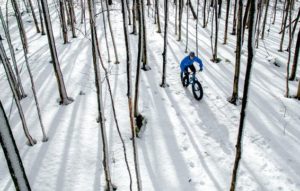
Do you remember the first time you saw a fat bike? On first impression, it is easy to think they look like some weird fad that will come and go. However, the past few years have proven that this isn’t the case. Gaining in popularity, fat biking has become a category all in its own.

The obvious advantage of a fat bike is the ability to ride in snow and sand more easily that with a regular mountain bike. No matter how funny you think they may look, it’s worth giving a try. Maybe fat really is the new skinny.

Why You Need to Try Fat Biking

What is fat biking?

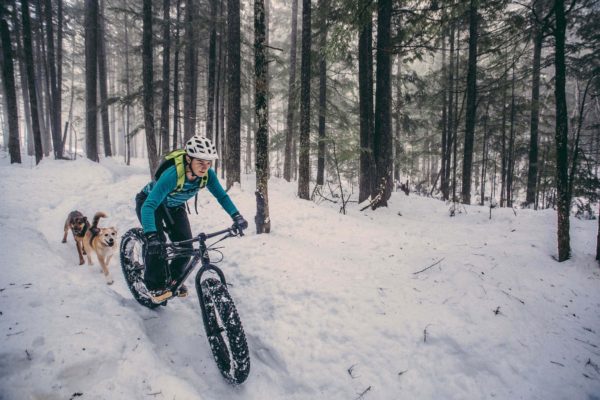
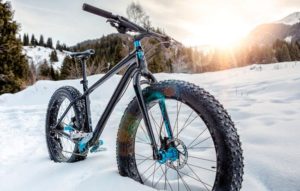
A fat bike is an off road bicycle designed to accommodate oversized tires, typically 3.8 inches or larger. The first thing you’ll notice, other than the massive tires, is the wide fork build to fit the large tires as well as the low ground pressure. These tires can be run as low as 5 psi to provide the ultimate traction in snow, sand, or mud.

Although the general idea of fatbiking has been around since the early 1900s, they first became commercially popular with Surly Bike’s release of the Pugsley frame in 2005. The rest, as they say, is history.

Why you should try fat biking

It’s a great workoutWhy You Need to Try Fat Biking

Staying fit over the winter in places where it gets cold and snowy is tough. If you love the freedom that cycling brings, it can be hard to find the motivation to go to the gym or hop on a stationary bike. Fatbiking not only allows you to ride outside all winter, but it’s also a great workout. In soft conditions it can be tough going, but you will be expending a ton of energy in a short about of time. You will also be working on your balance and core strength making a great whole body workout. Come spring and hop back on your regular bike, you’ll feel light and fast, and you’ll have maintained a great fitness level.

It gets you outside

No need to mope around the house as soon as there’s snow on the ground. Fat bikes are like the monster trucks of the cycling world – they will get you through just about anything. Getting out in the sunshine and fresh air, even if it’s cold, is the best way to make the most of every season. Research has also shown that the cold can actually raise your metabolism as your body works to keep warm, which means burning extra calories!

Why You Need to Try Fat BikingIt builds your endurance

Fat biking will make you a stronger rider and build your endurance, both physically and mentally. Riding in the elements on a bike that requires constant spinning (there’s pretty much no coasting) will up your overall toughness level. Plus, if you ever hit a race in your regular season that has bad weather, it’ll be nothing compared to your miles put in with the snow and mud.

You can ride a fat bike all year round

There are those that choose to ride a fat bike all year due to the feeling of the bike, particularly the stability and suspension of the fat tires. Many models can also accept multiple wheel sizes, so you can switch out your tires for skinnier ones before hitting the dry single track.

How to choose a fat bike

With the rise in popularity, the variety of fat bikes available has made choosing one a little more complicated. Although we can give you the basic features to look out for, a visit to your local bike shop will help you make a more informed decision. It’s also great to try one out before buying to ensure you enjoy the feel of it.

  • Frame capability – Think about how much “flotation” you want. Generally speaking there are two sizes: those that accommodate 4 inch Why You Need to Try Fat Biking ires, and those for 5 inch or wider tires. If you’re sticking to groomed or somewhat packed down trails, 4 inch tires will be all you need.
  • Rigid frame or suspension – Most fat bikes are a rigid frame as the tires and low pressure make up for the lack of suspension, but many are now also equipped with a suspension fork. Going with a frame with suspension can be a great option for really rough terrain, or if you plan on riding the bike all year round.
  • Frame size – As with any bike, you want to ensure you get the right size for you, and it’s always worth having a proper bike fit to ensure maximum efficiency. Most frames are set up with similar geometry to a mountain bike to remain stable over rough terrain.
  • Tires – As with road and mountain bike, fat bike tires can come in a variety of designs. Most are either clincher or tubeless. You’ll also want to take a look at size. The general size is 4 inches, but there are both smaller and larger tires available depending on the terrain you’ll be riding.
  • Brakes – If you’re planning on riding in the Arctic, or anywhere else that experiences freezing temperatures, then you’ll want to go with the basic mechanical, cable-actuated disc brakes. Hydraulic disc brakes are a great option, but only if you’re sticking to warmer climates as mineral oil can easily freeze.

Check out this list of the top ten best fat bikes for more information.

Fat biking really has become it’s own sport, and with good reason. It’s as much fun as it looks, and there are a ton of events that now incorporate fat bikes to get you through the long cold winters. Additionally, many bikepackers are choosing fat bike frames to widen their adventure possibilities. Check out the video below for some added inspiration to get you going.

How to Choose and Prep for Your First Road Race

November 28, 2019 by Sarah Lauzé

Taking the first step towards your first road race is a huge deal. Not only are you taking your love of cycling one step beyond a hobby, but you’re also entering the world of elite teams, expensive gear, and race day nerves. But don’t let any of that intimidate you. There are a ton of races out there catering to every skill level and type of riding. Your first road race should be something you look forward to, a goal that pushes your training, but remains fun throughout the entire process. Here’s what you you need to know about choosing, then prepping for your first road race.

Step 1: Find the Right Race/Event

First things first, you’ll want to decide the type of race you’re going to do.

Road Races

Road races are what you probably think of when you picture a bike race: a mass start on public or private roads, everyone aiming for the fastest time possible. Depending on the race, riders may be sorted into categories ranging from five (new racers) to one (just below professional). They can also vary in distance from a few miles to over 200. If you are entering a category race, be sure to enter into a suitable category. If it’s your first race, that doesn’t necessarily mean you should enter the slowest category. Try going out on a few group rides and gauge where you’re at in comparison to riders who have raced before.

Sportive

Whereas road races are very competitive, sportive events give riders a chance to be timed in a race-like setting, but with much less intensity. They are typically a longer distance, and are all about making it across the finish line in the best time for you. You could include Gran Fondos and Century Rides in this category as a marathon for cyclists. The riders at the front compete for the win, the riders in the middle go for a personal record, and the riders in the back aim to beat the cut-off time.

Criteriums

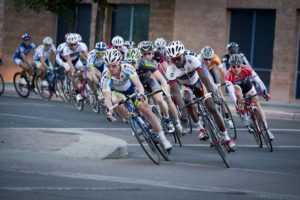
A criterium race (or crits, for short) are short, fast races held on closed loop courses usually between 0.5 and 2 miles in length. Crits differ from standard road races in that there is no fixed race distance. Instead, you race for a predetermined length of time…in most cases. As they are often a shorter duration then regular road races, crits are pretty much all-out from start to finish.

Cyclocross

Cyclocross is a type of race that occurs in a circuit of about 2.5-3.5km and consists of off-camber tracks on grass and dirt, sand pits, tight corners, stairs, and barriers.  The races take place in city parks and organizers line up tape and obstacles to create the courses.

Gravel Grinders

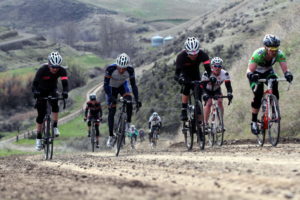
A gravel grinder is a race or ride that typically combines riding on a variety of surfaces including asphalt, gravel, dirt, and even some single track. As this niche has become increasingly popular over the last couple years, there are a ton of events to choose from. Distances vary from 50–150+ miles, and the routes themselves from hard packed dirt roads to rocky and rough terrain.

Step 2: Get the Right Gear

Unfortunately with cycling, a lot of it does come down to having the proper tools for the job. Unless you’re willing to invest in new gear, be sure to sign up for a race that you can do on your current setup. In addition to a bike, you’ll need a helmet, cycling shoes, a jersey and cycling shorts with a good chamois.

Step 3: Start Training

Signing up for a race is a great way to get motivated to start riding more. The number one piece of training advice is to spend a whole lot of time on your bike. Although the top riders will likely be putting in upwards of 20 hours a week on their bike, the key is frequency. Get used to riding your bike almost every day, then start adding in some longer distances (start with one long ride a week). You can also start adding some tempo and interval work into your training to improve your ability to ride faster for longer.

Step 4: Keep it Fun

Once the race day finally arrives, no matter how prepared you are, nerves are a completely normal thing to experience. Check out this “Race Day List” for more on what to expect from the day of. Don’t forget, as nervous and anxious as you might feel before the race, you will also be a euphoric ball of joy after the finish line! Don’t worry too much about your results in your first few races, but focus more on the overall experience–including the training. So go ahead and sign up for that big event, trust that the nervous pit in your stomach is a good thing, and have a great time building lifelong memories on two wheels.

How to Train Smarter (Not Longer!)

November 27, 2019 by Sarah Lauzé

Achieving better fitness with a limited schedule can be difficult. To get stronger within your time constraints, you must be exacting in your methods of both training and recovery. This is the best way to make the most of your time and effort. Here are some tips to help you train smarter and get faster.

Ride Hard

There is no sense in riding easy if you have only a few days per week to ride to improve your fitness. Three very hard days on the bike should get you passable fitness to get you through your local group rides. More than three very hard days on the bike could burn you out if you do not get a week of recovery every four weeks or so. A very hard day means blindingly hard, so hard that you probably want to quit, have tunnel vision or maybe even release your bowels in your chamois. If you have never tested this dark, dark place, now is the time to try it.

Interval TrainingHow To Improve Your Fitness Without Training More

Set out with a plan of specific intervals for your extra hard days. This way you cannot cheat or have the power fall off by the end of the ride, or if you do cheat, you will know it was blatant. High intensity interval training has proven to be quite effective in increasing fitness with short workouts. Remember the last paragraph; you must be prepared to really slay it on the bike to make the most of these workouts. Start with small sessions once or twice a week and build up.

Sleep

Without sleep, all of your hard training, all of the hours you suffered on the bike are for nought. Sleep is when you make your real gains. It is when your body compensates for the training stress you put it through and adapts to the load. It is always incredibly important, but if you are burning the candle at both ends with work, family and other obligations on top of training, quality (and large quantities) of sleep will keep you afloat in all aspects of life and let you make fitness gains.

Nutrition

Again, with the focused approach that is necessary when you are short on hours, your nutrition needs to be completely dialed too. You will not be doing huge volume, so you do not need large quantities of food, but you need to make sure you are getting the highest quality food. Good nutrition will fuel your workouts to the best of your ability along with fueling proper recovery.

When you are pulled in many directions, it is easy to fall into a routine of quick and dirty food. If you want those fitness gains bad enough, you will need to figure out a way to get the best nutrition possible. It will make every pedal stroke that much better and mean that much more in the long run.

Drink lots of water (with electrolytes, not purified water, whether it is distilled or reverse osmosis) to keep your blood viscous and flowing. It will deliver nutrients to your muscles more freely and keep your heart’s work to a minimum.

Cross TrainingHow To Improve Your Fitness Without Training More

With limited time, sometimes a full training ride is difficult to squeeze in. On those days, cross training may be a quick way to maintain fitness that you are trying to hold onto or increase. If you can keep it cycling specific, whether it is in the weight room, skating or nordic skiing, that is great. If you have other activities that fit into your schedule, like running, that is fine too, although it will not have as much of a positive impact on your cycling musculature.

Recover Hard

Recovery should be happening whenever you are not training, although that is probably a stretch when you have a busy life. When you are recovering, do it full on. Get your feet up, keep hydrated, eat well and keep the external stress down. An additional recovery tactic is compression gear. You can wear it when you are at work under your normal work clothes.

If your time is limited and you want to make fitness gains, everything you do has to be full-on: your riding, your sleep, your nutrition and your recovery. Make it a routine that works and you will make the most of your time.

« Previous Page
Next Page »
  • Facebook
  • Tumblr
  • Twitter

Latest Articles

JOIN Cycling: A New Training Platform for Cyclists

May 27, 2024 By Eric Lister

cold exposure

The Benefits of Cold Exposure for Cycling & Life

June 13, 2023 By Eric Lister

hill climb

The Ultimate Hill Climb Training Guide

May 31, 2023 By Eric Lister

shoulder pain cycling

How to Treat & Avoid Shoulder Pain While Cycling

April 12, 2023 By Eric Lister

psoas stretch

The Importance of the Psoas Stretch for Cyclists

April 6, 2023 By Eric Lister

cycling neck pain

The Ultimate Guide to Cycling Neck Pain: Causes and Solutions

March 21, 2023 By Eric Lister

Useful Info

  • Contact
  • Finally, A Global Cycling Club That Is Focused On Community And Love Of Cycling!
  • Privacy Policy
  • Share Your Story!
  • Terms And Conditions Of Use
  • Welcome to I Love Bicycling
  • What Happened When I Stretched Every Day For a Month

Recent Posts

  • JOIN Cycling: A New Training Platform for Cyclists
  • How to Hang Bikes in Your Garage: 4 Inexpensive Options
  • Gravel Bike Vs. Road Bike: Which One Is Better For You?
  • The 6 Types of Mountain Bikes & How to Choose the Best One for You
  • What Is a Touring Bike Good For? 5 Benefits We Know You’ll Love

Search I Love Bicycling

Connect with Us

  • Facebook
  • RSS
  • Tumblr
  • Twitter

Copyright © 2026 · Magazine Pro Theme on Genesis Framework · WordPress · Log in