 Heading out onto the roads can often be a little intimidating for experienced cyclists, which means that road bikes for beginners can be even scarier. In fact, there are some people who have given up on the hobby entirely before ever exploring the myriad of benefits that it can provide, no matter what your current levels of fitness or experience.
Here we aim to give novices a little bit of a shot in the arm by letting them know just what road cycling can do for them. These tips are ideal for anybody who is looking into exploring the topic of road biking for beginners.
If you are looking for a complete guide to cycling for beginners start here.
Start Slow
You don’t need to be race material from the second that you set foot on your bike, so take a little while to acclimatize to your local area and the routes that you are most likely to take. This way you can not only enjoy your surroundings while you are cycling, but you will also be able to identify any areas that you are less than comfortable with. Over time your confidence will increase and you will find you tackle these routes much more quickly as your fitness builds.
Remember to Recover
When starting any new physical activity it can always be tempting to just jump right in and keep plugging away during every spare moment that you have. After all, constant cycling will surely help you to achieve your fitness goals even quicker right?
Actually, you would do well to remember to take a little time to recover, particularly after long and taxing rides. You won’t feel the full benefits of your workouts if you don’t let your muscles adjust and then recover, and you will find that your workouts are affected and you leave yourself more open to suffering injuries.
Learn About Hill Climbs
When you are first getting to grips with road biking for beginners, coming up against a hill can be a nightmare. Choosing the right gear and powering your way up is something that no cyclist truly relishes, but if you want to build power in your legs so that you can develop more speed it is something that you are going to have to contend with. Learn about which gears feel comfortable for you when riding up hills.
Mix Up Your Rides
The main issue with practically any type of workout is keeping your motivational levels high enough to keep going. When things start to feel a little bit too samey it can be very easy to simply stop caring about whatever gains you are making, leading you to skipping a session here and a session there until you just don’t bother at all.
Try to make sure that you have multiple routes that you can take and mix up your rides at every opportunity. Not only will this help keep interest levels high, but it will also keep your body guessing as well, which is ideal for novice cyclists who are trying to build fitness.
Listen to Your Body
You don’t have to push yourself to your limits every single time you get on the bike. After all, there are many external factors that add stress and affect your body and, in turn, affect the way that you ride.
As such, you should always listen to your body and pay attention to what it is telling you. If you feel tired then it may be a good idea to recover or take a light ride, whereas if you feel like a world beater on any particular day then it might be time to tackle a new challenge and really push yourself.
 Cycling for beginners can be a scary thing. This guide will give you beginner cycling tips on everything you will need to know to get started. We will cover pedaling, stopping, position, corners, climbing, changing a flat tire, road bikes for beginners, cycling tips for beginners, training, nutrition, injury prevention, bike fit and training plans for beginners!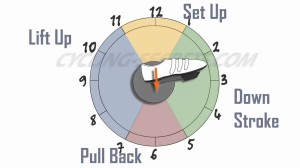
 Stopping your bike is likely the most important thing you can learn. Clearly, if you squeeze the brakes you are going to slow down and eventually stop, but there are different techniques involved.
 Most beginner cyclists assume they need to turn the handlebars in order to take a corner; while this is the case at very slow speeds it is usually not practiced while taking most corners at speed. Rather you will lean the bike frame the direction you want to turn and adjust your weight accordingly.
 You should be going the speed you want to go around the corner at the beginning of the turn. Braking in the turn actually makes the bike want to stand up on itself and straighten out, two things you are trying not to do. You end up fighting the bike and shedding more speed than necessary to make the turn safely.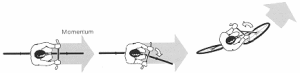
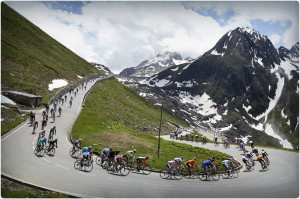
 The most important aspect of hill climbing is maintaining a steady effort from the bottom all the way to the top. This is a difficult thing to achieve. If you have a heart rate monitor there is a lag of approximately thirty seconds to one minute – keep this in mind. If you are going off of perceived effort – the beginning of the hill is perceptively easy and top seems incredibly difficult at the same effort. Power meters are the only way of receiving instantaneous feedback of your actual effort.

 Interval Training
 What to Eat on a Long Ride