• Training
    • Injury Prevention
    • Training Tips
  • How To
    • Bike Fit
    • Gear
  • Nutrition
    • Nutrition Tips
    • Weight Loss
  • Repair
  • Reviews
  • Stories
    • Funny Stories
    • Jokes
    • Quotes
    • Videos
    • Funny Videos

I Love Bicycling

I Love Bicycling is a website that is geared towards cycling for beginners with road cycling tips, training articles, nutrition tips, weight loss, how to’s and bike repair articles.

Gluten and Cycling– What Makes It Good Or Bad

September 19, 2016 by Wade Shaddy

It’s almost trendy to despise gluten. But looking at it historically, people have been chewing plant seeds for thousands of years. We even had those flat, cow-like teeth made for munching plants, not sharp, tearing teeth like carnivores. So why is gluten the enemy now? As cyclists, you not only require carbs, but crave them at times. The number of people who are eliminating gluten in their diet continues to rise. Can you do without it? Do you want to do without it? It’s your call.
gluten-and-cycling5

Celiac Disease

Celiac disease is the biggest reason behind the gluten controversy. Celiac disease is a condition caused by an abnormal immune response to gluten; a disorder that makes the body attack gluten in the digestive system, damaging the lining of the small intestine. That, in turn, can prevent important nutrients from being absorbed. But here’s the kicker– experts estimate that only about 1 percent of Americans have celiac disease.
But how do you know if you have celiac disease? The symptoms include diarrhea, skin rash, and anemia. You may be tired, bloated and depressed. The only way to know is to be tested. The first test is typically a blood test to detect antibodies signaling an abnormal immune response. If your blood test comes back positive, a biopsy is performed to confirm inflammation in the lining of your gut.

Sensitivity Versus Celiac

In all fairness to gluten though, celiac disease may have few or no symptoms. For that reason, only about 5-to-10 percent of cases are diagnosed in the U.S.  So here’s the other part of the controversy; some individuals may be sensitive to gluten but don’t have outright celiac disease. This group may feel better on a diet with less gluten.
For the majority of cyclists who don’t have celiac disease, if you function better, can maintain your speed, climbing abilities, and endurance on a gluten free diet then by all means do it if you want to.

Health Reasons

People typically choose to go gluten-free for health reasons including less inflammation and better immune system response. If your immune system is weak or you feel tired and fatigued all the time, a gluten-free diet might make you feel better. There’s a tremendous upside and virtually no downside to doing a trial run. Worst case, you will eliminate a lot of processed foods from your diet.

Gluten and Inflammation

Inflammation frequently comes up in discussions about nutrition but is highly controversial among health professionals. It involves an adverse reaction to gluten in people who do not have celiac disease. Even without a diagnosis of celiac disease, a number of people feel better when gluten is eliminated from the diet. Science is still inconclusive on what’s been termed “gluten intolerance”, but some experts think sensitivity leading to bloating or digestion changes could be an inflammatory response to gluten. As a cyclist, gluten and cycling could be important for this reason alone.

Wheat Allergy

Wheat allergy is also frequently brought up in association with gluten. Estimates for allergies to plant products determined by the diagnostic standard are scarce. But some information indicates that a wheat allergy is relatively rare and estimates are that it probably affects under one percent of individuals. It’s more likely that a wheat allergy is a prevalent reaction to a perceived allergic reaction to plant food.

What is Gluten

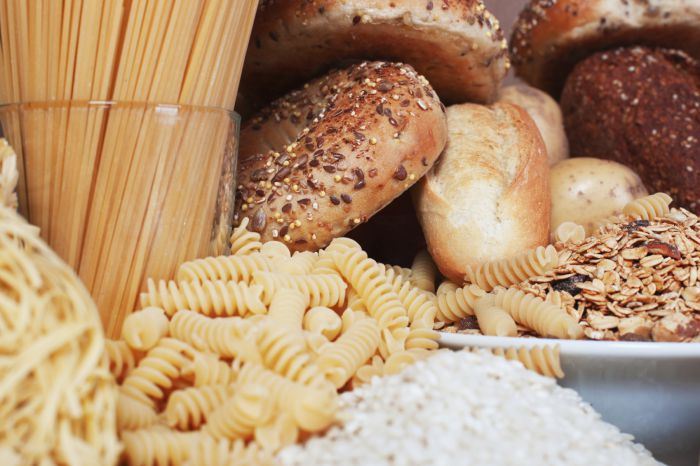
So what’s wrong with trying a gluten-free diet? To begin with, gluten-free is saying no to nutritious foods — foods that power your cycling. Gluten is a protein found in wheat, barley, and rye. It’s that stretchy stuff that makes baked food rise — it’s the glue that holds bread together. Gluten also shows up in many whole grain foods related to wheat — barley and rye, bulgur, farro, and spelt to name a few. Some celiac disease experts warn patients to steer clear of oats as well.

It’s a Protein, Not the Carb

So now that it’s established that grains can be terrible in some cases — hang on for a minute. The problem with grains is not the carbs — it’s due to a protein — not the carbohydrates. Gluten is just another name for protein. Gluten and cycling is not the same thing as carbs and cycling.

Don’t Give Up Carbs

You don’t have to give up your carbs. There are lots of alternatives to carbs with gluten. Here’s a few of them:

  • Rice
  • Corn
  • Oats (specifically if you get the gluten-free version to avoid contimaination by gluten)
  • Quinoa
  • Chia seeds
  • Beans and lentils
  • Potatoes
  • Sweet Potatoes

Alternatives to Gluten

It’s amazing what you can find in your local grocery store. For example corn pasta or brown rice pasta, is just an example of what you can find. Gluten-free bread isn’t hard to find either. You can find actual loaves of bread in your local stores or look online and you’ll see gluten-free flours which let you bake your own gluten free breads or pastries.

With all that being said, you might be considering a gluten-free diet, just to see how you feel, and if you feel better that’s fine. But at least one study says that there’s no benefit to your cycling performance. And that any perceived benefit is because you’re watching what you’re eating, including healthier foods like eating less processed foods, more fruits and vegetables. Another reason why you might feel better is the placebo effect, which can go a long way.

At least one professional cycling team is gluten free. “I was pleasantly surprised,’ says Christian Vande Velde, Garmin-Transitions’s team leader, who was the first member of the team to experiment with going wheat-free during the racing season. ‘I just had all-around better digestion, and digestion is the biggest thing in utilizing the energy I consume.” So the gluten and cycling comparison in this example is somewhat evident.

Gluten and cycling are not mutually exclusive. If you feel better, fine, go ahead and go gluten-free.  Studies and testimony never really prove anything or that gluten has negative or positive effects on anything. All you can really do, is if you suspect that you might be suffering from celiac disease, gluten allergy or sensitivity, that you go gluten free and see how you feel, or alternatively, get tested by a health professional. Don’t follow national trends just because everyone else is talking about it. Decide for yourself.

  • Facebook
  • Tumblr
  • Twitter

Latest Articles

JOIN Cycling: A New Training Platform for Cyclists

May 27, 2024 By Eric Lister

cold exposure

The Benefits of Cold Exposure for Cycling & Life

June 13, 2023 By Eric Lister

hill climb

The Ultimate Hill Climb Training Guide

May 31, 2023 By Eric Lister

shoulder pain cycling

How to Treat & Avoid Shoulder Pain While Cycling

April 12, 2023 By Eric Lister

psoas stretch

The Importance of the Psoas Stretch for Cyclists

April 6, 2023 By Eric Lister

cycling neck pain

The Ultimate Guide to Cycling Neck Pain: Causes and Solutions

March 21, 2023 By Eric Lister

Useful Info

  • Contact
  • Finally, A Global Cycling Club That Is Focused On Community And Love Of Cycling!
  • Privacy Policy
  • Share Your Story!
  • Terms And Conditions Of Use
  • Welcome to I Love Bicycling
  • What Happened When I Stretched Every Day For a Month

Recent Posts

  • JOIN Cycling: A New Training Platform for Cyclists
  • How to Hang Bikes in Your Garage: 4 Inexpensive Options
  • Gravel Bike Vs. Road Bike: Which One Is Better For You?
  • The 6 Types of Mountain Bikes & How to Choose the Best One for You
  • What Is a Touring Bike Good For? 5 Benefits We Know You’ll Love

Search I Love Bicycling

Connect with Us

  • Facebook
  • RSS
  • Tumblr
  • Twitter

Copyright © 2026 · Magazine Pro Theme on Genesis Framework · WordPress · Log in