Are you ready to take the leap and buy your first road bike? You won’t regret it. Cycling is not just a sport, but a lifestyle as well. However, the idea of getting a bike, finding all the right gear, and riding for the first time can be intimidating. With the rise of cycling has come endless options when it comes to manufacturers and components, making it overwhelming the first time you walk into a bike shop.
Don’t be discouraged! Having a ton of options is actually a great thing, as it increases your chances of finding just the right bike for you. You just have to know a little about what you’re looking for.
Where to start
Rather than walking into a bike shop with no idea what you’re looking for, let’s start with you. Sit down and make a list beforehand: What features are important to you? What type of riding will you be doing most? Are you looking for a commuter bike? Could you use this bike for a race one day? Are you interested in bike touring? What is your price range?
It’s important to get the right bike as it has the potential to determine whether your fall in love with cycling, or deter you from it altogether. That being said, you also need to be honest with yourself. You may regret investing thousands into a bike that you only ride once a week, so map out how many miles you think you’ll be putting in, and also what your destination is at the end of those miles.
The Bike Frame
Material
The frame should be the first part of the bike you look at. There are four main materials from which frames are constructed: carbon fiber, aluminum, steel, or titanium. For a beginner bike, aluminum is the best bang for your buck because of its lightness as well as durability without the fragility and added cost of carbon fiber.
Steel bikes can give a good ride, as they’re not too stiff, but they can be heavy and are a bit dated. Carbon bikes are becoming much cheaper, but for a beginner bike they are a bit overkill as you don’t need the performance advantages of weight nor the detailed feel of how it rides. It’s easy to spot which frame types are which with a little practice and if you don’t know, ask.
Frame Size
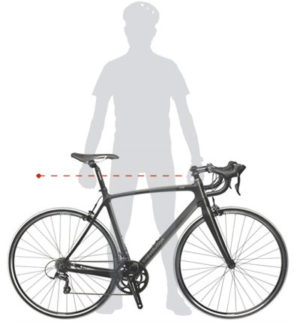
Just because you are a certain height does not mean you can look at a chart and determine your ideal frame size. There are a lot of variables when selecting the proper frame, the most important being your reach which is affected by the length of the top tube. Your reach can only be adjusted slightly by different stem lengths so there is generally only a few centimetres of adjustability, whereas there is several inches of adjustability in the seat height or seat tube. For more information, check out “What size bike do I need.”
Components
After finding the frame that suits you, you will want to look at the components it comes with.
Chainrings and Cogs
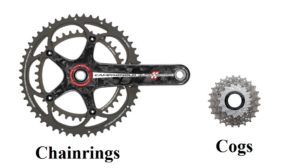 There are two sets of sprockets on a bike, one at the front and one at the back. The front sprockets are called chainrings, and they’re located at the front on the crankset (the part that the pedals attach to). Typically, an entry level road bike will have a triple crankset (three chainrings), but some may have a double (two chainrings).
The sprockets at the rear of the bike are called cogs individually, or a cassette when referring to the whole cluster of gears. Most bikes will have 8-10 gears.
Now, don’t let the numbers scare you, but the key thing is to understand how gearing works. Chainrings and cogs are referred to by the number of teeth they have, which you can either count or look for the manufacturer’s number. For chain rings, the higher the number the easier it will be to pedal, but for cogs it’s just the opposite – the larger the number the easier it will be to pedal. So, for example, a 30/42/52 triple crankset and a 12-30 cassette will offer an easier gear than a 39/53 double crankset with a 12-23 cassette. Starting out you will want those easier climbing gears to build up strength and endurance.
The Best Brands
The two main brands of components that are descent, even at their lower end, are Shimano and Sram. Both of these then have upgrade capabilities which gives you a variety of options down the line. The best way to see how each level feels is to test ride them and then compare them to a model both up and down from it.
Wheels
With a beginner road bike, the wheels that come with the bike are typically going to be what you take home as it’s difficult to swap out wheelsets at a shop or on an online distributor. Things to look for are the spoke count in both the front and back, as well as the weight of the wheel. Depending on your weight and your use of the bike, the wheels will most likely have a spoke count of 32. They may be a little heavier than racing wheel, but they are also a lot more durable.
Tires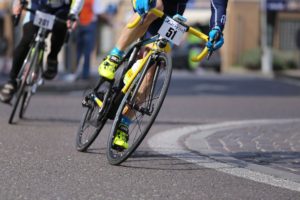
There are three main types of road bike tire setups: clincher, tubular, or tubeless. The most practical choice will be the classic clincher tire setup for its simplicity and ease of use. This does make you susceptible to pinch flats, but changing out a tube on the road is simple once you’ve done it a few times, it can even be done without tools!
This is just the base of what you’ll need to think about before buying your first road bike, and you will also have to consider the essentials (other than the bike) that you will need. For more information, check out our “Complete Guide to Cycling for Beginners.”
 Cycling for beginners can be a scary thing. This guide will give you beginner cycling tips on everything you will need to know to get started. We will cover pedaling, stopping, position, corners, climbing, changing a flat tire, road bikes for beginners, cycling tips for beginners, training, nutrition, injury prevention, bike fit and training plans for beginners!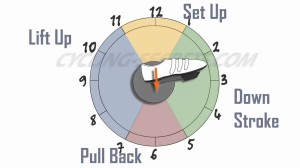
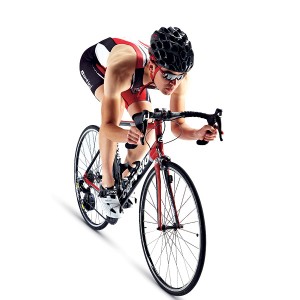 Stopping your bike is likely the most important thing you can learn. Clearly, if you squeeze the brakes you are going to slow down and eventually stop, but there are different techniques involved.
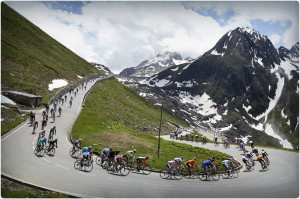 Most beginner cyclists assume they need to turn the handlebars in order to take a corner; while this is the case at very slow speeds it is usually not practiced while taking most corners at speed. Rather you will lean the bike frame the direction you want to turn and adjust your weight accordingly.
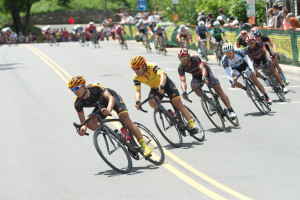 You should be going the speed you want to go around the corner at the beginning of the turn. Braking in the turn actually makes the bike want to stand up on itself and straighten out, two things you are trying not to do. You end up fighting the bike and shedding more speed than necessary to make the turn safely.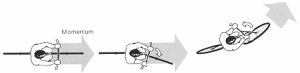
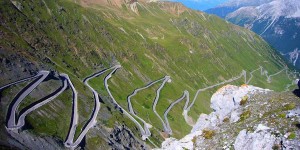 The most important aspect of hill climbing is maintaining a steady effort from the bottom all the way to the top. This is a difficult thing to achieve. If you have a heart rate monitor there is a lag of approximately thirty seconds to one minute – keep this in mind. If you are going off of perceived effort – the beginning of the hill is perceptively easy and top seems incredibly difficult at the same effort. Power meters are the only way of receiving instantaneous feedback of your actual effort.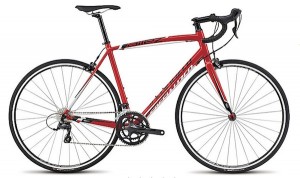
 Interval Training
 What to Eat on a Long Ride