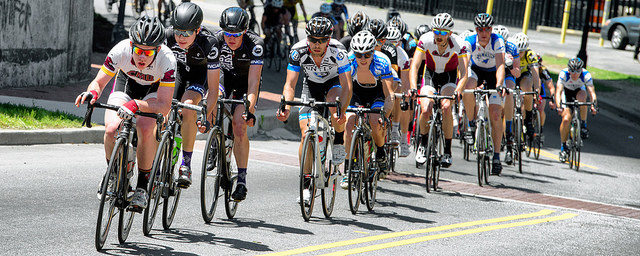
Have you ever finished a group ride with the thought “Wow! I just finished riding at X mph! I can’t believe I could ride that fast!” However, this thought is quickly overshadowed by the realization that you achieved this high speed by the draft in cycling while behind someone else throughout the ride. This leaves the question to draft or not to draft in your training for triathlons?
From the moment I picked up cycling I’ve always enjoyed training alone or with a partner, rather than participating frequently in group rides. Many times when I’m out on my rides I’ve watched cycling groups that contained roadies and triathletes. It made me ponder the topic of drafting while training, especially from a triathlete’s perspective where drafting is not legal in most races. Although there are some perks to drafting when in a group of similar fitness level, I firmly believe training without drafting is more beneficial in the world of triathlon. There are several advantages one may experience with this training philosophy that will aid in making you a better cyclist overall.
To Draft or Not to Draft – Train Like you Race
If you’re used to drafting as a triathlete and have little experience pulling yourself, you’ll face a rude awakening on race day when you have to maintain a legal distance between yourself and the cyclist in front of you. In non-drafting races it’s better to train learning how to pull so you can become used to different cycling situations that could alter your speed. When riding without drafting you’re forced to learn when to change gears, how to approach hilly terrain, and the elements. Training in this manner will also make you stronger physically because you’ve faced all the elements and terrain ALONE during training, pushing your body to adapt. Additionally, your leg muscles will adjust to pulling and thus, become more efficient as well as powerful.
Conversely, as a roadie who participates in draft-legal races, it is beneficial to have a few training sessions a week where you’re pulling the whole time. If you grow accustomed to riding by yourself and reap the aforementioned benefits, then it’ll make you that much stronger when drafting on race day. You’ll have an edge over the other cyclists who have trained only drafting in groups with intermittent pulling.
Making Adjustments
When you’re drafting behind others, you’re forced to follow whatever the riders ahead of you do with the added benefit of increased speed. In doing this, it hinders you from truly experiencing the elements of headwind, tailwind, extreme temperatures, etc. Each element and terrain calls for a specific adjustment in gears. When facing a headwind you learn to play with your gears, downshift, and switch to high cadence. In contrast, when experiencing a tailwind, you learn to shift into the big chain ring and take full advantage of the added help from nature. These changes also apply to riding on flat versus hilly terrain. You also learn which gear to use in each situation according to your fitness level rather than another riders. Through trial and error you can find the gear that allows you to stay at a high pace but not explode during a race. Essentially, finding that “sweet spot” in each of these situations can best be discovered when training alone or leading the pack. It will make you a more knowledgeable cyclist and build confidence in your riding skills instead of a false sense of ability.
Mental Toughness
One of my favorite elements of riding alone includes the benefit of building mental toughness. Facing all the challenges of the road solo enables you to build mental folders that you pull from when suffering during training sessions. You don’t have a partner yelling words of encouragement or pushing you beyond your limits, it’s only you and the pain just as it would be on race day. These sessions aid in building confidence and positive self-talk which are vital to success. They also force you to be accountable for reaching your own goals within that training session. These are the sessions that help you realize all the success you aspire for is within you, and not dependent on anyone else, therefore a stronger work ethic is created as well. Consequently, you slowly begin to prove all those negative thoughts wrong that trick you into thinking you can’t achieve this goal. As a result, you’re faced with a level of strength you likely didn’t realize you possessed.
So to answer the question, to draft or not to draft in training for triathlons; each of us have different goals we’d like to achieve within the cycling. We can use strategies, advice, and tactics from others to become a stronger, overall cyclist. I don’t believe there is only one right way to train. Each type of training serves their purpose and yields a particular advantage. It is crucial to incorporate a variety of training sessions to your program.
 Cycling for beginners can be a scary thing. This guide will give you beginner cycling tips on everything you will need to know to get started. We will cover pedaling, stopping, position, corners, climbing, changing a flat tire, road bikes for beginners, cycling tips for beginners, training, nutrition, injury prevention, bike fit and training plans for beginners!
 Stopping your bike is likely the most important thing you can learn. Clearly, if you squeeze the brakes you are going to slow down and eventually stop, but there are different techniques involved.
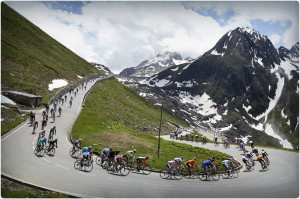 Most beginner cyclists assume they need to turn the handlebars in order to take a corner; while this is the case at very slow speeds it is usually not practiced while taking most corners at speed. Rather you will lean the bike frame the direction you want to turn and adjust your weight accordingly.
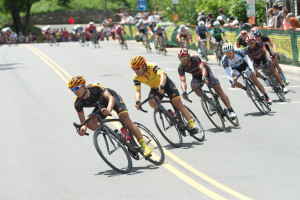 You should be going the speed you want to go around the corner at the beginning of the turn. Braking in the turn actually makes the bike want to stand up on itself and straighten out, two things you are trying not to do. You end up fighting the bike and shedding more speed than necessary to make the turn safely.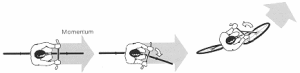
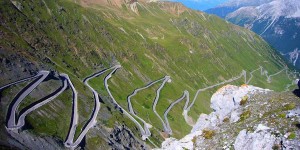 The most important aspect of hill climbing is maintaining a steady effort from the bottom all the way to the top. This is a difficult thing to achieve. If you have a heart rate monitor there is a lag of approximately thirty seconds to one minute – keep this in mind. If you are going off of perceived effort – the beginning of the hill is perceptively easy and top seems incredibly difficult at the same effort. Power meters are the only way of receiving instantaneous feedback of your actual effort.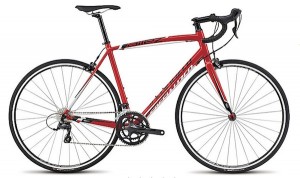
 Interval Training
 What to Eat on a Long Ride