• Training
    • Injury Prevention
    • Training Tips
  • How To
    • Bike Fit
    • Gear
  • Nutrition
    • Nutrition Tips
    • Weight Loss
  • Repair
  • Reviews
  • Stories
    • Funny Stories
    • Jokes
    • Quotes
    • Videos
    • Funny Videos

I Love Bicycling

I Love Bicycling is a website that is geared towards cycling for beginners with road cycling tips, training articles, nutrition tips, weight loss, how to’s and bike repair articles.

How To

  • Bike Fit
  • Gear

Things You Need to Know About Maintaining Your Bike Chain

December 11, 2019 by Sarah Lauzé

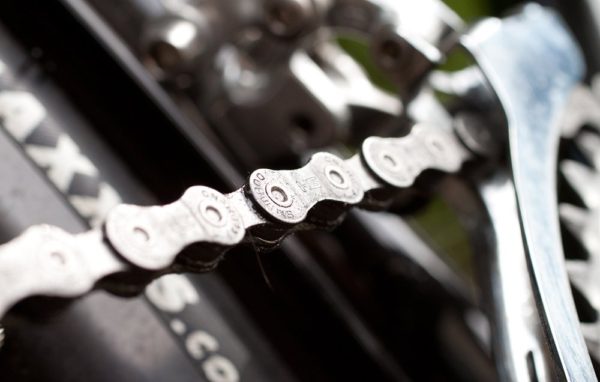
What’s the one part of your bike that has the most individual pieces to it? Not many would guess the chain, but today’s chain has eight parts per link which makes for a lot of moving parts with over fifty links in the average chain. Maintaining your bike chain will make it shift more smoothly and quieter, it will also last longer and help preserve the life of your cassette. With that many moving parts there’s more than one step to keeping it rolling like it should.
Maintaining Your Bike Chain

Things You Need to Know About Maintaining Your Bike Chain

Bike Chains Wear Out

As with any other part on your bike, chains wear out, often quicker than we would like. Chains wear by ‘stretching’ and no longer lining up perfectly with the teeth of the cassette. This stretch is not the actual metal stretching but rather the pin in each link wearing against the inner and outer plates of the chain causing the hole in each to be ever so slightly larger. This happens the fastest when it is metal on metal when the pin rotates within the plates. To keep this from happening as much, oil keeps these contact points properly lubricated so the metal doesn’t grind into each other and wear out as quickly.

How To Measure Chain Wear
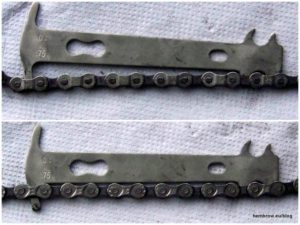
A little bit of chain stretch over time is ok and will always occur. The problem becomes when it stretches too far and the teeth on the cassette begin to wear out as well. Before long you will not only have to replace the chain, but the cassette as well.

There is a handy tool that measures if a chain is stretched but you can do the same with a tape measure. A full link measures one inch in length when brand new. To account for a number of links, measure one foot from the exact same point on the chain to see how much it has stretched. If the foot mark falls less than 1/16th of an inch from the same point on the link, the chain is still golden. If it’s over 1/16th of an inch you need to replace the chain, but probably don’t have to replace the cassette.

The only real way to test if you have to replace the cassette as well is to ride the bike with the new chain and put pressure on the pedals in a few of the smaller gears. If the chain slips, they don’t line up enough, but if there are no issues, you’re good to go. If the chain measures over 1/8th of an inch off you will need a new chain and cassette.
How To Wash a Bike Chain

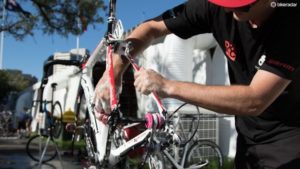
There are a number of approaches to washing a chain including taking it completely off the bike, but the best and easiest way is to clean it while on the bike with a degreaser. Before washing your bike, spin the pedals backwards applying a degreaser. Then with a sturdy bristled brush, scrub the chain to get the degreaser further into the links while also dislodging any grit and grime.

One added effective way to clean your chain is to use a chain cleaner mechanism that has a number of rotating brushes in a small plastic box that is filled with degreaser. Running your chain through this not only coats it with degreaser but also brushes a lot of the grit and old oil off of it easily.

After degreasing and brushing, wash the chain with regular soap and water as you would the rest of your bike and then follow it up with a good spray through the links to make sure all the grit is out of it as well as any leftover degreaser.

Wiping Your Chain

Following a thorough wash, spin the pedals backwards running the chain through a clean rag to get as much moisture out of the chain as possible. This should actually be done after every ride because when you ride, oil seeps onto the entirety of the chain while collecting debris from the road. If left on, this debris will eventually work its way into the moving parts of the chain causing it to wear out even faster. Plus wiping your chain leaves your it looking like new for every ride and not black which can cause a nice mark on your leg if you’re not careful.

A good trick is to leave a rag easily accessible next to where you leave your bike and whenever you finish a ride, give it a quick wipe down. And then any oil that does get on your hands can just be washed off as you go inside.

Applying Chain Lube
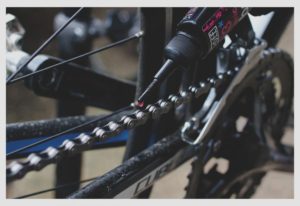
Now that we’ve gotten all of the prerequisites out of the way – washing and wiping the chain, we can now apply bike specific chain lube. Chain lube isn’t just oil. Oil specifically for bikes is thin enough to get into the tiny spaces between the pins and links yet thick enough that it doesn’t wear off super quick.

  • Where To Lube and How Much

The objective of oiling a chain is to get the oil inside the moving parts of the chain, not on the outside as it doesn’t do anything there. The best way to do this is to use an oil can that has a small nozzle that you can apply directly to the rollers of the chain in the center with a drop or two on each. Do this while spinning the chain backwards; once if you’re certain that you applied enough oil on the first go around, otherwise a second or third time. Once you stop dripping oil on the chain, keep spinning the pedals backwards. This will keep all the parts of the chain moving to get the oil further into the chain itself.

After the oil has made its way inside the chain, take another clean rag and wipe off all of the excess by spinning the pedals backwards through the rag a few times. You need to do this because you don’t need oil on the outside of the chain as it can collect road grit more easily and get into the chain itself along with just being dirty in general.
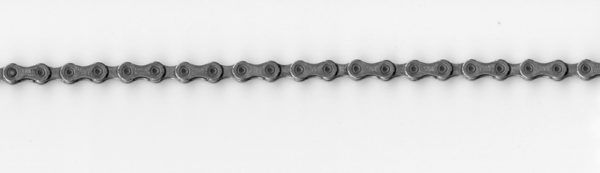
If you keep your chain properly lubed as well as washed on a regular basis to keep grit from getting inside of it, your chain will last much longer and will shift and sound better. It doesn’t take a lot to keep your chain lubed and running smooth but it does take knowing how to do it. Just keep a rag and bottle of lube next to where you keep your bike and you’ll be sure to remember especially after now knowing exactly what causes your chain to wear out and stretch.

The Best Cycling Caps

December 3, 2019 by Sarah Lauzé

There’s a certain classic look that comes with cycling caps, harkening back to the old days of cycling.

The Best Cycling CapsCycling caps came from the pre-helmet era, but have survived as a both a fashion statement and a functional piece of gear that goes under your helmet. Retro and relatively cheap, they are a great addition to any cycling kit to add your own sense of style.
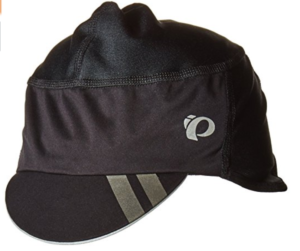
Beyond looking chic, cycling caps are also functional. They keep sweat, rain, and sun out of your eyes in the heat of summer, and can keep your head cozy on cold, wet rides. They are lightweight and flexible enough to sit under your helmet, and in most cases are one-size-fits-all.

When you stop in at a coffee shop for a mid-ride snack, a cycling cap is a great way to hide your helmet hair and keep you looking sharp. There are also a variety of ways to wear a cycling cap, you can keep the brim down, or you can flip it up and look extra awesome (see photo above). Available in a ton of colors and designs, here are a few of the best out there.

Pearl iZUMi Barrier CYC Cap

The Best Cycling Caps

Price: $20

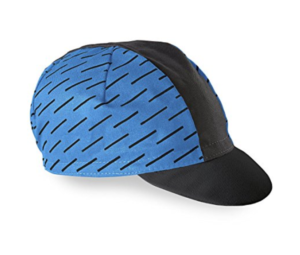
Made from lightweight polyester, this cap is a great form of wind protection and water resistance. Fitting easily under your helmet, it even has a low profile ponytail port for those of you with long hair.

Giro Classic Cotton Cap

The Best Cycling Caps

Price: $24.95

This classic design lets everyone know that you are a serious cyclist. It can be worn under your helmet, or on its own off your bike. It provides everything you would expect: shade from the sun, cover from wind and rain, and wicks away sweat when you’re pushing through the miles. One size fits all, this cap also comes in a ton a designs, so you can even find one to match your bike.

Hysenm Tour De France Champion Cap

The Best Cycling Caps

Price: $11.99

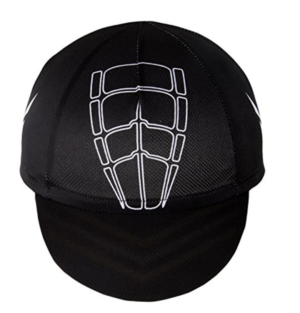
If you have a less hair than you used to and need to protect your head from the sun, this champion cycling cap will do just that. With an environmentally thermal transfer point, it keeps your head cool and protects your sensitive skin from the harsh sun (you don’t want weird burn lines on your head). The brim flips up and stays up when not in use, and is short enough to still give you the full view of your cycling scenery. It may not get you to the Tour de France, but it can make you look like a pro.

CatEye – Cycling Cap

The Best Cycling Caps

Price: $12.31

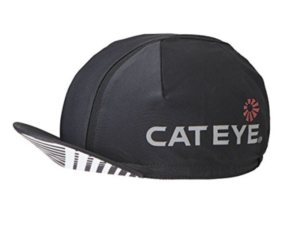
A hybrid combination of polyester, nylon, and spandex, this cap wicks moisture away from you and dries incredibly fast. Lightweight and very stretchable, this cap won’t make your head feel claustrophobic in your helmet. There are also reflective strips for visibility if you choose to wear it running or walking as well.

Brooklyn Team Cycling Cap

The Best Cycling Caps

Price: $18.99

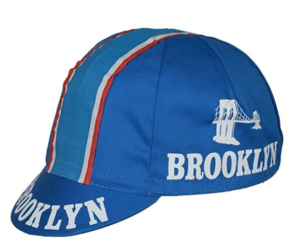
A lightweight blend of cotton, this Italian-made cap is classic in both look and feel. It also can be easily stored in a jersey pocket when not in use.

Why You Need to Try Fat Biking

December 3, 2019 by Sarah Lauzé

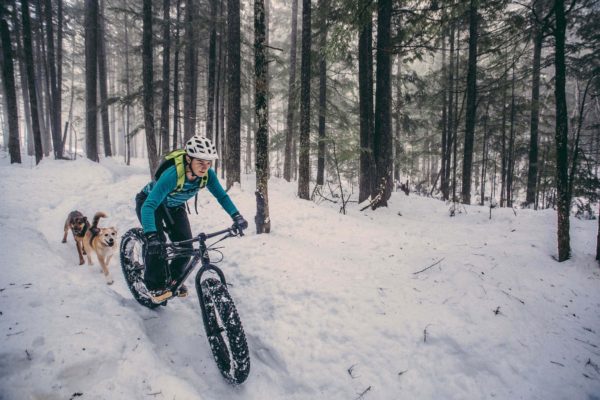
Do you remember the first time you saw a fat bike? On first impression, it is easy to think they look like some weird fad that will come and go. However, the past few years have proven that this isn’t the case. Gaining in popularity, fat biking has become a category all in its own.

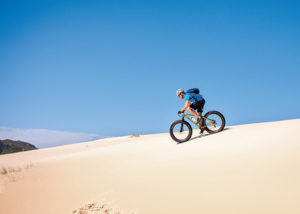
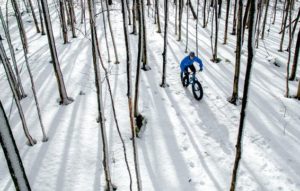
The obvious advantage of a fat bike is the ability to ride in snow and sand more easily that with a regular mountain bike. No matter how funny you think they may look, it’s worth giving a try. Maybe fat really is the new skinny.

Why You Need to Try Fat Biking

What is fat biking?

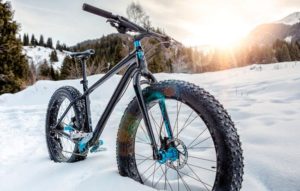
A fat bike is an off road bicycle designed to accommodate oversized tires, typically 3.8 inches or larger. The first thing you’ll notice, other than the massive tires, is the wide fork build to fit the large tires as well as the low ground pressure. These tires can be run as low as 5 psi to provide the ultimate traction in snow, sand, or mud.

Although the general idea of fatbiking has been around since the early 1900s, they first became commercially popular with Surly Bike’s release of the Pugsley frame in 2005. The rest, as they say, is history.

Why you should try fat biking

It’s a great workoutWhy You Need to Try Fat Biking

Staying fit over the winter in places where it gets cold and snowy is tough. If you love the freedom that cycling brings, it can be hard to find the motivation to go to the gym or hop on a stationary bike. Fatbiking not only allows you to ride outside all winter, but it’s also a great workout. In soft conditions it can be tough going, but you will be expending a ton of energy in a short about of time. You will also be working on your balance and core strength making a great whole body workout. Come spring and hop back on your regular bike, you’ll feel light and fast, and you’ll have maintained a great fitness level.

It gets you outside

No need to mope around the house as soon as there’s snow on the ground. Fat bikes are like the monster trucks of the cycling world – they will get you through just about anything. Getting out in the sunshine and fresh air, even if it’s cold, is the best way to make the most of every season. Research has also shown that the cold can actually raise your metabolism as your body works to keep warm, which means burning extra calories!

Why You Need to Try Fat BikingIt builds your endurance

Fat biking will make you a stronger rider and build your endurance, both physically and mentally. Riding in the elements on a bike that requires constant spinning (there’s pretty much no coasting) will up your overall toughness level. Plus, if you ever hit a race in your regular season that has bad weather, it’ll be nothing compared to your miles put in with the snow and mud.

You can ride a fat bike all year round

There are those that choose to ride a fat bike all year due to the feeling of the bike, particularly the stability and suspension of the fat tires. Many models can also accept multiple wheel sizes, so you can switch out your tires for skinnier ones before hitting the dry single track.

How to choose a fat bike

With the rise in popularity, the variety of fat bikes available has made choosing one a little more complicated. Although we can give you the basic features to look out for, a visit to your local bike shop will help you make a more informed decision. It’s also great to try one out before buying to ensure you enjoy the feel of it.

  • Frame capability – Think about how much “flotation” you want. Generally speaking there are two sizes: those that accommodate 4 inch Why You Need to Try Fat Biking ires, and those for 5 inch or wider tires. If you’re sticking to groomed or somewhat packed down trails, 4 inch tires will be all you need.
  • Rigid frame or suspension – Most fat bikes are a rigid frame as the tires and low pressure make up for the lack of suspension, but many are now also equipped with a suspension fork. Going with a frame with suspension can be a great option for really rough terrain, or if you plan on riding the bike all year round.
  • Frame size – As with any bike, you want to ensure you get the right size for you, and it’s always worth having a proper bike fit to ensure maximum efficiency. Most frames are set up with similar geometry to a mountain bike to remain stable over rough terrain.
  • Tires – As with road and mountain bike, fat bike tires can come in a variety of designs. Most are either clincher or tubeless. You’ll also want to take a look at size. The general size is 4 inches, but there are both smaller and larger tires available depending on the terrain you’ll be riding.
  • Brakes – If you’re planning on riding in the Arctic, or anywhere else that experiences freezing temperatures, then you’ll want to go with the basic mechanical, cable-actuated disc brakes. Hydraulic disc brakes are a great option, but only if you’re sticking to warmer climates as mineral oil can easily freeze.

Check out this list of the top ten best fat bikes for more information.

Fat biking really has become it’s own sport, and with good reason. It’s as much fun as it looks, and there are a ton of events that now incorporate fat bikes to get you through the long cold winters. Additionally, many bikepackers are choosing fat bike frames to widen their adventure possibilities. Check out the video below for some added inspiration to get you going.

The Best Types of Cycling Socks

December 2, 2019 by Sarah Lauzé

The first step to becoming faster is looking good…right? This may be why cyclists have a bit of a sock obsession. Most riders wear the same cycling kit, or with little variety, every day, so changing up the sock game is a fun way to add a little bit of your own personal style. Not only that, but they are a highly functional piece of cycling gear that can make or break a ride. Here are some of the best types of cycling socks to get you looking and feeling good for your next ride.

cycling socks

The Big Players

With so many brands of cycling socks out there, it can difficult to choose the ones that will work best for you. Hopefully these brief descriptions of a few of the larger brands will make the decision easier.

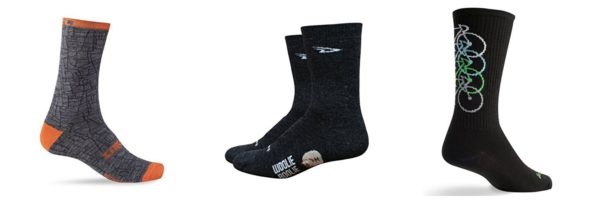
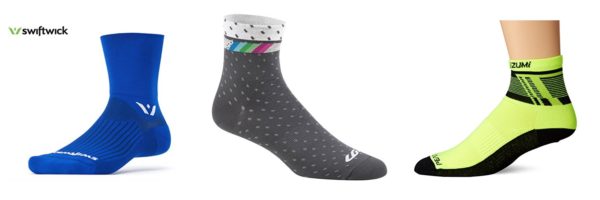
  • Swiftwick socks are made in the USA and focus on comfort and quality. Their socks feature managed compression, chemical-free wicking, and anti-blister and anti-odor technology. These are the four pillars they build each pair of socks to.
  • Defeet International socks are also made in the USA and prioritize operating at a higher level to produce one of the best cycling socks on the market.
  • Pearl Izumi yields not only great cycling socks, but also other clothing to keep you matching from head to toe!
  • Sock Guy is the go to sock company when looking for custom socks, they have a 4-5 week turn around and are manufactured in the USA.

Racing Socks

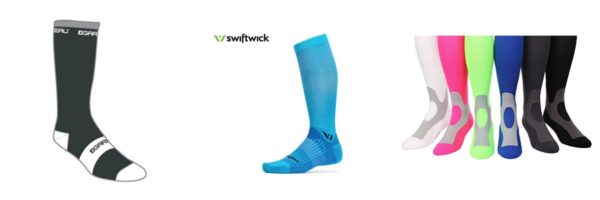
Racing cycling socks are designed with performance in mind, so they offer breathable material and an attention to performance over style. The Swiftwick Aspire socks have a thin cushion bed, and offer compression to different anchor points in the foot. The Louis Garneau Men’s Coni Cycling Socks are made from Coolmax fiber, and are supposed to wick moisture and increase the speed they dry out. Pearl Izumi’s Elite Socks feature the ELITE Transfer material to also dry out quickly, and have “compression for a performance fit.” All of these racing style cycling socks have two things in common. One, they are super good at drying out quickly to keep your feet cool while competing. Secondly, most of these socks come up one-quarter of your calf to give you that pro look.

Wool Cycling Socks

Wool socks can be a real lifesaver in the winter months, keeping your feet warm and dry. DeFeet makes some of the most popular wool cycling socks on the market. They are called the Woolie Boolie sock. They are durable and provide a great deal of warmth as they are made out of almost 50% American Merino Wool. These socks come up six inches to provide you with a great deal of warmth. The Sockguy wool cycling sock is twelve inches high and features a mesh upper panel above your foot to allow for ventilation. Giro also makes a six-inch sock out of merino material in a ton of patterns and colors.

Compression Cycling Socks

Compression socks are nothing new in the world of endurance sports, but finding the right pair may not be so easy. They are measured in millimeters of mercury (mmHg), the larger the number the more compressed the socks will feel. The Swiftwick Twelve is 15-20mmHg and features their anti-odor technology and will help to reduce swelling during recovery. The Louis Garneau R-Compression cycling socks decrease recovery time between workouts and have “stretch zones at the heel and toe.” The Mojo Coolmax recovery cycling socks offer 20-30mmHg, a bit more compression than competitors, although more is not always better with compression.

How to Choose and Prep for Your First Road Race

November 28, 2019 by Sarah Lauzé

Taking the first step towards your first road race is a huge deal. Not only are you taking your love of cycling one step beyond a hobby, but you’re also entering the world of elite teams, expensive gear, and race day nerves. But don’t let any of that intimidate you. There are a ton of races out there catering to every skill level and type of riding. Your first road race should be something you look forward to, a goal that pushes your training, but remains fun throughout the entire process. Here’s what you you need to know about choosing, then prepping for your first road race.

Step 1: Find the Right Race/Event

First things first, you’ll want to decide the type of race you’re going to do.

Road Races

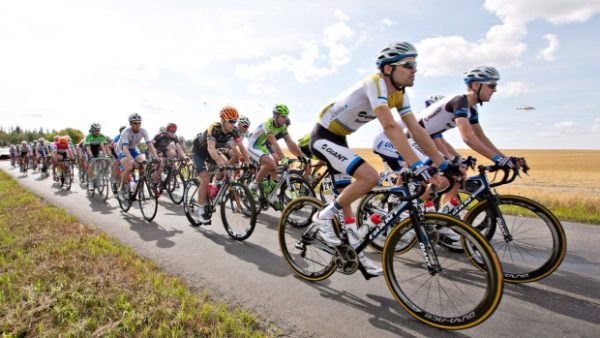
Road races are what you probably think of when you picture a bike race: a mass start on public or private roads, everyone aiming for the fastest time possible. Depending on the race, riders may be sorted into categories ranging from five (new racers) to one (just below professional). They can also vary in distance from a few miles to over 200. If you are entering a category race, be sure to enter into a suitable category. If it’s your first race, that doesn’t necessarily mean you should enter the slowest category. Try going out on a few group rides and gauge where you’re at in comparison to riders who have raced before.

Sportive

Whereas road races are very competitive, sportive events give riders a chance to be timed in a race-like setting, but with much less intensity. They are typically a longer distance, and are all about making it across the finish line in the best time for you. You could include Gran Fondos and Century Rides in this category as a marathon for cyclists. The riders at the front compete for the win, the riders in the middle go for a personal record, and the riders in the back aim to beat the cut-off time.

Criteriums

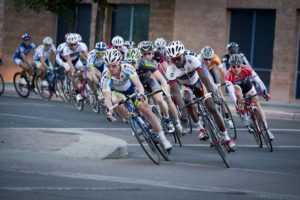
A criterium race (or crits, for short) are short, fast races held on closed loop courses usually between 0.5 and 2 miles in length. Crits differ from standard road races in that there is no fixed race distance. Instead, you race for a predetermined length of time…in most cases. As they are often a shorter duration then regular road races, crits are pretty much all-out from start to finish.

Cyclocross

Cyclocross is a type of race that occurs in a circuit of about 2.5-3.5km and consists of off-camber tracks on grass and dirt, sand pits, tight corners, stairs, and barriers.  The races take place in city parks and organizers line up tape and obstacles to create the courses.

Gravel Grinders

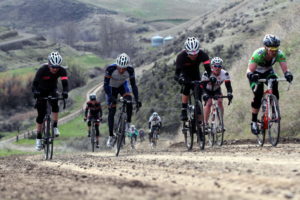
A gravel grinder is a race or ride that typically combines riding on a variety of surfaces including asphalt, gravel, dirt, and even some single track. As this niche has become increasingly popular over the last couple years, there are a ton of events to choose from. Distances vary from 50–150+ miles, and the routes themselves from hard packed dirt roads to rocky and rough terrain.

Step 2: Get the Right Gear

Unfortunately with cycling, a lot of it does come down to having the proper tools for the job. Unless you’re willing to invest in new gear, be sure to sign up for a race that you can do on your current setup. In addition to a bike, you’ll need a helmet, cycling shoes, a jersey and cycling shorts with a good chamois.

Step 3: Start Training

Signing up for a race is a great way to get motivated to start riding more. The number one piece of training advice is to spend a whole lot of time on your bike. Although the top riders will likely be putting in upwards of 20 hours a week on their bike, the key is frequency. Get used to riding your bike almost every day, then start adding in some longer distances (start with one long ride a week). You can also start adding some tempo and interval work into your training to improve your ability to ride faster for longer.

Step 4: Keep it Fun

Once the race day finally arrives, no matter how prepared you are, nerves are a completely normal thing to experience. Check out this “Race Day List” for more on what to expect from the day of. Don’t forget, as nervous and anxious as you might feel before the race, you will also be a euphoric ball of joy after the finish line! Don’t worry too much about your results in your first few races, but focus more on the overall experience–including the training. So go ahead and sign up for that big event, trust that the nervous pit in your stomach is a good thing, and have a great time building lifelong memories on two wheels.

How to Train Smarter (Not Longer!)

November 27, 2019 by Sarah Lauzé

Achieving better fitness with a limited schedule can be difficult. To get stronger within your time constraints, you must be exacting in your methods of both training and recovery. This is the best way to make the most of your time and effort. Here are some tips to help you train smarter and get faster.

Ride Hard

There is no sense in riding easy if you have only a few days per week to ride to improve your fitness. Three very hard days on the bike should get you passable fitness to get you through your local group rides. More than three very hard days on the bike could burn you out if you do not get a week of recovery every four weeks or so. A very hard day means blindingly hard, so hard that you probably want to quit, have tunnel vision or maybe even release your bowels in your chamois. If you have never tested this dark, dark place, now is the time to try it.

Interval TrainingHow To Improve Your Fitness Without Training More

Set out with a plan of specific intervals for your extra hard days. This way you cannot cheat or have the power fall off by the end of the ride, or if you do cheat, you will know it was blatant. High intensity interval training has proven to be quite effective in increasing fitness with short workouts. Remember the last paragraph; you must be prepared to really slay it on the bike to make the most of these workouts. Start with small sessions once or twice a week and build up.

Sleep

Without sleep, all of your hard training, all of the hours you suffered on the bike are for nought. Sleep is when you make your real gains. It is when your body compensates for the training stress you put it through and adapts to the load. It is always incredibly important, but if you are burning the candle at both ends with work, family and other obligations on top of training, quality (and large quantities) of sleep will keep you afloat in all aspects of life and let you make fitness gains.

Nutrition

Again, with the focused approach that is necessary when you are short on hours, your nutrition needs to be completely dialed too. You will not be doing huge volume, so you do not need large quantities of food, but you need to make sure you are getting the highest quality food. Good nutrition will fuel your workouts to the best of your ability along with fueling proper recovery.

When you are pulled in many directions, it is easy to fall into a routine of quick and dirty food. If you want those fitness gains bad enough, you will need to figure out a way to get the best nutrition possible. It will make every pedal stroke that much better and mean that much more in the long run.

Drink lots of water (with electrolytes, not purified water, whether it is distilled or reverse osmosis) to keep your blood viscous and flowing. It will deliver nutrients to your muscles more freely and keep your heart’s work to a minimum.

Cross TrainingHow To Improve Your Fitness Without Training More

With limited time, sometimes a full training ride is difficult to squeeze in. On those days, cross training may be a quick way to maintain fitness that you are trying to hold onto or increase. If you can keep it cycling specific, whether it is in the weight room, skating or nordic skiing, that is great. If you have other activities that fit into your schedule, like running, that is fine too, although it will not have as much of a positive impact on your cycling musculature.

Recover Hard

Recovery should be happening whenever you are not training, although that is probably a stretch when you have a busy life. When you are recovering, do it full on. Get your feet up, keep hydrated, eat well and keep the external stress down. An additional recovery tactic is compression gear. You can wear it when you are at work under your normal work clothes.

If your time is limited and you want to make fitness gains, everything you do has to be full-on: your riding, your sleep, your nutrition and your recovery. Make it a routine that works and you will make the most of your time.

The Best Indoor Bike Trainers

November 26, 2019 by Sarah Lauzé

Depending on where you live, your rides outside may be numbered. As much as we may go in with the the intention to tackle winter riding with vigor, when it’s dark and cold it can be tough to bundle up and get out there. Riding inside is a great way to not only keep up your fitness level, but it’s a great opportunity to focus on specific aspects of your technique and push for some improvements. There are a lot of options out there when it comes to indoor bike trainers, so this guide will take you through the different options and some of the best of each category.

Types of Bike Trainers

Trainer

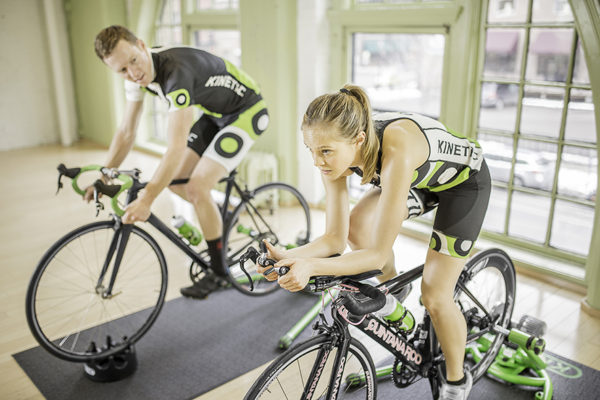
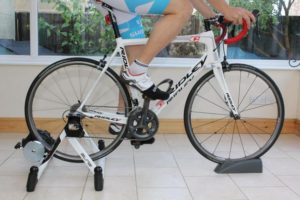
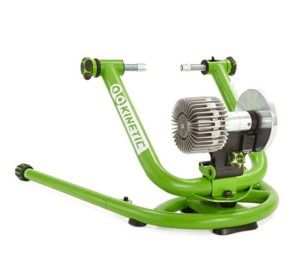
A trainer is a stand that holds your bike in one place via the rear axle and has a spindle that is pressed against the tire transferring resistance. With your bike locked in place you can easily look away from the bike to an entertainment device as opposed to rollers (discussed below). Trainers come in three main kinds that are differentiated by how they apply resistance to the wheel.

– Fluid Trainer

A fluid trainer uses, you guessed it, fluid inside a drum that is attached to a spindle that the tire rests on to create resistance. Fluid trainers apply the most even resistance to the wheel while also being relatively quiet. The resistance level in a fluid trainer goes up in an exponential fashion the harder you pedal.

– Wind Trainer

Wind trainers use a fan that is designed to catch wind as it turns to create resistance. This is then attached to a spindle which rests on your rear wheel like that of a fluid trainer. Because the fan is cutting through the air to create resistance, they are loud. With stationary riding however, it can be quite hot due to the lack of wind across your body but wind trainers often direct the breeze toward you creating a bit of a cooling effect. The resistance level with wind trainers does go up the harder you pedal but not to the extent of fluid trainers.

– Magnetic Trainer

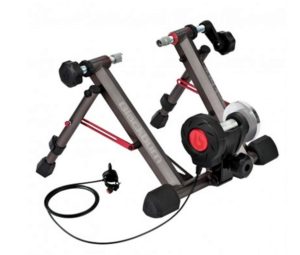
Magnetic trainers use magnets to place resistance on the spindle. Most magnetic trainers have an adjustment that allows you to vary the resistance level while riding. Magnetic trainers can vary widely in the amount of resistance they can give but a decent one will give you plenty of leg searing resistance.

– Wheel-less

One drawback to all of the trainers above is that the resistance is placed on the tire which causes the tire to wear down rather quickly. Many riders use old tires that are only ridden on a trainer, but if you’re frequently switching between riding inside and out, changing a tire all the time can get old. Fortunately there is a new style of trainer out there that doesn’t use a rear wheel. The trainer has a cassette that is attached to the stand that your bike is locked into which provides the resistance. Many cyclocross riders opt for this one as it eliminates the need for a trainer-only wheel to warm up on.

Rollers

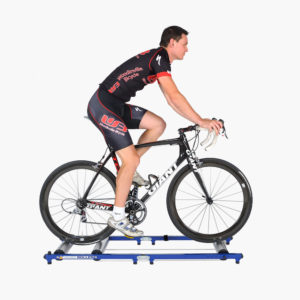
Another device for indoor riding is rollers. These use three drums, one under your front wheel and two under your rear which your wheels rest on and rotate while riding. The centrifugal force of the wheels rotating keeps you balanced much like riding down the road. Riding the rollers does take a bit of practice as it requires balance and focus to stay upright, but once you’ve adapted it’s quite easy and much more enjoyable than riding the trainer which requires pretty much no focus to ride.
– Resistance

Rollers come in a variety of sizes of drums which dictates how much resistance there is on the rear wheel. The smaller the drum, the higher the resistance. However, some rollers come with resistance that can be added, most often in the form of magnets on the side of one of the drums.

– Free Motion Rollers

By far the best indoor riding device are free motion rollers which are rollers that are attached to a stand which allows them to glide forward and back with your riding via bearings. Free motion rollers allow the bike to move not only side to side as you ride but also forward and back allowing you to get out of the saddle as well as making it feel like you are riding down the road. They also have variable resistance with a magnet attached to one of the drums.

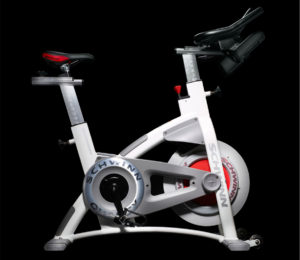
Stationary Bikes

A final option for indoor riding is a stationary bike. These bikes are made to only be ridden in place. If you ride inside a lot and don’t move your setup, this can be a good option provided you place a similar saddle and the same pedals on it as well as have the position the same as your normal bike. These can save your bike from the stresses placed on your frame by a trainer as well as running through tires on both a trainer and road bike. The down side is it’s a bike only to be ridden indoors.

The Best Indoor Bike Trainers

Fluid Trainer – Kinetic Rock and Roll Trainer

Price: $569

Kinetic is one of the most popular best sellers in the market, and with good reason. The cost upfront may seem daunting, but the high-quality and ease of use makes their trainers well worth the investment. The Rock and Roll trainer gives a more realistic ride than most others, making it unique, and it’s compatible with almost all bikes. It’s quiet, smooth, and features a fluid resistance unit. It also works with Bluetooth compatible smart phones, tablet, and laptops so you can use Kinetic Fit, Zwift or TrainerRoad.

Magnetic Trainer – Blackburn Tech Mag Race Trainer

Price: $109

The Blackburn Tech Mag Race Trainer is the perfect example of a great tool for the job at an affordable price. It’s small foldable design makes it easy to transport and store, and it has a surprisingly smooth road-like feel. The magnetic resistance system is controlled via a handlebar- mounted lever, making it quick and convenient. The adjustable legs also make it so you don’t really need to raise the front wheel. This trainer will work for both road and mountain bikes.

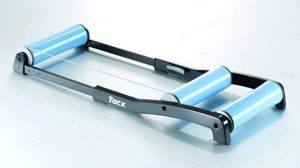
Rollers – Tacx Antares Rollers

Price: $218

The Tacx Antares Rollers are loved for the conical shape of the drums, ensuring your bike always remains in the middle of the roller (making it both easier to ride and safer). They also sell a support stand that clasps your front wheel, and can be a great toll to get used to the feeling of riding on rollers.

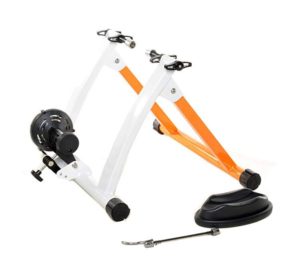
Budget Friendly Trainer – Conquer Portable Bike Trainer

Price: $59

For the casual cyclist looking to keep up a base over the winter, the Conquer Portable Bike Trainer gives you a lot of bang for you buck. It’s simple to set up and operate, and takes up very little space (perfect for apartment dwellers). The heavy duty frame and overall stability of the ride makes it a great option for beginners. It features magnetic resistance, and requires a bike with a rear quick release wheel.

The Best Gifts for Mountain Bikers

November 22, 2019 by Sarah Lauzé

It’s coming up to that time of year, and last minute gifts can be tough (cut to me wandering around a crowded mall like a lost puppy), so why not go with something that is both fun and useful? If you have a road cyclist on your list, check out our Top 10 Gifts for Cyclists, but for the mountain bikers, it may look a little different. Mountain bikers are hard on their gear, between beating it up on the trail, then scrubbing the dirt out of everything afterwards, which makes upgrades and replacements the perfect gift. Here’s some of the best gifts for mountain bikers.

10 Best Gifts for Mountain Bikers

Dynaplug Racer

Punctures are a part of the sport, so fixing them is a necessary evil. The Dynaplug Racer is the newest repair tool for tubeless bike tires. All you have to do is locate the hole, asses the size, and then use either the Megaplug end, or the standard plug for smaller punctures. It leaves behind a sticky rubber substance to give the sealant something to weld to. It’s quick, easy, and a great gift for any tubeless rider.

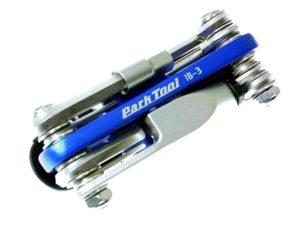
Park Tool IB-3 I-Beam Multi-Tool

The best thing short of a mobile mechanic, the Park Tool IB-3 has everything you need for most trailside emergencies. Eight hex wrenches, a T25 Torx driver, flat-blade screwdriver, chain tool compatible up to 12 speed, tire lever, box wrench and spoke wrenches.

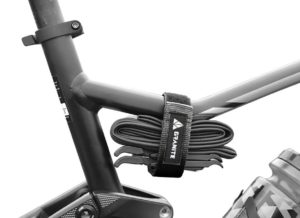
Granite Rockband Carrier Strap

A lot of mountain bikers are ditching hydration packs in favor of water bottles and on-bike storage. The Granite Rockband Carrier Strap is pretty self explanatory, as it is a great alternative for those who want to have a multi-tool and spare tubes on hand, but don’t want to ride with a backpack.

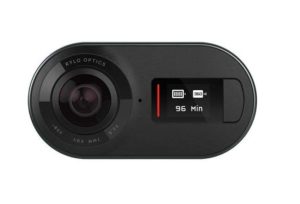
Rylo 360 Video Camera

Rylo is a powerful little 360° camera that allows anybody to create stunning videos. This camera captures everything around you in 5.8K resolution with breakthrough stabilization- perfect for capturing some beautiful single track. When they’re done shooting, they can connect to the app and edit the video right there on their smartphone.

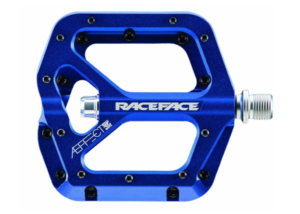
Race Face Aeffect Bike Pedal

The Race Face AEffect Pedals are strong, light and offer the best of both looks and performance. The chromyl axle and bottom loading hex traction pins can take a beating, making them perfect for trail and downhill riders alike.

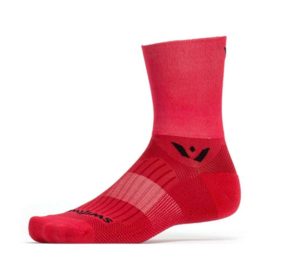
Cycling Socks (Yes, socks)

Socks may seem like a lame gift, but the mountain biker on your list will be stoked! Check out some Swiftwick socks to keep their feet comfortable and dry no matter what the conditions.

Big Blue Book of Bicycle Repair

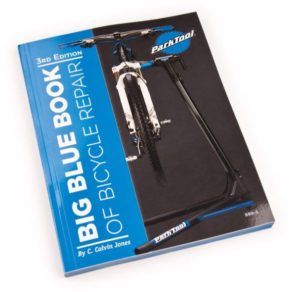
Save them some money with this great resource. The Big Blue Book of Bicycle Repair addresses the most advanced materials and technologies used in today’s bicycles. Each job is carefully explained in a way that makes sense to a novice mechanic. Each repair or maintenance project has easy to follow steps, complete with photographs, examples and helpful tips.

Custom stem cap

Bring some style to their bike with a custom stem cap. You could get something made just for them, or choose from one of the many fun ones available on Amazon.

100% Brisker Gloves

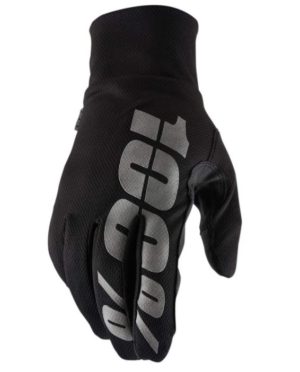
Perfect for those cooler days, the 100% Brisker Glove has an insulated top layer with a thin synthetic leather palm. This keeps the hands nice and warm, while not compromising grip and hand function while riding.

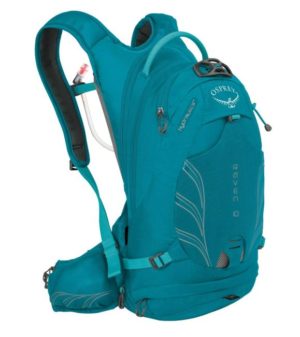
Osprey Raptor (Men’s) and Raven (Women’s) Hydration Packs

Made for rugged single track, Osprey hydration packs are known for their bio stretch harness and comfortable connection to the body. The design reduces liquid movement so you’re not sloshing your way down the trail. There’s plenty of room for snacks, tools, and a helmet carry system when you’re off your bike.


Tips for Cycling in Cold Weather

November 7, 2019 by Wade Shaddy

Pro cyclists know that the coming of winter is not the end of the cycling season — it’s the beginning. If you leave your bike in the garage all winter, say goodbye to hard-earned summer muscle. The riding you do between November and March preserves and builds both your fitness and mental toughness.

Some argue that stationary bikes keep you in shape, and that’s probably true, but they’re boring. Even if you manage to knock out a few sessions at first, it’s likely you’ll abandon it after the first few weeks anyway. Outdoor cycling is more fun (check out fat biking), and you’ll maintain your fitness both mentally and physically if you ride outside during cold weather.

Cycling in Cold Weather

Reasons to Cycle in Cold Weather

Reasons to cycle during cold winter months aren’t isolated to fitness. Cycling outside includes benefits that come from battling the elements. Cold weather cycling builds skills, toughens you up and offers peace and solitude, just to mention a few.

Skill BuilderCycling in Cold Weather

Navigating on ice, snow or water-soaked pavement requires more skill. High-pressure road bike tires have little or no tread — they’re not designed for slick conditions. Even the slightest wobble on wet pavement can cause you to go down. Skills you gain through the winter transfer to your bike handling skills during summer months.

Ice and Snow

Riding road bikes on wet pavement is one thing, but leave your road bike in the garage if roads are snow covered or icy. Riding on snow and ice is just too dicey on a road bike. Get out your mountain bike. If you don’t have a mountain bike, get one. Mountain bikes are tougher and more stable than delicate road bikes, and can take more punishment. Riding on snow and ice can also be risky on a mountain bike, but the difference between a fat tire with knobs, and the slick minimalist road bike tire is infinitesimal. Mountain bike tires grip and hold where road bike tires spin and fail. You haven’t lived until you’ve left bicycle tracks on fresh snow with a mountain bike.

It’s Not as Bad as it Looks (with the right gear)

Sitting in the warm house with coffee or hot chocolate, looking out the window is a motivation killer. But the weather is never as bad as it looks from your easy chair. Most pros regard anything above 50 degrees as warm weather riding conditions. With all the cold weather riding gear available, there’s no excuse to not ride outside, keeping warm is easy, and not something you should be afraid of.

Sitting and thinking about what you might need to stay warm outside is another motivation killer. It takes time to find everything and put it on, get your bike ready and so-on. Place all your gear in a single location. Helmet, gloves, shoes, undergear and outergear. If you assemble everything, and keep it ready in one spot, the task is simple. You don’t have to go to the closet, find one thing, go to a different spot, find something else. It might seem insignificant, but it matters. Once you go through the procedure a few time, you’ll understand. And don’t worry about wearing the same outergear multiple times. If it’s not soaked with sweat, it’s good to go. Use your own personal hygiene routine as a guide, cyclists are all different. Some sweat profusely, others don’t.

Cycling in Cold Weather

A Look at Gear

It’s typical to overdress for a cold-weather ride. It feels good the first few miles, but once your core heats up, you’ll likely be too hot. You’re probably sick of hearing it, but layering is the key, light layers that you can vent or remove. In most instances a light, long-sleeved thermal, followed by a long-sleeved cycling jersey with a hood — you might have to look around for one of these — but they’re worth their weight in gold. Top the jersey off with a nylon or semi-waterproof windbreaker with a turtle neck — this too may be hard to find, but once you’ve went turtleneck in cold weather, you’ll never go back.

Skin Exposure

Riding gear should seal around the neck and sleeves. Before you buy it, make sure it’s long enough in the sleeve, so that when you get down in the drops, it doesn’t pull up and expose your wrists. Nothing is more annoying than a patch of open skin between your gloves and windbreaker.

Ears, Fingers and Toes

It’s relatively easy to keep your torso warm, but if your hands, fingers or feet get cold, you’ll want to abandon your ride. Almost any glove will do, but test fit and check out some of the best to make sure you can still brake and shift accurately. Ears are another issue. The hooded jersey is the answer. Never leave your ears without some type of cover. Stocking caps are doable, but they often prevent the proper fit of your helmet. The thin fabric of the hooded jersey fits nicely under your helmet.

Cycling in Cold Weather

Doing the miles in rain, cold, wind or snow toughens you up. You’ll experience colder tolerance levels each time you ride in weather below 50-degrees. If you need inspiration, cyclists who compete in the Iditarod race offer it. Billed as the Last Greatest Race on Earth, the Iditarod is a 1,000 miles over the rugged Alaska mountain range in temperatures exceeding minus 20-degrees Fahrenheit. Cyclists are out there 20 days or more, in the snow and ice, all by themselves. Just thinking about them should get you off the couch. The Iditarod isn’t for everybody, but it’s a perfect example of human endurance, and the fact that cold weather won’t kill you if you’re prepared for it.

Warm and cozy clothing, a deserted stretch of highway, the stillness of winter (especially if it’s snowing) add up to peace and quiet that you’ve never experienced before, it can do as much for your head as your heart. Winter cycling is a sport that the majority of weekend cyclists might not consider, but if you’re a true cyclist, you won’t let cold weather keep you from enjoying your sport.

Knee Stretches for Cyclists

October 25, 2019 by Sarah Lauzé

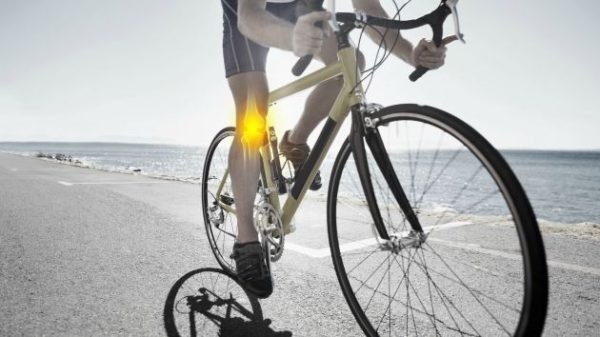
Knee pain is one of the most common injuries among athletes. In fact, a 2010 study of professional cyclists found that knee pain was the cause for over half of the time spent off the bike. As one of the most complex joints in the body, it makes sense that it’s often one of the first places we experience pain. That being said, it is always better to try and prevent a problem then it is to deal with it. Knee stretches for cyclists can help keep all the components in the knee remain flexible and in place.

Pedaling requires work from the quads to straighten the knee and push the pedal forward and downward with enough power to propel the bike forward. In addition, the IT band contributes to that same movement, although less intensively. These efforts, although low-impact, can lead to problems with knee pain. Tendinitis of the kneecap can be a painful condition, causing you to lose power in your pedal stroke and even keep you off your bike. Stretching these muscles can both prevent and treat these issues, resulting in a healthy, flexible range of motion.

Many cyclists think knee pain means taking time away from the bike and resting up, but that’s not necessarily true. It could be caused by something as simple as a saddle adjustment or new cleats. So, if you’re experiencing knee pain, figure out what it may be stemming from and adjust your training accordingly. To help in recovery, and to prevent further knee pain, try stretching the muscles surrounding the knee on a regular basis.

The Anatomy of the Knee

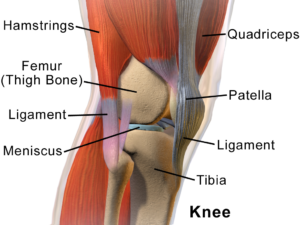
The first step to preventing knee pain is to understand how the joint works, and what can go wrong. In simplified terms, the knee is a hinge with the quadriceps pulling the knee straight, and the hamstrings bending it. The iliotibial band (ITB) runs down the outside of the thigh and into the outside of the knee, connected at the other end to the glutes and hip flexors. The patella (kneecap) acts as a hinge and a connection point between it all.

To understand knee pain it is helpful to have a basic idea of what lies beneath the skin. In simplistic terms, think of the knee joint as a hinge where the quadriceps muscles pull the knee straight and the hamstring muscles bend the knee. The quadriceps run from the front of the femur (thigh bone) to the patella (knee cap). The patella acts as a pulley to increase the force generated by quadriceps which creates a greater torque on the tibia (shin bone).

To make matters more complicated,  the ITB runs down the outside of the thigh and blends into the outside of the knee. ITB stands for iliotibial band and is a well known potential source of trouble for cyclists, runners and active people in general. The ITB is also attached to your gluteals (buttock muscles) and a hip flexors. Often when looking for the source of knee pain we have to pay close attention to hip flexibility and control.

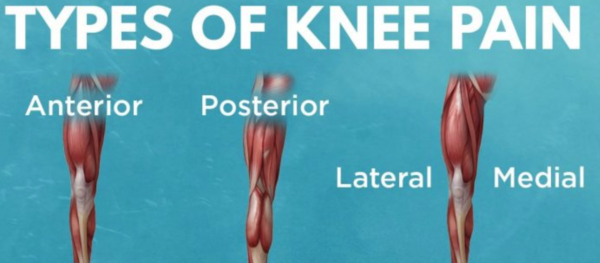
Types of Knee Pain

Knee pain can show up in a variety of forms and for different reasons. These are some of the main types and common causes:

1. Anterior Knee Pain

Anterior knee pain is at the front of the knee, on and around the kneecap (patella). It is most commonly caused by overuse. The quads are attached to the shin via the kneecap so each time you pedal, forces are transmitted across the joint, essentially squishing it against the thigh bone. The part of the tendon attached to the kneecap can become inflamed and sore to the touch. Often referred to as ‘runner’s knee,’ it can happen to cyclists as well.

2. Posterior Knee Pain

The fair less common posterior knee pain shows up behind the knee and is usually a more simple diagnosis. Overextending the knee, with a saddle that is too high or too far back, causes posterior knee pain in most cases, so make sure your saddle is the proper height and adjustment for you.

3. Medial & Lateral Knee Pain

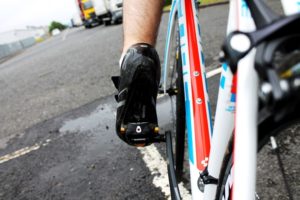
Pain located at the sides of knee in the collateral ligaments is most commonly caused by the feet. In cycling, this would come down to your cycling shoes or the position of the cleat. How far apart your feet are positioned can stress one of the collaterals, causing medial or lateral knee pain during or after a ride.

4. Iliotibial Band (IT Band) Syndrome

The IT band, running along the outside of the thigh from the pelvis to just below the knee, is a thick strap of tissue that can often become tight or inflamed. This is usually caused by over use, weakness of the gluteus medius muscle, or cleat placement. If the IT band has become inflamed, then rest and ice are in order. If it is tight and sore, then regular stretching and rolling will be your best course of action.

What can cause knee pain?

Although cycling is a low impact sport, too much of anything can lead to stress and strain on the body. Pedalling is a repetitive motion with the constant bending and extending motions flexing the knees and hips. Naturally, with overuse these are the most common sites of chronic-use injury.

Too much too soon

The number one cause of knee pain with cyclists is going too hard or far too soon. It is great to challenge yourself, but going further than your ligaments and muscles can handle will only hinder you progress. Endurance is something that is built up over time, conditioning your muscles over miles and hours. Ligaments take even longer to develop than muscles, with issues often arising from tightness or inflamation.

Improper bike fitThe Types of Knee Pain from Cycling

The little adjustments you can make to your bike can make all the difference when it comes to addressing or avoiding knee pain. The height and position of your saddle and the placement of cleats on the bottoms of your cycling shoes can cause or help avoid knee pain, depending on how well they are adjusted for you.

Not Enough Stretching

Flexibility or lack of, is a cyclists nemesis. Eventually if you do not stretch or roll your muscles will tighten so much that you will have difficulty walking never mind riding. Make sure to do stretches that especially focus on the muscles surrounding the knee (see below).

4 Best Stretches for Cyclists to Treat Knee Pain

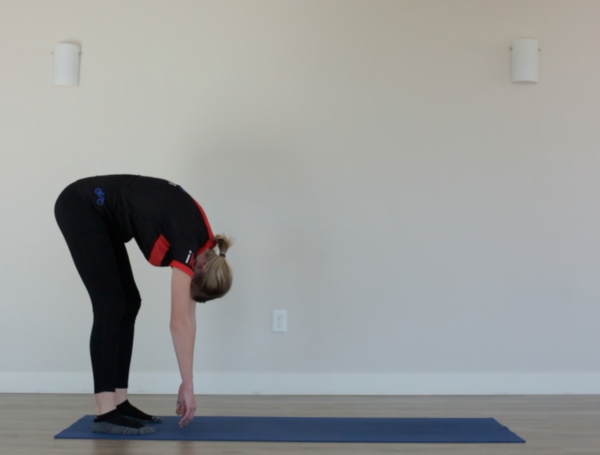
Bilateral Hamstring Stretch

This stretch is effective for all cyclists because of the involvement of the knee flexor muscles in the repetitive pedaling motion. It is also great for those who experience discomfort in the inner or outer face of the knee, which likely originates at the insertion of the hamstring.

Stand with you feet shoulder width apart and slowly bend at your hips towards the floor. Let your arms hang, or place them on the floor if you can. Your knees should be straight, but not overextended or locked  out. You should feel the stretch in your hamstrings and along the back of the knees.

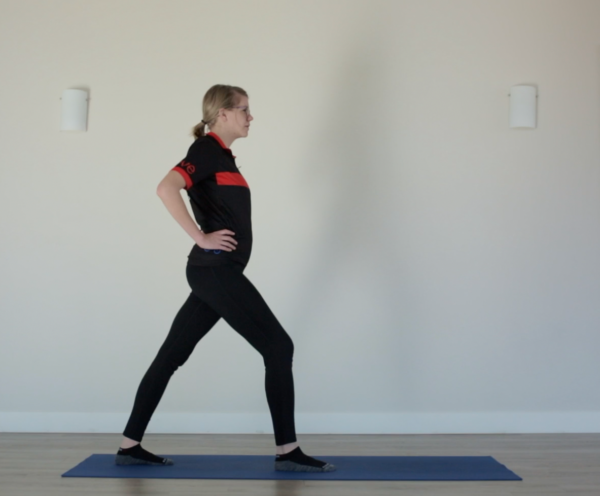
Lunge with Ankle Flex

If you feel tension or strain in your calves, Achilles tendon, or the back of the knee then this is an important stretch.

Stand with your hands on your waist, one leg slightly in front of the other, with your knees straight looking ahead. Slowly lunge forward with the front foot, keeping your rear foot in its original position. Both feet should be making full contact with the floor, including the heel. As your center of gravity moves forward and downward, the rear ankle will act as an anchor and increase the stretch.

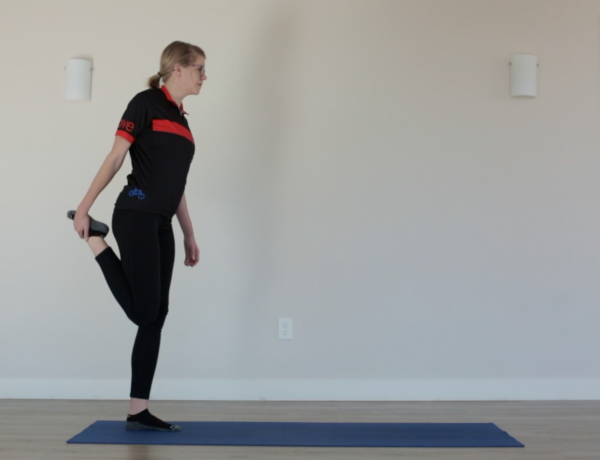
Flamingo Position

Because of the involvement of the knee extensor muscles in the pedaling motion, the flamingo position is a great stretch to relieve discomfort in the quads and patellar tendons.

Use a chair or wall the steady yourself, and raise one foot by bending your knee. As you hold the front of your ankle, slowly pull it upwards and gently push your hips forward. As the hip extension increases, you will feel the stretch in the front of the thigh.

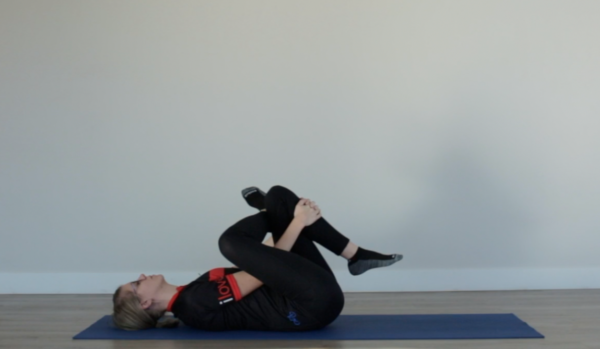
Figure Four

Stretching the muscles that rotate the hips, specifically the glutes and piriformis, can have a positive effect on the knees. As mentioned previously, each segment of the leg is connected, and each area can have a domino effect, especially through the knee.

Lie on your back with your neck relaxed and head resting on the floor. Cross your right ankle over the other and place your hands on your left thigh, pulling your legs towards you in a figure four position. Slowly pull on your leg to increase the stretch, feeling it in your glute and hip. Repeat with the left side.

As cyclists, we know how hard it is to stick to a stretching routine. We all want to spend more time on our bike, but maintaining a healthy range of motion and flexibility will, in the long run, keep you on the bike without injury. That’s why we’ve partnered with Dynamic Cyclist to bring you a stretching and strength program that is easy to follow, and is geared towards cyclists. They’re offering our readers a free 7 day trial, just click the link below to get started.


« Previous Page
Next Page »
  • Facebook
  • Tumblr
  • Twitter

Latest Articles

JOIN Cycling: A New Training Platform for Cyclists

May 27, 2024 By Eric Lister

cold exposure

The Benefits of Cold Exposure for Cycling & Life

June 13, 2023 By Eric Lister

hill climb

The Ultimate Hill Climb Training Guide

May 31, 2023 By Eric Lister

shoulder pain cycling

How to Treat & Avoid Shoulder Pain While Cycling

April 12, 2023 By Eric Lister

psoas stretch

The Importance of the Psoas Stretch for Cyclists

April 6, 2023 By Eric Lister

cycling neck pain

The Ultimate Guide to Cycling Neck Pain: Causes and Solutions

March 21, 2023 By Eric Lister

Useful Info

  • Contact
  • Finally, A Global Cycling Club That Is Focused On Community And Love Of Cycling!
  • Privacy Policy
  • Share Your Story!
  • Terms And Conditions Of Use
  • Welcome to I Love Bicycling
  • What Happened When I Stretched Every Day For a Month

Recent Posts

  • JOIN Cycling: A New Training Platform for Cyclists
  • How to Hang Bikes in Your Garage: 4 Inexpensive Options
  • Gravel Bike Vs. Road Bike: Which One Is Better For You?
  • The 6 Types of Mountain Bikes & How to Choose the Best One for You
  • What Is a Touring Bike Good For? 5 Benefits We Know You’ll Love

Search I Love Bicycling

Connect with Us

  • Facebook
  • RSS
  • Tumblr
  • Twitter

Copyright © 2026 · Magazine Pro Theme on Genesis Framework · WordPress · Log in