• Training
    • Injury Prevention
    • Training Tips
  • How To
    • Bike Fit
    • Gear
  • Nutrition
    • Nutrition Tips
    • Weight Loss
  • Repair
  • Reviews
  • Stories
    • Funny Stories
    • Jokes
    • Quotes
    • Videos
    • Funny Videos

I Love Bicycling

I Love Bicycling is a website that is geared towards cycling for beginners with road cycling tips, training articles, nutrition tips, weight loss, how to’s and bike repair articles.

How To

  • Bike Fit
  • Gear

Stretches You Can Do At Your Desk

April 12, 2018 by Sarah Lauzé

As cyclists and as human beings, our bodies are meant to be moving. With the integration of technology into almost every area of work, there are more and more of us sitting at a computer for 40 hours a week. So we ride to and from work, walk to get groceries, and head out for long rides on the weekend as a way of offsetting the desk chair. The bad news is – this may not be enough to counteract an entire workday of sitting. Incorporating stretches you can do at your desk into your day-to-day routine can help reduce the risks of a sedentary lifestyle.

In addition to this problem, as cyclists we develop a selection of major muscles through time in the saddle, but there are other that remain underdeveloped. Opposing muscle groups are not often moved through their full range of motion, which can cause muscle imbalance. Regular stretching for cyclists, even if it’s brief, can help balance posture and reduce stiffness and soreness.
Stretches You Can Do At Your Desk

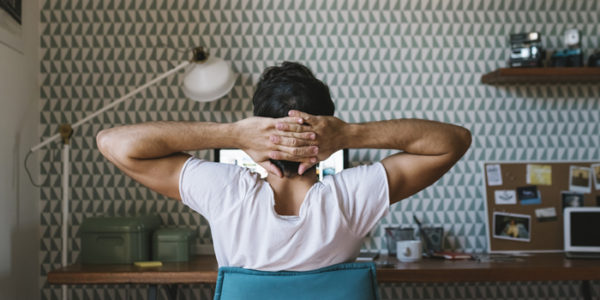
Ideally, you should stand up from your chair every 20 minutes. If you have a standing desk, raising it up at different intervals can help combat the risk of a sedentary lifestyle. Getting up to go to the bathroom, grab a coffee, walk to a meeting, or head out for lunch are all great, so you just have to target those sections of your day where you are not getting as much relief. You don’t have to stop working, run a lap of the office and drop down into downward dog. Even simple stretches at your desk can help get blood flowing and wake up your muscles. Here are some of the most effective stretches you can do at your desk.

Stretches You Can Do At Your Desk

Stand up and sit down

Okay, so it’s not exactly a stretch, but the simple act of standing up and down does wonders! Plus, you can do it while you’re on the phone and no one will ever know.

Shoulder Shrug
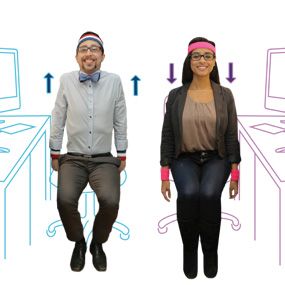
Inhale deeply and shrug your shoulders up towards your ears like you’re saying “I don’t know.” Hold, then release and drop them back down slowly. Repeat 3-5 times.

Torso Twist

While sitting, turn your upper body to the right and grab the back of your chair with your right hand, holding the arm of the chair with your left arm. Turn your head as far the right as you can, feeling a stretch in your spine, abs, and neck. Hold for 15 seconds. Slowly come back to face forward, and repeat with the left side.
Leg Extensions

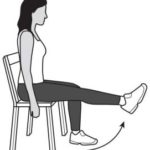
Brace your upper body and raise your legs up one at a time so they parallel to the floor. Depending on your desk set up and how much leg room your have, you may even be able to do this under your desk. Holding your leg our in front of you, point and flex your toes forward 5 times. Release and repeat with the other leg. Repeat as many times as you want!

Give yourself a hug

Not only does this stretch feel great, but you get to give yourself a much deserved hug. Place your hands on the opposite shoulders, breathing in and out slowly. You should feel a stretch between you shoulder blades.

Raise Your Hands

Sit up tall in your chair, stretching your arms overhead and interlocking your fingers. Turn your palms toward the ceiling as you left your chin and tilt you head back, looking up at the ceiling. Take a few breaths here before releasing.

Leg Crossover
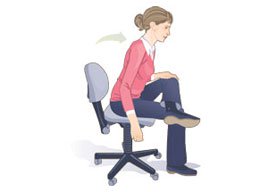
Sit on the front edge of you chair, with your thighs parallel to the floor and feet below your knees. Lift your right foot and place it over your left thigh, ensuring the ankle clears the leg. Your right shin should be parallel to the ground, feeling a stretch in your hip flexor. To deepen the stretch, hinge at the hops and tilt your torso forward, keeping your back straight. Hold for 30 seconds, and repeat with the left side.

You don’t need to sign up for daily yoga classes or commit a ton of time to stretching, but even a little bit can go a long way in keeping you injury free and feeling your best. Start with 10 minutes a day, 4-5 times a week and you will start seeing and feeling the results. If you want a more intensive stretching program for cyclists, check out stretching routines for cyclists by Dynamic Cyclist. They have daily, easy to follow stretching videos designed specifically for and by cyclists. Spend less time thinking about how and what to stretch, and more time in the saddle!
How to Measure a Bike Frame

March 24, 2018 by Corey Davis

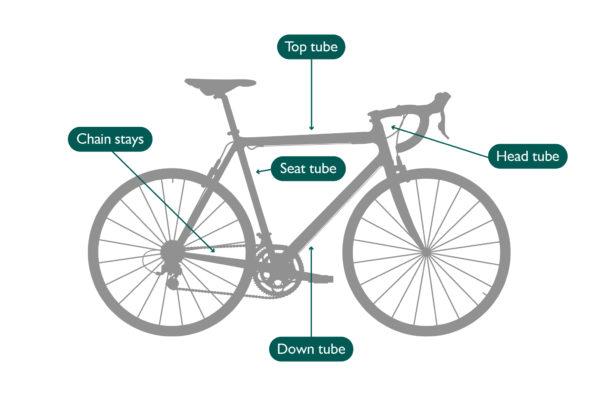
Before purchasing the most expensive bike on the Internet or in a bike shop, it is important to understand how to measure a bike frame and what the frame size is. Obviously there are many different types of bikes you can purchase, but the basic measuring system is pretty universal. Mountain bikes may be sized small through large, or 21 inches, for example. Road bikes are typically always measured in centimeters such as 52cm or 56cm. For this article, the type of bike is irrelevant for how we are going to determine how to measure a bike frame correctly. With every bike there is a geometry sheet that will give the exact measurements of everything from the top tube length to the seat tube angle. These can be a blur if you don’t know what they mean and what to look for.

How to Measure a Bike Frame

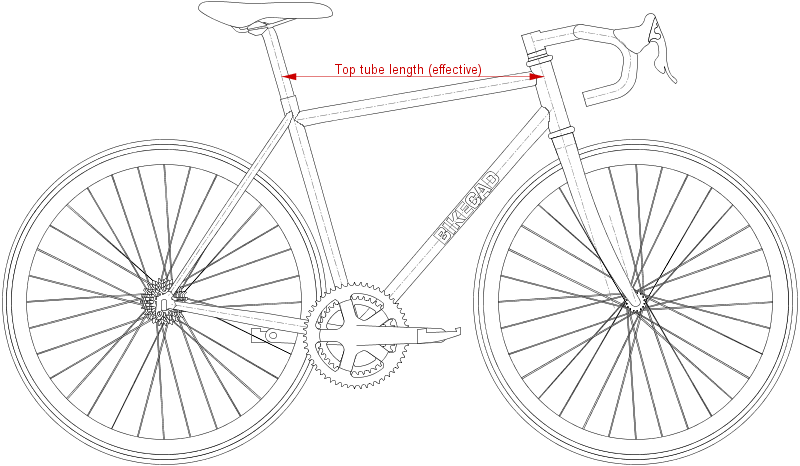
Measuring Top Tube Length (Effective Top Tube Length)

This is the part of carbon fiber or aluminum that runs from the seat post tube to the head tube. In layman terms, it is the part below your chest when stretched out across the bike. On older bikes with a top tube parallel to the ground, the correct way to measure was from the centers of the head and seat tube. With a lot of today’s bikes featuring a sloping top tube, you need to measure from the center of the head tube straight back, parallel to the ground, to the center of the seat tube.

Effective Top Tube Length

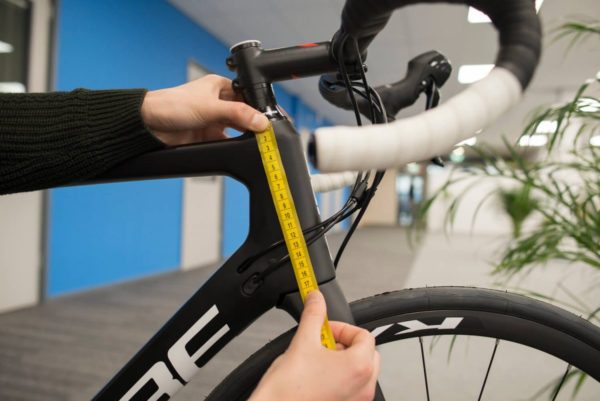
Measuring Seat Tube Length

The seat tube is the part where the seat post meets the frame and runs down to the bottom bracket. To measure the seat tube length, measure from the center of the bottom bracket along the center of the seat tube, to the top. Some manufactures stop at the very top above the seat post clamp while others stop below. This measurement is typically taken in centimeters for road bikes.

Measuring Head Tube Length

This is the front, closer to vertical tube on the front of your bike. It’s what the fork is inserted through. Head tube length is one of the less important measurements when fitting a bike, but is something to be considered for how aggressive of a riding style you plan to have. This is an easy measurement as it’s from the top, straight to the bottom.

Head Tube Angle

You probably won’t need to measure the head tube angle, but it’s good to know what it is. The head tube angle effects the steering and handling of the bike. As you can see in the image above, the head tube angle is the inside angle created with the ground. A steeper head tube angle (closer to 90 degrees) gives you a more aggressive and responsive bike. A lesser angle gives you a more relaxed ride; think beach cruiser.

Seat Tube Angle

Seat tube angle is another one that you probably won’t measure yourself but is also good to know. Again, in the image above, you can see that it’s the inside angle that is created with the seat tube and the ground. A steeper angle will be more on a time trial bike or aggressive road bike while a more relaxed angle is for a more relaxed bike.

The Importance of Knowing How to Measure a Bike Frame

Knowing how to measure a bike frame, and what the significance of each measurement is, will help you in finding the right type and size of bike for you be it a road bike, mountain bike, or bike for commuting around town. A professional bike fit is always a good idea as well. It’s hard to put a monetary value on being comfortable on a bike, but riding and being uncomfortable is only going to lead to riding less to not at all because it’s not enjoyable. A good fit will have you as comfortable as if you were walking down the street.

How To Use A Bike Pump

March 17, 2018 by Adam Farabaugh

New gadgets and toys often come with manuals but who actually opens them up let alone reads them? A bike pump seems simple enough to operate but not knowing how to use a bike pump is something that may have you flustered.

how to use a bike pump

Knowing How To Use A Bike Pump

Typically you find out that you don’t know how to do something when you precisely need to do that something. Knowing how to use a bike pump before you actually need to use it can be a headache saver but some of you likely found your way here to this article because you need to do that something right now; pump up your tires.

The Types of Bike Pumps

First, you need to know what kind of bike pump you have. Trying to pump up your tires with your feet holding the bottom of one pump won’t work too well with another. You will also need to know what type of pump head you have and how it works.

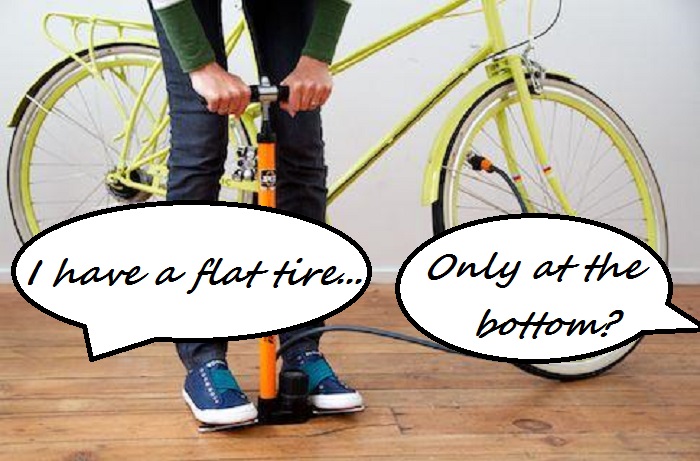
Floor Pump

A floor pump, as pictured above, is a pump you will likely leave at home or maybe in the back of your car. This is a tall pump that is held in place by placing you feet on the bottom of the stand.

Frame Pump

A frame pump is a long, slender pump that fits along the top tube on your bike to pump up your flat tire while out on a ride. It’s advantages over the below pumps are that it requires a lot less strokes and can reach a higher pressure; important if you’re on a road bike.

Hand Pump

A regular hand pump is small enough to fit in a jersey pocket or perhaps yours came with a mount that attaches next to your bottle cage. These ones are handy while out on the road but less than ideal if you’re using it to pump your tires up at home every few days.

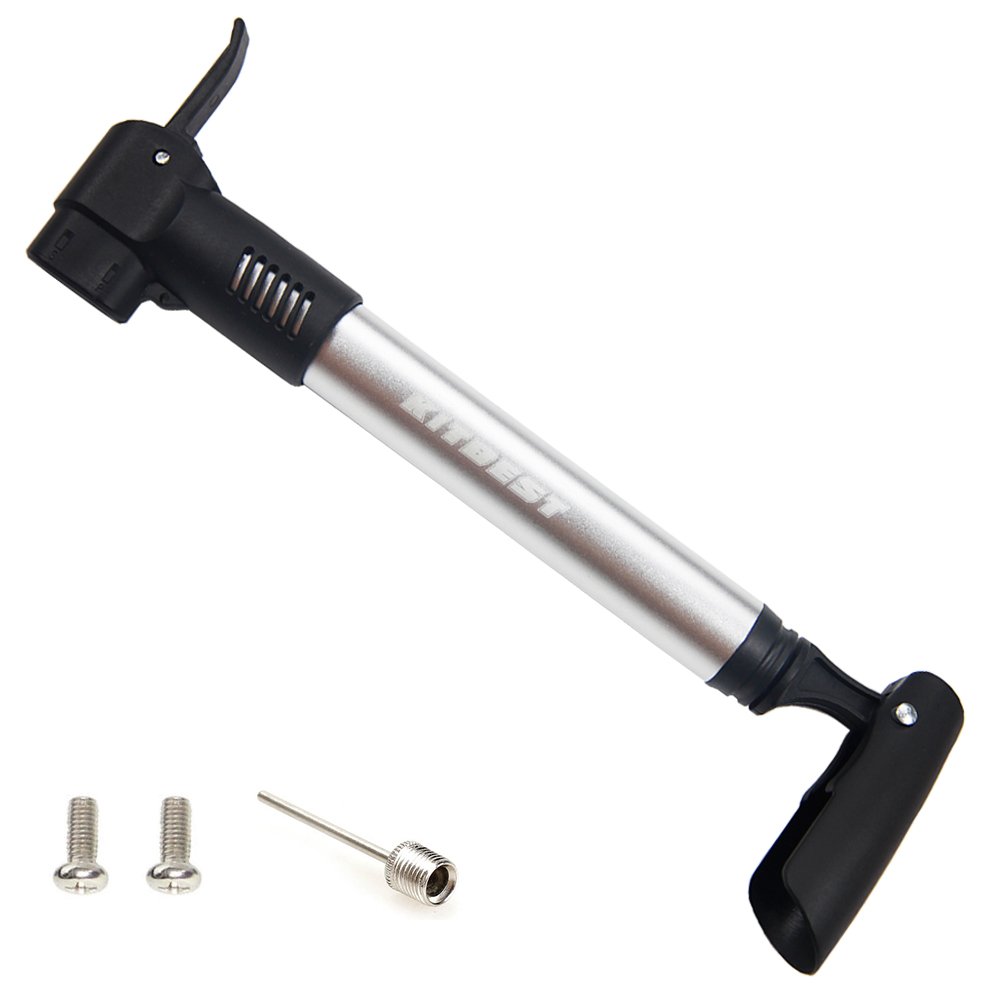
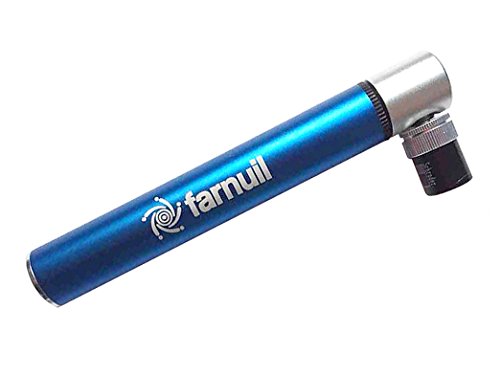
Ultra Mini-Pump

Bike Mini Pump. Capability Pocket-Sized with Optimized Air Flow 100 PSI, Mounting Bracket, Presta-Schrader Valves, CNC Aluminum, Lightweight 72 Grams.

Having a pump that is small enough to easily fit in a jersey pocket amongst other stuff along with in a saddle bag or side pouch of a Camel-bak can be super convenient. It will get you out of a bind but be ready to do a lot of pumping.

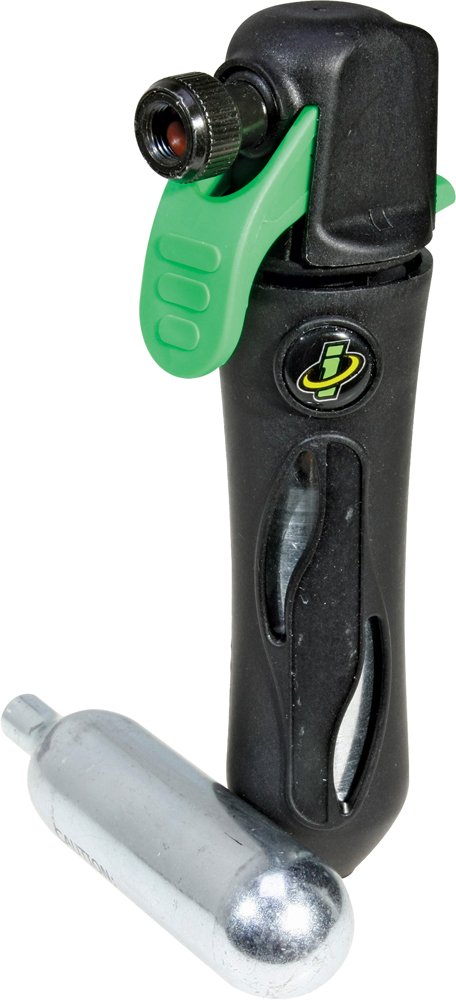
CO2 Cartridge

A CO2 cartridge is super fast and efficient, unless you need to pump up more tires than you have CO2 cartridges; then you’re quick flat change is a long walk or wait for a ride.

The Differences in Pump Heads

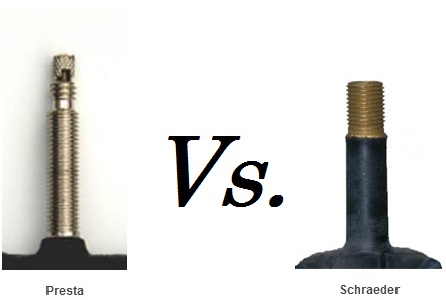
Now that you know what kind of pump you have, you have to know how to attach it to the valve stem. But before you do that you need to know what kind of valve stem you have to make sure it is open as well as to make sure you are using the right style pump head. The two types of valves are Presta and Schraeder. Below, Presta is to the left. With this type you need to unscrew the top-most piece counter-clockwise to open the valve before pumping. To close, simply turn clock-wise. Schraeder valves, to the right, are ready to pump and don’t need opening nor closing. Just make sure you take off the plastic cap first.

Presta-vs-Schrader

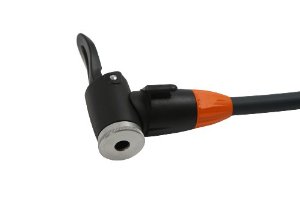
Now that you know what valve type you’re working with, you need to know which head you have and how to use it. The first type, which you will find on all of the pump types, is the standard single nozzle head. These typically work with both Presta and Schrader valves by unscrewing the outer plate (in the image below, the silver piece) all the way off. This will expose a rubber nozzle. For Schrader, you will want the wider side pointed outwards. For Presta, you will want the narrower side pointed outwards. Behind this nozzle you will then probably find a plastic piece. For Schrader, place the pointy-tip side towards the outside. This is what de-presses the valve pin on the inside of the Schrader valve. For Presta, place the point-tip away from the nozzle. Once you have these pieces orientated for your valve type, simply screw the cover plate back on.

pump head
Single Nozzle

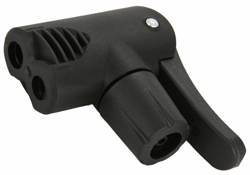
For a dual nozzle, pictured below, simply place the valve into the correlating hole. Large size for Schraeder, small size for Presta.

pump head 1
Dual Nozzle

Now that you have the valve in the correct size nozzle, you need to lift the lever on the rear of the valve head. This tightens down the rubber nozzle to ensure no air loss. (Note: On some fancier models this is reversed. Before placing the head on the valve you can lift the lever and see if the nozzle tightens down or not.)

How To Pump You Bike Pump

Now that you have the pump head securely attached, you are ready to pump. With all of the pump types, they will likely seal well when new but when they age you may need to hold the valve head tight to the valve with one hand while pumping with the other. With a floor pump, simply place a foot or two on the base and pump away. With the other pumps you will want to hold the other end of the pump with your other hand so all of the force isn’t placed on the valve stem. If you don’t do this you will likely brake the valve stem off leaving you with a less than ideal situation. A good way is to hold the valve head while also holding the rim to support your hand.

CO2 Option

With a CO2 cartridge, the attachment mechanism might be the same or perhaps a little different so you will need to do the same things mentioned above to make sure you’re using the right valve nozzle and then to make sure it’s securely attached. Then instead of pumping, you tighten down the cartridge to pierce it and either the tube will start filling up automatically or there will be a button to press to begin inflation. Either way, make sure you don’t over inflate the tire and when you take the valve head off a Presta valve, make sure it doesn’t freeze open. Simply give the valve a tap down and turn to close quickly.

What Pressure Should I Pump To?

Now that you know how to use a bike pump, what pressure should you pump to? With a floor pump you will be able to get your tires easily to whichever pressure you like. With the other pumps, it will likely be hard to get the pressure up to what you were riding originally. On road tires, get as much air in as you can to avoid pinch flatting. You won’t have a gauge so you will have to go by feeling the hardness of the tire with your thumb. For road tires, you should only be able to press in a tiny bit. For cyclocross and hybrid bikes, you should be able to press in a bit more, perhaps two to three millimeters. For mountain bike tires, you should be able to press in even more, five millimeters to one centimeter.

Easy Tricks for Tubeless Mountain Bike Tires

February 20, 2018 by Ryan Taylor

There is no doubt that the emergence of tubeless mountain bike tires and rims have changed the industry for the better. Riding tubeless enables the rider to run less pressure, giving the rider more grip, better ride feel and also less weight. Adding a sealant to the system adds an extra measure of security as many small holes or cuts in the tire can be patched internally by the sealant. Should a cut happen that is too large for the sealant to do its magic, then the rider can install a tube as normal to get home!

Tubeless Mountain Bike Tires

Tubeless has come a long way since the emergence of UST (universal system tubeless) over 10 years ago by Mavic and Hutchinson (two french companies, hence the french abbreviation). Now most rims and tires on the market can be made tubeless very easily, BUT there are few hidden tricks that both shop and home mechanics can use to make the system easier and more affordable.

Editors note: Most Bontrager rims do not apply to these tricks!

Gorilla Tape:

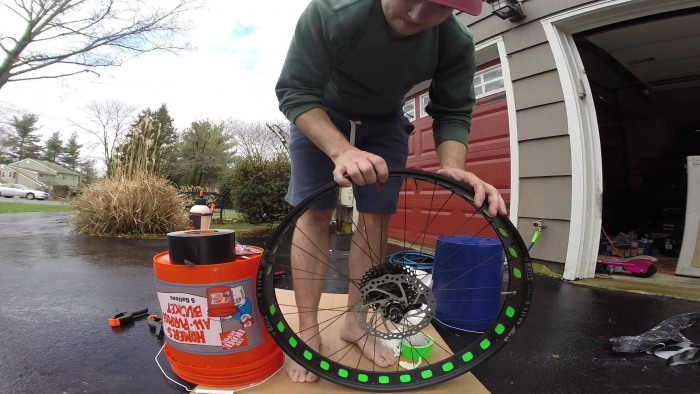
Tubeless rim companies have developed their own tape to ‘tape’ over the spoke holes on the inside of the rim causing it to be sealed. The valve is then poked through the tape. When sealant is added, the combination of these things is what makes the system air tight.

This tape is on the expensive side as it is designed to work with the specific rims. Many professional  mechanics, from local shops to World Cup DH, tend to use ‘Gorilla Tape‘. This tape is basically duct tape on steroids and can be bought on the cheap at any local hardware store. Not only that, it comes in many widths to accommodate different rim widths and tends to be thicker than the proper tape. In some opinions, it can lead to a more solid tire seal.

One of the main benefits to Gorilla Tape is how easy it can be found. Being able to buy it at Wal-mart at 10:30pm the night before a race is handy when you break a spoke on the course pre-ride! The key to it working well is to make sure the rim surface is clean for proper adhesion.

Tubeless Valves:

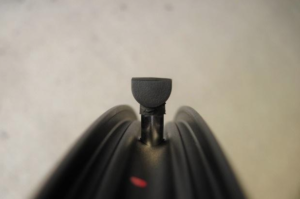
Like tubeless tape, specific valves are recommended to go tubeless. The main benefit of the specific valves is that the rubber base (what hugs the rim) is built up. This works to prevent sealant from going into the valve, clogging it, and also preventing it from pulling through. If you are on a very tight budget or in a pinch, you can cut up an old presta tube. This valve is very similar and can work. If you have a couple of extra bucks you can buy the proper tubeless valve.

Patching Tires:

We have all been there. Installing a new tire and cutting it on the first ride. Tubeless tires don’t come cheap these days and it is very frustrating to cut one before you get your moneys worth! It is possible to patch tubeless tires, but it is very tricky. It’s recommended to buy patches in the automotive isle of the hardware store as they tend to be thicker, more stiff, and generally cheaper. Your DON’T want a flexible, thin, patch with some stretch to it.

Be sure to clean the inner part of the tire thoroughly with alcohol and scuff it up with sandpaper. Once clean, buy the best crazy glue you can find. A favorite is ‘KLEBFIX’ from Wurth brand. It is a fantastic glue and doesn’t corrode rubber. Be careful as it will bond ANYTHING in a matter of seconds. Traditional patch glue doesn’t work well. Keep in mind, this is to get the remaining life from your tires. If you are concerned about it holding up before the biggest race of the year, you should error on the side of caution and buy a new tire.

The Rim-Pop technique:

Lets face it: Tubeless is annoying to set up without a compressor. Thankfully Bontrager has come out with a pump that stores air inside of it causing a burst of quick air popping the tire into place. This is the definition of “Why didn’t someone think of this sooner?” type products.
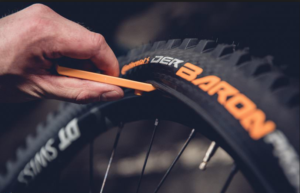
However, there is another way! Once the tire, valve, tape, sealant are all installed, run your tire lever just under the bead of the tire, gently pulling it up onto the high spot of the rim (where it should sit when inflated). Run the lever all the way around the tire. You will feel it getting tighter and tighter as the lever approaches your starting point. From here, gently pull the lever out and do the same to the other side.

The goal here is to pre-set the tire on the high point of the rim so when you start pumping there are fewer places for the air to escape which aids in the force of the air ‘popping’ the tire into place so the sealant can do its magic.

You will almost always make a mess with this system, but it works. Once you get good at it, it usually works the first attempt. Again this is handy for those without a compressor or who happen to be at a race or on the road. Another good method is before you put the sealant in, install the tire with a tube and inflate it to seat the bead. Then carefully remove one side of of the tire to remove the tube, install the tubeless valve, and add sealant. Then do the above trick on the one side. Also wiping the bead of the tire with a warm, wet, soapy sponge will help the tire to seal.

The bicycle industry has come a long way from UST over the past 10 years. Tubeless tires are more accessible, more affordable, and much lighter compared to then. Is the ‘Stans’ system easier to use than UST? Depends who you ask, but these tips will help you out if you’re in a pinch.

The Best Cycling Computers

January 8, 2018 by Sarah Lauzé

Cycling computers can do a lot to enhance your training and track important aspects of your ride. Some riders are just curious, while others use the data as a means of motivation. So, whether you’re looking for an in-depth analysis of every second, or to simply track your routes to see where you’ve been – there’s a cycling computer for that.

There are an overwhelming amount of cycling computers on the market, with both brands and models coming and going each year. So what makes one better than the other? Well, that depends on what you want it to do.

What kind of cycling computer is best for you?

If you’re not interested in chasing any Strava segments or going into detail about every aspect of your cycling, then you don’t need one of the top of the line cycling computers. In fact, a basic unit will most likely provide you with all the information your want and need.  Most of them will include your distance, speed, and time. Most of these do not include GPS and do not allow you to transfer data to a computer or tracking service.

They are simple, easy to use, and effective if you’re just looking for those three areas of information. They will also be smaller, lighter, and often have better battery life than the pricier performance models.

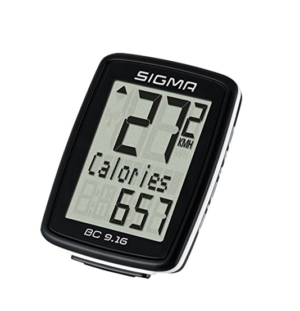
Sigma BC 9.16 (Wireless)

Cycling Computers

Price: $40

The Sigma BC series has been a go-to for years when looking for simple reliability. The new BC 9.26 also includes some bells and whistles that previous models did not. The basic features include current speed, average speed, trip distance, total distance, ride time, total ride time, maximum speed, and calories. The unique thing about this model is there is an optional USB docking station, so you can transfer ride information to from the computer to your Mac/PC to keep track of your rides.

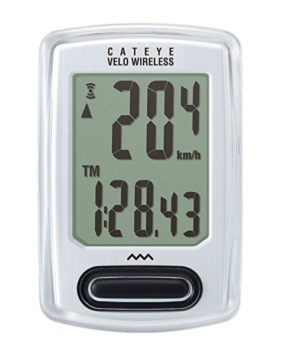
Cateye Velo 9 (Wireless)

Cycling Computers

Price: $26

The Cateye Strada includes all the basic stats, plus a few bonus features, all in a slim and lightweight design. On the display you can scroll through current, max, and average speed, your total distance, trip distance, elapsed time, calories burned, and a clock. The Strada is also a great computer to switch between your road and mountain bike, as there is an option to pre-program more than one bike with different wheel sizes.

This model is known for its long lasting battery life (upwards of three years) and it’s waterproof seal.

GPS Cycling Computers

The more complex GPS and ANT+ interface cycling computers can provide a lot more features. They will include things like mapping and navigation, while collecting information from heart rate monitors, cadence sensors, and power meters. They also track your ride using an internal GPS, so you can see your exact route.

With these cycling computers you can look at your time on any route or segments, and them compare to other users through Strava.

Cycling Computers

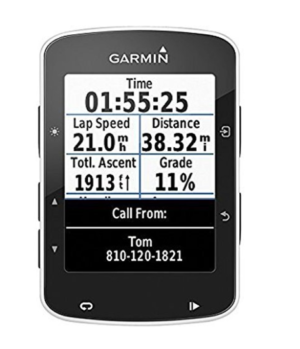
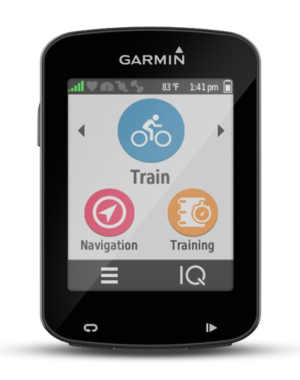
Edge 520

Cycling Computers

Price: $249-$299

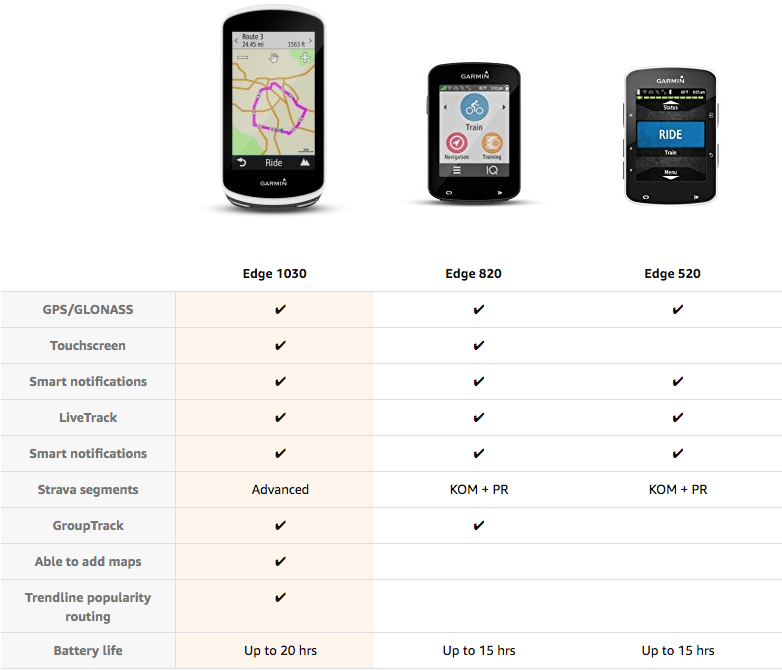
The Edge 520 is great for training with it’s small size and ease of use, but it is not a touchscreen and therefore not as good for navigation. The Edge 520 led the way with new performance and power analysis, including Time in Zone, FTP tracking, cycling specific VO2 and recovery dynamics, but both the 820 and 1000 have since added these features. That being said, if you aren’t in need of much help with navigation, the 520 is a great budget-friendly option. It’s also great for people who prefer buttons over touch screen, if you ride a lot in the rain or with gloves on, but it comes down to personal preference.

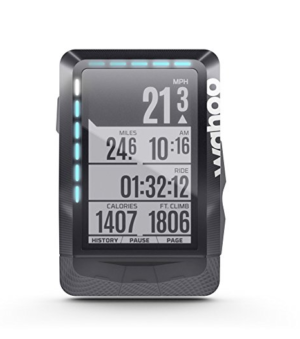
Wahoo ELEMNT GPS

Cycling Computers

Price: $330

The Wahoo ELEMNT connects to all your peripheral sensors, as well as connect to your smartphone via Bluetooth. The in-unit menus are tedious to get through for set up, but are a breeze when connected to and operated through your smart phone. So unless you have a smartphone, either an iPhone 4s or newer or android 4.3 or newer, this isn’t the unit for you. That being said, it is a stand alone GPS unit. Once connected to your phone it’s simple to customize settings, configure workout pages, and link to popular cycling apps and wireless sensors. Post-ride, the app stores workout history can automatically sync to your linked third party Apps. The ELEMNT can also deliver on-screen alerts for phone calls, texts, and emails if you choose. The high contrast black and white screen is a selling point, making it easy to see even in sunlight.

Edge 820 GPS

Cycling Computers

Price: $395

The Garmin 820 is the hybrid, combining the touch screen of the Edge 1000 with the smaller size of the 520. So, is it the best of both worlds? Almost. The computer is easy to use, uploads your rides directly to Strava via your phone or wifi, and you can see incoming calls and texts while you ride. It’s downfall is the navigation. If you’re used to the larger screen of the Edge 1000 or even your smartphone, the 820 will take some getting used to. It’s not as if the navigation is terrible, but the touchscreen is much smaller, and can there seem a little cramped.

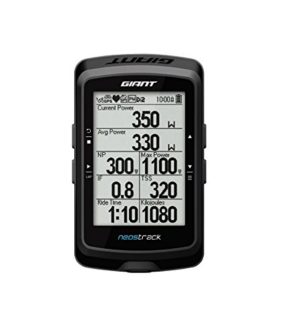
Giant NeosTrack

Cycling Computers

Price: $180

With over 30 hours of battery life, 2.6 inch screen, five button operation, and 80 functions, the Giant NeosTrack is a great budget friendly option. It’s no-nonsense, with a focus on functionality rather than flashy selling features. It can record all the standard metrics, as well as many of the more technical fields like TSS, normalized power, and L/R power. It is fully compatible with your smartphone via Bluetooth, but it a little slow when transferring ride data. Overall, it’s a great unit if you’re more concerned with data, and aren’t too worried about getting text notifications while out on a ride.

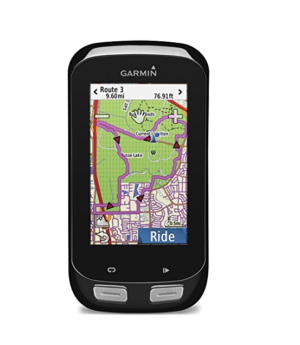
Edge 1000

Cycling Computers

Price: $299-$599

There has actually never been a better time to buy the Edge 1000, as the price has decreased with the recent release of the 1030. So far, the response to the upgrade as had mixed reviews, with most claiming it’s not worth the extra couple hundred dollars. For years the Edge 1000 was Garmin’s premium model, with the large screen making it great for training and navigation. When paired with your smartphone, the Edge includes including live tracking, incoming call and text alerts, social media sharing, weather, wireless uploads and sending/receiving courses and segments. As soon as your ride is complete, the data can be automatically sent to Garmin Connect via Bluetooth or Wi-Fi. Really, there’s not much this computer can’t do, but the battery can become an issue on long rides (one aspect that was improved with the 1030).


Your Smartphone

Why not just use your smartphone? With the Strava app, you can track data similar to on a GPS unit, and there are even ANT+ receivers for smartphone to integrate data from heart rate monitors, power meters, and cadence sensors.

The main issue will be your battery life. Most phones will not last a long ride while running GPS the entire time. Also, unless you have a handlebar mount, you won’t be able to see the screen as your riding, which is one of the main perks of a cycling computer.

How To Clean Your Bike in 5 Minutes or Less

January 3, 2018 by Adam Farabaugh

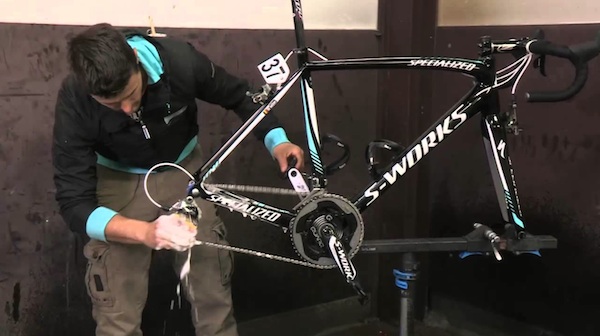
Having a clean bike that looks good and works flawlessly is something that all pro riders have for every single ride. Their trick though is that they have a mechanic who keeps their bike looking and working like new. You too can have that clean, smooth working bike without spending ages working on it after every ride. The trick is to know what to do and having everything set-up and ready to use when you clean your bike.

How to clean your bike

Washing

After a ride in the rain, mud, or other gnarly elements, using water on your bike is the easiest way to get your bike clean. It gets the big stuff off without having to wipe your bike a million times with a towel or rag.

The Hose Approach

If you have a hose, leave it set up so all you have to do is turn on the water and hose down your bike. Leave the wheels on as you aren’t doing a top to bottom scrub. You just want to hose everything off and get the grit out of the nooks and crannies.  Do a once over on the whole bike but when you get to the drivetrain put the spray on the chain and run the pedals backwards. After a few revolutions, keep spinning the pedals backwards but move the spray to the cassette and then the pulley wheels on the rear derailleur. Also get both brakes good.

The Bucket Approach

If you don’t have a hose, a bucket is your next best alternative. Get a sponge, or an old t-shirt, and get it sopping wet and wipe down the bike starting with the handle bars, then frame, then wheels, and then drive train to get to progressively dirtier and dirtier areas of the bike. You’ll have to ring out the sponge, or t-shirt, a few times depending on how dirty your bike is. When you get to the drivetrain you’ll spin the pedals backwards with the sponge in your other hand cupping the chain.  This will get a good bit of any gunk that has built up off. Then scrub what you can off both derailleurs. After you are done scrubbing, take the remaining water and dump it slowly over the whole bike washing away anything that was left behind.

Wiping Down

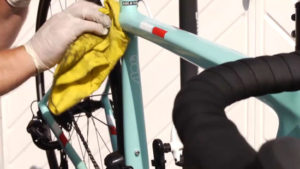
If your bike wasn’t too dirty you didn’t have to hose down or use a bucket luckily. Whether you just used water on your bike or it wasn’t too dirty, you will now wipe down the bike. The best approach to this is to get a dry rag and some simple degreaser.  Start with the dry rag and run it over the shifters and handle bars. Then spray a little degreaser (such as Simple Green which is light enough on everything) on a corner of the rag and wipe down the frame, scrubbing a little where it needs it. The degreaser will easily remove any dirt and grime on the bike and leave it shining like a pro’s bike. After you’ve gone over the frame, go over the rims but since you still want ample use of your brakes, don’t wipe the braking surface since the degreaser is quite slippery. A little bit won’t hurt it though if you do accidentally rub a little bit on it.

Next is the drivetrain. Take the degreaser and spray a little on both the front and rear derailleurs in their smallest gear and then again in the biggest. This allows the degreaser to get into the moving parts. Then wipe down both. Now that your rag has a descent amount of degreaser on it, run the chain backwards with the rag grasped around it. This will help to get it clean and shiny again. If you used a bit too much degreaser, take another clean dry rag and wipe down the bike again as you don’t want a slippery frame. Doing this will get your bike looking clean. How long it stays clean though is up to you.

Lubing the Chain

A smooth working bike, provided you’ve taken proper care of it with parts that aren’t too warn out, keeps it staying smooth and feeling like new due to proper lubrication. You should lube your chain every few rides at least but definitely after cleaning your bike. Since you already ran the chain through a rag when you were cleaning the bike you don’t have to do that again. If you didn’t and you’re just lubing the chain, run the chain backwards through a rag.

Take your bottle of lube and tilt the bottle slightly placing the nozzle so it just touches the top of the chain and a single drop comes out of the bottle. Now turn the pedals backwards getting roughly a drop on each link. The key to lubing a chain is that you want the lube inside the pins, not on the surface. Once you’ve gone around one to three times depending upon how dry you chain is, take the bottle away but continue running the pedals backwards. This will help to get the lube inside the chain itself. Now take a rag and run the chain backwards once again wiping off any excess lube. Your chain should now look sparkling clean.

Smooth Shifting

To keep your shifting working smooth you now want to put the bike in its biggest gear and then littlest putting a few drops of lube at all of the pivot points. Shift the gears from the biggest to the smallest and vice-versa a couple of times and then wipe off any excess lube. Now, assuming you have old school cables, flip your bike upside down, taking care not to scratch the shifters, and put a couple drops of lube underneath the bottom bracket on the cables where they slide through the plastic sleeves. Many bikes today have different cable routing designs so you’ll have to look at your bike and see where the friction points occur. They are going to be right around here where they make the bends to their respective derailleurs. Once you do this shift through all the gears a few times and add a few more drops if needed.

Now you have a clean, well-oiled machine that you obtained with minimal effort. Keep your sponges, rags, degreaser, and lube together in a convenient spot where you can grab it and be done with it five minutes after your ride. And if your bike tends to get a bit more dirty, keep a hose or bucket handy so you can do a once over on it quickly while still in your kit. Not only will you now show up on all your rides with a bike that looks like a pro mechanic took care of, it’ll work like one did too. Keeping your bike clean and lubed will also help your parts last longer too!

Best Road Bike Upgrades

December 31, 2017 by Adam Farabaugh

As a cyclist we are always trying to improve. Improve ourselves in our fitness, bike handling skills, and the level at which we ride. There is general idea in cycling that you don’t need an upgrade to get faster, but rather ride up grades. While it’s true there are no shortcuts to get faster, there are some road bike upgrades can help you along your way.

Fortunately you don’t need a lot of time or money to make substantial improvements on your bike. Making a few improvements can help your riding in many ways, but the biggest issue is knowing which one is going to give you the most benefit.

Best Road Bike Upgrades

Upgrade #1: Comfort

The most important thing in riding is comfort. The more comfortable you are on your bike the more you’ll ride, so the first things that you should upgrade are things that improve how you feel on your bike. Whether your bike is an entry level road bike or a top of the line model, some of the features may just not be a good fit for you.

Saddle

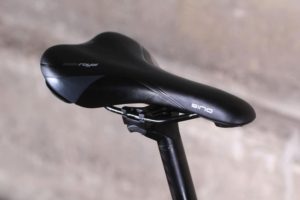
The saddle on your bike is the biggest part that is going to give or take away from your comfort. It’s very important to have one that’s a good fit for you and your style of riding. The best way to find the right saddle is to ask around and see what other people have ridden and if they have one you could try (most all bike shops will let you try before you buy). Some key things to look for is how wide the saddle is as you want it to match up with your sit-bones, as well as how soft or firm it is. A new saddle doesn’t have to cost a lot of money either and any money spent on a saddle is a good investment in your comfort.

Shoes

Your feet are the second biggest contact point with the bike, so making sure they’re comfortable as well will go a long way. Cycling shoes can be a bit more expensive than a saddle, but they will last a very long time so the extra money you spend here will last you years. The key to finding the right shoes is fit. Feet come in all shapes and sizes and a lot of shoes have different styles of foot beds; meaning some are wider and narrower in different spots throughout the shoe. The best way is to try a lot of them on and find what feels the best.

Upgrade #2: Reliability

Depending on where you’re riding, having a reliable bike can trump comfort, so unless you can easily catch a ride home, invest in improvements that will keep you rolling no matter what is thrown your way.

Tires

The thing that will slow you down the most are flat tires. The best way to prevent this is by having a set of tires that are not prone to flatting and replacing them when they are getting close to worn out. A good starting point is to get a wider tire, 25mm to 28mm if your bike frame will allow it. This will lessen the likelihood of pinch-flatting. A tire with harder casing and harder rubber, will last longer as well as be less penetrable. If you want to lessen the likelihood of flatting even more, consider upgrading to a tubeless set up that uses sealant inside the tire to fill any leaks before all the air escapes.

Brake Pads

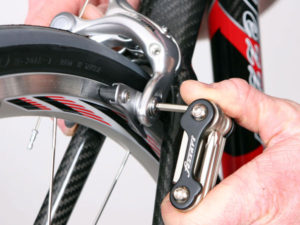
Another area of the bike that you should make sure is in top-notch are the brakes. Being able to stop quickly not only gives you piece of mind, but also can prevent unnecessary crashes. Replace your brake pads before they wear out. Not changing them has the potential to not only leave you without good brakes on a ride but also can potentially damage your rim which will cost much more to replace than what the brake pads would have cost you.

Chain

Although chains break relatively infrequently, they still break. If you’re mid-ride and without a chain tool to take a link out to get you home, you’re going to be asking for a ride. The best way to prevent this is to replace your chain before it becomes old and worn out. This will also save you from having to get a new cassette along with the chain as the chain won’t have stretched past the point where a new one won’t mesh with the old cassette.

Upgrade #3: Speed

Now that you’ve upgraded the parts to your bike that have the biggest impact on you, you can upgrade a few specifics to help you ride faster. The cheapest to ride faster is to ride more, but once you’ve done that upgrading your equipment comes next.

Helmet

A more aerodynamic helmet can save up to 1 minute in a 40 km time trial. Now, no self respecting road cyclist is going to go strap on an aero TT helmet, but the principle still remains. A more aero helmet will shave time off your ride and is your best bang for your buck. Just make sure the helmet has enough vents if you are prone to overheating.

Wheels

Your wheels can easily be changed and may be contributing to what is slowing you down. Cheaper wheels can be heavy as well as less aerodynamic. Depending upon the riding that you’re doing, choosing a lighter and/or more aerodynamic wheelset can drastically improve your speed on climbs and flat sections.

Wheels can go up in price past the cost of your bike, most likely, so you need to find a good balance of lightness to aerodynamics to cost. Typically the best are a clincher rim, to give you the ability to easily change a tire, with a moderate amount of depth and are fairly light with a lower spoke count. There are about a zillion wheelsets out there both in aluminum and carbon. A bit of homework is required to find your perfect wheel but it’s time worth spending if you’re looking to improve your speed.

Clothes

You may not think that clothing would have a significant effect on speed; however, a skin suit can save over 2 minutes on 40 km time trial. This emphasizes how important the clothing you wear can be. Scrap the baggy clothing and embrace the lycra bib shorts and tight fitting jerseys.

Upgrade #4: Style

The last thing to improve on your bike is how it looks. Some may think this should fall higher on the list of what to upgrade, but in reality it’s not how you look, but that you’re out there doing what you want and having fun. Even at the professional level.

Bar Tape

Having clean, well-wrapped bar tape will make your bike look much better particularly after it has been cleaned. Color is personal preference, but typically any colors other than black or white are only used if it goes with colors on the bike. White typically is the most professional, but keeping it clean can be hard. Having well wrapped bars with black bar tape is the best style as it stays clean and looks good.

Bottle Cages

You probably already have bottle cages on your bike, but upgrading them to something lighter and sleeker looking can be a good option. The first thing though in upgrading bottle cages is making sure they still hold a bottle well even down a bumpy road. It can be the sweetest looking bottle cage in the world but if your bottle falls out, it didn’t do its one job and is worthless. After you’ve determined that it can securely hold a bottle, find a style and weight you like and match the color with your bike. Black typically goes with everything but it all depends. It’s style, find yours.

Saddle Bag

Style on the bike continues to more than just the bike itself.  This continues to accessories on the bike such as a saddle bag that a lot of riders have just flopping around under their seat. Having a bag that isn’t too big and is securely attached to your seat not only has a purpose but also looks good. The best looking things are the ones that have a purpose and look good too.

Upgrading parts on your bike doesn’t have to be expensive and time consuming. Knowing which parts to upgrade first will help you get the most out of your riding. The best upgrades are the ones you need, not what other riders think you need. There is always the “latest and greatest” equipment out there but just because it’s sweet and functional for someone doesn’t mean that it’s a great investment. Often times the most simplest of upgrades will take your riding the farthest. Find that one upgrade, make it, and go on to the next when the time is right.

Stretches to Treat Neck Pain from Cycling

December 29, 2017 by Sarah Lauzé

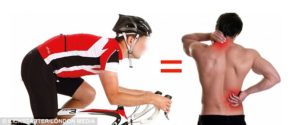
Neck pain from cycling is one of the most common injuries, but it is often left unaddressed. Pain of any kind is your body telling you something, and shouldn’t be ignored. Typically, the discomfort is localized in your anterior deltoids, upper trap muscles and neck extensors. This can be attributed to a few causes such as bike fit, head positioning when riding, and muscle tightness.

Neck Pain from Cycling

What Causes Neck Pain

Bike Fit

As a beginner cyclist it’s important to work with a bike fitting specialist and tweak one thing at a time, ride for about a week, and assess the changes. This allows you and the fitter to pinpoint the exact solution or cause in order to improve riding conditions.

Often neck pain from cycling is linked to having a high seat post in relation to your bars. When the seat post is too high it can place you in an aggressive position, which your body may not be ready for. It’s a better tactic to gradually increase the aero position as you get used to cycling. Additionally, if your road or aero bars are too far away causing you to overreach you can place unnecessary strain on these muscles. The solution would be to place the bars closer in relation to your body so you’re in a “tucked” position when riding.

Head PositionNeck Pain from Cycling

It’s natural to try and keep your head up on your bike, looking forward to ensure you don’t swerve off the road. The key is to learn to look up with you eyes, rather than your entire head. Keeping your head down puts less strain on your neck, and allows you to ride for longer periods of time without irritating the muscles.

Tight Muscles

As a beginner cyclist you are now forcing your body to use muscles either it hasn’t in other activities or in a different way. This leads to tightness, muscles spasms, and pain. However, there are a few stretching exercises that can be completed which will lead to disruption of the pain-spasm cycle.

How to Treat Neck Pain from Cycling

Stretching is the best way to keep the neck muscles relaxed and prevent neck pain. Adding these stretches into your routine (or building a routine around them) will help keep you pain free, or address any neck pain you may already have. Hold each one for 20-30 seconds, and repeat at least twice.

Neck bend

Stand with your back straight, feet shoulder-width apart, and your arms at your sides. Look straight ahead and relax. Let your head drop forward by bringing your chin to your chest. Keep your back straight and your eyes on your toes as you hold this position. You can put your hands behind your head and pull down gently to extend the stretch.

Neck Pain from Cycling

This stretch is for cyclists who experience muscle tension at the back of their neck after spending extended periods of time on the bike.

Neck and bend rotation

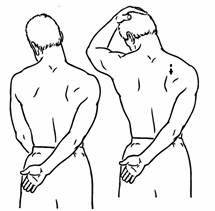
Stand with your legs slightly apart, your back and neck straight, and look forward. Your hands can be at your sides, or clasped behind your back. Lower and rotate your head to the left, looking down toward the ground. Relax into the stretch, trying to extend the movement. You should feel the stretch along the right side of the neck. Bring your left arm up and gently pull down on your head to lengthen the stretch. Repeat the movement, lowering your head to the right.

Neck Pain from Cycling

This stretch is especially important for track and road racers who spend a lot of time in an aerodynamic position, creating tension in the neck and head extensor muscles.

Lateral neck bend

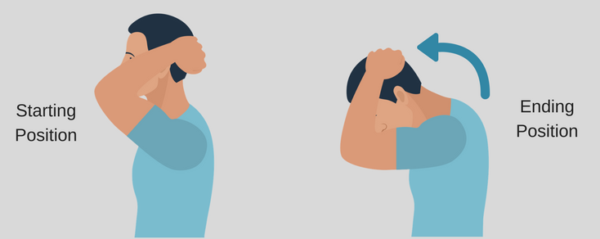
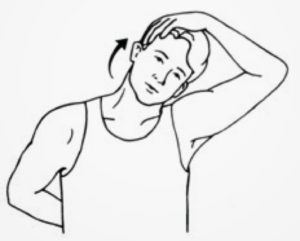
Stand with your feet slightly apart, back and neck straight. Raise your right arm and place it on the left side of the head, with your forearm going over top of your head. Your fingers should be pointing towards the ground, with your fingertips touching your ear. Gently pull down on your head, leaning so your ear is approaching your shoulder. Keep your shoulder down and relaxed throughout the stretch. Repeat with your left arm reaching up to the right side of your head.

Neck Pain from Cycling

Rear neck pull

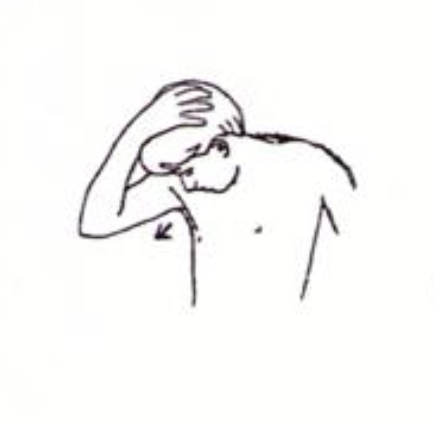
Turn your head slightly to the left. Raise your left arm and place your hand on the top of your head, fingers pointing down the back of your hand, forearm resting on the top of your head. Even though your head is turned, keep your neck and back in line with your body. Gradually pull on your head, rotating so your face is near your armpit.

Neck Pain from Cycling

Stars

Sit or stand, keeping your neck, shoulders, and torso straight. Looking straight ahead, imagine there is a star in front of your with a vertical line, horizontal line, and two diagonal lines. Trace the vertical line, looking up at the ceiling and then bringing the chin down to the chest three times. Next, follow the horizontal line side to side once. Finally, trace the two diagonal lines once each. Return to the starting position and repeat three more times. This is a great stretch because is combines flexion, extension, rotation and lateral rotation to give you a complete neck stretch.

If you want stretching routines for cyclists, check out Dynamic Cyclist for the daily video program.

Avoid the Pain in the Butt: Find a Comfortable Bike Saddle

December 19, 2017 by Sarah Lauzé

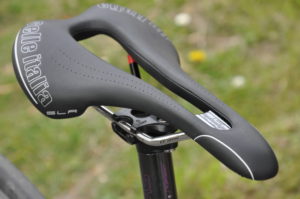
An uncomfortable bike saddle can quickly turn your bike from an instrument of joy to one of torture. Not only can it be extremely painful, but it can also lead to long term injuries or saddle sores as you contort your position on the bike trying to lessen the discomfort. There are a number of factors that contribute to how  comfortable bike saddle is, but the most important one is you.

We are all built differently, so there is no “one size fits all” when it comes to a perch for your unique bottom. What feels comfortable to one person, will feel like torture to another. So, we will outline some things to look into before starting the search for you dream saddle, but keep in mind that it will likely come down to trial and error.

Saddle Features

Width

You may think that the wider the saddle, the more comfortable it would be, but this is not the case. Neither are narrow saddles the be all end all when it comes to finding the best fit. The first step towards finding the most comfortable bike saddle is to measure the distance between your sit bones. This can be done with an “Assometer” at your local bike shop, or at home with a piece of paper and a pencil. Once you know the distance between your sit bones you will want to add 2 cm, 1 cm past the sit bones on each side.

If a saddle is too wide, the nose of it can start to rub on the inside of your quads. If it is too narrow then you sit bones will not be your main point of support for your weight. The pressure will then come down onto soft tissue, which can be extremely painful over any amount of time or distance.

Cut outs

The popularity of cut outs largely came from a 1997 study. It claimed that reduced blood flow caused by saddle pressure could potentially lead to erectile dysfunction and permanent reproductive failure in men. Although this has since been disproved, the concern is still there. It comes down to personal preference and what feels most comfortable to you.

A test to see if you might benefit from a center cut-out is to sit on a hard wooden chair or bench and lean forward without arching your back to where you can rest your elbows on your knees. Sit like this for a few minutes and if you find that there is adverse pressure and discomfort on the soft tissue being pressured then you will most likely benefit from a cut-out in your saddle.

Softness / Firmness

It’s easy to think that the more padding a saddle has the more comfortable it will be, but it actually puts more pressure on sensitive areas. It can pinch and chafe rather than support your sit bones. The ideal firmness will put enough weight on your sit bones, while still providing enough padding to be comfortable. Some riders prefer no padding at all as it puts the pressure exactly where they want it, but that isn’t the case for everyone.

Shape

There are two general shapes for saddles when viewed from above: T-shaped and pear-shaped. If you have issue with chafing or your quads rubbing together, then T-shaped will be the better option for you. A pear-shaped saddle can be good fit if you shift your position a lot while riding, as there will be more evenly dispersed support.

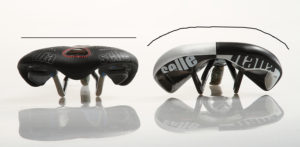
The second aspect of saddle shape if how flat or rounded the surface it. When viewed from the back, how much curvature does the saddle have? You want it to be slightly curved to keep you centered on the saddle, but not so curved that there is pressure on the central areas between your sit bones.

Gender Specific

Looking at saddles designed specifically for men or women may be a good place to start, but don’t let it dictate your decision. Women typically have wider set sit bones, and therefore require slightly wider saddles. That being said, many women find mens saddles that work perfect for them, just as many men ride on womens saddles.

Comfortable Bike Saddles

Touring Saddles

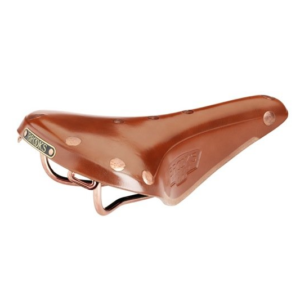
Brooks B17

$120

The B17 design was first introduce in 1910, so it may seem odd to be highlighting it here. However, the fact that this saddle has changed very little over the past century speaks to “if it’s not broke, don’t fix it.” It was made for those long distance tours, with a wider shape and a slim, short nose making it ideal for a more upright position on the bike. Handmade in Birmingham, this leather saddle molds to your bottom over time, giving you the ultimate personalized support.

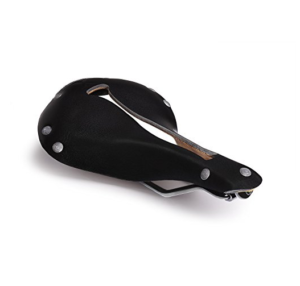
Selle Anatomica X Series

$150

Unlike the Brook saddle, the X series has no break in period, and is quite comfortable for most riders right from the start. The leather top is supported by a stiffer laminate layer glues to the underside, striking the balance between comfort and durability. The slot shape is meant to eliminate perineal pressure, sit bone pain, and saddle sores.

All-Rounder Saddles

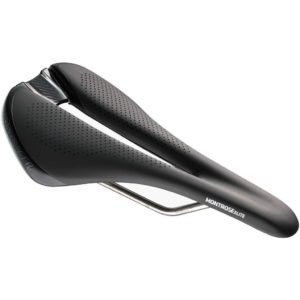
Bontrager Montrose Elite Saddle

$130

Intended to be one of the more all-purpose saddles on the market, the Bontrager Montrose Saddle has been perfected year after year. It uses something called inForm BioDynamics to optimize your natural movement on the bike. This helps eliminate any restrictions on your legs or power output, whether racing or heading out for a group ride.

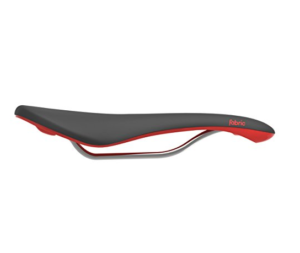
Fabric Scoop Pro Saddle

$170

It may not look like much, but this simple design is one of the more popular in recent years. Available in three shapes to suit your position on the bike, you can find a specific fit to your riding style. It brings together the perfect combination of comfort, performance, and unique construction. Plus, with the waterproof microfiber, the Fabric Scoop is durable and will stand up to years of use.

Racing Saddles

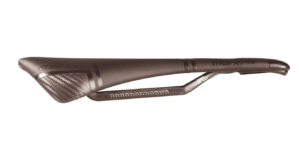
Selle San Marco Mantra

$214

Weighing in at just 122.1g, this saddle is for racers who are worried about adding any weight to their bike. The stiff design allows for an efficient transfer of power, and is made for those who ride in an aggressive position.

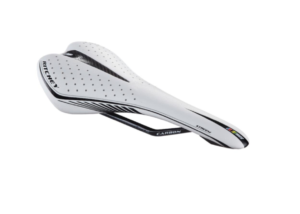
Ritchey WCS Carbon Streem

$144

This light (155g), low-profile design and narrow carbon fibre injected shell is built for the faster riders who prize long-term support. The comfort comes from the shock-absorbing ‘Vector Wing’ rather than padding, so the flat profile will suit hardened racers, but can seem harsh for casual riders.

It is extremely important to find a saddle that not only fits your contour, but is also comfortable. Your saddle is the most important comfort piece on the bike as it holds the majority of your weight, so don’t rush into it. Even with the right size saddle, flat-ness, firmness, and cut-out preference, you may have to adjust your saddle further through minor tilt adjustments.

Road Bike Tires and Rolling Resistance

December 18, 2017 by Sarah Lauzé

The ideal road bike tire would weigh nothing, have zero rolling resistance, never malfunction, and maybe even help you out near the top of a tough climb. Unfortunately, tire technology is not quite there yet. (Fingers crossed for future hover bikes).

What we can look at is what makes up a road bike tire. What makes a tire faster than others? What makes it more stable? And what role does air pressure play in all of this? Because, at the end of the day, it all comes down to where the rubber meets the road.

Rolling Resistance

Types of Tires

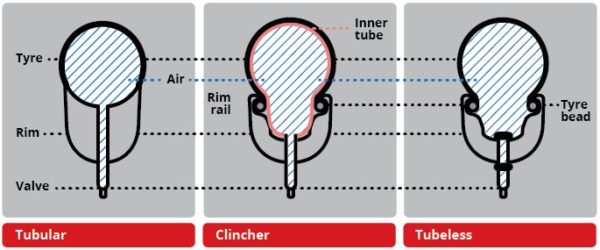
There are three types of tires available: clincher, tubular, and tubeless.

Clinchers are the most common, and you’re most likely familiar with how they work. They have a wire bead around the edge that both holds their shape and fits into a hook on the rim, with an entirely separate inner tube that you can repair or replace. Tubular tires have typically been the number one choice for racers, but are both tough and expensive to fix. They have an inner tube that is actually stitched inside, then the tire is glued to the rim. Tubeless tires have become increasingly popular for mountain bikers, but have crossed into road cycling as well. Like a car tire, the open rubber tie sits firmly on the wheel’s rim, with the air sitting in the cavity between the rim and inside of the tire. In addition, a liquid sealant is used inside the tire to preemptively plug any small cuts in the tire without losing pressure at all.

Rolling Resistance

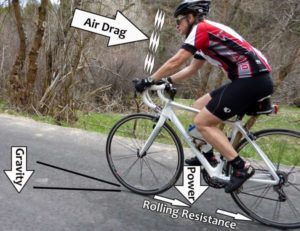
Everyone knows about wind resistance as a force that works against cyclists. Headwinds can be brutal and unrelenting, and also make for a handy excuse when your times are a little slower. Although not nearly to the same effect, rolling resistance is the much less obvious factor at play here.

Rolling resistance is a principle of physics, and isn’t specific to cycling. It refers to the energy that is lost where a tire makes contact with the road. As a tire rolls along, the rubber and casing flex and unflex. The energy needed for the constant deformation is then absorbed and turned into heat. It’s much more obvious on your car, and is the reason your tires get warm as you drive.

There are a number of factors that contribute to rolling resistance:

Tire Width

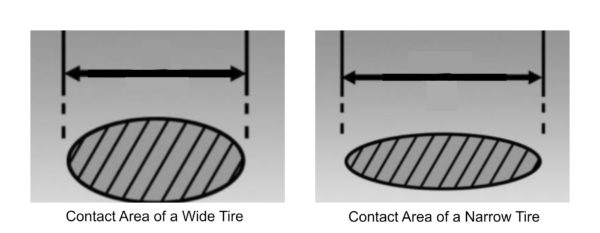
For many years, narrow 23mm tires have been the standard width for road bike tires. Racers would go even narrower to 21mm, with the general thought that the narrower the surface area, the less rolling resistance. However, this has proved to be untrue. At the same pressure, narrow and wide tires will have the same contact area. Narrow tires will flatten onto a narrower but longer section of the tire where it contacts the road, whereas wider tires will flatten over its width. The narrower tire loses more of its shape, and so does not roll as well. Wider tires have less deformation from its round shape, and therefore roll faster.

Tread Pattern

Any tread actually increases rolling resistance as the shapes or patterns can squirm as they come in contact with the road. Therefore, a smooth, slick surface is the best option, but most companies seem to want some kind of tread on their tires, if only for marketing purposes.

Casing 

Tire casings are specified in TPI (threads per inch), and have multiple layers of threads holding things together. The higher the TPI, the thinner the threads, as they can be more crowded together. In most cases, a higher TPI delivers less rolling resistance and therefore a faster tire.

Tube Choice

Clincher tires will be slightly slower than their tubeless counterparts as the inner tube and the casing create friction and raise the rolling resistance. However, the difference is not enough to make the switch for most riders. Your tube choice will have more of an impact, as running a thinner, lighter, and more flexible tube will create less rolling resistance.

Tire Pressure

Overinflated tires will deform less, and so technically will reduce the rolling resistance, but it also forces movement. Your momentum is forced up instead of forward as you bounce over every little bump and rock in the road. In recent tests the rolling resistance between a tire inflated to 85 psi as opposed to a tire inflated to 110psi is negligible. Additionally, safety is significantly reduced with high tire pressures. If you try to take a sharp turn at speed around a moderately slippery corner with overinflated tires, it’s not going to be pretty.

Your choice of tire depends on what your specific needs are and the type of riding you do. It is often a toss up between speed, longevity, puncture resistance, ease of use, and your budget. Click here to read more about how to choose the right tires for racing, or the the right tire by type.

« Previous Page
Next Page »
  • Facebook
  • Tumblr
  • Twitter

Latest Articles

JOIN Cycling: A New Training Platform for Cyclists

May 27, 2024 By Eric Lister

cold exposure

The Benefits of Cold Exposure for Cycling & Life

June 13, 2023 By Eric Lister

hill climb

The Ultimate Hill Climb Training Guide

May 31, 2023 By Eric Lister

shoulder pain cycling

How to Treat & Avoid Shoulder Pain While Cycling

April 12, 2023 By Eric Lister

psoas stretch

The Importance of the Psoas Stretch for Cyclists

April 6, 2023 By Eric Lister

cycling neck pain

The Ultimate Guide to Cycling Neck Pain: Causes and Solutions

March 21, 2023 By Eric Lister

Useful Info

  • Contact
  • Finally, A Global Cycling Club That Is Focused On Community And Love Of Cycling!
  • Privacy Policy
  • Share Your Story!
  • Terms And Conditions Of Use
  • Welcome to I Love Bicycling
  • What Happened When I Stretched Every Day For a Month

Recent Posts

  • JOIN Cycling: A New Training Platform for Cyclists
  • How to Hang Bikes in Your Garage: 4 Inexpensive Options
  • Gravel Bike Vs. Road Bike: Which One Is Better For You?
  • The 6 Types of Mountain Bikes & How to Choose the Best One for You
  • What Is a Touring Bike Good For? 5 Benefits We Know You’ll Love

Search I Love Bicycling

Connect with Us

  • Facebook
  • RSS
  • Tumblr
  • Twitter

Copyright © 2026 · Magazine Pro Theme on Genesis Framework · WordPress · Log in